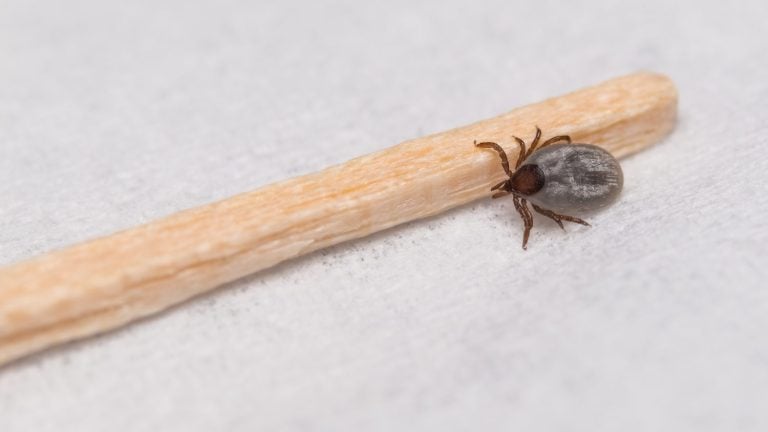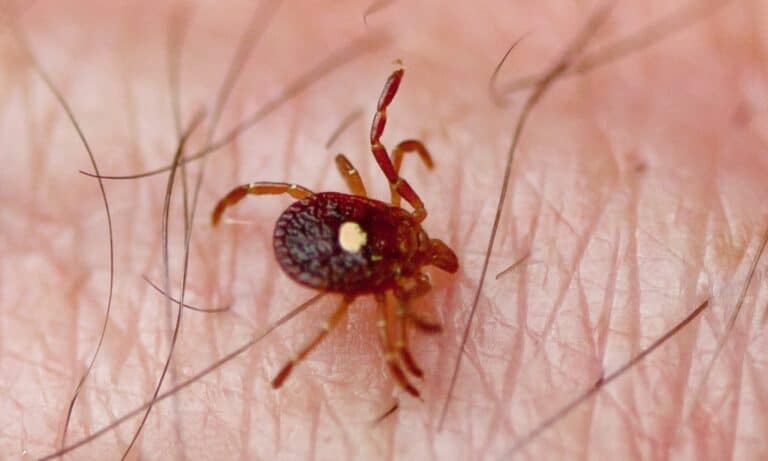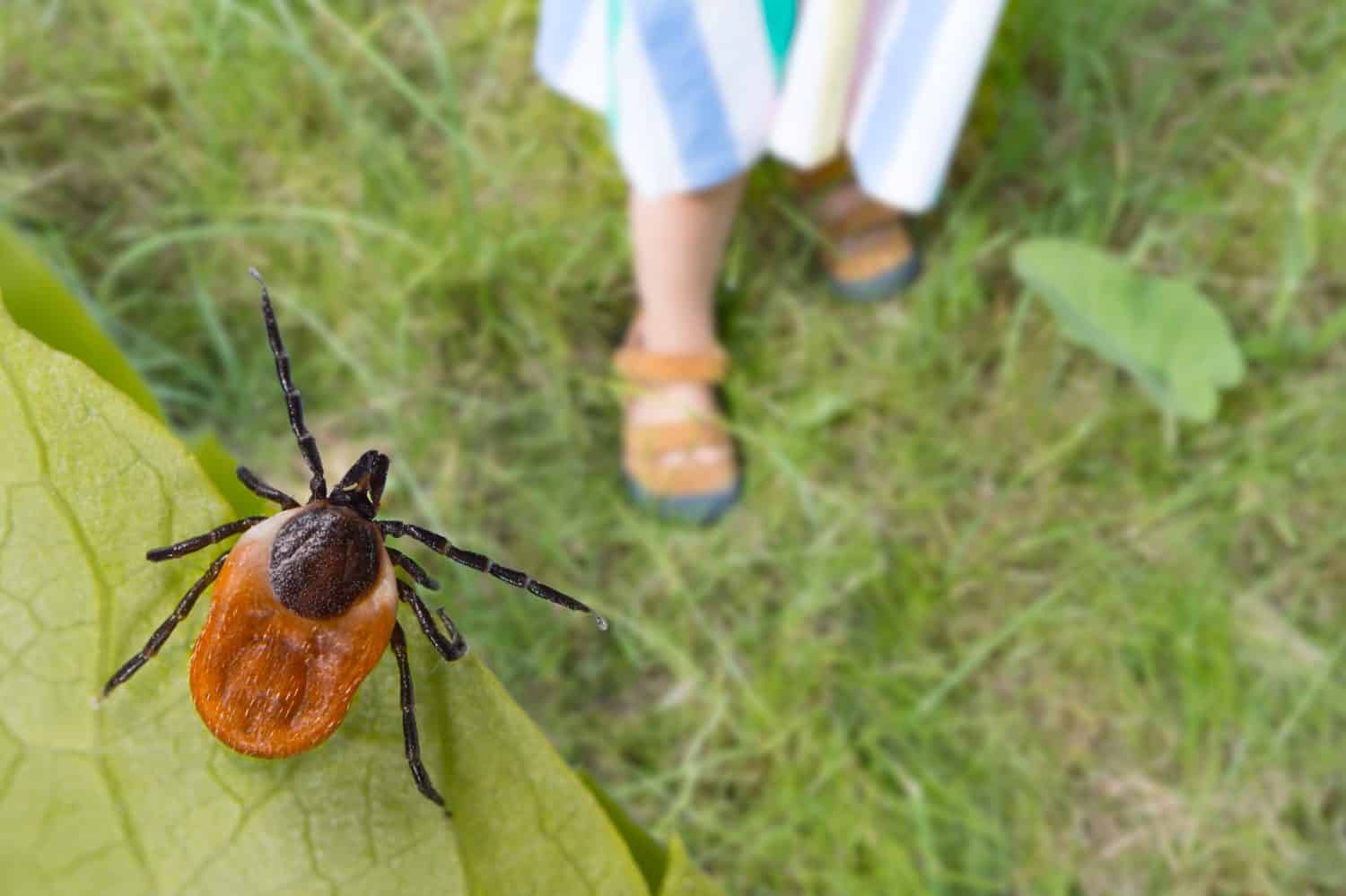

The CDC estimates that around 476,000 people in the U.S. are diagnosed and treated for Lyme disease each year. This potentially serious disease is spread through the bite of an infected deer tick, also called a blacklegged tick. Unfortunately, a single bite from a tiny tick can trigger years of symptoms unless it’s treated early. Let’s take a look at how to recognize a deer tick, where they are found in the U.S., and how to avoid being bitten.
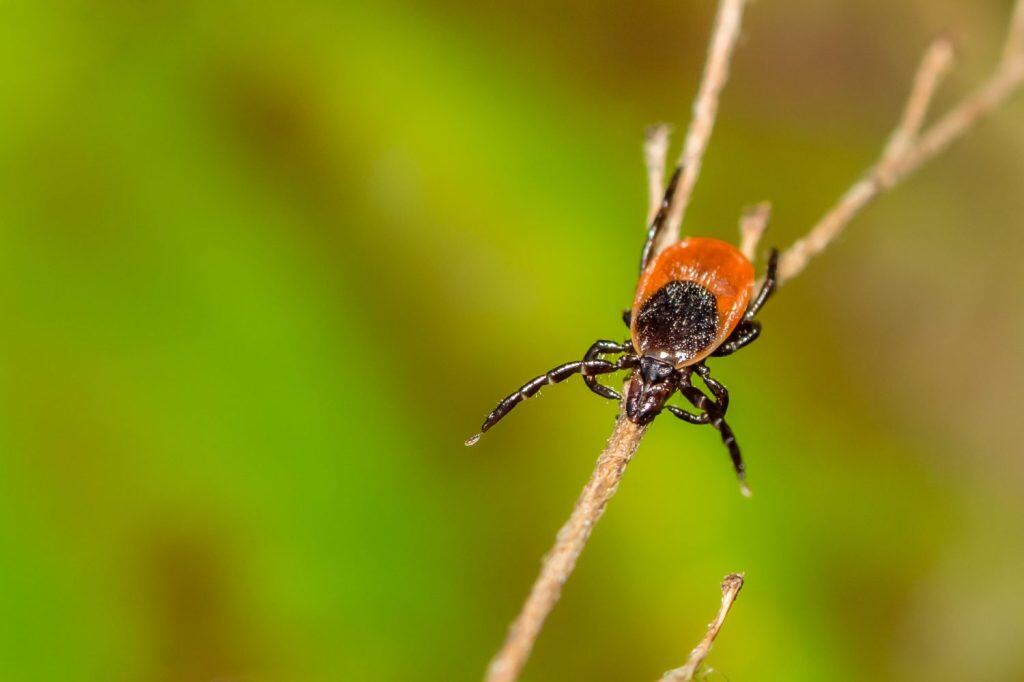
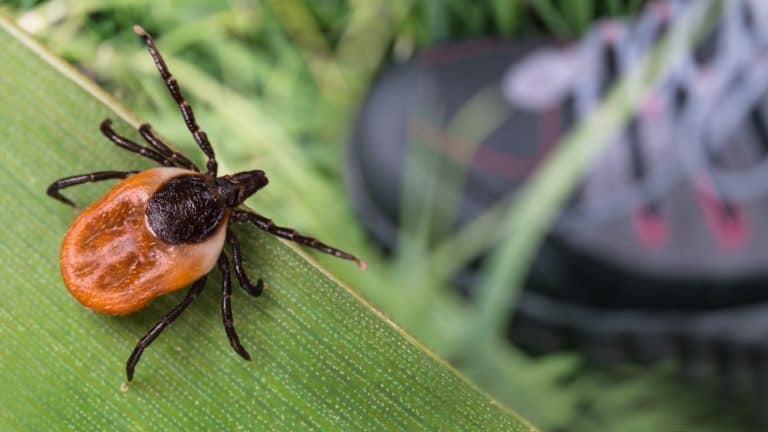
Deer ticks are recognized by their reddish-orange body and black legs.
©Jay Ondreicka/Shutterstock.com
How to Recognize a Black Legged Tick
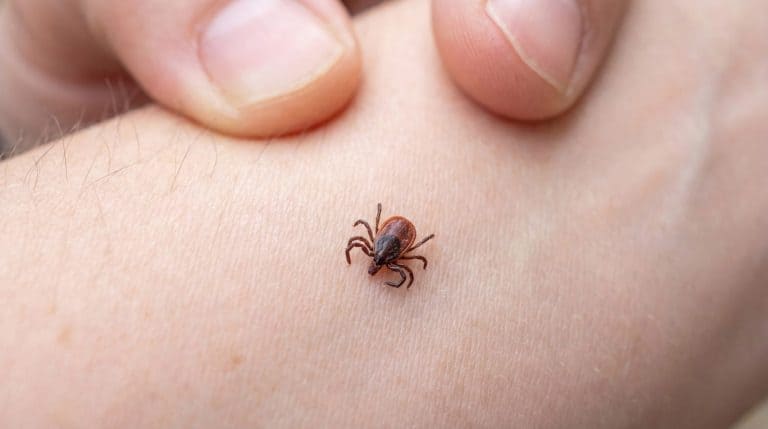
There are two species of ticks in the U.S. that may transmit Lyme disease. They are deer ticks (Ixodes scapularis), also sometimes called blacklegged ticks, and the western blacklegged tick (Ixodes pacificus). Deer ticks are common in the Northeast, Mid-Atlantic, and North Central U.S., while the western blacklegged tick is found along the Pacific Coast. Not all bites from a blacklegged tick will cause Lyme disease. Only ticks that are infected with Borrelia burgdorferi can spread the disease.
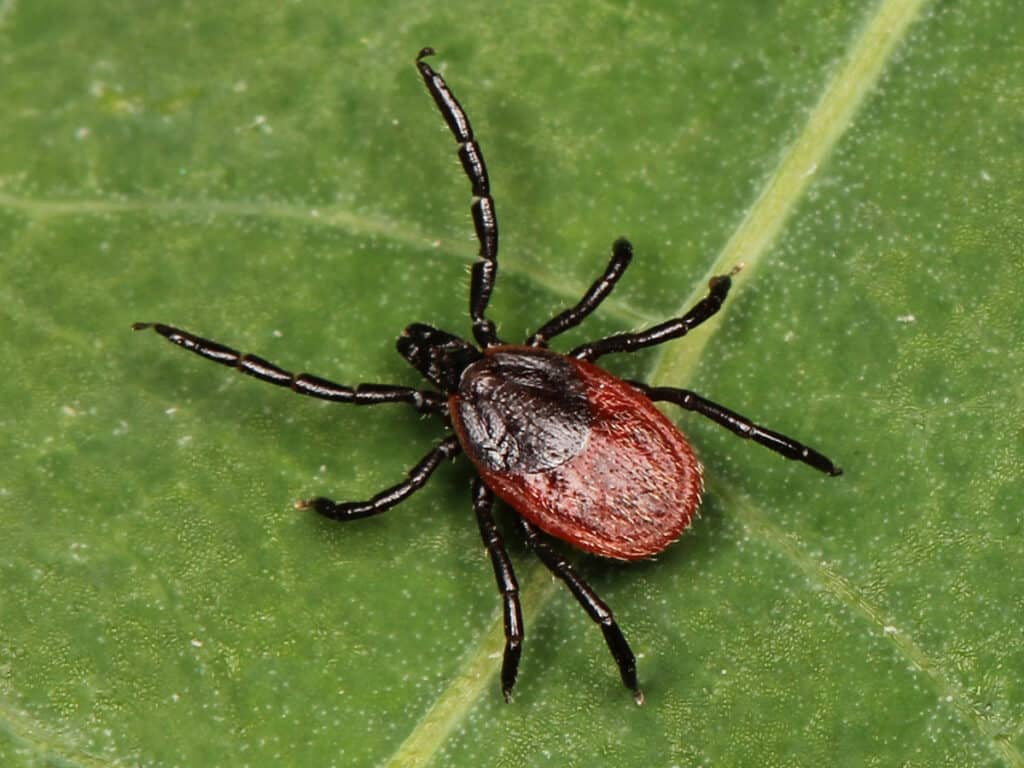
The western black legged tick is found mainly west of the Rocky Mountains.
Deer ticks and western blacklegged ticks are closely related and look similar. Both can be identified by their red-orange bodies and black legs. Charts online can be helpful in identifying ticks. For example, the University of Rhode Island offers a tick identification chart based on region.
Where in the U.S. Do Black Legged Ticks Live?
The western black-legged tick is mainly found west of the Rocky Mountains and along the California, Oregon, and Washington coasts. The deer tick, or black-legged tick, is found in much of the Midwest and eastern states. However, Lyme disease has been reported in every state except Alaska and Hawaii. According to data from the CDC, the northeast and upper Midwest are states with the most cases. Since 1995, incidences of Lyme disease have been expanding further across the country.
It’s Not Only Deer That Are Spreading Ticks
Their name may be deer ticks, but according to the National Park Service (NPS), although deer are somewhat responsible for the increasing tick population, it’s actually mice and other small mammals that are leading the spread of infected ticks. As the NPS explains, white-tailed deer are immune to being infected with the bacteria that cause Lyme disease. Additionally, by the time ticks feed on deer, they are in their final adult stage and are unlikely to be passed on to humans.
What Are the Symptoms of Lyme Disease?
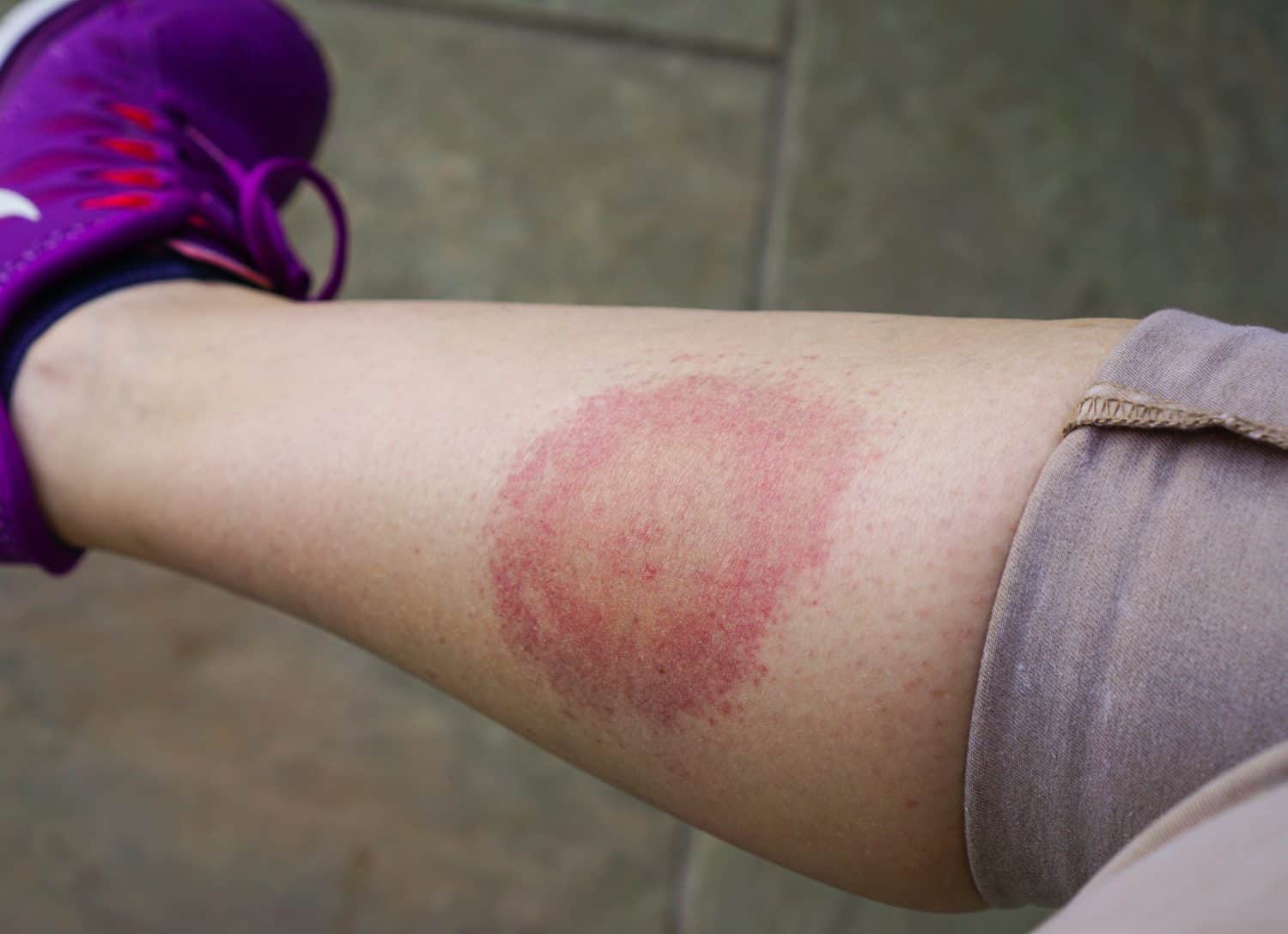
A person bitten by a tick may develop a round rash.
©AnastasiaKopa/Shutterstock.com
According to Hopkins Medicine, many people will be infected with Lyme disease and show no symptoms. Their bodies will fight the disease, and they will never know they had it. When people do show symptoms, early symptoms include:
- A red rash that can last several weeks.
- The rash may have the characteristic red bullseye in the center.
- The rash may appear to be sunburn, eczema, hives, poison ivy, or flea bites.
Several weeks after the initial rash, some people may develop flu-like symptoms, including headache, fatigue, swollen glands, low-grade fever, or chills. If left untreated, Lyme disease can lead to heart problems, nervous system issues, and eye inflammation months later. Over time, these complications may progress to arthritis, numbness in the arms and legs, and cognitive impairment.
How to Diagnose and Treat Lyme Disease
Blood tests for Lyme disease are not always accurate. Early tests can often show false negatives, according to the CDC. Doctors often rely on symptoms and the likelihood of a tick bite for diagnosis. According to the Mayo Clinic, most cases of Lyme disease can be treated with 10 to 14 days of oral antibiotics. However, some people may go on to develop long-term cases of Lyme disease.
How to Avoid Tick Bites
The best way to avoid Lyme disease is to protect yourself from tick bites. Ticks are rarely found on well-maintained lawns with mowed grass; instead, they live in tall grasses and wooded areas. When hiking or camping, stay on marked trails and wear lightweight long sleeves and long pants tucked into boots or socks. You can also apply insect repellent, such as permethrin, to your clothing.
When you come in from outside, check yourself and your children for ticks. The risk of contracting Lyme disease increases the longer a tick remains attached. Removing the tick as soon as possible reduces your risk of infection.
Dogs can also pick up ticks and bring them inside your house. Experts recommend inspecting your dogs often for ticks and using flea and tick prevention products.