
Quick Take
- Indoor cats, when properly enriched, stay content while avoiding higher risks from outdoors, such as trauma, disease, toxins, and predation.
- Free-roaming cats kill an estimated 2.4 billion birds and 12.3 billion mammals annually in the U.S., with unowned cats responsible for most of the toll.
- Barn or managed outdoor cats require spay/neuter, regular care, toxin avoidance, and semi-enclosed spaces to limit wildlife impact.
Growing up in suburban California, having indoor–outdoor cats was the norm. The good weather and relatively safe neighborhoods made all of us feel like our cats could thrive outside, regardless of their age or activity levels. My own cats spent hours outside in the summertime, occasionally staying out all night in the pursuit of prey, feline friends, or newly discovered and unsuspecting food bowls.
As a child, I didn’t recognize what it might mean to let my cats outdoors. It seemed like a fantastic opportunity for them and something they longed for. Watching them stare out the windows at birds, humans, and weather made me want to let them loose, let them explore the wide, wide world beyond my humdrum house.
But I never realized the implications of having an indoor–outdoor or outdoor-only cat, especially regarding their safety and the safety of other animals in my neighborhood. Here’s what I’ve learned about letting cats outside, and why you may want to reconsider allowing your friendly feline to roam freely in your neighborhood, too.
The Indoor-Outdoor Cat Debate (Including Barn Cats)
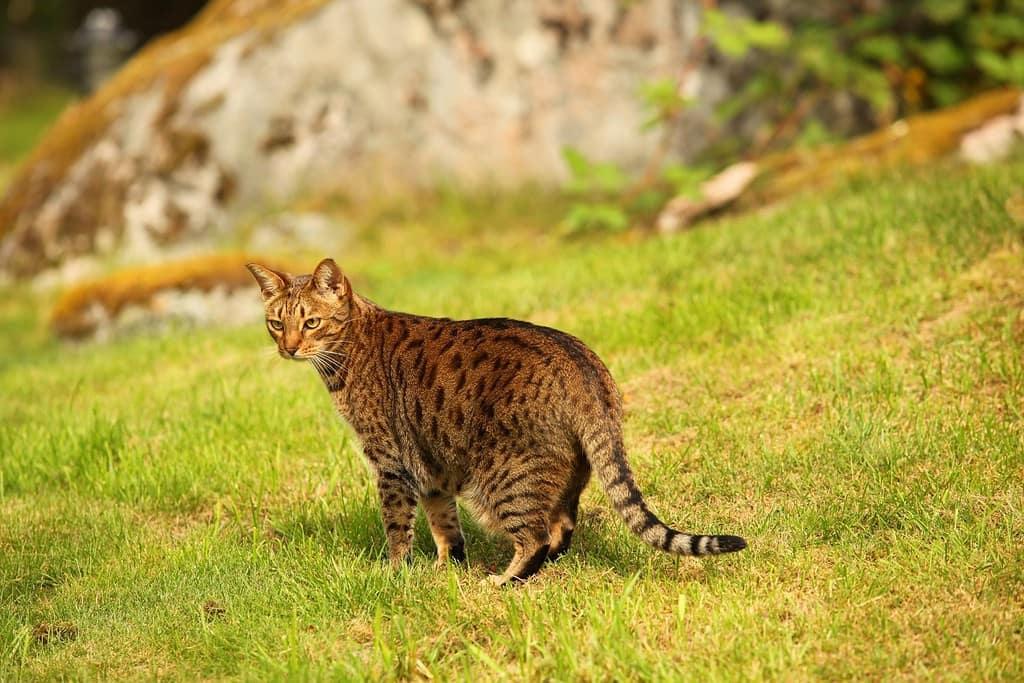
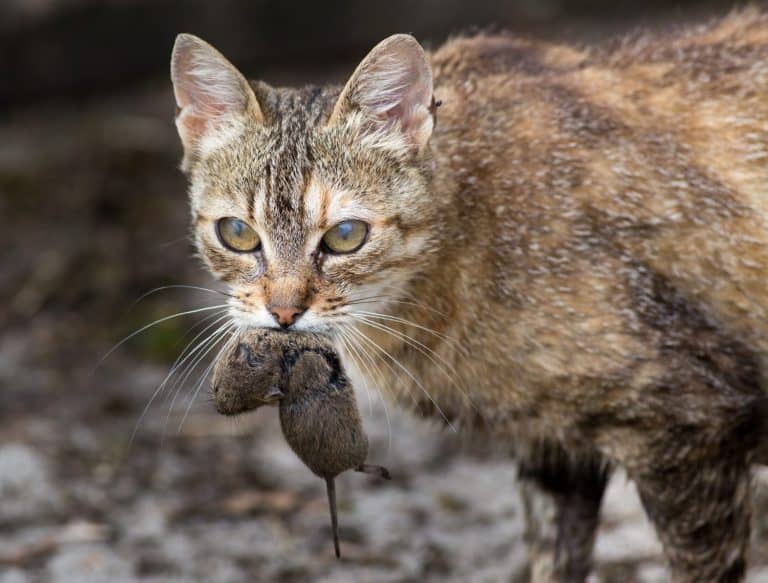
Outdoor cats are normal in some locations, especially places with farms or barns.
©Agarianna76/Shutterstock.com
Before I changed my mind on outdoor cats, I had all the usual arguments ready. Letting cats out seemed natural. They could stretch their legs, chase bugs, sun themselves on fences; be real cats, for lack of a better phrase. A lot of people still feel this way, especially in milder climates or quieter neighborhoods where cars and busy roads don’t really exist.
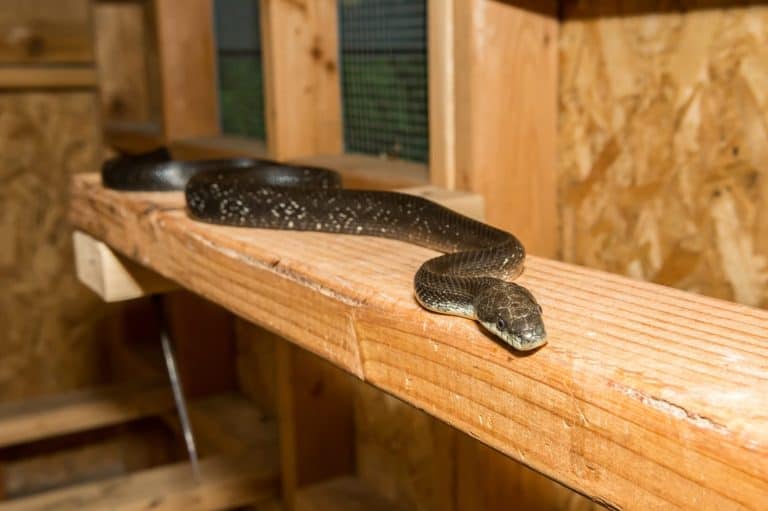
Also, growing up in an agricultural area of California, I learned about the popularity of feral cats. I knew many farmers and people with barns or feed sheds, places that utilized outdoor or semi-feral barn cats. They are often seen as a practical tool: a low-cost way to keep rodent populations down around grain, equipment, and animal housing.
Feral Cats: Safe to Stay Outside?
For some truly feral cats, especially those in managed colonies or barn placements, a carefully supported outdoor life may be safer and less stressful than forcing them into a crowded indoor home. They simply aren’t used to it and likely never will be. Once they’re spayed or neutered, leaving them outside might be the best course of action for them.
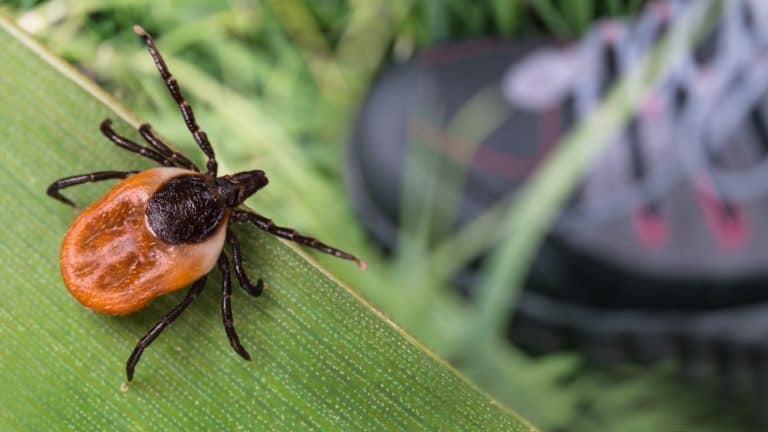
But there’s an emphasis on that might. Veterinarians and feline welfare organizations mention that free-roaming cats face far higher risks of trauma, infectious disease, parasites, poisoning, and getting lost. Additionally, while barn and farm cats may be valued for rodent control, they’re also routinely exposed to machinery, vehicles, wildlife, and other hazards.
For me, since I never owned barn cats, my decision to keep my cats indoors came when I started considering both sides of the issue: the risk to my own cat and the risk my cat posed to other animals.
What the Research Says About Cats and Songbird Decline

Cats are notorious for catching songbirds, even if they don’t need to feed themselves.
©Pavol Klimek/ via Getty Images
When I first started reading about songbird declines, I assumed habitat loss and window strikes were the main culprits. But then I stumbled across a report from the Cornell Lab of Ornithology summarizing a major study in Science that had this information: North America has lost nearly 3 billion breeding birds since 1970, which is roughly a 30% decline in overall abundance.
Digging deeper, I found a report in Nature Communications that pulled together dozens of studies to estimate how many animals free-ranging domestic cats kill in the United States each year. The conclusion? Cats kill an estimated 2.4 billion birds and 12.3 billion mammals annually in the U.S., with unowned cats responsible for most of that toll.
Even if my own indoor–outdoor cats weren’t single-handedly obliterating bird populations, it became hard to ignore the math. Once I connected the dots between the little “presents” on my doormat and the huge numbers in this research, letting my cat roam freely stopped feeling totally harmless.
What Does Outdoor Life Look Like for Cats?
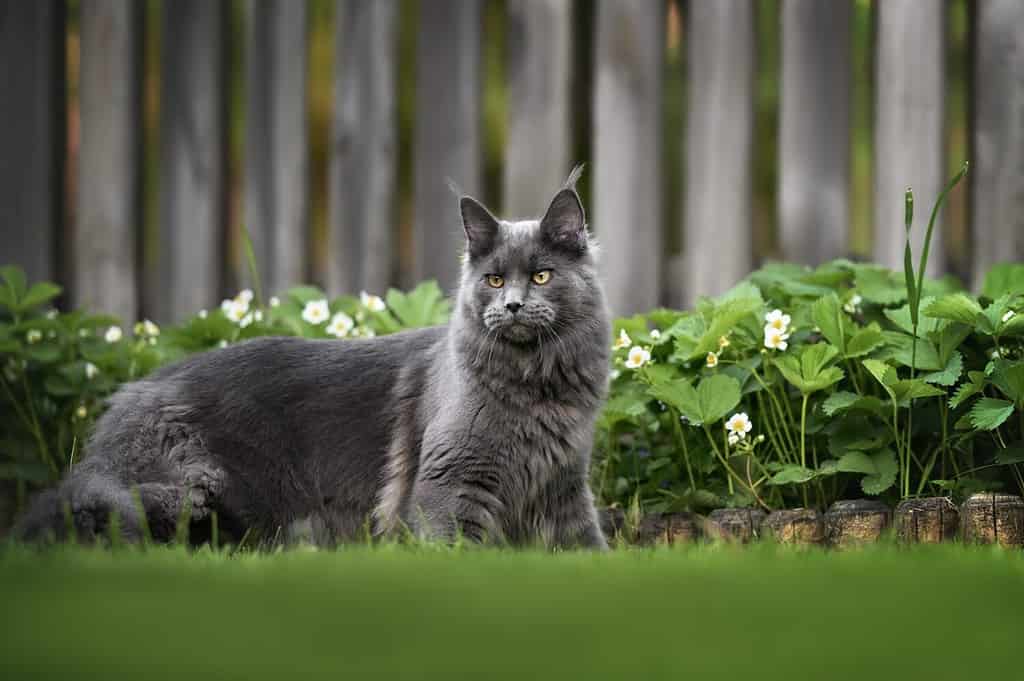
Outdoor cats face plenty of dangers, including exposure to diseases.
©otsphoto/Shutterstock.com
What does being outside actually mean for cats? Vet statements and lifestyle risk assessments from groups like the American Association of Feline Practitioners (AAFP) point out that uncontrolled outdoor access is linked to much higher risks of trauma, infectious disease, toxins, and predation compared with indoor life or controlled outdoor time in enclosures or on leashes.
Common outdoor dangers for cats include:
- Traffic accidents and falls, leading to fractures, head trauma, internal injuries, or death.
- Fights with other cats or animals, causing puncture wounds, abscesses, or serious infections.
- Exposure to infectious diseases such as feline leukemia, feline immunodeficiency virus, and rabies which are much more common in outdoor and free-roaming cats.
- Poisons and environmental hazards, including rodenticides, antifreeze, garden chemicals, and wildlife.
When I considered the full picture—from cars and catfights to wildlife and the toxins people put on their lawns and fields—it became harder to view outdoor access as a simple expression of feline freedom.. I became fearful about letting my cat outside, no matter how excited he got every single time I opened the door. I knew I needed to make a change for him, as best I could.
The Moment I Changed My Mind on Letting My Cat Outside
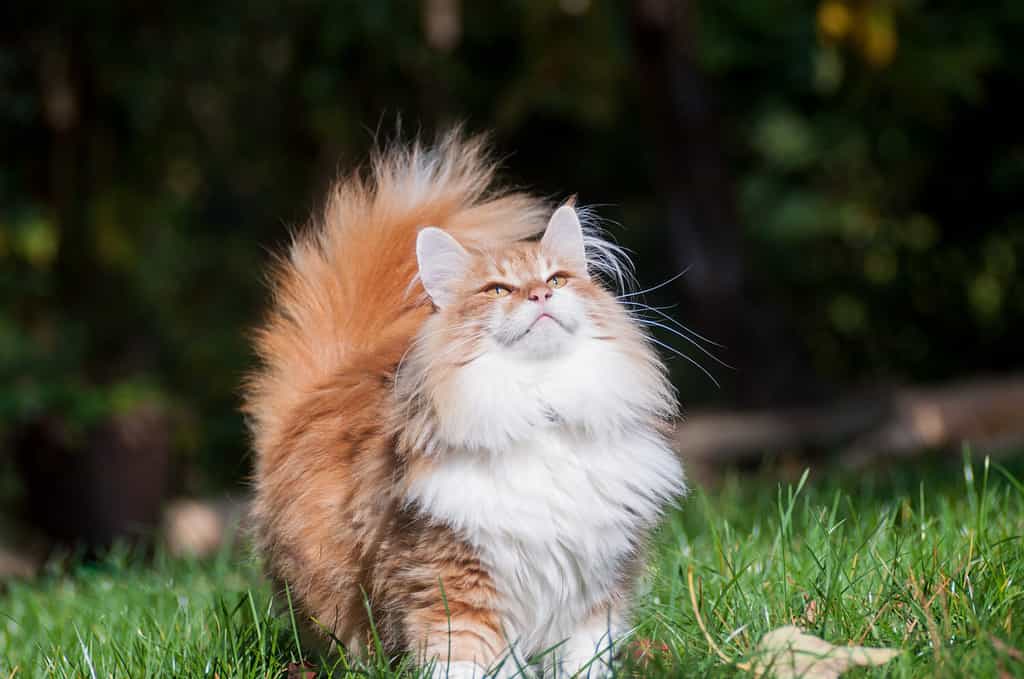
Cats who can access the outdoors regularly are much more likely to sustain injuries or harm.
©Namay Dolphin/Shutterstock.com
Thankfully for my cat and me, my turning point on keeping him indoors wasn’t caused by a dramatic accident, but it was a culmination of a few close calls. My cat limped home one night with a puncture in his leg and a fever two days later. There were also the mornings I cleaned bird feathers off the porch, or the times I noticed him scratching at his ears after disappearing into unknown backyards.
As I read more, I found studies and records showing that cats with free outdoor access are more likely to suffer unintentional trauma, get infectious diseases, and die at a much younger age than cats kept indoors or given controlled outside time in the form of catios and on leashes.
I realized I was putting my cat at higher risk and contributing to local wildlife decline, all for a routine I had never really questioned. However, my cat was still a young adult when I made this decision, and I knew he wouldn’t easily adjust to staying indoors; he was going to resist every step of the way.
Are Indoor Cats Destined to Be Bored and Unhappy?
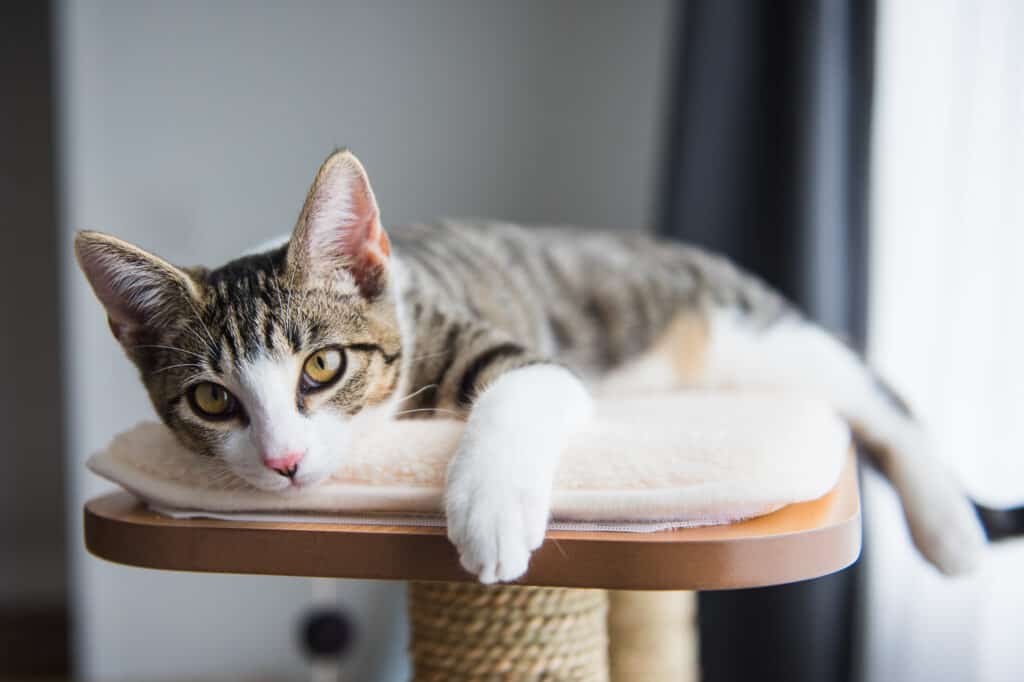
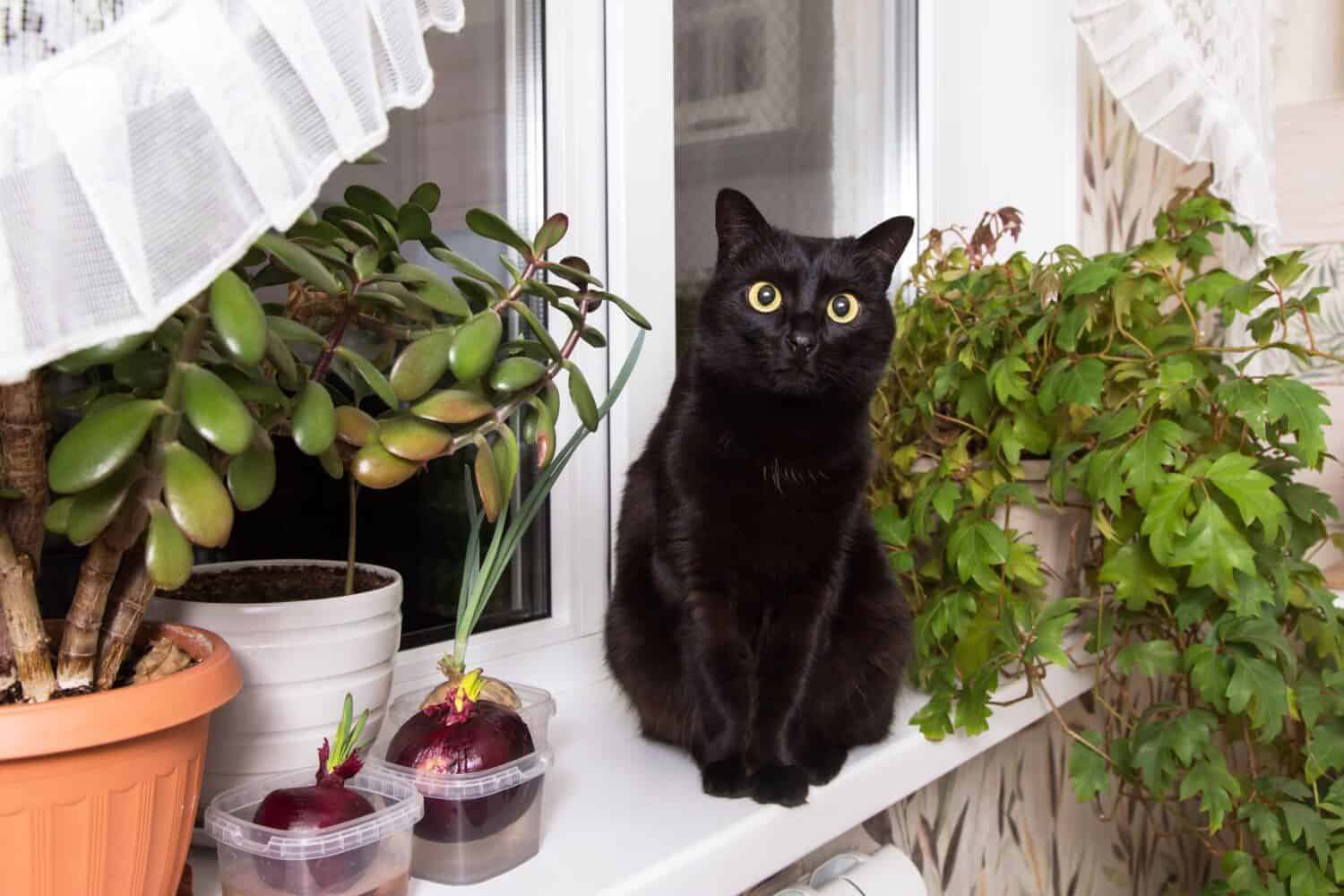
Indoor cats don’t need to be miserable; just make sure you give them plenty of entertainment options.
©Anna Hoychuk/Shutterstock.com
One of the most common replies to why people let their cats outdoors is that indoor-only cats will be bored, overweight, and miserable for their entire lives. The good news is that many cat-oriented sources specifically address this fear: a thoughtfully designed indoor environment can fully meet a cat’s behavioral and emotional needs.
There are important pieces to include in your cat’s indoor environment to keep them happy. Ultimately, they thrive best when they have:
- Safe places to hide and perch
- Multiple levels and vertical space
- Opportunities to hunt and search for food
- Predictable routines and a sense of control
- Positive, choice-based interactions with people and other animals
Even though my cat seemed miserable the first few weeks I kept him indoors, I quickly made the inside just as exciting as outside. These are the steps I took, and the ones you might consider taking, too.
How I Make Indoors Just as Enriching for My Cat
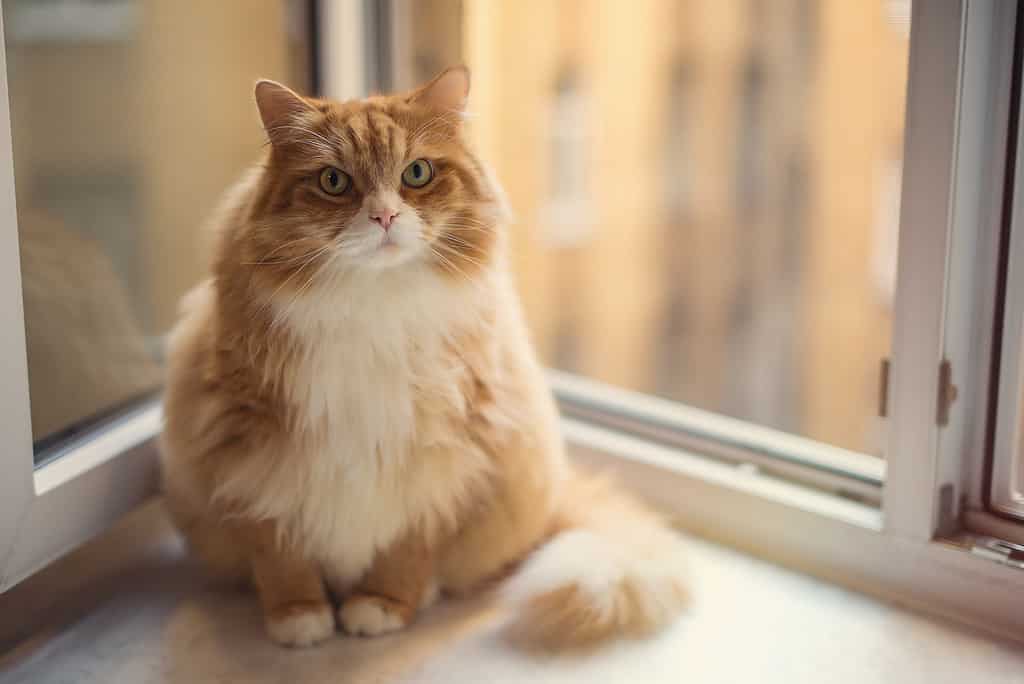
Cats may not like being kept inside at first, but proper enrichment will keep them happy in the long run.
©Myskina6/iStock via Getty Images
Once I committed to keeping my cat inside, despite his grumpy yowls of protest at the front door, I started treating my home like an enrichment project for him. A few of these changes made a huge difference in his behavior and overall mood, far more than I expected:
- Vertical space and window access.
Adding cat trees and shelves near windows so he could watch birds and people from a safe distance made a huge difference. Indoor resting areas that allow a cat to see outdoors seem to scratch an itch he used to satisfy out in my driveway. - Hunting-style play.
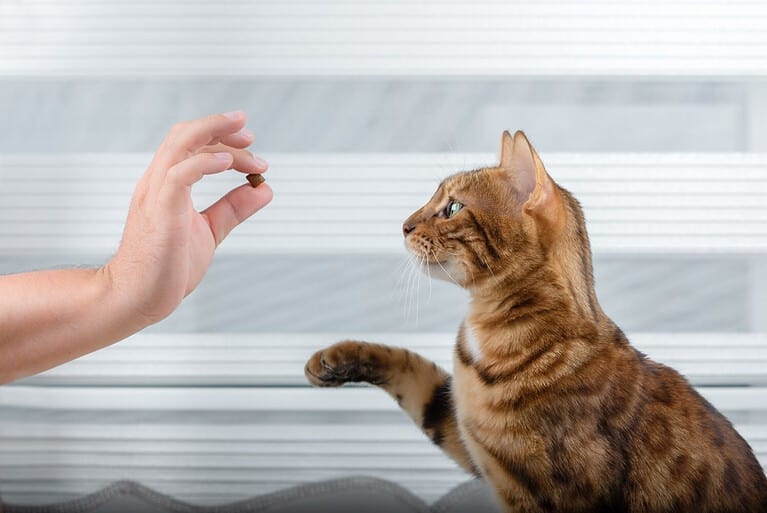
Instead of tossing a toy in his general direction, I started having scheduled play sessions with my cat using wand toys, letting him stalk, pounce, and catch his prey. The interaction and sporadic movement helped him feel satisfied in a similar way to catching the poor birds outside. - Food puzzles and foraging.
Food puzzles aren’t just for dogs. I swapped one of his regular bowls for a puzzle feeder and also tried scatter-feeding. Making him work a bit for his kibble tapped into his natural foraging behavior and cut down on his boredom snacking. - Scratching options and cozy hideouts.
Multiple scratching posts in different textures, plus boxes and covered beds, gave him places to mark, stretch, and retreat when he wanted alone time, just like he used to find under shrubs and cars. - Controlled outdoor time.
For some cats, leashed walks or a secure catio are a good compromise. Cat-proof enclosures and controlled outdoor access are essential for owners who want their cats to experience the outdoors more safely. My boy was not a fan of his leash, but the little catio I developed using an old dog crate helped!
Once I made these changes, I noticed something interesting: my cat stopped pacing at the door and started spending more time playing, napping in sunny spots, and acting more content. He still watches the world go by, but from a place where I know he’s safe.
A Win for Both Cats and Birds Is Possible
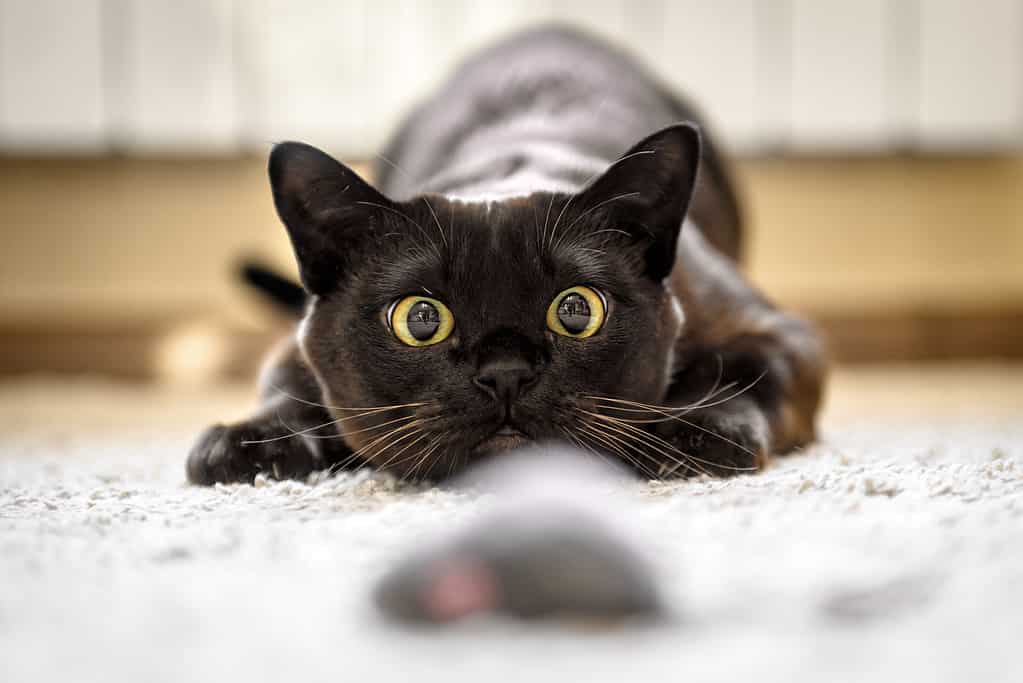
Cats are ultimately safer when kept inside, and songbirds are, too.
©scaliger/iStock via Getty Images
The more I looked into it, the more it felt like there wasn’t really a conflict between what’s best for birds and what’s best for my cat. The same choice protects both, which made it an easy choice to make at the end of the day.
For people who genuinely need rodent control around their barns and feed areas, the conversation is more complicated and can get heated. However, the principles are similar: spay and neuter barn cats, provide regular food and vet care, avoid toxins that harm both cats and wildlife, and consider offering semi-enclosed spaces to limit their impact on birds. Even in true working-cat situations, allowing cats to roam unmanaged and without limits isn’t a safe option.
With so much research pointing to both the dangerous circumstances your cat may face and the harmful effects cats have if they are allowed outside, I strongly encourage you to alter your feline’s routine. While they may not enjoy the change, you’ll be making a difference to songbirds and other animals in your local area.
After all, cats can find all kinds of stimulation and enrichment indoors without needing to bring home critters that you’ll have to deal with later. Trust me: as much as they may like their nightly strolls, the potential consequences aren’t worth it in the long run.