
Quick Take
- Pantry pests can quickly multiply, contaminating your food items.
- Moths, beetles, and weevils are some of the most common pantry pests.
- To ensure your pantry is clean and free of pests, keep items contained and inspect groceries before purchasing.
Household pests can quickly go from being a mere nuisance to becoming an actual health and safety concern. In particular, pests that find their way to our pantries pose a massive risk. Many carry diseases and contaminate our food.
Keep reading to learn more about common pantry pests, including what attracts them and how to prevent/treat an infestation.
Common Pantry Pests
Some household pests may enter the pantry, but they are not actually classified as “pantry pests.”
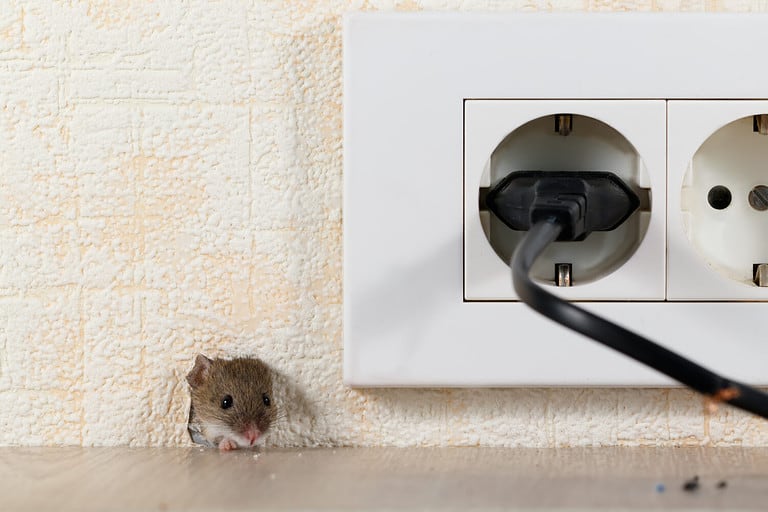
“It’s good to know what defines a pantry pest,” says Garrett Thrasher, co-owner and general manager at Thrasher Termite & Pest Control of So Cal, Inc. “Pest control pros consider pantry pests (also known as stored product pests) as insects that complete part of their lifecycle in or on stored dry food. Ants, cockroaches, mice, and rats may invade your pantry and eat your food, but they are anytime/anywhere pests that don’t limit themselves to stored food.”
So, which pests are confined to pantries?
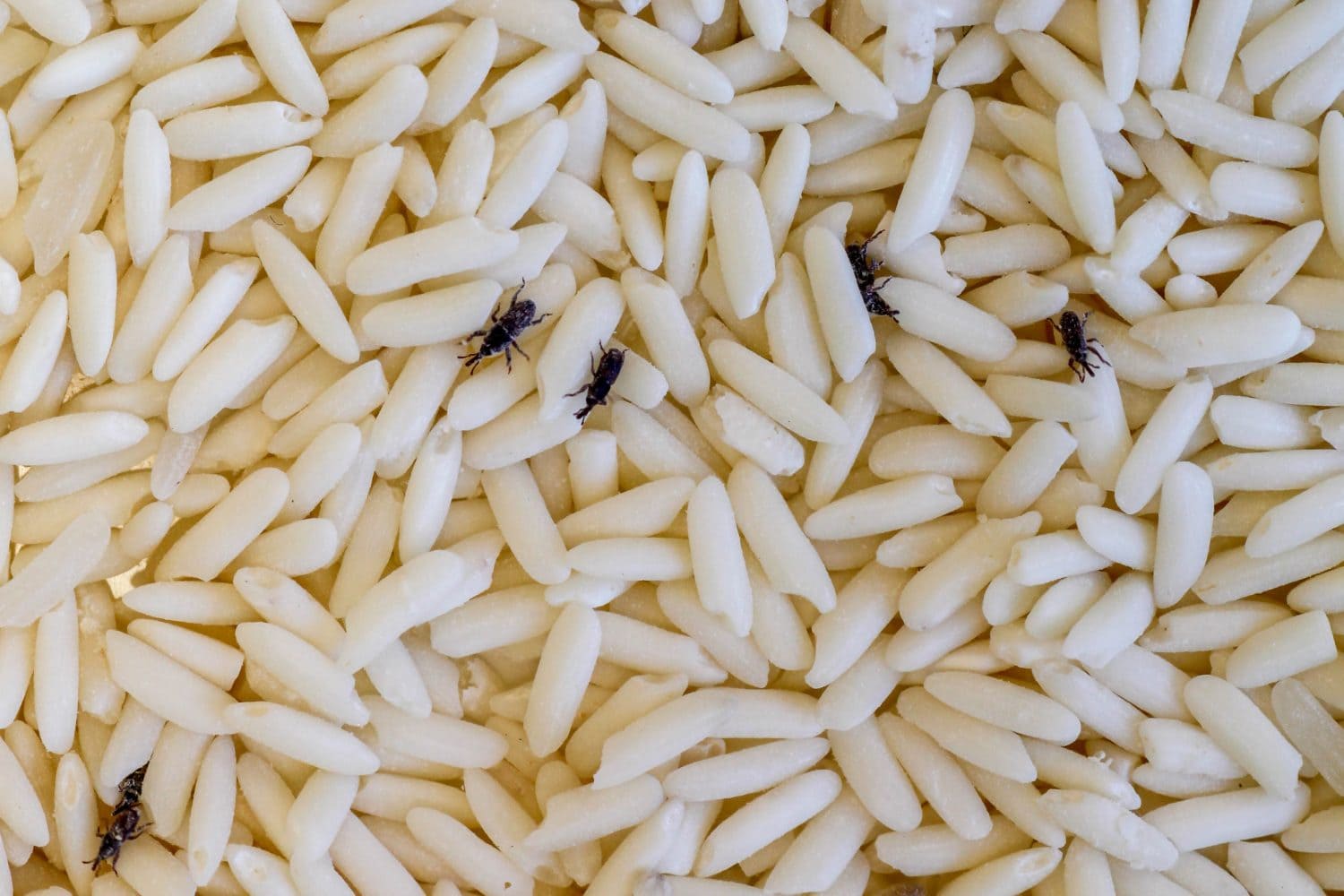
“Beetles and moths, specifically the Indian meal moths (aka flour moths), sawtoothed grain beetles, rice weevils, sawtoothed grain beetles, and grain weevils, are the most common pantry pests,” says Rick Culbreth Jr., President at Yates-Astro Termite & Pest Control. “These pests are attracted to cereals, flour, cake mix, cornmeal, rice, pasta, crackers, cookies, nuts, seeds, dried fruits, spices, birdseed, dry pet food, and even ornamental corn or potpourri. Because of their anatomy, they can easily penetrate food packaging by chewing through it or crawling through its folds and seams.”
What Attracts Pantry Pests?
Now that you know what defines a pantry pest, let’s explore what attracts these critters in the first place. Of course, most of these pests are attracted to food sources like grains, cereal, and flour.
However, “Warm, humid climates are the ideal breeding conditions for pantry pests,” says Culbreth. “Although pantry pests are also found in other regions, more humid environments facilitate a faster breeding cycle, resulting in larger populations, making preventive measures even more important.”
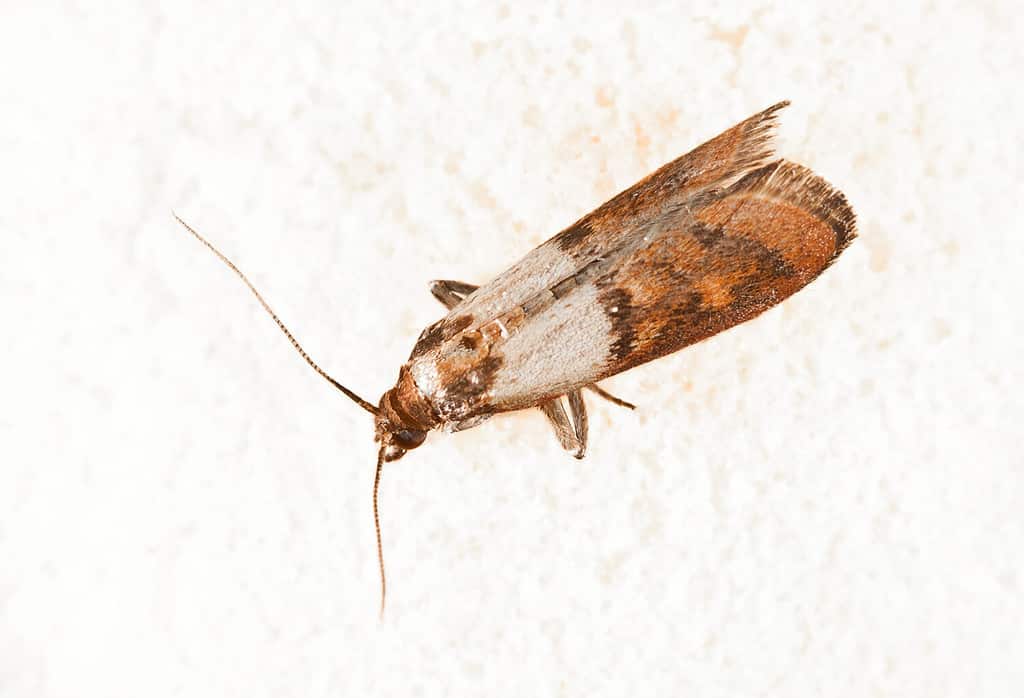
Flour moths are a common pantry pest.
©Jurik Peter/Shutterstock.com
These pests typically enter pantries via groceries, often already present in food products before you bring them home.
“There are very few pantry pests that fly in through a window or crawl under a door. In the West, carpet beetles are known to enter from the garden, usually hitchhiking on cut flowers,” says Thrasher. “Most pantry pests enter your home inside a grocery bag! Yes, that’s right: Eggs or larvae have already infested the food products in the field, the processing plant, or the grocery store.”
How to Prevent Pantry Pests
To avoid pantry pests in the first place, you must inspect your groceries before bringing them into your home. While this process might sound tedious, it will help you avoid a larger, more pressing issue down the line.
“Look for small holes in plastic bags,” Thrasher recommends. “In paper or cardboard containers, be wary if any flour, grains, or crumbs are leaking out. Inspect the product again before you use it. You’re looking for webbing, discoloration, clumping, or an off smell.”
Once you’ve inspected your grocery items, be sure to store them in airtight containers in your pantry.
“A good container will prevent pantry pests from entering and also prevent pests already in the container from escaping to contaminate the rest of your pantry,” Thrasher explains. “Be particularly diligent in properly storing food purchased from bulk bins, open pet food, bulk rice, and flour.”
Most pantry pests enter your home inside a grocery bag! Yes, that’s right: Eggs or larvae have already infested the food products in the field, the processing plant, or the grocery store.
Garrett Thrasher, co-owner and general manager at Thrasher Termite & Pest Control of So Cal, Inc
How to Get Rid of Pantry Pests
Once pests have found their way into your pantry—and perhaps multiplied—it’s time to escalate your pest control efforts.
“If you find these pests in your pantry, you’ll want to act fast,” says Culbreth. “First, throw away any food that has evidence of an infestation. Next, thoroughly vacuum all of the corners and crevices of your pantry or food cupboards and wash the shelves with warm, soapy water. Lastly, if you have a severe infestation, you can use a crack-and-crevice insecticide to treat the corners and surfaces of your pantry or cupboards before you replace your uninfested food items.”
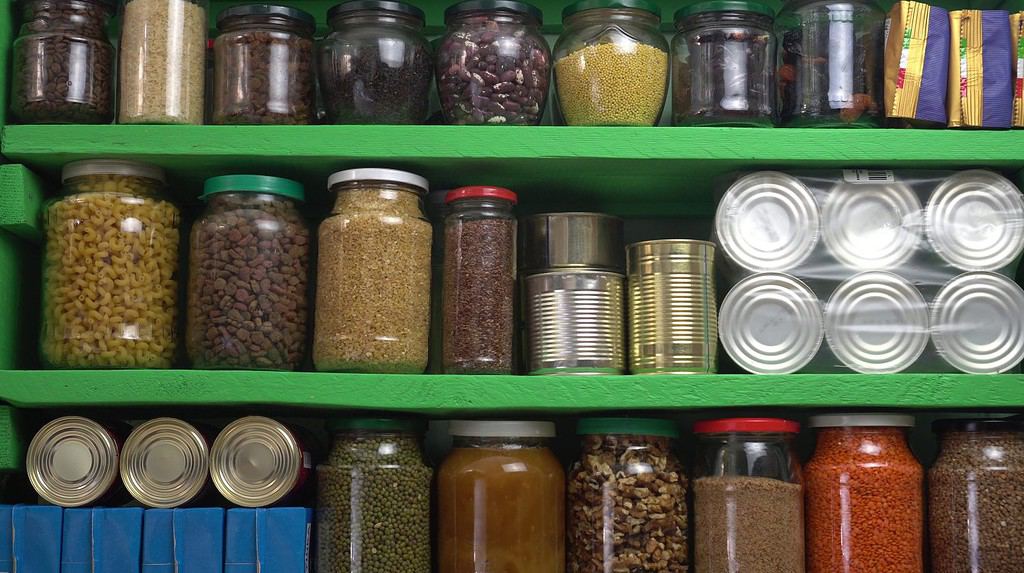
Be sure to properly seal and store your pantry items so no pests can access them.
©Fevziie/Shutterstock.com
To ensure your efforts last, don’t treat your pest control as a one-and-done process.
“Clean your shelves and food storage areas regularly, and frequently inspect and rotate your dry goods, ensuring that you don’t mix old and new items together,” Culbreth adds. “Doing this could increase your risk of spreading pantry pests that may already be present in the older product. By staying proactive with proper storage, regular inspections, and smart food rotation, you can stop pantry pests before they become a problem and protect your home from costly infestations.”