
Quick Take
- More than 25,000 animals from 2,000 species have been rescued by Vantara.
- Vantara specifically situated itself near a major oil refinery complex for both the complex’s infrastructure and to educate people about animals in the Green Belt and on the 3,500-acre sanctuary.
- Establishing the world’s largest sanctuary without public access means the rescued animals are the focus, rather than tourism dollars.
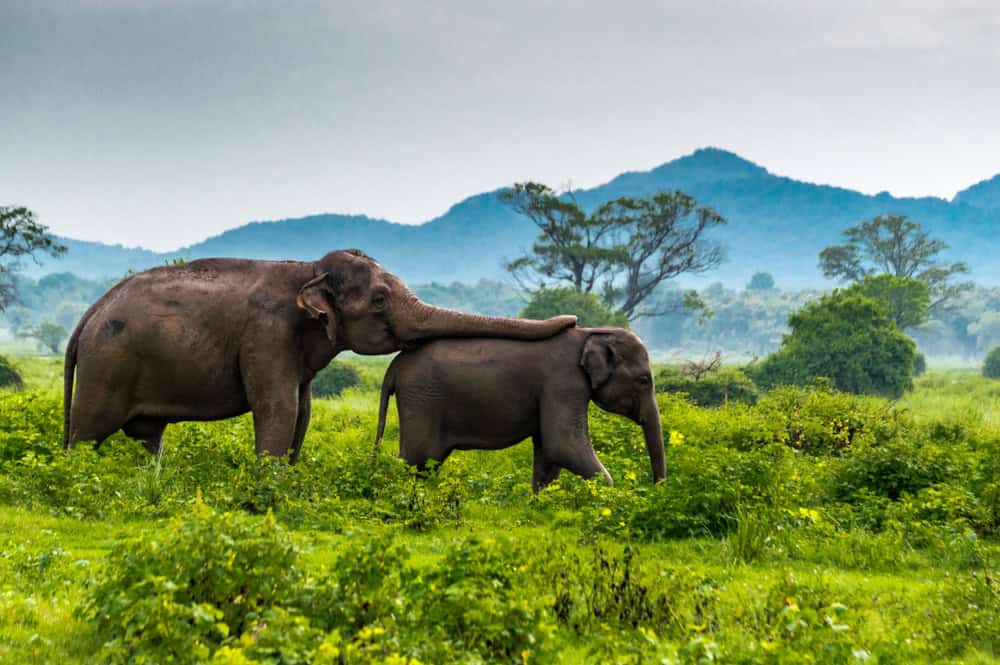
- The 2007 rescue of a 30-year-old elephant was necessary to inspire Anant Ambani’s conservation vision.
Anant Ambani has always had a passion for animals. He saved his first elephant when he was just a teenager. “My first elephant that I rescued was in 2007,” Ambani explained to Forrest Galante from Animal Planet. “I was a young boy. I was, I think 12 or 13 years old when I rescued my first-ever baby elephant. She was not a baby. I call her baby because she was a baby to me. She was 30 years old.”
That experience — combined with his Business Administration degree from Brown University — ultimately led him to create an animal sanctuary in his 20s. Today, he’s at the helm of the world’s largest animal sanctuary: Vantara.
Vantara is the Largest Animal Sanctuary on Earth
Though Vantara officially opened in India in 2024 and was inaugurated by Indian Prime Minister Narendra Modi in March 2025, the preparation for the site began well before that. In fact, in 2007, Vantara’s first elephant rescue, Gauri, was brought to the property, which at the time was a fraction of the size it is today. From homing one elephant to rescuing 2,000 animals in the sanctuary’s first phase, today’s Vantara employs over 2,000 people and can house 10,000 animals when at capacity.
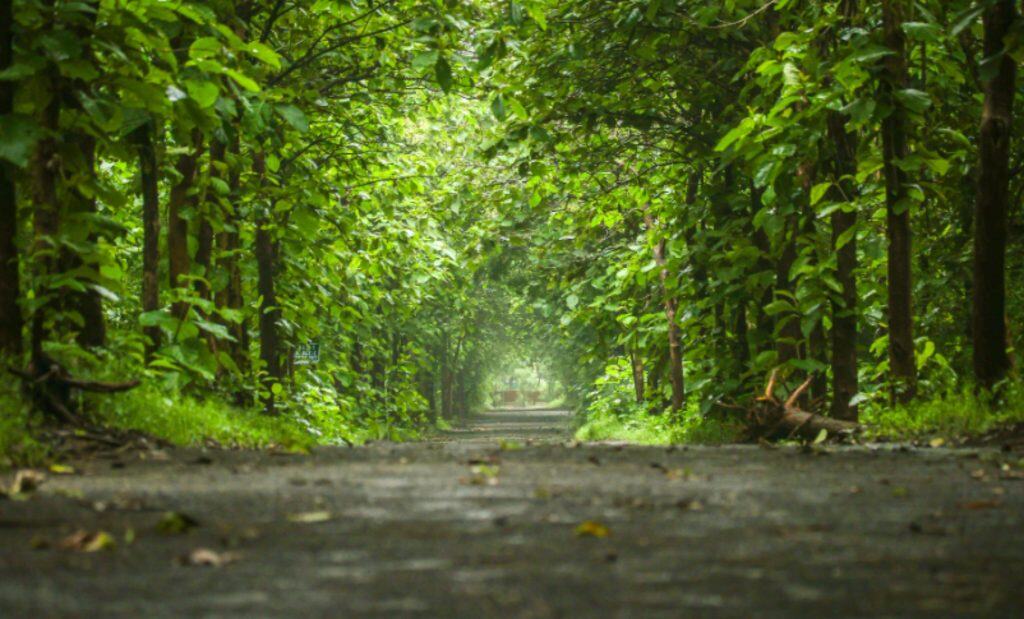
Vantara is located in the Green Belt of Jamnagar district in Gujarat, India.
© – Original
Located in the Green Belt of Jamnagar district in Gujarat, India, the sanctuary site initially seems like an odd choice. This is because the Green Belt is located directly next to an oil refinery. However, constructing the 3,500-acre sanctuary in the Green Belt was a deliberate move, allowing Vantara to utilize the existing refinery infrastructure while promoting biodiversity and environmental sustainability. Additionally, its close proximity to the refinery invites the opportunity to educate workers and visitors to the refinery on the wildlife that lives both in the Green Belt and at the sanctuary.
Why Vantara Was Created
Ambani’s animal advocacy has been a lifelong endeavor. “Just the passion I felt since I was a young child. I thought that we should do something for the animals who have no words. They can’t speak for themselves,” Ambani told Animal Planet’s Galante. “These are all endangered animals. I don’t know if my great-grandchildren would be able to ever see them in the wild.”
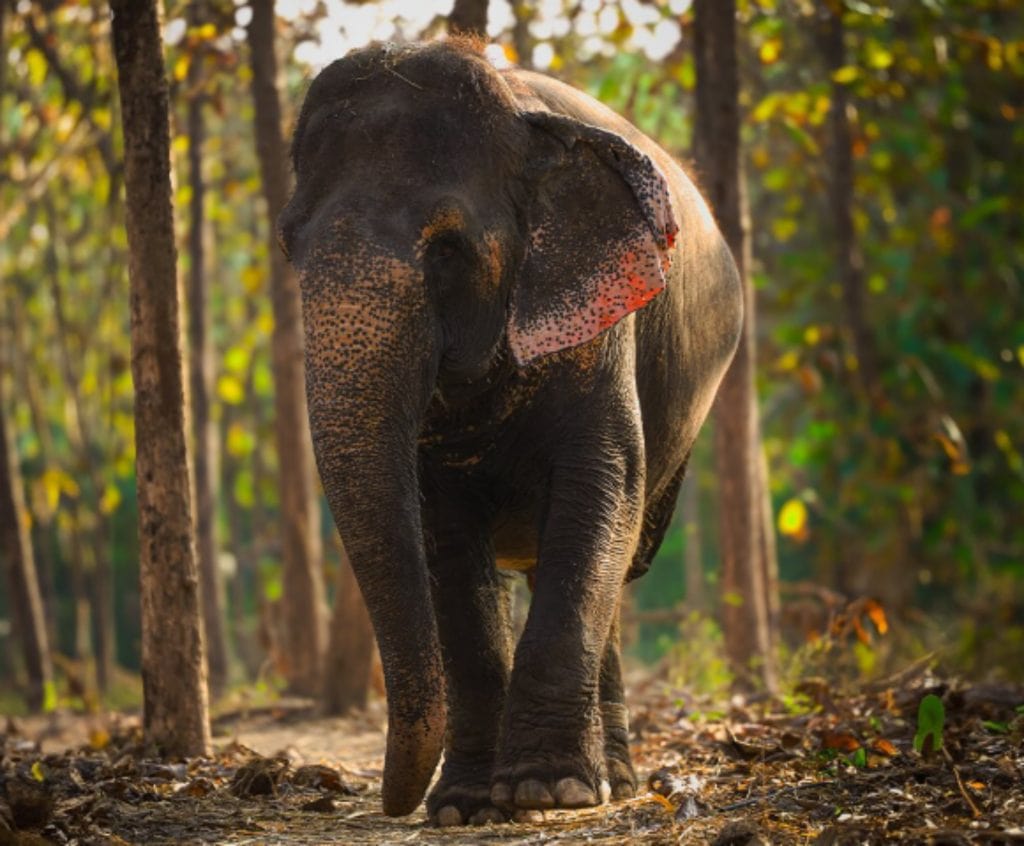
Anant Ambani started Vantara after seeing an elephant that needed rescuing as a teenager.
© – Original
Children are taught to “be kind to animals,” but what is not taught is “how we should care for these animals and how we must take care of these animals so they are happy and in a way that will preserve them,” Ambani added. “A lot of people are doing a lot for domestic animals, but for the wild, there are very few people who rescue, [there is little] rehabilitation, and conservation training. I thought this should become the hub, so I started this.”
What Are Vantara’s Goals?
There are four pillars for which Vantara stands. It is through those pillars that the sanctuary creates its goals, making Vantara the world-class sanctuary it has become. These include:
- Rescue
- Rehabilitation
- Revival
- Rewilding
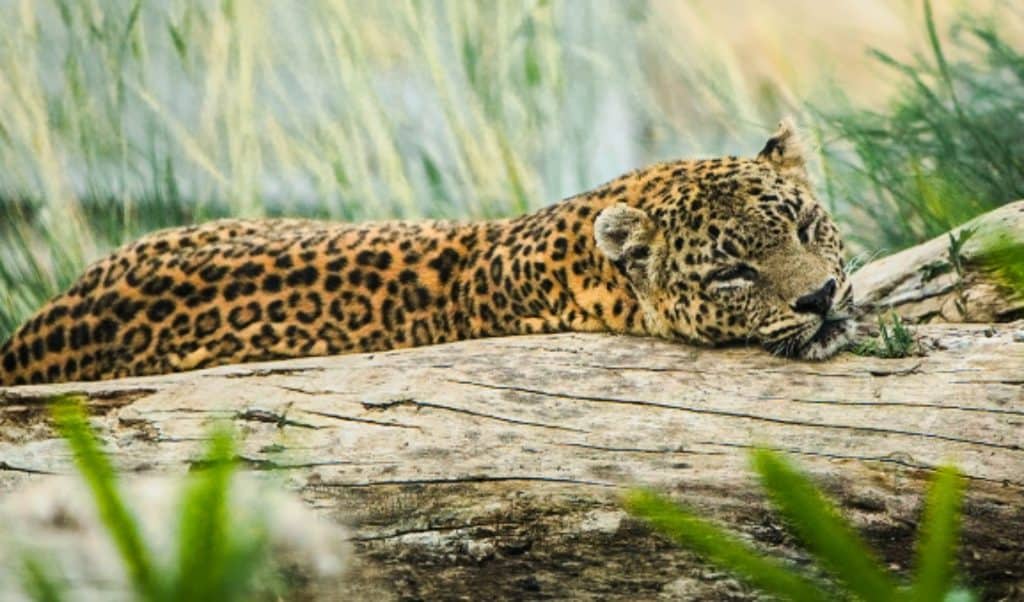
This rescued cheetah is being rehabilitated at Vantara.
© – Original
According to Ambani, the goals are what will allow endangered animals to come back from the brink and even inhabit regions where they have gone extinct.
“Eventually, our aim for Vantara is conservation breeding, preservation, rescue, and rehabilitation, and creating a genetic bank that no one else has ever seen,” Ambani told Galante. “A lot of captive species today are founder species for the wild. Like that, we always have a stable captive population so that ever the wild needs it, we can support it at the same time supporting the wild. It is one of our main missions.”
Vantara by the Numbers
Getting the facility up and running cost $300 million. To keep it running costs $16.2 million to $21.6 million annually. These funds are not public donations. Instead, Vantara is funded by Ambani, with support from Reliance Industries and the Reliance Foundation. Here’s a look at where those funds go.

Veterinarians working at Vantara to save an animal in need of rescuing.
© – Original
In total, across the animals’ habitats, rehabilitation habitats, hospitals, and research facilities, Vantara spans 3,500 acres, and it has everything it needs to care for all of its animals in-house. Facilities include:
- 22 hospitals
- 17 clinics
- A disease diagnostic laboratory
- CT and MRI scanning rooms
- Neonatal care unit
Additionally, there are 75 animal ambulances that are kept on-site in case of emergency.
In total, there are over 103 veterinarians on staff, with at least 80 at Vantara daily. They work hand in hand with the 3,000 handlers who are also on the payroll.
It is not just research facilities and hospitals that are on the Vantara grounds. Making the animals comfortable and providing a habitat that mimics their wild habitat is crucial. Some of Vantara’s habitats include:
- Big cat rescue
- Facility for apes and monkeys
- Reptile center
- Savannah habitat
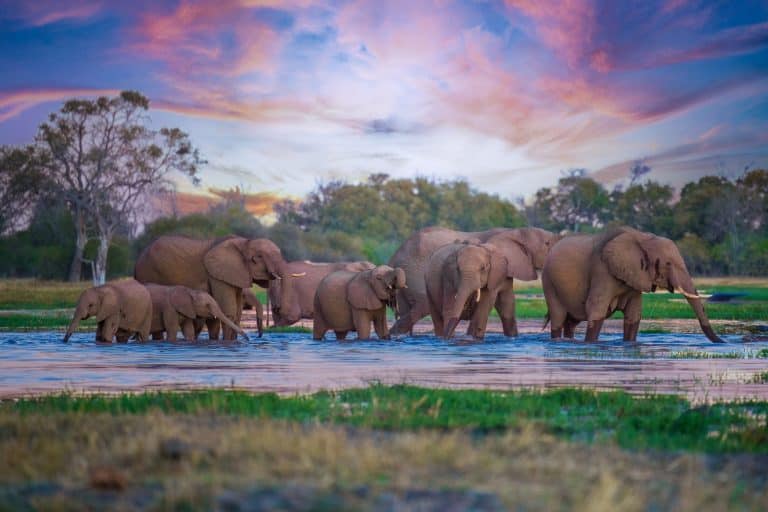
- Elephant habitat (Vantara’s largest) and care center
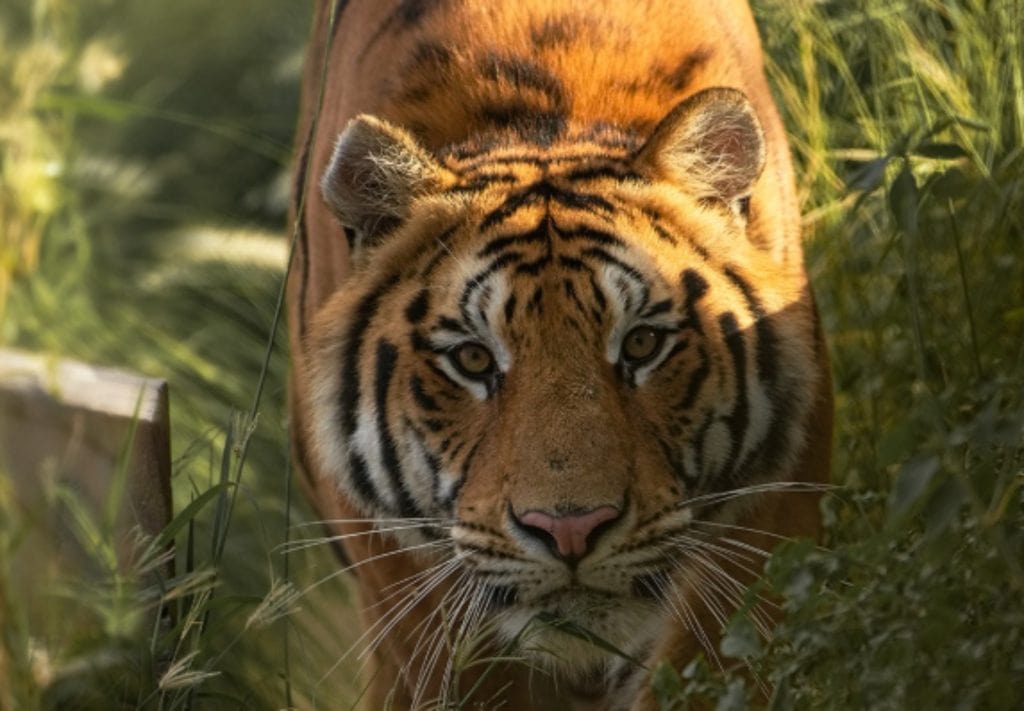
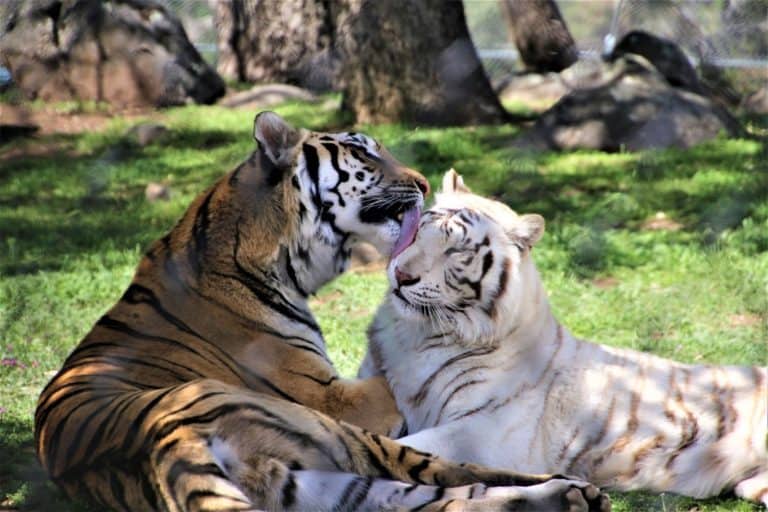
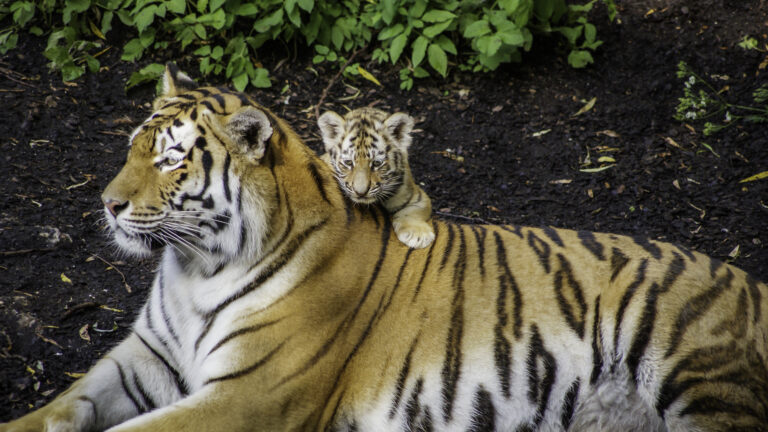
Tigers are just one of the wild cats being housed in the big cat rescue portion of Vantara.
© – Original
Can the Public Visit Vantara?
Because the health and well-being of the animals is paramount, the public is not currently permitted on the property. The goal is to give these rescues, who have suffered trauma, a stress-free life and space to heal.
In the future, however, Vantara may offer the following:
- Take guided tours with conservationists or researchers
- Visit educational centers that aim to inform guests about the plight of endangered animals and what can be done to conserve them
- Walk to observation decks that do not interfere with the animals’ daily routines or recovery
To learn more about Vantara and keep up with its growth and future plans, visit vantara.in/en. And check out this interview with Anant Ambani to learn more about the history and future of Vantara.