
Quick Take
- Some organisms survive extreme conditions by suspending life processes, such as tardigrades entering cryptobiosis.
- Wood frogs and Arctic ground squirrels endure freezing temperatures through biochemical and metabolic adaptations.
- Lungfish and cicadas survive long dry or underground periods by slowing activity dramatically.
- Certain species, like resurrection plants and jellyfish, can reverse damage or restart life cycles entirely.
Spring is a season of rebirth, a time when nature seems to wake up from the dead. Brown lawns flush green, bare branches bud and flower, and animals that seemed gone for good suddenly reappear. Hidden beneath all this seasonal drama are a few species that take “rebirth” to a whole new level. These are the creatures and plants that can nearly shut life off, endure cold, heat, or years without water, and then start up again as if nothing happened—nature’s wildest resurrection acts.
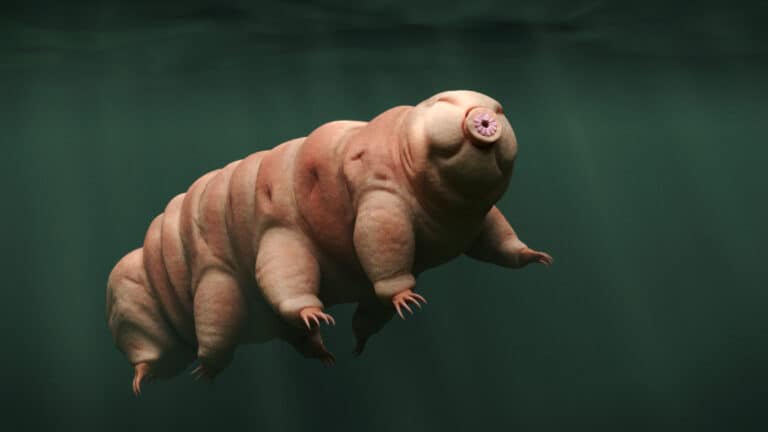
Tardigrades (Hypsibius dujardini)
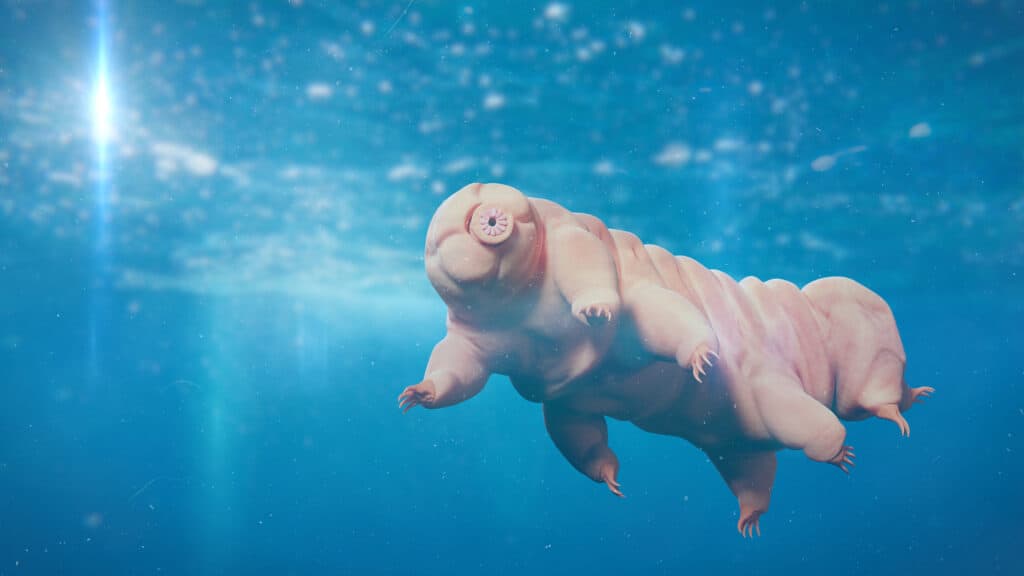
An artistic representation of a microscopic tardigrade.
©iStock.com/dottedhippo
If you could shrink small enough to swim through a drop of pond water, you might meet a tardigrade. Also called water bears, they trundle along on eight stubby legs that look like plump claws in slow motion. Scientists have discovered that these tiny animals can dry out so completely that their bodies almost stop all activity. This state, called cryptobiosis, ends when water returns and they revive. They can be frozen to temperatures just a bit above absolute zero, heated well past the boiling point of water, and blasted with radiation at levels that would destroy most other life. In one famous experiment, dried tardigrades even survived exposure to the vacuum and intense radiation of outer space, then “woke up” and crawled away once they were brought back and rehydrated. That’s an almost supernatural comeback.
Wood Frog (Lithobates sylvaticus)
The wood frog lives across much of Canada and the northern United States. It survives freezing weather by allowing ice to form in its body while its cells are protected by natural antifreeze. As temperatures drop, ice grows between its organs and under its skin. Its heart stops beating for weeks or months. The frog quickly floods its tissues with glucose. This simple sugar acts like a cryoprotectant and keeps its cells from bursting as ice forms outside them.
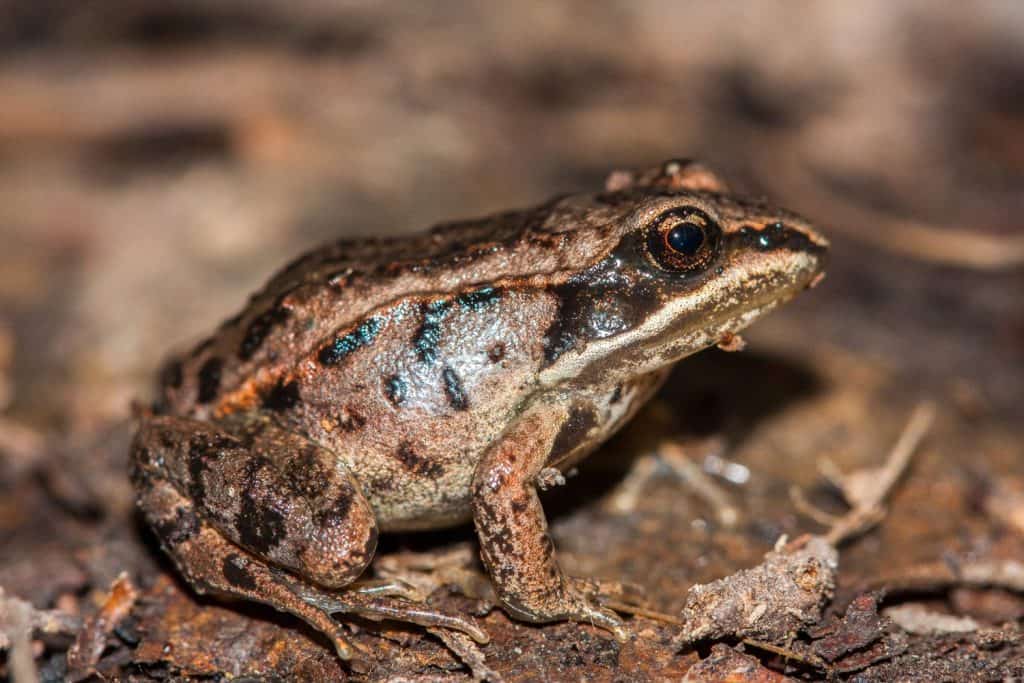
The wood frog freezes in winter but thaws and revives in the spring.
©Viktor Loki/Shutterstock.com
In the far north, wild wood frogs have been found surviving frozen underground for up to seven months at temperatures below 0°F, repeatedly thawing and refreezing during early winter cold snaps. When spring warmth returns, their hearts restart, the ice melts, and they hop off to chorus in woodland ponds as if nothing strange just happened.
Planarian Flatworms (Schmidtea mediterranea)
Planarian flatworms look like simple organisms: soft, leaf‑shaped worms sliding along pond bottoms or lab dishes. However, their regeneration tricks are anything but ordinary. They are packed with special stem cells called neoblasts, which can transform into almost any other cell type in the body. If a planarian is cut into pieces, even tiny fragments as small as one three‑hundredth of the original worm can regrow everything it needs to survive, including a new head with a working nervous system and eyespots.
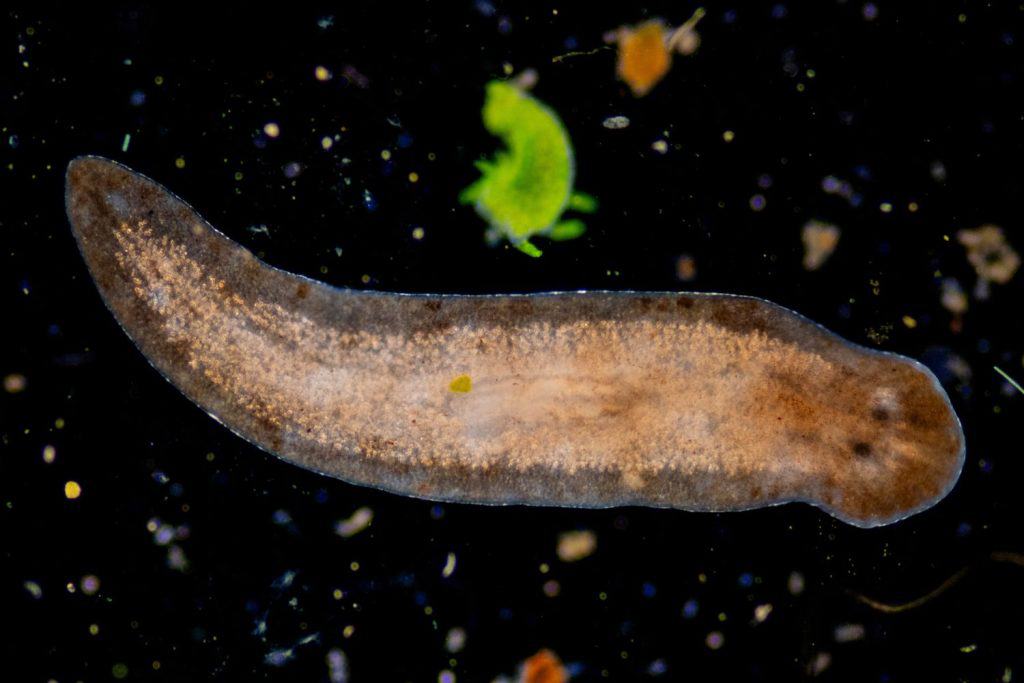
Planaria flatworms can regrow into multiple worms after being chopped up.
©Sinhyu Photographer/Shutterstock.com
Scientists have sliced single worms into many pieces and watched each slice rebuild a complete, living animal. It can feel as if one worm has been resurrected over and over. By studying how planarians control this regrowth, researchers hope to learn more about wound healing and organ repair. They also want to know why humans cannot bounce back from injuries in the same dramatic way.
Arctic Ground Squirrel (Spermophilus parryii)
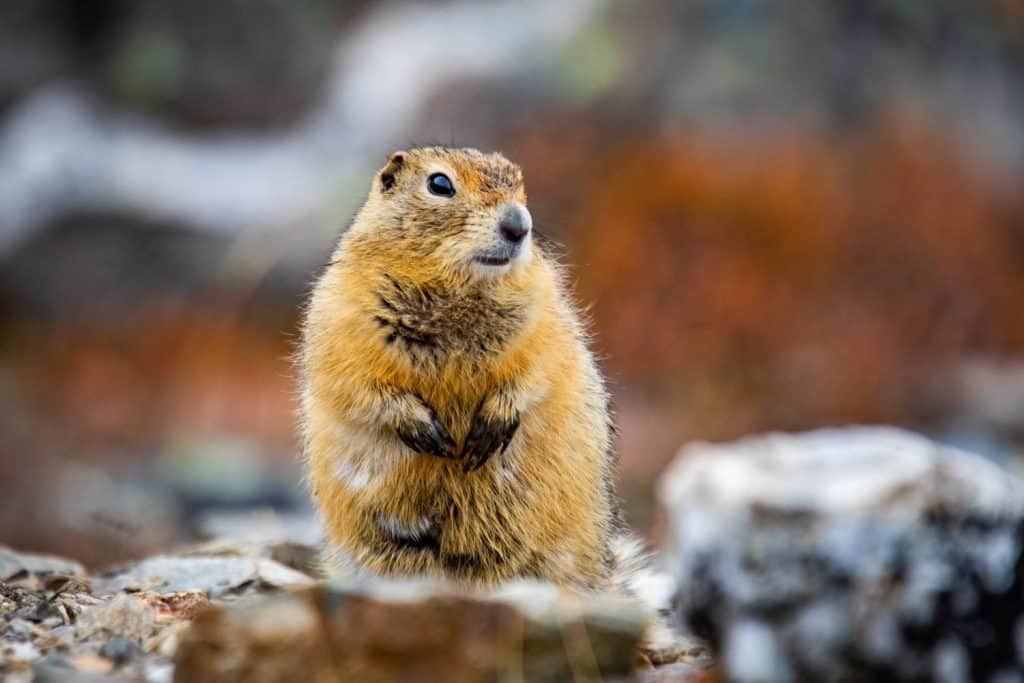
Arctic ground squirrels can stay below freezing for weeks.
©Photo Spirit/Shutterstock.com
The Arctic ground squirrel takes the idea of a winter sleep to a dangerous extreme. It drops its body temperature so low that it dips below the usual freezing point of water. In the tundra of Alaska and northern Canada, these rodents spend most of the year in underground burrows. There they enter deep hibernation to survive months of darkness and cold. During this torpor, their body temperature can fall from around 98°F (37°C) down to just below freezing, with recorded lows near 27°F (-2.9°C) during hibernation. Their tissues do not actually turn to ice. Researchers have recorded hibernating squirrels with core temperatures below freezing for up to three weeks at a time. After that, they briefly warm up and then cool down again. Their metabolism becomes the lowest measured in any warm‑blooded hibernator.
West African Lungfish (Protopterus annectens)
When seasonal rivers in parts of Africa shrink and vanish under the sun, most fish either swim away or die. Others leave their survival to eggs buried in wet mud. The West African lungfish has a more dramatic strategy. It digs in and essentially mummifies itself alive. As the mud around it dries, the fish burrows a foot or more down. It secretes mucus that hardens into a cocoon and leaves a tiny opening near its mouth so it can breathe air with its lunglike organ. Inside this shell, the lungfish enters a state called aestivation, which is similar to summer hibernation. Its metabolism slows to a crawl, and it stops eating, producing waste, or moving much at all.
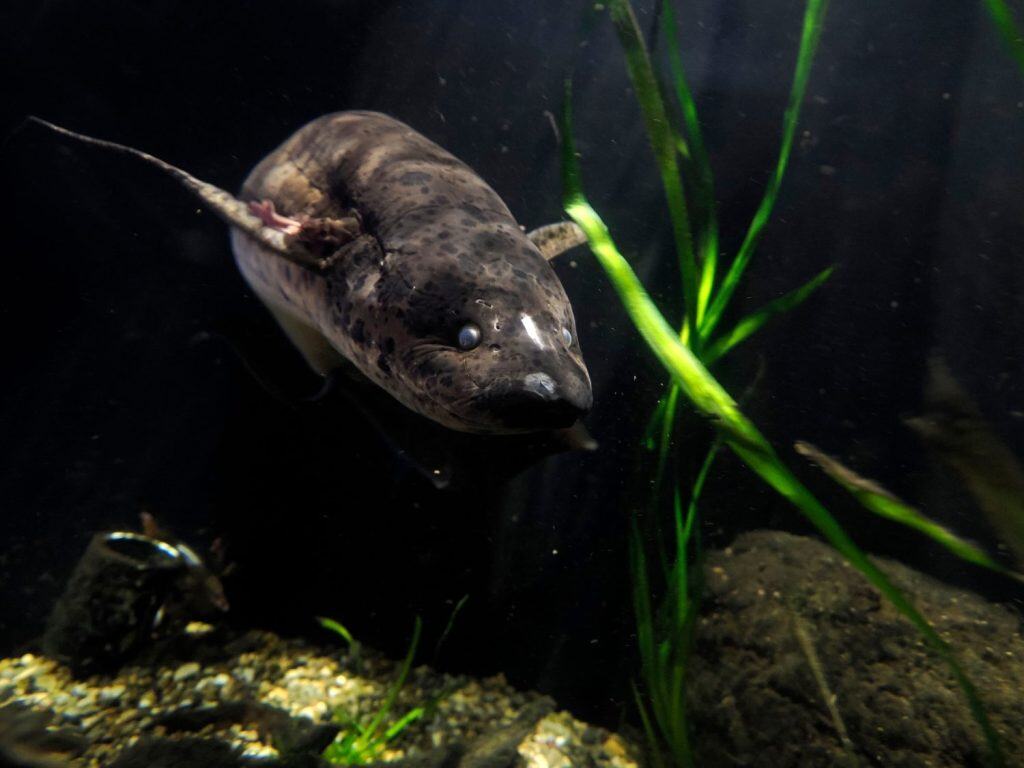
West African lungfish survive underground in a cocoon through dry seasons.
©Andrea Izzotti/Shutterstock.com
Studies suggest that lungfish can remain in this suspended animation for months and possibly several years, surviving on stored energy and even slowly digesting some of their own muscle. When the rains finally return and new water floods the riverbed, the cocoon softens, the fish wriggles free, and it swims off as though it has just woken from a very long nap rather than years of near‑death stillness.
Periodical Cicadas (Magicicada species)

Periodical cicadas stay underground for as long as 17 years between emergences.
©Gerry Bishop/Shutterstock.com
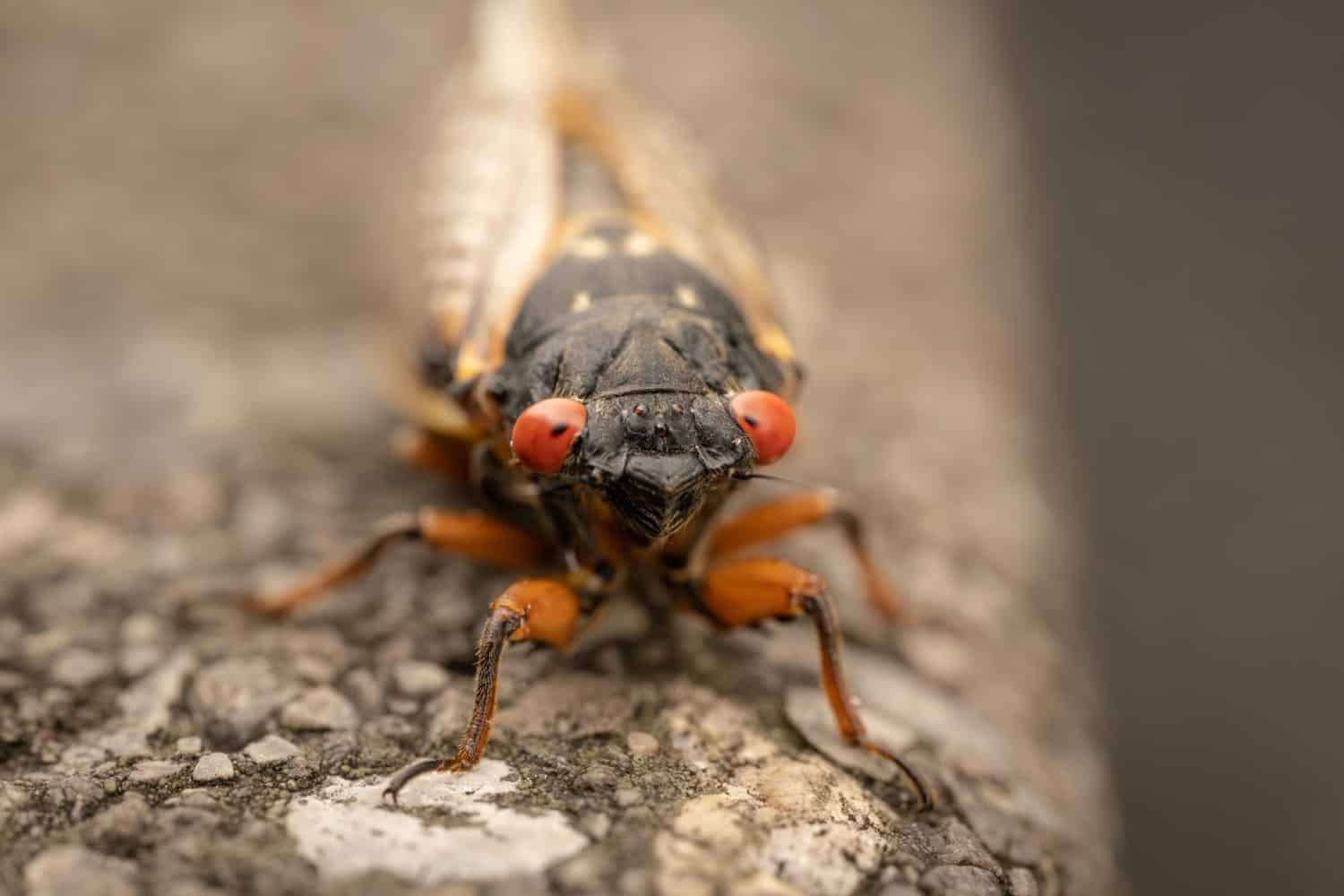
To human eyes, periodical cicadas seem like surprise visitors that suddenly blanket trees with their red eyes and noisy buzz in certain springs. The real story stretches over 13 or 17 years, almost all of it spent underground. After hatching from eggs laid in tree branches, cicada nymphs tumble to the ground and dig down to live among roots, sipping tree sap and slowly growing while hidden in the soil. For more than 99 percent of their lives, they remain out of sight, moving only a little as they feed and molt through several stages.
Scientists think they track the passing years by sensing subtle changes in the sap of the trees above them, which shift as the seasons cycle through leaf‑out and leaf‑drop. When their long countdown finishes and the soil about 8 inches deep warms to around 64°F, the cicadas tunnel up by the millions, shedding their nymph shells and emerging as winged adults that live only four to six weeks. Their sudden appearance after so long underground makes them feel like insects resurrected from the earth itself.
Resurrection Plant (Selaginella lepidophylla)
Not all resurrection stories belong to animals; one particularly dramatic one belongs to a small desert plant often sold as the “resurrection plant” or Rose of Jericho. In the dry Chihuahuan Desert of the southwestern United States and northern Mexico, this spikemoss curls into a tight brown ball when conditions are harsh and water is scarce, looking completely dead as it tumbles across the sand.
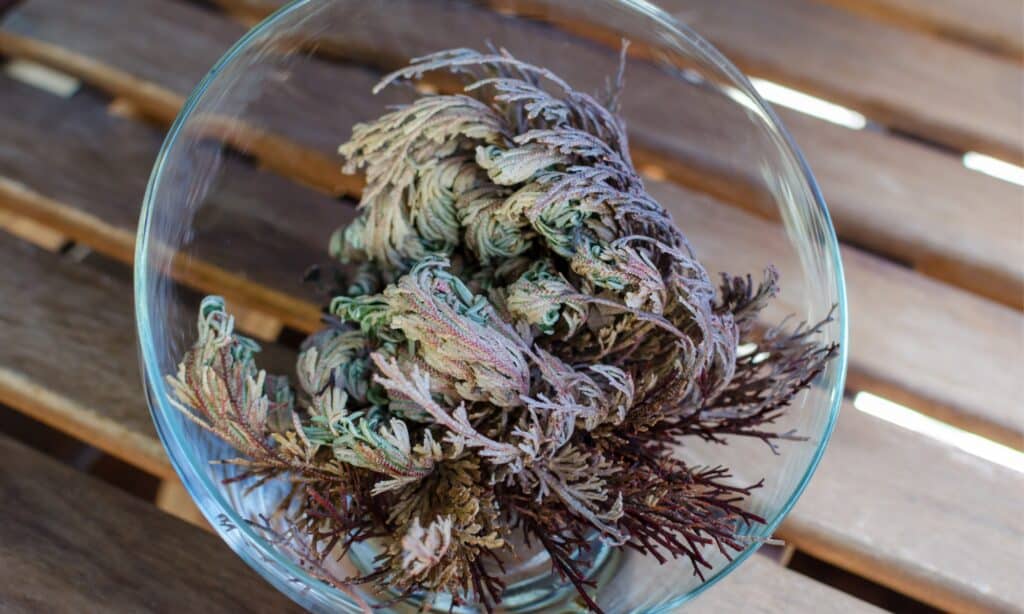
The resurrection plant can survive with only a 5% moisture content.
©iStock.com/Annetka
In this dormant state it can lose up to about 95 percent of its water, its stems wound tightly to minimize surface area and protect its tissues from damage. Inside, special sugars such as trehalose and protective compounds called betaines help stabilize its cells and keep its structures intact even after years of dryness. When rain finally falls or a human submerges the plant in water, the ball unfurls within hours into a flat green rosette, restarting photosynthesis and growth almost like a plant version of time‑lapse revival.
The “Immortal” Jellyfish (Turritopsis dohrnii)
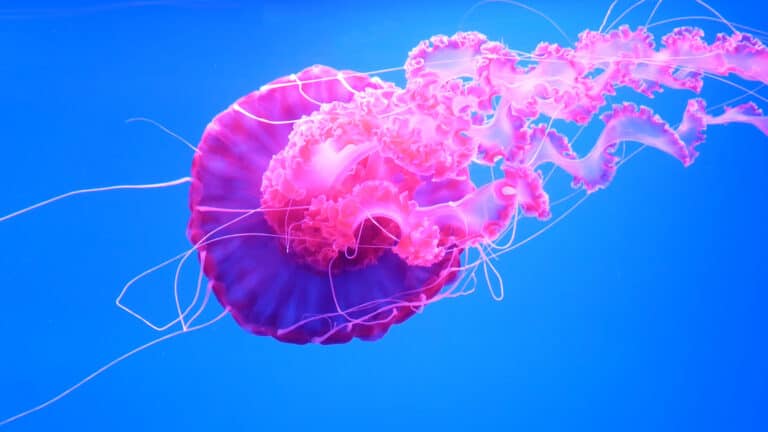
Most jellyfish have a one‑way life story: egg to larva to polyp to free‑swimming adult, and then death. The tiny jellyfish Turritopsis dohrnii, however, appears to keep a cheat code for aging tucked in its cells. Native to waters such as the Mediterranean Sea, this species can respond to stress, injury, or old age by reversing its development and turning back into a youthful polyp.
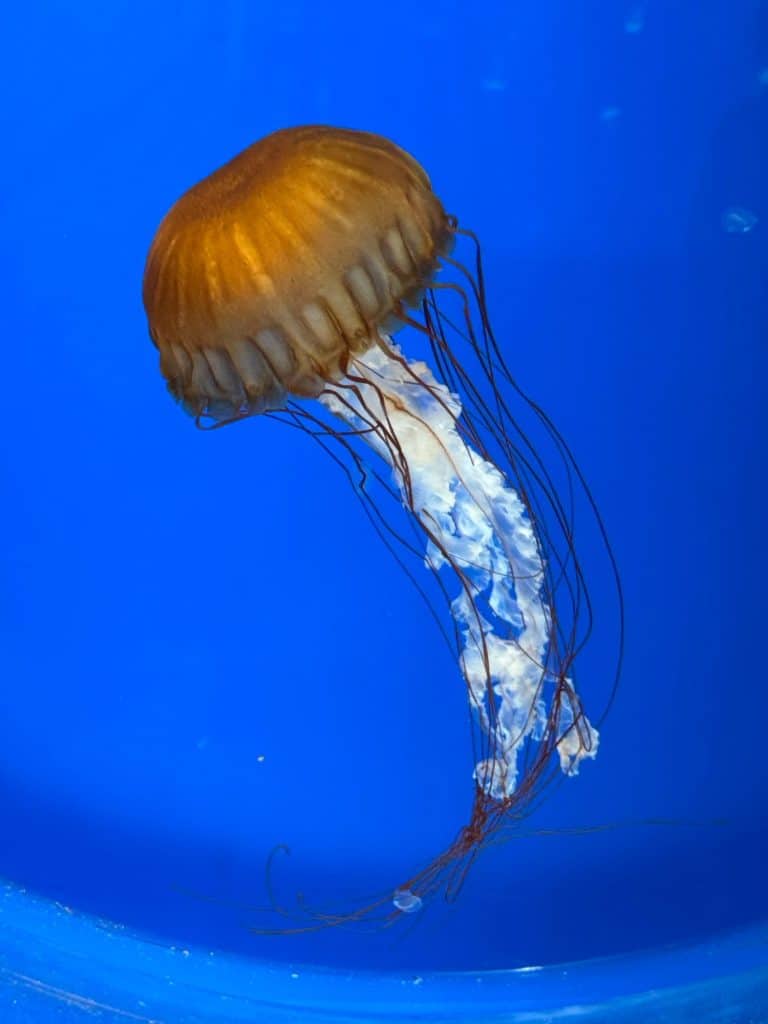
Turritopsis dohrnii can reverse its adult development back to a juvenile stage.
©SquareStoreHouse/Shutterstock.com
The process, called transdifferentiation, reshapes its mature cells into earlier types, effectively rewinding its body’s clock rather than just repairing damage. Because it can apparently repeat this reset over and over, researchers describe it as biologically “immortal,” though individuals can still be killed by disease or predators. Watching an adult jellyfish shrink, sink, and reform into a babylike colony on the seafloor makes the idea of resurrection feel less like myth and more like a quirky option in nature’s playbook.
Why Spring Feels Like Resurrection
These abilities may sound like science fiction. However, studying how these species pause life, repair damage, and wake back up uncover insights that could one day help protect crops, store organs for transplant, or guide new medical treatments. As you watch spring unfold, it is worth remembering that the idea of coming back from the brink of death is a survival strategy written into the biology of some truly remarkable lifeforms on our planet.