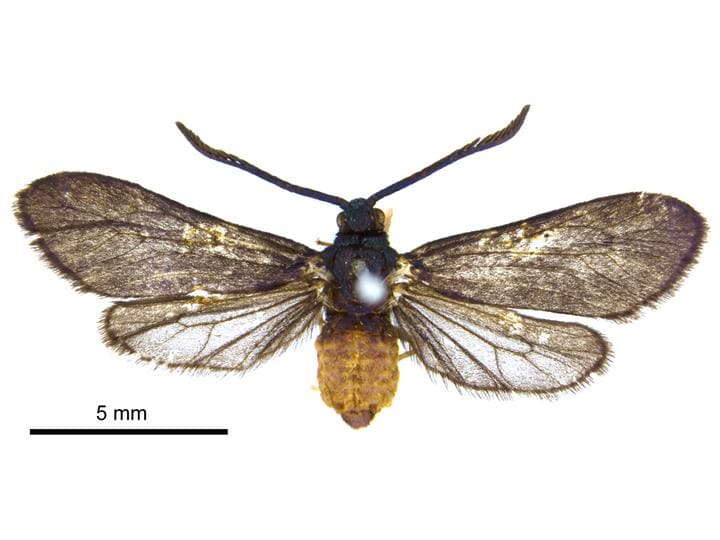
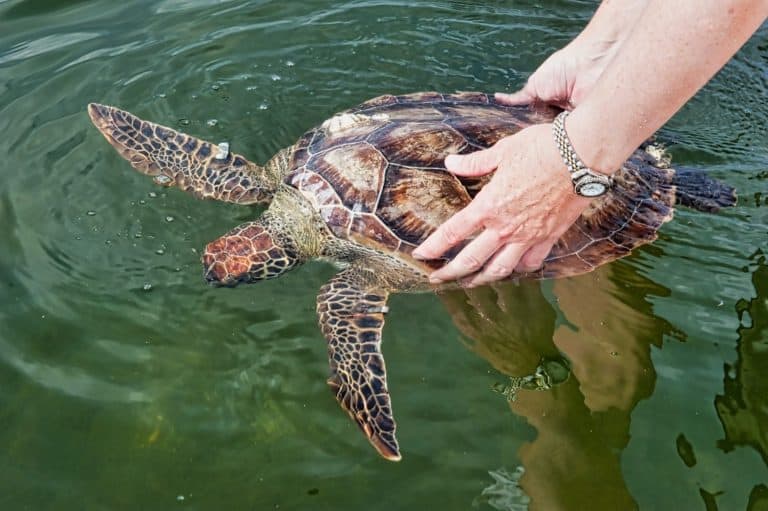
New World screwworms are a species that has been essentially eradicated from the United States since the 1960s. This was a necessary move after the amount of carnage the flies and parasitic worms caused the nation, both physically and financially. It was believed that as long as there were means to kill the screwworm flies, the U.S. would remain safe. However, after a citizen of the U.S. tested positive for screwworm infection in August 2025, more people are asking what screwworms are and whether humans should worry about them.
Unless a person is involved with cattle ranching, screwworms are likely an unknown entity. However, as the screwworms have migrated northward from Central America and Mexico, they have made their way dangerously close to the United States-Mexico border. So far, it is mainly cattle that have been affected. However, as scientists and legislators alike have pointed out, without increased means to continue eliminating the screwworm flies and the worms themselves, the possibility of a breakout in the U.S. is greater than it has been in decades.
What Are Screwworms?
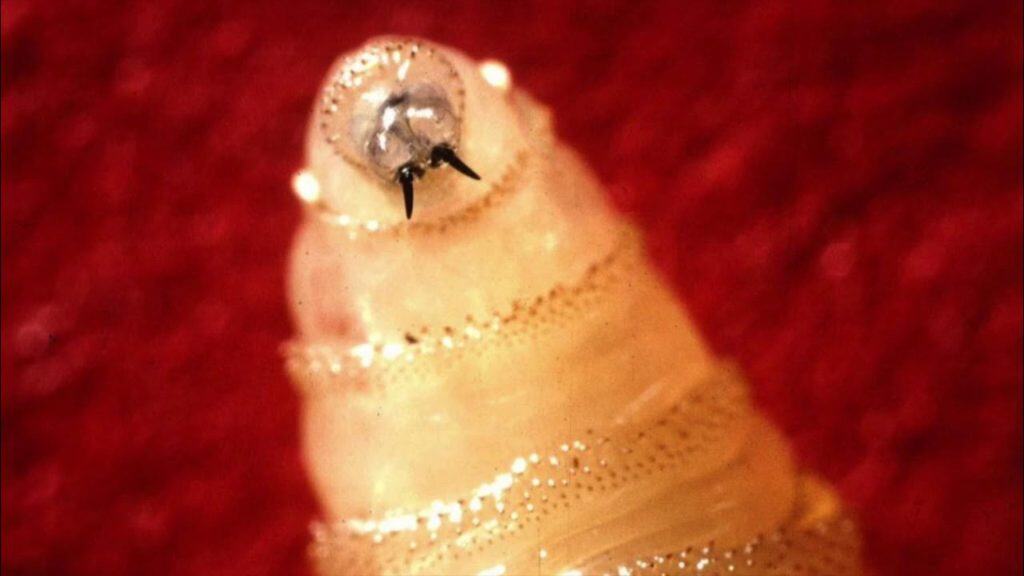
The New World screwworm is an invasive parasite that can infect tens of thousands of animals or more annually.
© – Original
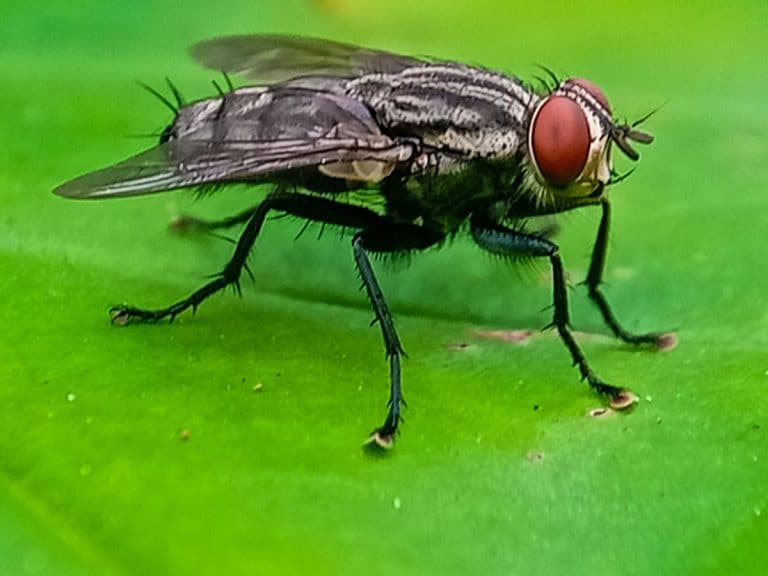
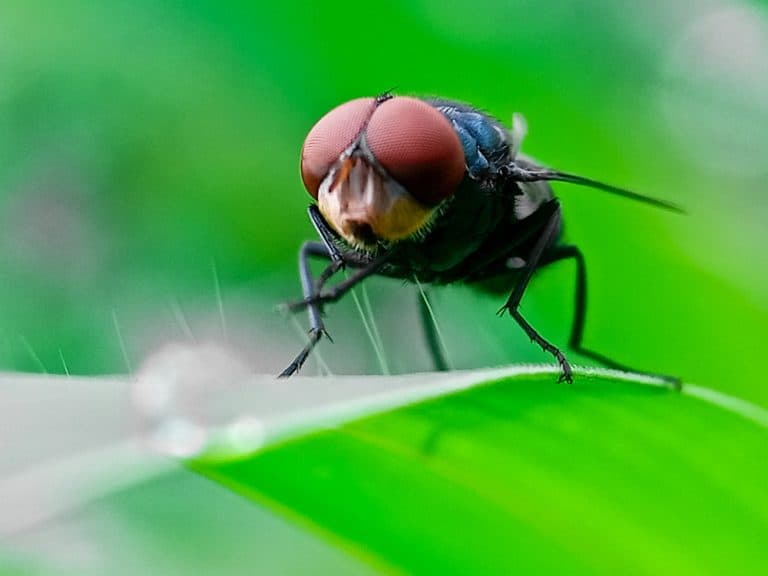
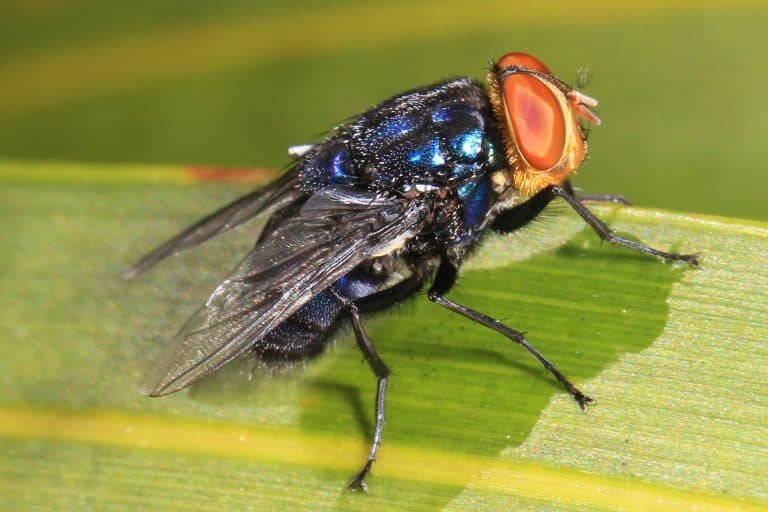
The New World screwworm is a larva that is born from the New World screwworm fly. The flies find open wounds on animals or people, and lay eggs, which hatch within 24 hours. With up to 300 eggs that can be laid at one time, the worms get directly to work, literally screwing themselves into the host animal as it eats its flesh. This causes what was once a small wound to turn into a gaping wound. Unfortunately, as the wound gets larger, it attracts more screwworm flies to lay eggs in the wound. The cycle continues until the animal either receives extensive veterinary care or succumbs to the wound becoming infected.
A common misconception is that the screwworm will feed on any animal with an open wound. However, the animal needs to be alive for the screwworms to survive on their host. Once the animal dies, screwworms must find a new host to continue their life cycle. This is not generally difficult to do when animals are close to one another, much as they are on cattle ranches, where outbreaks have been known to occur.
Are Screwworms Dangerous to Humans?
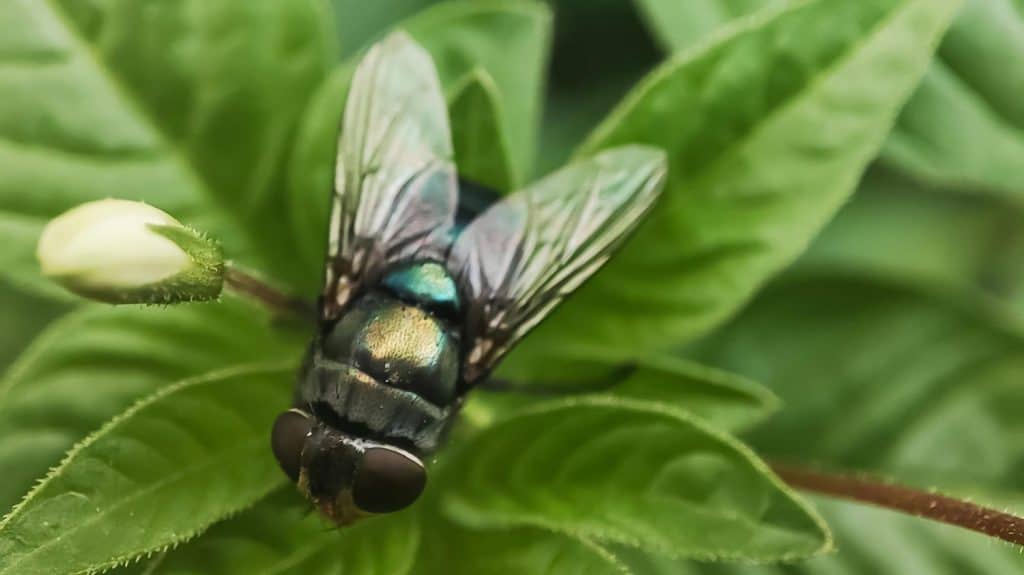
Screwworm flies and larvae infected a Maryland woman who traveled to El Salvador in August 2025.
©Bayumuerti/Shutterstock.com
Despite screwworms getting the majority of attention due to how devastating they can be to the cattle industry, they can also be problematic to human health. This is because, just like a wild or domesticated animal with an open wound can become the target of the screwworm, people can as well, as was most recently seen in the confirmed case in the United States in August 2025.
On August 24, the U.S. Department of Health and Human Services confirmed the first case of “travel-associated New World screwworm” in the U.S. The case was confirmed in Maryland on August 4, after the patient returned from a visit to El Salvador. While the parasitic fly or worm did not originate from the U.S., the fact that a U.S. citizen was confirmed to be positive for screwworm is nonetheless concerning. It also shows just how easily the screwworm can cause health concerns for the public, specifically during the warmer times of year.
In July 2025, an 86-year-old woman in Campeche, Mexico, succumbed to her fight with cancer, exacerbated by her infection from screwworms. Since the last week of July, as reported mid-August, 30 other people were found to be infected in Mexico with the parasitic worms. What does this mean? Are the rates of people being infected with screwworms on the rise? Is there a massive cause for concern that screwworms could make their way into the U.S. en masse and infect entire communities? Fortunately, according to Health and Human Services spokesperson Andrew Nixon, the case in Maryland has been determined to be an isolated one.
“The risk to public health in the United States from this introduction is very low,” Nixon explains to multiple news outlets.
To ensure that screwworm flies or larvae did not begin to flourish in the Maryland area where the infected patient lived, traps were placed in a 20-mile radius. To date, according to a Health and Human Services Department press release, “all trap results have been negative.” Given that screwworms are not native to the U.S., the invasive fly and larvae had to make their way across the border. This was done as livestock ranching moved from Central America and Mexico.
Where Did Screwworms Originate?
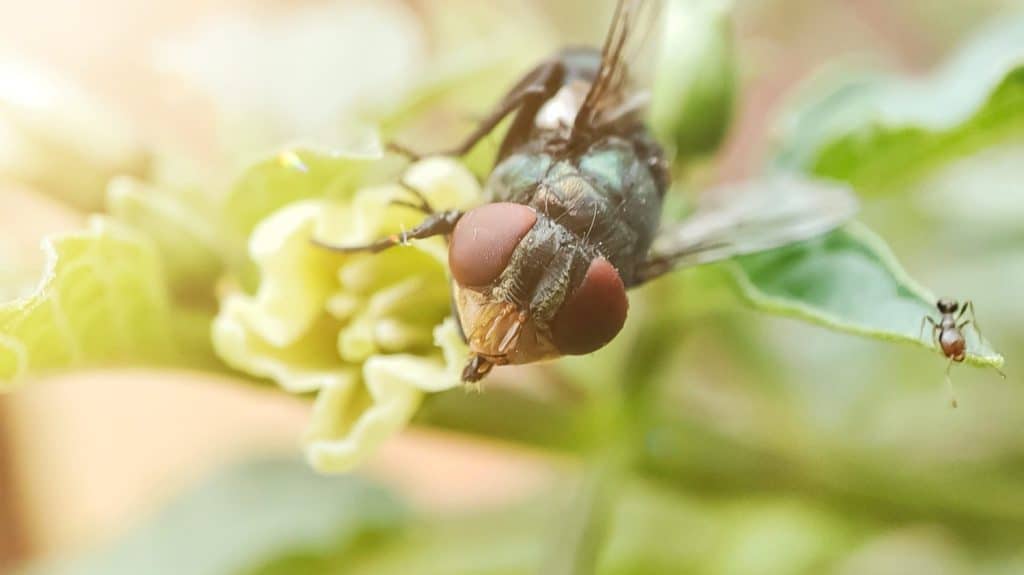
Screwworm flies originated in Central America and the Caribbean.
©Bayumuerti/Shutterstock.com
New World screwworms originated in Central America and the Caribbean. It was via livestock ranching that the invasive species was able to gain a foothold. Eventually, the flies and, subsequently, the worms, were able to spread from the United States Southwest down through Central America.
Screwworms cannot fly long distances to spread their eggs that eventually become the devastating larvae. For most flies, the area they can cover is no more than six to nine miles. Therefore, to spread from Central America to Mexico and then to the U.S., the flies already had to lay eggs in a host that was then shipped hundreds of miles. Once in the new location, the larvae would fall off the host when ready to pupate in the ground, which would start the life cycle of the screwworm all over again.
As the number of cattle shipped or driven into the U.S. increased, so did the number of screwworms. However, it was not only cattle that served as hosts for the parasites. Wild animals proved to be good hosts as well. Therefore, even if cattle were deemed clear of screwworms, there was always the possibility of an outbreak occurring again as soon as a scratch or wound would present. This eventually led to outbreaks during the 20th century that would prove to be the turning point in the eradication of screwworms in the United States.
How Screwworms Made Their Way to the United States

As cattle made their way into the United States from Central America and Mexico, the screwworm and screwworm fly came with them.
©247 FILM/Shutterstock.com
Screwworms were first found in the United States in 1842. While the parasitic flies caused localized problems as cattle were brought into the country from South America and Mexico, it was not until 1933 that screwworm infestations in cattle were identified across the Southeast. It would take until 1966 to eradicate the nation of screwworms via the technique of raising infertile screwworm flies in a facility in Texas.
The sterile screwworm flies are released into areas where screwworms are present. As the males are released, they mate with wild female screwworms. The male screwworms then produce infertile eggs, decreasing the population of screwworms.
By partnering with Mexico and creating a new facility run by the U.S.D.A. in the country, even more infertile screwworm flies were capable of being produced. This helped prevent any further outbreaks, save for a localized one in Florida in 2016. It took until 2017 to declare Florida free of screwworm larvae and flies.
It was only a matter of time before the screwworms made their way into the U.S. yet again. In 2023, Panama declared an outbreak of screwworms in the country. The inability to control the population of screwworms allowed them to move northward at a fairly rapid clip. By 2024, cases were being found in Mexico. This culminated with a May 2025 announcement by the U.S.D.A. that the “biological barrier” had been breached. Shortly thereafter, in July 2025, screwworm cases were identified just a few hundred miles from the U.S.-Mexico border.
Screwworms Are a Major Threat to the Economy
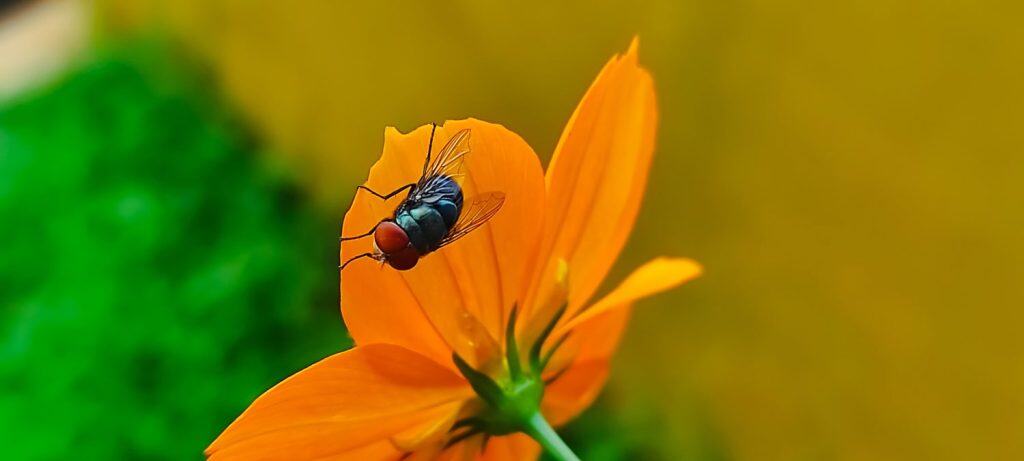
Screwworm flies and screwworms can decimate an economy by wiping out entire herds of cattle.
©Bayumuerti/Shutterstock.com
Screwworms are not only harmful to animals and even to humans, but they are devastating to the economy. This is because screwworms are incredibly fast procreators, capable of infesting not only an entire herd of cattle, but a country if not properly treated.
When screwworms were first identified in the United States in the 1930s, cattle ranchers were losing tens of thousands of cattle annually to the parasite, according to TR Lansford III, DVM, deputy executive director and assistant state veterinarian with the Texas Animal Health Commission.
“[NWS] is a highly impactful foreign animal pest because it is expensive and deadly,” Lansford explains to Drovers. “Back in 1935, when screwworms were endemic in Texas, the state lost about 180,000 head of cattle alone in that year.”
Between the 1930s and 1940s, ranchers lost $5 million to $10 million per year to screwworm outbreaks. Those numbers increased to between $60 and $120 million during the 1950s and 1960s, reaching their highest numbers in the 1970s, when $132.1 million was lost annually as screwworms did their damage.
Today’s estimates are even larger than what ranchers dealt with in the past. In Texas alone, an outbreak is forecasted to cost the state $1.8 billion per year. But perhaps the most staggering of price tags comes from what will have to be spent if an outbreak occurs in the U.S. again.
“Historically, it cost tens of millions,” Lansford tells Drovers, “and now it’s estimated to cost into the billions of dollars to eradicate this pest if it gets back to the U.S.”
While plans are underway to upgrade the facility in Mexico for $21 million and to build a new plant in the U.S. for $750 million, the timeline for completing these plans may be too late. Therefore, many are calling for solutions to be found to accelerate the plans, so that screwworms do not have the chance to get a foothold in the U.S., as they did in the past, which would be economically devastating.
The Fight to Eradicate Screwworms
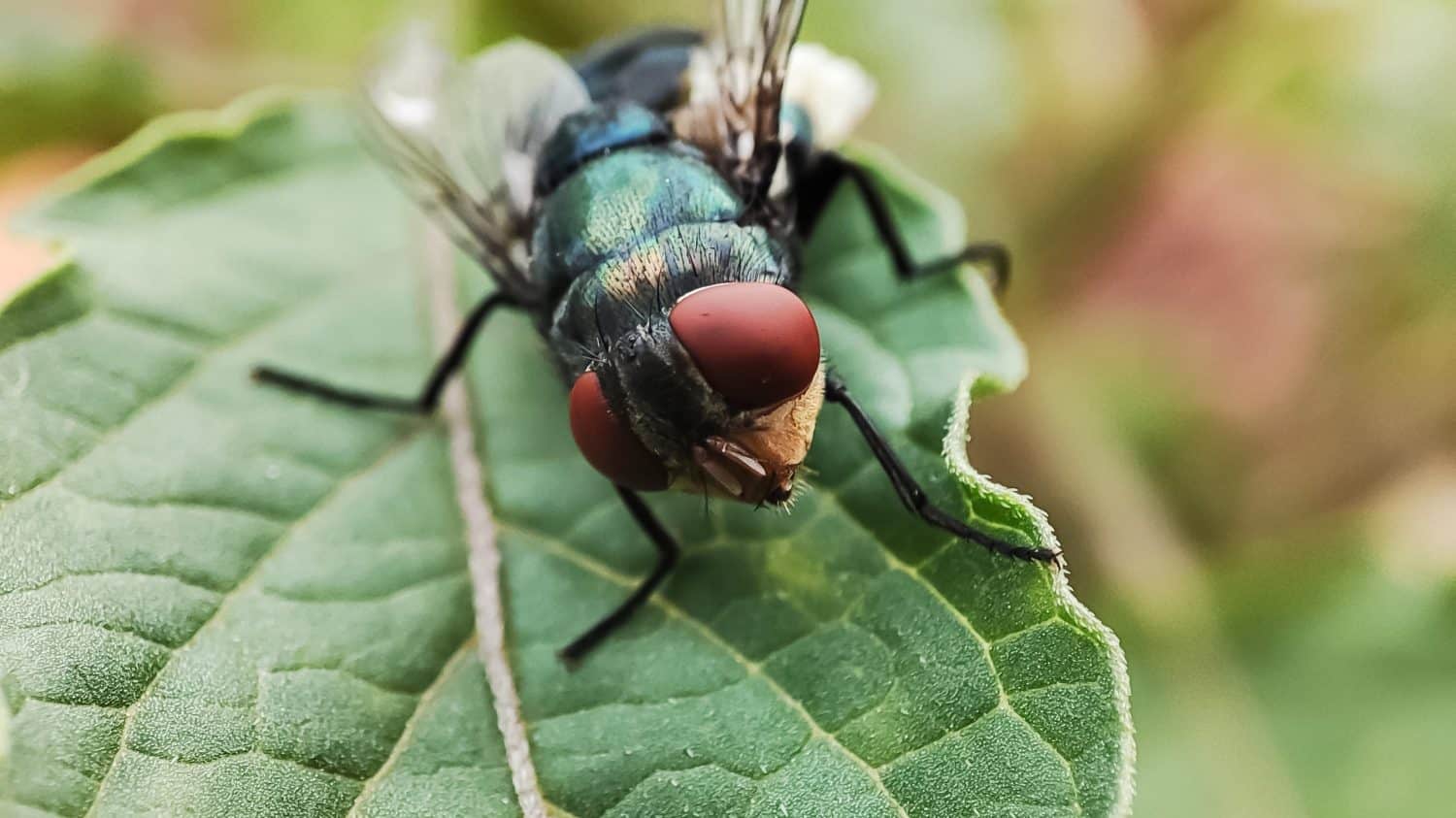
Millions of sterile screwworm flies are being raised in facilities in Panama and Mexico to help decrease the screwworm fly and larvae population.
©Bayumuerti/Shutterstock.com
Currently, the plan to eradicate the screwworm from the United States and surrounding countries involves a ban on livestock from crossing into the U.S. from Mexico, as well as continuing to produce millions of sterile screwworm flies at facilities located in Panama and Mexico. In addition to the facilities in the two countries, it was announced in August 2025 that a new facility was being constructed at Moore Air Base near Edinburg, Texas. While this will be helpful in the long run, the current timeline for the facility to get up and running may be too little too late.
Initially, in June 2025, it was announced that the new facility, then without a named location, would take two to three years to become operational. On August 15, before the news broke that the first U.S. human case of the flesh-eating parasite had been confirmed, Agriculture Secretary Brooke Rollins announced in a press conference that the facility would be “fast-tracking in every possible way.”
“This facility will triple our current output and eliminate our sole reliance on Panama and Mexico for sterile fly supply, putting America first,” Rollins explains at the press conference. “It’s a tactical move that ensures we are prepared and not just reactive, which it to date what we have really been working through.”
With a cost of $750 million to complete the project and an unknown timeline for when the facility will be completed, the weekly 60 to 100 million sterile flies produced in Mexico and the 100 million sterile flies produced in Panama will have to suffice to combat the screwworm issues in Central America, Mexico, and the United States. While these flies will help address the problem, they will not be enough to eradicate the current screwworm outbreak. Therefore, the hope is that the U.S.D.A. will be able to accelerate its timeline to get the Texas facility operational to stop future cases of the flesh-eating parasite from attacking both animals and people alike and taking lives in the process.