
Quick Take
- Sea lions are marine animals, which makes it all the more surprising that one almost crossed a six-lane highway on her own four limbs. Sierra's highway adventure →
- There's a specific time of year when starving sea lion pups are most likely to wander into traffic, and the timing is not random. Why pups wander into traffic →
- Sierra didn't travel far to end up on a highway, and the surprising geography of where she lived explains everything. How location explains everything →
Wildlife-vehicle collisions are a significant concern in California, with thousands of incidents reported statewide each year. Roadways are one of the leading causes of animal deaths in populated cities such as San Francisco, where a sea lion was recently rescued from U.S. Highway 101. The juvenile, affectionately named “Sierra,” was disoriented and brought traffic to a near halt. While her story ends happily, this is not the case for many other sea lions like her.
How Did Sierra End Up Near a Highway?
Coastal development and food scarcity often force sea lions to leave their natural habitats, bringing them closer to busy roadways. The noise and movement of traffic can further disorient them as they attempt to return to the water. Sometimes, sea lions inadvertently wander into urban areas. In Sierra’s case, she did not have to travel far to find herself on a busy road.
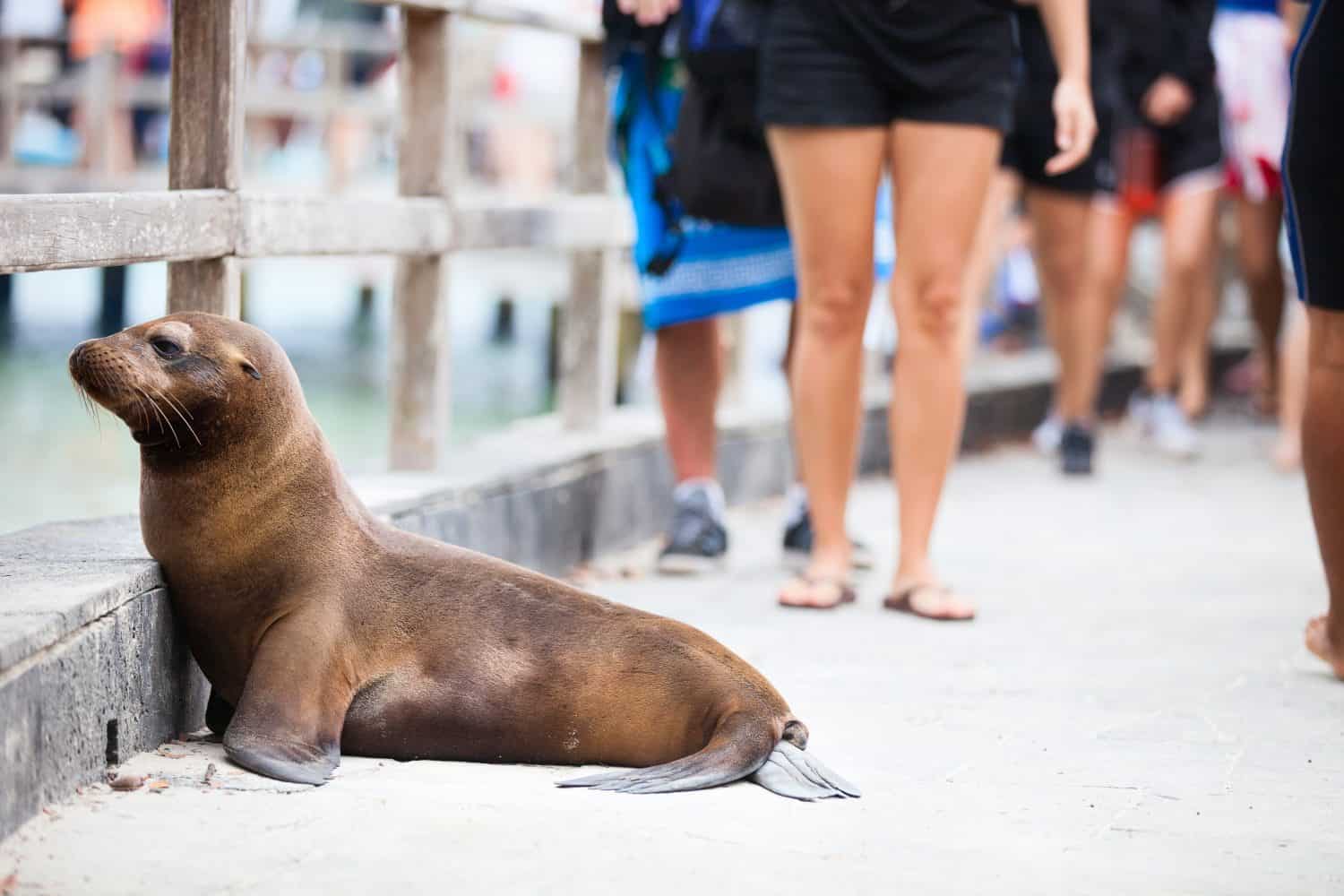
Sea lions can cover long distances on land thanks to the dexterity of their back flippers.
©Kenneth Schulze/iStock via Getty Images
Rescuers determined that Sierra came from Brisbane Bay, a small body of water bordered by a train line on one side and Sierra Point Parkway on the other. In search of food, Sierra climbed up the embankment on the highway side and almost successfully crossed the parkway. If she hadn’t been rescued, she would have ended up crossing U.S. Highway 101. Had she made it across, she would have reached the San Francisco Bay on the other side. Thankfully, an off-duty officer spotted her and quickly called for backup while waiting for the Marine Mammal Center in Sausalito.
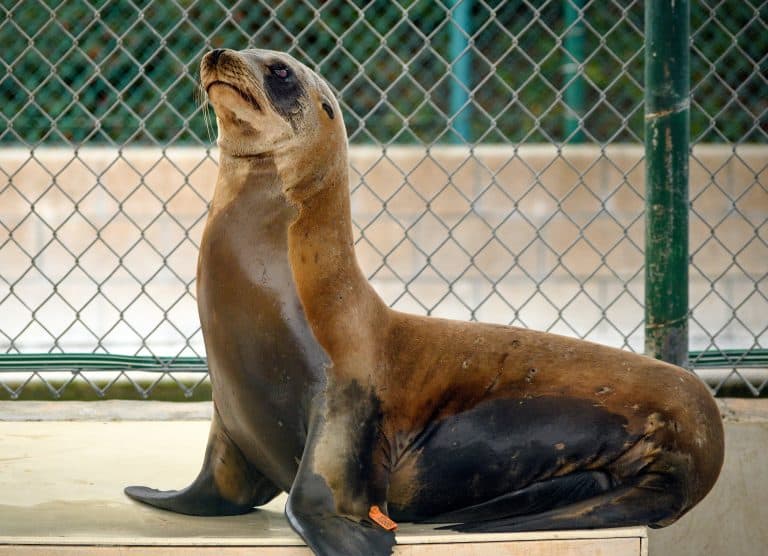
The pup was previously seen near Coyote Point in San Mateo, demonstrating how far sea lions can travel. Despite being marine animals, they can rotate their hind flippers to act as legs. With four flippers, they can cross relatively expansive distances, even making their way onto busy highways.
Starvation Was the Motivation
Sierra is not the only sea lion pup to end up on or near major roadways this year. In April, a pup was rescued by the Marine Mammal Center on a San Francisco street corner. Upon initial observation, rescuers determined the sea lion was extremely malnourished. The pup, named “Irving,” was seen on several streets in search of food before finding himself in the Outer Sunset neighborhood. During the weigh-in, the pup weighed 40 pounds and had a feisty attitude. While his demeanor was a positive sign, his lack of food was not.
Sierra’s search for food followed a similar pattern. She was deemed a “wayward” pup, meaning she left her habitat in search of food. This becomes more common in the late spring when food sources become scarce, and pups enter adulthood. They require more nourishment, which leads some pups to metaphorically “leave the nest” in search of food.
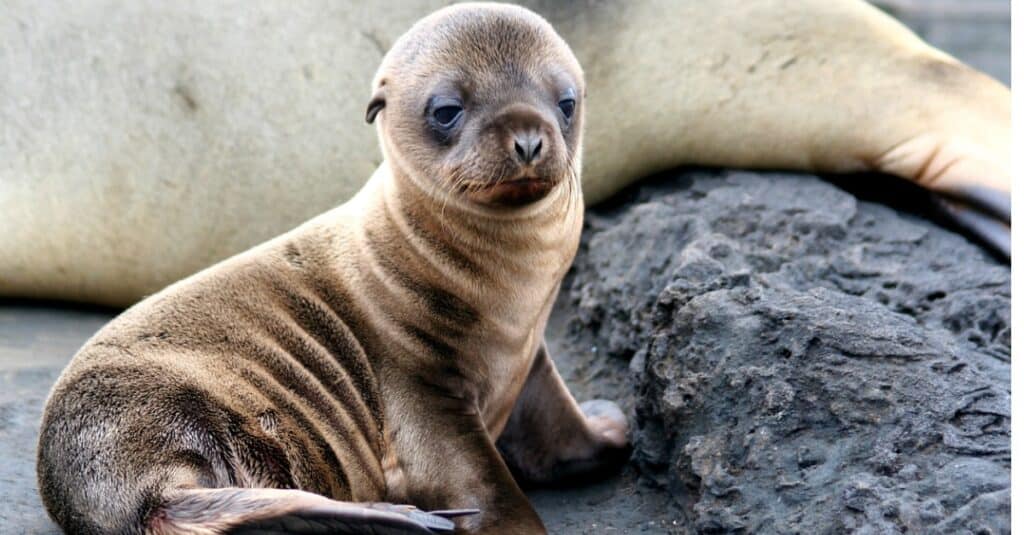
Most sea lions found near roads are pups, which go wandering in search of food.
©iStock.com/MortenElm
In this case, both sea lions were taken in for rehabilitation. Rescuers hope that, with proper nutrition, the pups can be released back into the wild. At only ten months old, Irving and Sierra are just learning to forage on their own. Sadly, they are unlikely to be the last sea lion pups to travel beyond the safety of their habitats.
What to Do If You Find a Sea Lion in the Road
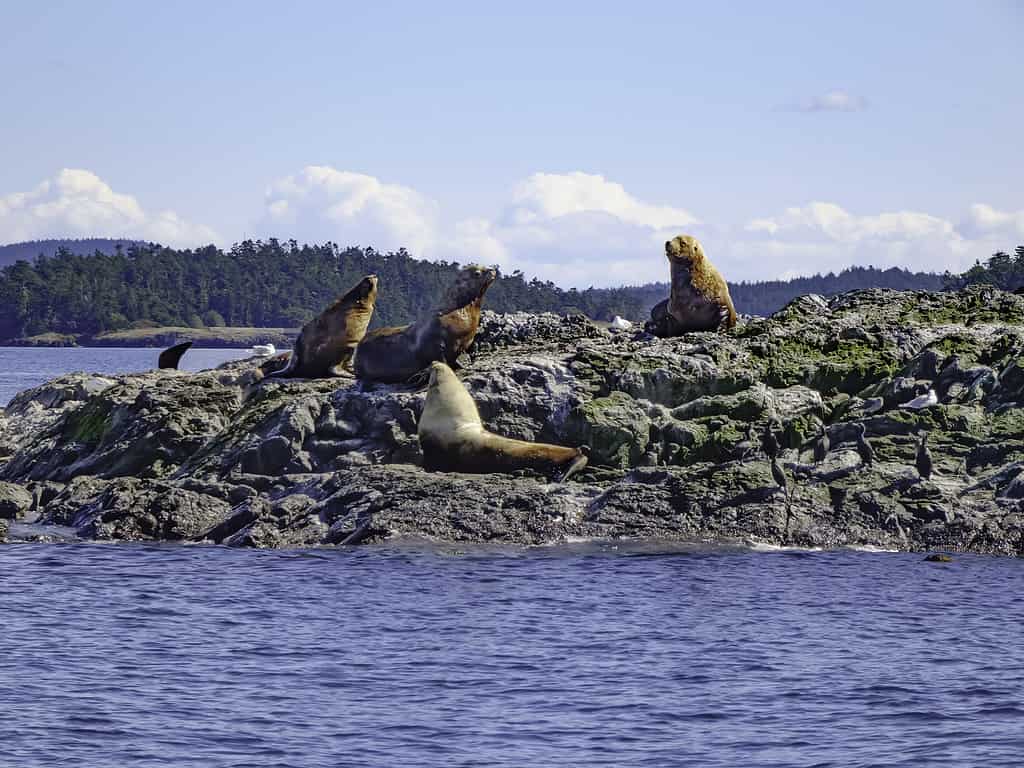
Malnourishment is not the only cause of sea lions wandering into busy roadways. Periods of heavy rain or bad weather can also cause them to abandon their habitats, like this sea lion last year in Washington state. It’s crucial to know what to do if you live in an area with sea lion populations, especially as they continue to migrate inland in search of food.
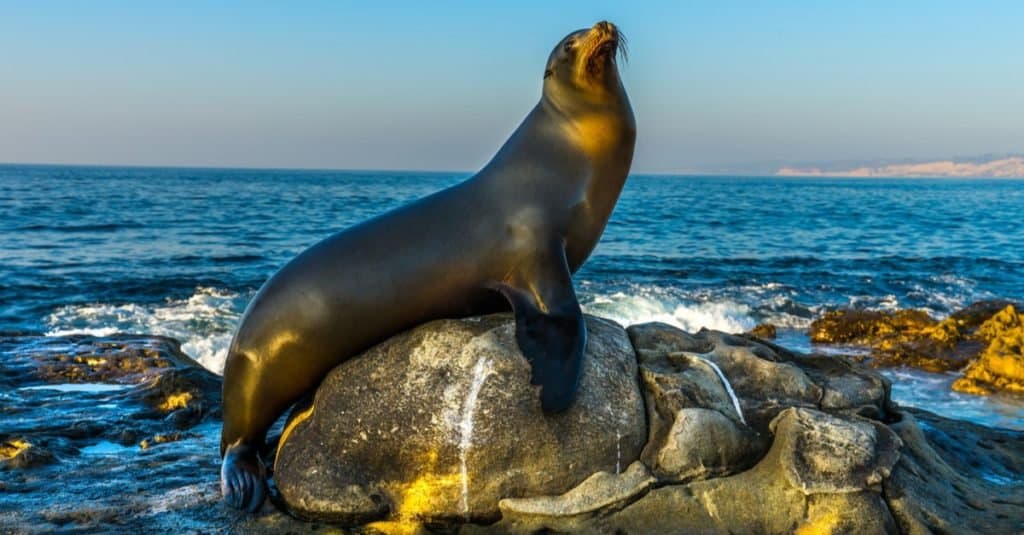
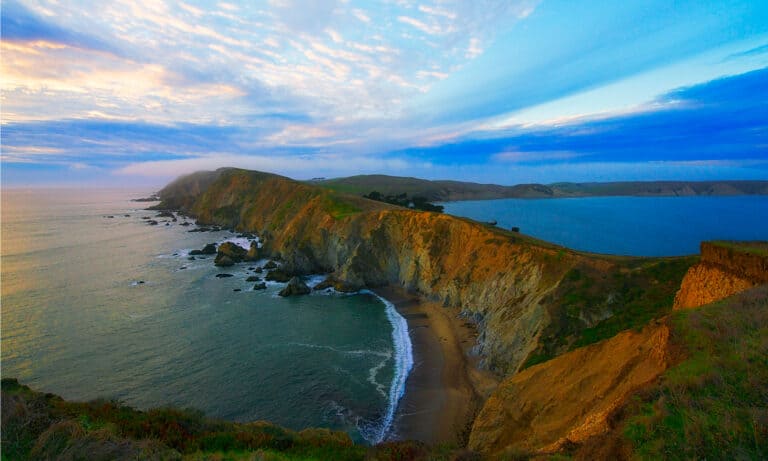
Development along the coast increases the risk of sea lions and other marine life crossing paths with humans.
©Daniel Avram/Shutterstock.com
If you see a sea lion near or on a busy road, never approach it. Like other wild animals, sea lions can be unpredictable when disoriented or lost. Stay at least 50 yards (150 feet) away, as recommended by NOAA Fisheries, and contact the police immediately. Afterward, call your local wildlife rescue. The police can direct traffic until rescuers arrive, but you should never attempt to rescue the animal yourself.
If it’s safe to do so, you can warn other drivers with hazard lights. You should never try to slow traffic on busy roads, and never exit your vehicle in unsafe conditions. If a sea lion is shaking its head or yawning repeatedly, these can be signs of distress. In this case, share your observations with rescuers so they can be prepared upon arrival.