
Quick Take
- International Animal Rights Day, founded on December 10, 1998, highlights that animals are sentient beings deserving respect and compassion.
- The day links animal sentience to human rights, urging laws that recognize animals as feeling beings deserving protection.
- Since International Animal Rights Day began, laws like the UK Animal Welfare Act 2006 and the EU Lisbon Treaty 2009 have recognized animal sentience.
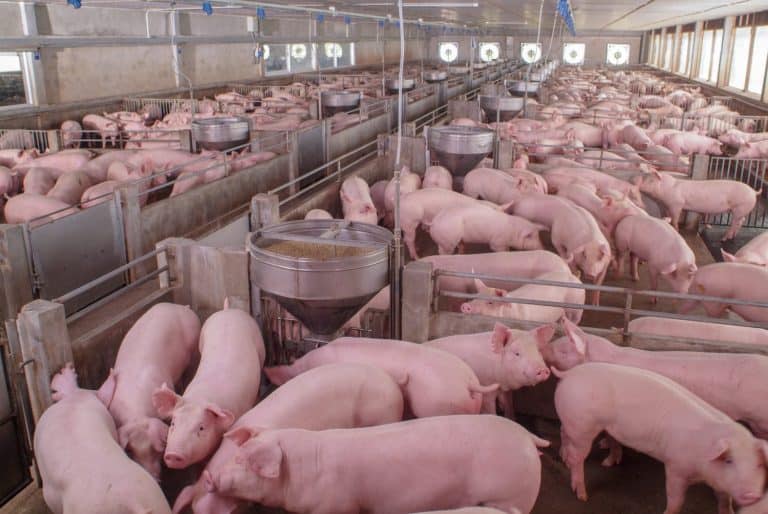
Animals around the world continue to have their rights and welfare ignored. Domestic animals live in unimaginable conditions and often deal with neglect and abuse. Wild animals are illegally traded and poached, while others are used in laboratories to test beauty products or pharmaceuticals. None of these animals chose this path. Instead, they suffer at the hands of humans.
To fight inhumane animal treatment, International Animal Rights Day was established. While progress has been made regarding the welfare of all animals, there is still work to be done. This is why December 10 matters for animals worldwide.
What Is International Animal Rights Day?
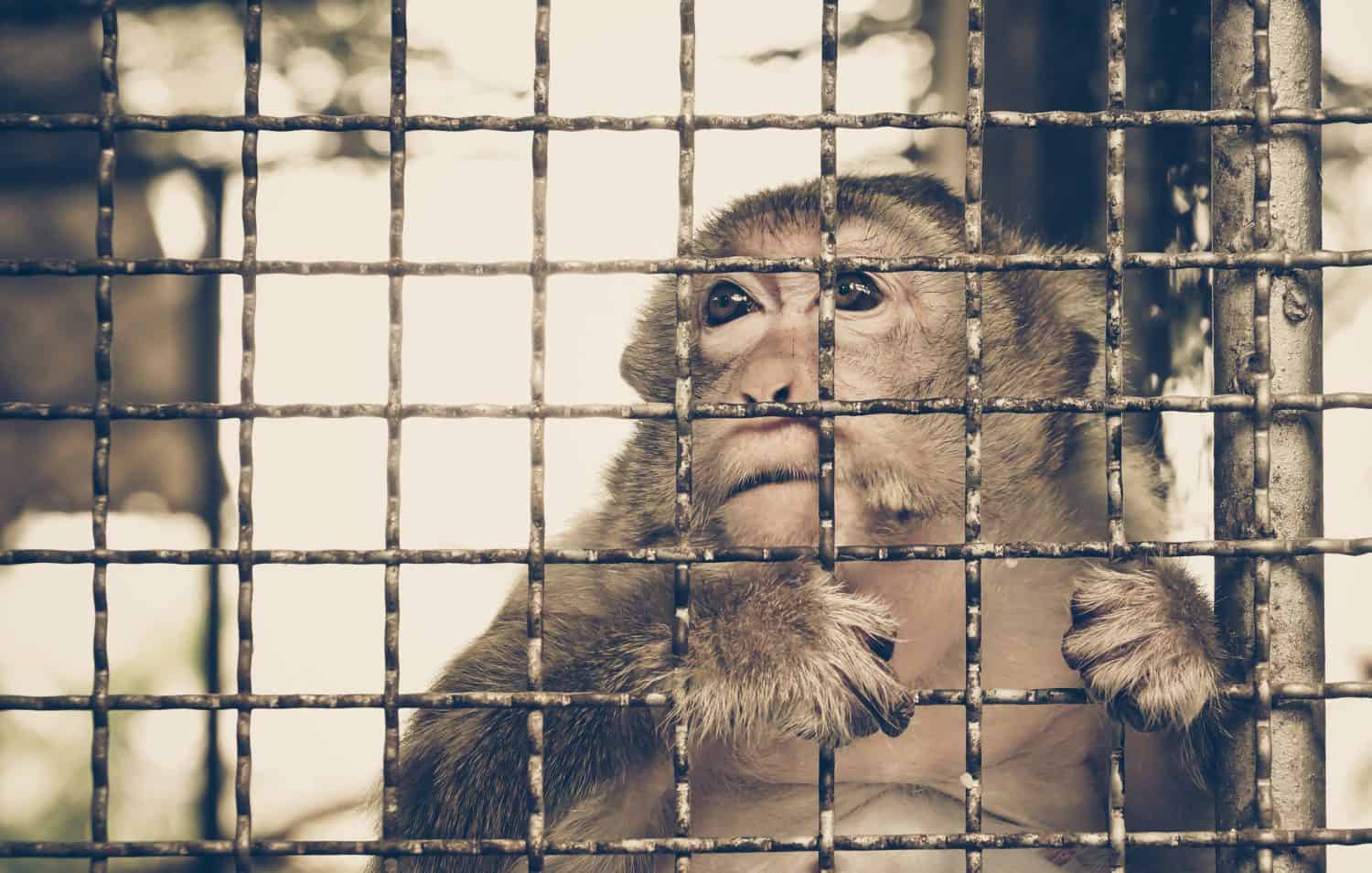
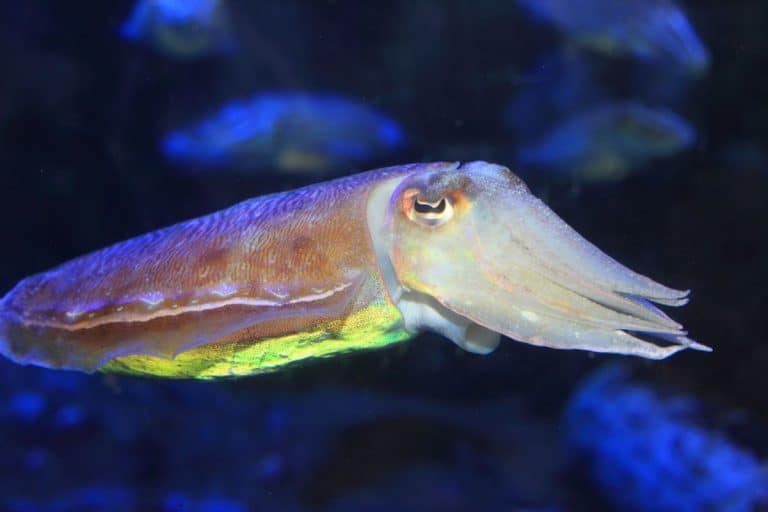
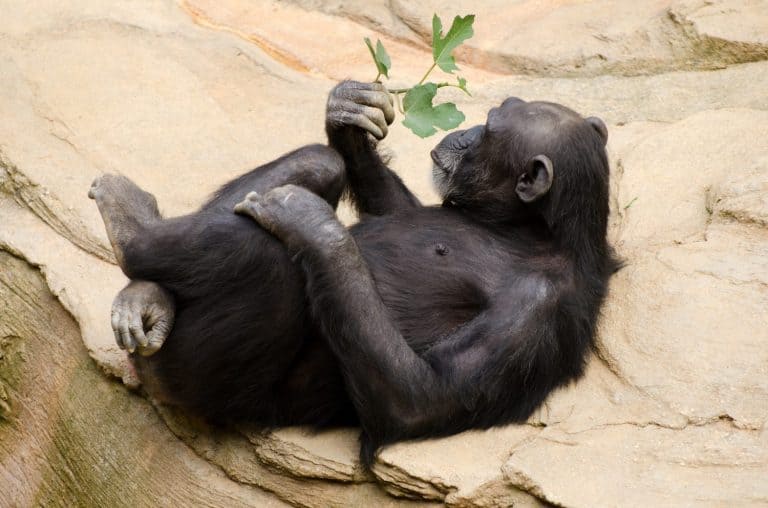
International Animal Rights Day was founded to remind people that animals can feel pain and suffering.
©wk1003mike/Shutterstock.com
International Animal Rights Day was founded on December 10, 1998. The day serves as a reminder that all animals deserve respect and compassion, which they are often denied.
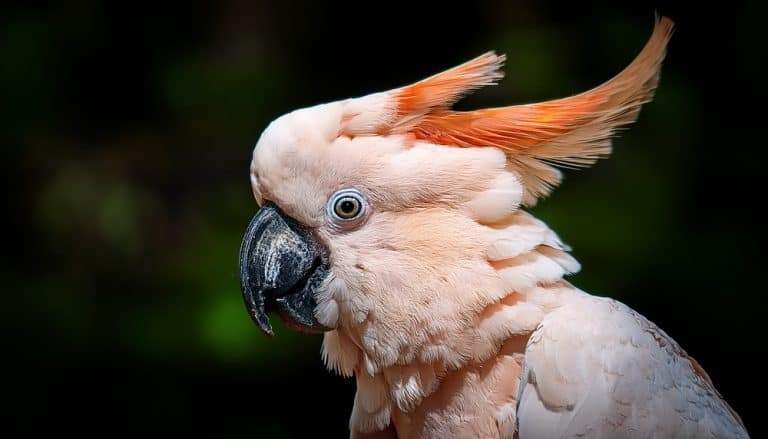
As wild animals continue to be illegally traded, poached, or used in laboratories, and as domestic animals are neglected, the day serves as a reminder that animals are sentient beings capable of feeling pain and suffering.
According to World Animal Protection, the biggest question to ask on International Animal Rights Day is, “If people have fundamental rights, shouldn’t animals have them too?” This is a question that animal advocacy groups have raised for decades.
“International Animal Rights Day is an annual event honoring animals as sentient beings who deserve the same protections as people,” World Animal Protection explains on its website. “This global observance is marked by demonstrations that expose animal exploitation, mourn the animal victims of human tyranny, and rally support for universal animal welfare.”
Why Is International Animal Rights Day on December 10?
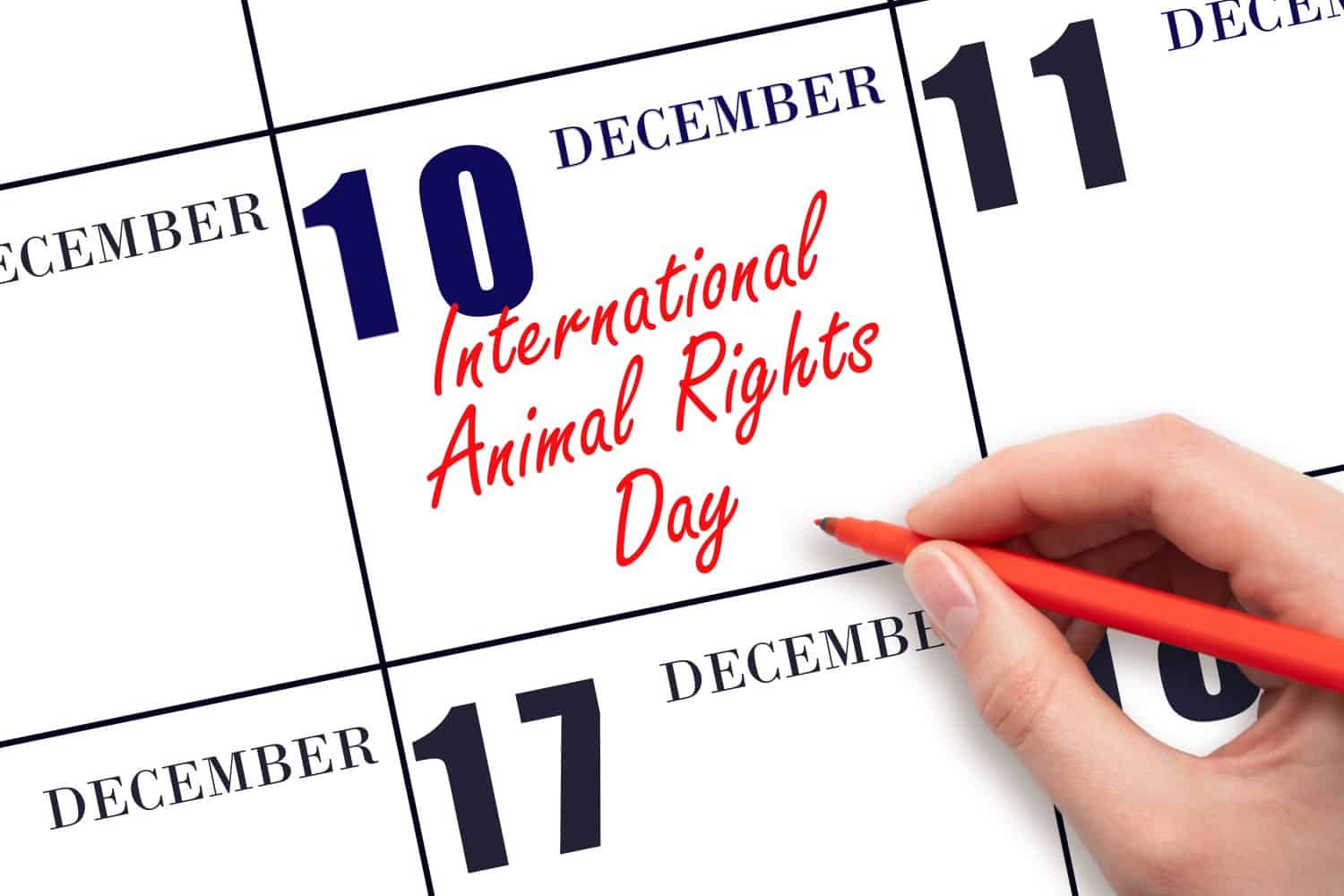
International Animal Rights Day was established on December 10 to coincide with the Universal Declaration of Human Rights, established in 1948.
©A_Iv/Shutterstock.com
On December 10, 1948, the United Nations passed the Universal Declaration of Human Rights. This document laid out the fundamental human rights that were to be protected after the atrocities of torture were revealed that occurred in Nazi concentration camps during World War II.
Some of the fundamental principles include:
- Right to life, liberty, and security
- Freedom from torture and slavery
- Right to equality
- Freedom of expression
This was a groundbreaking document. However, around the world, the struggle for fundamental human rights continues.
Fifty years after the Universal Declaration of Human Rights was enacted, the animal rights group Uncaged chose December 10 to mark the day animals, too, are struggling for their fundamental rights.
Just as humans have the capacity to experience pain and suffering, so do animals. This is why, when the day was established, there was a push for animal sentience laws. While some progress has been made, World Animal Protection says more work is needed to shift the perception of animals from property to living beings with thoughts, feelings, and emotions.
“Animal sentience laws formally recognize what science already confirms: that just like us, animals feel emotions like joy and sorrow,” World Animal Protection explains on its website. “These laws change how we view animals — from property to beings worthy of care and respect. They lay the framework for humane policies and encourage a societal shift towards ethical treatment.”
Animal Rights Legislation Around the World
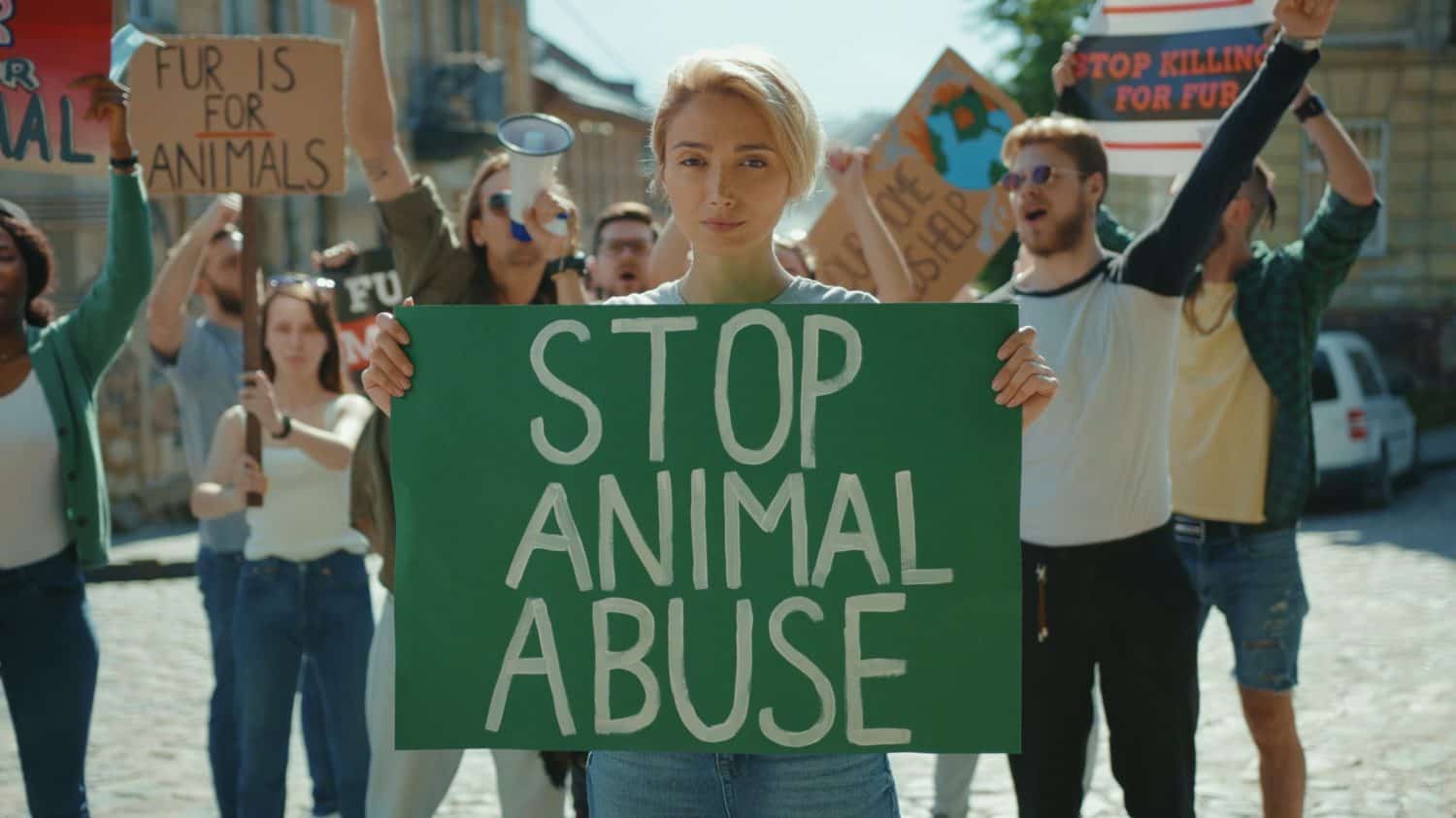
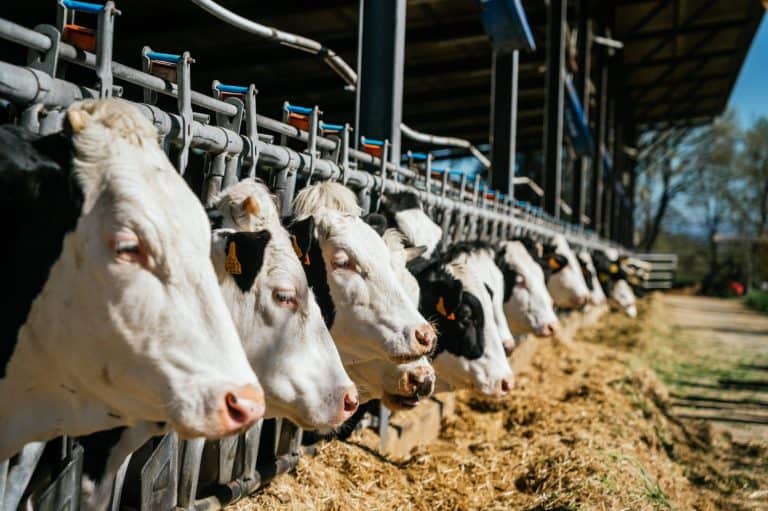
Many policies and laws, both internationally and domestically, have changed to benefit the welfare of animals.
©Fractal Pictures/Shutterstock.com
Thanks to International Animal Rights Day, which brought the welfare of animals to the attention of leaders worldwide, there have been some positive shifts made in how animals are treated. Both legislation and industry practices across farming, cosmetics, and science have changed with a better understanding that animals experience pain and suffering at the hands of humans. More work needs to be done. But the hope is that as animal rights and welfare are discussed and alternative practices are developed that advance industries while keeping animals safe, animals will continue to benefit from a more compassionate world.
Some of the advancements in animal rights and welfare that have occurred since International Animal Rights Day was first observed include:
| Animal Rights Legislation | What It Does |
| UK Animal Welfare Act | Established in 2006, the act was designed to take a proactive approach to the welfare of domestic animals. Instead of authorities not being able to take action until animal suffering occurred, if people did not abide by the basic welfare needs of their animals, which included shelter, regular feeding, an environment in which animals could thrive, an environment where animals could sit, sleep, and move around safely, and be protected from injury and disease, animals could be taken from custody before tragic and long-term suffering occurred. |
| Lisbon Treaty | Established in 2009, the Lisbon Treaty was the first act that established animal sentience in the EU. Animals were seen as being capable of experiencing pain, suffering, and other emotions. |
| Animal Crush Video Prohibition Act | Established in 2010, the law prohibits the sale, circulation, distribution, and creation of videos showing extreme animal cruelty. |
| European Union Cosmetics Regulation | Established in 2013, the EU altogether banned the testing of cosmetics on animals and prohibited the marketing of cosmetics that were tested on animals anywhere in the world. |
| Preventing Animal Cruelty and Torture Act | Established in 2019, PACT made it a federal crime to engage in activities that are defined as extreme animal cruelty, which include “crushing, burning, drowning, suffocating, impaling,” or otherwise inflicting pain on animals. |
While it occurred before International Animal Rights Day was established, the Animal Welfare Act of 1966 was the turning point in animal rights in the United States. As a result of publications uncovering the illegal pet theft trade, which abounded and fueled research across multiple industries, there was a massive public outcry for policy change. Consequently, the AWA was enacted. This changed the way animals were procured for research and required that they be protected and treated humanely while used as test subjects.
In addition to the laws enacted and policy changes made, the shift in public perception of animals has had a significant, positive impact on animal rights and welfare. This has led to a 300% increase in veganism in the United States alone from 2014 to 2019, with over 9.4 million Americans choosing to live a vegan lifestyle. This is up from 290,000 in 2005. Those who may not have shifted entirely to veganism may still practice Meatless Mondays or choose products that are not animal-based, which are still steps in the right direction for animal rights, according to advocates.
Consumers now have the option to purchase food that allows animals to live happy, humane lives, even if they are ultimately used for food. From cage-free eggs to free-range livestock, it is becoming more common to avoid cages and stalls that restrict animals’ movement. People want to know that the food they purchase is free of antibiotics and that animals were treated ethically throughout their lives, regardless of their lifespan.
In the research field, there has been a shift in moving away from animal testing in some arenas. Instead of using animals for research, scientists are now using organ-on-chip technology and computer models to simulate human responses to new drugs. Although some in the scientific community resist this change, the U.S. government’s push to end testing on monkeys suggests that technology may replace animal testing in infectious disease and other research areas.
Current Animal Rights Issues
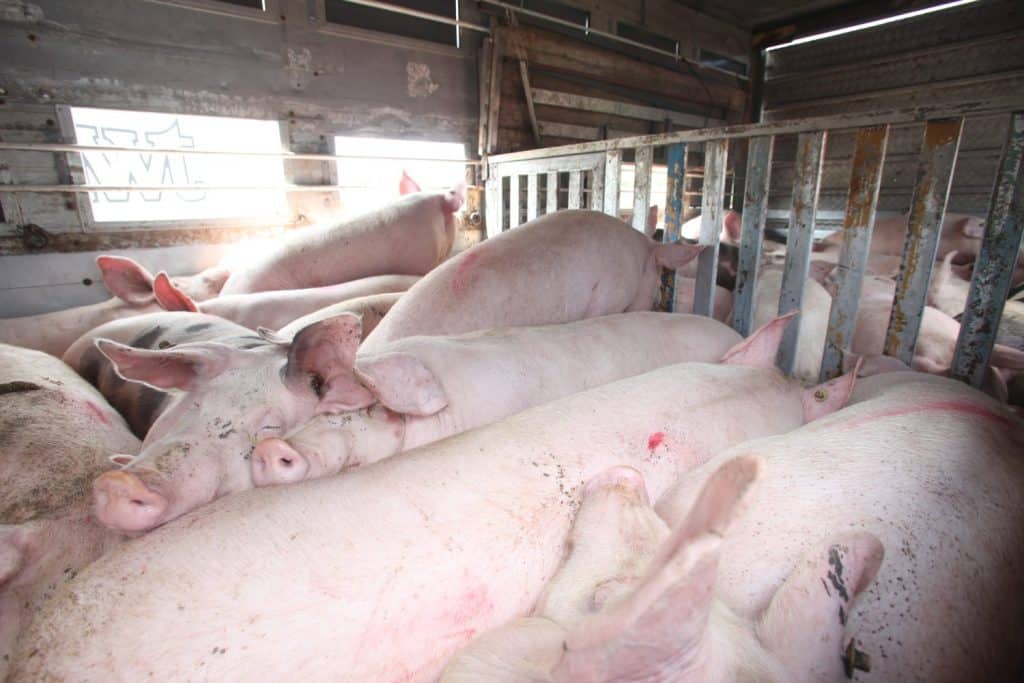
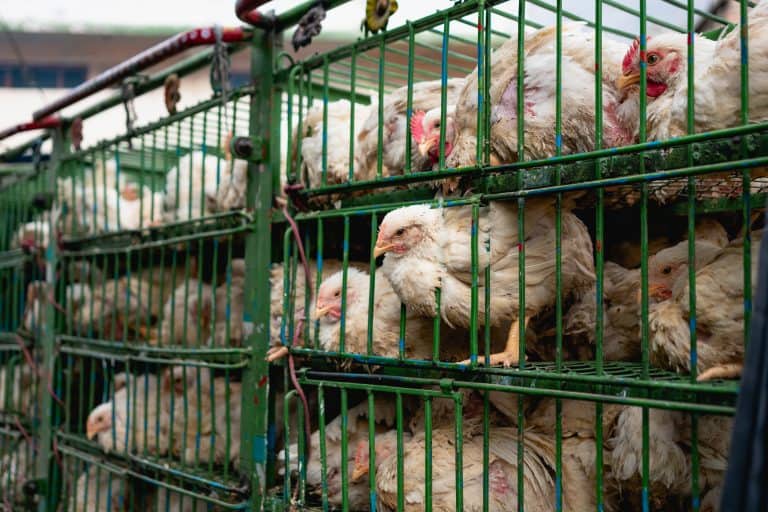
Despite positive trends in animal rights and welfare, there is still much work to do, according to advocates.
©paul prescott/Shutterstock.com
There is no denying that positive trends have occurred in animal rights and welfare. However, advocates say much more work is needed before animals are truly protected, which is why International Animal Rights Day continues to highlight the challenges faced by wild and domestic animals.
Some of the areas that still need attention to help bolster the rights and needs of animals worldwide include:
- Recognition that all animals have the capacity to experience suffering and pain
- Laws that allow stricter prosecution for those who are found guilty of participating in animal cruelty and exploitation
- Policies that emphatically state animals are required to have basic care and treatment, including proper shelter and access to food and water
- More public education regarding what constitutes the ethical treatment of animals
- More support for organizations fighting for animal rights
Animal rights have come a long way over the past 30 years. But as animals continue to suffer today, advocates are pushing for continued efforts so that, one day, animals will have the right to live their lives as intended, rather than solely for the benefit of humans.
Ways to Celebrate International Animal Rights Day
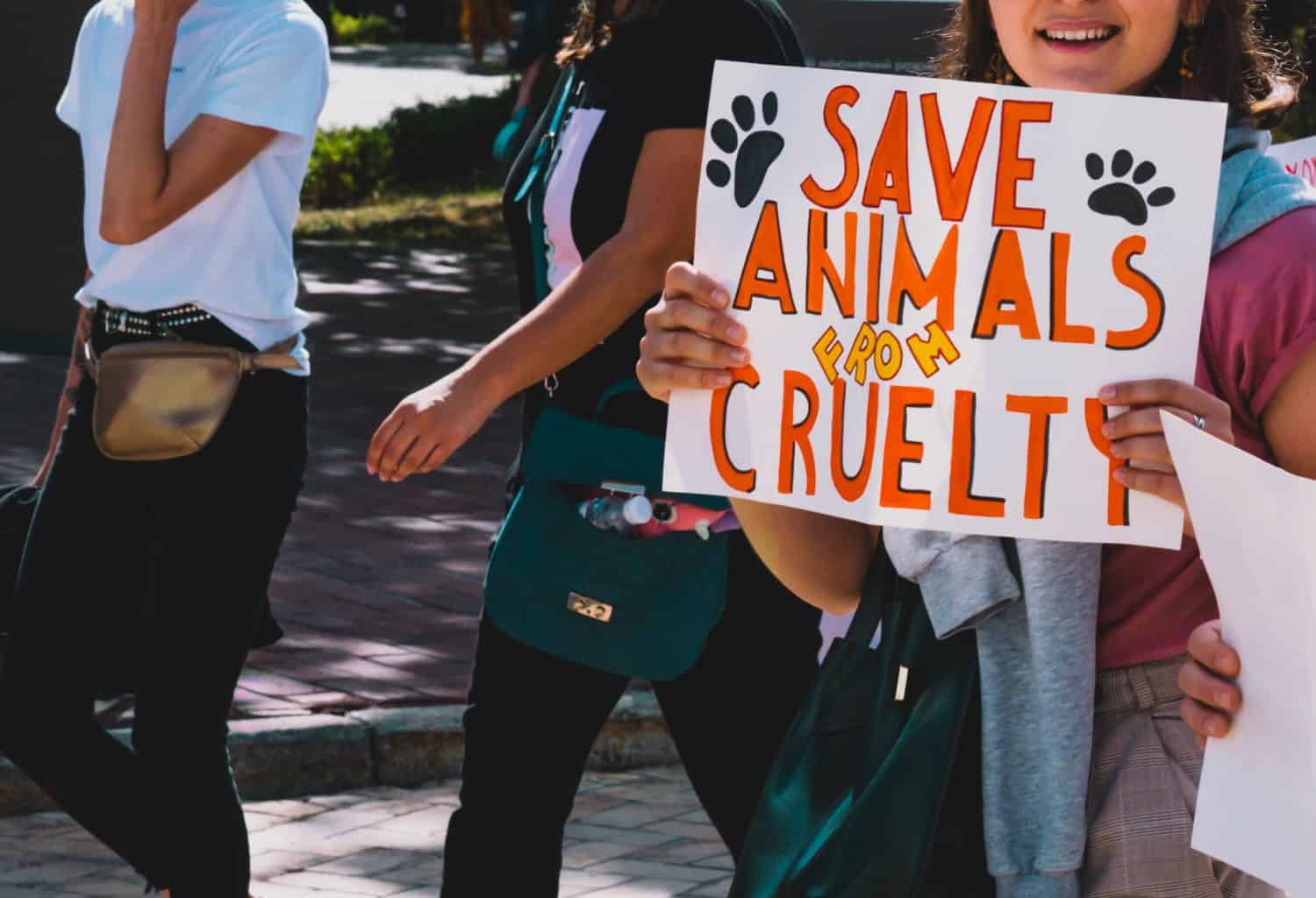
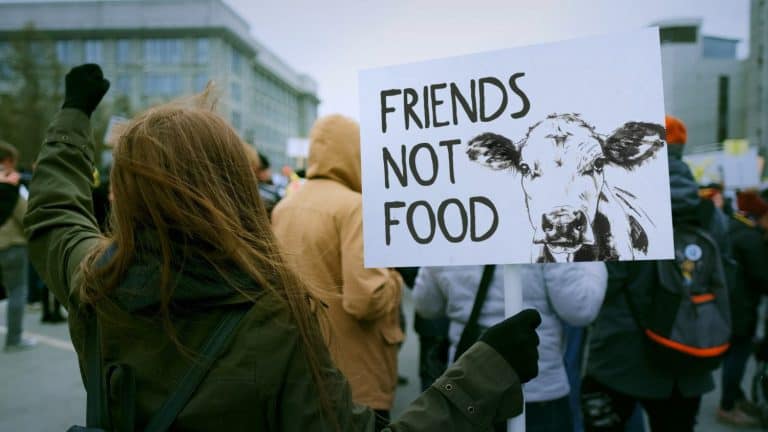
Joining marches, eating vegan, and promising to purchase cruelty-free products are some of the ways people can bring attention to International Animal Rights Day.
©AndriiKoval/Shutterstock.com
International Animal Rights Day is a global day of recognition of animal rights and welfare. This does not mean that individuals cannot take local action to participate in the day and make a difference for animals.
Some of the easiest ways to recognize International Animal Rights Day and what it stands for include:
- Eat, bake, and cook vegan for the day
- Watch “trauma-informed” documentaries that highlight just why animals still need protection today
- Make a promise to only buy cruelty-free makeup and beauty products
- Donate to a favorite animal organization or charity
- Consider buying holiday gifts that are ethically made and that do not harm animals in their production
- Adopt a shelter animal
- Spend time with pets by playing, going for a walk, or just giving a little extra TLC to show them they are loved
These activities may seem small, but if everyone participates, they can collectively make a significant impact on animal rights and welfare. However, if everyone were to show their support on a local level, animals, both domestic and wild, would be shown more compassion and respect. When this is done, all living beings benefit, and the world becomes a better place for it.