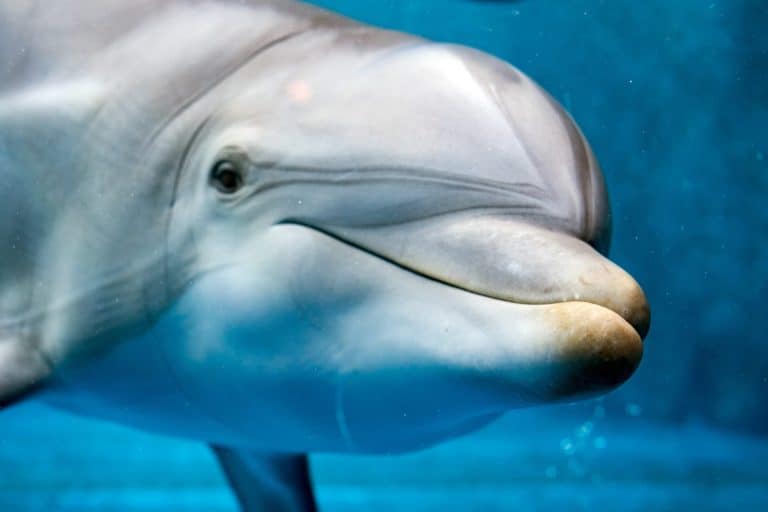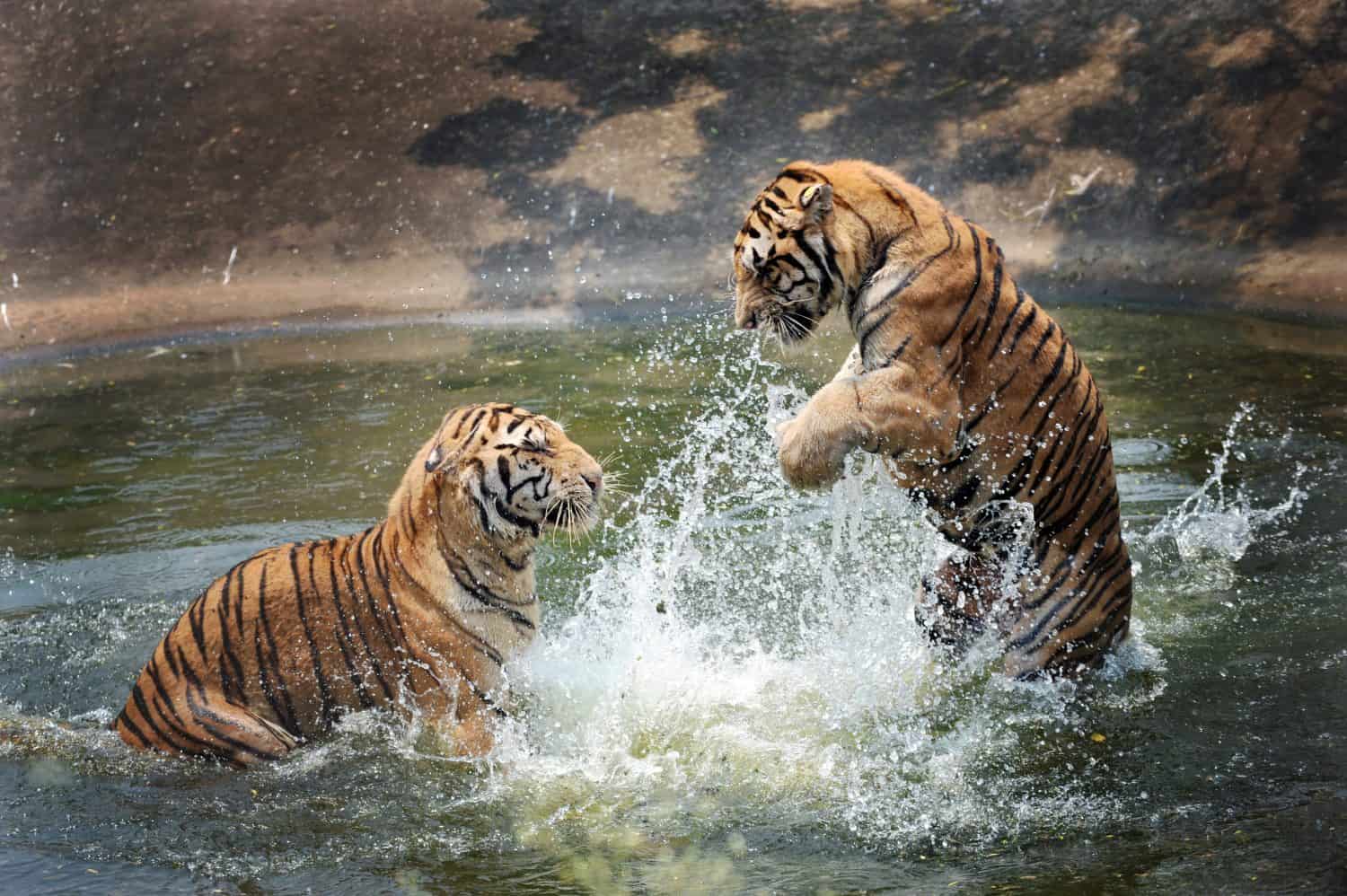

Some animals follow patterns that baffle even the sharpest researchers. Whales beach themselves in mass numbers. Goats topple over when startled. Dolphins craft perfect rings of bubbles. These behaviors still defy explanations. This collection of mysteries shows just how much of nature remains beyond our understanding.
Whale Strandings
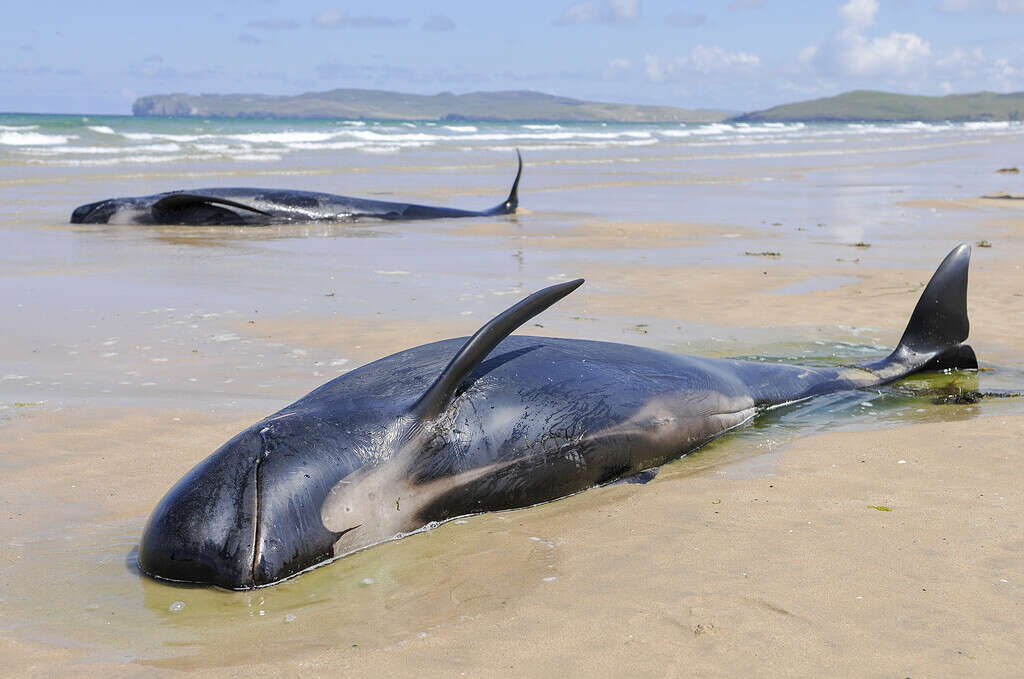
Two pilot whales lie dying on a beach along with 10 others. Having already been rescued once from beaching, they returned immediately to shore a second time for unknown reasons.
©Stephen Barnes/iStock via Getty Images
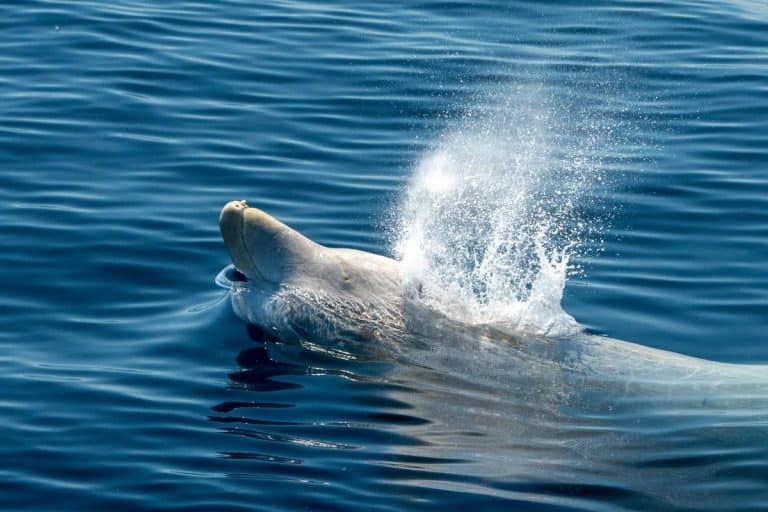
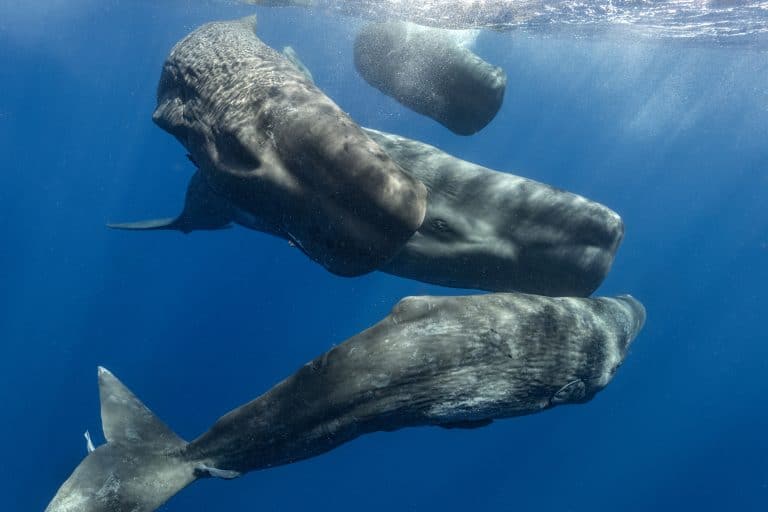
Few sights are as heartbreaking as dozens of whales washed ashore, alive but unable to return to the sea. Sometimes hundreds have stranded together with no obvious signs of injury or illness. Some biologists think it has to do with the Earth’s magnetic fields, which whales may use to navigate across oceans. A disruption caused by solar storms or unusual geology might lead whales astray. Others suggest human-made sonar confuses their orientation, driving them toward shallow waters. Other possibilities include pollution, toxins, or illness that interfere with the animals’ ability to navigate.
But none of these theories explain every case. Each stranding is different: healthy whales in one, sick or injured whales in another. Sometimes strandings happen on remote coasts with no sonar or ships nearby. Other times, the strandings stop as suddenly as they begin. After decades of study, scientists admit they are still staring at one of the ocean’s most haunting mysteries.
Fainting Goats
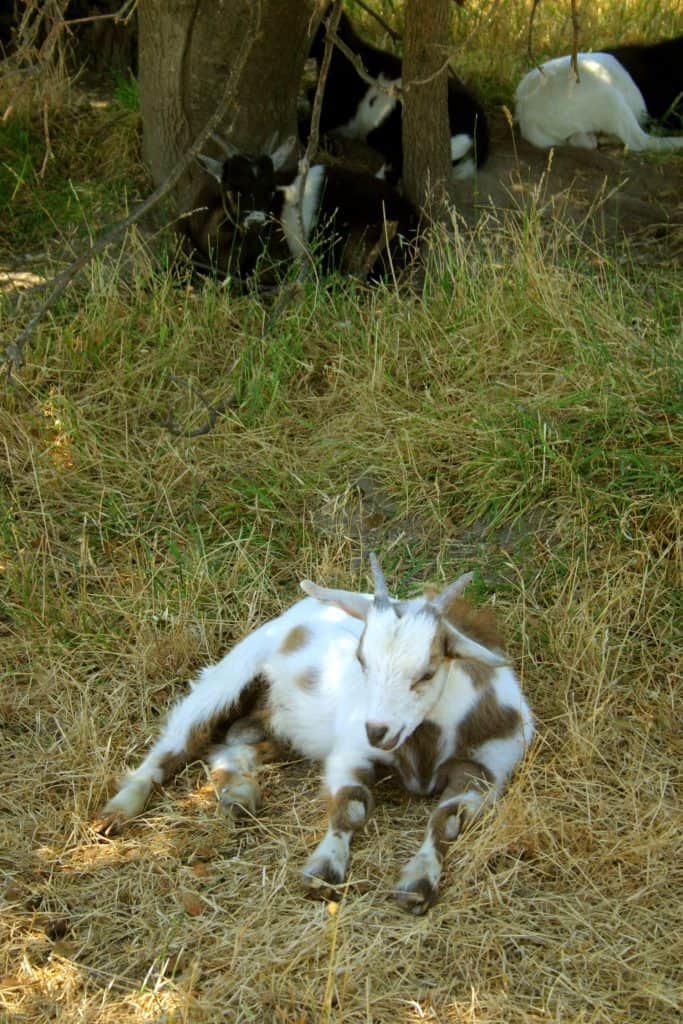
A fainting goat is a breed of domestic goat whose external muscles freeze for about ten seconds when the goat is startled.
©CO Leong/Shutterstock.com
Fainting goats, when startled, freeze stiff, sometimes stumbling or falling over, or just standing awkwardly stiff-legged until their muscles relax. Properly known as “myotonic goats,” these animals have a genetic condition called myotonia congenita. When surprised, their muscles lock up for several seconds before releasing, leaving the goats either flat on their sides or standing stiffly.
The mechanics are well understood, but the evolutionary “why” is not. Freezing in place might confuse a predator for a moment or leave the slower goat behind while others escape. But as an advantage, it doesn’t quite hold up well. These goats were bred and preserved by humans, so it’s possible the trait endured more because people found it novel or amusing than because it helped the goats survive.
Dolphin Bubble Rings
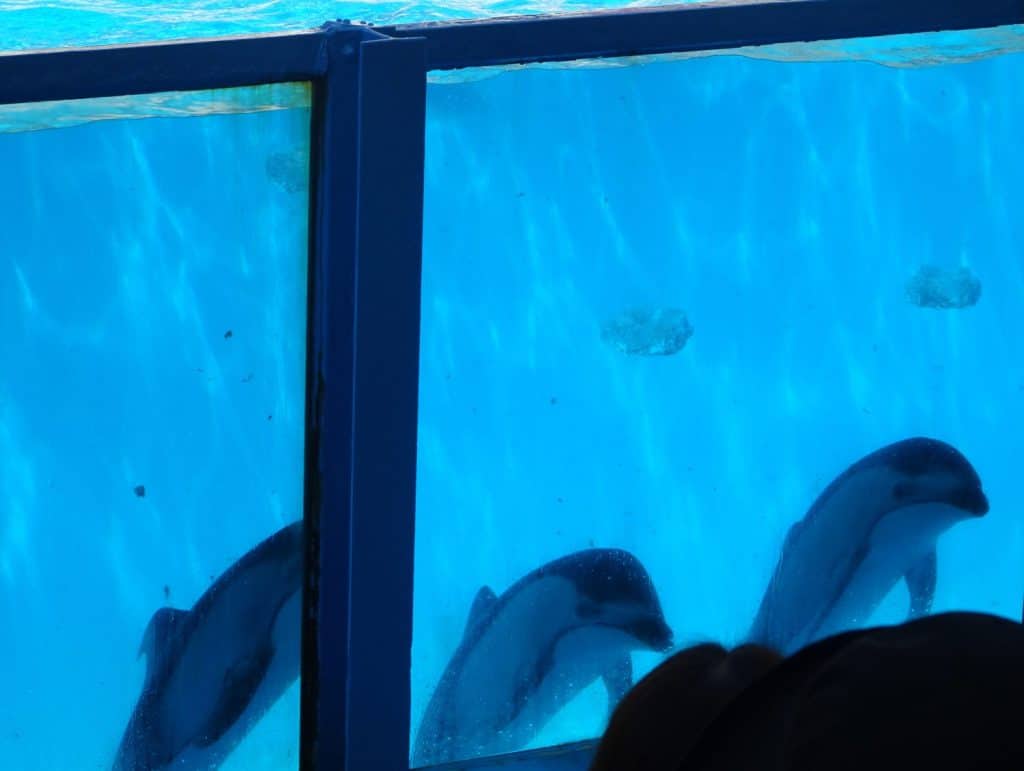
These dolphins are creating bubble rings.
©kazumi miyamoto/Shutterstock.com
Under the waves, dolphins blow perfect circles of bubbles that drift like floating hoops. Then, with a flick of their fins or snouts, they spin and play with them, sometimes even passing them between each other. The behavior looks whimsical, almost childlike. But for dolphins, which are famously intelligent, there may be more at work.
Some researchers argue that bubble rings are simply a form of play, helping dolphins practice coordination and creativity. Others think they might be tools for social bonding, allowing dolphins to cooperate or show off skills. A few have speculated that bubble rings could sharpen problem-solving abilities, the same way puzzles might for humans. Yet no definitive answer has surfaced. Why would animals invest so much energy in behaviors that seem to serve no survival goal at all?
Animal Earthquake Prediction
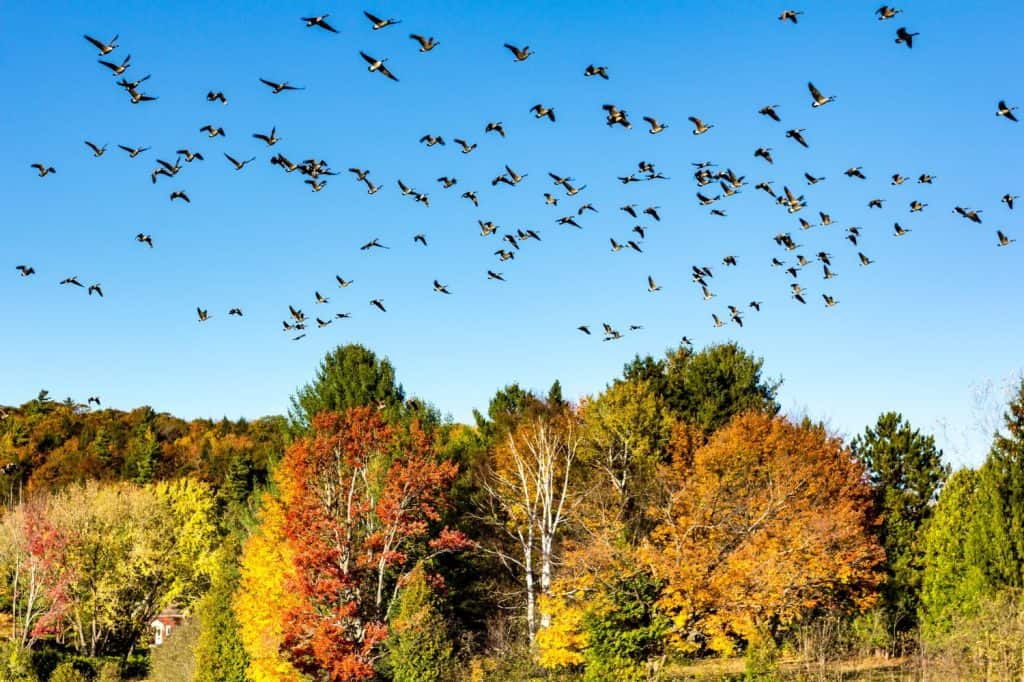
Flocks of birds sometimes take off suddenly before an earthquake.
©Michel Guenette/Shutterstock.com
Throughout history, people have reported animals behaving strangely before earthquakes. Dogs bark or whine. Fish thrash in ponds. Birds take off in sudden flocks. Ancient records from China, Greece, and Japan describe these warnings, often taken as omens. Anecdotal accounts of similar behavior continue today.
Science has chased possible explanations. Animals might sense vibrations too subtle for humans to notice. They might detect small shifts in groundwater or changes in electromagnetic fields. But not every earthquake is preceded by strange animal activity, and not every case of odd behavior is followed by a quake. Some researchers are working with sensors to test whether animals could reliably serve as early-warning systems. But why and how animals react to earthquakes remains an unsolved mystery.
Cuckoo Migration
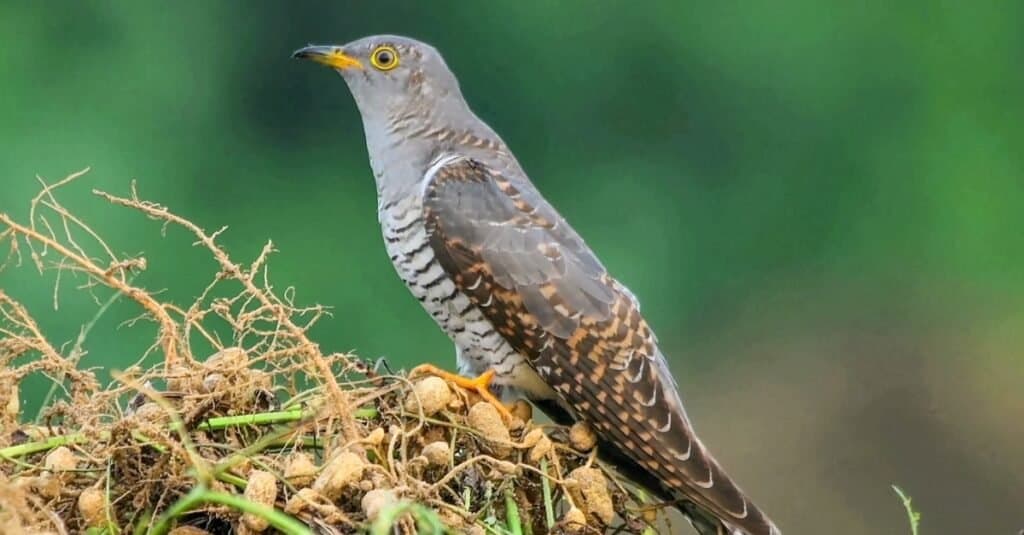
Cuckoos are famous for leaving their own eggs in other birds’ nests for them to raise.
©iStock.com/Banu R
Cuckoos are notorious for laying their eggs in the nests of other birds, leaving unsuspecting parents to raise their young. But the most astonishing part comes later. Young cuckoos grow up without ever meeting another cuckoo. When it’s time to migrate, they leave their foster parents’ territory and somehow travel thousands of miles to Africa, on routes and destinations identical to adult cuckoos they’ve never seen.
Genetic programming must play a role, but the details are hazy. Environmental cues like daylight or wind could help. Still, no single explanation accounts for how cuckoo chicks chart such precise paths, year after year, generation after generation. Unlike many birds that learn migration routes from parents or flocks, cuckoos fly solo and still get it right. Their uncanny navigation leaves scientists with a paradox: how can a bird have no migration examples or training and yet be so certain of where to go?
Shark Navigation
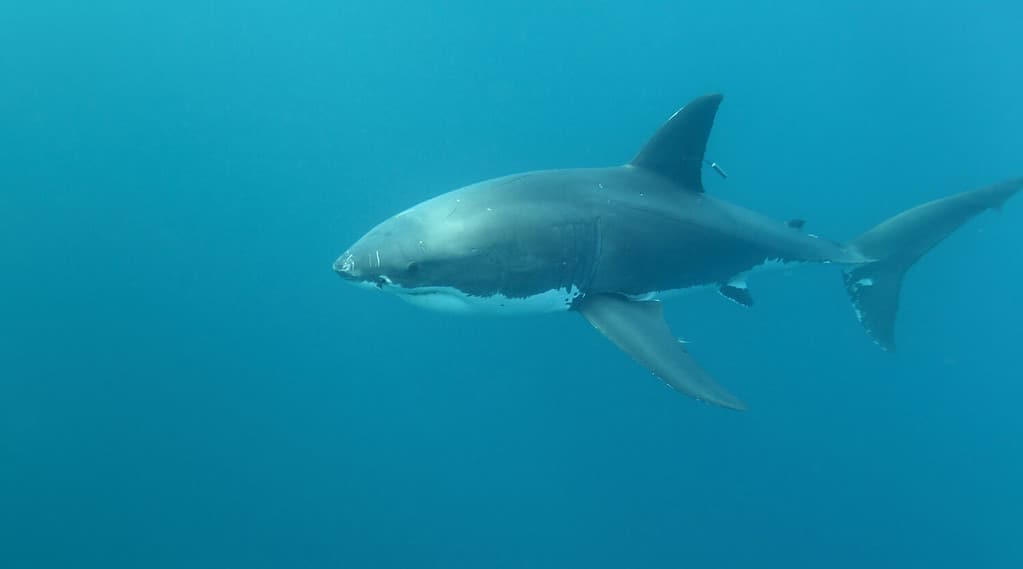
Sharks travel great distances when they migrate, diving down to great depths as they travel.
©Alessandro De Maddalena/Shutterstock.com
Sharks, especially wide-ranging species like great whites and tiger sharks, travel enormous distances across the ocean. Satellite tags have revealed individuals crossing entire ocean basins, diving to great depths, and then returning to the same coastal areas months or years later.
Theories abound. Sharks may sense the Earth’s magnetic field, like living compasses. They might track water temperature or follow prey migrations. But patterns vary. Some sharks return faithfully to the same spots. Others take entirely different routes from one migration to the next.
With such a mix of behaviors, no single explanation works. The more scientists learn about shark navigation, the stranger and more complex it seems.
Crow “Funerals”
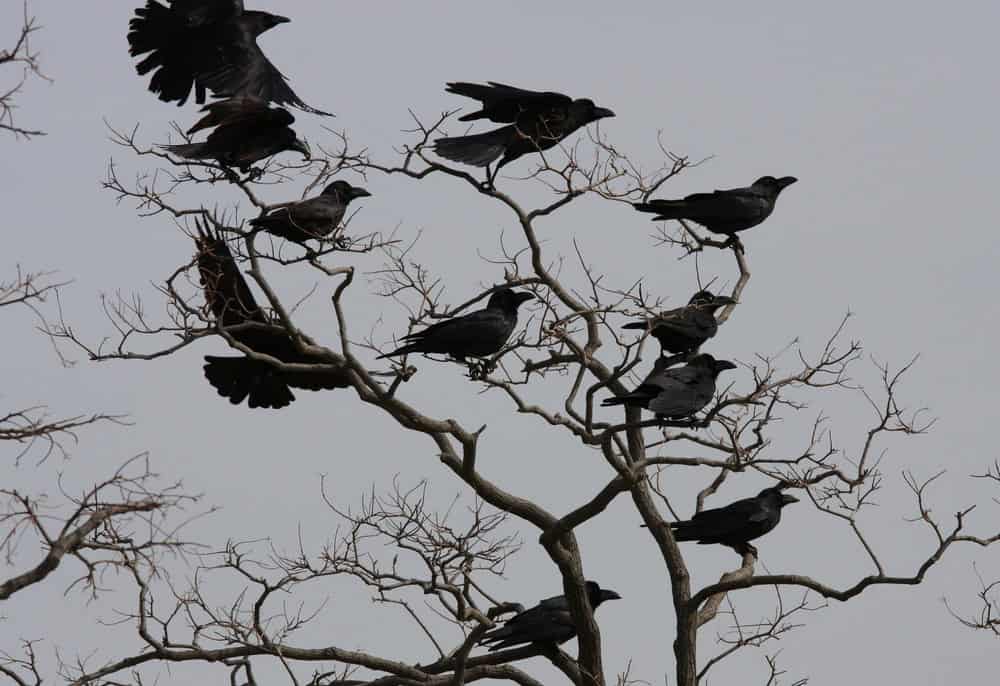
Crows hold funerals for their fallen, perhaps learning to stay away from the danger as well.
©yanchi1984/Shutterstock.com
If you’ve ever seen a group of crows (known as a “murder” of crows) gather around a fallen bird, you’ve witnessed something ornithologists call “crow funerals.” Dozens, sometimes hundreds, of crows will circle, perch nearby, or caw noisily. Sometimes the gathering lasts minutes, sometimes hours.
Experiments suggest crows use these events to learn about danger. If a crow sees another dead in a place, it remembers and avoids the area. But there may be more to it. Some gatherings seem excessive for mere information-sharing. Do crows feel something akin to grief? Are they reinforcing social bonds during the ritual? The answer is still unclear to animal behaviorists.
Chimpanzee Warfare
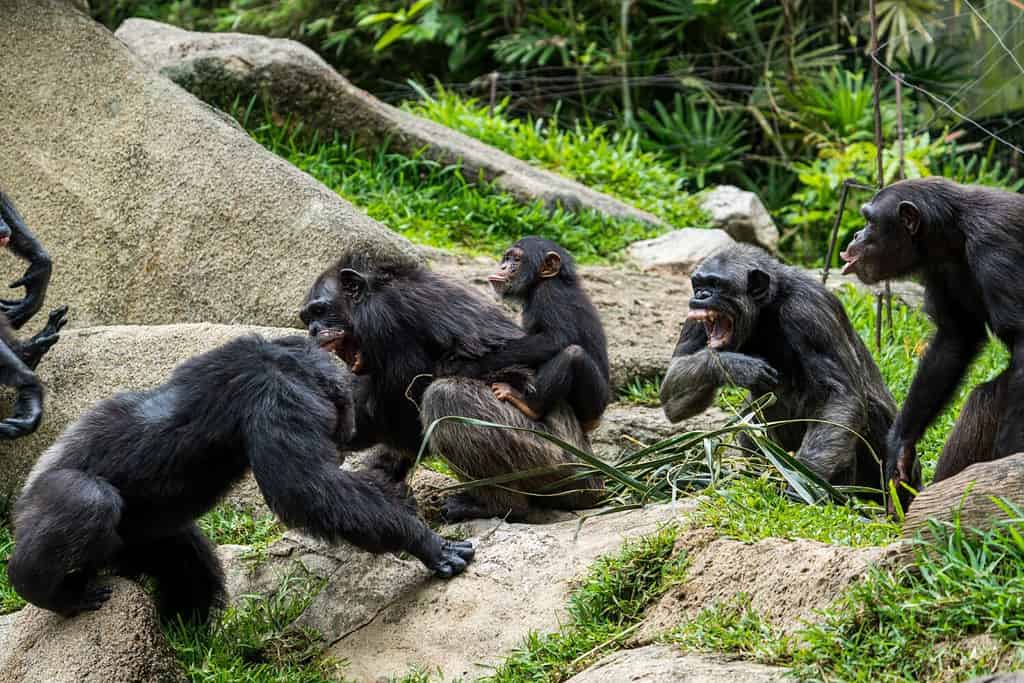
Male Chimpanzees band together, going around the edge of their territory, launching raids on unsuspecting Chimpanzee communities.
©Hit1912/Shutterstock.com
Chimpanzees are among our closest animal relatives. Not only do they have human-like expressions and play behaviors, but they also have a propensity for organized violence, as humans do. Groups of males band together, patrol their borders, and launch surprise raids on neighboring communities. These raids are coordinated, with chimps moving quietly until they find an isolated target.
The behavior has echoes of human warfare. Researchers connect it to competition for territory, food, or mates. But what puzzles scientists is the level of strategy involved in these raids. Raids are risky, and yet they continue to happen across populations. Some argue that chimp raids are simply instinctive. Others suggest they reveal a capacity for planning and cooperation that runs deeper than survival needs. Either way, watching chimpanzees coordinate in this way forces uncomfortable reflection: the line between animal and human behavior may be thinner than we’d like to think.
Playful Animals
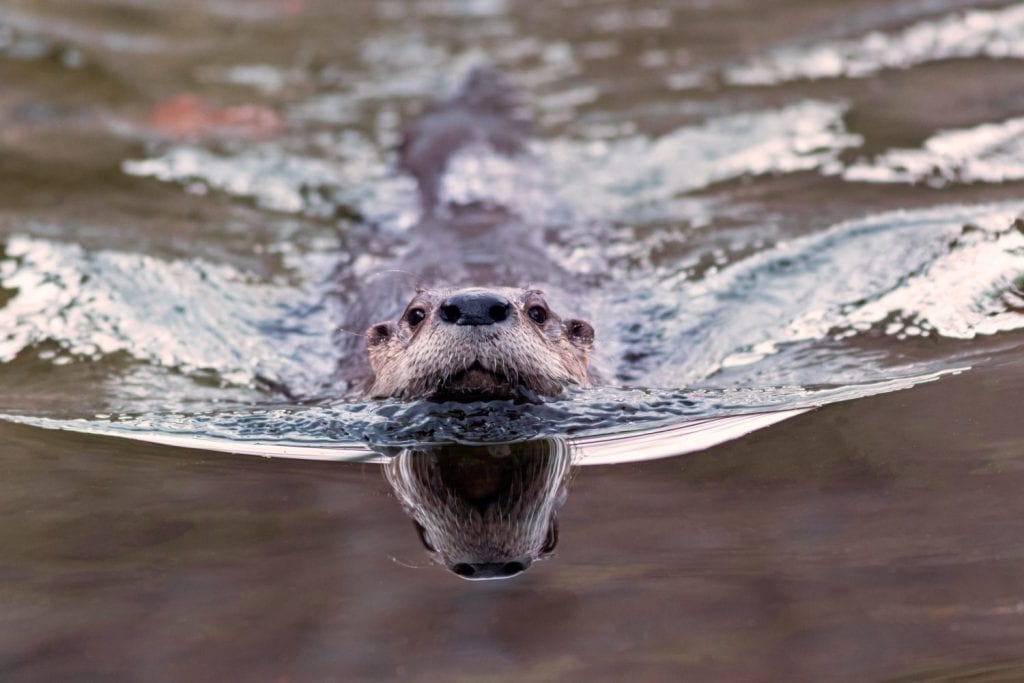
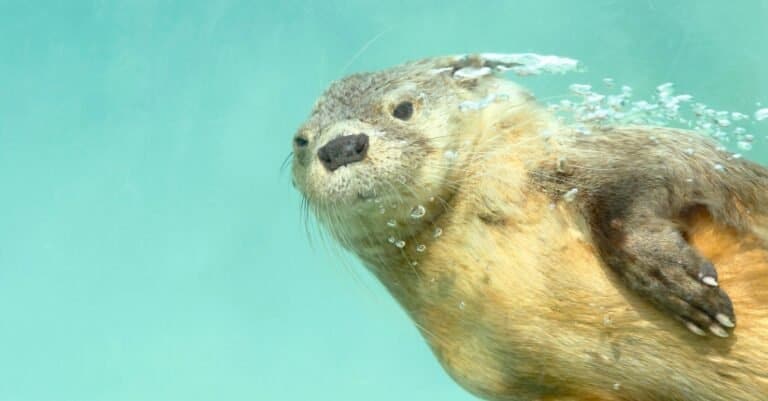
Many animals are playful, perhaps none more so than the river otter.
©Rabbitti/Shutterstock.com
Play is everywhere in the animal kingdom. Otters slide down riverbanks just to climb back up and repeat the ride. Ravens grab sticks or rocks, drop them, then swoop to catch them again. Dogs chase their tails endlessly. Young animals wrestle, tumble, and chase in games that look like sheer joy.
Theories about play usually return to survival. Maybe it develops motor skills. Maybe it strengthens social bonds. Maybe it’s practice for hunting or fighting. But none of these explanations account for the sheer variety and persistence of play. Why would animals risk injury, waste energy, or expose themselves to predators just to play? Play may be one of the most universal yet least understood behaviors in nature. Play doesn’t fit neatly into the survival framework. Sometimes, it simply looks like animals are having fun.
Nature Is Full of Unsolved Mysteries
For every discovery that science brings, nature offers another puzzle. The lesson is humbling: despite centuries of observation and leaps in technology, some behaviors remain stubbornly unsolved. These mysteries remind us that the natural world isn’t a closed book but an unfolding story—one in which humans are still learning to read the pages and to learn about themselves in the process.