
This may look like a load of lobsters having a fun time dancing in a conga line, but what you are actually witnessing in this fascinating YouTube clip is a complex migratory formation. The creatures concerned are Caribbean spiny lobsters, and this is a part of their usual behavior. Let’s explore where they are going and why they move in this way.
Migrating Lobsters

Lobsters forage on gastropods, bivalves, and chitons.
©Wirestock Creators/Shutterstock.com
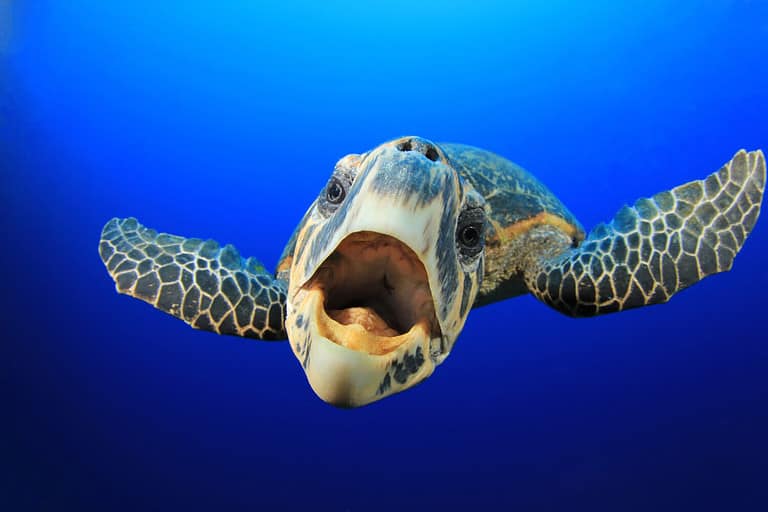
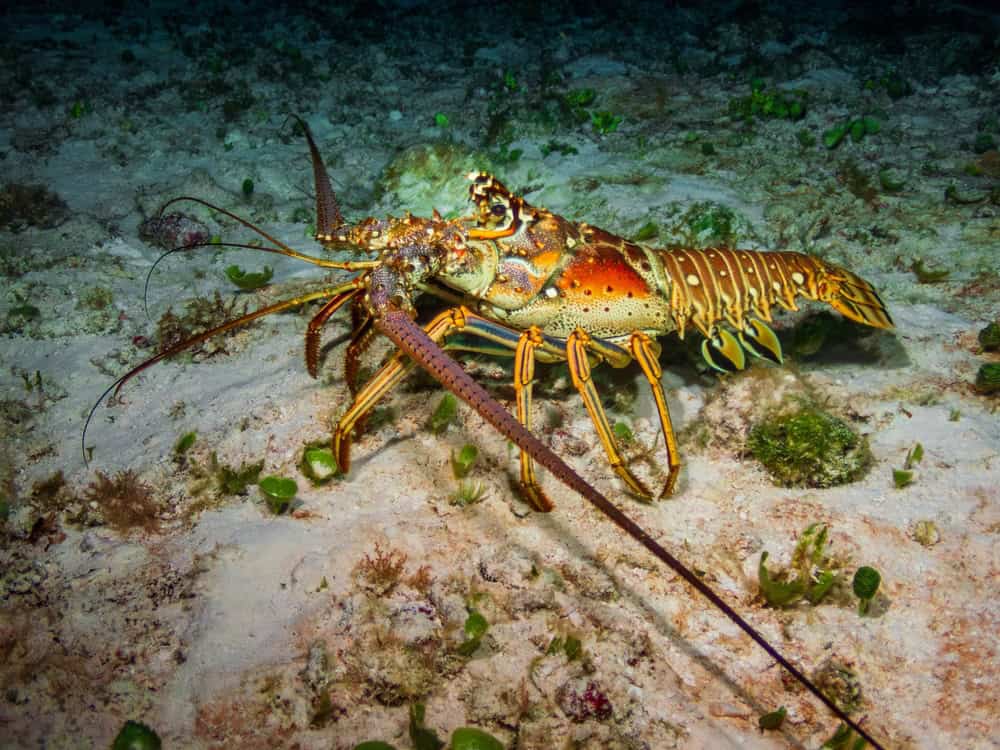
Not all lobsters show this behavior. The inshore species tend to stay in one place and don’t move more than a mile or so. It is the deeper water lobsters that have a seasonal migration pattern. Caribbean spiny lobsters (Panulirus argus)inhabit tropical and subtropical waters in the western Atlantic Ocean. Most are around 7 or 8 inches long, but exceptional individuals have reached 23 inches! These are foragers and feed on gastropods, bivalves, and chitons. Their predators include some sharks and rays, and sea turtles. In some geographic areas, Caribbean spiny lobsters undergo a fall migration, and that is what is taking place in this clip.
Time to Make a Move
Hurricane season is bad news for lobsters living in the shallow waters. To stay safe, they need to head into the deeper ocean where the water will be calmer and they will not get smashed around. These deeper waters will also be a source of more plentiful food. The lobsters move as far as 31 miles during their autumn migration, and know that it is time to go when the days get shorter and the water temperature drops.
They find their way using their eyesight and their ability to detect the Earth’s magnetic field. They have a well-developed magnetic compass sense, which allows them to maintain courses relative to the Earth’s magnetic field. They also have ‘magnetic map sense’ so they have a sensitive navigational system similar to that of sea turtles and salmon.
Why Do They Form a Line?
Forming a line when migrating has a number of benefits for lobsters. It makes them less likely to be washed away by the increasingly turbulent water. Potential predators are also put off by this long conga line. Moving like this reduces drag, so they need to use less energy to travel the long distances. The migratory line starts with just a few lobsters forming pairs, and then up to 50 lobsters can join in. They follow the lobster in front using their antennae. The coolest conga line on the planet can go on for days!