
Quick Take
- The Uncompahgre cutthroat carries genetic markers so unique that once they're gone, no breeding program on Earth can bring them back. Explore their unique genetics →
- The rescue team faced a hard deadline. Missing it by even minutes would cause the mission to be called off entirely. See the race against time →
- The technique used to catch the fish sounds alarming, though that is exactly why the mission succeeded in hours instead of days. How electro-shocking saved the fish →
We live on an unstable planet. Wildfires, flooding, and superstorms are becoming more frequent. Human activity is also displacing wildlife from their habitats more than ever before. When the news of the Gold Mountain Fire spread, Colorado firefighters didn’t hesitate to jump into action. But they did more than contain a devastating blaze—they also saved an entire population of rare trout.
The Uncompahgre cutthroat only exists in one location in the world. As fire blazed, the brave team working alongside biologists helped save more than 100 of these unique fish in Nate Creek.
Uncompahgre Cutthroat Exist in Only One Habitat
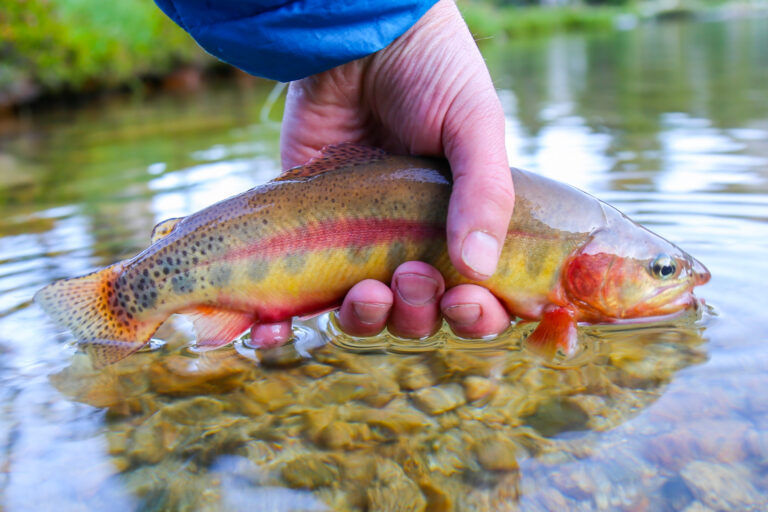
The green lineage of the Uncompahgre cutthroat makes it one of the last descendants of the Upper Colorado, Gunnison, and Dolores River cutthroat species. It was named for its coloring, which is a distinctly brown-toned green. Currently, the Uncompahgre cutthroat trout are known only to survive in Wildcat Creek and Nate Creek, small tributaries of the Dolores River drainage.
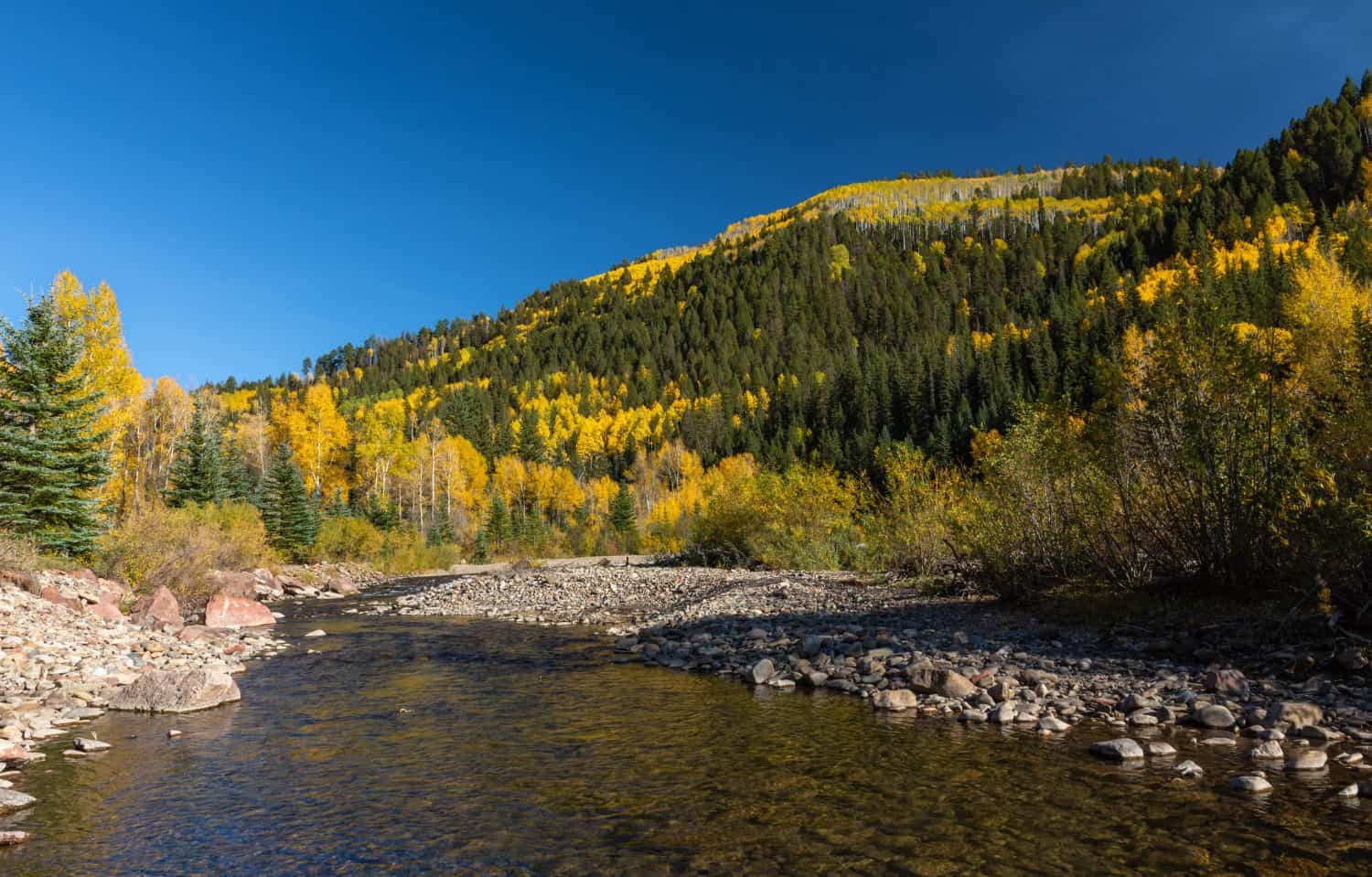
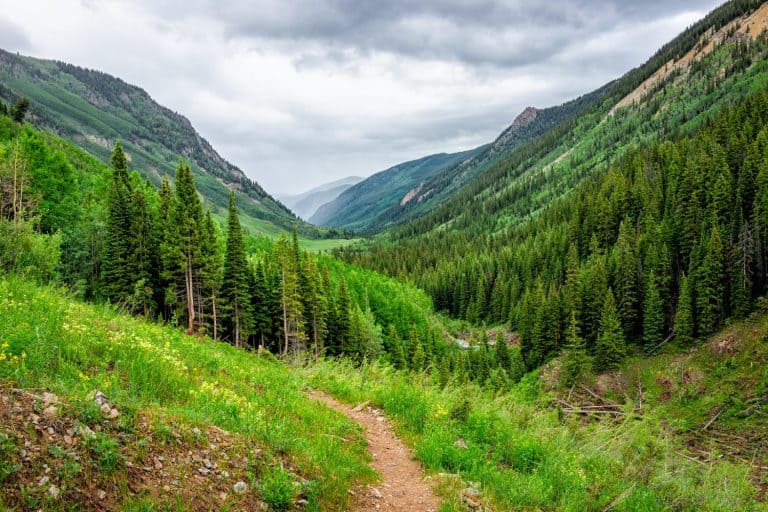
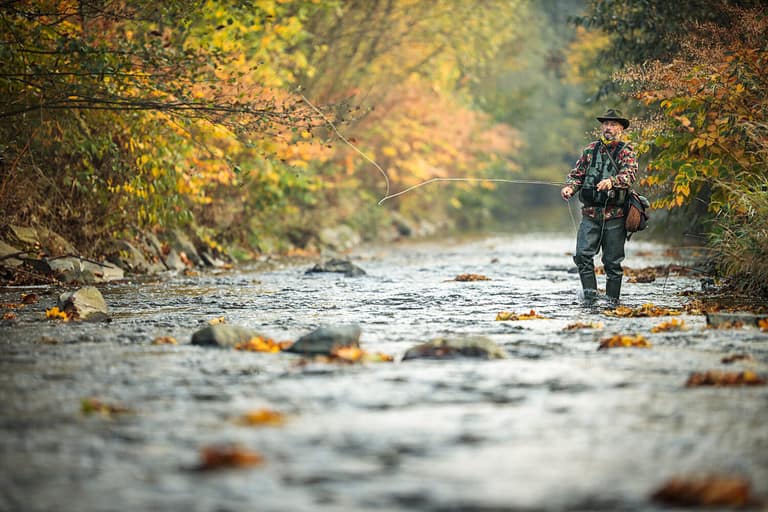
The Dolores River drainage is one of the last remaining habitats of the Uncompahgre cutthroat.
©OldBearPhoto/Shutterstock.com
And biologists work tirelessly to support their survival. Because these trout possess haplotypes, or unique genetic markers, it would be nearly impossible to bring them back from the brink of extinction. The trout found in these creeks are all that’s left, with individual numbers barely over 100. Conservation began in 2007 to monitor this rare species, but wildfires threatened those efforts for the first time in 2025.
Wildfires Pose the Highest Risk to Uncompahgre Cutthroat
The Stoner Mesa Fire reached 9,900 acres by the time it was 27% contained. High winds and dry weather only exacerbated the damage, devastating nearly 10,000 acres of Colorado’s forests. But before that, one vulnerable species was rescued from its blazes. Colorado Parks and Wildlife (CPW) and San Juan National Forest staff, along with aquatic biologists, stood between extinction and survival. As they hiked to Wildcat Creek and the Upper Dolores River, saving the Uncompahgre cutthroat was the only thing on their minds.
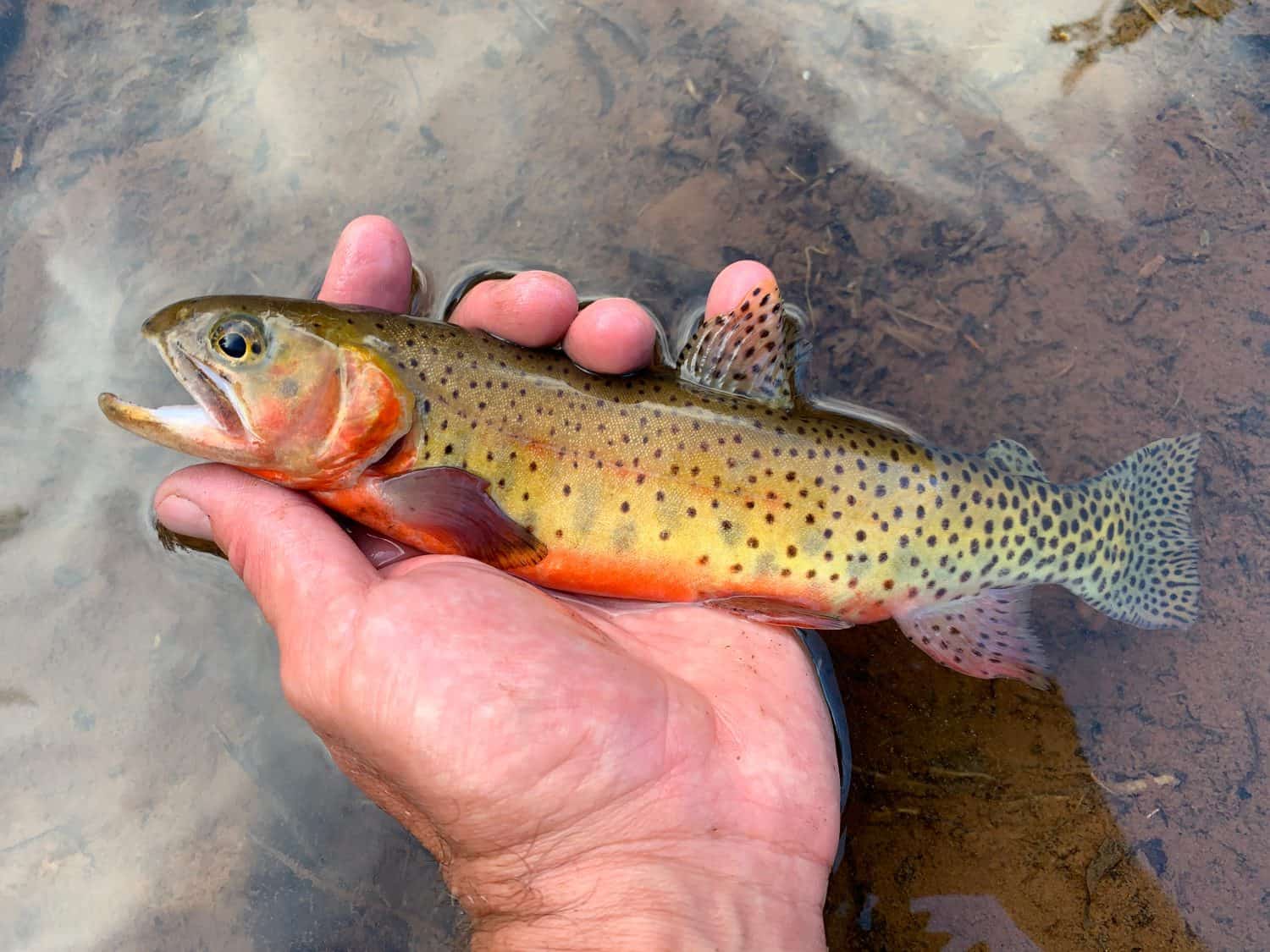
Unlike others, like the Colorado River trout, the Uncompahgre trout is protected by state wildlife officials.
©Sean Lema/Shutterstock.com
Teams used a process called electro-netting to temporarily stun the fish in water. They successfully captured 226 trout and transferred them to buckets. Down at Highway 145, a hatchery truck was waiting and ready for transport. All the trout were brought to CPW’s Roaring Judy Fish Hatchery, where they remained safe from wildfire smoke and ash.
Were it not for the quick actions of biologists and park staff during the Stoner Mesa Fire, the Uncompahgre trout may not have stood a chance. But as the Gold Mountain Fire picked up speed only a year later, the species was threatened once again. This time, crews had only hours to snap into gear and save the remaining trout.
Firefighters and Biologists Rescue Trout with Minutes to Spare
When CPW received a call from the Gold Mountain Fire Incident Management Team, they knew it was time to act. This was the second threat to the Uncompahgre cutthroat trout in a year, and they would not survive without intervention. In less than 24 hours, aquatic biologist Eric Gardunio, firefighters, and a team from CPW ventured to Nate Creek. This is where the remaining Uncompahgre cutthroats live, and where they would also be rescued.
By their arrival on July 15th, they had only hours. The deadline was 1 PM before the Gold Mountain Fire breached its trigger point, making it too dangerous to continue the mission. The teams acted quickly to electro-shock the water, just as they did in 2025. At this point, the Gold Mountain Fire had grown to over 33,000 acres. With containment fluctuating between 7% and 24%, the outlook was grim, if not impossible, for the trout’s survival.
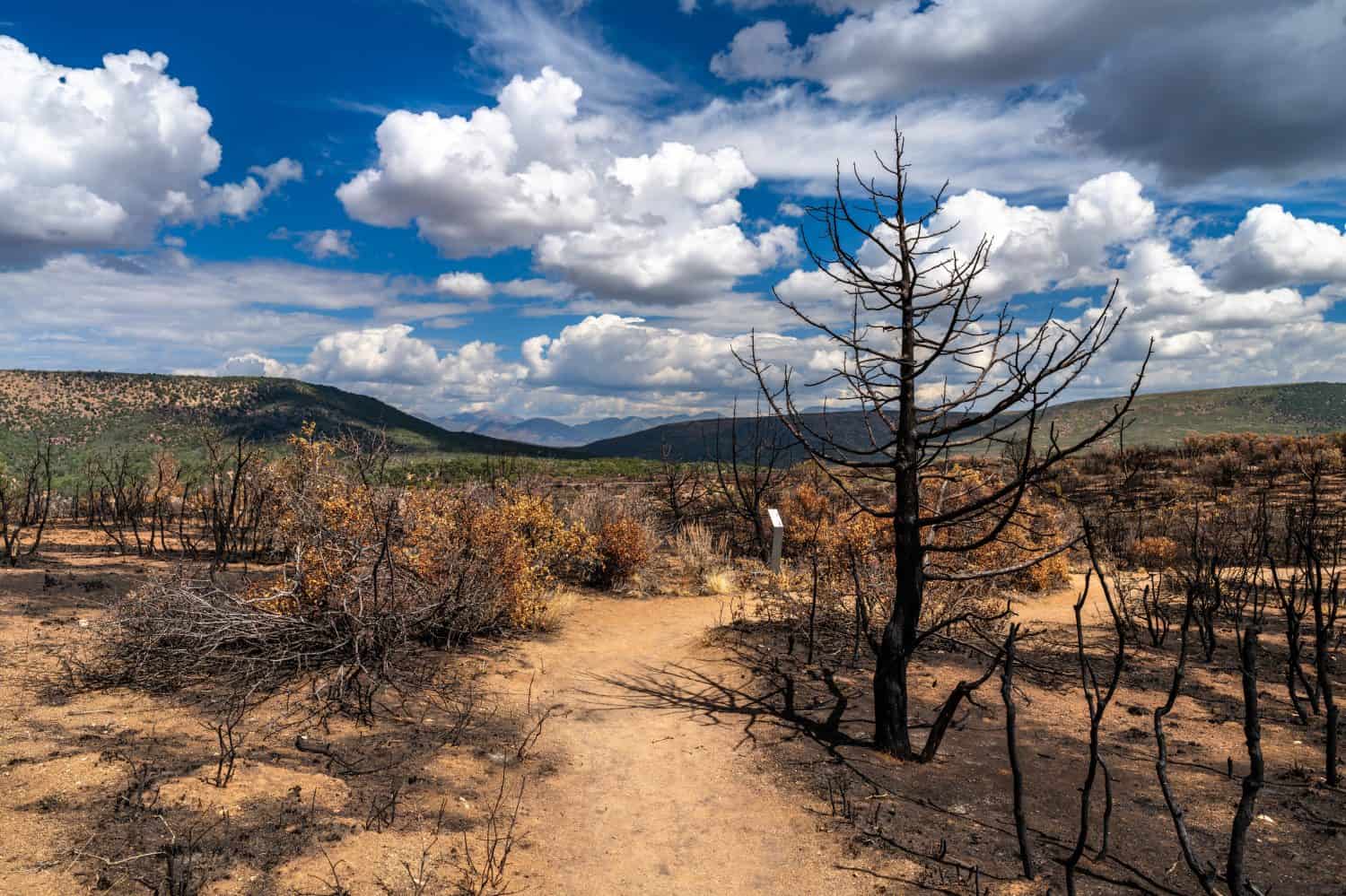
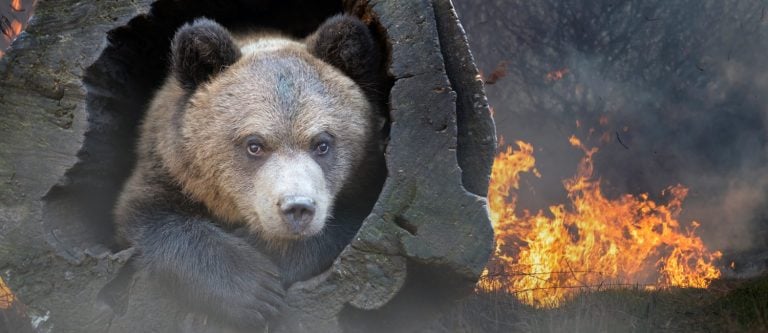
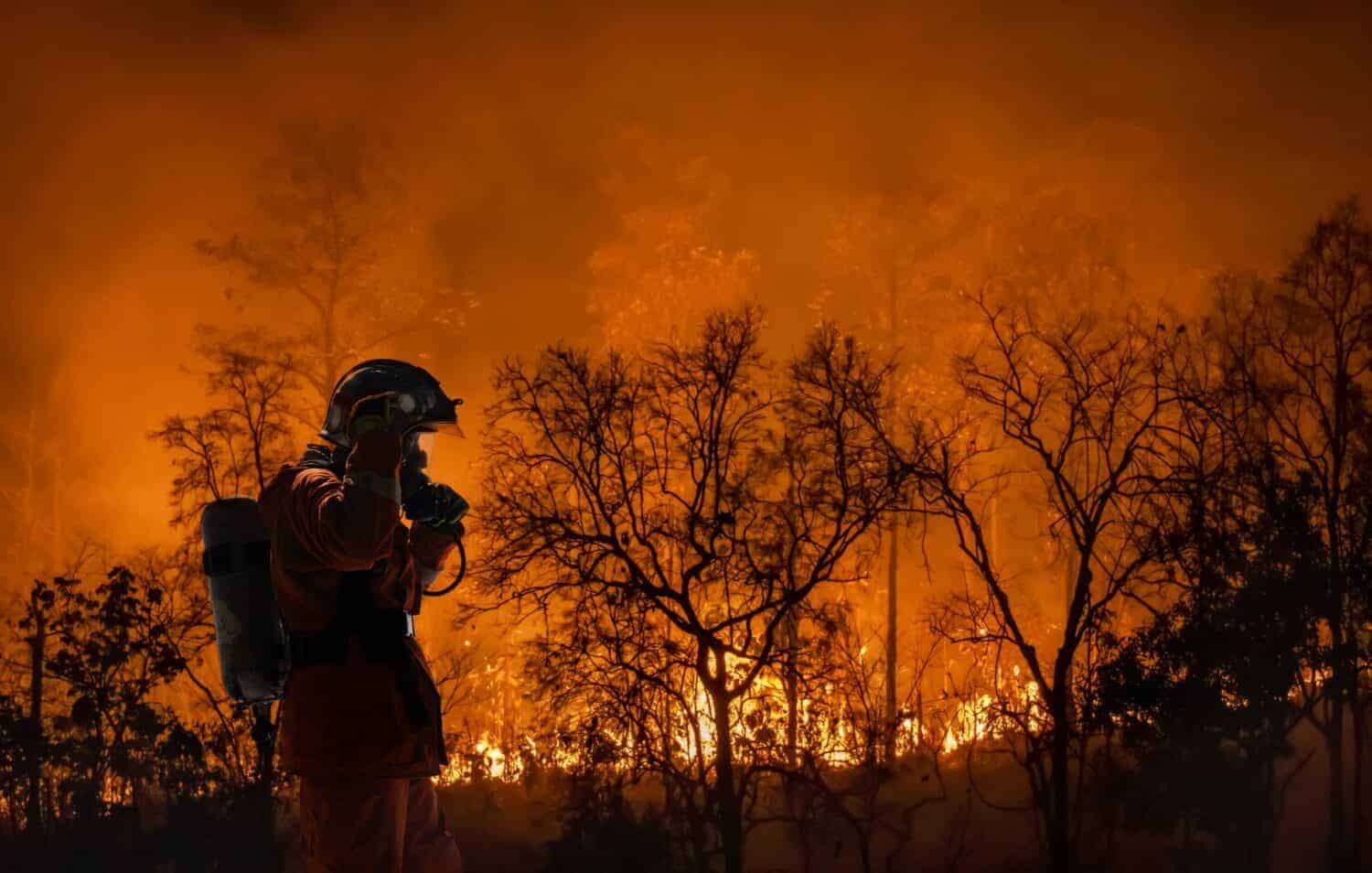
Wildfires devastate land, but ash and smoke fallout also pollute rivers and lakes, harming vulnerable populations.
©Leonid Andronov/Shutterstock.com
With the skill, speed, and determination of local firefighters, Gardunio and the CPW team safely rescued 103 trout from Nate Creek. Accessing an active wildfire zone was a challenge, and crews had to hike three-quarters of a mile and ascend 400 vertical feet. This was all done with a warning in the back of their minds that much of the terrain could still be smoldering. One-third of the total population was removed and transferred to a hatchery. The remaining two-thirds were left to repopulate, with many hoping ash fall would not destroy those chances. According to Gardunio, splitting the risk was the Uncompahgre cutthroat’s best chance of survival.