
Across the vast patchwork of farmland, prairie, and rolling grasslands that once stretched unbroken across the Midwest, wildlife has long depended on a fragile balance between people and the land. Few organizations understand that bond better than Pheasants Forever, a conservation group whose very foundation rests on a simple truth: if you want thriving wildlife, you must first protect the habitat it calls home.
Since its founding in 1982, Pheasants Forever—known proudly as “The Habitat Organization”—has led one of the most successful grassroots conservation movements in the United States. Together with its sister division Quail Forever, the group’s mission spans far more than birds and hunting seasons. It’s a nationwide effort to rebuild ecosystems, teach the next generation of stewards, and remind Americans that conservation and hunting have always gone hand in hand.
“Pheasants Forever is the nation’s largest nonprofit organization dedicated to upland habitat conservation,” Casey Sill, senior public relations specialist for Pheasants Forever and Quail Forever, tells A-Z Animals. “…We strive to conserve pheasants, quail and other wildlife through habitat improvements, public access, education and conservation advocacy.”
From Hunters to Habitat Heroes
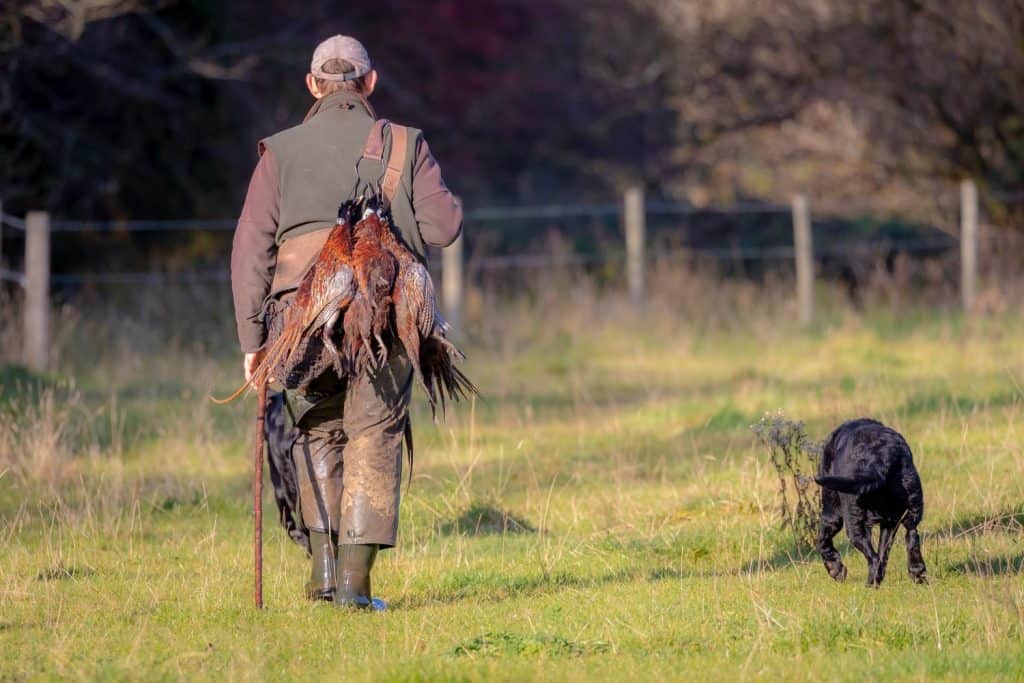
Pheasant hunters play a key role in conservation efforts.
©Dale Towers/Shutterstock.com
Pheasants Forever began in the early 1980s, when hunters across the Midwest watched pheasant numbers plummet as prairies gave way to plowed fields. Rather than accept the decline, a small group in Minnesota decided to act. They founded a volunteer-driven organization that would channel local dollars directly into restoring local habitat.
That model — local control paired with national coordination — became the foundation of one of North America’s most effective wildlife conservation movements.
Today, Pheasants Forever and its sister division, Quail Forever (established in 2005), operate across more than 40 U.S. states and parts of Canada. Together, they have built a network of 480,000 members, 750 local chapters, and over 300 professional biologists, all working toward a single goal: to ensure the sound of drumming wings remains part of rural life.
Sill explains that every wild acre matters. “We really run the gamut, from grassland restoration and removing cedar trees and other woody encroachment, to prescribed fire and pollinator plantings. The key for me with all these projects is every one matters — big or small. Whether it’s a 500-acre restoration project or a backyard pollinator garden, they all play a key role in conservation.”
Over four decades, those projects have benefited more than 31 million acres of wildlife habitat — spaces that support pheasants and quail, as well as pollinators, songbirds, and even clean water for nearby communities.
Conservation That Starts at Home
What makes Pheasants Forever unique is its chapter model. Local volunteers raise funds through community banquets and events, then keep 100% of those proceeds to invest in nearby projects. From re-seeding a degraded pasture with native bluestem to hosting a youth field day, chapters decide how to spend every dollar.
This bottom-up structure has made PF and QF the gold standard for grassroots conservation. Habitat projects create tangible improvements for wildlife while connecting people directly to the land they love.
Each project, whether a vast prairie restoration or a backyard pollinator garden, helps combat the same threats: habitat loss, fragmentation, and the ripple effects of poaching. Restored landscapes give wildlife refuge, while engaged communities become the best defense against illegal hunting and land degradation.
The key for me with all these projects is every one matters — big or small. Whether it’s a 500-acre restoration project or a backyard pollinator garden, they all play a key role in conservation.
Casey Sill, senior public relations specialist for Pheasants Forever and Quail Forever
Teaching the Next Generation
For Pheasants Forever, the future of conservation depends as much on people as on prairie grass. That’s why youth education has become one of the organization’s core pillars.
“Introducing young people to conservation is one of the most important things we do,” says Sill. “It’s not just about hunting. Taking a kid pheasant hunting is great, but showing them the lifecycle of a monarch butterfly, or how to plant a pollinator plot in their garden, is just as important. Those experiences can turn into a lifelong passion for conservation and stewardship.”
Programs like No Child Left Indoors, youth mentor hunts, and school partnerships reach thousands of kids each year. These initiatives build more than outdoor skills; they cultivate empathy for wildlife and curiosity about the natural world.
Hunters: The Unsung Funders of Conservation
Funding for protecting and conserving wild lands often comes from hunters.
© corradobarattaphotos/ via Getty Images
Hunters have always played a critical role in financing conservation, though that connection is often overlooked. Since the 1930s, the Pittman-Robertson Act, the Federal Duck Stamp Program, and state-level license fees have generated billions of dollars for habitat restoration, wildlife research, and public access.
Sill emphasizes how vital that link remains today. “Simply by engaging in hunting, outdoorsmen and women play a vital role in conservation…”
But money alone isn’t enough. Pheasants Forever encourages hunters to take the next step, joining organizations, volunteering, and directly participating in restoration. “The next step in that is to get involved directly in a conservation organization,” Sill said. “Whether it’s Pheasants Forever, or other groups like Ducks Unlimited or Backcountry Hunters and Anglers, conservation organizations give you a direct link to the work that’s being done on the ground. That could be habitat restoration, advocacy, youth engagement — all of these are so imperative to the future of hunting and conservation.”
What Happens Without Hunters?
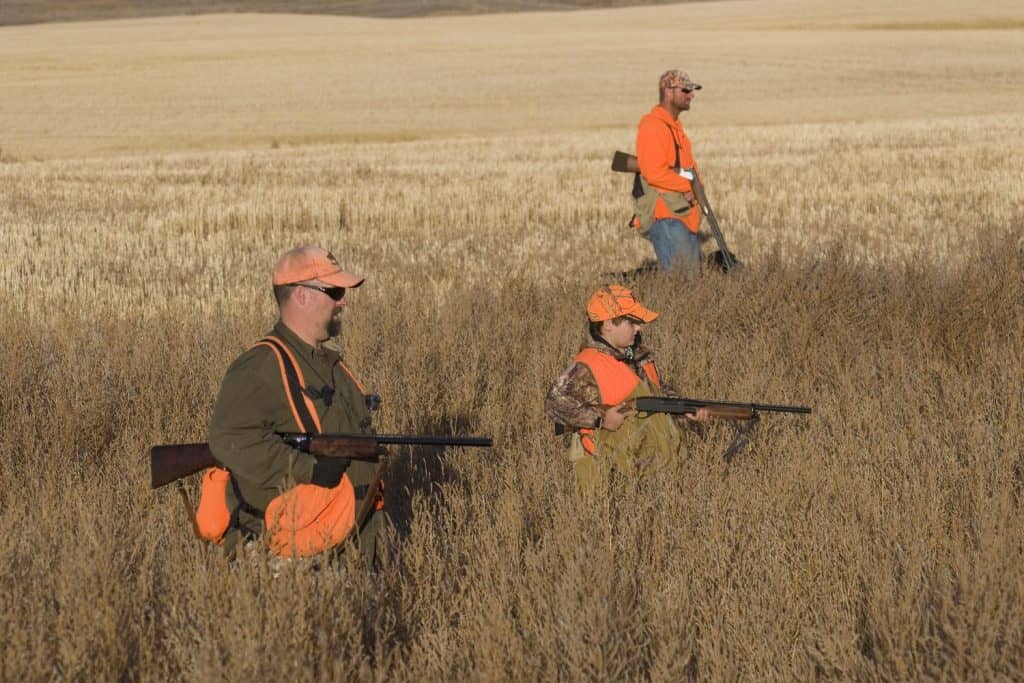
What happens to conservation efforts without hunters?
©Steve Oehlenschlager/Shutterstock.com
It’s a question that Pheasants Forever doesn’t hesitate to ask. What would conservation look like if hunters stopped participating?
“For the last 100 years or more, hunters have been one of the biggest contributing factors to conservation in this country,” Sill says. “Without them, many of our favorite places to roam would not exist, and wildlife habitat across the uplands and far beyond would suffer.”
Without hunter-driven funding and volunteer labor, millions of acres of grasslands, wetlands, and forests would lose the maintenance they need to stay healthy. Poaching pressures would increase, wildlife management budgets would shrink, and the momentum built over generations could stall.
In Pheasants Forever’s view, ethical hunting and conservation are not opposites; they are partners. Hunters are both participants in and protectors of nature, ensuring that the wild places they cherish remain vibrant for all.
Opening Doors: The PATH Program
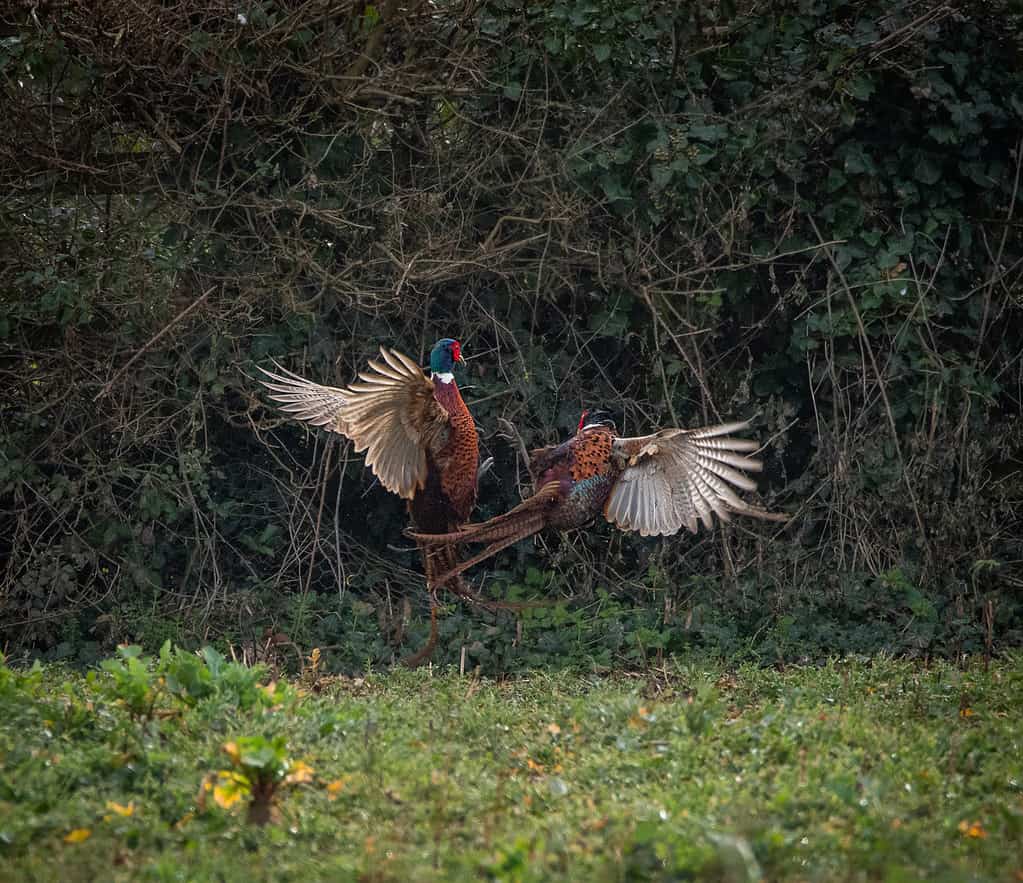
Pheasants are a key species for many ecosystems.
©Clark Warren/iStock via Getty Images
Beyond habitat restoration, Pheasants Forever is tackling another modern challenge: shrinking access to wild lands. The organization’s Public Access to Habitat (PATH) program gives private landowners incentives to open their property for public recreation, creating new opportunities for hunters, hikers, and birders alike.
“We started PATH with the help of state-level agencies and other partners to increase public access to private lands through voluntary enrollment programs,” Sill says. “We started small, with pilot programs in Nebraska and South Dakota, and have now moved to North Dakota, Oklahoma, and Michigan as well. Through PATH, we’ve now opened over 100,000 acres of land to public access across those states, with many more acres on the horizon.”
PATH strengthens rural economies, too. Communities that welcome hunters and other outdoor enthusiasts benefit from tourism, equipment sales, and lodging revenue, all while building public support for conservation.
Everyone Has a Role

Conservation is something everyone can participate in.
©VesnaArt/Shutterstock.com
While hunters have traditionally shouldered much of the financial burden, Sill emphasizes that non-hunters are equally vital to conservation’s success.
“Non-hunters are also important to conservation, and to public land access as well. Public lands are open to everyone — so if you’re a bird watcher, hiker, or just value the natural world, you’re a part of the conservation realm. Wild spaces belong to everyone, and we’re all batting for the same team.”
Supporting wildlife doesn’t always require a shotgun or a license. As the members of Pheasants Forever show, volunteering with a local chapter, or even planting native wildflowers in a backyard, can make a difference.
“The easiest way for non-hunters to have some skin in the game is to purchase a Federal duck stamp, which has contributed over $1 billion to conservation since 1934,” Sill adds. “But if you want to go a step further, visit our website at pheasantsforever.org to find a local chapter in your area and get involved! We welcome anyone who’s interested in conservation and preserving wild places, whether you’re a hunter or not.