
Quick Take
- California once issued thousands of permits to kill beavers every year, and its complete reversal on that practice reveals something surprising. California's dramatic reversal →
- Beaver-dammed waterways survive wildfires at a dramatically different rate than regular rivers, and the gap between them is far bigger than most researchers had expected. See the survival gap →
- The reason a beaver dam can stop a wildfire has nothing to do with water on the surface, which is precisely what makes it effective where conventional methods fail. How beaver dams work →
- Wildlife agencies stretched thin on budgets are turning to beavers not just because they work, but because of what they cost compared to the alternative. Compare the costs →
California is no stranger to wildfires, but how is nature able to bounce back from these relentless events? When the Dixie Fire tore through Northern California’s Sierra Nevada, Cascade Range, and surrounding foothills in 2021, it scorched more than 963,000 acres and was the largest single wildfire in state history at the time.
Three years later, a team of California wildlife officials returned to release a creature known for its infrastructure abilities—abilities that could allow this landscape to thrive again: beavers.
Recent studies suggest that beavers are helping California fight drought and wildfire. This unique climate adaptation strategy is gaining attention, and state wildlife agencies across the American West are considering beavers as valuable additions to forests after fires. The “fireproof” wetlands that beavers build are central to this approach.
How Beavers Help Landscapes After Wildfires
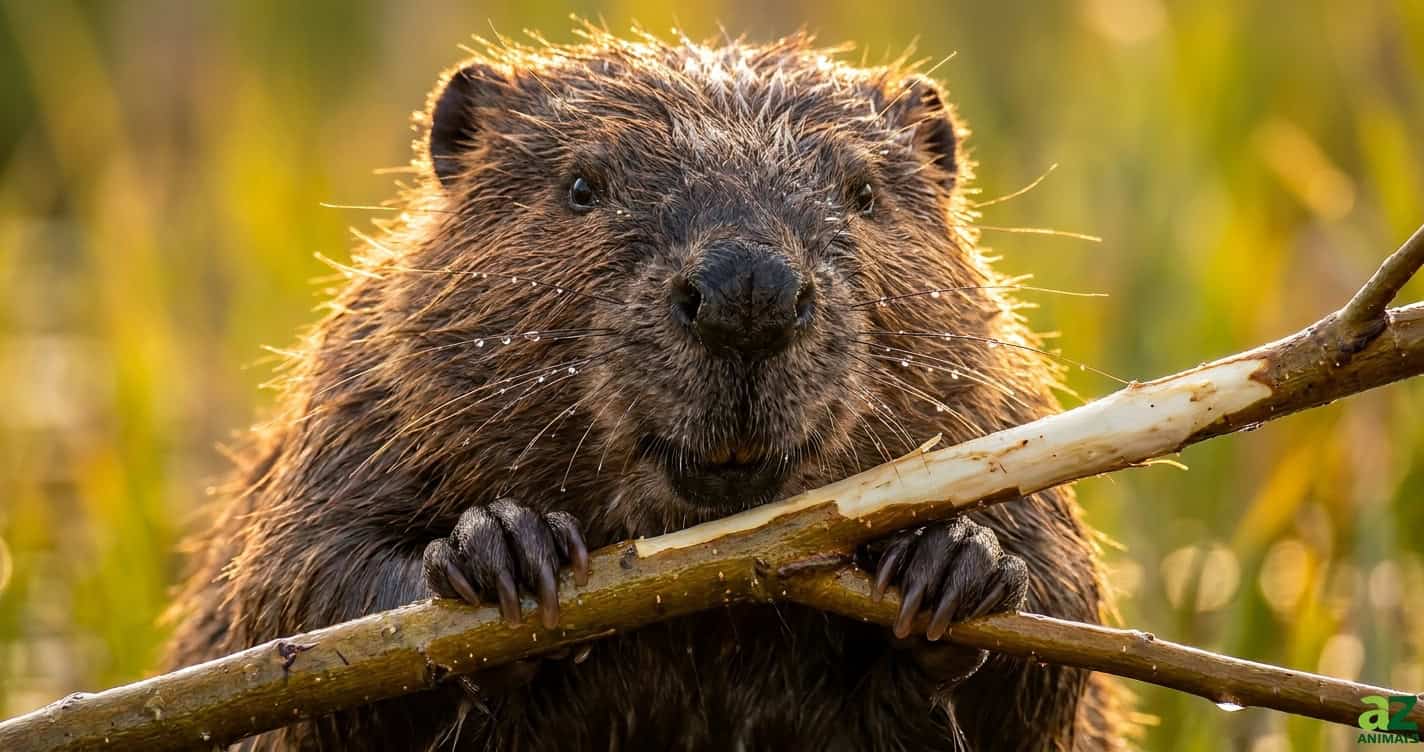
The North American beaver is known as a keystone species, which means its presence shapes an entire ecosystem, but disproportionately to its size. It is also what researchers increasingly call an ecosystem engineer, a species that physically restructures its environment in ways that impact other ecosystem factors.
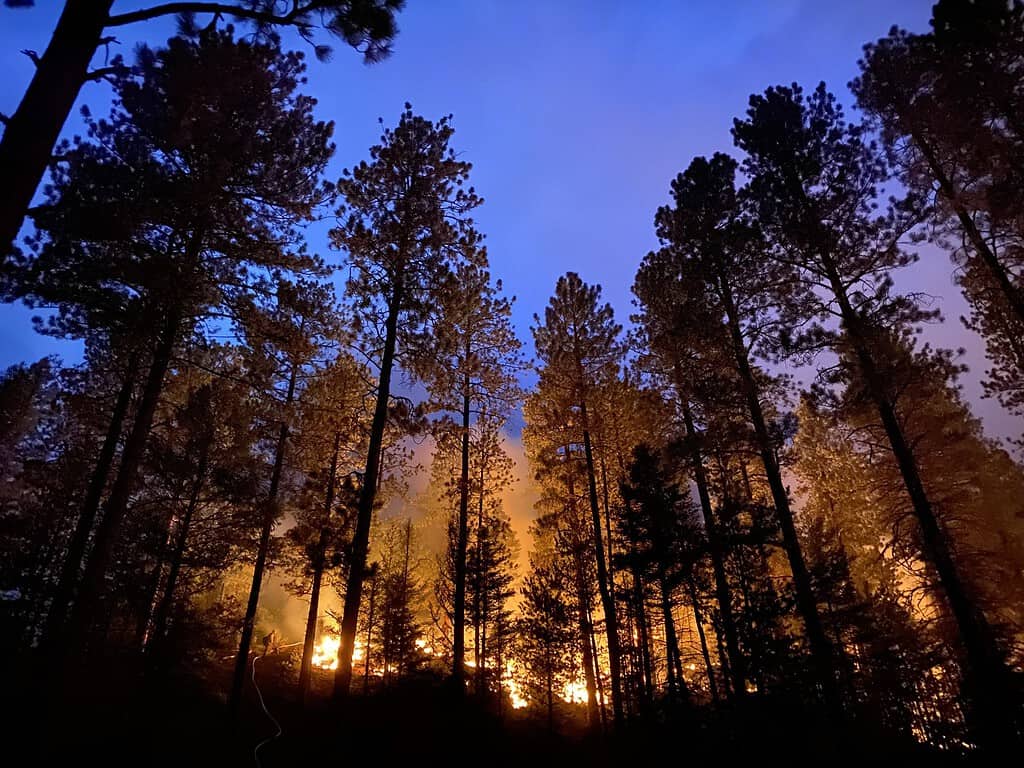
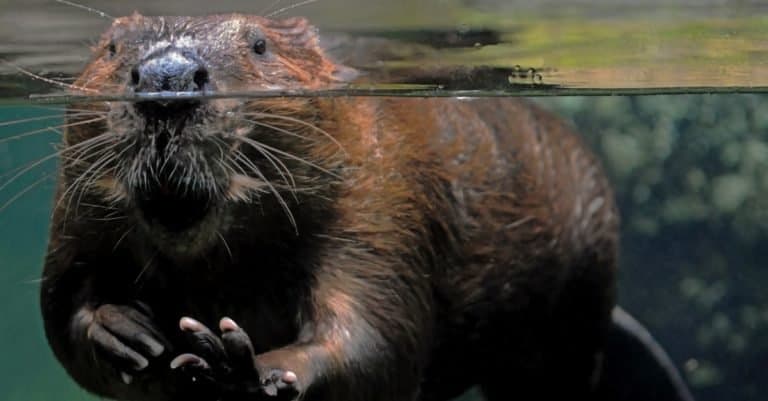
By building dams, beavers are saving certain ecosystems from devastating fires.
©National Interagency Fire Center / Public Domain – Original / License
When beavers move into a watershed, they build dams. These dams slow water movement, raising the local water table and allowing water to spread across the floodplain. The beavers then dig networks of canals around this newly watered area, spreading moisture into the surrounding soil. Because of these canals, vegetation is lush and hydrated from below, even during periods of surface drought.
According to the Roaring Fork Outdoor Volunteers, wetlands comprise only 2% of Colorado’s land surface area, but still support over 75% of the state’s native species. Beaver ponds create and sustain those diverse wetlands, and that’s why these animals are being considered integral to forest fire management.
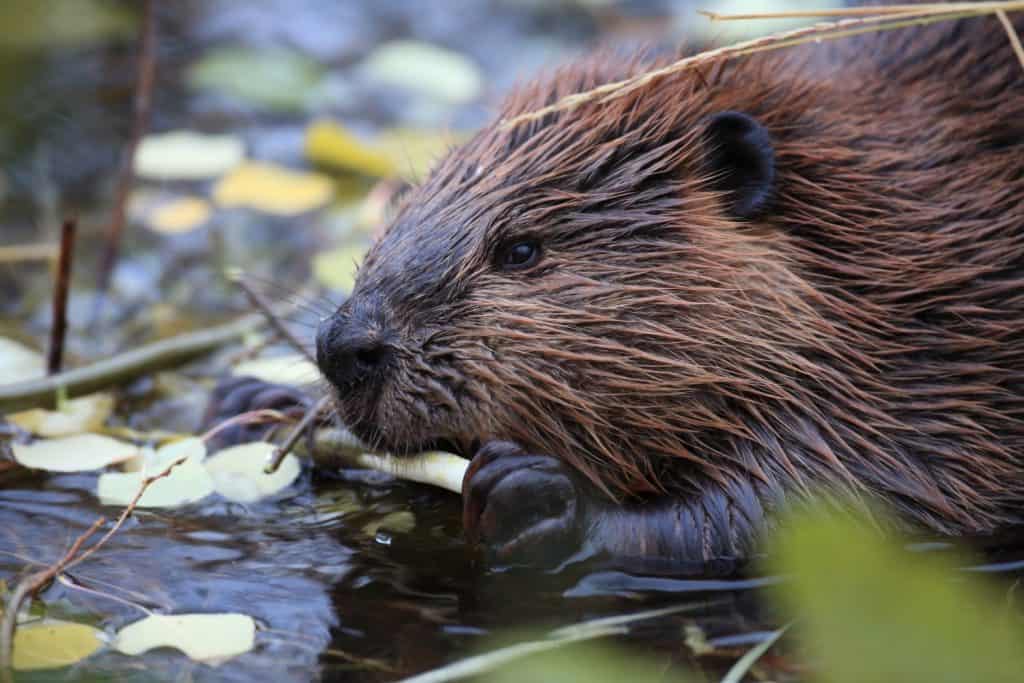
The canals that beavers build around their dams help keep a landscape wet, even during intense wildfire activity.
©Frank Fichtmueller/Shutterstock.com
When fires spread across a dry landscape, they always take the path of least resistance, burning any areas that are dry. Beaver-engineered wetlands, however, are too wet to burn the same way any surrounding dry terrain does. These zones become what researchers call fire refugia, which are islands of unburned greenery in the middle of fire-scarred areas. These islands offer shelter to wildlife while also slowing the fire’s advance, preserving seed banks that accelerate post-fire recovery.
“It doesn’t matter if there’s a wildfire right next door,” said Dr. Emily Fairfax, an ecohydrologist at California State University Channel Islands who has spent years studying beaver-fire interactions. “Beaver-dammed areas are green and happy and healthy-looking.”
The Post-Fire Havens Created By Beavers
Beavers were widely considered important for wildfire buffering after a landmark 2020 study in Ecological Applications. It analyzed satellite imagery of wildfire burn scars across the American West and found that beaver-dammed corridors were dramatically less affected by fire than adjacent waterways without beaver activity. The study made it clear that beaver activity significantly increases vegetation’s resistance to fire, as waterways without beavers suffered more damage than those with beaver modifications.
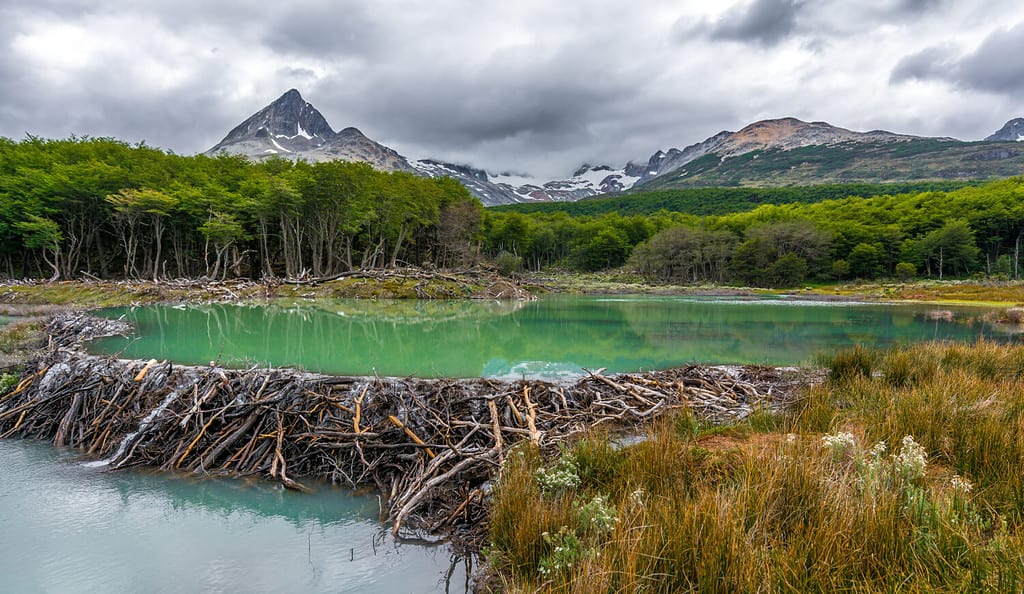
The zones built by beaver dams have a higher percentage of surviving wildfires compared to other ecosystems.
©O Brasil que poucos conhecem/Shutterstock.com
Additional research published by the Geological Society of America studied three major 2020 wildfires in Colorado and Wyoming, discovering that nearly 90% of beaver-dammed rivers could be classified as fire refugia zones, compared to only 60% of riverscapes without beaver dams. Even during intense megafires, the beaver-built wetlands reportedly survived and withstood damage.
“With climate change raising temperatures and increasing drought stress,” Fairfax reported, “the beavers are somewhat unique in that they are still maintaining and creating these fire refugia that can withstand the forces of today’s megafires.”
California’s Policy Reversal For Beavers
For much of the past century, California’s relationship with beavers was tumultuous, to say the least. The California Department of Fish and Wildlife even issued depredation permits, allowing landowners to kill beavers that inadvertently flooded fields or damaged property. Somewhere between 1,000 and 3,000 animals were killed annually, and the state had no active beaver restoration program; they were considered nuisances.
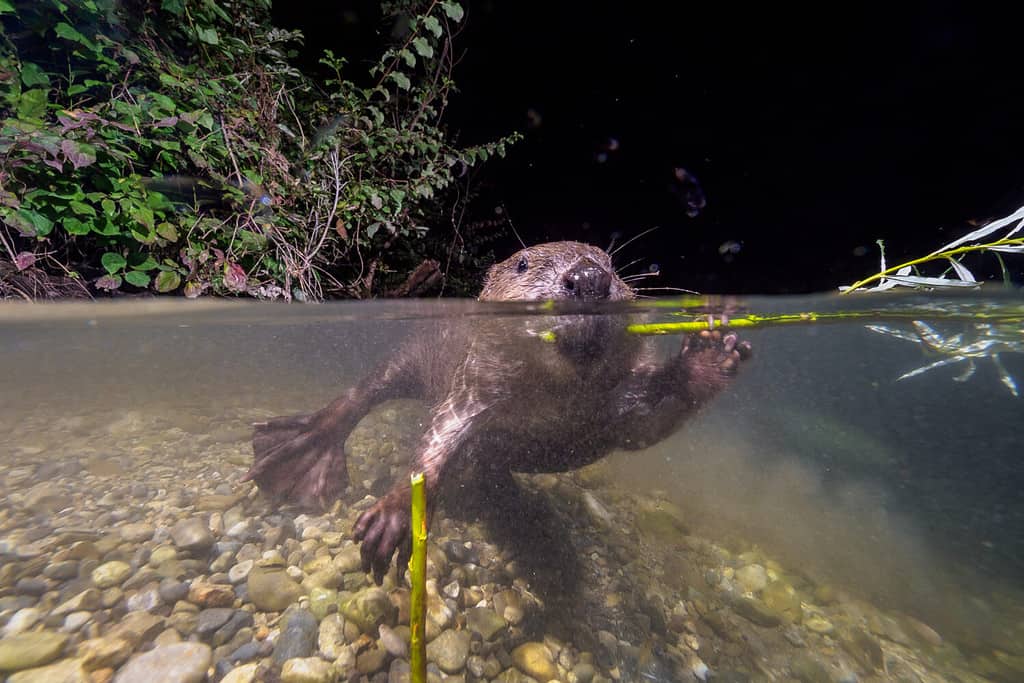
Beavers are being reintroduced into California ecosystems to build fire-resistant wetlands.
©benny337/Shutterstock.com
However, in 2022, CDFW received funding to develop methods for nature-based restoration solutions, and there were plenty of possible solutions involving beavers. In 2023, the department conducted its first beaver conservation translocation in nearly 75 years, releasing animals into the damaged valley burned by the Dixie Fire two years earlier.
Between October 2023 and September 2024, CDFW released 28 beavers across five sites in the Sierra Nevada through two unique pilot programs developed in partnership with the Tule River Tribe in the south and the Maidu Summit Consortium in the north. Surpassing expectations, the beavers built a 100-meter dam and excavated a network of canals that reconnected the stream to its floodplain. Surface water at the site increased by more than 22%, and two litters of kits were born into this newly restored habitat.
“The Beaver Restoration Program was formed because we recognize the value that beavers can provide on a landscape,” said CDFW Beaver Restoration Program Supervisor Molly Alves, “We are putting beavers back into those portions of their historic range where they can build dams and create wetlands that protect our landscape, wildlife, and people from climate change, like drought and wildfire.”
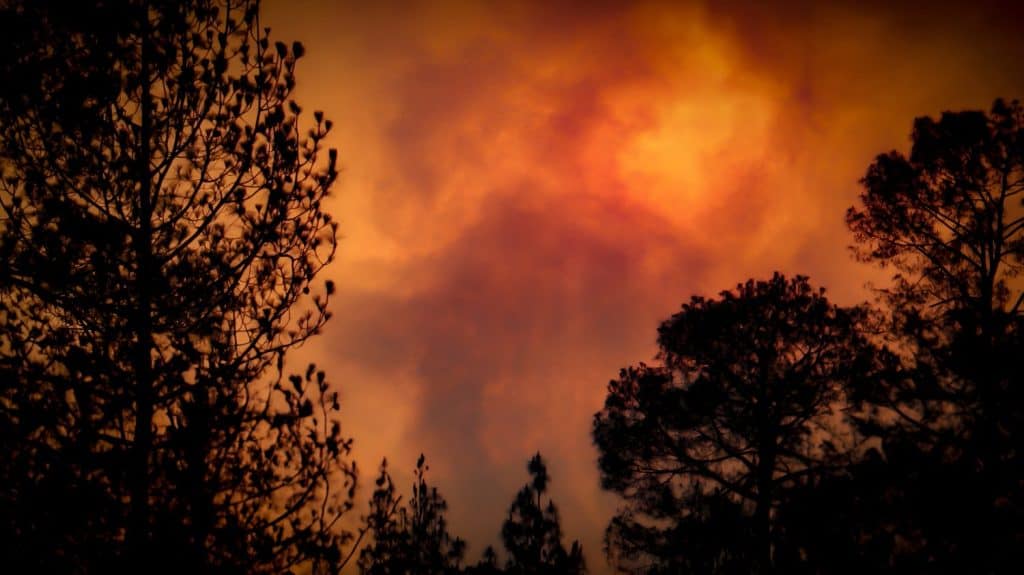
California’s infrastructure struggles to handle the cost of wildfires, which is why beavers are crucial firefighters.
©Holly Cheese/Shutterstock.com
CDFW has reportedly committed to continued reintroduction efforts of beavers in other locations in the Sierra Nevada. And, regardless of their future plans, their initial testing made it clear that beavers are a viable, affordable solution to combat some aspects of wildfire.
Ecosystem Engineering Using Beavers
Beaver restoration is particularly attractive to wildlife agencies because of its overall cost. A conventional water infrastructure project, which includes many manmade aspects such as a retention pond or a constructed wetland, requires engineering contracts, heavy equipment, permitting, and ongoing maintenance. Between material and labor, many wildlife agencies remain underfunded for these types of projects.
But with beavers, while relocation and monitoring are still required, they work for free once they’ve established their territories, expanding their own infrastructure seasonally. They also maintain these structures instinctively and craft replacements in a timely fashion.
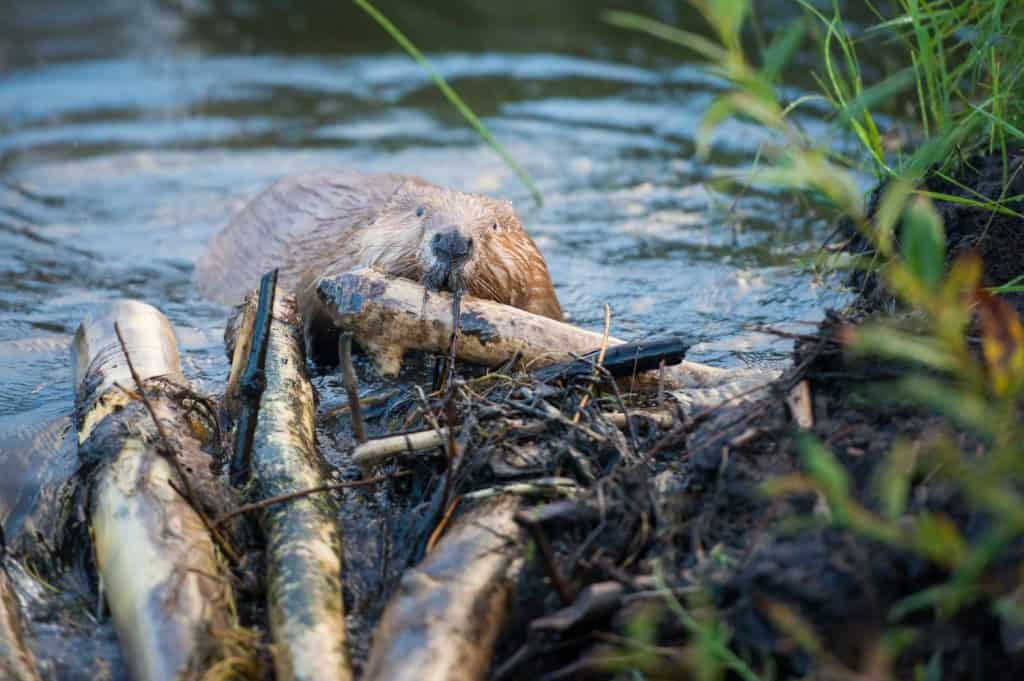
Wetlands built by beavers appear to have improved habitats, including less shoreline erosion.
©Ghost Bear/Shutterstock.com
A 2025 study from PubMed reviewed California-specific beaver restoration outcomes and noted that water storage and fire resilience solutions are high priorities for land and water managers across the state. Beaver restoration is growing in California and potentially beyond, given that their natural dam activity is a cost-effective tool for achieving these goals.
Additionally, wherever actual beavers can’t be immediately introduced, land managers are constructing what are called beaver dam analogues. These permeable structures imitate the function of beaver dams and can prime a watershed for eventual beaver families in the near future.
For example, the Roaring Fork Outdoor Volunteers and US Forest Service have built 22 such structures across 3,174 feet of Butler Creek in Colorado since 2024, restoring the ecological function of 5.5 acres of riparian wetland. The structures have also already improved trout habitat and reduced erosion, and researchers are hopeful about attracting beavers back into the watershed without relocating an existing population.
Are Beavers a Viable Solution For Forest Fires?
California’s decision to use beavers as part of its climate infrastructure may seem unusual, but it might be exactly what is needed. The limits of conventional fire management have been reached in the past decade; suppression efforts are expensive and dangerous, not to mention increasingly insufficient against fires that burn hotter and faster than those of previous decades. That’s why beavers are more useful than we realize.
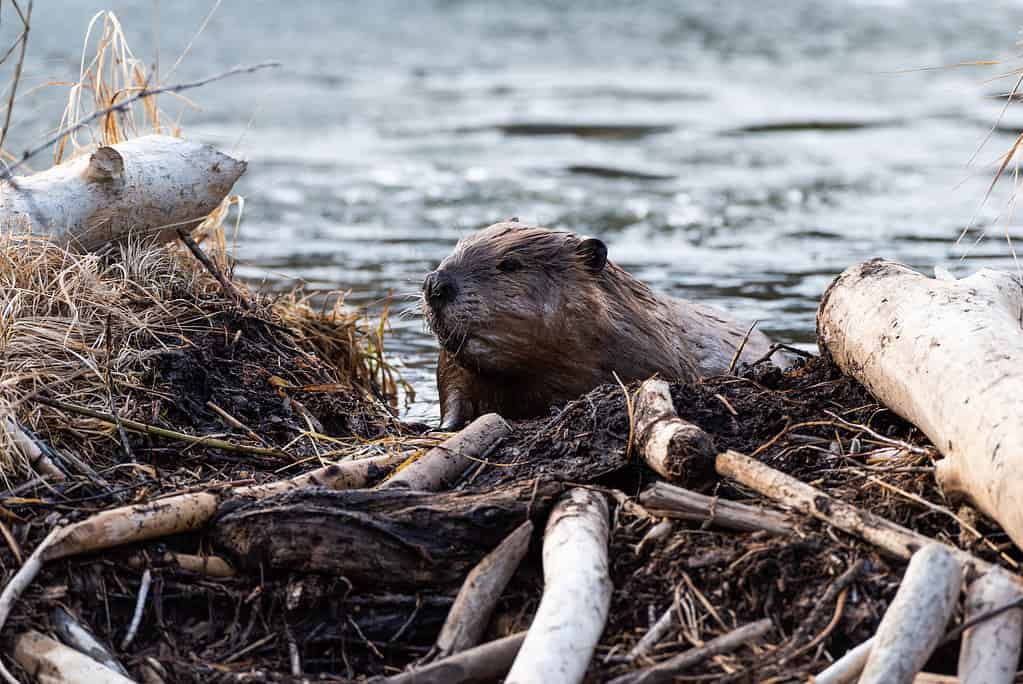
The humble beaver just wants to build dams; fortunately, wildfire regions directly benefit from this, too.
©Dan Pepper/iStock via Getty Images
Beavers have proven that they can limit a forest fire’s footprint and accelerate the recovery of these landscapes. Where the land had barely begun to recover from the Dixie Fire, beavers arrived and immediately began doing what beavers do, keeping a decimated area green and alive in the face of so much destruction.
After decades of issuing permits to kill beavers, California has changed its tune. Here’s to the state’s latest firefighters—even if building a dam doesn’t appear as heroic as fighting fires head-on.