
All pet owners agree on one thing: our dog or cat is our baby. They might have toe beans instead of human toes and whiskers in place of dimples, but these fury little critters are our everything. And while our worlds revolve around them, inevitably, we all need to travel from time to time. Leaving your pet behind is never a good feeling, especially if they’re young or elderly. As nerve-racking as it can be to part ways with your pet, it’s all part of being a furparent. Thankfully, pet sitters exist. Though a good one might seem hard to find, we’re here to help.
Where to Start When It Comes to the Right Pet Sitter
Can you trust a stranger? How many years of experience should they have? How close do they live? What if your pet hates them? These are all understandable and perfectly valid questions when finding a pet sitter. Knowing where to start is the hardest part, especially when the market is saturated. The first step is understanding your needs, as well as your pet’s needs. Ask yourself these questions:
- Does your pet sitter need to be comfortable administering medication?
- Do they need to be familiar with puppies or senior pets?
- Should they have experience looking after multiple pets?
- Is your pet fear-aggressive or uncomfortable around strangers?
- Do you need someone to stay overnight, or will your pet be comfortable with daily check-ins?
- Is this a long-term or short-term pet-sitting job?
- Are you looking for someone nearby to come by multiple times a day?
- Does experience matter, or are you looking for connection?

Finding a pet sitter is overwhelming, but local recommendations can help.
©SB Arts Media/Shutterstock.com
All of these questions will help narrow down your search using website filters. Pet-sitting sites like Rover, Care.com, Meowtel, and Front Porch Forum allow you to search for what you need. Rover even allows pet owners to set filters like spayed or neutered, grooming needs, pet first-aid, and housing conditions. All of these narrow the scope to find only pet sitters that suit your desires.
Reach Out for Referrals
Another option is to reach out to family and friends for referrals. Facebook Groups are also powerful tools for this. If you’re part of a town or city community group, it doesn’t hurt to ask for recommendations. Oftentimes, you might find that your neighbor’s niece pet-sits on the side. The reassurance of personal connection makes it a little easier to leave your pet in new hands. If you want to vet someone further, check out their reviews on Google and other pet-sitting sites.
Utilize Certified Board Organizations
The National Association of Professional Pet Sitters and Pet Sitters International are both excellent places to find certified pet sitters. They’re slightly more complex in terms of searching, as there are no specific filters, but they are nationally and internationally recognized for their care. Depending on your location, a search may return a certified pet-sitting company. This opens up options for specific needs and for boarding or kenneling your pet, if that’s something you’re looking for.
Interviews and In-Person Meetings Are a Must
You wouldn’t leave your child with someone you’ve never met before, so why would you do so with your pet? In-person meetings are essential for pet-sitting. Some pet owners even conduct interviews, meeting with multiple pet sitters before deciding to hire one. This process can be as straightforward or as involved as you want, depending on what you’re looking for.
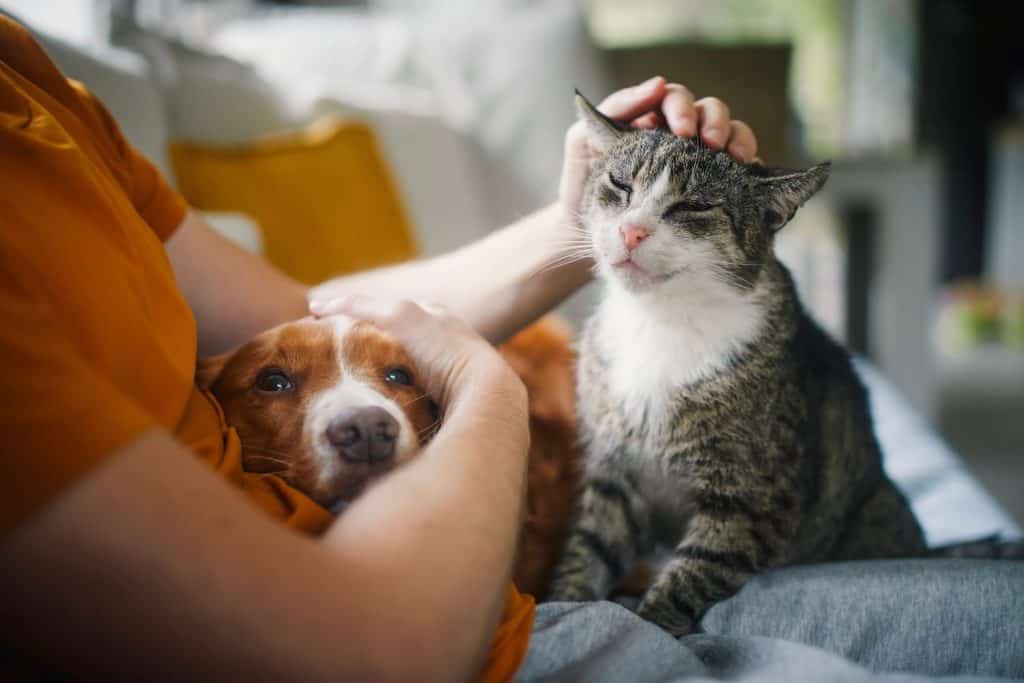
Pet sitters who form instant bonds with your pets are a green flag.
©Jaromir Chalabala/Shutterstock.com
During the face-to-face meeting, these are some things to talk about:
- Ask about their experience: How long they’ve been pet-sitting, if they own pets, what their biggest challenges are, and how they’d deal with specific situations.
- Inquire about their qualifications: Do they have any special certifications? Do they offer training, or do they have any training experience? Are they certified in pet first-aid or dog CPR?
- Find out their availability: Do they have other commitments that conflict with routine check-ins or overnight stays? Do they care for multiple pets at the same time, or do they have their own that require care?
- State your expectations: If you want daily photo or video updates, confirmation of feeding times, or proof of walks, this is the time to clarify them.
- Ask for references: References are crucial when hiring anyone for any service. It’s natural to request references, and any good pet sitter will have a list on hand.
- Confirm they’re bonded: One aspect few people consider when hiring a pet sitter is whether the sitter is bonded and insured. In case of an accident, it’s best to have a pet sitter affiliated with an insurance company.
If you’re happy with a pet sitter’s responses, this is the time to set up a meet and greet with your pet. If it’s a good fit and both parties seem comfortable, that’s a good sign!
Red Flags to Look For When Hiring a Pet Sitter
Not every pet sitter will be a good match for you and your pet. Sometimes it’s a vibe; other times, it’s something they say or do that make you feel uncomfortable. Whatever the case, one rule applies: Trust your gut. Some red flags to look out for when interviewing pet sitters include:
- Inconsistent communication: Not everyone will be available 24/7, and that’s entirely fair. However, if a pet sitter doesn’t respond within a day or two, has on-and-off contact, and seems disinterested or distracted, this is a red flag.
- Unwilling to meet: If a pet-sitter refuses to meet face-to-face, this is something to be wary of. It’s especially concerning if they refuse to meet your pet before caring for them.
- Dodging or avoiding questions: As a pet sitter, they should feel comfortable answering the questions listed above. If someone dodges a question or provides vague answers, they might not be the one.
- Lying about qualifications: If a pet sitter lies during the interview and claims they qualify but has nothing to back it up, this is a huge issue. This is why references are so crucial—they can either confirm or deny whether a pet sitter has experience.
- Exaggerated responses: A good quality in a pet sitter is being energetic and generally positive. However, if a potential pet sitter displays this attitude without inquiring about you or your pet, it could be a red flag. Good pet sitters will be committed to taking a genuine interest in future clients.
Pricing For Pet Sitting Services
Pet sitting prices vary depending on the services needed. Many pet sitters charge anywhere from $20 to $35 for a short visit (30 minutes or less) to $50 for a one-hour visit. Overnight stays can cost $60 or more, with more experienced sitters charging up to $100 per day. Several factors can increase these prices, including the number of pets, location, special needs, and holidays. Some pet sitters may also charge more for weekends.

Don’t be afraid to compare pricing when searching for a pet sitter.
©Casey Elise Christopher/Shutterstock.com
In large cities, pet sitting prices might be more competitive. The price reflects the demand for a pet sitter, so you might find that prices are higher in a city than in a small town. The type of pet can also affect the price, as pet sitting is often cheaper for cats than for dogs, since less work is involved. It’s perfectly reasonable to request quotes from multiple pet sitters before making your final decision.
After Hiring a Pet Sitter
Once you’ve found a pet sitter you and your pet are comfortable with, there’s still one final step. This is when you can type up instructions on your pet’s care, share schedules, and leave any necessary notes for your pet sitter. This is especially important during overnight stays, where you’ll want to include the following:
- Location and brand of food
- Instructions for feeding, along with feeding times
- Instructions for walking or cleaning litter boxes (i.e., is there a specific route for walking, or do you have a backyard? For cats, do you have flushable litter or does it need to be thrown out in the trash?)
- Toy and treat preferences
- Kennel instructions along with bedtime (if applicable)
- Medication instructions
- Requests for daily photos or videos
- Information for your pet’s vet or local animal hospital

The more experienced the pet sitter, the more comfortable they’ll be with your pets.
©Prostock-studio/Shutterstock.com
This is also the time to share your travel plans with your pet sitter. If they need to get in touch with you, they’ll know exactly where you are and how to reach you. Cell phones have made this easy, but if you’re out of range (or on a cruise), it’s always good to have a backup plan. This is also the time to share contacts and put a plan in place in the event of an emergency. When all that is finished, all that’s left to do is trust your pet sitter and enjoy your trip!