
Quick Take
- Earlier attempts to restore Houston toads to Bastrop State Park failed, but experts are banking on this latest release.
- A million eggs sounds like more than enough, yet the survival odds reveal why even that number might barely move the needle. See the recovery plan →
- Human activities are among the biggest threats to Houston toad survival. Meet the real threats →
- The vast majority of Houston toads left on Earth live in one place, and it isn't Texas wilderness. Where most toads live →
In this video, you see Texas Parks and Wildlife staff releasing toad eggs and tadpoles from the Houston Zoo into Bastrop State Park. Why would a crew of wildlife experts transport more than a million toad eggs to a park?
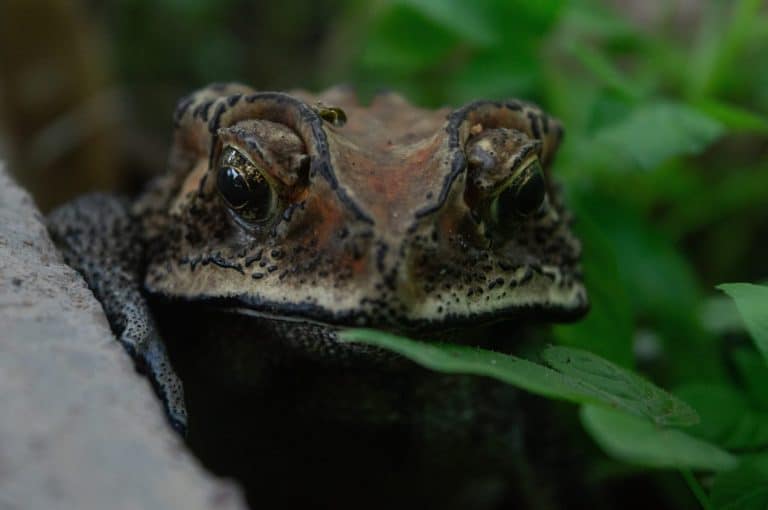
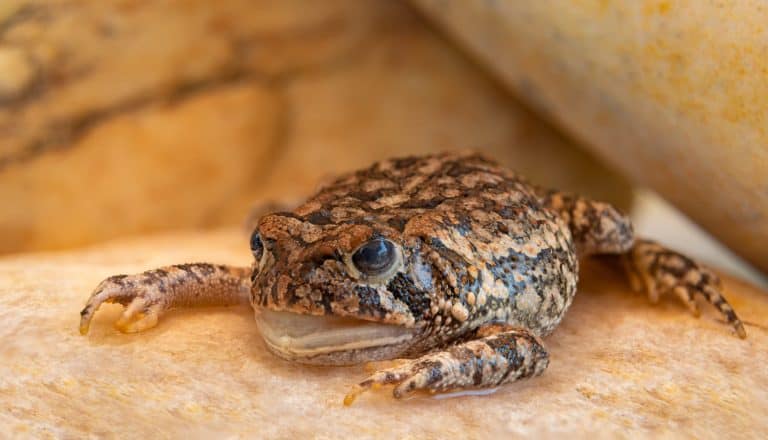
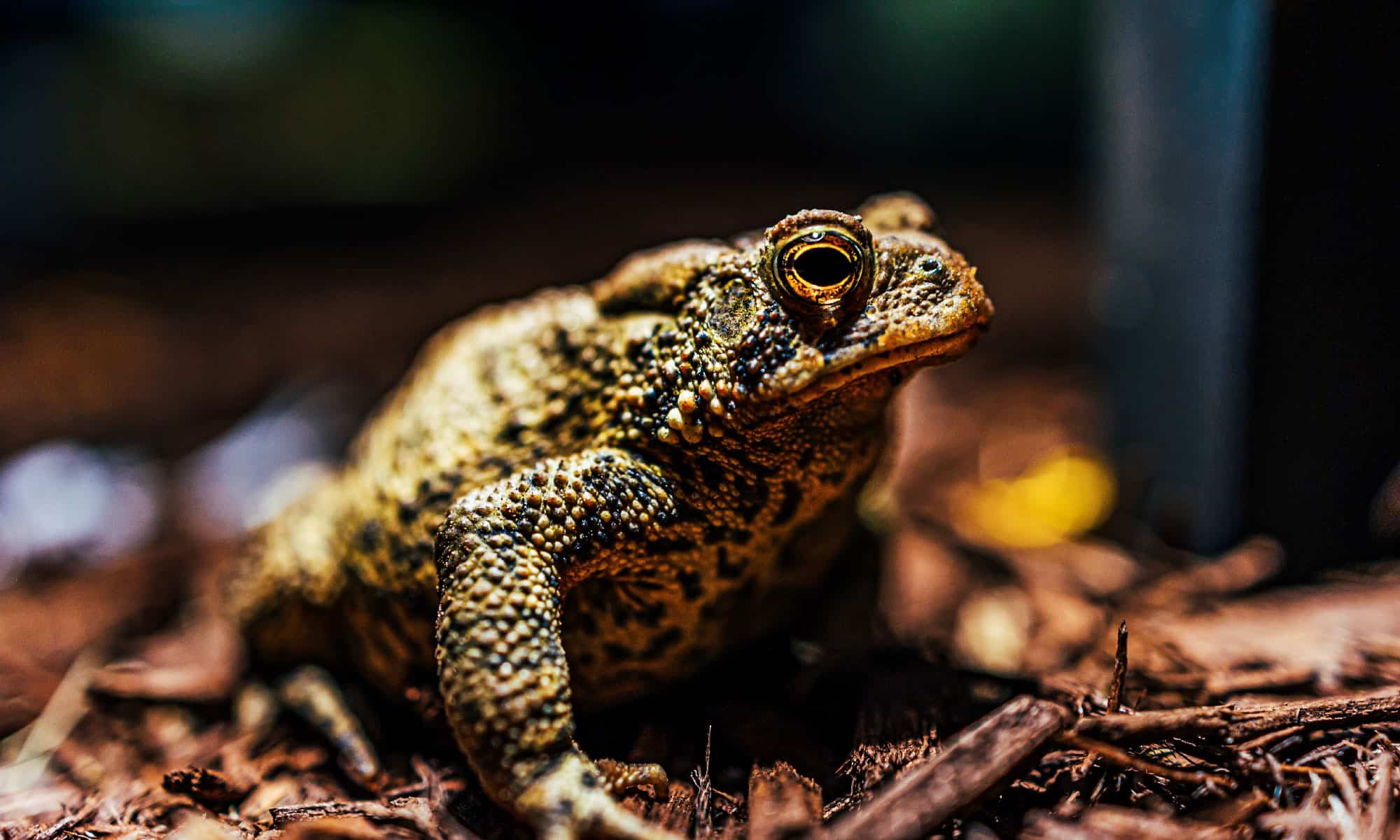
This typical-looking warty toad has the distinction of being the first amphibian ever to be listed under the USFWS Endangered Species Act. In 1970, the Houston toad (originally Bufo houstonensis, now Anaxyrus houstonensis) was declared endangered due to habitat loss from urbanization and agriculture. Today, it’s also listed as endangered by the State of Texas. It can be distinguished from other toads by its small size (a maximum of 3.5 inches long) and its distinct high trilling call, which lasts 20-30 seconds during mating season. You can listen to a male’s call HERE.
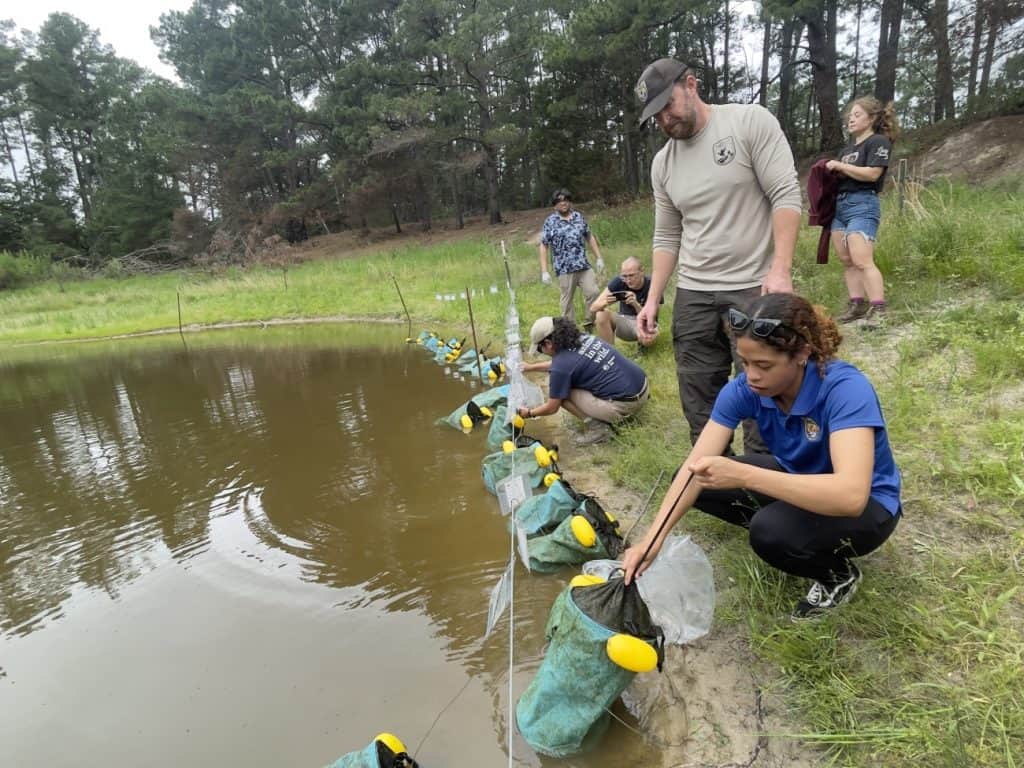
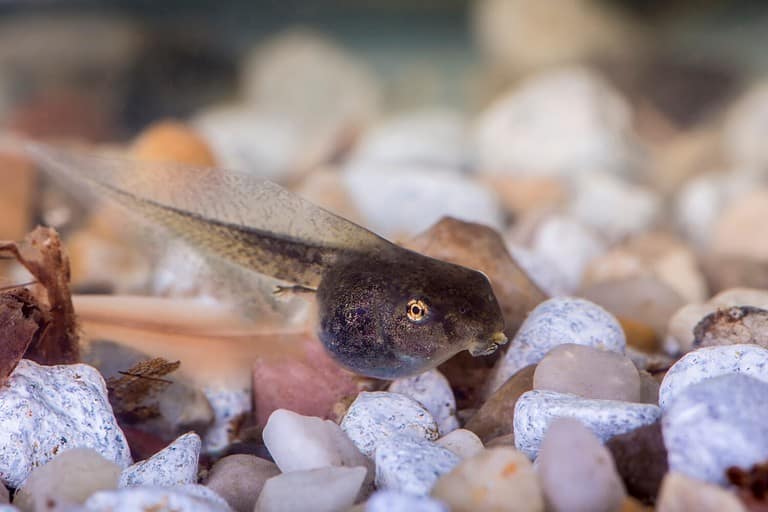
Biologists released Houston toad eggs produced by the Houston Zoo into a pond in Central Texas.
A collaboration among the Houston Zoo, Texas Parks and Wildlife Department (TPWD), Amphibian and Reptile Conservancy (ARC), and U.S. Fish and Wildlife Service (USFWS) aims to restore toads to places they once inhabited. Houston toads disappeared from Bastrop State Park, east of Austin, after an intense wildfire that burned 36,000 acres in 2011. Previous introductions of toad eggs to the park (in 2015 and 2019) failed to reestablish the population.
“With only one release, it can be a coin flip whether enough individuals survive long enough to maintain a population,” says Private Lands Biologist Zach Truelock with the Amphibian and Reptile Conservancy in an email interview. “I feel confident that some toads from this season’s release will return, call, and hopefully reproduce.”
The collaborating partners are planning releases every year for five years to bolster the chances of success. Continuing restoration of park habitats may give Houston toads a better chance to reestablish themselves.
The suitability of the habitat is one of the most important factors in recovering Houston toads.
Zach Truelock, Private Lands Biologist with the Amphibian and Reptile Conservancy
What Habitat Do Houston Toads Need?
Endemic to east-central Texas—occurring nowhere else—Houston toads rely on pine and oak forests with deep sandy soils, favoring Loblolly pine ecosystems. Toads may cross through less vegetated habitats when migrating, but they are typically found in forests with enough canopy cover to maintain stable temperatures and relative humidity. During the hottest, driest months of the year, these toads burrow into the sand and become dormant—aestivating—until conditions improve.
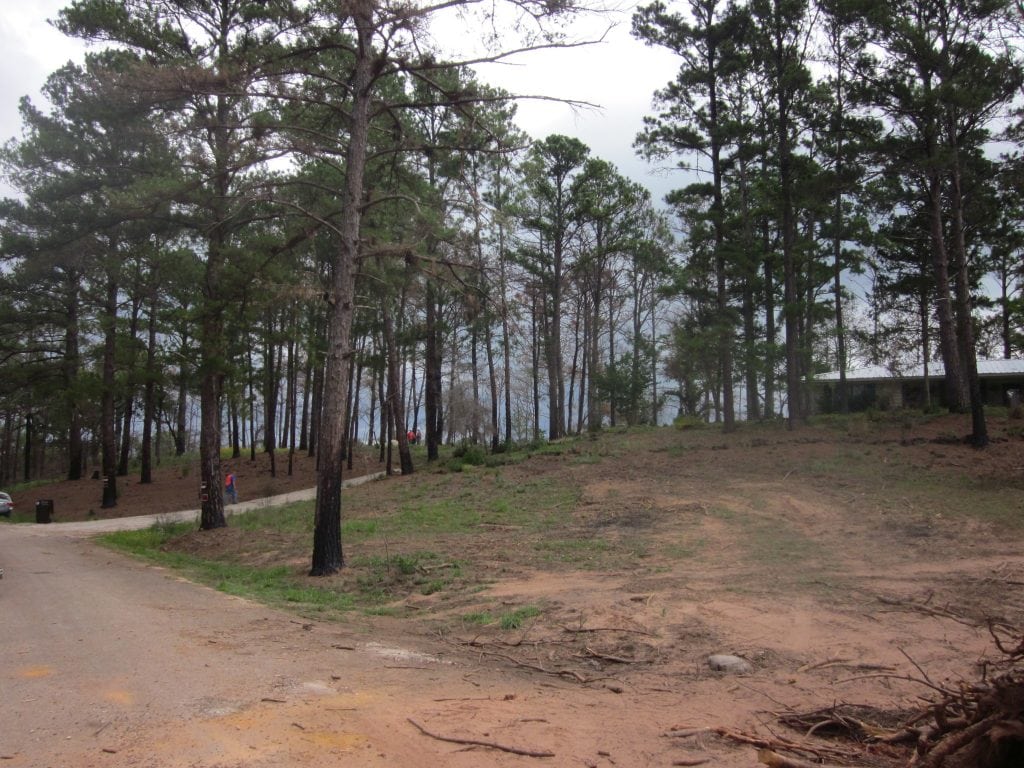
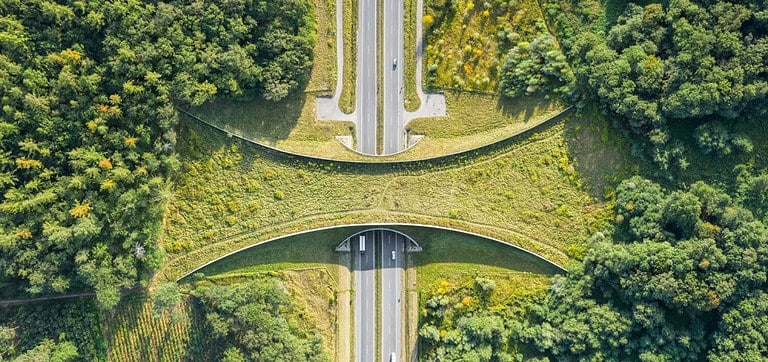
Houston toads need woodlands but are jeopardized by roads.
So, once trees are cut down, habitats dry out and become unsuitable for Houston toads. Because Houston toads breed in shallow wetlands, such as little depressions that collect rainfall, they can’t complete their life cycle in an open field. Open habitats may also become infested with red-imported fire ants (Solenopsis invicta), which are known to kill young Houston toads by swarming and stinging them. Additionally, feral pigs trample and eat vegetation, leaving forests too bare for Houston toads.
“Much of their historic habitat has been lost to development,” explains Truelock, “and what remains suffers from degradation from years of fire suppression, leading to thickets of woody plants, instead of the more open and diverse savannahs they historically occupied.”
Bastrop State Park is one of the areas that is being restored to offer the conditions Houston toads need to thrive. It’s considered a critical habitat for the species.
“The suitability of the habitat is one of the most important factors in recovering Houston toads,” says Truelock. “In Bastrop State Park, TPWD staff take an active role in habitat management, conducting prescribed fires, forestry mulching, canopy thinning, and invasive species treatment to restore and maintain good habitat conditions for Houston toads and other wildlife species.”
Zoos Are Survival Arks for Endangered Species
Currently, about 90 percent of the world’s remaining Houston toads are in a captive colony at the Houston Zoo, making it a rescue ark for their long-term survival. Captive adult toads are paired up for about 11 weeks during the breeding season to encourage mating and egg-laying. If all goes well, the male fertilizes the female’s eggs as she lays them in long strings in the water. But a species that exists only in captivity is functionally extinct from an ecological perspective.
So, the future of Houston toads is in the hands of the institutional partners aiming to restore them in the wild. The Houston Toad Recovery plan calls for producing and releasing more than a million eggs per year. That may seem like an enormous number, but even under regular conditions, only about five percent of pond-breeding amphibian eggs survive to metamorphosis, according to the U.S. Fish and Wildlife Service.
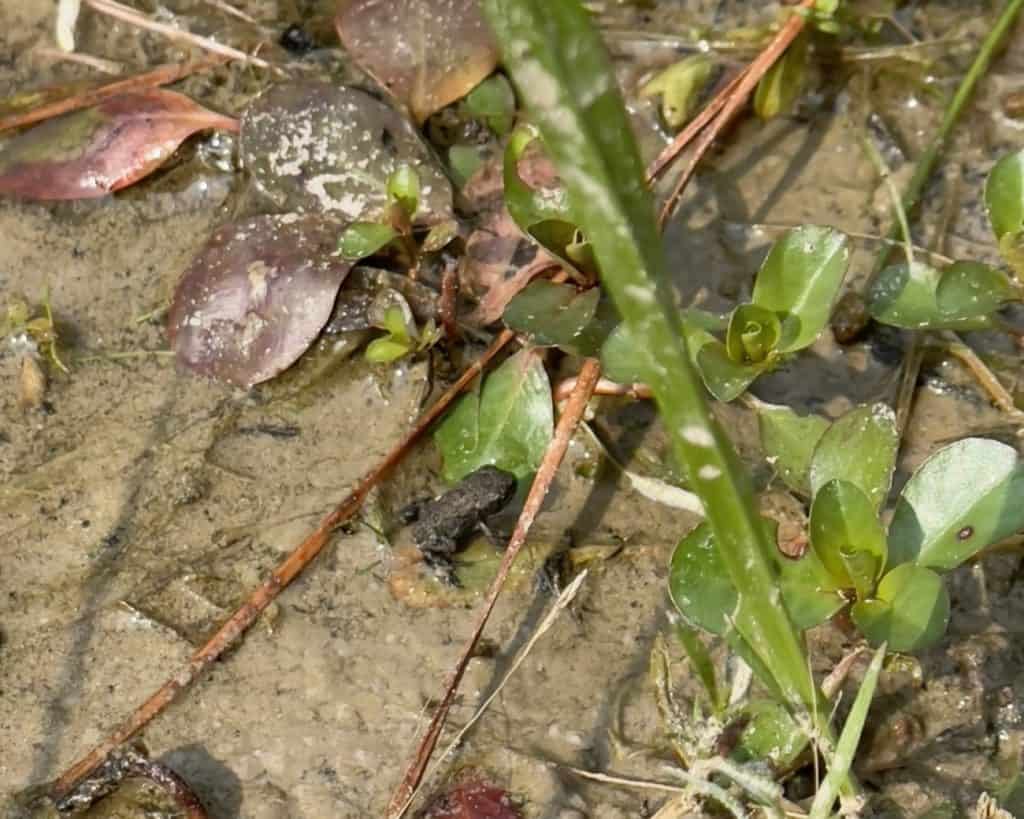
Tiny Houston toadlets sitting on shorelines are tasty snacks for snakes and other predators.
The survivors transform into tiny toads that hang out on pond edges for a few weeks, feeding on small aquatic invertebrates. As they grow into adults, they’re vulnerable to predation by water snakes and wading birds. Once they reach maturity, Houston toads migrate from ponds to terrestrial forest habitats where they take shelter under the sand.
How to Help Houston Toads
If you visit the Houston Zoo hoping to see these rare toads, you may be disappointed, as they are nocturnal and hide in burrows within the Native Amphibian Habitat of the Reptile House during the day. If you live within the Houston toad’s natural range in Texas, you can help support their recovery by planting native vegetation, maintaining shallow ponds, and keeping your land free of agricultural chemicals, according to the Brazos River Authority.
“We believe the toad won’t survive without active habitat management and restoration,” said Greg Creacy, Natural Resources Program Director for Texas State Parks, in a news story. A voluntary agreement with the Texas Parks and Wildlife Department engages eligible landowners in sustaining and improving toad habitat on their properties. This Houston Toad Programmatic Safe Harbor Agreement aims to help landowners reduce liability related to the endangered species on their property by providing guidance on conservation steps. To date, tens of thousands of acres of Texas private land are eligible for enrollment. The agreement covers a potential area of over 565,000 acres, with an enrollment target of more than 70,000 acres.
Whether you live in Texas or not, you can help the Houston toads and other vulnerable Texas species through the Texas Conservation Alliance. When it comes to planet Earth, we’re all in this together.