
How much do you know about the invasive spotted lanternfly in Tennessee? A devastating insect capable of destroying entire forests, the spotted lanternfly is best exterminated when it is found before it hatches. How can we accomplish this, though? Well, Tennessee has enlisted two new specialists in its fight against the invasive spotted lanternfly: Winnie and Marcel, detector dogs working with the state’s Plant Certification team.
Trained to find this pest at every life stage, these dogs help inspectors narrow the period during which the insect can spread. Their work is already paying off, with early finds around Middle and East Tennessee confirming their success. This is the story of Winnie and Marcel, two unique working dogs on the hunt to stop the invasive spotted lanternfly.
Meet Winnie and Marcel, the Dogs Saving Tennessee Forests
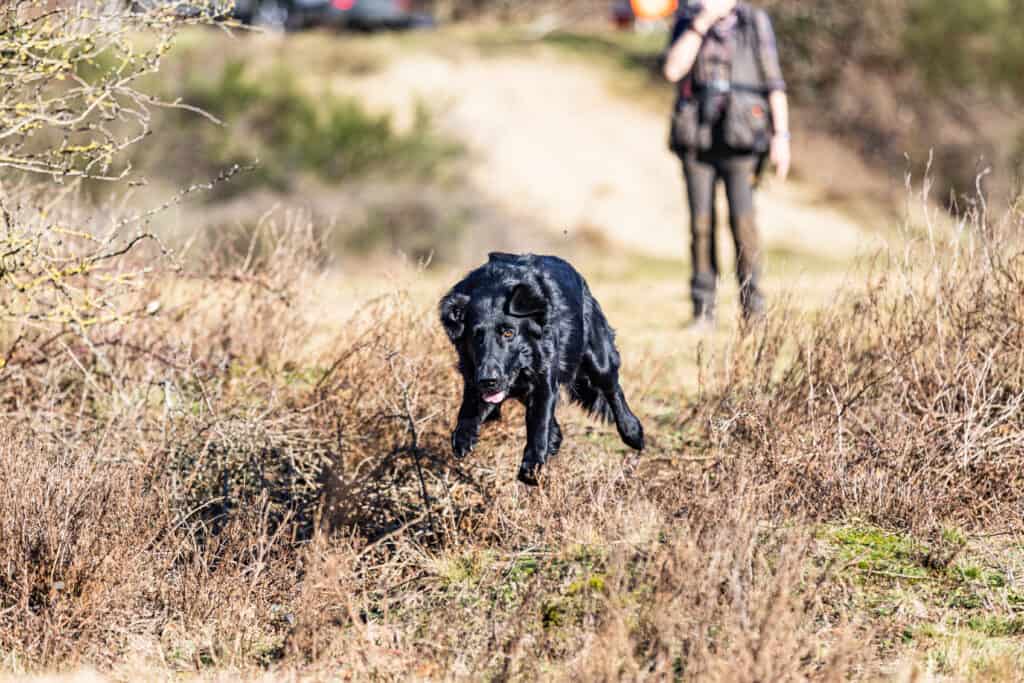
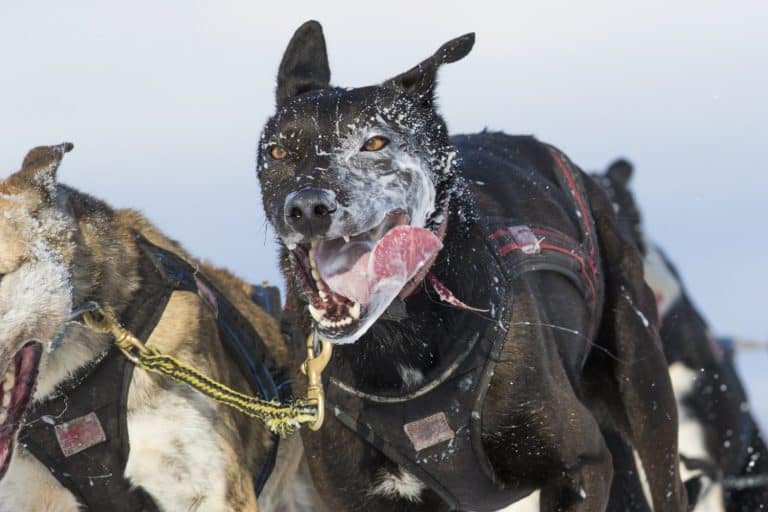
Both Winnie and Marcel are Labrador mixes.
©Sven Mewis/Shutterstock.com
Winnie and Marcel work for Tennessee’s Plant Certification team, where they search for spotted lanternflies at nurseries, retail plant dealers, and other high-risk vegetation sites. Both are Lab mixes, and Winnie is often described in local coverage as a black Labrador. They completed their USDA detector-dog training in mid-2025 and entered field service in August of that same year.
Winnie is based in Knoxville, while Marcel operates from Mt. Juliet, positioning the teams close to areas with the most spotted lanternfly activity. Winnie works with plant inspector Mary Glover, and Marcel works with Kyle Webb. Together, these handler-dog teams are setting the stage for the future of spotted lanternfly extermination.
In their first weeks on duty, these pups helped confirm a detection in Sumner County and contributed to additional verified locations, allowing the state to prioritize its routine inspections and outreach. These two Labs are hard at work to save Tennessee’s forests, one sniff at a time. But why are dogs being used instead of other options?
Why Dogs, and Why Now?
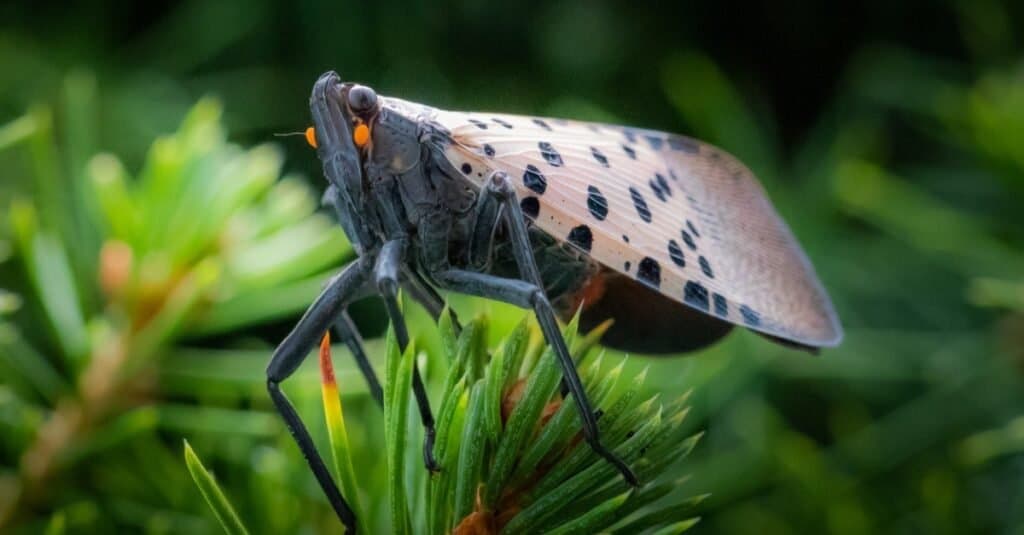
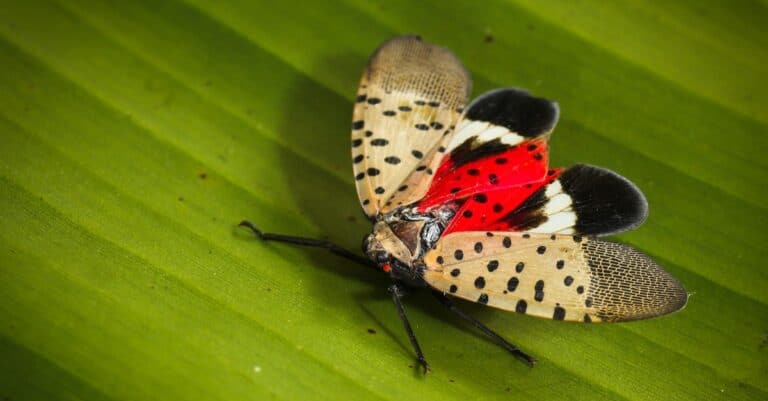
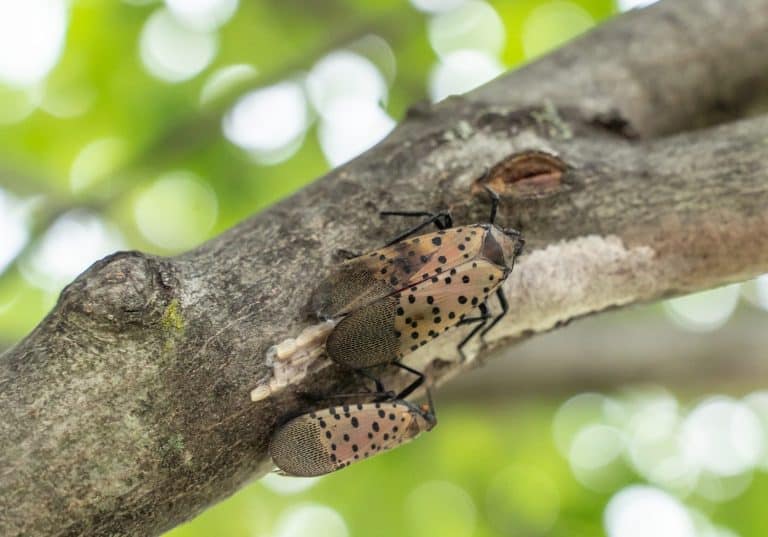
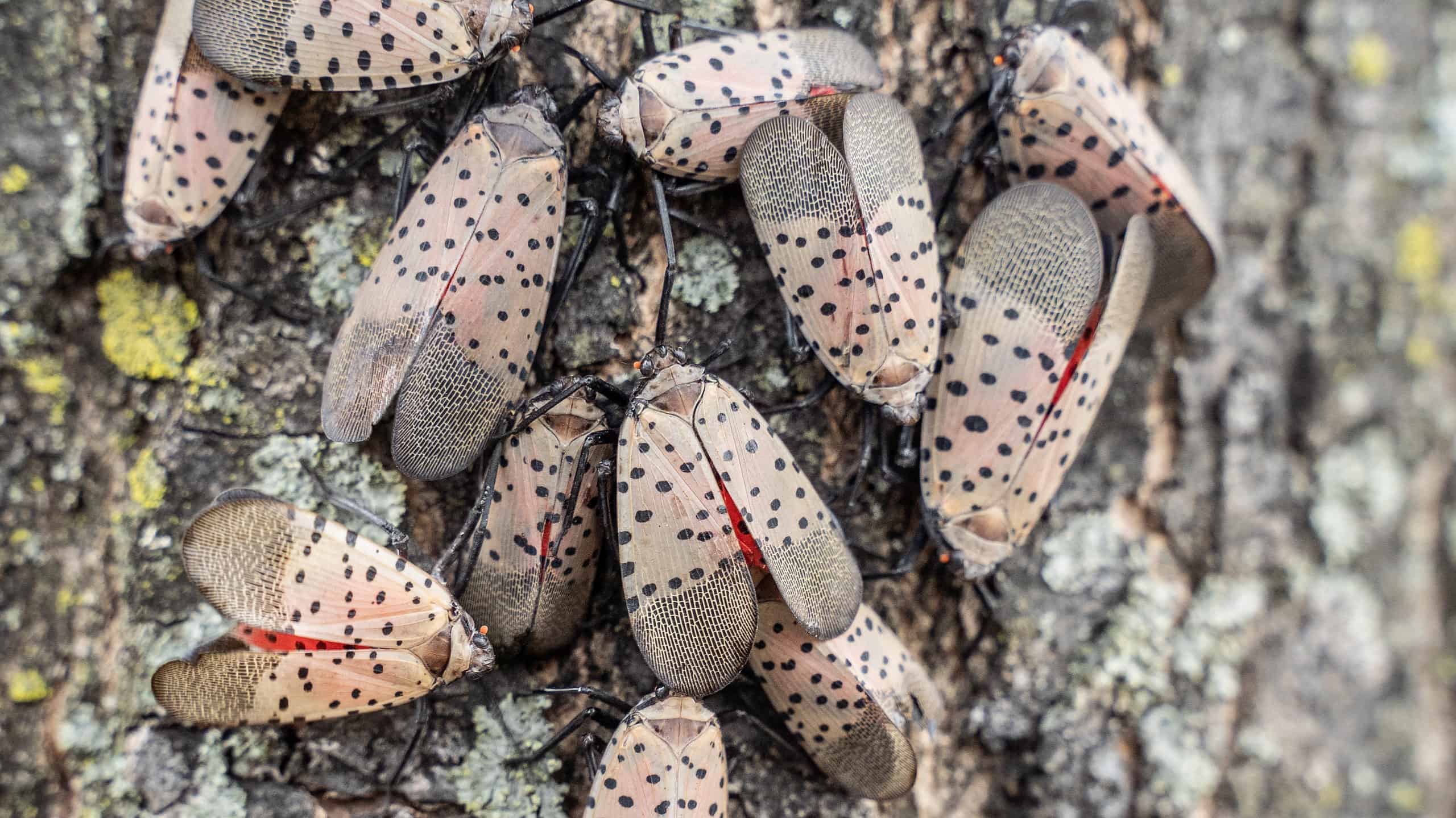
Spotted lanternflies are invasive and incredibly damaging to plants and trees.
©iStock.com/Cwieders
The spotted lanternfly is an invasive insect that lays camouflaged eggs on almost any hard surface and feeds on more than 70 vital plants. Because those eggs blend into their environment, visual surveys often miss them, especially in busy nurseries or agricultural zones. Detector dogs give us an advantage by working scent-first to flag what the human eye would typically miss, giving inspectors a faster and more reliable chance to stop this invasive species.
Inside the Dogs’ Training
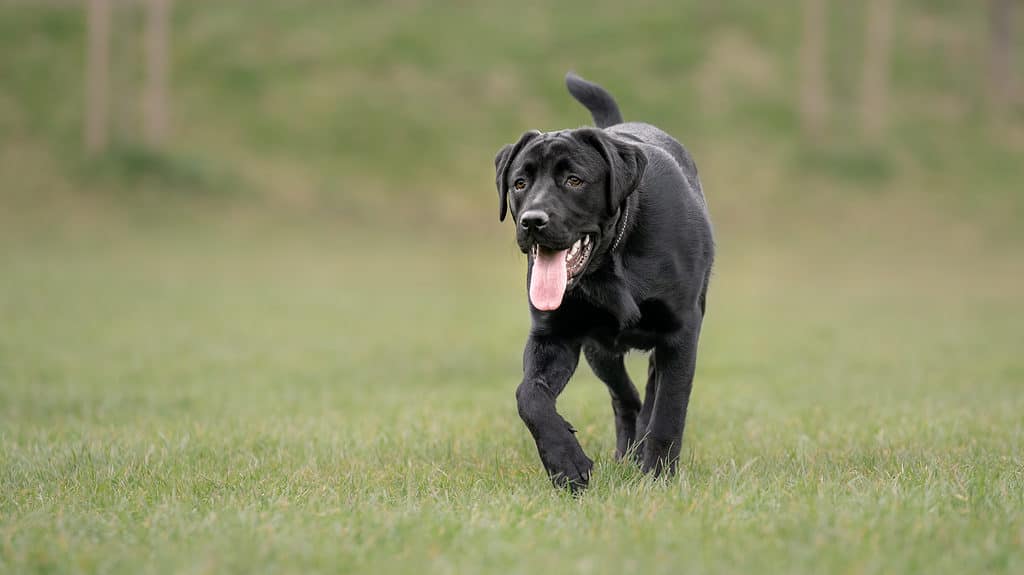
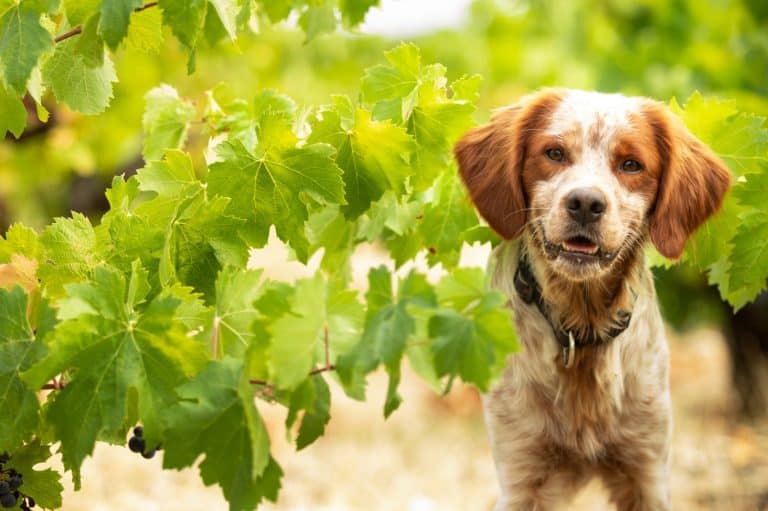
Labs have excellent senses of smell for a job like this.
©Schofield Images/Shutterstock.com
Winnie and Marcel are graduates of the USDA National Detector Dog Training Center, which prepares dogs to work alongside plant health inspectors. In Tennessee, the teams are stationed near known or suspected spotted lanternfly activity so they can stop infestations before they get out of hand.
Tennessee agriculture leaders see these dogs as an efficient new tool, but humans can also help. Citizen reports or sightings of the spotted lanternfly can make a significant difference in controlling this insect, which can cause extensive damage.
What Makes the Lanternfly So Costly
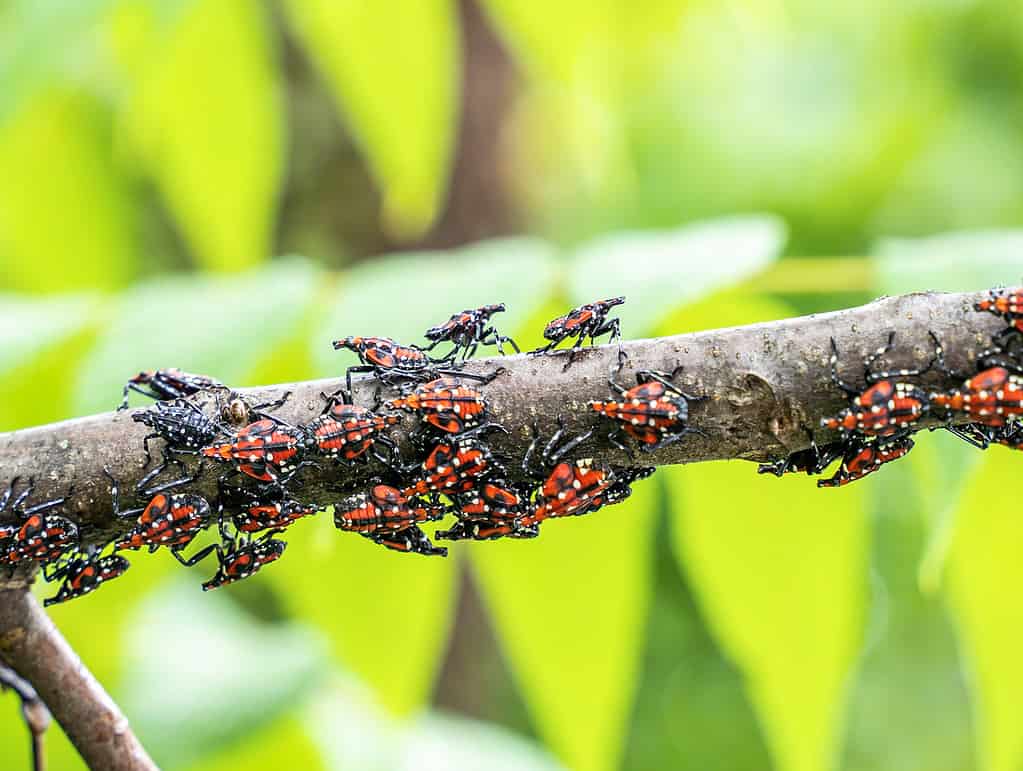
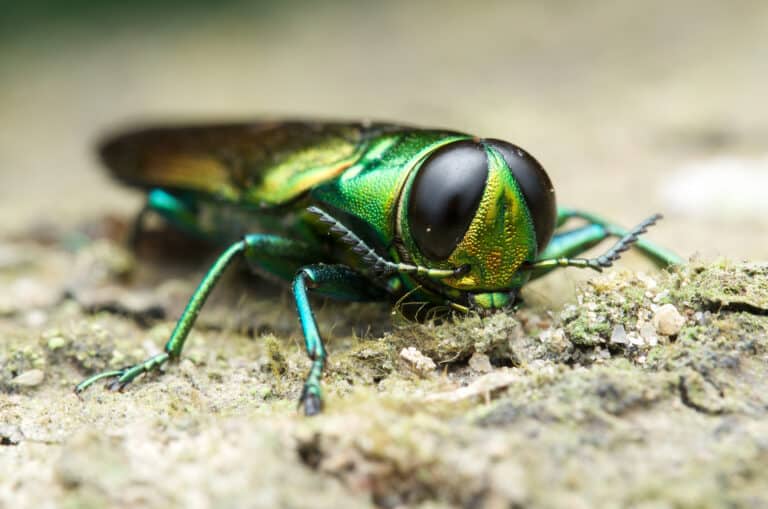
Entire plants and agricultural industries can be wiped out by spotted lanternflies.
©iStock.com/arlutz73
Lanternflies are known for their repeated heavy feeding on all types of plants, a way of feeding that can kill plants outright. Recent economic assessments warn of significant risks to grape and specialty fruit sectors should lanternfly infestations take hold, and there are always additional costs from increased spraying and labor. Entire industries can be devastated by this insect, which is why working dogs like Winnie and Marcel matter.
Early Results in Tennessee
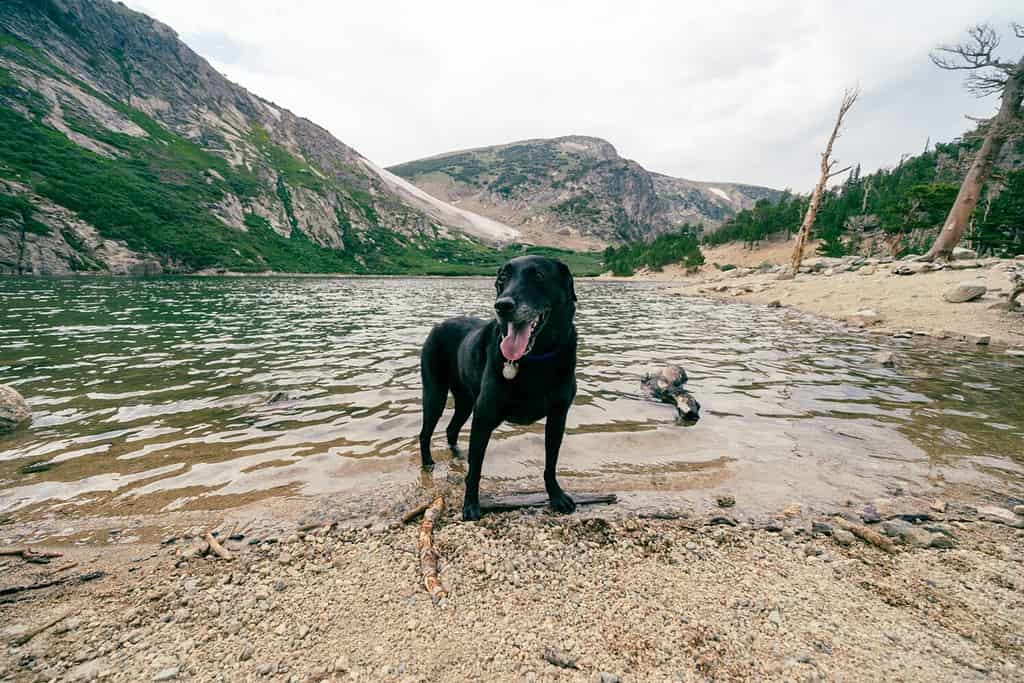
The early results of Winnie and Marcel’s work are trending positive.
©melissamn/Shutterstock.com
On a typical day on the job, Winnie and Marcel sweep rows of agricultural stock, alerting inspectors as they trace the scent source, which can be as subtle as a crushed lanternfly egg or tiny larvae. State updates and local reports indicate that these dogs have verified the presence of lanternflies in new areas and have even helped confirm detections following citizen tips.
Potential Lessons From These Pups
Tennessee’s use of spotted lanternfly detector dogs puts modern scent science to work, protecting our plants by finding these bugs early, containing them quickly, and safeguarding both growers and forests. As the seasonal movement of the lanternfly ramps up, the state plans to keep pairing public awareness with dog and inspector teams at nurseries, retail plant dealers, and other high-risk places.
Ultimately, this is a practical model that other states are beginning to test as well. These dogs are trained to find what humans can’t, and their noses may begin to make all the difference. We wish Winnie and Marcel luck in their work, as they are saving agriculture in Tennessee and beyond!