
Quick Take
- Eradicating every invasive ferret on Rathlin Island required a dedicated £4.5m five-year investment.
- Predatory ferrets quickly multiplied, creating a larger problem than the one they were introduced to fix in the first place.
- Deploying a red Labrador for scouting was essential to protect bird species such as the endangered corncrakes.
Mother Nature is often unpredictable, despite humans’ constant efforts to control her. The animal kingdom follows its own rules, and we can learn from it, but we’ve learned that it cannot be bent to our will. The consequences of these actions often become clear only years, decades, or even centuries later. Now, in 2026, some regions are trying to correct the consequences of a deliberate attempt to control a species.
On the remote Irish island of Rathlin, a colony of predatory ferrets once existed. The invasive species was introduced to control the population of another invasive species, but the effort ultimately failed. And as the ferret colonies grew, so, too, did the losses of Rathlin Island’s most vulnerable seabirds. Here’s how a £4.5m five-year partnership, community outreach, and a spirited red Labrador saved Rathlin Island’s seabirds.
Ferrets Were a Good Idea in Theory
It’s believed that predatory ferrets (Mustela putorius furo) were introduced to Rathlin Island sometime during the 1980s. At less than three pounds, these small mammals are effective and efficient hunters. Their intended role in Rathlin Island’s ecosystem was to control the population of invasive wild rabbits. As wild rabbits, an invasive species themselves, began to overtake the island, ferrets were swiftly introduced to hunt them. In theory, providing a predator for the wild rabbits seemed like a no-brainer. In reality, it would only lead to more problems and put other native species at risk.
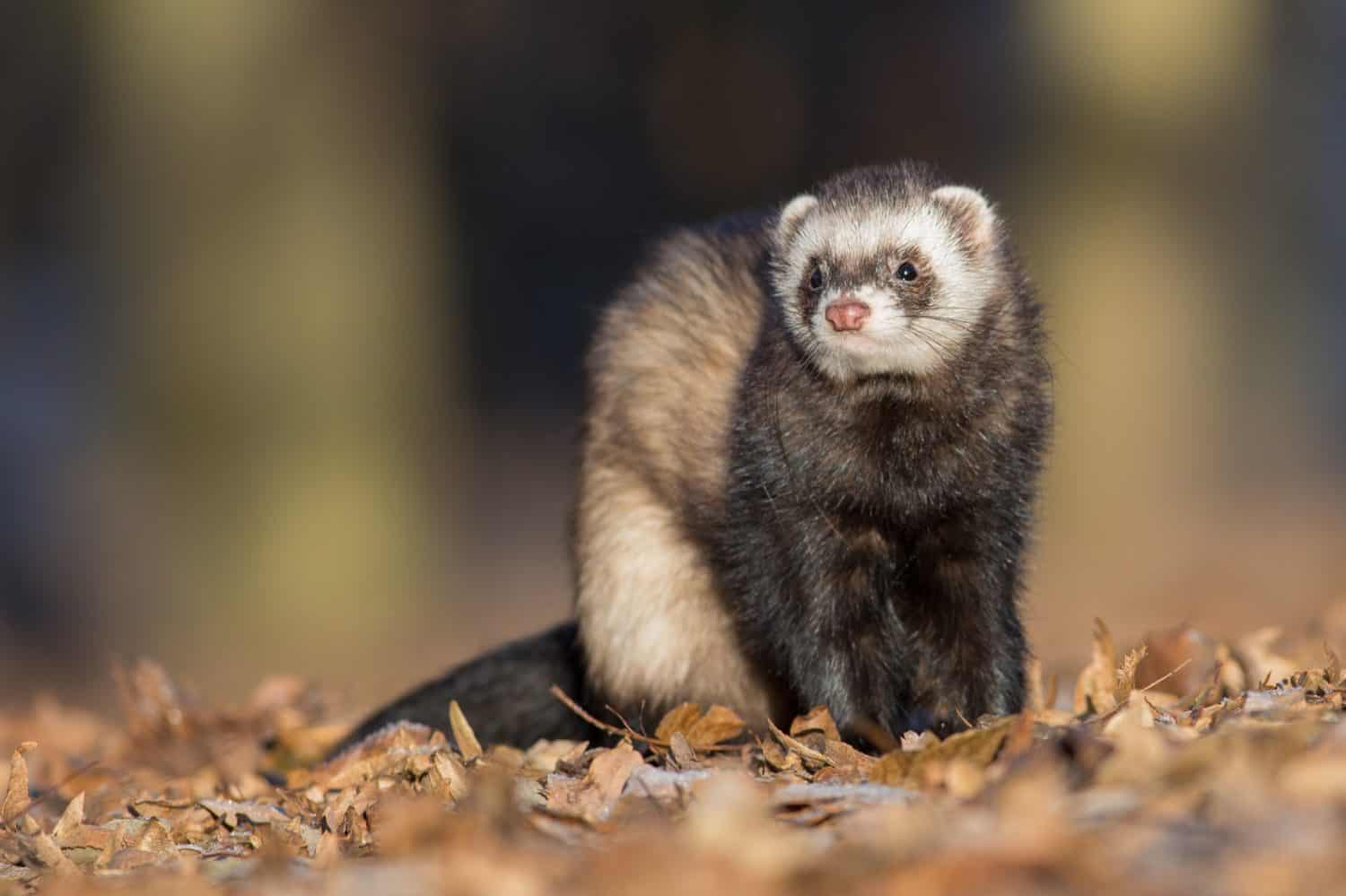
Predatory ferrets look cute, but are fearsome hunters in the wild.
©Pavel Hajer/Shutterstock.com
Since ferrets rely on the burrows of other animals for shelter, they immediately caught the scent of wild rabbits. Not only did their instincts heighten their prey drive, but the rabbits’ burrows also doubled as shelter and hunting spots. While this worked well to control the wild rabbit population, there was one significant oversight. On Rathlin Island, predatory ferrets had no natural enemies.
For some species, such as the endangered black-footed ferret, sylvatic plague is the primary cause of death. The disease is transmitted through prairie dog colonies in North America, which are the natural prey of black-footed ferrets. Ferrets become infected by the same fleas that bite the prairie dogs. With a mortality rate of 98%- 100%, few ferrets survive once infected. On a remote island like Rathlin, threats such as sylvatic plague do not exist, allowing the ferrets to reproduce unchecked.
A Severe, Ferret-Sized Problem
As with many predatory species in the animal kingdom, there was no way to control what Ireland’s ferrets consumed. After hunting down a significant number of wild rabbits, they quickly moved on to other native species, including Northern Ireland’s seabirds. Significant declines were observed in populations of puffins, razorbills, Manx shearwaters, and guillemots due to ferret predation. The problem took a turn for the worse when Rathlin Island’s corncrakes—an endangered land bird—were also at risk from ferret predation.
By the time anyone realized the damage, a significant number of seabirds had been killed by the invasive ferrets. As they continued hunting native seabirds, the ferrets’ own populations skyrocketed, soaring past 100 individuals. Despite initial assumptions that only male ferrets were present, the increasing population indicated that breeding pairs had been established.

Rathlin Island’s rabbit species are also invasive, causing one problem to lead to another when ferrets were introduced.
©Shawn.ccf/Shutterstock.com
By 2017, all eyes were on the ferrets and their destruction. At one point, a single ferret decimated a colony of puffins, killing 26 in just two days. Atlantic puffins, as well as guillemots, became at-risk species. They were also forced out of their cliffside habitats and had no choice but to move farther toward the sea to evade predators. Unfortunately, these seabirds already had another predator to watch out for: the brown rat. Even as many birds moved their nests closer to the crashing tides, brown rats were agile enough to scale the cliffs in search of a meal.
Something Had to Be Done to Save the Seabirds
Domesticated chickens were also on the menu for the now-thriving ferret population. They wreaked havoc on farmers’ land and found their way into coops. If they weren’t stopped, Rathlin Island’s ecosystem may have suffered permanent damage. But, thankfully, the island was quick to address the issue and gather all the help it could. The Life Raft, funded by EU Life, the National Lottery Heritage Fund, Northern Ireland’s Department of Agriculture, Environment and Rural Affairs, and the Garfield Weston Foundation, stepped forward. To protect Rathlin Island’s most vulnerable seabirds, the initiative installed 110 cameras across the island.
These cameras monitored ferret activity, but this was only the beginning of Northern Ireland’s plan. Thermal drones were also launched across the island to track the ferret’s movements. On the ground, a highly skilled red Labrador named Woody tracked their scent and located ferret latrines. Using all the information gathered from this three-pronged approach, live traps were set to catch the ferrets.
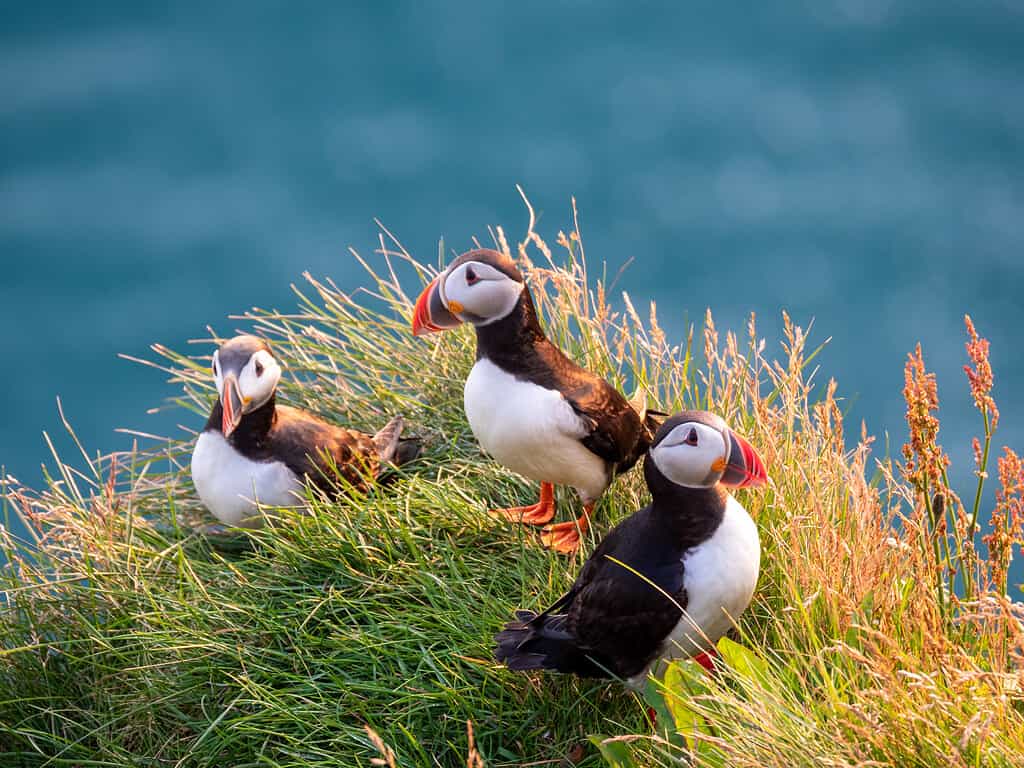
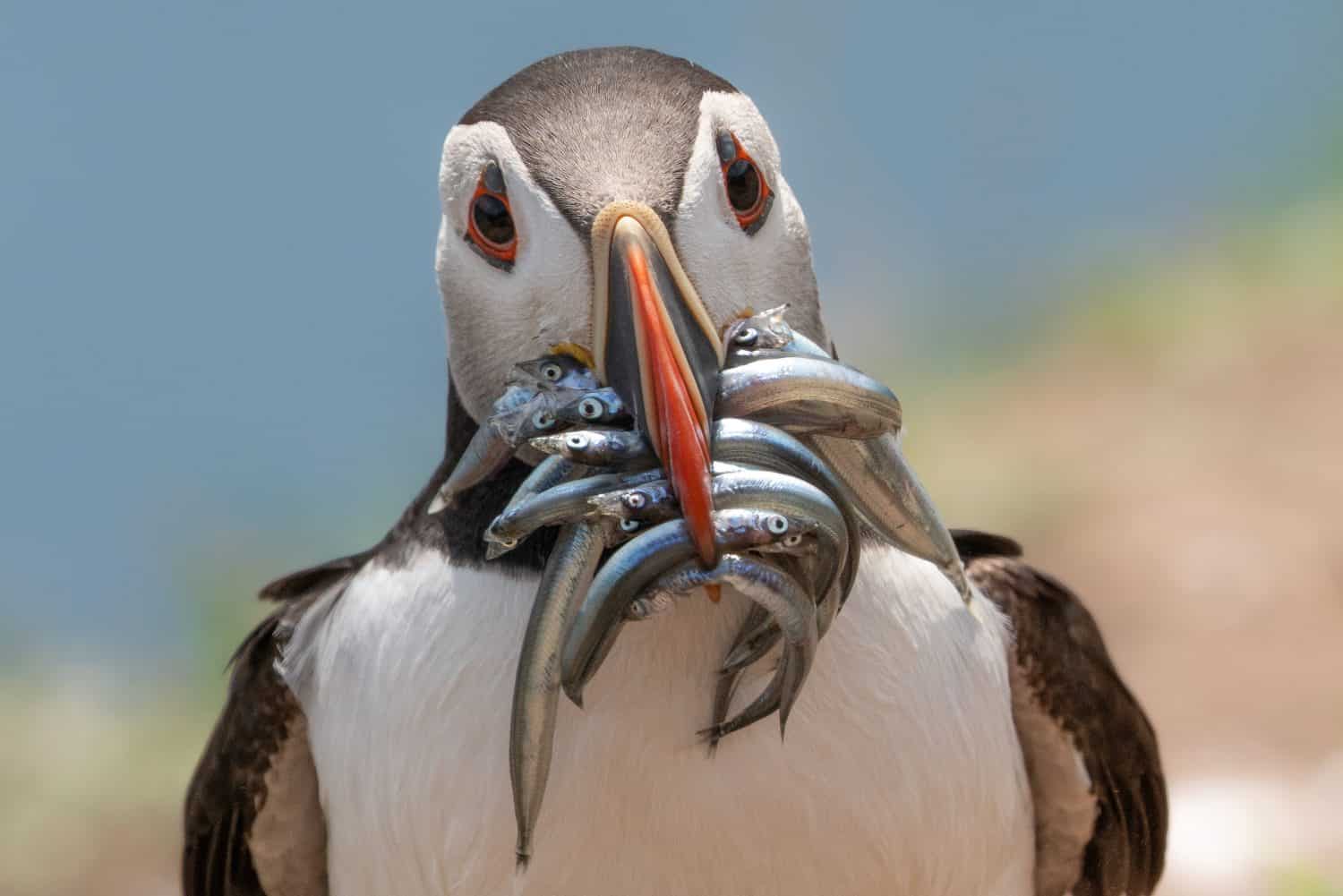
Puffins make their home in cliffside crevices, which become hunting grounds for predatory ferrets.
©bzzup/iStock via Getty Images
Throughout the eradication process, volunteers and trained professionals tried to be as humane as possible. They reached trapped ferrets as quickly as possible to reduce their suffering. Staff euthanized the ferrets quickly, a method of removal that is still considered the most ethical.
“Lots of people like ferrets, but they are a non-native species here, and the situation was getting worse. It’s going to make a massive difference, especially to the wildlife – the seabird colony will hopefully come back to what it was like twenty years ago, and the people who keep chickens on the island will be able to keep their chickens. It’s a win-win for everybody,” Tom McDonnell of the Rathlin Development & Community Association said in an interview with The Guardian.
Rathlin Island Isn’t the First to Deal With an Invasive Species
As of March 2026, predatory ferrets have been completely eradicated from Rathlin Island. Now, their efforts have shifted to eradicating the island’s overrun rodent population. However, Northern Ireland isn’t the first to attempt to remove an entire invasive species. In 2014, $24.5 million was invested in an MIPEP project to eradicate rabbits. Specialized hunting teams were sent out with hunting dogs to track down the animals, following an extensive aerial baiting plan. Rabbits were completely removed from the island, along with invasive rodents such as rats and mice. The rabbits, which were introduced to Macquarie Island in the 19th century, had grown from an original population of 300,000 to an even larger number.
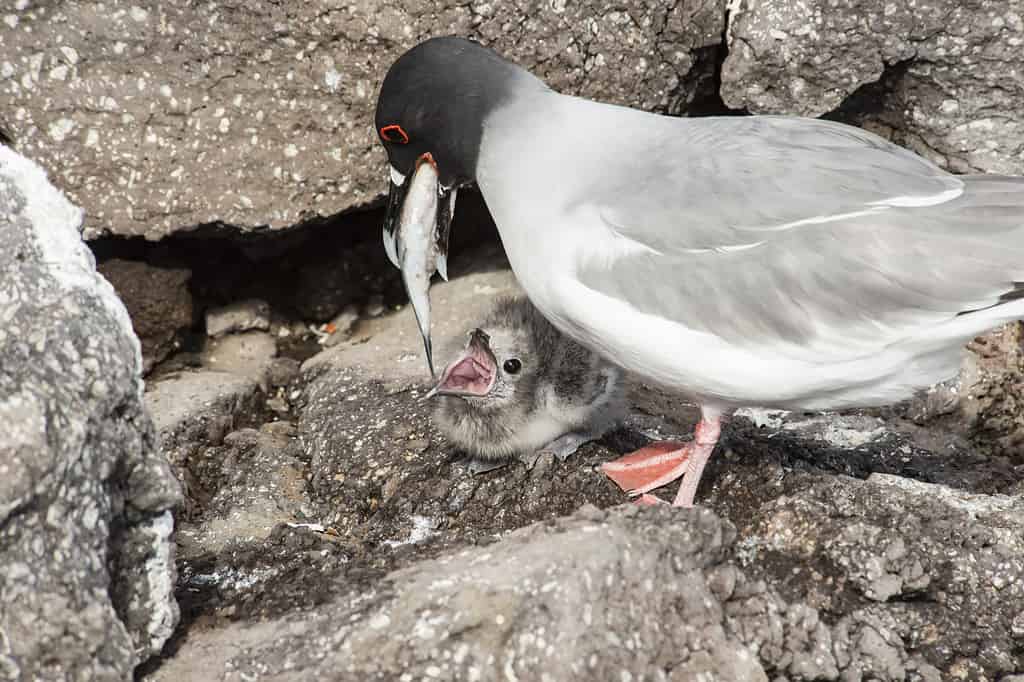
The Galapagos Islands are home to some of the world’s rarest animals, such as the lava gull, which must be protected from invasive species.
©stonena7/iStock via Getty Images
Eradicating an invasive species is a costly and challenging endeavor, but it’s also one that saved several threatened species on the Galapagos Islands. During the 19th century, pigs and goats were introduced to the remote island, increasing competition for food, particularly with the island’s native tortoises. Project Isabella began in 1997, and it took nearly a decade to rid the island of its invasive species. As a last resort, specialized teams used a program called the “Judas goat,” where goats with radio collars led hunters to the last remaining individuals. By 2006, the island was finally free of these invasive species.
In many of these endeavors, aerial components were used to monitor invasive species. High-powered tech, such as drones and thermal cameras, also plays a significant role in locating unwanted animals. While Project Isabella relied on aerial surveillance and radio tracking, Rathlin Island’s recent ferret eradication was streamlined by drone footage, infrared technology, and on-the-ground volunteers.