
Quick Take
- Virginia once tried to quarantine spotted lanternflies statewide but officially abandoned that effort. What went wrong says a lot about how bad the infestation has become. See how the quarantine failed →
- This season's lanternflies hatched early, but the real damage from that timing won't be obvious until next summer. Read about early hatching →
- One tree already growing on many Virginia properties is essentially rolling out the welcome mat for spotted lanternflies, and most homeowners have no idea it's a problem. Find out which trees are at risk →
- Killing adult lanternflies this summer is only half the battle. Skipping one winter step could undo all of it. See the winter steps to take →
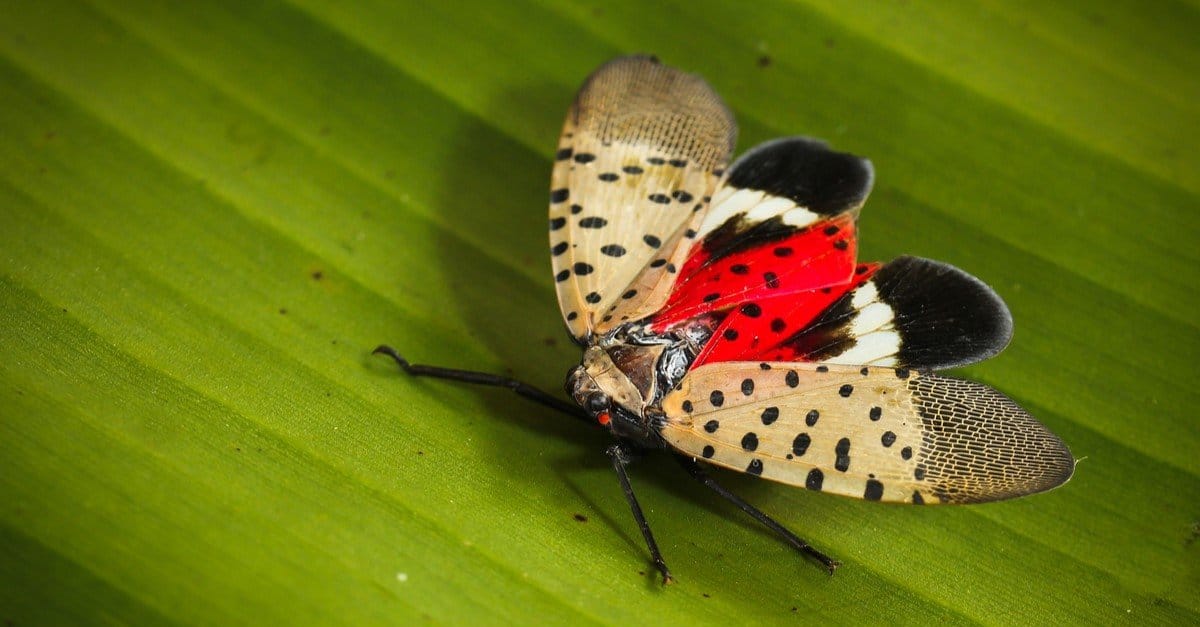
Peak spotted lanternfly season has arrived in Virginia, prompting residents to take action to curb the spread of the invasive insects. Given how widespread the invasion is in the state, many wonder whether containment can be achieved. According to officials, with a bit of vigilance now and into the fall, it is possible to reduce the spotted lanternfly population.
Peak Spotted Lanternfly Season Has Hit Virginia
Spotted lanternflies have been observed flying around most counties in Virginia, signaling that not only is summer in full swing, but lanternfly season is as well. The adults can be found in large numbers as they are busy mating and laying eggs, creating the next generation of lanternflies.
If spotted lanternflies only mated and laid eggs, their presence would not be a significant concern. But spotted lanternflies leave a trail of devastation across the region, harming native vegetation and trees, as well as the local economy.
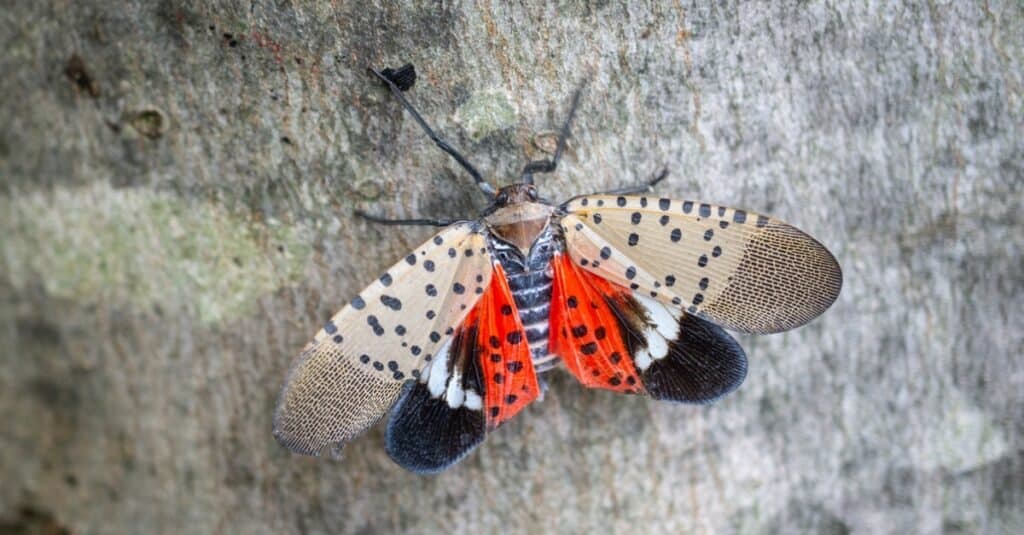
The spotted lanternfly has hatched two weeks early in Virginia due to warmer temperatures during the late spring and early summer.
©iStock.com/arlutz73
Spotted lanternflies suck sap from trees, which causes the sap to accumulate and promote mold growth. This weakens and can eventually kill the trees. Both the nymphs and adults participate in the tree destruction.
To make matters worse, warmer temperatures in spring and early summer caused the eggs to hatch early. The two-week head start on last season may mean a larger population of spotted lanternflies next summer, prompting officials to advise residents to act now to eliminate the lanternflies at all life stages.
What Vegetation Is Most at Risk?
Invasive species can become problematic for native species by competing for food sources, preying on them, or altering entire habitats. In the case of spotted lanternflies, native trees are dying, and invasive tree species are taking their place, altering ecosystem landscapes.
Spotted lanternflies are also causing economic problems due to the vegetation they target. The trees and plants most often decimated by lanternfly presence are as follows:
- Grapevines
- Hops
- Stone fruit trees, such as cherries, plums, and peaches
- Hardwood trees, such as maple, walnut, and oak
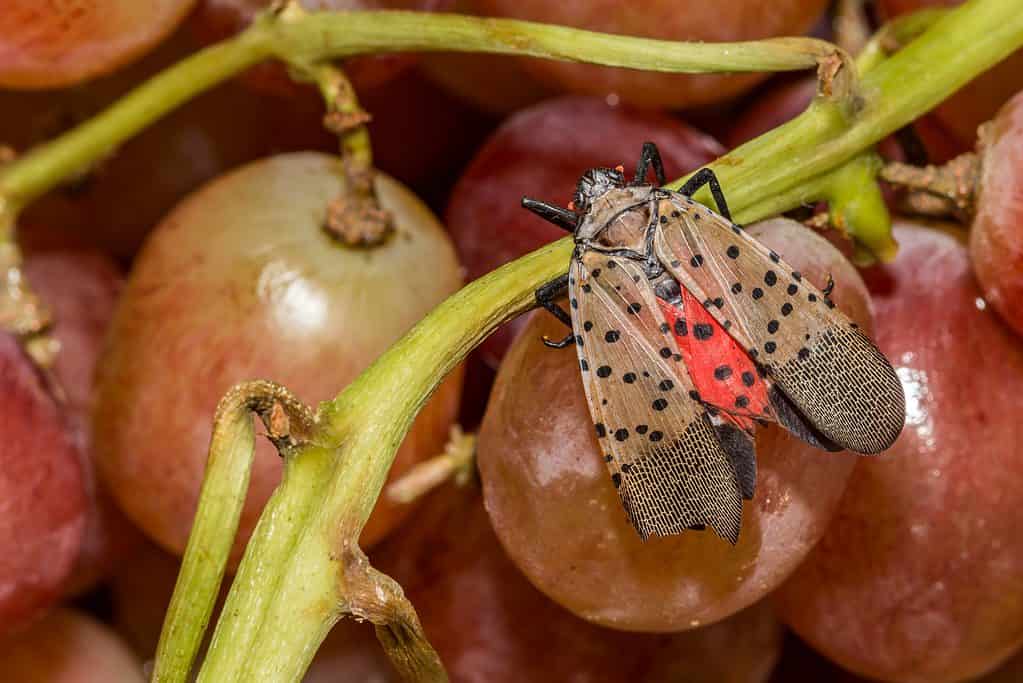
Spotted lanternflies will target grape vines, devastating crops in the process.
©Jay Ondreicka/Shutterstock.com
Additionally, spotted lanternflies are drawn to the tree of heaven. This tree is not native to Virginia and was introduced from China in the 1700s as an ornamental.
The issue with lanternflies targeting these trees and crops is that they are slow-growing. Infestations can kill them, leading to decreased yields for years until new trees and crops mature and begin producing again.
How Spotted Lanternflies Became Invasive in Virginia
Spotted lanternflies are native to Asia. Before 2014, they were not an invasive species in the United States. However, that year, lanternflies were discovered in Pennsylvania, likely as a result of undetected egg masses on transported goods. Unfortunately, it did not take long for the insects to move across state borders.
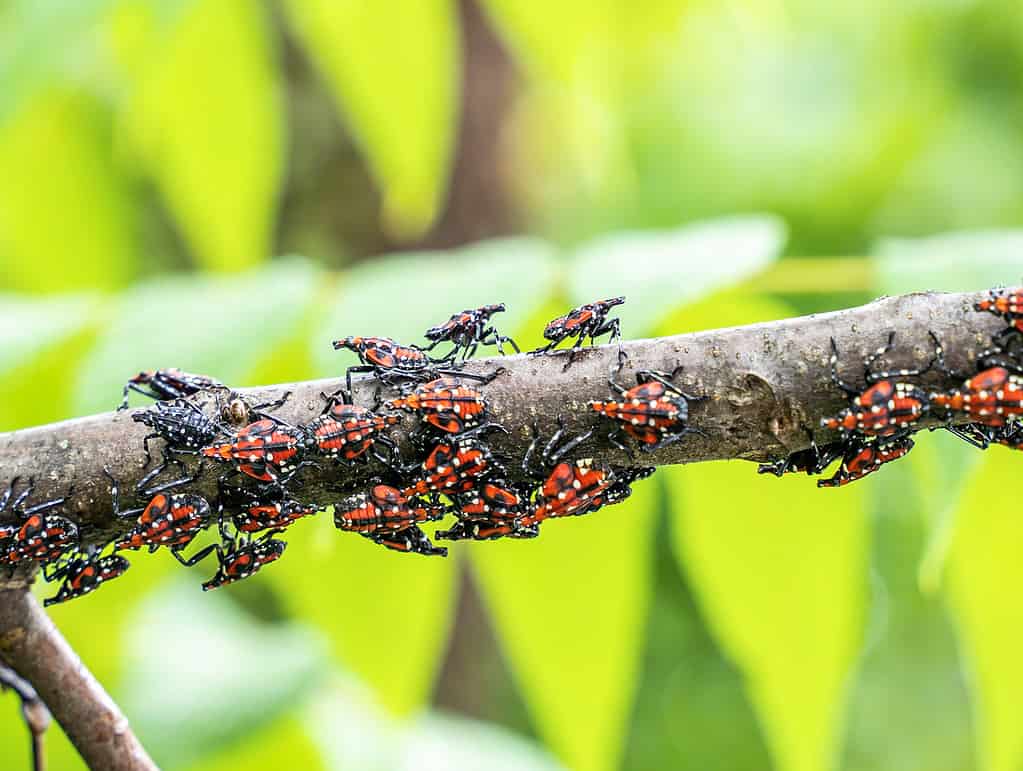
Spotted lanternflies first arrived in Virginia on goods transported across state lines.
©iStock.com/arlutz73
After spotted lanternflies were confirmed in Virginia in 2018, the state attempted to quarantine and inspect shipments entering the state to prevent the population from increasing. Because of how quickly lanternflies can spread, the quarantine was found to be ineffective. Consequently, the quarantine process was repealed in 2025, with officials noting it was no longer possible to contain the spotted lanternflies.
What Virginians Can Do to Stop the Spread of Spotted Lanternflies
Spotted lanternflies can be found in half the counties in Virginia. The biggest cause of spread is attaching themselves to farm equipment or vehicles and being transported from infested regions into areas where the lanternfly has yet to take hold. Because of this, officials are asking residents to take a proactive approach: not only to prevent lanternflies from spreading to new counties, but also to significantly reduce their populations where they are already established.
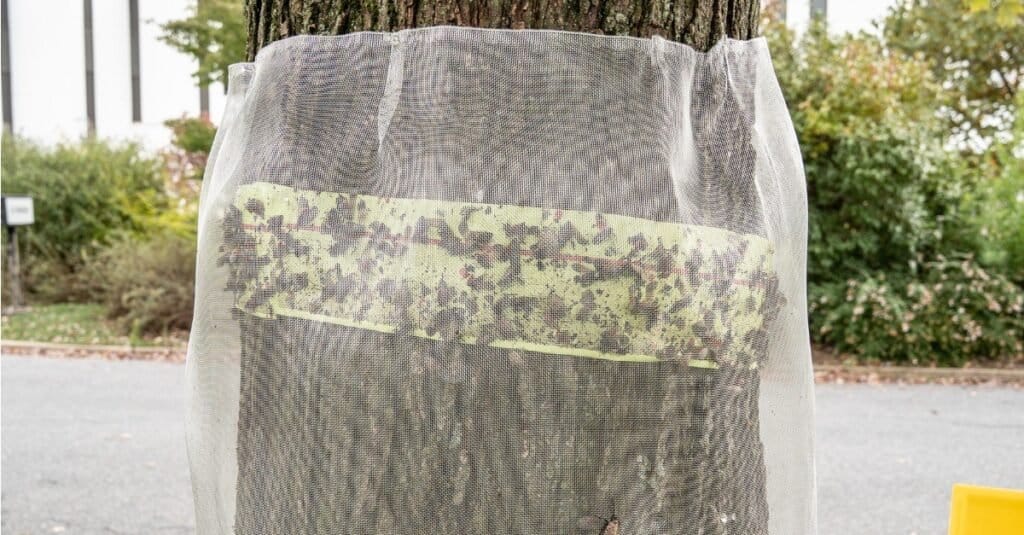
Sticky tape is one of the options that can be used to stop the spread of spotted lanternflies.
©iStock.com/arlutz73
The ways in which residents can help reduce spotted lanternflies in Virginia include:
- Check vehicles, farm equipment, and materials transported into the county for eggs, nymphs, or mature lanternflies
- Scrape off egg masses and discard them in soapy water
- Remove tree of heaven from the property, given that this is the preferred tree for lanternflies to feed on
- Apply circle bands or sticky traps to the base of trees to stop lanternflies from moving beyond one tree
- Remove and kill any lanternflies when they are active during the summer months
- Do not transport soil, plants, or wood out of infested counties
The goal is to contain the lanternflies within the counties they already inhabit. By stopping the spread and reducing the population—killing spotted lanternflies during the summer when they are active and removing eggs in the winter—the species may eventually be eradicated from the state. Just how long it will take to reach this point, however, remains to be seen.