
Quick Take
- Your cat probably hunts less than a wild predator, yet researchers say it is doing far more damage to local wildlife. See why density matters →
- The GPS data revealed something unexpected about how little ground housecats actually cover, and that small footprint turns out to be the whole problem. Explore the GPS findings →
- There are two simple changes cat owners can make that meaningfully reduce wildlife impact, and neither one involves keeping your cat inside. See the two changes →
- One wild predator comparison from the study reframes what it means for cats to stay close to home in a way most owners won't see coming. See the wild predator comparison →
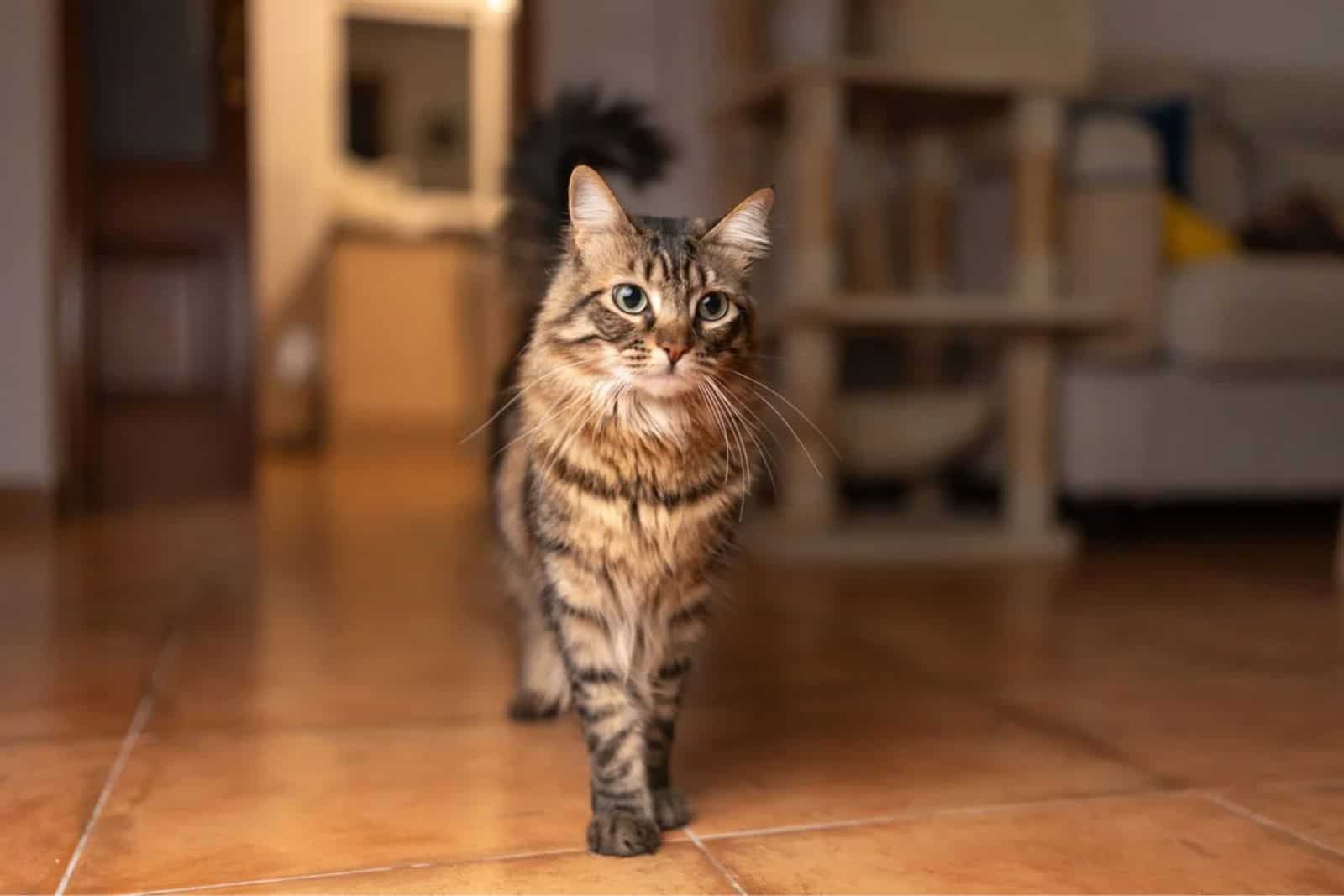
Pet owners in six countries strapped small GPS backpacks onto 925 cats and let them go about their days. What came back was a lot of data about how little ground a housecat actually covers, and a very different story about what that small footprint means for the wildlife living in it.
Researchers led by Roland Kays at North Carolina State University published the results in the journal Animal Conservation, and the core finding still gets cited constantly: pet cats have an outsized effect on local wildlife, not because any one cat is a prolific hunter, but because so many of them are hunting the same small patch of ground at once.
How Small a Range Really Is
The GPS data put the average pet cat’s home range at just 3.6 to 5.6 hectares, and most of a cat’s outdoor activity happened within roughly 100 meters (328 feet) of its own front door. Only three of the 925 cats tracked ever ranged beyond one square kilometer.
For comparison, wild predators of similar size roam far wider. A jungle cat, for instance, might cover 605 hectares, more than a hundred times the area of a typical housecat’s patch, according to the study. A pet cat isn’t a weak hunter by comparison; it’s a hunter working an extremely small, extremely familiar territory.
Why Concentrated Numbers Beat Individual Impact
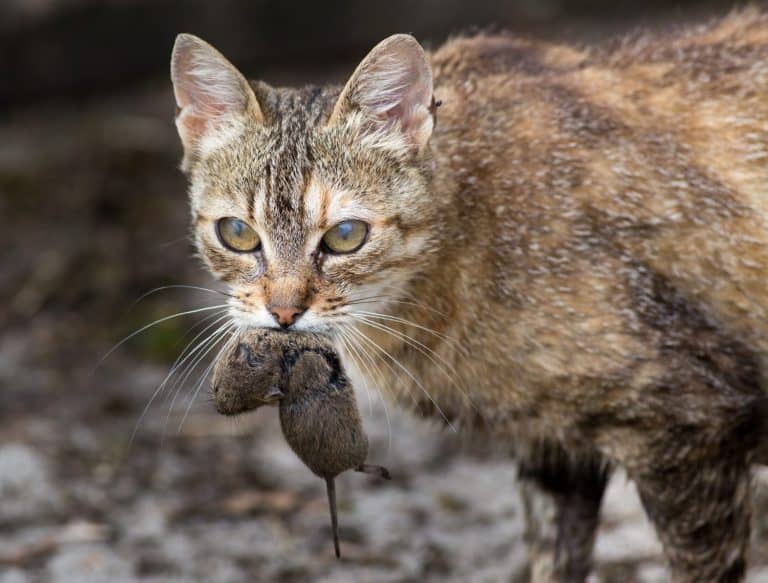
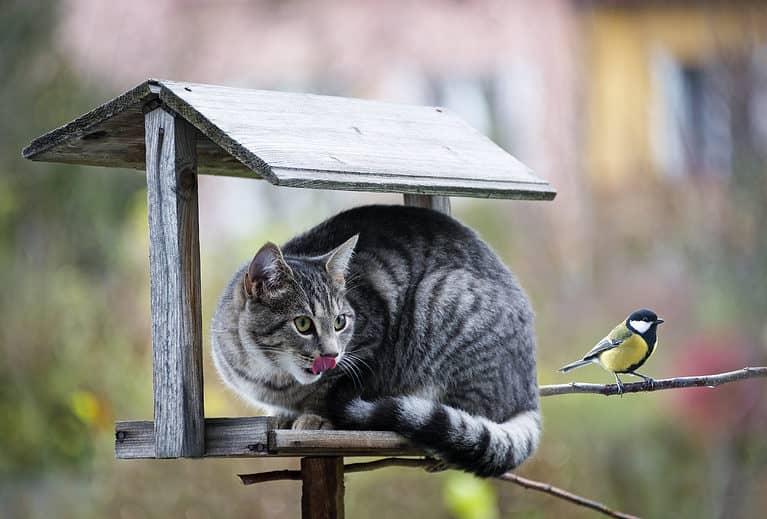
Owners in the study reported their cats brought home an average of 3.5 prey animals a month, a number that researchers adjusted to account for kills cats don’t carry back. On a per-animal basis, that puts a single housecat’s predation roughly in line with a similarly sized wild predator.
The difference shows up once you add density into the picture. Wild predators are typically spread thin across large territories. Pet cats live stacked one against another across entire neighborhoods, each working its own small patch, with many of those patches overlapping. Multiply a modest monthly kill count by that many cats sharing the same small area, and the researchers calculated the combined local impact runs two to ten times higher than a comparable wild predator would produce in the same space, Kays said. It’s worth noting this is a single study, and its kill estimates rest partly on what owners noticed and reported, so the real numbers likely carry some uncertainty either way.
What Owners Can Do
A separate, later study by researchers at the University of Exeter tested practical ways to cut that impact without confining cats indoors. Feeding cats a higher-meat-content diet reduced the number of prey animals brought home by 36%. Just 5 to 10 minutes of daily play with a wand toy, letting a cat stalk, chase and pounce on something, cut predation by 25%, likely by satisfying some of the same instinct that drives outdoor hunting.
Neither change asks an owner to restrict their cat’s freedom. Both simply work with a cat’s habits rather than against them, which may be part of why they held up as effective where confinement and other more restrictive measures often meet resistance from owners.