
Quick Take
- The ASPCA Veterinary Forensic Science Center opened in late 2020 as the nation’s first multidisciplinary forensic laboratory.
- Investigating animal cruelty now requires specialized scientific support for over 3,000 animal victims across the nation.
- Before 2020, the lack of a multidisciplinary forensic laboratory left law enforcement without a lot of essential evidence for prosecution.
- Veterinary forensic findings are now a critical indicator for identifying animal neglect and abuse and lend themselves to helping with child abuse, domestic violence, and more.
In a quiet corner of Gainesville, Florida, science is speaking up for animals who can’t speak for themselves.
The ASPCA Veterinary Forensic Science Center opened in late 2020 as the nation’s first multidisciplinary forensic laboratory dedicated to assisting law enforcement and animal control agencies investigating cruelty and neglect cases. At its heart, the Center exists for one simple reason: to give animal victims a voice rooted in science.
At the helm is Dr. Rachel Touroo, Senior Director, ASPCA Veterinary Forensic Sciences. Essentially, she’s a forensic veterinarian whose work sits at the intersection of animal medicine and criminal justice. And if you think “veterinary forensic science” sounds like something out of a CSI or Law & Order episode, you’re not totally off-base. Crucially, the Center didn’t open because it would be nice to have. It opened because it was desperately needed.
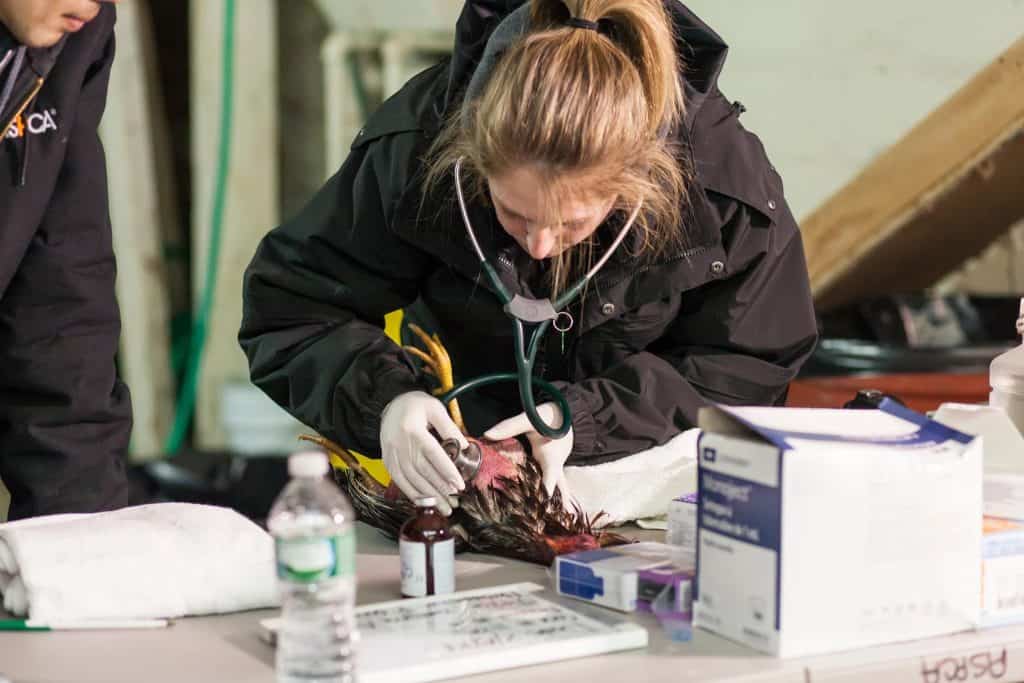
Dr. Rachel Touroo documents evidence during a suspected cockfighting investigation, part of the forensic process that helps support animal cruelty cases and potential prosecution.
©ASPCA – Original
“When the ASPCA Veterinary Forensic Science Center opened in Gainesville in late 2020, it filled a critical national gap,” says Dr. Touroo. “At the time, there was no dedicated facility providing comprehensive forensic support for companion animal cruelty investigations across the country. Prior to opening the Center, the ASPCA Forensics team assisted law enforcement whenever possible, but without a dedicated facility, it was challenging to make the broader impact needed.”
“By establishing a purpose-built veterinary forensic laboratory and assembling a specialized team, we can support agencies nationwide with timely, high-quality forensic casework,” she adds. “With this expanded capacity, we are now able to contribute meaningfully to far more investigations and help drive stronger outcomes.”
Why the ASPCA Veterinary Forensic Science Center Was Needed
Before the Center existed, forensic veterinarians were doing what they could, often without the laboratory infrastructure needed to handle complex evidence. Can you imagine trying to solve a crime without access to the right tools? That was the reality. The Gainesville facility changed that overnight. Instead of piecemeal assistance, law enforcement agencies across the country now have access to a specialized lab built specifically for animal cruelty investigations.
And when you’re dealing with evidence that has to be able to stand up in court, “good enough” just isn’t…well, good enough.
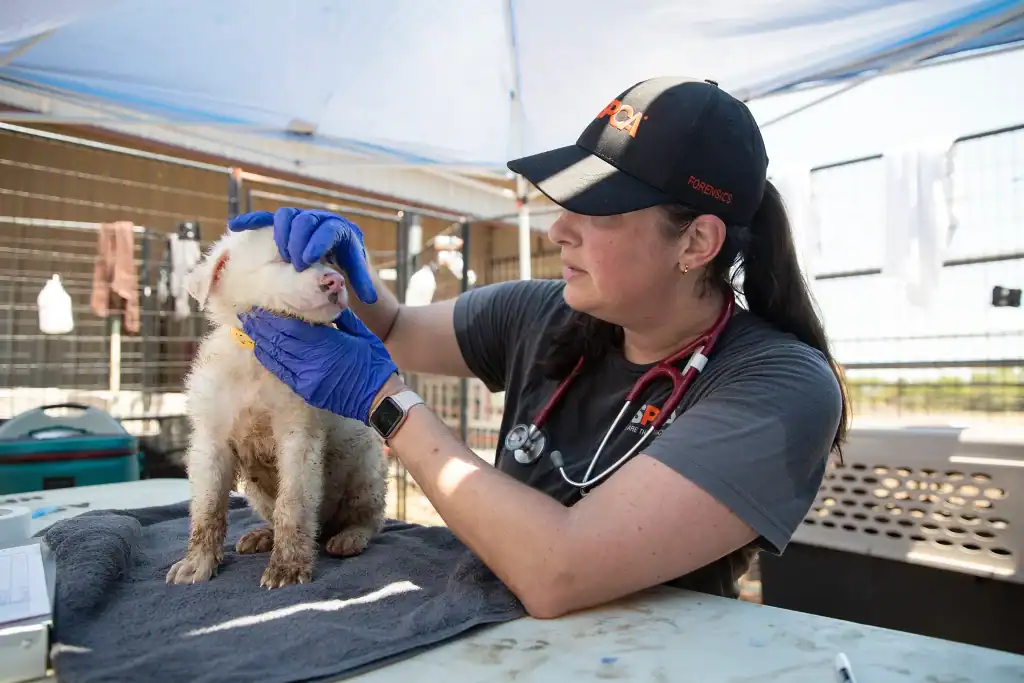
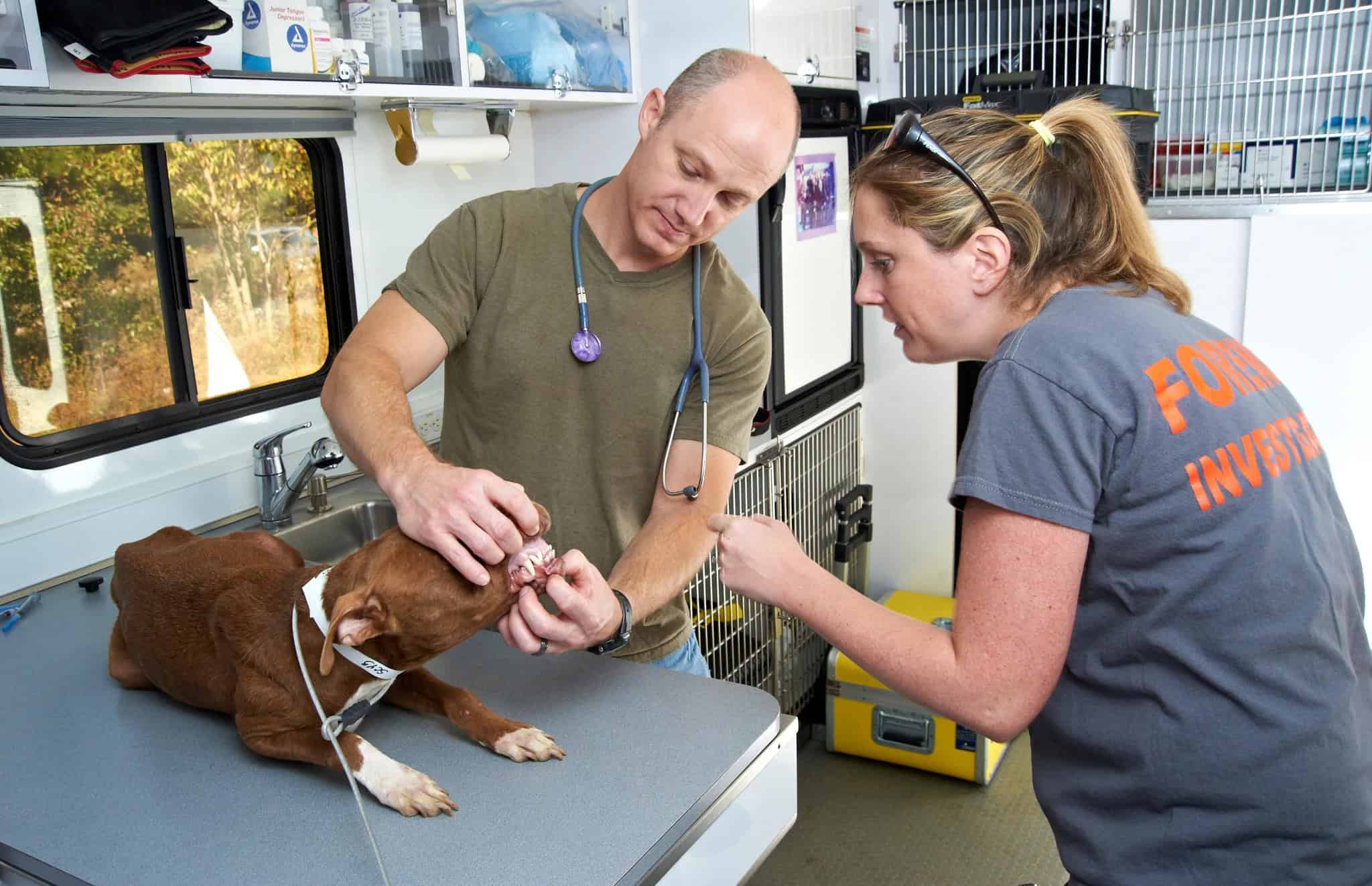
Veterinary forensic exams help document the physical condition of neglected animals, providing critical medical evidence that can be used in court. Image: ASPCA
©ASPCA – Original
The ASPCA Veterinary Forensic Science Center team has assisted more than 3,000 animals and collaborated with over 100 unique jurisdictions nationwide, strengthening the investigation and prosecution of animal cruelty cases.
Dr. Rachel Touroo, Senior Director, ASPCA Veterinary Forensic Sciences
Inside the Work of Veterinary Forensic Science
The Center is described as “multidisciplinary,” but what does that really mean? Essentially, it means that we aren’t just talking about one vet with a microscope.
“The facility is staffed with veterinary forensic experts, including four veterinarians, a veterinary technician, and two crime scene analysts equipped to assist law enforcement with animal cruelty investigations and prosecutions through services such as scene response, necropsies, live animal forensic exams, forensic osteology, as well as assist with some non-animal evidence such as fingerprints and DNA,” explains Dr. Touroo.
And that’s not all. The Center functions not only as a forensic laboratory but also as a hub for research and education, sharing its expertise with animal welfare professionals across the country. This helps strengthen the prevention and response to cruelty cases. Forensic veterinarians serve a role comparable to that of human medical examiners, analyzing physical evidence such as injuries, biological samples, and other materials to connect animal victims to suspects and crime scenes. Of course, the key distinction is that their patients and victims are animals rather than people.
In everyday terms, that means this team is part medical professional, part investigator, part educator. A broken bone isn’t just an injury. It might reveal timing, force, or a pattern of abuse. A toxicology report might confirm poisoning. DNA can tie a suspect to a crime scene. And these findings don’t just live in medical charts; they become courtroom testimony.
What Animal Cruelty Cases Look Like Up Close
So what kinds of situations land on their exam tables? “Veterinary forensics supports criminal investigations involving an animal or group of animals, including potential cases of neglect, physical abuse, and animal fighting,” shares Dr. Touroo. “Whenever a potential crime involves an animal, a veterinarian is needed to assist the court in understanding any relevant medical information regarding the animal by rendering a medical opinion.”
And make no mistake, that medical opinion carries weight. Courts depend on experts to explain whether injuries are accidental or the result of repeated harm. Veterinary forensic science fills in those blanks with facts, not guesses.
It’s serious work, and it’s also deeply impactful. When evidence is clear and credible, prosecutors are better equipped to move forward with confidence.
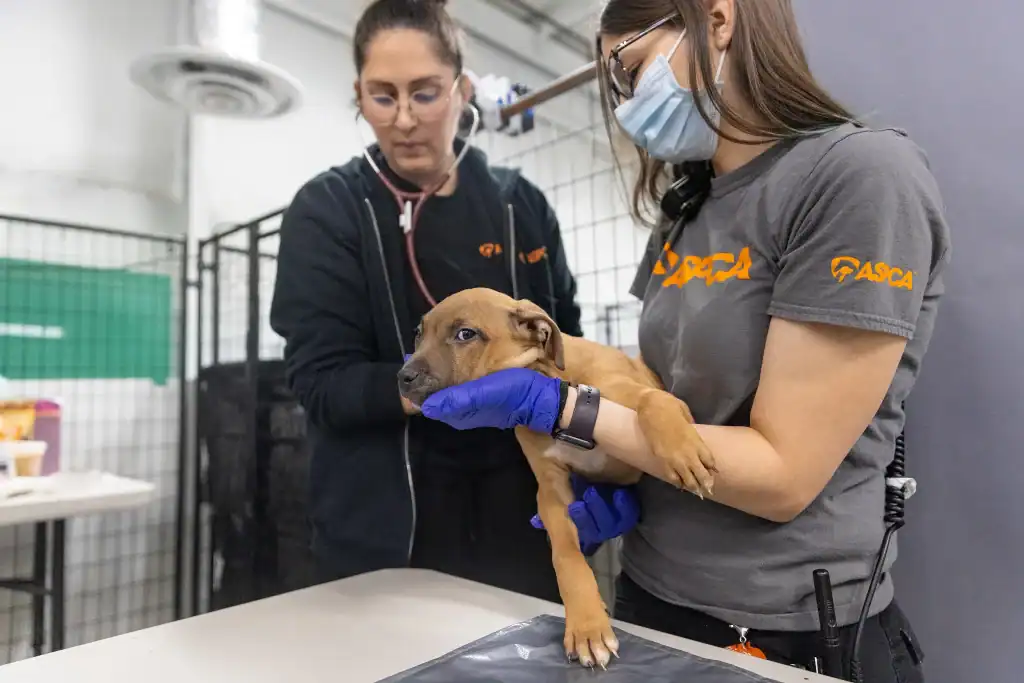
In suspected dogfighting cases, forensic veterinarians examine injuries and other physical evidence to help investigators determine what happened. Image: ASPCA
©ASPCA – Original
Why Gainesville Became the Center of This Work
The program is located in Gainesville thanks to a ten-year partnership between the ASPCA and the University of Florida Maples Center for Forensic Medicine. The ASPCA helped the school establish the country’s first academic program in veterinary forensic sciences.
Since the center opened its doors, the results have spoken for themselves. “The ASPCA Veterinary Forensic Science Center team has assisted more than 3,000 animals and collaborated with over 100 unique jurisdictions nationwide, strengthening the investigation and prosecution of animal cruelty cases,” Dr. Touroo tells us. “Our casework, including the Ponce and Dexter cases in Florida, has helped shape policy, strengthened penalties, and reinforced prosecutorial confidence in pursuing animal cruelty cases.”
More than 3,000 animals! That’s 3,000 individual cases where scientific evidence helped clarify what happened. It’s also a collaboration with more than 100 jurisdictions, meaning this isn’t just a hyperlocal effort. It has a national impact and reach.
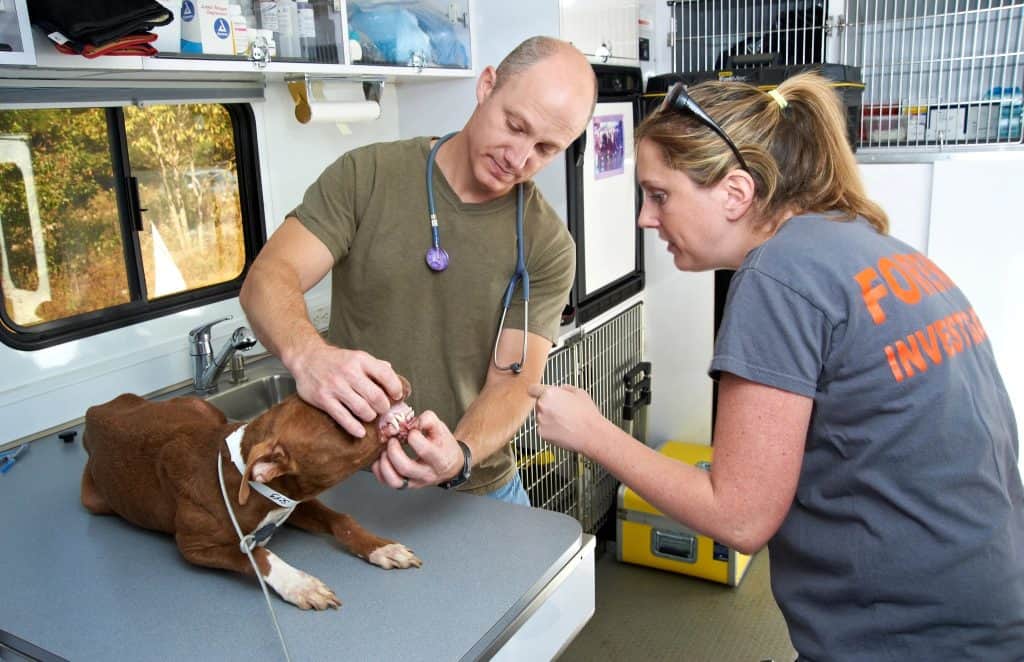
Dr. Rachel Touroo examines the victim of a dogfighting investigation, where forensic analysis of injuries and other findings may help connect animal cruelty victims to suspects and crime scenes. Image: ASPCA
©ASPCA – Original
How Forensic Evidence Is Changing Animal Cruelty Cases
Dr. Touroo makes it abundantly clear that animal cruelty doesn’t exist in isolation. “Positive outcomes in animal cruelty cases matter, not only for animal victims, but for the safety and well-being of communities,” she says. “Successful investigations and prosecutions serve as strong deterrents, interrupt ongoing abuse, and remove animals from dangerous criminal environments. Importantly, they can also bring to light additional offenses involving people.”
It’s also important to mention that there’s long been a documented connection between animal cruelty and other forms of violence, including child abuse, domestic violence, and beyond. When law enforcement steps in to investigate harm against an animal, it can open the door to uncovering other serious issues happening in the same home or community. In other words, taking animal cruelty seriously isn’t just about protecting pets. It can also be a meaningful step toward protecting people.
Training the Next Generation of Forensic Veterinarians
For a field that is still relatively young, the momentum is pretty undeniable. “The ASPCA has prioritized expansion of the veterinary forensics field by partnering with Florida International University, which launched a Professional Science Master’s (PSM) in Veterinary Forensic Science in 2023,” Dr. Touroo tells us. “The curriculum provides veterinary professionals with the practical experience and critical thinking skills necessary to identify and effectively support investigations into animal cruelty within communities across the country.”
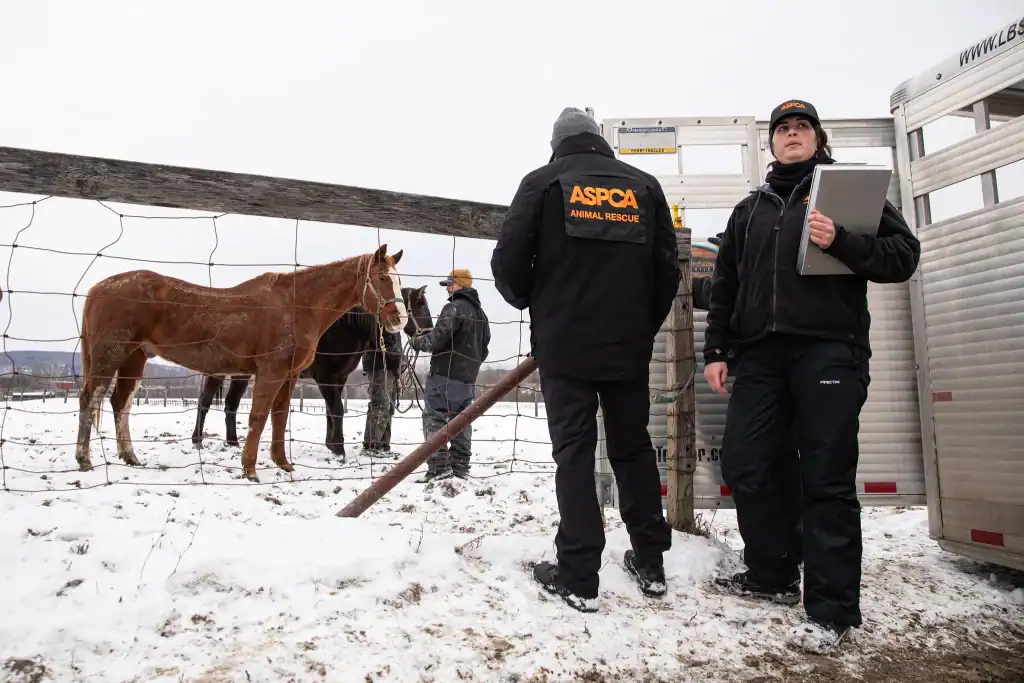
When authorities remove animals from neglect or unsafe conditions, forensic documentation can help establish the timeline and severity of the case. Image: ASPCA
©ASPCA – Original
She goes on to say, “We look forward to continuing to train and support additional veterinarians and veterinary students to further develop the field. This fall, we’ll be inviting veterinarians to a free, intensive workshop to immerse themselves in the work at our Center.”
Education and training are a major component in the next chapter. By developing formal programs and workshops, the ASPCA is helping build a pipeline of professionals equipped to handle forensic casework in their own regions.
And that may be the most encouraging part of all. The goal isn’t simply to be the first of its kind. It’s to help ensure that veterinary forensic expertise becomes more widely available everywhere. Behind laboratory doors and in courtroom testimony, this team is changing how animal cruelty cases are investigated and prosecuted across the country.
In Gainesville, forensic science has become a powerful advocate. And for thousands of animals over the last five years, that has made all the difference.