
Quick Take
- Florida’s most lethal insect threats include a number of commonly found species.
- Mosquitoes remain one of the most dangerous insects in the state, carrying multiple diseases and breeding with ease in standing water.
- The lesser-known kissing bug spreads Chagas disease via infected feces rather than bites, and it bites in the night, often undetected.
- Maintaining a clean yard with no standing water and a consistent eye on undisturbed locations can help prevent most insect stings and bites.
In Florida, the insects are no joke, even the ones that are not always the biggest or the most well-known. The real danger behind insects in Florida usually comes down to two things: disease and venom, with serious viruses and potential medical emergencies lurking within some of the state’s most common species.
When paired with Florida’s long, warm season, its heavy humidity, dense neighborhoods, flood-prone landscapes, and year-round outdoor culture, biting and stinging insects have plenty of room to thrive. According to the Florida Department of Health’s insect-borne disease guidance, residents need to think beyond irritation and pay more attention to these insects for their own health and safety.
Florida continues to see new invasive insect species, especially mosquitoes and termites, but most biting incidents still involve long-established pests. What are the deadliest insects in Florida, and what can you do if you’re bitten by any of them? This is what you should know and how you can keep safe.
Mosquitoes
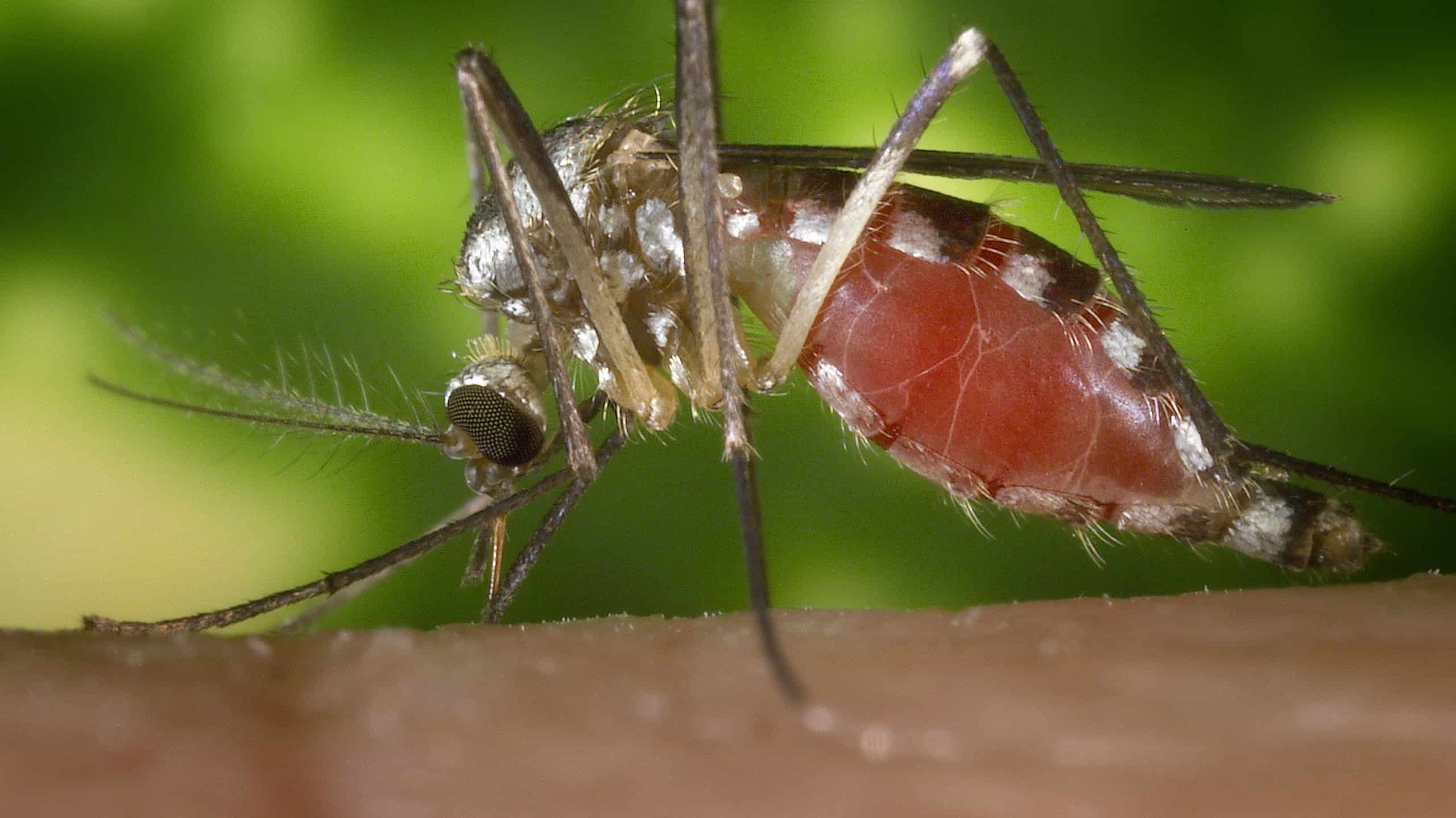
The deadliest insects in Florida are undeniably mosquitoes, but not because the bite itself is severe; it’s because of what that bite can carry. Mosquito-borne diseases in this state include the West Nile virus, eastern equine encephalitis, and St. Louis encephalitis, to name a few; Florida has also dealt with dengue and even locally acquired malaria cases, which is why mosquitoes remain the insect with the broadest public-health impact in the state.
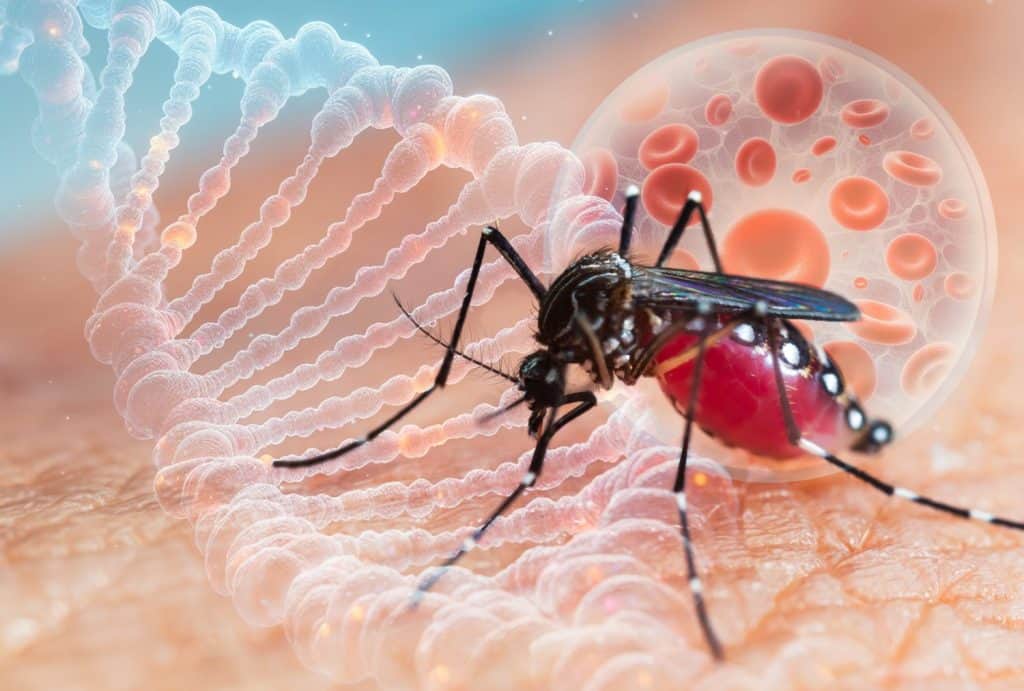
Certain mosquito species carry dangerous diseases and breed close to homes.
©frank60/Shutterstock.com
They are also found nearly everywhere, but different species prefer different corners of the state. For example, species such as Aedes aegypti and Aedes albopictus do especially well around homes, breeding in standing water left in containers and neglected yards. Other mosquitoes breed around ponds, marshes, lakes, drainage zones, and floodwaters, with plenty of room to breed.
What makes mosquitoes so deadly is that many choose to ignore their bites when they happen. Some mosquito-borne infections stay mild, but others can lead to severe neurological problems or life-threatening complications.
If a mosquito bites you, the bite itself usually just needs basic itch care. However, if any other symptoms occur, such as fever, rash, body aches, severe headache, or unusual fatigue, it’s time to see a doctor, fast. You should also take some time to drain any standing water, repair screens, wear protective clothing, and use insect repellent whenever you expect that you might be bitten; prevention is key.
Southern Black Widow
The southern black widow is the strongest pick for the most dangerous spider in Florida. The University of Florida’s species profile identifies it as one of Florida’s medically important widow spiders, noting that it is the most venomous spider in the state. Florida has other widow species too, but the southern black widow is a primary danger because it prefers to nest around homes and outbuildings.
In Florida, they are usually found outdoors in protected, tucked-away spots, often turning up in dark, sheltered places like woodpiles, hollow stumps, sheds, garages, crawl spaces, and other undisturbed corners. Bites also often happen by accident, usually when someone reaches into any of these hidden spaces.
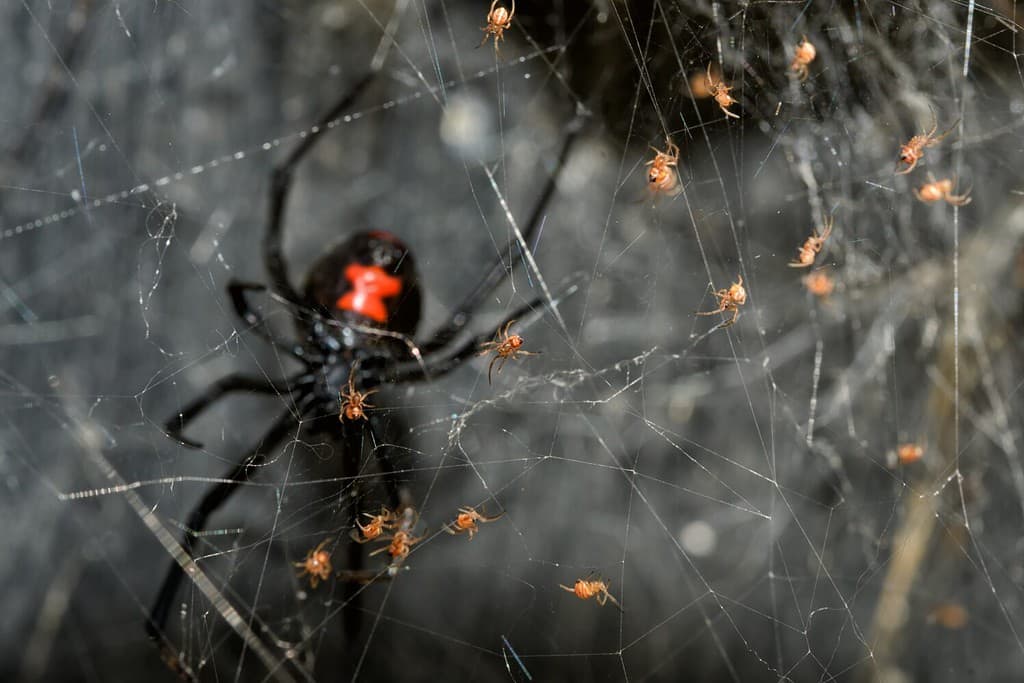
If you have an undisturbed wood pile or other outdoor area, you may want to check it for black widow webs.
©Sari ONeal/Shutterstock.com
Contrary to popular belief, widow spiders are shy and non-aggressive, and bites usually only happen when the spider is pressed or pinched. A bite may feel minor at first, but it can quickly escalate into muscle cramps, pain, nausea, sweating, elevated blood pressure, and breathing difficulty. This is why black widow bites are taken far more seriously than bites from the vast majority of other spiders people encounter in Florida.
If a widow bite occurs, seek medical advice quickly rather than waiting to see whether symptoms build. Saving the spider for identification, if that can be done safely, is also a good idea, to ensure accurate medical attention is received. Around the house, prevention comes down to respecting dark storage areas by wearing gloves when moving debris, and inspecting any sheltered spots where widow webs tend to go unnoticed.
Red Imported Fire Ants
Common enough in Florida that many people stop treating them as dangerous, red imported fire ants are invasive ants with stings that can cause serious medical problems. They show up in lawns, parks, playgrounds, school grounds, roadsides, fields, and landscaped areas, often building mounds in places people cross every day without noticing them until it’s too late.
These ants are notorious for causing multiple bites with venom that causes intense burning pain and white pustules that show up afterward. Most people will experience this miserable but short-lived reaction. However, it can become much more serious if you are allergic to them.
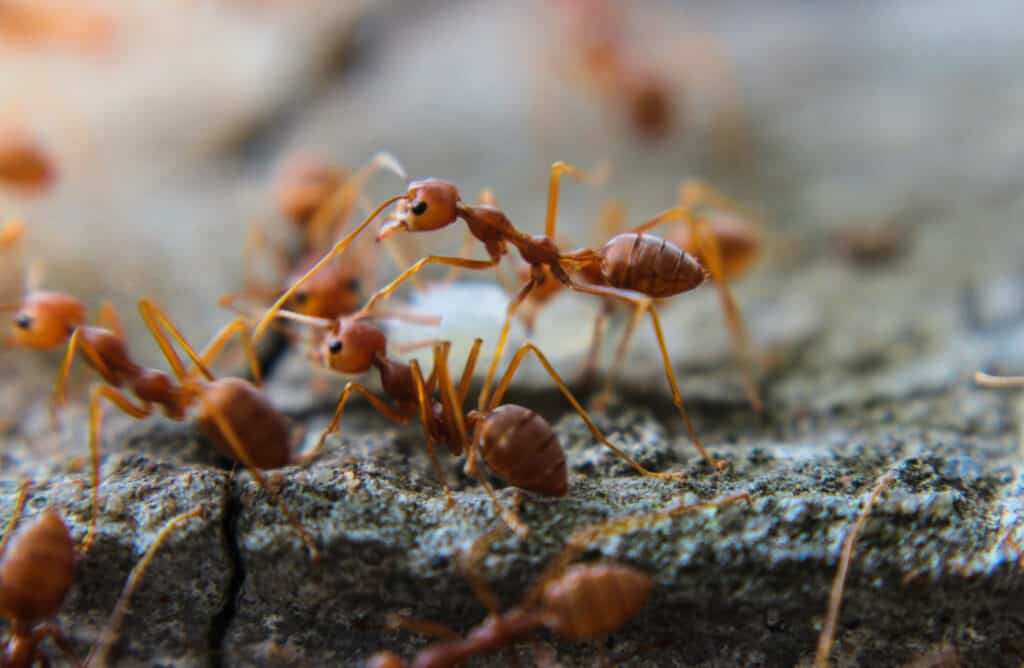
Some people are allergic to this type of fire ant, making it a far more dangerous situation compared to a standard, painful bite.
©NOTE OMG/Shutterstock.com
If you are stung, wash the area immediately and keep an eye on whether the reaction stays local. Trouble breathing, swelling beyond the sting site, dizziness, chest symptoms, or vomiting should be treated as an emergency, as severe venom reactions can escalate quickly. To prevent these bites, identify and manage mounds before someone walks into them, especially in yards used by children or pets.
Kissing Bugs
Less familiar than mosquitoes or fire ants, kissing bugs deserve far more attention than they get. In Florida, the species most often talked about is Triatoma sanguisuga, a blood-feeding insect that can enter houses and bite people or pets in the night. Spooky, right?
These insects are usually associated with nighttime feeding habits and hiding places near where animals live, especially in cracks, wood piles, brush, kennels, coops, and other protected spaces around structures. They’re fairly easy to overlook in rural and semi-rural parts of the state, where locals may already be used to many other nighttime insects. What’s one more bug bite, after all?
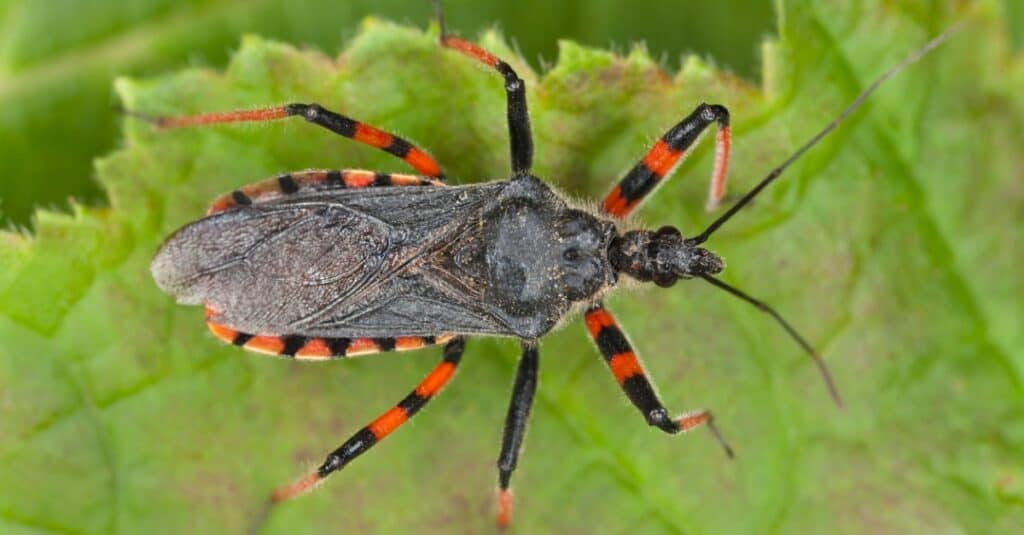
The Kissing Bug can be blamed for Chagas disease, which is the primary reason it is so deadly.
©Henrik Larsson/Shutterstock.com
What makes them dangerous? They carry something known as Chagas disease. A deadly parasite is transmitted not through the bite itself, but through infected bug feces entering the body through broken skin. If a bite happens at night, as it often does, those bitten may dismiss the encounter entirely. However, the Emerging Pathogens Institute notes that Chagas can affect the heart, gut, brain, and peripheral nervous system, with untreated infection potentially becoming severe.
If you suspect a kissing bug bite, gently wash the area and avoid scratching it open. Medical attention is a must if there is major swelling, an allergic response, fever, or any concern about exposure. Reducing brush and wood piles near your home and paying closer attention to animal housing and structural gaps where the insects can hide are your best options for prevention.
Yellowjackets
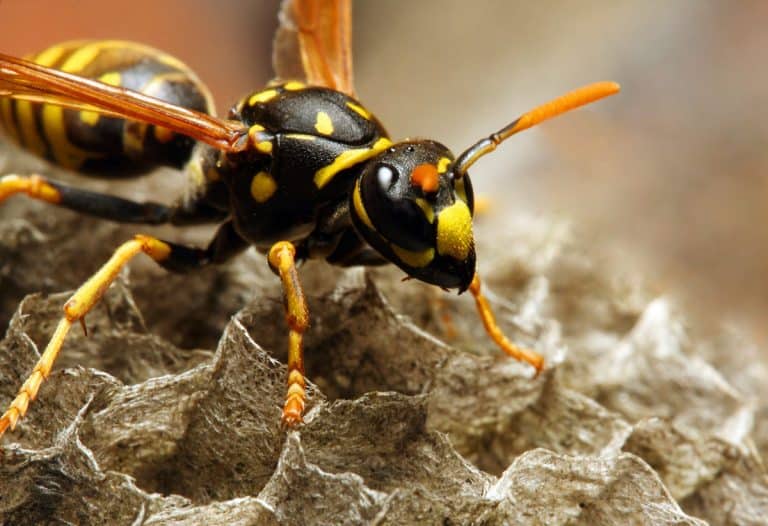
Florida is home to the eastern yellowjacket, the southern yellowjacket, and the bald-faced hornet, which is actually a type of yellowjacket, despite its name. All of these insects can nest in the ground, in cavities, in walls, and in other protected spaces that are easy to disturb by accident, and an accidental disturbance has a high chance of involving a stinger.
A hidden nest can be triggered while mowing, trimming, digging, or even just stepping in the wrong place at the wrong time. Unlike a honey bee, a yellowjacket can sting repeatedly; colony members can keep attacking as long as they still have a target, and alarm chemicals can bring more wasps into the response. While unpleasant for the average person, anyone allergic to their venom may be facing a fatal situation if left untreated.
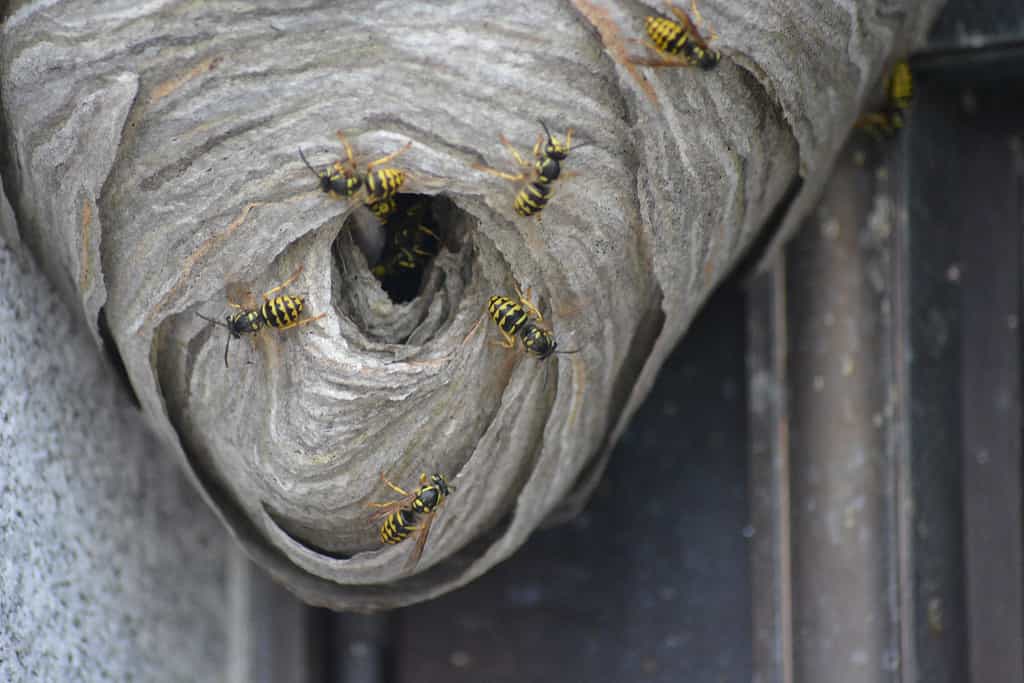
Yellowjackets will aggressively defend their nest, which can lead to multiple, painful stings if someone unknowingly disturbs them.
©Daniel Loya/Shutterstock.com
If you are stung by yellowjackets, be sure to avoid tending to the sting site, at least until after you’ve moved away from the nest, in order to avoid more stings. After that, monitor for symptoms like throat tightness, wheezing, swelling anywhere other than the sting site, vomiting, dizziness, or confusion; emergency care is warranted if any of those symptoms appear.
Any yellowjacket nests in walls, structures, trees, or awkward locations are not good do-it-yourself projects. Call a local exterminator for help, as these are bugs you don’t want to mess with, especially if allergies are a possibility.
African Honey Bees
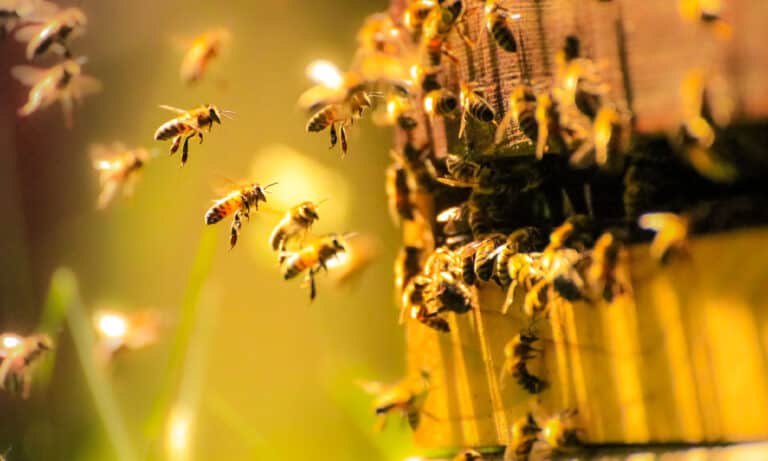
Colonies of African honey bees can respond quite aggressively when disturbed, much like yellowjackets. According to the UF/IFAS publication on living with African honey bees, these bees are the same species as European honey bees, but their defensive behavior can be much more intense. For example, a disturbed colony may send out hundreds or even thousands of bees, and the response can begin from much farther away than many people expect.
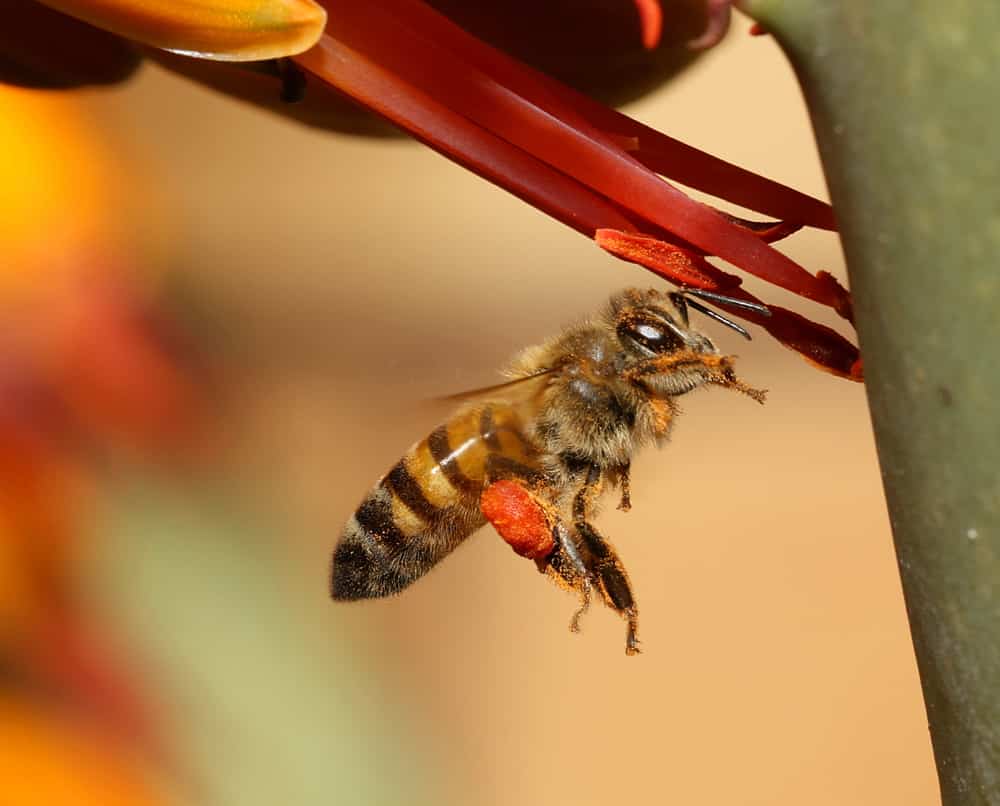
African honey bees may chase down anyone who gets too close to their hive.
©Hennie Briedenhann/Shutterstock.com
To make matters worse, these colonies are often ignored, tucked into a wall void, tree cavity, utility box, shed, or other tight space without anyone knowing. African honey bee colonies may react to disturbances from as far as 40 yards away, and may even pursue a person for long distances, making them a surprisingly formidable foe. Just like yellowjackets, the intense number of stings can prove extremely dangerous to anyone with allergies.
If bees begin attacking, run for enclosed shelter immediately. Once inside, seek emergency care if there are signs of an allergic reaction or if anyone has sustained multiple, painful stings. Around homes, prevention must involve closing off any nesting opportunities wherever possible and calling qualified bee-removal or pest-control professionals when a colony settles too close to people or pets. Never attempt to block a colony inside a wall or structure; they will find a way out.
Why These Insects Are the Most Dangerous in Florida
Florida has plenty of insects; that’s no secret. However, the ones we’ve discussed today stand apart because, if not taken seriously, a single bite or sting can become an emergency. The smartest response to take in any of these situations is not to panic. Always pay close attention to your symptoms, and take preventive action to avoid these insects in the future.
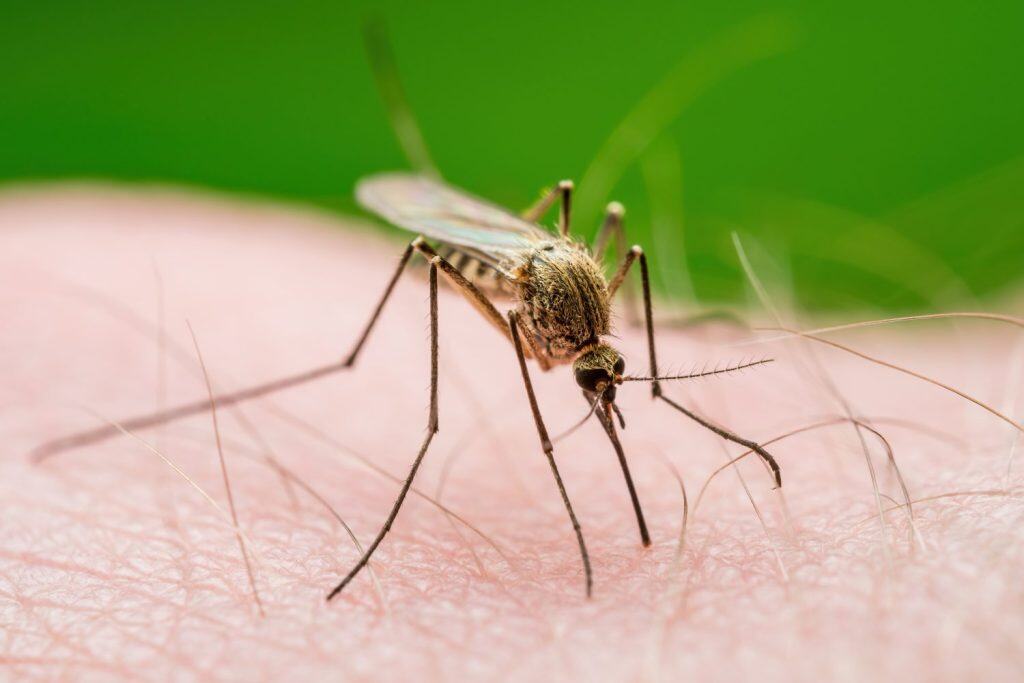
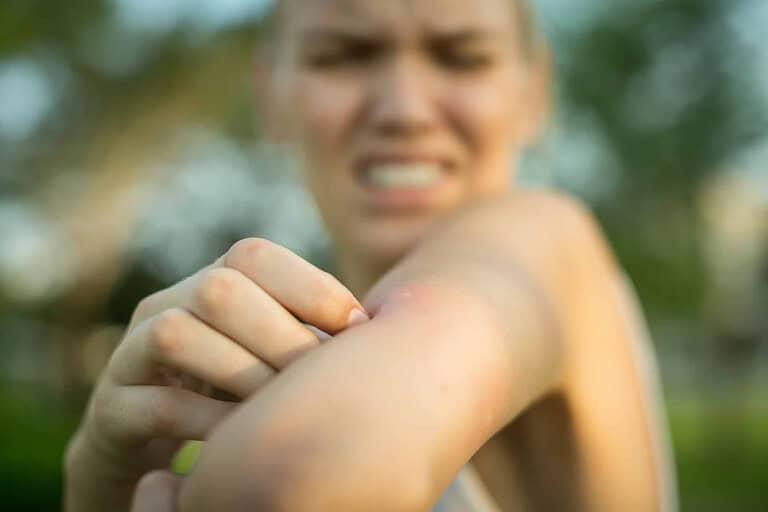
These insects can be deadly, but only if their bites or stings are left untreated.
©nechaevkon/Shutterstock.com
Ultimately, knowing which insects live around your yard, trail, porch, barn, or neighborhood is, in many ways, basic Florida survival. You never know what deadly insect might be lurking nearby, which is why you should always be prepared!