
Quick Take
- Your gut reaction to an animal cruelty video could be doing exactly what the abuser wants. See how abusers exploit viewers →
- Some of the most heartwarming animal rescue videos circulating right now aren't what they appear to be. Spot the staged rescues →
- Some of the animal abuse content that reaches mainstream platforms has a hidden market behind it, and the people running it don't fit any expected profile. Explore the hidden market →
- Platforms are testing a tool that could stop cruelty content before a single person sees it, though making it work hinges on one major challenge. See the AI detection efforts →
When an upsetting animal video appears on social media, the instinctive response is often to speak out. People leave angry comments, share the post to condemn it or react with a sad emoji.
According to Nina Jackel, founder of the animal protection nonprofit Lady Freethinker, those well-intentioned responses can make the problem worse.
“Do not share, do not comment, do not click,” Jackel says. “Don’t even do a reaction, a teary face, nothing. No emojis, nothing.”
Her advice is simple: report the content, then disengage.
That may feel like an inadequate response to something so disturbing, but social media algorithms measure engagement without understanding the viewer’s intentions. An angry comment is still a comment. A critical share is still a share. Each interaction may help the video reach a larger audience and potentially make money for the person who posted it.
“A lot of people might not realize that if they do stumble across this content, they really shouldn’t comment, even if it’s in anger to denounce it,” Jackel adds. “It does feed that algorithm, and you can inadvertently help them get more views and perpetuate the problem.”
A Billion Views in Two Months
Lady Freethinker has spent more than a decade investigating animal cruelty and campaigning for stronger protections. Its work includes investigative reporting, petitions, partnerships with rescuers and financial support for animal aid projects around the world.
In its report Scrolling Through Cruelty, the organization documented thousands of links to animal abuse content across Facebook, Instagram, TikTok, X and YouTube. Collectively, the identified videos had accumulated more than a billion views.
The research was conducted by a small group working about four hours a day for two months. Even then, Jackel believes the team uncovered only a small portion of what was circulating.
“What we are able to find is most likely only a fraction of what exists out there,” she explains. “Our goal is not and cannot be to find every single cruelty video on social media. That’s just an impossible task.”
The purpose was to demonstrate the scale of the problem. A billion views did not represent everything online. It was what a handful of researchers managed to document during a limited window.
The work also carried a heavy emotional cost. Jackel says staff members knew what they might encounter before joining the investigation, and the organization made mental health a priority. Lady Freethinker offers unlimited time off when employees need to step away, and exposure to graphic material is restricted to the small group assigned to investigate it.
“A lot of it is incredibly hard to watch,” she said. “Believe it or not, what was shown in our report is not the worst of the worst.”
Fake Rescues Designed to Manipulate Viewers
Some abusive videos are obvious. Others are disguised as heartwarming rescues.
In staged rescue content, animals may be deliberately placed in dangerous situations before someone appears on camera to save them. The videos are often designed to generate views, followers or donations from people who believe they are supporting genuine rescuers.
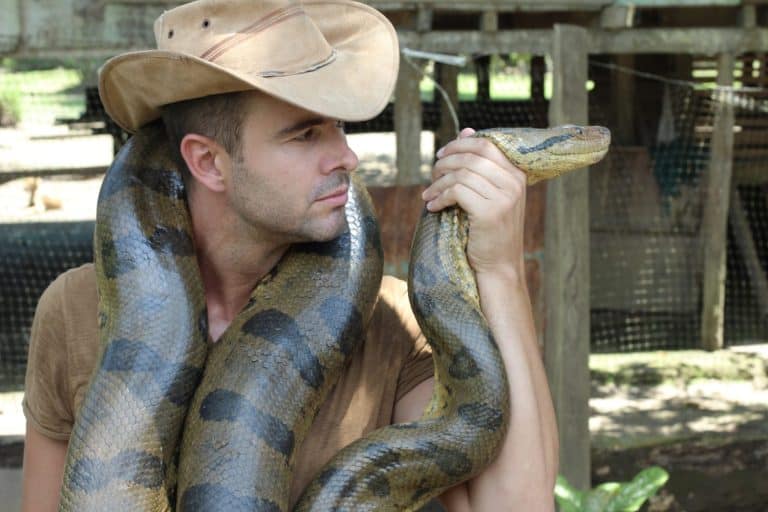
Jackel recalls an early pattern involving puppies apparently trapped by snakes. The scenes were presented as spontaneous discoveries, but numerous details suggested they had been arranged for the camera.
“You’d see these really cinematic videos where somebody stumbles upon a puppy wrapped in a snake, and they go and rescue it,” she says. “There are a zillion signs that it’s fake.”
As audiences become familiar with one format, creators adjust their methods. Jackel says staged rescues have grown more sophisticated, making it increasingly difficult for casual viewers to distinguish legitimate animal welfare work from exploitation.
“They know how to tug on the heartstrings,” she says.
That is why Jackel urges people to be cautious before donating to unfamiliar rescue accounts. Emotional footage alone is not proof that an organization is credible. Viewers should look for transparency, a verifiable history of animal welfare work and evidence that donations support legitimate care.
The Dark Market for Monkey Abuse
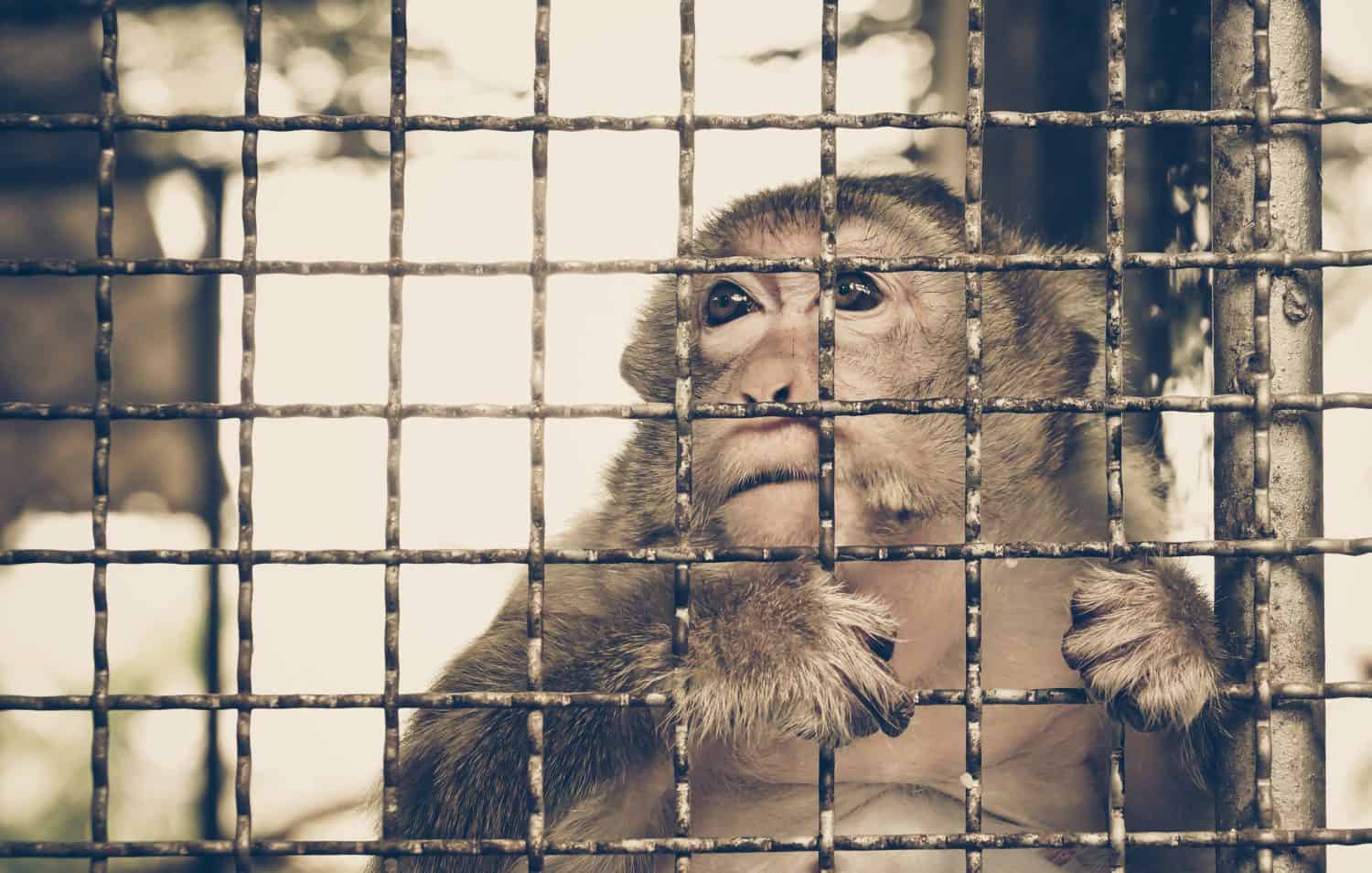
Among the most disturbing material investigated by Lady Freethinker is the abuse of baby monkeys, particularly long-tailed macaques.
Jackel says the phenomenon escalated around 2021, when investigators discovered private groups in which buyers paid people to create customized torture videos. Some of the material later appeared on mainstream platforms, exposing a wider audience to content originating in an underground market.
“It’s probably the worst animal cruelty that I’ve seen in all of my years of doing this work, to be frank,” she explains.
More than 30 arrests have been made in connection with monkey torture networks, according to Jackel. She cautions against assuming the people involved fit a single profile.
“There’s no type,” she says. “There’s no specific profile.”
The apparent ordinariness of some participants makes the networks even harder to comprehend. Jackel says people accused of purchasing or organizing the material have included individuals whose occupations and public lives would not ordinarily raise suspicion.
Can Technology Help Stop It?
The same technology that amplifies cruelty may also help suppress it.
Lady Freethinker filed a shareholder proposal with Meta focused on content moderation and the use of artificial intelligence. The proposal led to discussions with the company, and Jackel says the people she has spoken with appear to take the issue seriously, although the collaboration remains in its early stages.
She believes AI could eventually identify abusive material before it becomes publicly available.
“AI could theoretically be able to catch this content before it’s even posted and recognize it for what it is and stop it,” she explains.
Other platforms have taken steps as well. TikTok has worked with the Social Media Animal Cruelty Coalition, of which Lady Freethinker is a member. Jackel says YouTube has made notable progress removing some of the most extreme material, though abusive videos and staged rescues have not disappeared entirely.
For now, ordinary users still play an important role. Platforms rely partly on reports to identify content that violates their rules, even though removal may not be immediate.
“Report and ignore,” Jackel reiterates. “It’s still the best recourse that we have right now.”
It is an unusually quiet response to something designed to provoke a powerful reaction. But online, refusing to engage may be one of the most useful ways to keep cruelty from spreading.