
Quick Take
- The same material that builds horns and hooves also lines a leatherback's throat, where it solves a feeding problem no other solution could. Meet the keratin spines →
- Swallowing food underwater should be nearly impossible, but leatherbacks have a built-in mechanism that defies the physics of it. See how water is expelled →
- Jellyfish can still sting after they've been swallowed, but leatherbacks have an answer for that too. Sting protection explained →
- These turtles skip the crushing jaws other sea predators rely on, yet manage to fuel a body that can top 1,900 pounds on the open ocean. Explore their soft-prey diet →
If you could peer inside the mouth and throat of a leatherback sea turtle, you would find something intriguing. Their tongue and esophagus are coated with tiny spines. But what are they made of, and why are they there? Read on, and we will explain.
What Do Leatherback Turtles Eat?
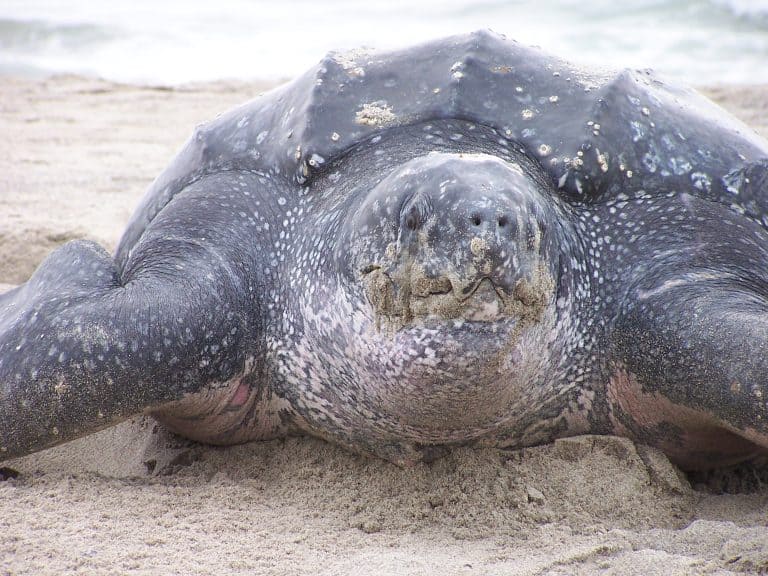
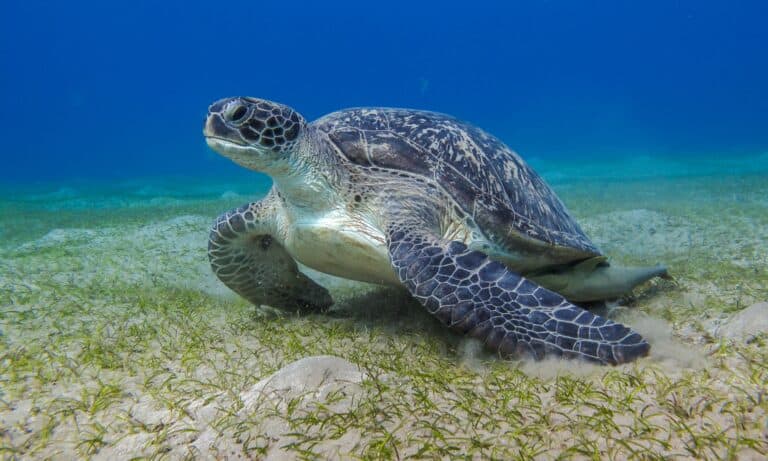
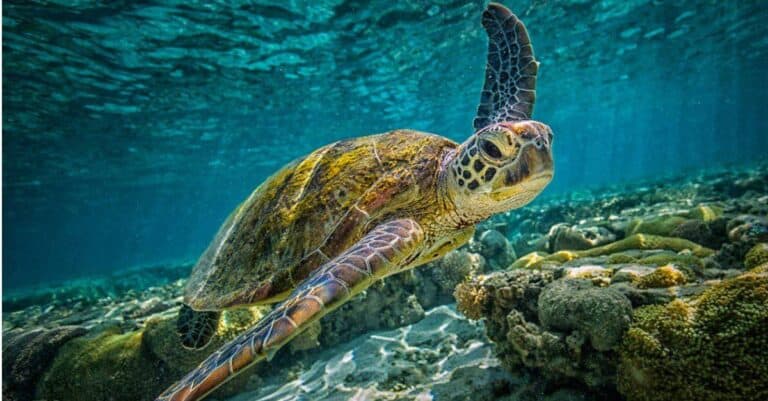
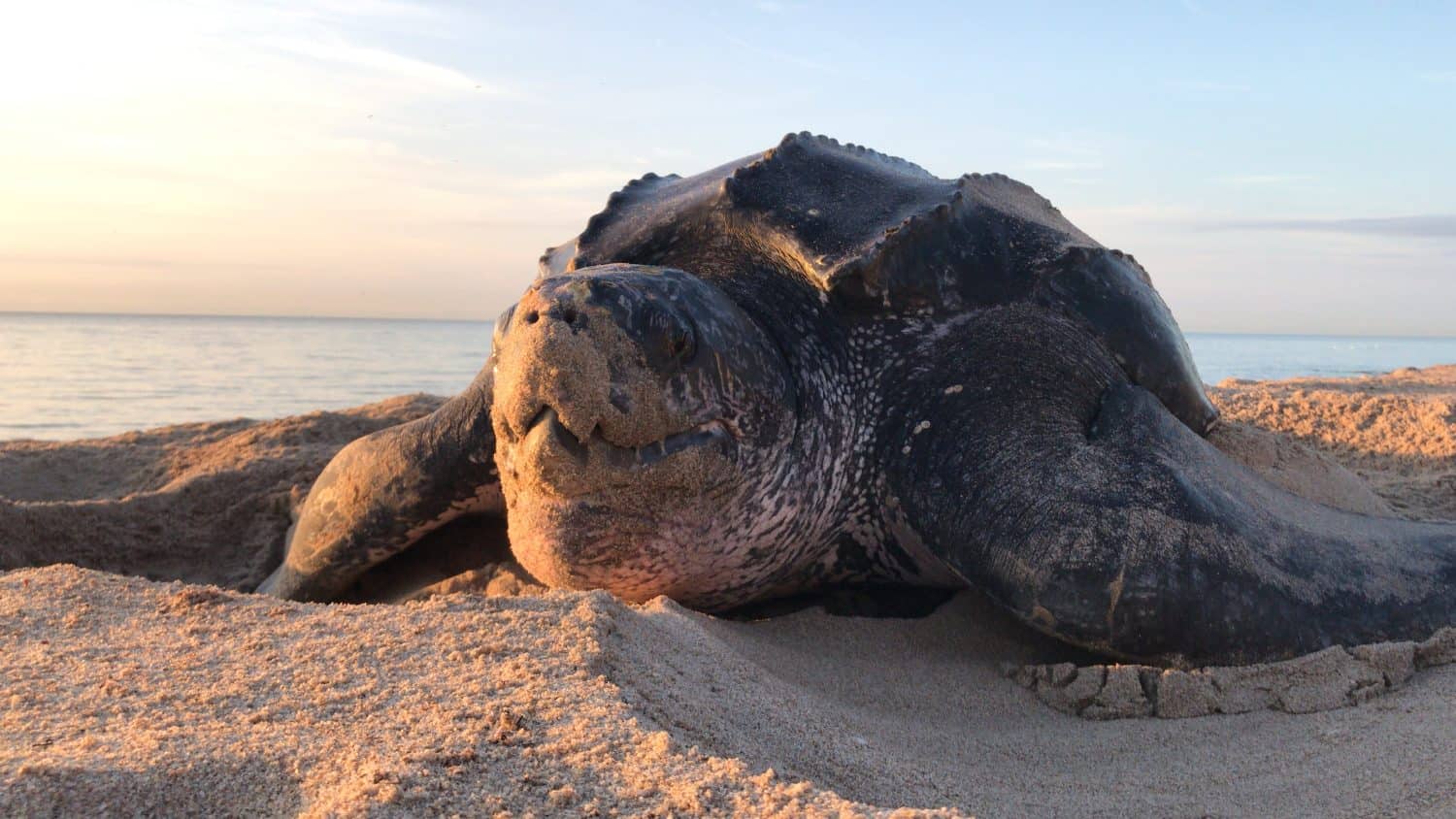
Leatherback turtles are the largest of all turtle species alive today. They can reach lengths of around 62 inches and weigh up to 1,900 pounds. You will find them around the globe in temperate oceans and even at the edges of subarctic waters. During the nesting season, however, they congregate in countries such as Trinidad and Thailand, and here in the U.S. state of Florida. These turtles are known for their long migrations.
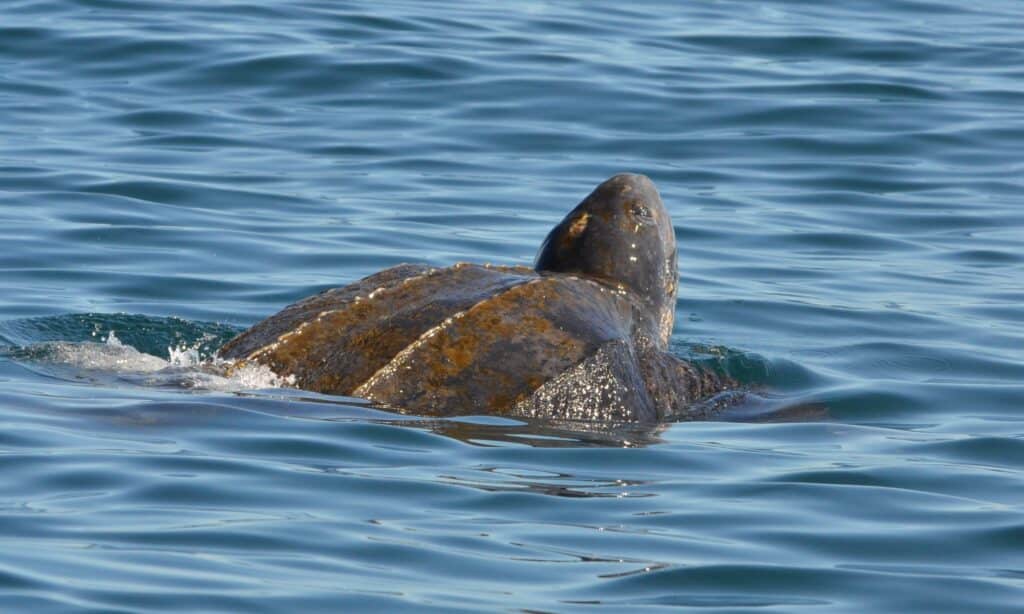
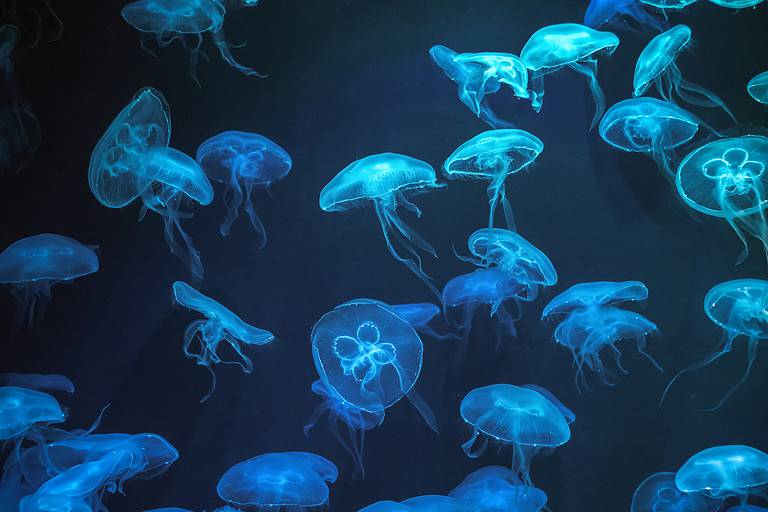
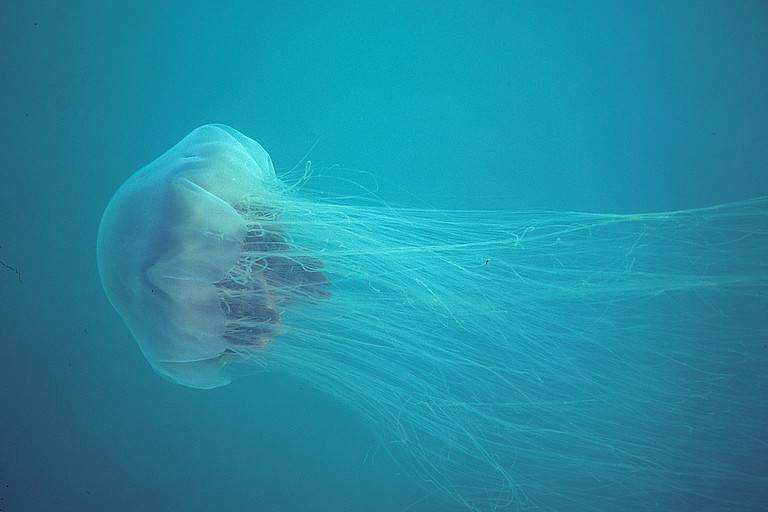
Leatherback sea turtles hunt gelatinous invertebrates.
©iStock.com/jtstewartphoto
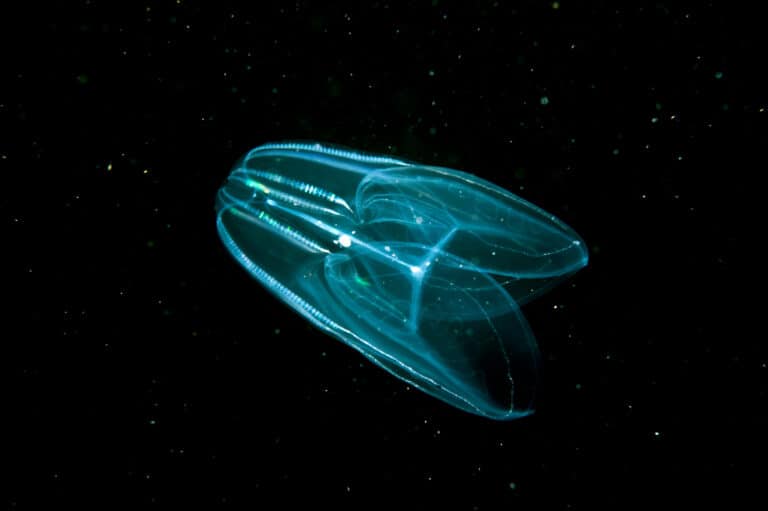
To move this sizable body such great distances, they need plenty of food! They are carnivores and catch their prey in the open ocean. Here, they prey on gelatinous invertebrates, primarily jellyfish and salps (gelatinous tunicates). Because they do not eat hard-shelled prey, they do not need the powerful, crushing jaws that some sea creatures possess. Rather, they have sharp-edged jaws for slicing off bits of gelatinous prey. Now all they have to do is swallow it!
How Can Leatherbacks Swallow Gelatinous Prey?
Leatherbacks can swallow gelatinous prey thanks to some special structures called esophageal papillae. These line their throat, stretching from the back of the mouth all the way down the esophagus (food pipe) to the stomach. They are long, sharp, and generally curve backward toward the stomach. The papillae are made of keratin, which is a structural fiber that makes up hair, feathers, horns, and hooves in other animals.
How Esophageal Papillae Work
Swallowing a gelatinous object while underwater is tricky, to say the least! Esophageal papillae keep the food in and the water out. They act like a one-way filter system that stops the food from floating back out of the turtle’s mouth. The papillae also aid digestion. Once the food passes the turtle’s beak and tongue, it is pushed toward the stomach, where it can be broken down. At the same time, the papillae provide a tough coating that protects delicate tissues from jellyfish stings. Jellyfish can still sting even as they are being swallowed!