
The conservation of marine animals has been a hot topic as of late. Between climate change, increased vessel activity in the ocean, and unexplained deaths, there has been little good news. However, there is a glimmer of hope that conservation efforts are paying off for some that call the ocean home. This is because Florida’s sea turtles are on track to have a record-breaking nesting season not just in one area of the Sunshine State, but along the entire coastline.
What Is Turtle Nesting Season?
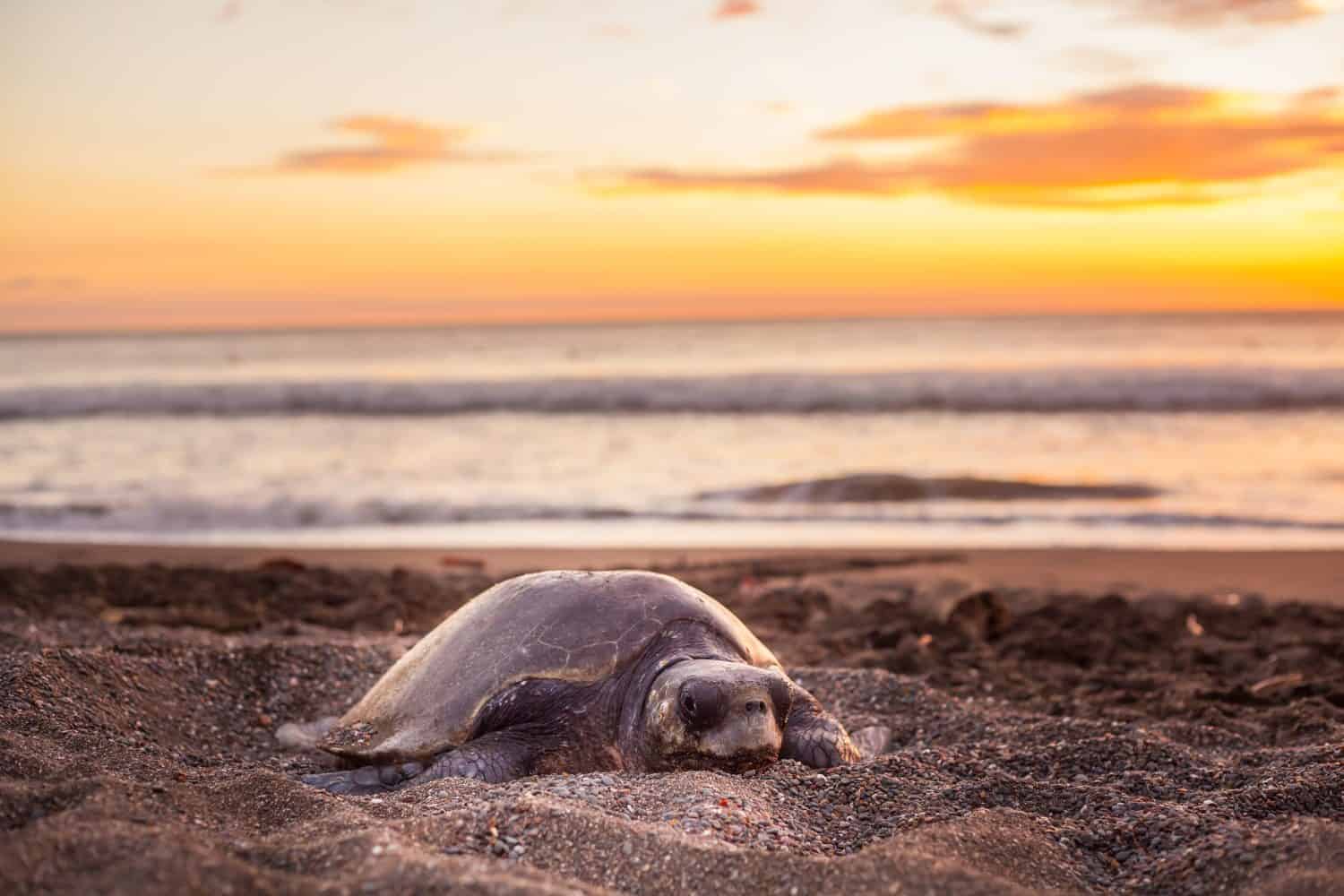
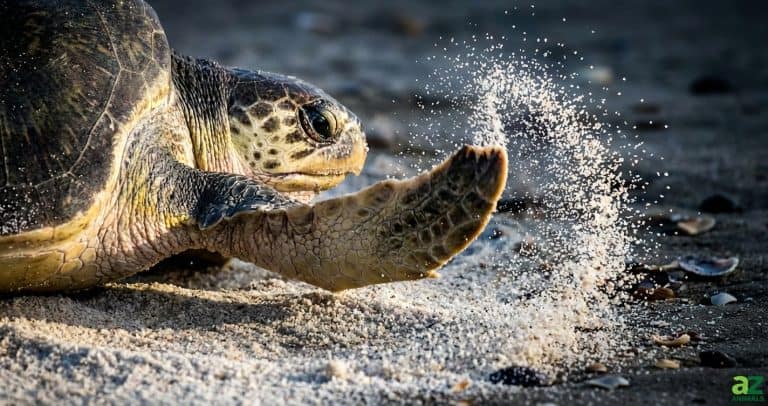
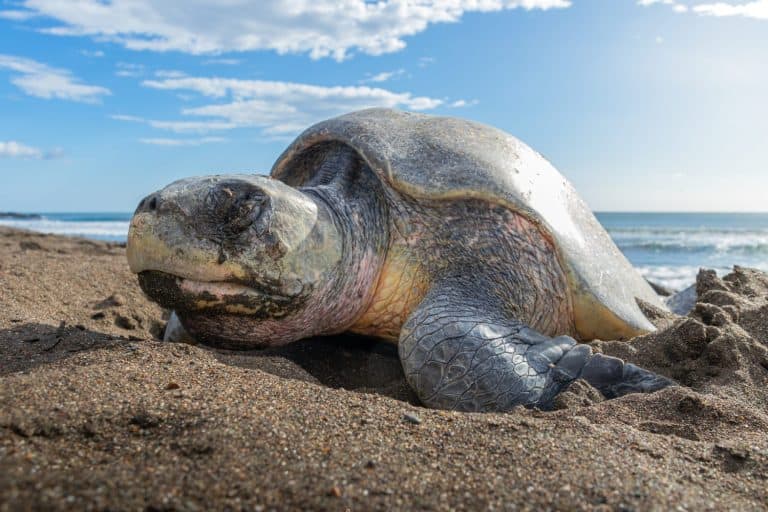
Sea turtles come ashore during nesting season to dig nests and lay eggs.
©Xenia_Photography/Shutterstock.com
When turtles begin to come ashore, it is a good indication that turtle nesting season is underway and the more turtles that come ashore, the better it is for the conservation of the species.
Turtle nesting season may vary from location to location. In Florida, nesting season occurs between March 1 and November 15. However, the peak nesting time, or the time when the majority of sea turtles come ashore to dig their nests and lay their eggs, occurs between July and August.
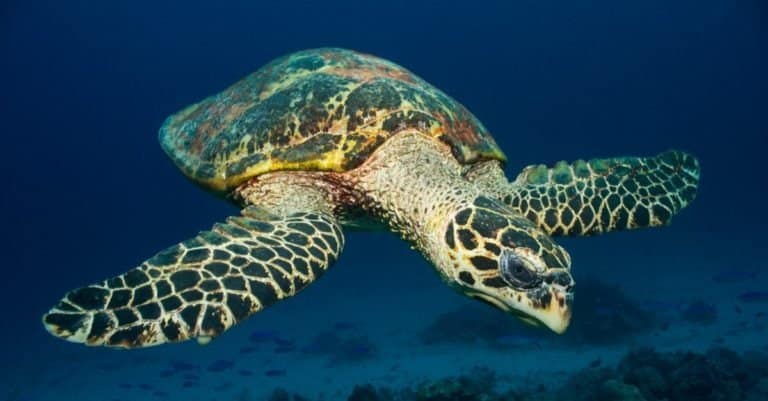
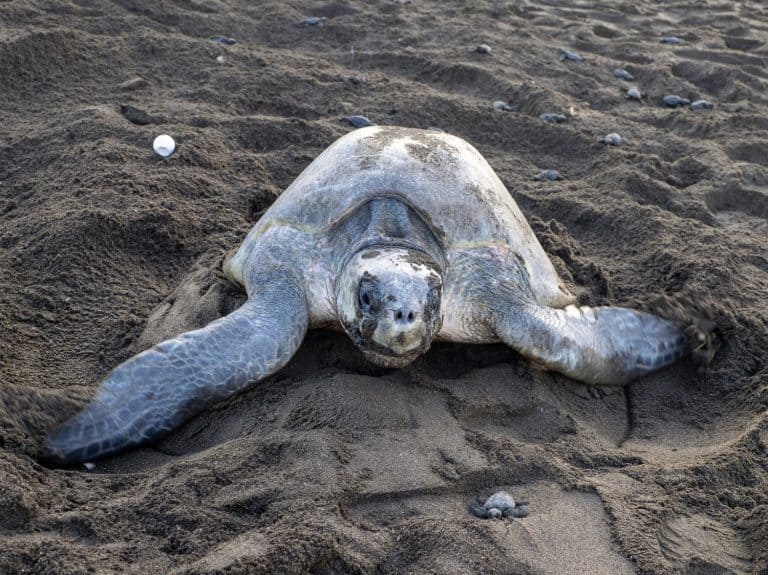
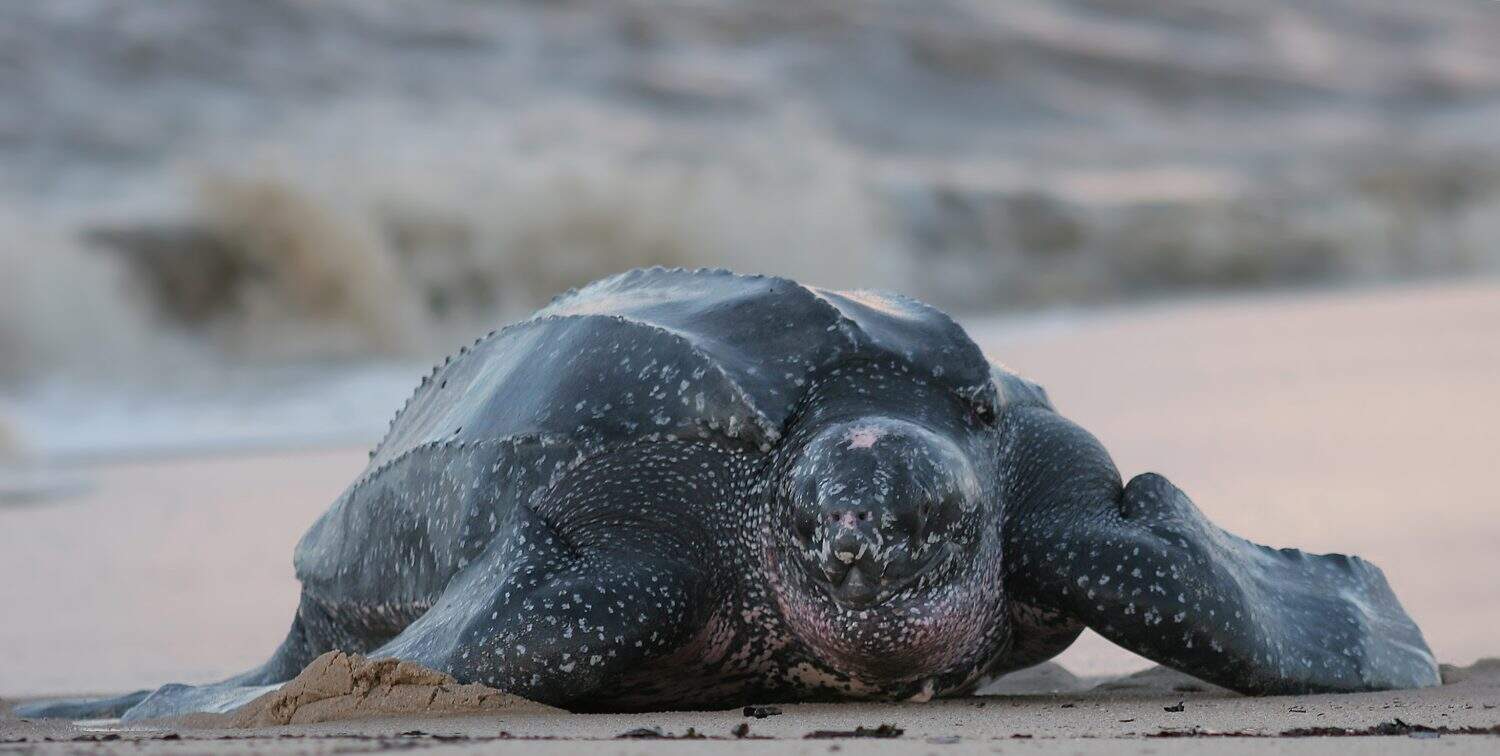
The species of turtles that return annually in Florida are the green, loggerhead, and leatherback turtles. These species are either threatened or endangered, making each nest critical to the species’ survival. This is why conservation groups throughout the state carefully monitor and count each nest, and when the time comes, they also count the number of eggs that have hatched, as well as those that do not.
By keeping an accurate count of the nests and hatchlings, conservation groups can determine if the nesting season was successful. Based on the results for the 2025 nesting season, it appears to be a record-breaking year.
Turtle Nests Counted to Date in Florida Are Breaking Records

Florida’s sea turtles, like the green turtle, have dug a record number of nests in 2025.
©Cam Jones/Shutterstock.com
Along the Florida coastline, conservation groups have been monitoring the sea turtles that come ashore to nest. What they have noticed since the start of this nesting season is that turtles have returned in droves and created an incredible number of nests in the process. From March to July, it was clear that 2025 was going to be an unparalleled year for turtle nests and, ultimately, the number of hatchlings born. This is because, in places like Anna Maria Island, the number of green turtle nests counted by July 18 had already matched the 2023 totals, which were record-breaking at the time.
In Manatee County, early July showed there were 579 sea turtle nests, which was just shy of the 2024 record of 585. The Florida Fish and Wildlife Conservation Commission also had good news to report, with leatherback turtles creating 1,960 nests across the state as of late June. This was not only the highest number in Florida’s history since records were kept, but also a significant jump from the previous record set in 2022, which was 1,631 nests.
Loggerhead turtles may not have broken any records, but their nest numbers remained consistent with the previous three years, with 62,344 nests being documented along Florida’s coastline. Indian River County also boasted an incredible number of sea turtle nests. In total, 11,295 nests had been counted along the county’s over 22 miles of coastline. In particular, green turtles performed well, with 4,515 nests counted as of September 18, surpassing the 2023 record of 4,105 green turtle nests.
As turtle nesting season is coming to an end, conservation groups are now more interested in the nests that have yet to hatch. The latest numbers from Anna Maria Island show there are still 45 nests waiting to hatch as of September 19. Other regions have not explicitly stated how many nests are left, but have been just as enthusiastic as conservation groups from Anna Maria Island about the number of turtles that have come ashore in Florida this season. The feat of the number of turtles returning to Florida is truly astounding, especially when it is realized how turtles navigate their way to their natal beaches.
How Turtles Locate Their Natal Beaches
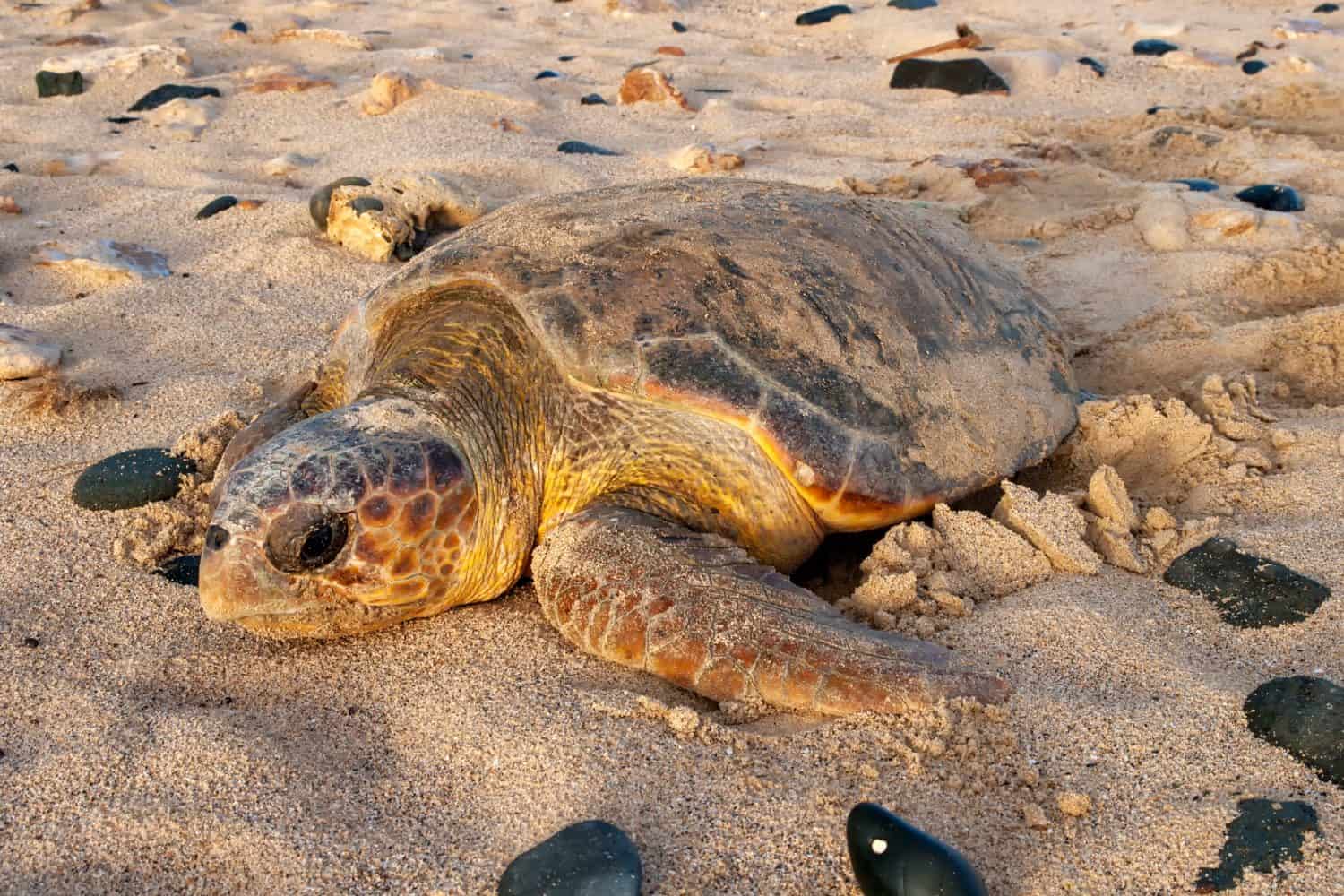
Sea turtles, like the loggerhead turtle, return to their natal beaches using the Earth’s magnetic field.
©Manuel Ocen/Shutterstock.com
Nesting season is a time when turtles come ashore to dig nests and lay eggs. What makes this phenomenon so incredible is that turtles do not choose just any beaches to nest. They return to the very same beach where they were born.
After turtles hatch, they may swim thousands of miles away from the beach where they were born, in search of food and, later on, potential mates. Remarkably, sea turtles can locate the same beach where they were born to dig their own nests and lay eggs. This is done using natal homing.
Turtles are imprinted with a unique magnetic field signature when they hatch on their natal beach. Despite leaving the natal beach behind, when it is time for nesting season, the turtles use the Earth’s magnetic field as a guide to return to their natal beach. Without fail, turtles return to the beach where they were born to lay their eggs and bring the next generation of turtles into the world, who will do the same when they are mature enough to participate in nesting season as well.
Why This Nesting Season Is Crucial
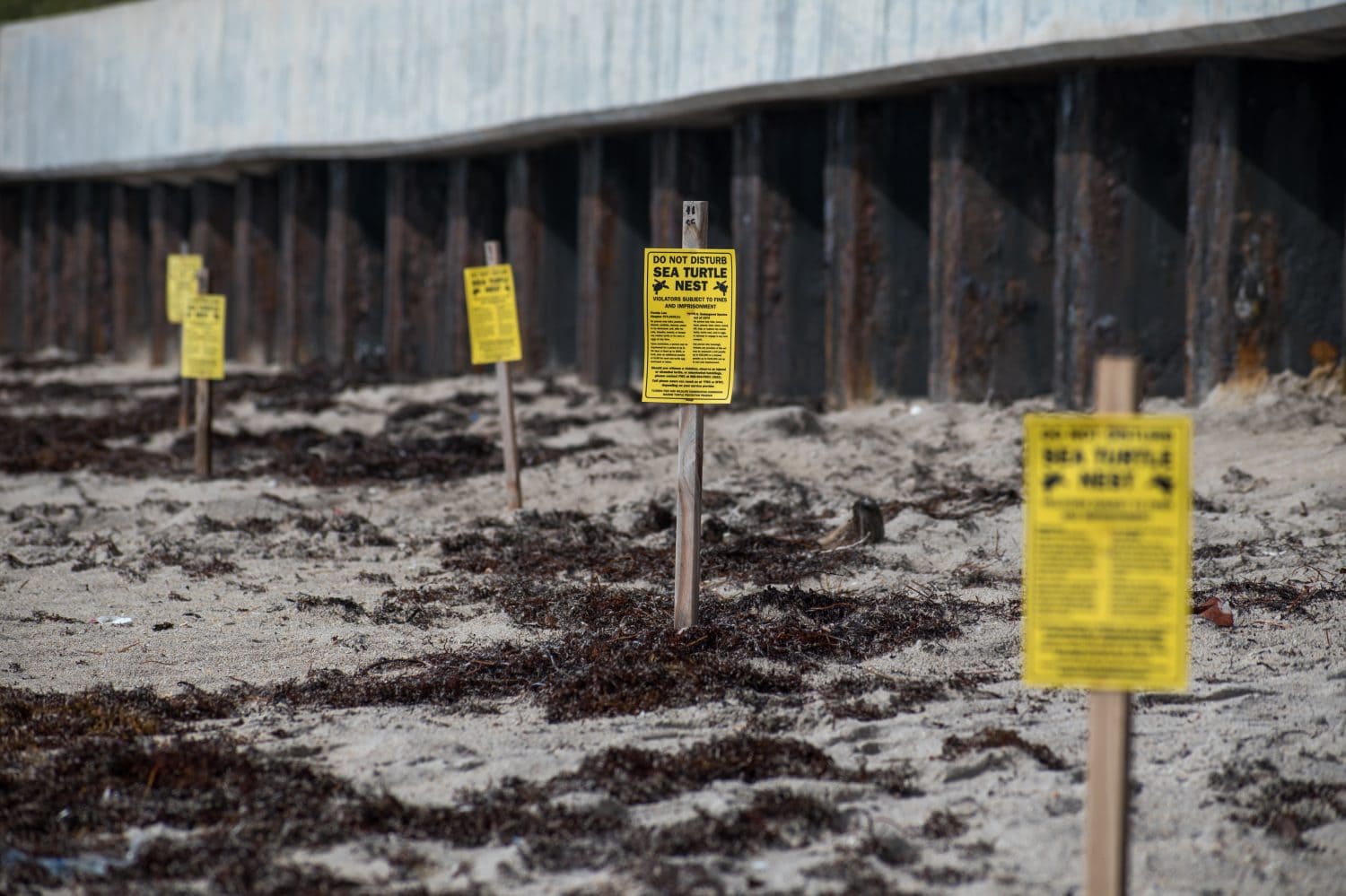
Record-breaking nesting seasons need to continue for the survival of Florida’s sea turtles.
©Sohan Khalsa Creative/Shutterstock.com
The reason it has been so crucial for nesting season to be successful and even record-breaking over the last several years is the ongoing conservation of the turtles that return to Florida’s beaches annually. Each of the turtles, the green, leatherback, and loggerheads, is protected by the Federal Endangered Species Act of 1973. However, each species’ populations differ, which is why there is a discrepancy in the number of nests laid during nesting season.
| Species Of Turtle | Number Of Turtles Left Worldwide | Conservation Status |
| Green turtle | 85,000 | Endangered |
| Leatherback turtle | 60,000 | Endangered |
| Loggerhead turtle | 200,000 | Threatened |
The varying population numbers suggest why there was a differential in the number of nests laid by each species on beaches along the Florida coast. While some had more nests than others, each nest constructed and eggs laid is a success and a testament to the conservation work that has been done to save the sea turtles.
Realistically, a couple of record-breaking nesting seasons will not change the status of these turtles. However, if the incredible number of turtle eggs laid and the high percentage of those eggs that hatch continue for years to come, there is a very real chance that these turtles will stand a chance at survival, and the threat of extinction may one day be put behind them.
Light Pollution Is Still Proving to Be a Concern for Hatchling Turtles
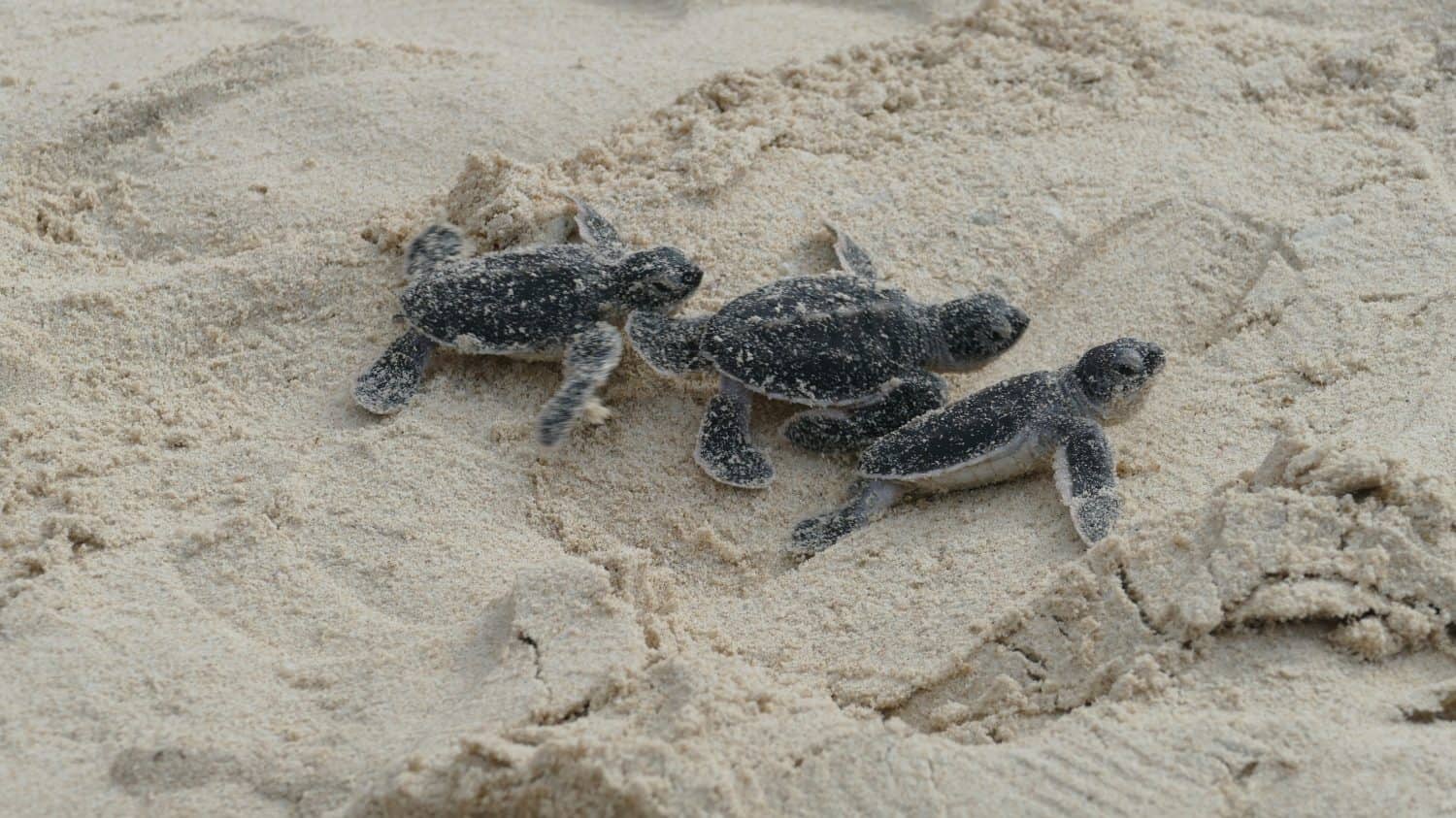
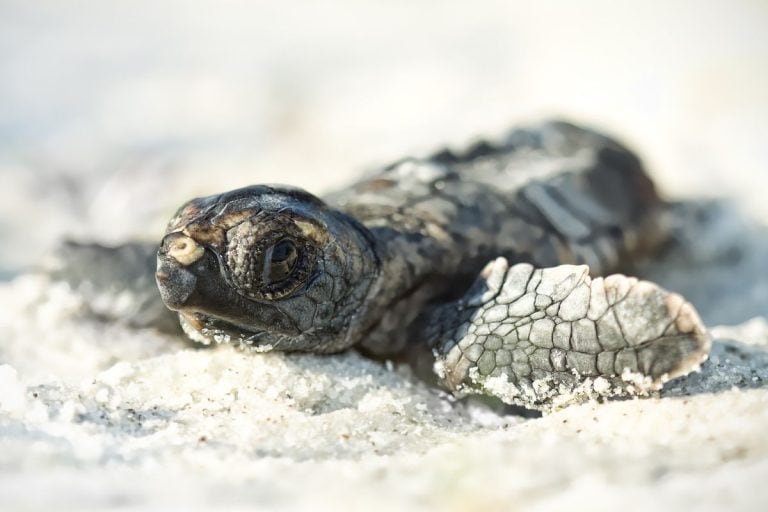
A few thousand sea turtles followed artificial light rather than the night sky on the ocean and may never have made it to the water’s edge.
©El Paco 33/Shutterstock.com
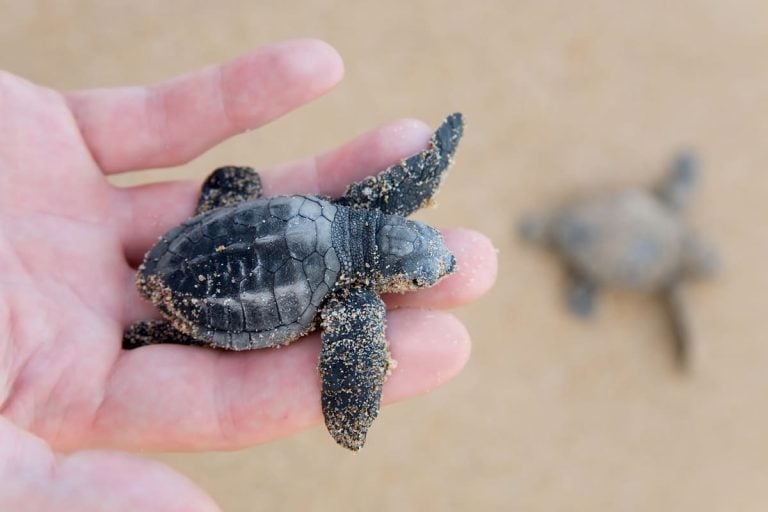
As the record number of hatchlings emerged from their nests to make their journey from the sand to the sea, several thousand may never have made their way to the water’s edge. This is because artificial lighting misdirects the hatchlings away from the ocean.
Of the 524 counted nests on Anna Maria Island, 140 had hatchlings become disoriented. Because hatchlings rely on the reflection of the moon and night sky on the water to successfully make their way to the ocean, anything that is a bright light will catch the tiny turtles’ attention. From the 140 nests, 3,854 hatchlings made their way away from the water rather than towards it. This was determined by flipper patterns in the sand. It is unclear if any of these little turtles eventually made their way to the ocean or if artificial light proved to be what led to their demise.
Even with this sad news, the Anna Maria Island Turtle Watch commented in their September 5, 2025, news release that the majority of the nests are producing a large number of hatchlings.
“With an average around 69%, nests are doing really well!” the release explains. “It’s reflected in the number of hatchlings that are being produced – nearly 28,000 and counting!”
Unfortunately, this was not the only problematic news this nesting season, as unleashed dogs proved to be a significant issue for both turtle eggs and hatchlings.
Off-Leash Dogs Proved to Be Problematic for Hatchings
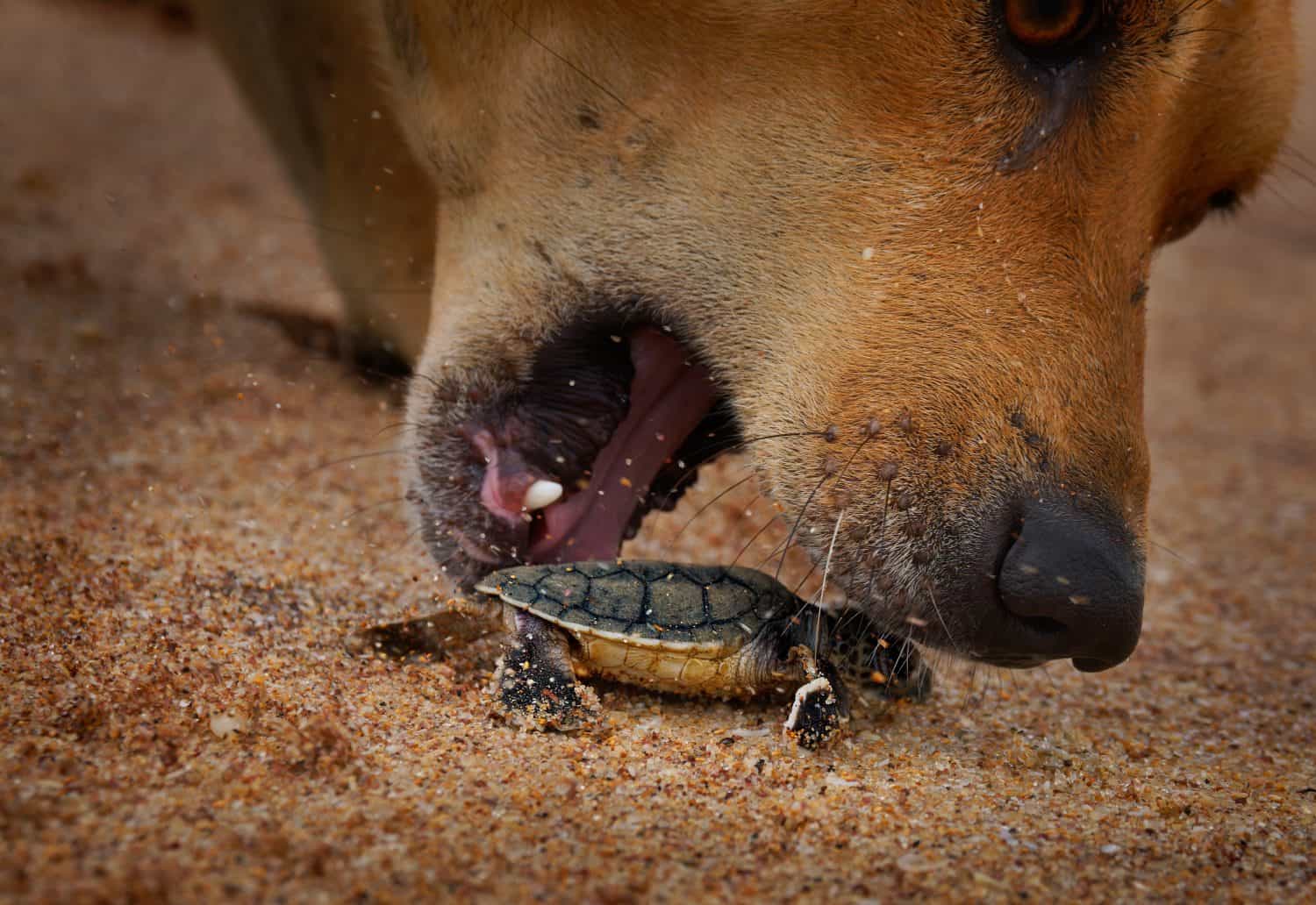
Off leash dogs proved to be unwelcome foes to Florida’s sea turtle hatchlings and eggs.
©Martin Pelanek/Shutterstock.com
Despite the positive news of a record-setting number of turtle nests along the Florida coast, there was also some unfortunate news. In two separate incidents, unleashed dogs were responsible for the deaths of a few dozen sea turtles.
On August 21, it was reported that at Atlantic Beach in North Florida, 23 hatchlings were killed by an unleashed dog. Officials from Beaches Sea Turtle Patrol made the grim discovery as they were doing a beach nest survey.
“Every nest counts because scientists estimate that only one in 1,000 hatchlings reach adulthood,” explains the city in a statement obtained by the Miami Herald.
The dog was never caught, prompting officials from Atlantic Beach to remain vigilant when near known nesting areas and always to keep beachgoing dogs on a leash.
This incident came just a few weeks after an August 6, 2025, Facebook post from Mickler’s Landing Turtle Patrol reported that an unleashed, curious dog dug up several nests at Ponte Vedra Beach. Located just seven miles from Atlantic Beach, the nests dug up at Mickler’s Landing could have proven to be catastrophic for the species of turtle that was disturbed. Fortunately, reports indicate that the damage sustained was limited to a few eggs, while the rest of the eggs in the nests remained intact.
These incidents serve as reminders that turtles need help to have a successful nesting season. For those who want to get involved, there is plenty that can be done both before and after turtle eggs are laid on Florida’s beaches.
How People Can Help Protect Turtles
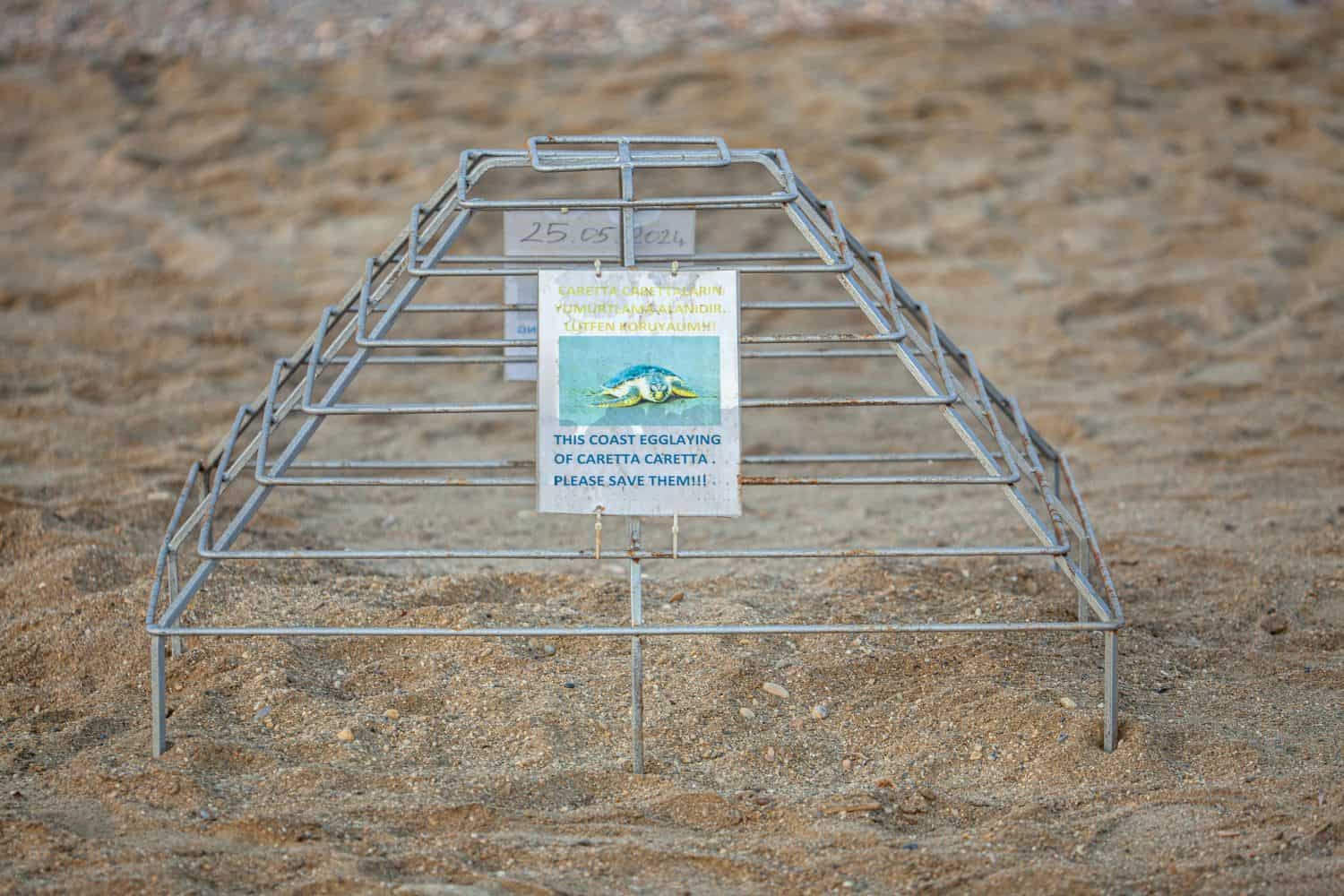
The best way to help sea turtles during nesting season is to give them their space and create a clean environment for them.
©Bucsa Nicolae/Shutterstock.com
During nesting season, both the turtles coming ashore to lay their eggs and their hatchlings need as much help as possible. This does not mean getting close to the turtles. Instead, according to experts, taking action means giving the turtles space and keeping their environment as tidy as possible to give the next generation of turtles the best shot at life possible.
How beachgoers can help protect turtles and their hatchlings during nesting season includes:
- Give mature turtles plenty of room to move, dig, and lay eggs before they return to the ocean
- Keep noise levels in nesting areas to a minimum
- Keep beaches clean by removing trash and debris that could impede mature and hatchling turtles from making their way to the ocean
- Do not use light that stresses mature turtles or misdirects hatchlings away from the ocean
- Keep predators away from nesting sites by removing trash that makes an appealing meal
While people may want to be more involved in the nesting and hatching process of turtles in Florida, increased participation would actually prove detrimental to the nesting season. Therefore, tasks such as counting nests and, as the season progresses, hatched and unhatched eggs, are best left to the experts. The best way people can help the turtles is by making their habitat clean, quiet, and light pollution-free so that both mature turtles and hatchlings can safely make their way from the beach to their marine environment successfully.