
Quick Take
- Birds don't just swallow fish whole. They follow a precise sequence to avoid being seriously injured in the process. How birds swallow fish →
- A seabird's neck isn't the only bizarre thing that expands. There's also an internal structure that stores food in a way that defies how most people picture digestion. Inside the expandable crop →
- A live fish can survive inside a bird's throat, though not for long. The reason it dies is stranger than you'd expect. How fish die inside birds →
Have you ever been so hungry that you didn’t even stop to chew your food, instead gulping it down as quickly as possible? That is basically how certain birds, like herons and cormorants, treat every single meal. In the Facebook video, a seabird’s neck appears to be dancing. What is actually making this bird’s body writhe and wiggle is a live fish in its neck.
It can be a startling sight to see a seabird swallow a full-sized fish whole and then struggle to get the still-alive fish down its gullet. Swallowing fish whole, however, is a common method of consumption for many birds. Let’s learn more about this expedited eating process and why certain birds engage in it.
One Fell Swoop
In this Facebook video, a bird sits on a metal beam by the ocean. It seems to be gyrating, or even dancing, until you realize what is actually happening; it has a live fish in its throat, struggling to break free before being digested. It seems like an unpleasant way to eat dinner until you realize it’s exactly what many birds need to do to get nutrients.
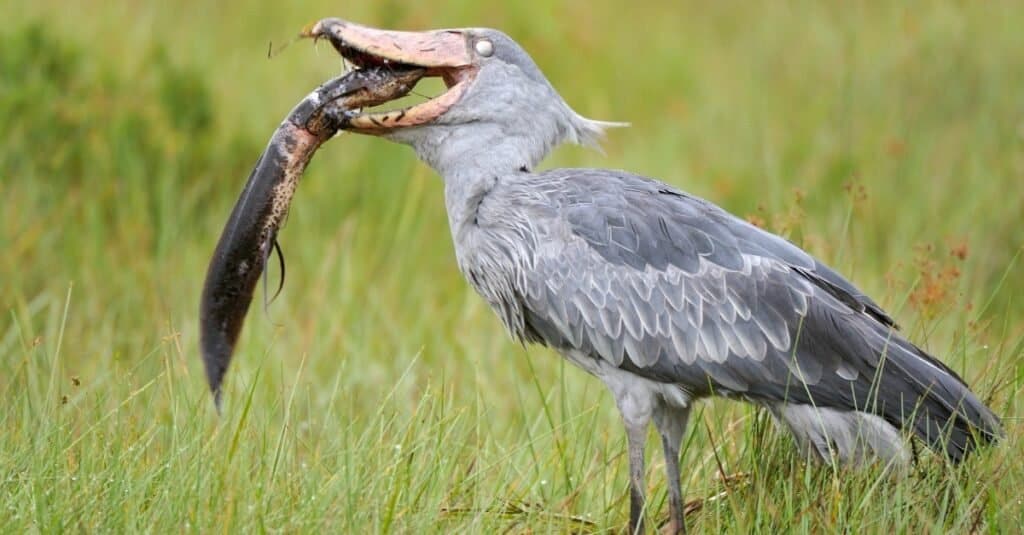
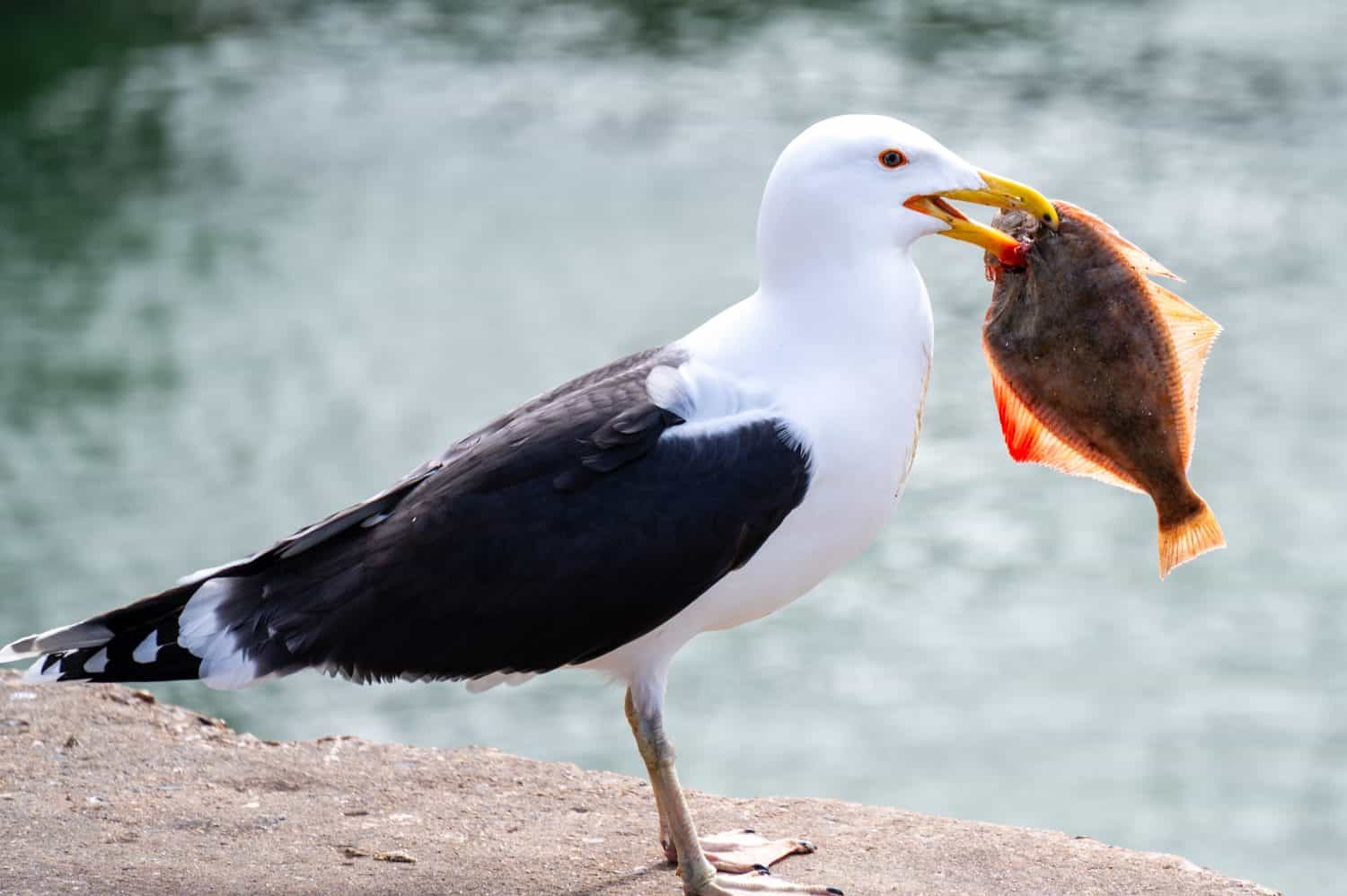
Birds don’t have teeth for chewing, so they must swallow their meals whole, no matter the size.
©iStock.com/Michel VIARD
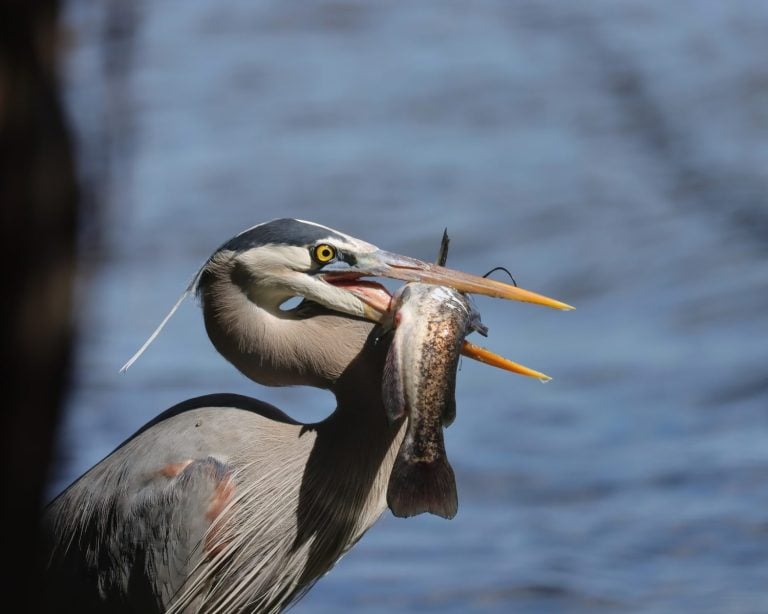
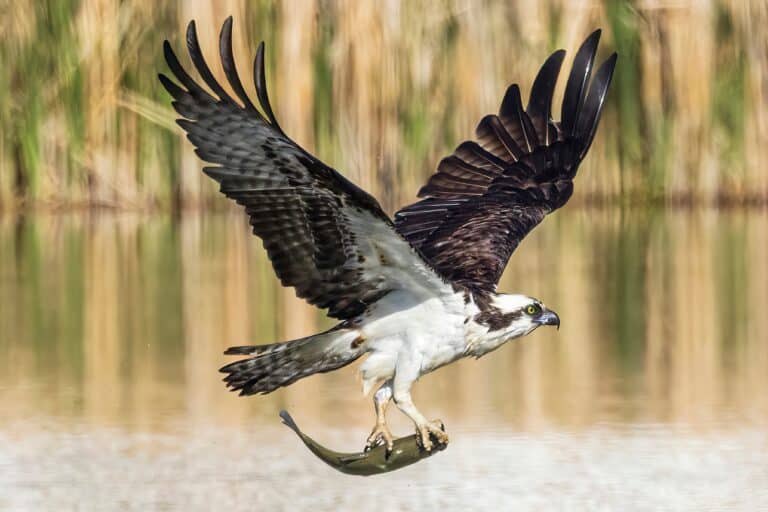
Birds, including seabirds, lack teeth. Since they can’t chew their food, they have to get it down by any means necessary. This involves swallowing food like live, whole fish mid-swim. First, birds often flip fish so the prey enters their throats head-first. This prevents any puncturing of the bird’s gullet by a badly angled fish fin. From there, saliva helps push down the still writhing fish. Because the birds lack gag reflexes, they are able to tolerate the moving fish.
Furthermore, many seabirds have expandable esophaguses, ones that can stretch wide enough to fit considerably large prey. Called a crop, this esophageal extension, when full, can make a bird’s neck look far wider than normal. Birds are opportunistic eaters, so sometimes they will swallow more than necessary. The leftover food is stored in their crops to be digested at a later date.
In the Belly of a Bird
As seen in this video, swallowing a fish alive means taking the time to let digestion work its magic. After a fish meal enters a bird’s esophagus and the crop, it moves directly to the proventriculus. This is the first part of a bird’s stomach, between the crop and gizzard. Within 15 to 20 minutes, the fish dies, either from a lack of oxygen, muscular compression from the bird’s organs, or the powerful digestive enzymes and acids in a bird’s stomach that quickly break down tissue.
Perhaps the most remarkable bird gizzard is found in the grebe. Often aided by the bird swallowing its own feathers, the grebe’s gizzard functions as a filtration system for hard-to-digest material. It traps any indigestible fish bones and keeps them from traveling into the small intestine, where they can cause serious damage.
As this Facebook video shows, the way a bird eats its meal may look gluttonous, but it actually serves a very real and necessary evolutionary purpose.