
Quick Take
- Colorado is creating a bison management hunt roster, designed to only be used in specific situations, and it isn’t a regular hunting season.
- The Book Cliffs bison herd from Utah occasionally crosses into Colorado, prompting collaboration between the two states to manage and protect these animals.
- Colorado is accepting sign-ups for the bison management hunt roster from January 1st to January 31st, 2026, to prepare for time-sensitive situations where bison may threaten people or property.
- The bison hunting roster is a widely contested debate, with the general public, landowners, Tribes, and other wildlife organizations weighing in.
Once hunted to near-extinction and brought back from the brink, bison are protected as wildlife in some parts of the United States, but their legal status varies by state and land ownership, with some populations managed as livestock or subject to regulated hunting. In Colorado, officials just opened the first wild bison hunt in over a century.
Today, we’ll do a deep dive into Colorado’s new bison roster, establishing who has authority over these animals, what’s legally allowed to hunt according to the roster, what happens if a bison starts causing damage, and what CPW wants to accomplish through this process.
Why Is Colorado Building a Bison Hunt Roster?
Colorado’s bison hunt roster is a sign-up list that Colorado Parks and Wildlife can use to quickly pick qualified hunters if free-roaming wild bison enter the state and officials decide a time-sensitive management removal is needed. For example, if bison are a threat to property or may be causing agricultural damage, the roster is used to accomplish the job quickly.
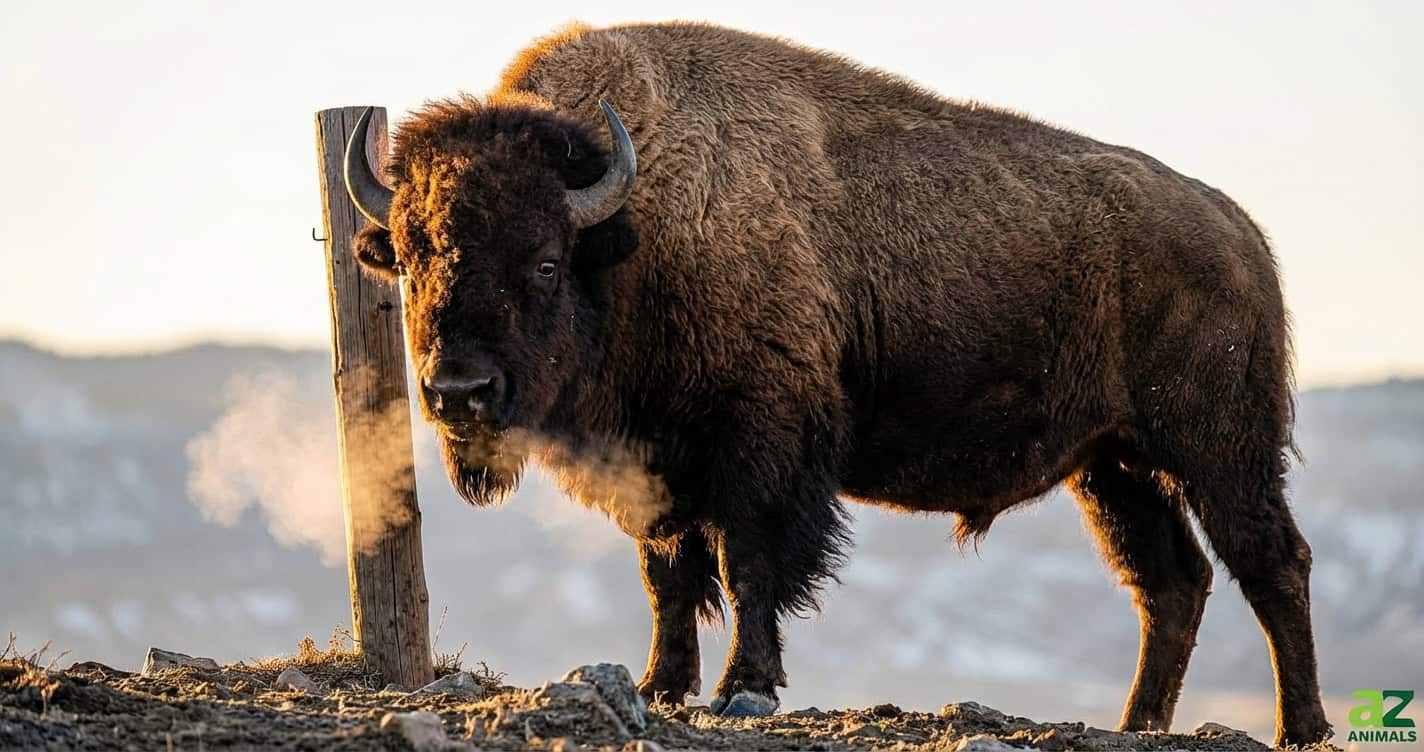
There’s a reason Colorado’s new bison hunt roster is controversial: this animal has long been protected.
©Tim Malek/Shutterstock.com
Colorado’s bison management hunt roster is a direct result of SB25-053, a new state law that classifies bison as big game unless they are livestock and allows for special management hunts under specific circumstances. It also clarifies that taking a bison is illegal unless authorized by the Parks and Wildlife Commission rule. Essentially, the law is meant to clearly define when bison are wildlife managed by CPW versus livestock managed through agricultural systems.
While technically a subtle legal change, there is a clear reason for both the law and the roster. Colorado does not have resident wild bison herds, but bison from Utah’s Book Cliffs herd occasionally cross the state line into Colorado. CPW is not proposing regular bison hunting seasons at this time, which is a key distinction in the controversy; they are only implementing the roster.
How Does the Bison Hunt Roster Work?
According to CPW, hunters can sign up for a bison management hunt roster during a defined window, which is January 1st–31st, 2026. CPW may run a random drawing from that list only if a special management license is needed for a specific situation. CPW describes this as a way to be ready for a rapid response rather than running a scheduled hunt season, which is the whole point of building a roster ahead of time.
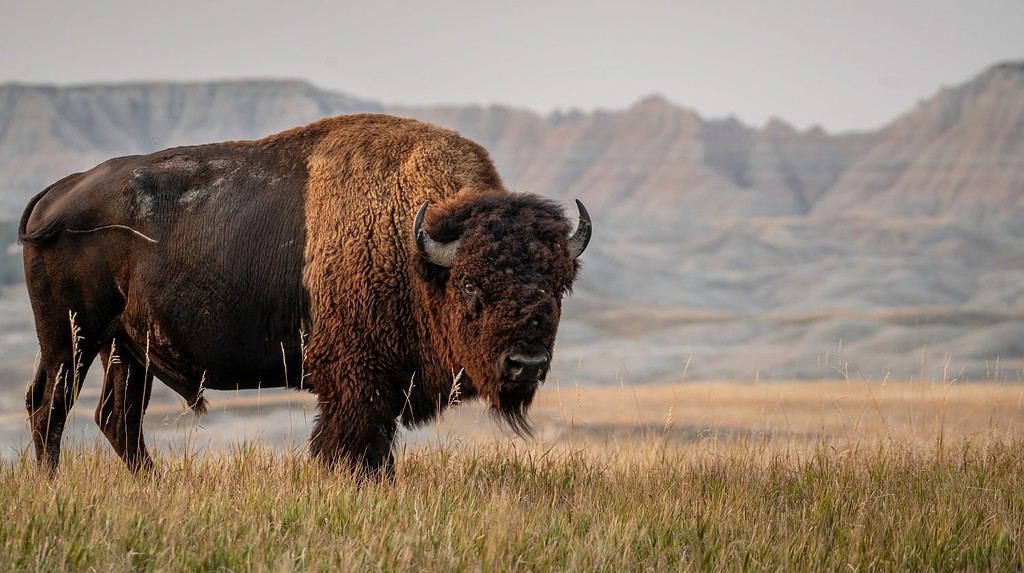
If granted a hunting license for bison, it is only viable for a week to protect these animals and keep the roster fair.
©Scalia Media/Shutterstock.com
CPW limits entries to one sign-up per person, which keeps the draw process simple and fair. If CPW needs to conduct a drawing, selected applicants are notified by both phone and email, and they have 24 hours to accept the license lest they draw someone else’s name. Finally, if a hunter accepts, CPW specifies that the license is valid for only one week, ensuring that bison are protected outside of this short timeframe.
Moving the Book Cliffs Herd
CPW has been preparing specifically for bison to migrate into Colorado from Utah’s Book Cliffs area. In a November 7th, 2025, CPW release, the agency announced it was drafting a Book Cliffs Bison Management Plan to address the protection and management of bison migrating into Colorado from Utah, as required by the new state law.
The state’s priorities included identifying a designated management zone, setting a population objective, developing strategies for preventing and responding to game damage, and establishing herd tracking options. Colorado would also be responsible for reporting to Utah, as they have their own reasons for tracking this particular herd.
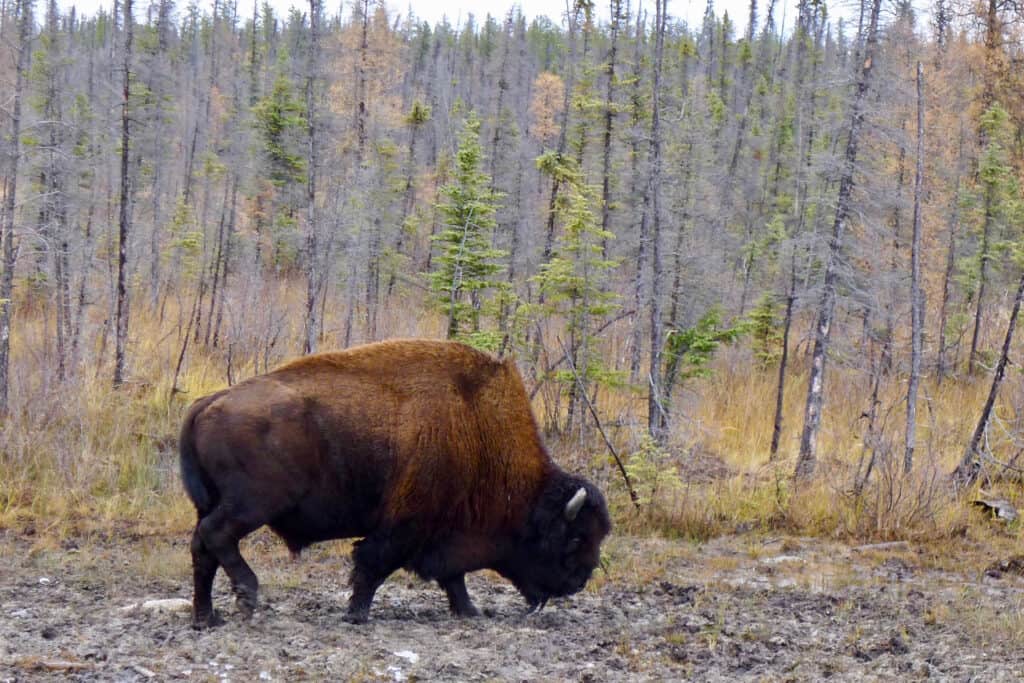
A particular herd migrates into Colorado from Utah, making the roster a two-state issue.
©iStock.com/Peter Loring
Utah’s objective is to one day have a population size of 650 adult bison distributed across subunits, along with monitoring strategies like helicopter surveys and ground classification counts. This type of active, surveillance-style management is one reason Colorado wants clear rules in place before bison cross into its jurisdiction.
What CPW Says Would Trigger a Roster Draw
CPW has mentioned that it may issue special management licenses on a case-by-case basis for time-sensitive needs only. In real terms, a situation that might lead to a roster draw could involve:
- A bison lingering on private land and repeatedly damaging fences, hay, equipment, or threatening other animals, creating an escalating conflict over days rather than months.
- A bison moving through a corridor where road safety becomes a concern, and there isn’t time to wait for a longer administrative process.
- A situation where simple deterrence measures are not resolving the issue quickly, leading CPW to determine that removal is the most practical option.
Why Hunting Is On the Table for an Iconic Species
This roster is politically charged for many reasons, which CPW likely anticipated. They argue that having a regulated, enforceable tool available for removal is necessary to avoid improvising potentially dangerous responses. Wildlife agencies routinely prefer transparent processes with clearly defined authorization, which is ultimately why CPW is establishing this system.
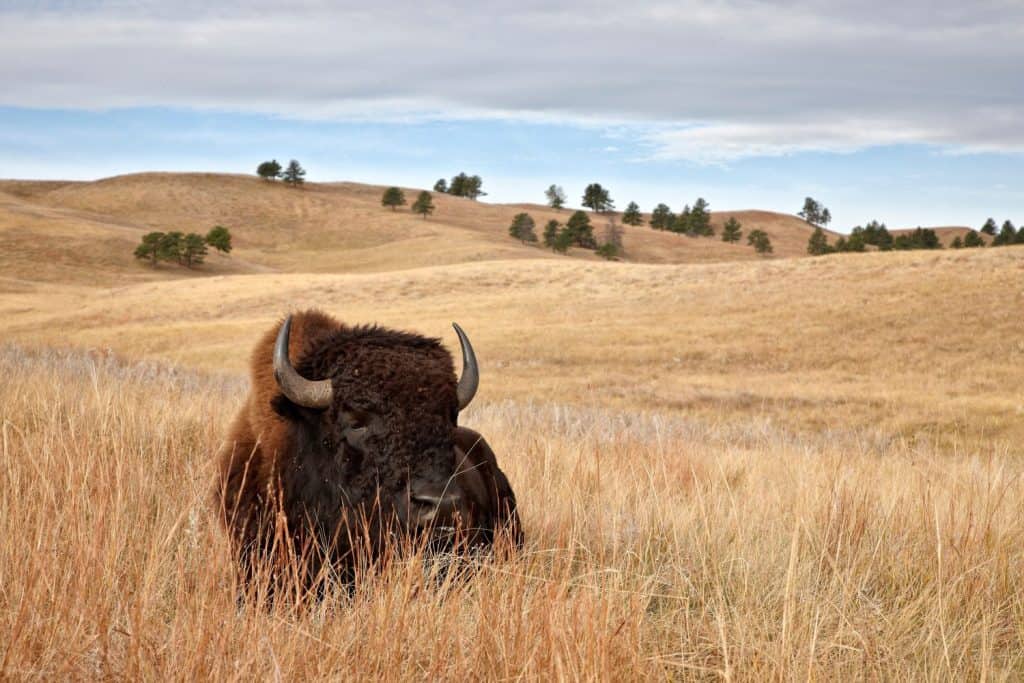
The bison roster is not the same as a bison hunting season, which is an important distinction.
©Robert Harding Video/Shutterstock.com
That’s also why CPW mentions frequently that the roster is not the same as a bison hunting season. The agency is trying to communicate that it can protect wild bison as wildlife under the new law while still retaining a tightly controlled way to handle rare conflict cases. Still, not everyone agrees with this careful approach, and there are understandable reasons for their concerns.
A Brief History of Bison in the U.S.
Bison management can’t be separated from history, given the fact that the bison population plummeted from an estimated 30–60 million to fewer than 1,000 animals by the 1890s. That crash is just one reason why any modern policy that involves killing bison can trigger strong reactions, even when it’s framed as limited and carefully regulated management.
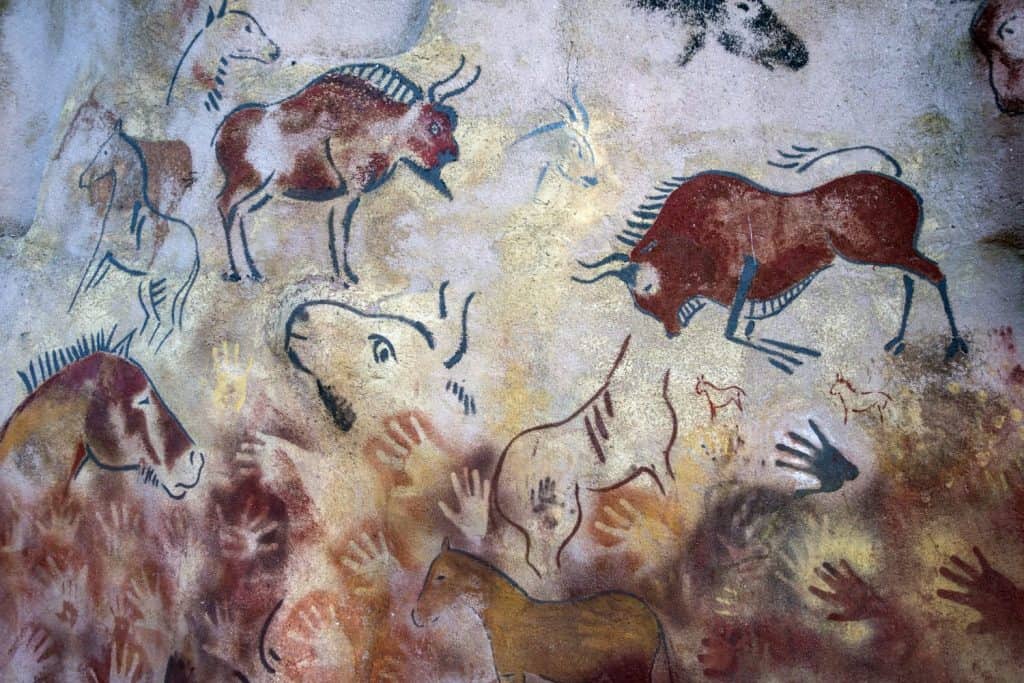
Bison are integral to the history of the United States and the history of many Tribes, making them an animal that’s highly protected.
©ENRIQUE ALAEZ PEREZ/Shutterstock.com
At the same time, bison restoration has been a long-running and successful conservation effort involving states, Tribes, federal agencies, and even private partners. As the bison population recovers, it becomes necessary to address outliers and potentially dangerous individuals.
Ecological and Cultural Implications
Colorado wildlife managers weigh many aspects of what this bison roster means for the state, as there are many potential points of view. For example, bison movement and grazing behavior can shape entire vegetation structures and create habitat variation, especially as their populations improve. CPW must consider the ecological impacts of managing such a large animal.
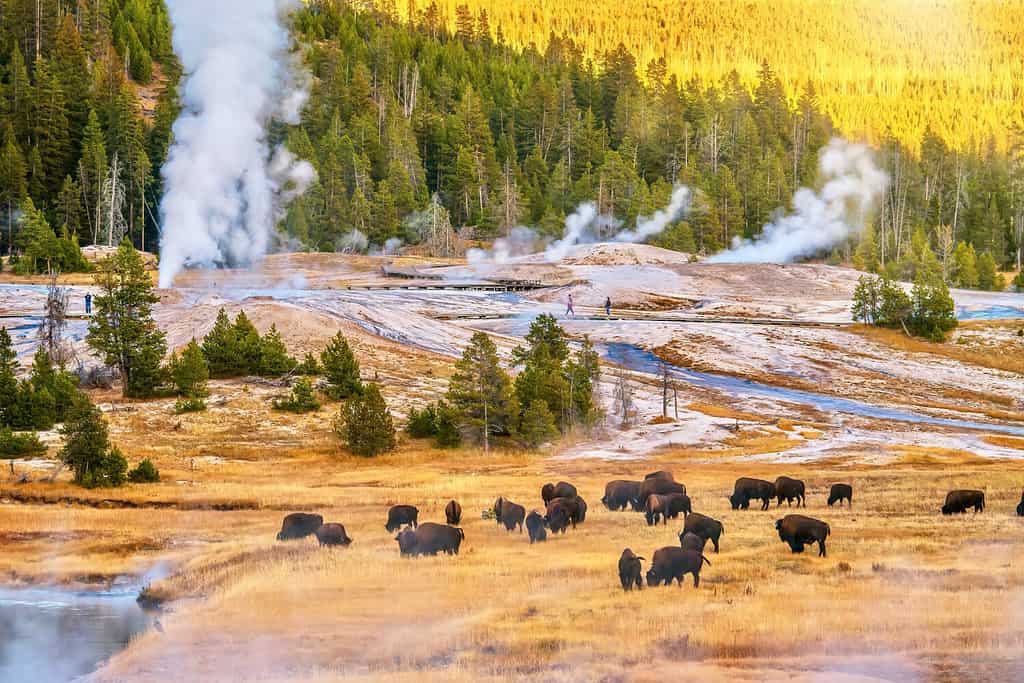
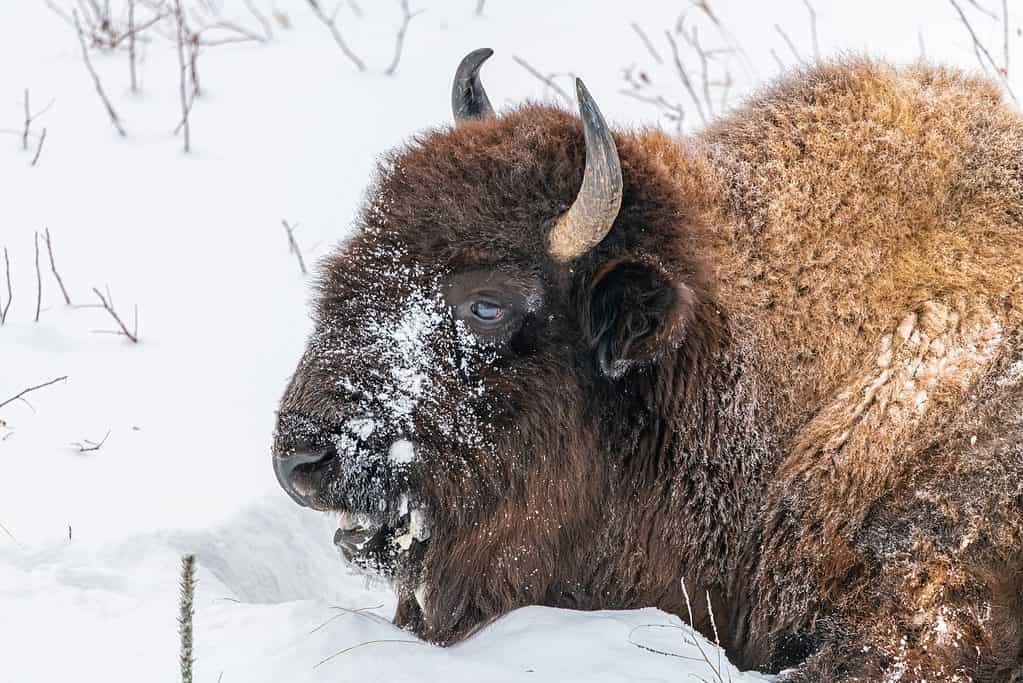
Bison can adversely affect landscapes given their size and how much they’re capable of grazing upon.
©CherylRamalho/Shutterstock.com
Culturally, bison are inseparable from Indigenous history and living Tribal stewardship. The Department of the Interior’s Bison Conservation Initiative 2020 explicitly frames bison conservation as shared stewardship that includes ecological and cultural restoration goals, which means that modern bison policy is expected to incorporate more than standard wildlife enforcement and population accounting.
CPW has also stated that stakeholder engagement will be part of this roster process, including outreach to Tribal and Indigenous peoples, the state of Utah, landowners, producers, and the public. They want all of these varied interests to meet and ensure this process goes as smoothly and respectfully as possible.