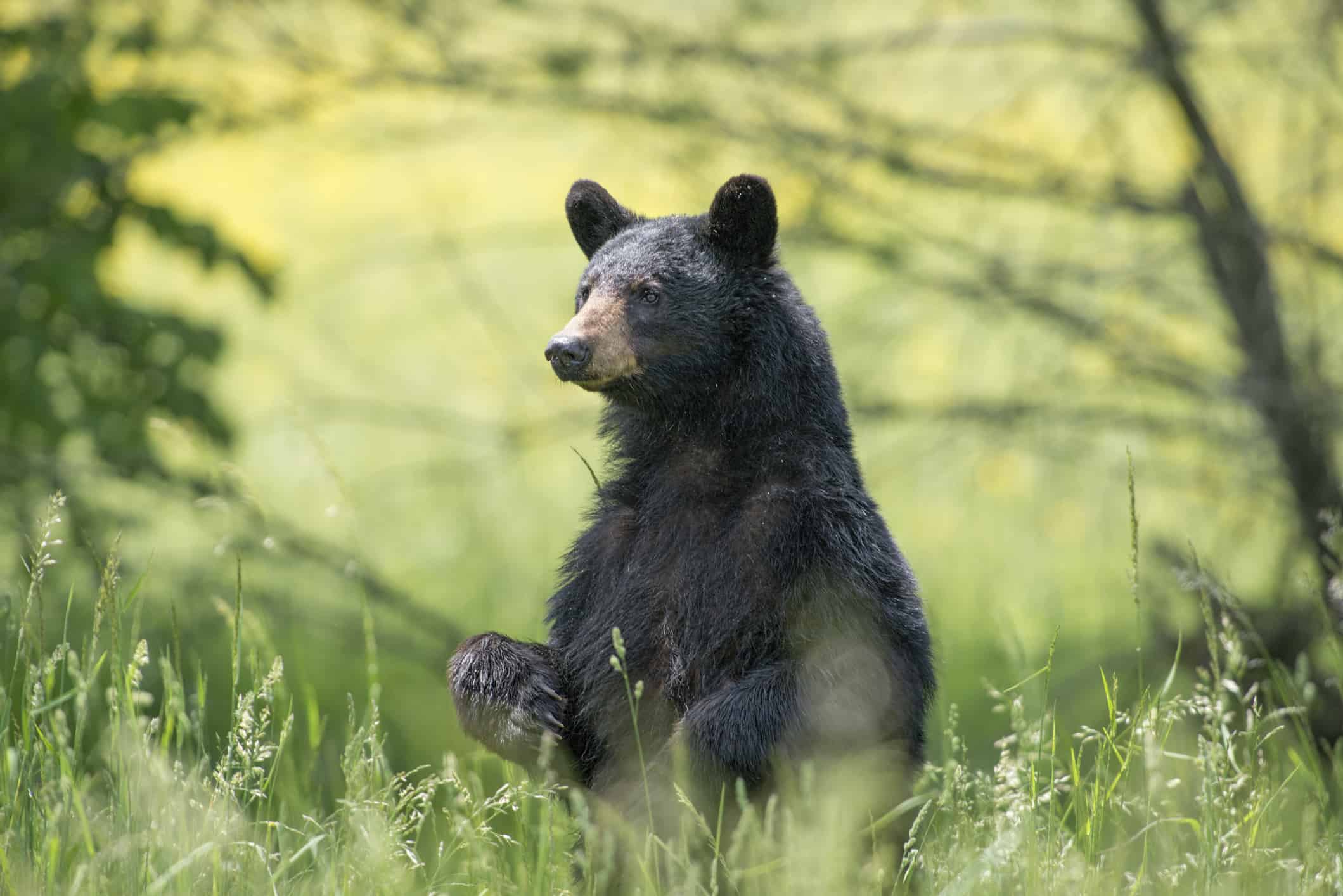

Quick Take
- Roughly 83% of Michigan’s black bears live in the Upper Peninsula, where dense forests and abundant food support large populations.
- Bear sightings are increasing in the northern Lower Peninsula as populations grow and younger bears expand into new areas.
- Reports of bears in southern Michigan remain rare outliers despite viral posts suggesting the animals are spreading statewide.
In the Upper Peninsula, bears are reportedly part of the region’s everyday wildlife picture. With remote woods, swampy basins, berry patches, and long stretches of habitat that connect for miles, it’s easy for bears to thrive. Likewise, in the Lower Peninsula, bears are increasingly reported in the north, but are they as prevalent as they are in the Upper Peninsula?
We turned to the Michigan Department of Natural Resources for answers. With bears occupying roughly two-thirds of Michigan, these are the places you’re most likely to find bears. Plus, we’ll offer some insight as to why bear populations appear to be increasing in certain regions, regions you may not be too keen to visit if you’re not a fan of bears!
The Upper Peninsula: Michigan’s Main Bear Region
If your goal is to be in the part of Michigan with the highest bear density, the Upper Peninsula is where you should head. A January 2026 local report notes that the Upper Peninsula is home to about 83% of Michigan’s estimated bear population, backing up this estimate with the U.P.’s consistent harvest totals from previous hunting seasons.
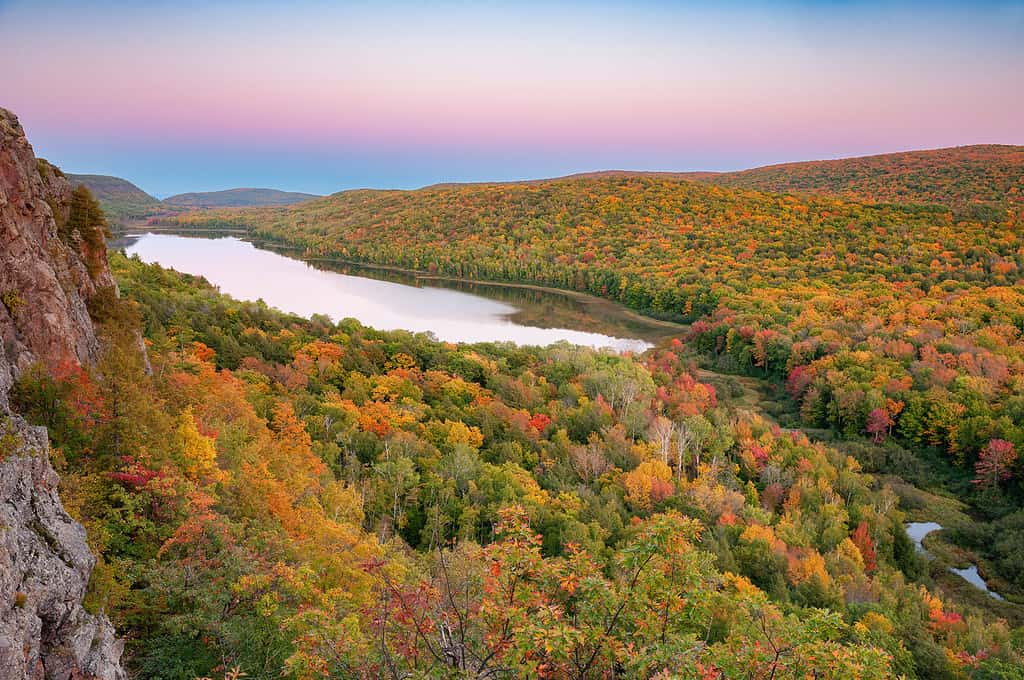
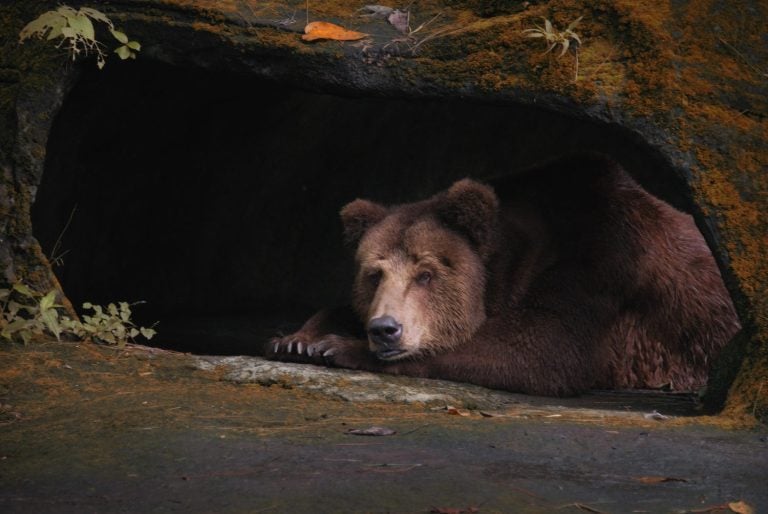
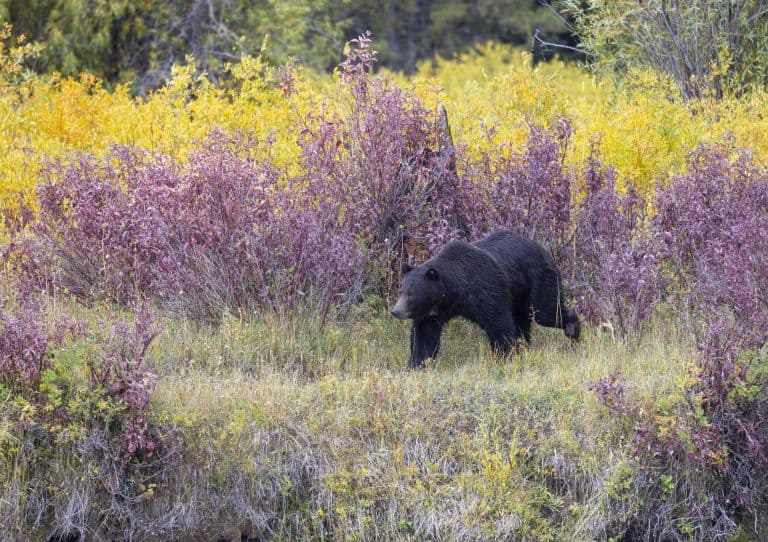
The dense woodlands of Michigan’s Upper Peninsula maintain a strong bear population.
©dpenn/ via Getty Images
Michigan’s wildlife agency also reports that bears are found across roughly 35,000 square miles of suitable habitat, mostly in the northern two-thirds of the state. Ultimately, Michigan’s bear landscape is anchored in the U.P., which likely isn’t news to those who live there. But why is this region so heavily populated with bears, and is that changing?
Why the U.P. Produces More Bear Encounters
The U.P. has everything that bears want, and all of it is stacked in one place. With quiet travel corridors and seasonal food in abundance here, bears don’t need to cross busy highways and subdivisions to move between feeding areas and bedding cover. While this means there may be fewer encounters in your suburban neighborhood, it raises the chance that people recreating in the backcountry will share space with bears, especially near natural food sources in late summer and fall.
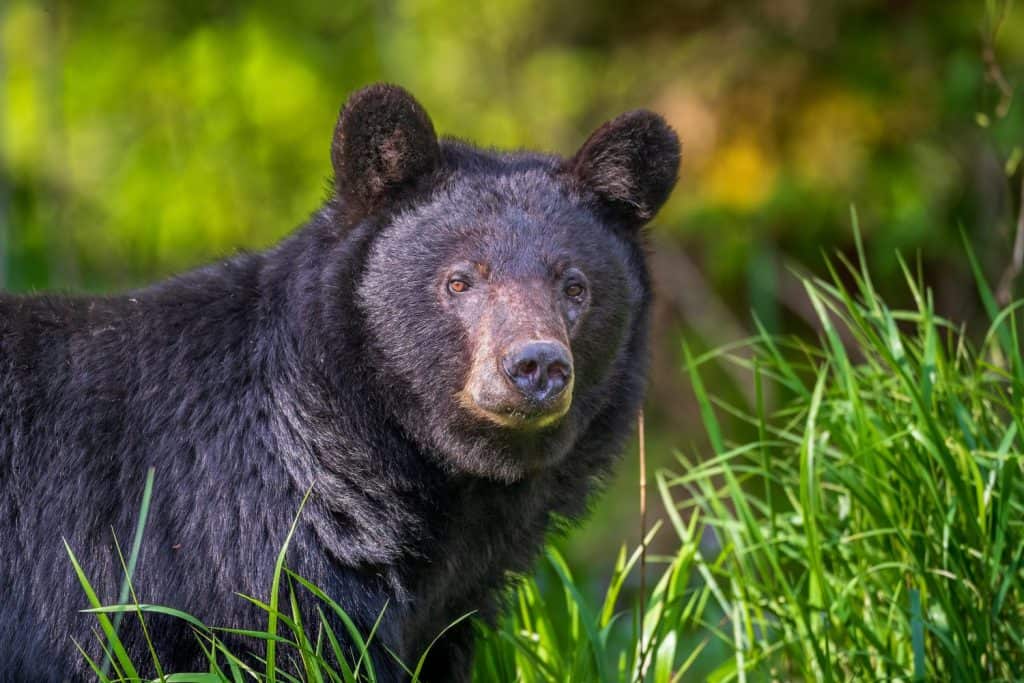
Bears in the U.P. don’t have to cross as many highways or suburban neighborhoods, which keeps them safer.
©Ben McMurtray/Shutterstock.com
Additionally, the U.P. consistently produces big bears because the habitat can support them, and the population base is simply larger. This means that there are plenty of bears being born into a healthy, sustainable habitat where they can thrive year-round.
Some of the most common areas reporting bear sightings in the U.P. in recent years include:
- Marquette County: Marquette County actually led the Upper Peninsula in 2024 bear-complaint reports, with 41 complaints according to Michigan DNR data, and the city of Marquette itself has had repeated “bear in town” sightings.
- Houghton County: It ranked near the top for 2024 complaints in Michigan DNR reporting, with 29 complaints, and Houghton has had bears reported within city limits.
- Chippewa County: Michigan DNR’s 2024 complaint totals put Chippewa County among the highest-report counties, with 25 complaints, and the Sault Tribe’s law enforcement reported multiple bear sightings both in town and on the reservation.
- Delta County: This county also landed in the highest-report group in Michigan DNR’s 2024 complaint totals at 24 complaints, with sightings in population centers like Escanaba showing up in local coverage.
The Northern Lower Peninsula: Increasing Bear Populations
Although northern Lower Michigan is not often considered a place with a large black bear population, it does have one. Population expansion is noticed here more quickly because more people live and vacation in the area.
A Michigan Public report quoted state wildlife biologist Jared Duquette on this topic, noting that “The core area where bears have increased could be imagined by drawing lines connecting Traverse City, Cadillac, Big Rapids, and Ludington.” He also added that bears have shown up as far south as Grand Haven and Saginaw, but sightings that far south are rare, with these bears considered outliers as opposed to the new standard.
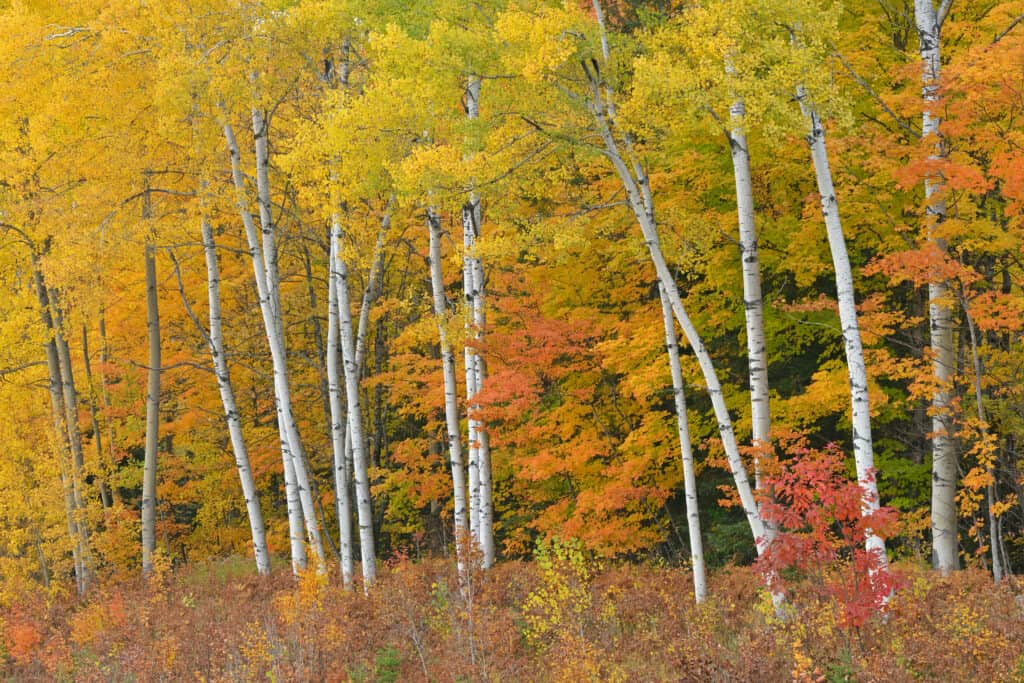
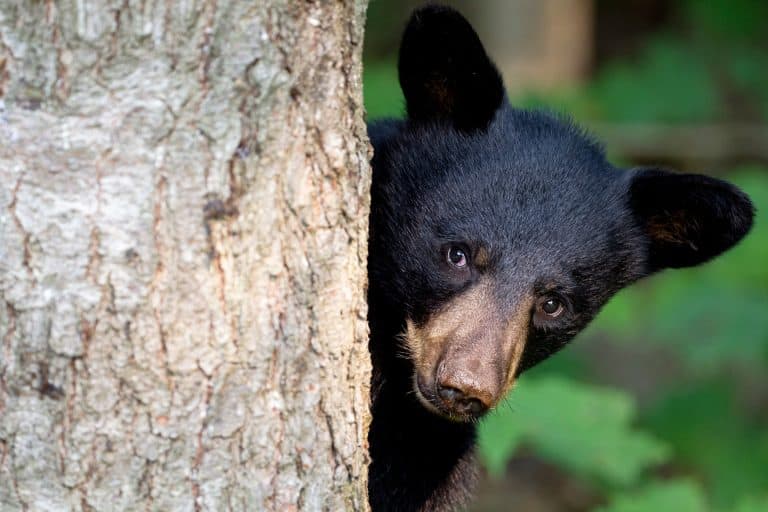
Michigan’s Lower Peninsula doesn’t have as many bears, but that population may be increasing.
©Dean Pennala/Shutterstock.com
Bridge Michigan’s look at Lower Peninsula bear movement noted that sightings get reported around northern hubs like Traverse City, Gaylord, Petoskey, and the Glen Arbor area as well, depending on the habitat. Ultimately, any locale with plenty of cover and food is likely to bring bears around. But this still doesn’t explain why they might be expanding their territories within Michigan.
Why Are Bear Sightings Rising in the North?
Bear sightings are rising in northern Lower Michigan for a few concrete, measurable reasons, including hunting management regulations. Michigan officials note that the bear population has grown within the state since 2012, right when the state began limiting the number of bear hunting licenses with the goal of growing the population. Today’s sightings and research estimate that bears increased their northern Lower Peninsula distribution by 74% between 2011 and 2021.
Typical bear behavior also plays a role. As bear numbers rise in the north, younger bears and subordinate adults are more likely to be pushed outward into less-established areas, such as those listed above. Additionally, food availability is a major factor. Year-to-year bear dynamics and hunter success can change with natural food supplies and weather, especially since bears remember food locations and will return if meals are easy to find.
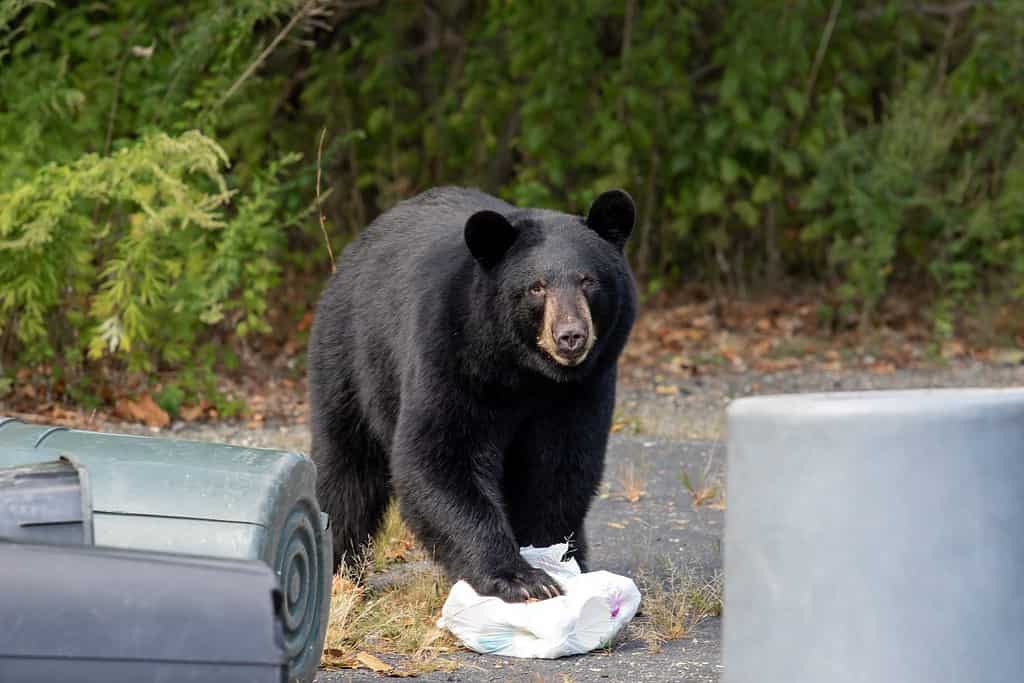
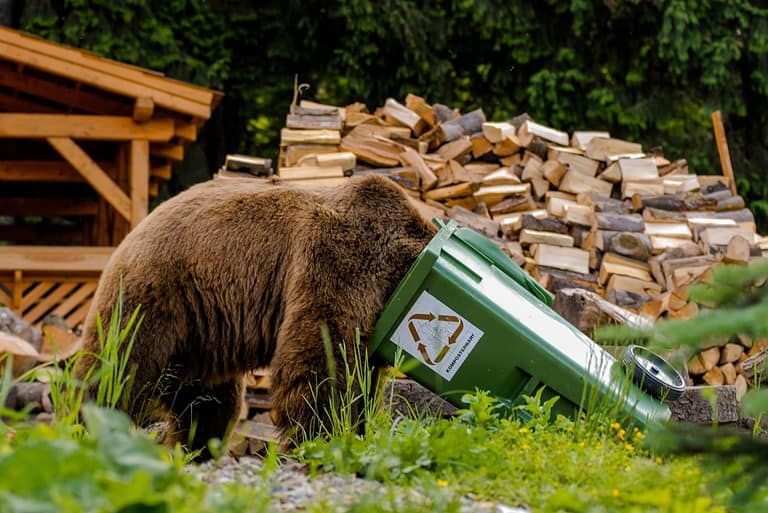
Bears will return to a location where they’ve found food, which is one reason why Michigan’s bear population is shifting slightly.
©EleanorAbramson/Shutterstock.com
Finally, sightings are on the rise simply because more people are living and vacationing inside bear range, especially in northern counties packed with cabins and short-term rentals. In a DNR-based report through the Manistee News Advocate, officials noted an average of about 285 bear-related complaints per year over two decades, with 303 complaints in 2024, with many complaints tied to food attractants like bird feeders in counties such as Otsego, Charlevoix, Leelanau, and Grand Traverse, in particular.
Southern Michigan Has Occasional Bear Sightings
While bears can wander well south of their typical northern core, it isn’t normal. However, that abnormality is part of why these sightings spread so fast online. Keep in mind that Michigan’s own public guidance still describes those southern encounters as occasional, not typical. A bear may show up in an unexpected southern Michigan county, but it won’t change the fact that Michigan’s bear concentration remains in the state’s northern regions.
Michigan Has Bears, But Not Everywhere
If you want the best odds of seeing a bear in Michigan, the safest bet is to head to the Upper Peninsula, where most of the state’s bears live, and the habitat stays connected for long, protected distances. The Northern Lower Peninsula is your next best bet, anywhere bears are established, and sightings are becoming more routine. Southern Michigan has yet to become bear country, but only time will tell how the population shifts and grows.

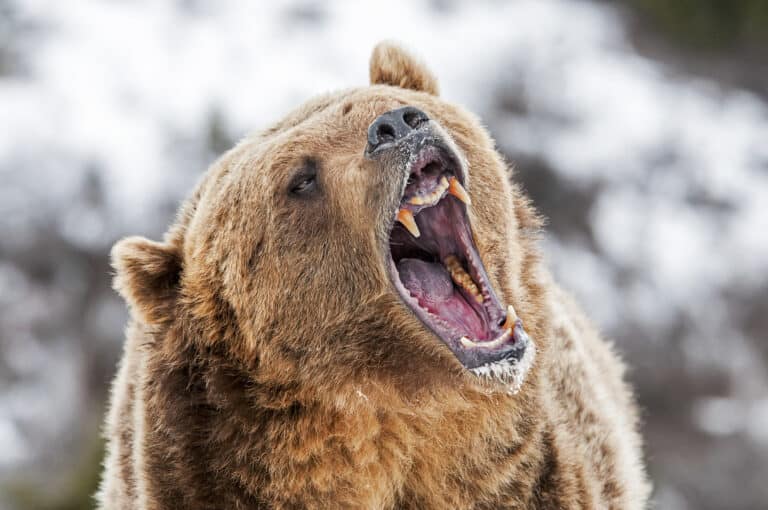
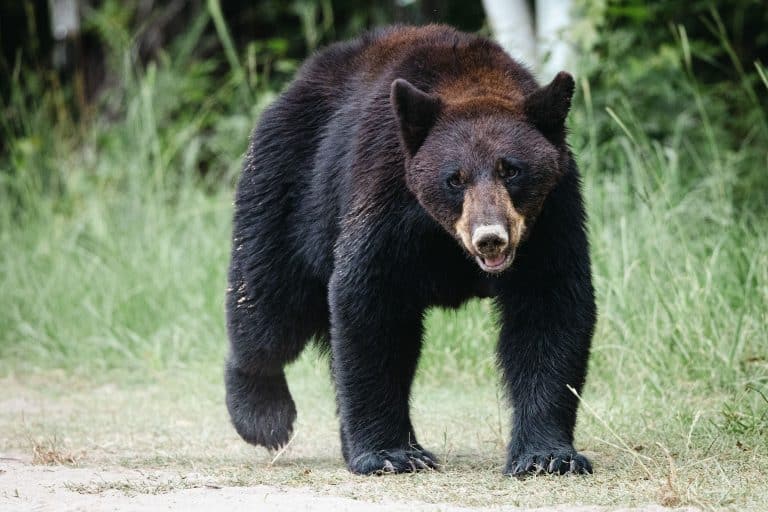
Always stay bear aware if you’re spending time in Northern Michigan!
©Jukka Jantunen/Shutterstock.com
Whether you’re hoping to spot a bear or just going about your day in Michigan, remember that if you’re spending time up north, you should assume bears are part of the landscape and plan accordingly. Secure anything that smells like food, and always give bears space when you spot them. It’s unlikely that you want them coming back again and again!