
Quick Take
- Achieving takeoff requires a clear aquatic runway measuring nearly 1 football field in length.
- The 12-pound weight and specific foot placement make terrestrial movement almost impossible.
- Counter-intuitively, immature loons must spend several years at sea before returning to northern lakes.
- Lawmakers rejected the goldfinch to ensure the state symbol properly represented the northern wilderness.
Minnesota chose the common loon as its state bird in 1961 because lawmakers and bird experts agreed that no other animal captured the state’s wild, lake-centered identity as clearly as this sleek, red-eyed diver. The loon’s haunting calls, torpedo-shaped body, and habit of nesting on quiet northern lakes made it a symbol of untouched wilderness at a time when tourism and conservation were both becoming central to Minnesota’s story. Even today, many residents feel that summer on the lake does not truly begin until they hear a loon calling across the water at dusk.
The Common Loon (Gavia immer)
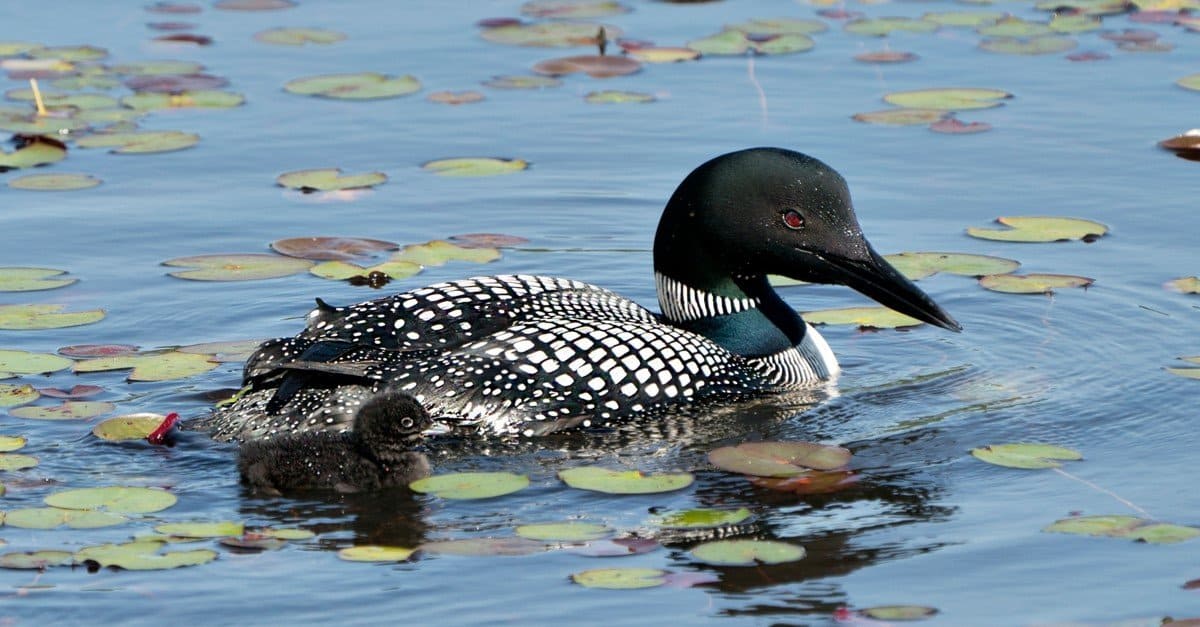
The common loon is a large, fish-eating waterbird with striking black-and-white summer plumage, bright red eyes, and a long, dagger-like bill built for underwater hunting.
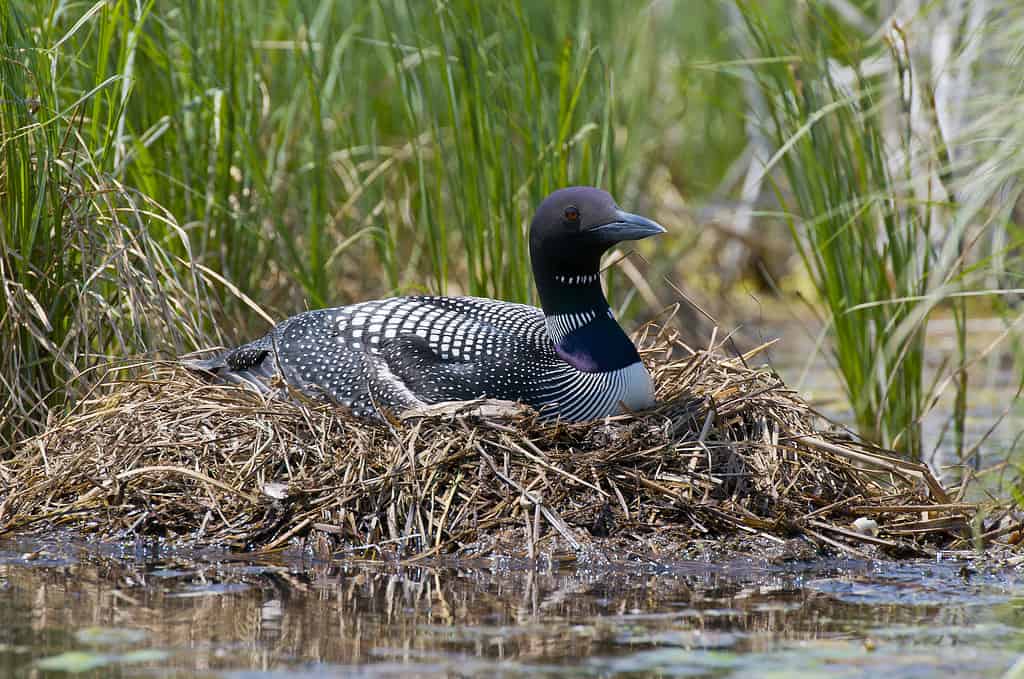
A common loon nests along the shoreline of a northern lake, reflecting the species’ strong dependence on freshwater habitats.
©SteveOehlenschlager/iStock via Getty Images
On Minnesota’s lakes, adults can weigh 8 to 12 pounds, with heavy bodies, short tails, and powerful webbed feet placed far back to help them dive like living torpedoes. Loons can slip beneath the surface and pursue prey down dozens of feet, steering with their feet while their wings stay folded at their sides. In winter, they trade their bold breeding colors for plain gray, spend months on the Atlantic coast or Gulf of Mexico, then return to northern lakes as soon as the ice breaks in spring.
How the Loon Came Out on Top
The loon did not glide into official status without a fight. For years, Minnesota lawmakers debated several other birds, including the goldfinch, mourning dove, and pileated woodpecker, and even created a commission that asked schoolchildren to vote on possible “avian emblems.” The loon gained momentum around 1950, helped by visiting ornithologist Robert Murphy, who argued that a diving bird tied to the state’s thousands of lakes would be the ideal symbol. In 1961, with backing from the Minnesota Ornithologists’ Union and legislators who said the loon “typified the wilderness and the lake areas of our state,” the legislature finally passed a bill naming the common loon the state bird, and Governor Elmer Andersen signed it on March 13.
Minnesota selected the common loon because it represented exactly what the state wanted the world to see in the early 1960s: wild lakes, summer cabins, and a deep connection to northern forests.
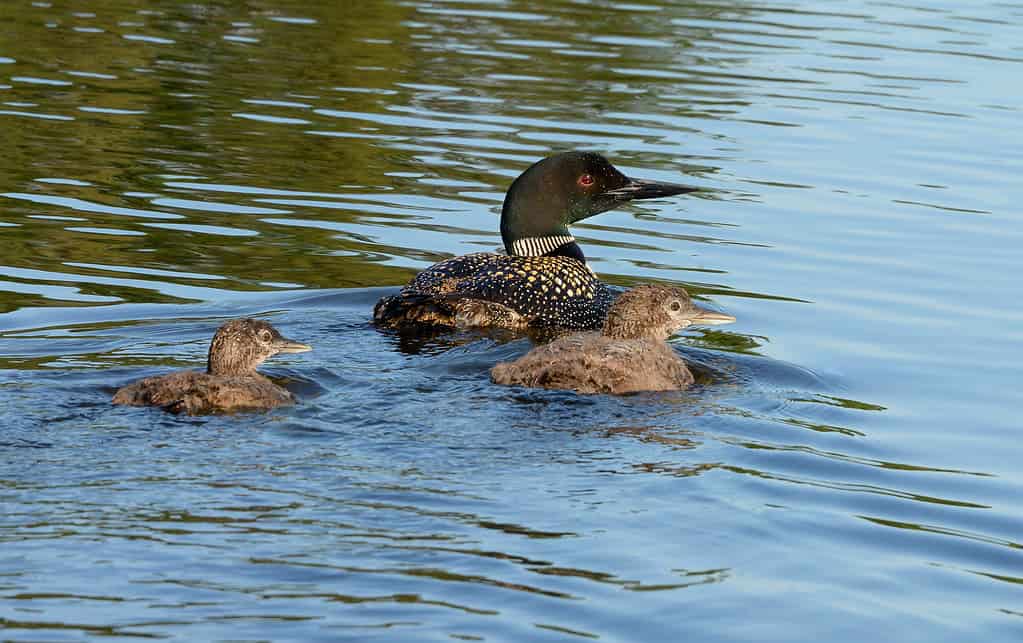
Images of common loons on quiet northern lakes helped shape Minnesota’s identity as the “Land of 10,000 Lakes.
©Tammi Mild/iStock via Getty Images
Supporters emphasized that loons are easy to recognize, with their checkered backs and eerie calls, and that they nest on the same kinds of clear, rocky lakes that drew anglers and vacationers north each year. Unlike songbirds that might also live in cities or farm country, the loon felt like a promise that there was still real wilderness waiting beyond the last stoplight. Lawmakers also liked that loons showed up well in photographs and promotional materials just as Minnesota was marketing itself as the “Land of 10,000 Lakes.”
Today, the loon is so common on license plates, souvenirs, and sports logos that it can be easy to forget it is also a living, breathing neighbor on the water. On summer mornings, many cabin owners drink coffee while watching a loon family cruise by, parents surfacing with small fish for fluffy chicks riding on their backs. Anglers chasing walleye or northern pike often share the same quiet bays with loons and listen to their calls echo across the shoreline. Tourism groups and resorts use the loon’s image to signal that a lake is not just a place to fish and swim but a place where wild nature still feels close at hand.
The Meaning of Various Loon Calls
The loon’s voice may be its most famous feature, and each type of call carries a different message.
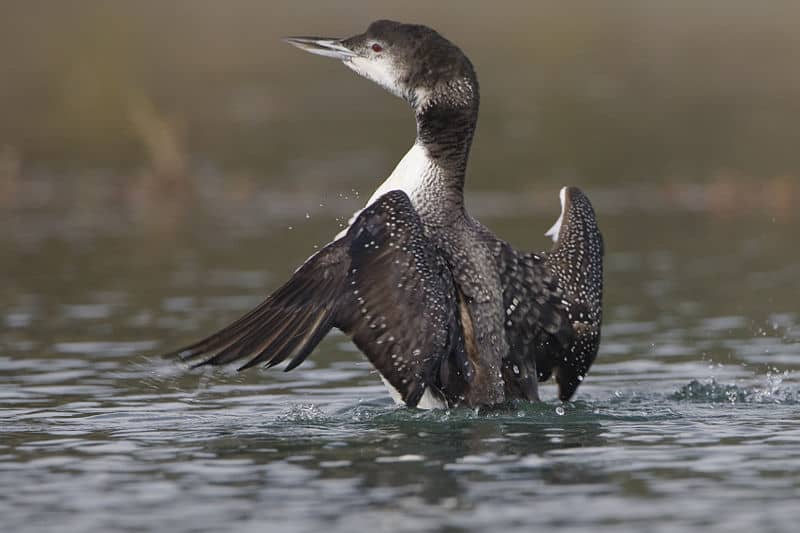
Common loon calls echo across quiet lakes, helping birds communicate while creating the eerie sounds often associated with wilderness camping.
©Mike Baird / Creative Commons – Original
The long, rising wail helps family members locate each other across a lake, while the more quavering tremolo is often given when a bird is excited or alarmed. The yodel, a long, complex call only produced by males, serves as a territorial warning and can change slightly depending on the bird and situation. On still nights, these sounds bounce off the water and surrounding hills, which is why campers sometimes describe loon calls as both beautiful and a little spooky at the same time.
Life on Minnesota’s lakes
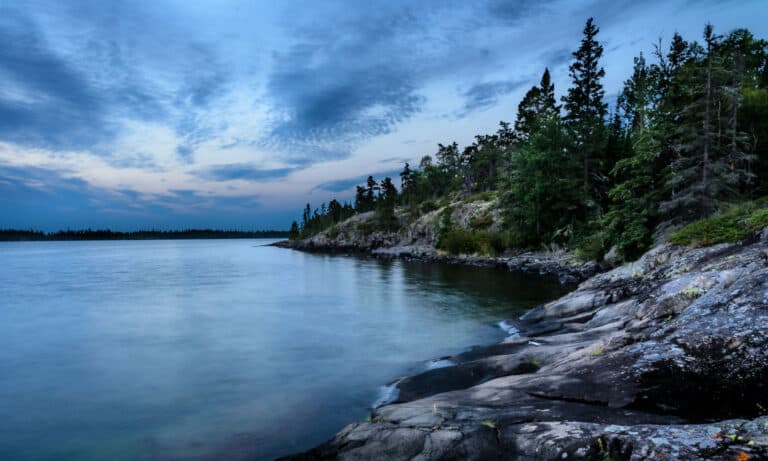
Loons choose lakes with clear water, plenty of fish, and enough open surface for their clumsy takeoffs, which may require a runway nearly as long as a football field. In Minnesota, they are most common on central and northern lakes where shorelines are forested and human development is less intense. Each pair typically defends a territory on one or several nearby lakes, raising one or two chicks on nests built right at the water’s edge on islands, points, or floating bog mats. When the lakes begin to freeze, adults migrate first to the Atlantic Coast or Gulf of Mexico, and younger birds follow later, often staying on the ocean for several years before returning north.
Culture, Stories, and Identity
Even before lawmakers acted, Minnesotans had already started treating the loon as a kind of unofficial emblem through art, stories, and outdoor traditions.
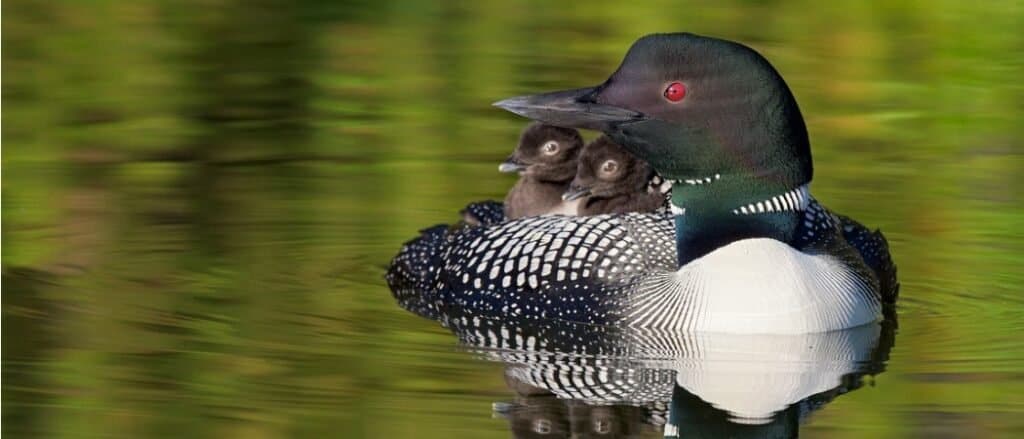
Images of common loons gliding across calm lakes have long appeared in Minnesota art, stories, and outdoor traditions.
©iStock.com/Kandfoto
The bird appears in paintings, wood carvings, and cabin decor, often shown gliding on glassy water at sunset with pine silhouettes in the background. Native nations across the broader North have long told stories about loons as messengers or guides, and while those traditions are not unique to Minnesota, they added to the sense that this bird carried meaning beyond simple biology. Today, even people who rarely pick up binoculars know the sound of a loon from movies, tourism ads, and the state’s professional soccer team nickname.
Ecological Role and Conservation
As top predators in their lake food webs, loons help keep fish populations balanced and healthy. They mostly eat small fish but will also take crayfish and other aquatic creatures, especially where the water is murkier. Minnesota supports an estimated 4,700 territorial pairs (about 9,400 adult loons), one of the largest populations in the United States, and long-term monitoring suggests that numbers have been generally stable, though recent reports indicate a downturn in breeding success. However, their life history is slow, with low chick survival and long lifespans, so any serious decline would be a warning sign that lake ecosystems are under stress.
Threats to a Beloved Symbol
Despite their strong connection to Minnesota’s identity, loons face several modern threats that test how well the state can protect its own symbol. Lead fishing tackle, mercury pollution, shoreline development, oil spills on coastal wintering grounds, and disease outbreaks like botulism have all caused loon deaths or reduced nesting success in different regions.
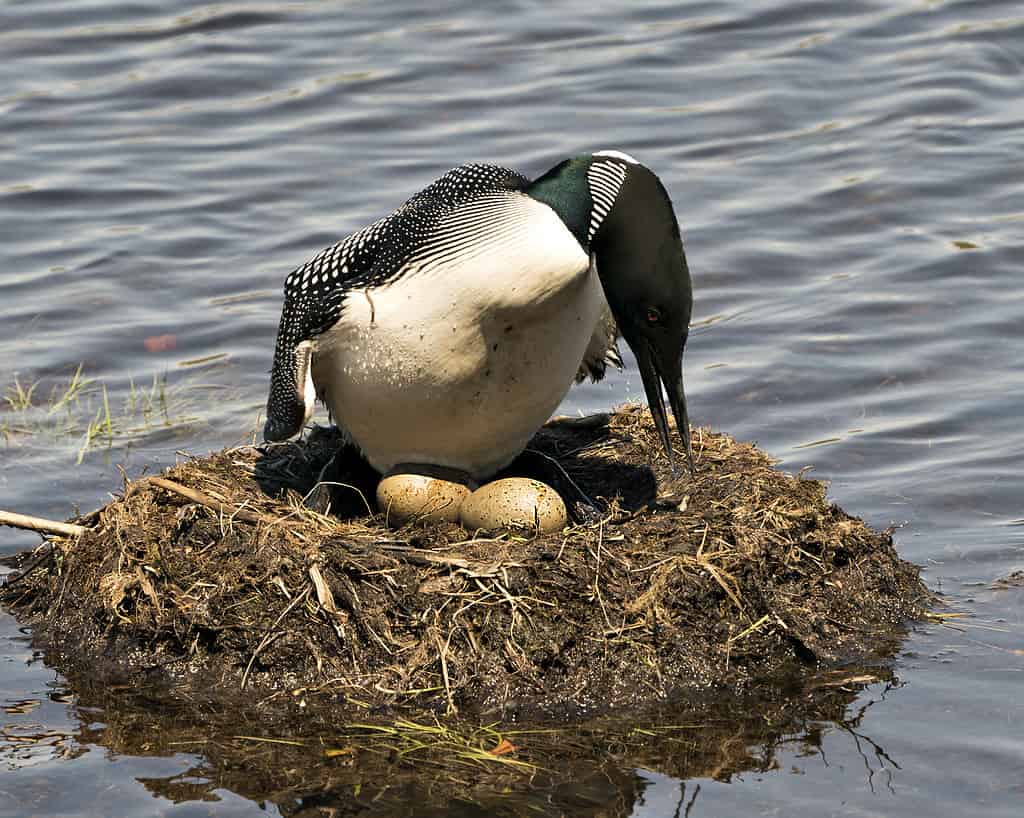
Common loons nest close to shore, making eggs vulnerable to pollution and human disturbance.
©Rejean Bedard/iStock via Getty Images
Recreation can also be a problem when boats or personal watercraft pass too close to nesting loons, flushing them off eggs or separating chicks from parents. In response, Minnesota’s Loon Monitoring Program and other projects work with volunteers to track populations, promote lead-free tackle, and encourage boaters to give loons extra space during nesting season.
The Loon’s Continued Importance to Minnesotans
More than sixty years after the 1961 law, the loon still feels like an accurate mirror of what many Minnesotans value about their home.

The common loon reflects Minnesota’s connection to its lakes and the responsibility to protect them.
©Ddonoher/Shutterstock.com
It speaks to a lifestyle built around cabins, fishing, and quiet mornings on the dock, but it also highlights the responsibility that comes with living in a landscape full of lakes. The same bird that once helped market the state as a vacation destination now helps rally support for cleaner water, habitat protection, and climate-aware lake management. In that way, the loon has grown from a clever branding choice into a kind of living report card on how well Minnesota cares for its most famous natural resources.
The common loon became Minnesota’s state bird because it captured the magic of a northern lake at exactly the moment the state wanted to define itself by its waters, and that choice still rings true today. From legislative debates and school votes to modern conservation work and summer traditions, the loon has stayed a faithful symbol of wild lakes that are beautiful, fragile, and worth protecting.