Quick Take
- Southern killer whales must complete a 1,000-mile transport requirement to maintain specific pod social structures.
- The A5 pod designation complicates the tracking of regionally specific vocalization patterns within British Columbia.
- Counterintuitively, British Columbia orcas prioritize pebble-based rituals over the pursuit of high-calorie prey.
- Navigating the Secret Beach Park event required a specialized Facebook scouting process to capture the behavior.
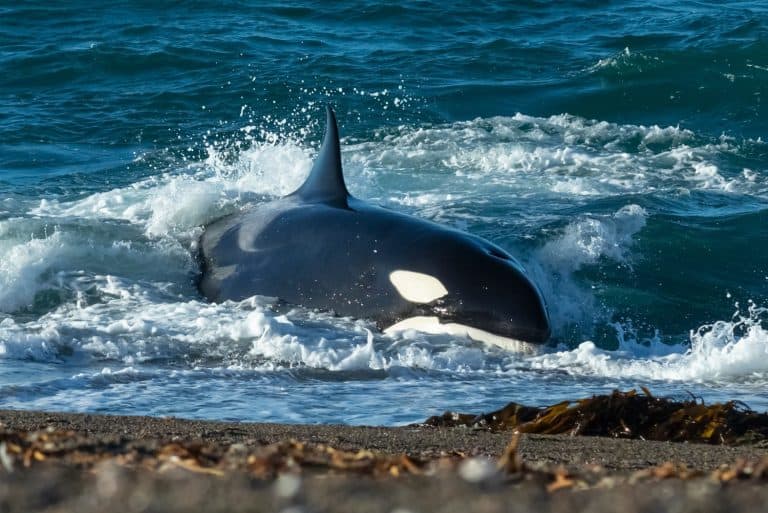
Recently, people have spotted killer whales engaging in some unique behavior. They are rubbing their bellies along the rocks that dot the British Columbia coast. At first, no one was sure exactly what compelled the killer whales to engage in this belly-rubbing behavior, but scientists think it might have to do with skincare.
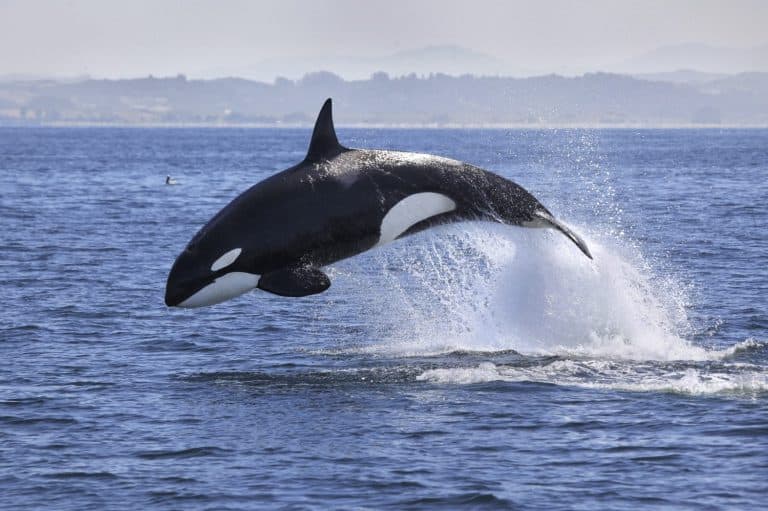
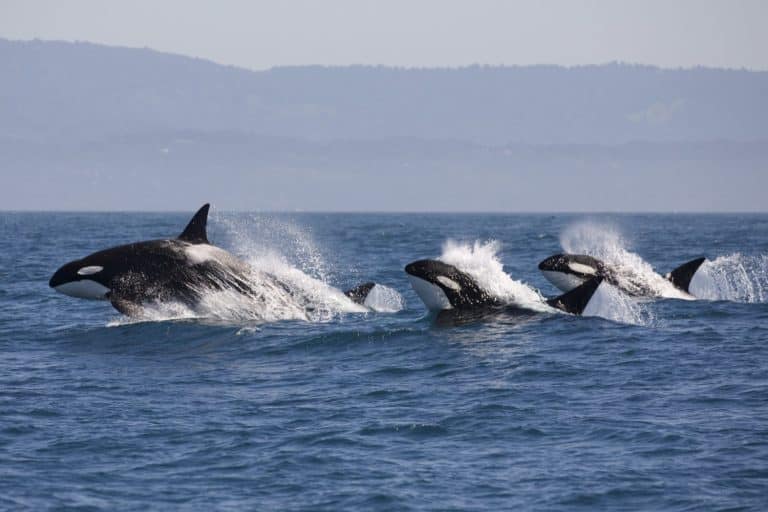
Orcas are an interesting bunch. They are whip-smart and just as ferocious, known for engaging in both playful behavior and hunting. As if to ring in the new year, orcas were recently spotted rubbing their bodies against rocks along British Columbia’s Sunshine Coast. Luckily, this behavior was captured on video by CBC News. While it may seem like a biological oddity, this belly-on-rock rubbing behavior is a window into the complex and highly social world of orcas. Let’s learn more about killer whales’ unique behavior and how this belly-rubbing strategy might aid in skin exfoliation.
A January Surprise
The off-chance of seeing orcas rubbing their bellies against rocks was facilitated by a Facebook group. Glenda Sewards created a Facebook group over a decade ago with the express purpose of helping people see whales off the British Columbia coast. The group was created after Sewards saw whales from her back deck in Langdale. She told reporters, “Then everybody in the community will have a chance to see these magnificent creatures. It’s really not that [much] work, it’s more joyful than anything else to see the community loving this and getting so excited about it.”
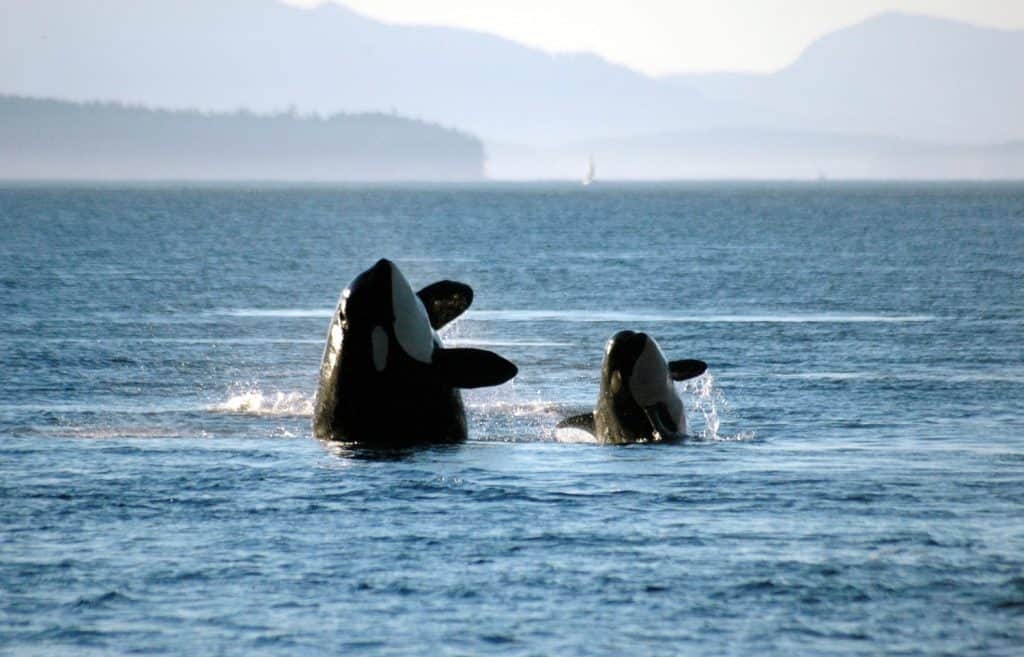
Orcas in British Columbia have been seen rubbing their bellies against rocks.
©Monika Wieland Shields/Shutterstock.com
It was thanks to Sewards’ group that Ryan Chilibeck was able to witness the orca belly-rubbing behavior firsthand. After reading in the Facebook group that killer whales had arrived near Secret Beach Park, a resident of Gibsons, across Howe Sound from West Vancouver, rushed out of his house to see them. As Chilibeck told reporters, “Luckily enough, I just got to the right place at the right time and got an amazing show.”
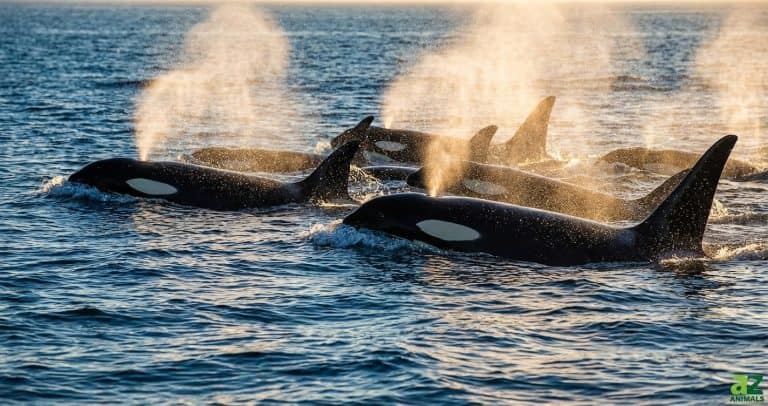
On January 2, Chilibeck, along with other observers, quietly watched as a group of orcas swam less than 20 feet from the shoreline. He said, “I picked my jaw up off the ground, it was once-in-a-lifetime type of stuff.” Scientists later identified the group of orcas as northern resident killer whales (NRKW). According to Jared Towers, executive director of Bay Cetology, the group was specifically the A5 pod, which comprises three different families of killer whales.
Self-Care Is a Radical Act
Anyone with a passing familiarity with orcas knows that they engage in some interesting behaviors. They have been seen playing by balancing kelp on their fins or surfing the wakes of passing boats. Remarkably, they also express grief. In 2018, a southern killer whale named Tahlequah was seen carrying her dead calf for over two weeks. She traveled over 1,000 miles with her deceased calf in tow.
This beautiful and solemn act speaks to the complexity of orca social behaviors. As for the Northern Resident population of British Columbia, their belly-rubbing behavior seems to be an act of self-care. Marine experts like the aforementioned Jared Towers of Bay Cetology suggest that this rock-rubbing serves several purposes. For one, it works as a primitive form of exfoliation. Orca skin is constantly sloughing off, shedding its outer layer. By rubbing it against specific pebbles on the British Columbia coast, the creatures keep their skin smooth and free of debris.
Experts also believe this behavior functions as a form of social bonding. The A5 group of orcas doesn’t rub against the rocks alone. They take to their exfoliation routine together, engaging in self-care as a group. The orcas also emit unique vocalizations during the process. Researchers describe these sounds as “Looney Tunes” because of their often funny qualities.
The Social World of Orcas

Orcas in different parts of the world engage in regionally specific behaviors that they later teach to their offspring.
©BioArk / YouTube – Original
Orcas engage in complex social behaviors, but these tendencies are more regionally specific than universal. Each group of orcas in different parts of the world has a distinct culture. All orcas share biology, but different groups of orcas hunt, socialize, and communicate in different ways. In Antarctica, for example, Type B orcas hunt by “wave-washing.” This involves orca pods synchronizing and diving to create a powerful wave. This throws unassuming seals into the water, and the orcas capture them.
In the serpentine fjords of Norway, orcas engage in a behavior called carousel feeding. The Norwegian orca herd fish by spinning in circles around them, blowing bubbles to maintain the circle. Once the fish are herded together, the whale slaps the water with its tail, stunning the fish. Modern technology and globalization have allowed scientists to discover just how nuanced and regionally specific orca behavior can be. As for the British Columbian orcas, their exfoliation routine is no exception. It functions like a communal spa day, which anyone can understand the appeal of.