When a baby orca is born, it is always time to rejoice. With a low survival rate, the more orcas born, the better the chances of pods and even entire species surviving.
Despite a difficult year dealing with baby orca deaths, a pod of Southern Resident Killer Whales has welcomed their newest baby orca, who was spotted within the past few days in Puget Sound. It may just be that J Pod has turned the corner with the sorrow they have endured, given the strength the young orca is showing in the days after its birth.
A New Member of the Endangered J Pod
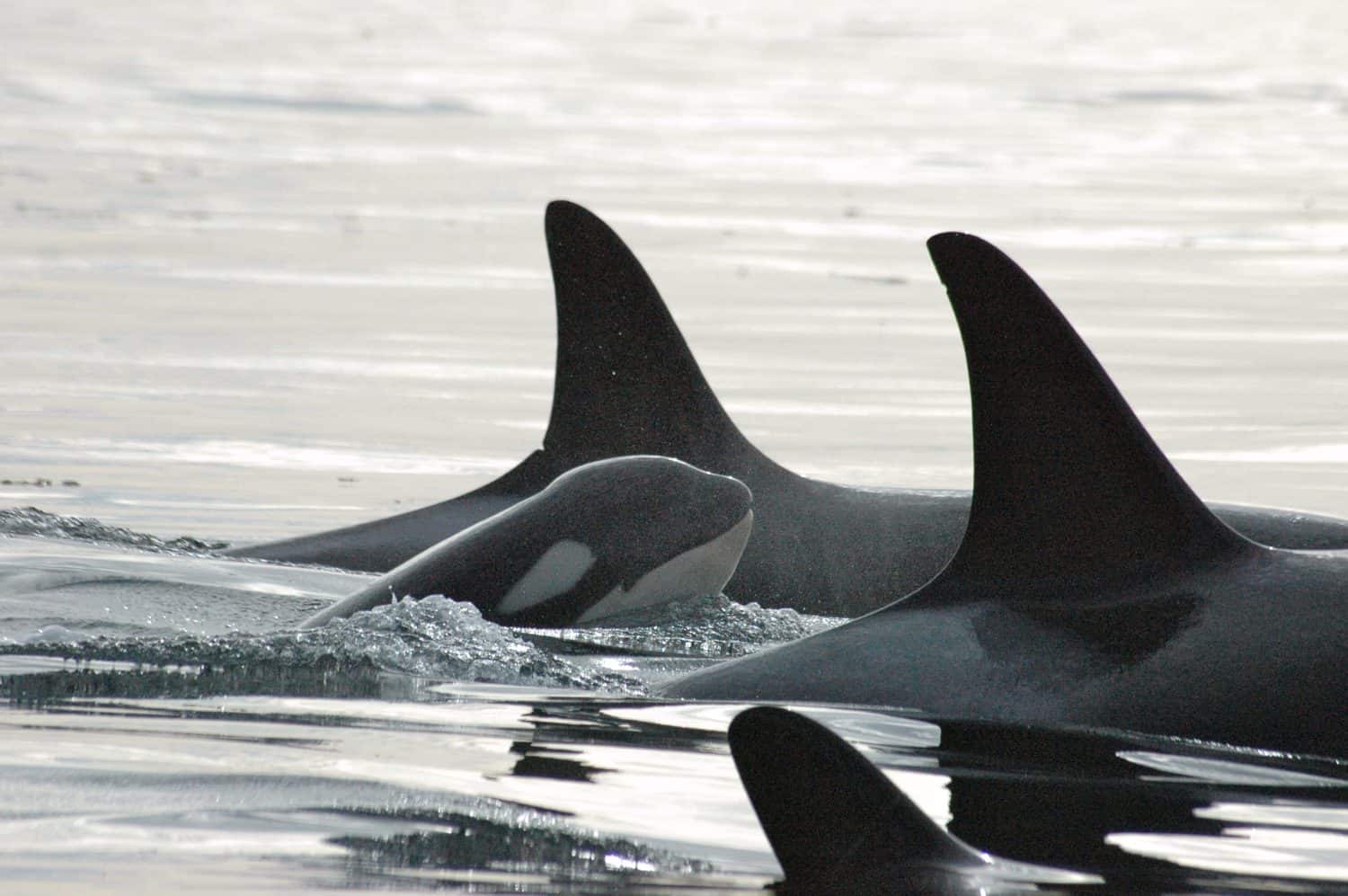
A Southern Resident Killer Whale baby was born to J Pod in September 2025.
©Monika Wieland Shields/Shutterstock.com
Southern Resident Killer Whales are endangered. There are an estimated 73 total orcas left in the wild, spread across the three pods, or families, according to researchers. J Pod, in particular, has faced tragedy with the last several orcas born to members of the pod. However, it appears the tide may be turning with the birth of the latest calf, who, to date, is looking strong.
On September 21, 2025, a baby orca was spotted swimming with multiple family members in Puget Sound. The baby, who has yet to be named, was born to J42, also known as Echo. Other family members, J16 (uncle) and J26 (grandmother), joined the 18-year-old Southern Resident Killer Whale and her baby during their swim. There was also a fourth adult family member of the group, but that orca was not identified.
Unlike some of the baby orcas born to members of J Pod over the last several months, the young orca does not appear to have any health issues. According to researchers from the SeaDoc Society and the San Diego Wildlife Alliance, the little orca was surfacing without difficulty. Researchers had plans to evaluate the health of the orca the day after it was discovered. However, the results of that evaluation have yet to be released.
The group of five was swimming with more members of J Pod before parts of the group decided to make an unprecedented trip south of the Tacoma Narrows Bridge. While these members of J Pod headed south, the newborn and its family traveled north, venturing into waters where Southern Resident Killer Whale populations have been spotted more frequently over the last couple of decades.
Baby Orcas Are Born Orange
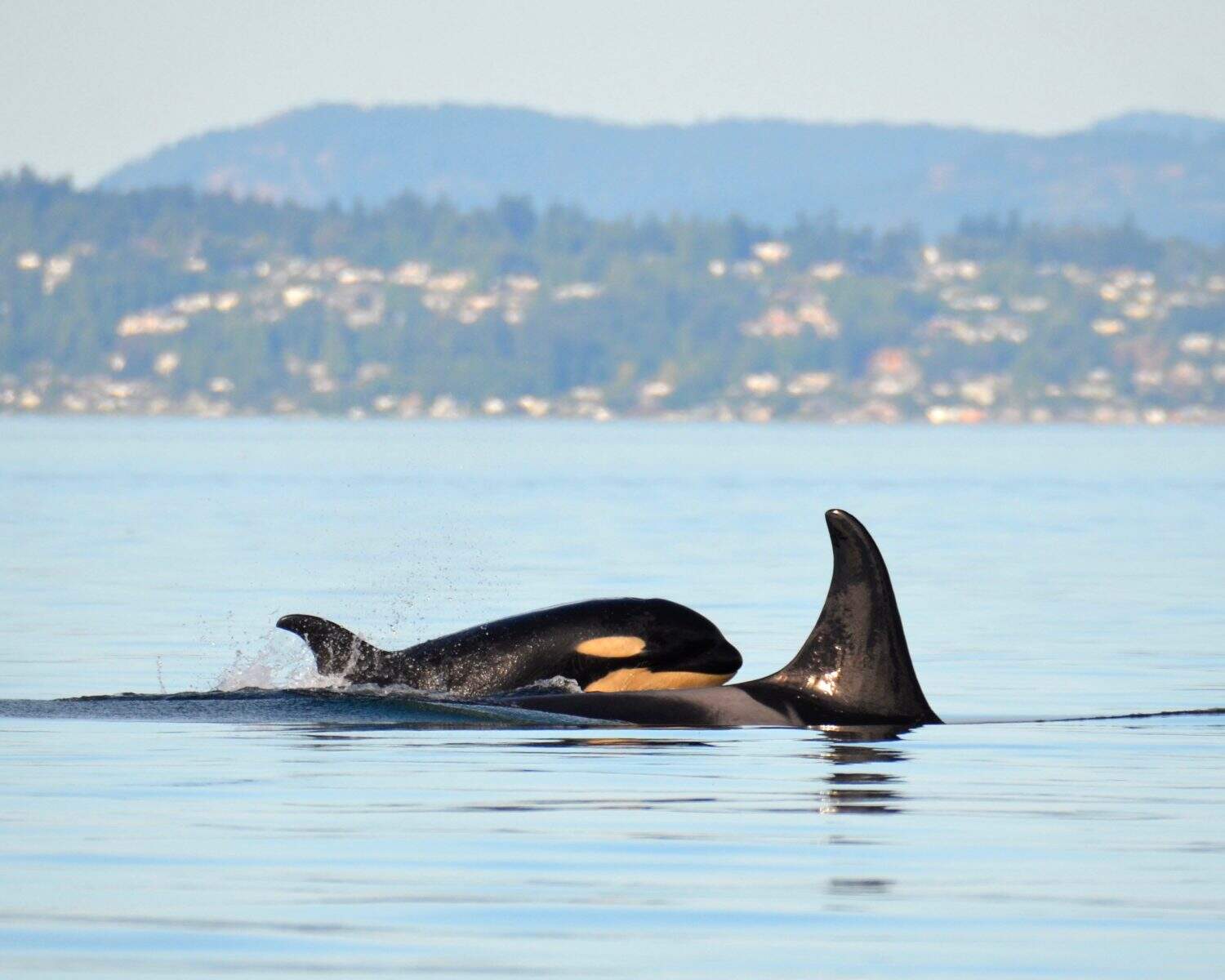
Baby orcas are born orange due to their lack of blubber.
©Monika Wieland Shields/Shutterstock.com
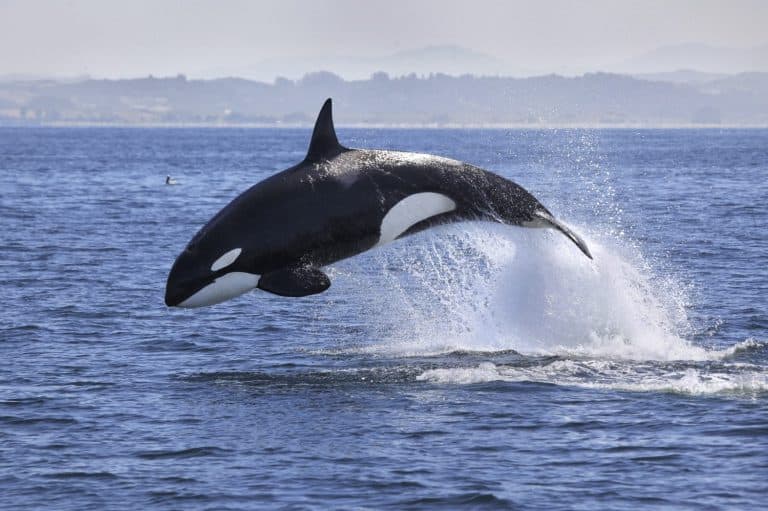
Killer whales are known for their black and white coloration. However, this is not how babies look when they are born. Instead, newborn orcas have an orange tint, and it is completely normal.
At birth, newborn orcas appear orange where they should be white, due to their thin blubber layer. It is believed that blood vessels near the skin’s surface are what give the calves their distinctive color. The calves will retain this coloration until they develop a thick blubber layer. This is done by consuming their mother’s rich milk several times per day.
Mother orcas must eat enough during the day so that they can build up their milk supply. This is the primary source of nutrition for young orcas during their first year of life. Without access to this milk, baby orcas can decline quickly, with many not making it through their first year of life.
A High Infant Mortality Rate
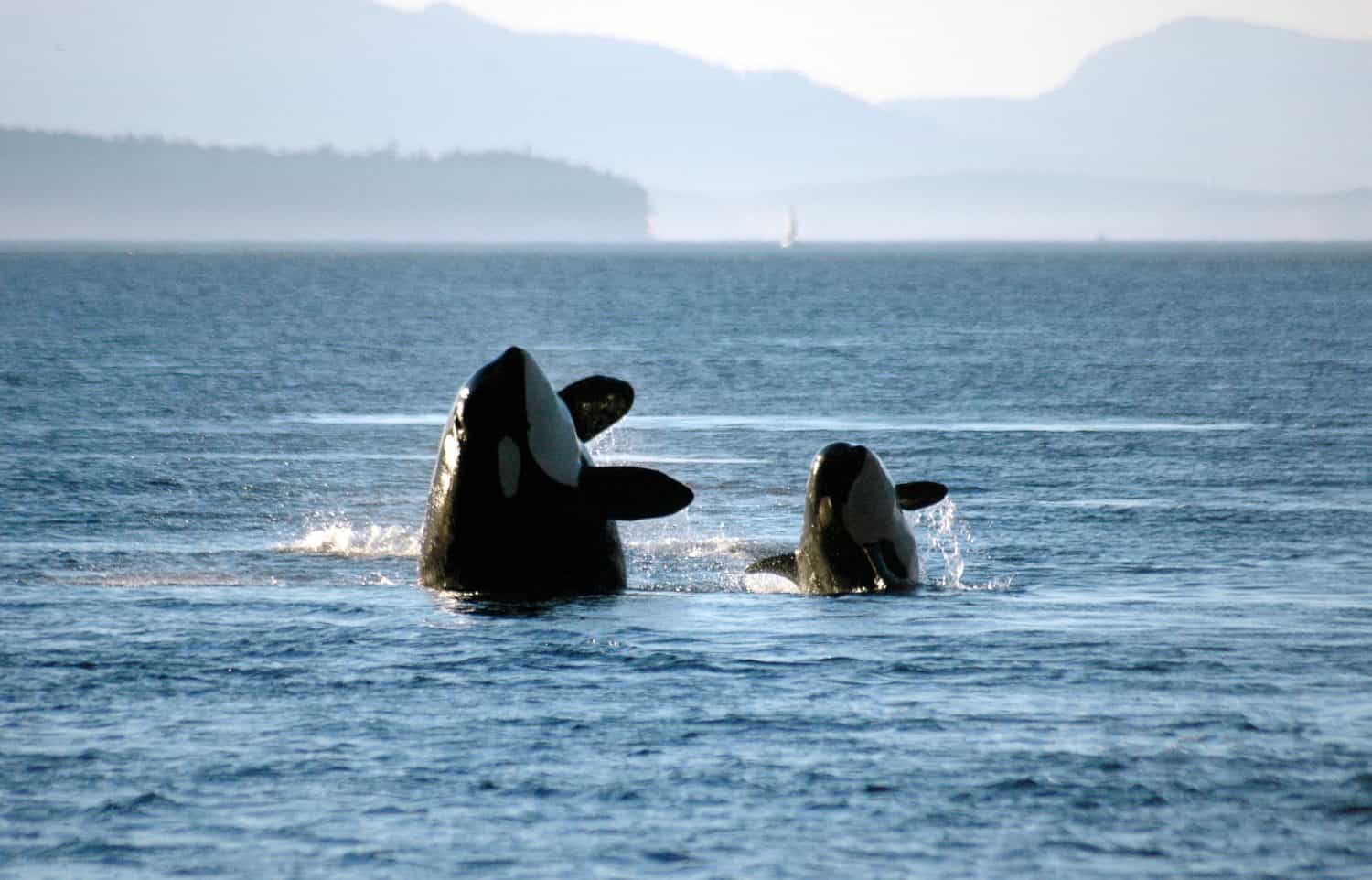
Nearly 50% of Southern Resident Killer Whale babies do not survive their first year.
©Monika Wieland Shields/Shutterstock.com
The life of baby orcas, and specifically the Southern Resident Killer Whale babies, is one of the toughest of their lives. This is because the majority do not live past this first year, showing just how rough life can be for this population of orcas. Approximately 43% of Southern Resident Killer Whales do not survive their first year of life. Because of this, while every birth to this endangered species is celebrated, the real celebration does not begin until the calves can begin to forage for food on their own.
Unfortunately, the decreased amount of Chinook salmon, which is the main food source for the Southern Resident Killer Whales, plays a large part in why these young orcas do not survive. Their mothers are unable to consume enough salmon due to overfishing, making their milk either less nutritious or less voluminous than it should be.
Additionally, the waters in which the Southern Resident Killer Whales live are polluted. The Salish Sea is contaminated with pollutants that have compromised the immune systems of adult killer whales. While it is known that skin conditions have been caused by polluted water, it is not yet clear whether exposure to contaminants poses risks to the unborn orcas. It is also unknown if the contaminants cause problems for the young orcas as they struggle to survive.
Challenges Baby Orcas Face During Their First Year of Life
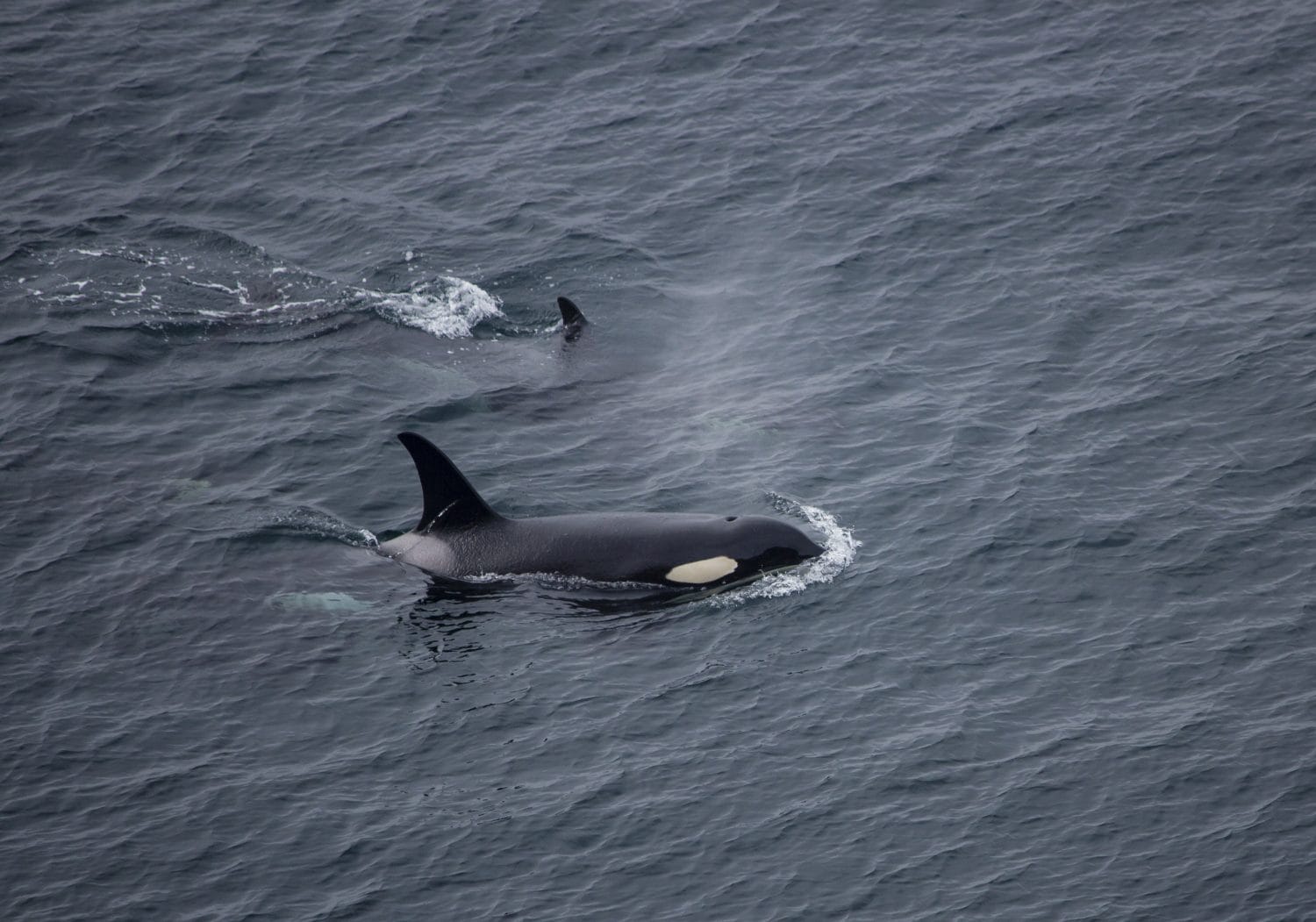
Odds are stacked against Southern Resident Killer Whales surviving their first year of life.
©nbiebach/Shutterstock.com
It is not only malnutrition that Southern Resident Killer Whale newborns have to contend with. The first year of life is tough. This is why so few make it to help the Southern Resident Killer Whale population grow. Some of the other challenges the young Southern Resident Killer Whale babies face include:
- Risk of being separated from mother
- Being hit by a vessel
- Excessive unnatural noise that interferes with echolocation
- Getting tangled in fishing line
- Infanticide
There is no denying that baby orcas have a lot stacked against them in their attempts to survive. All pods deal with the deaths of young orcas, but J Pod has been handed more than its fair share in just this past year alone.
A New Orca After Loss
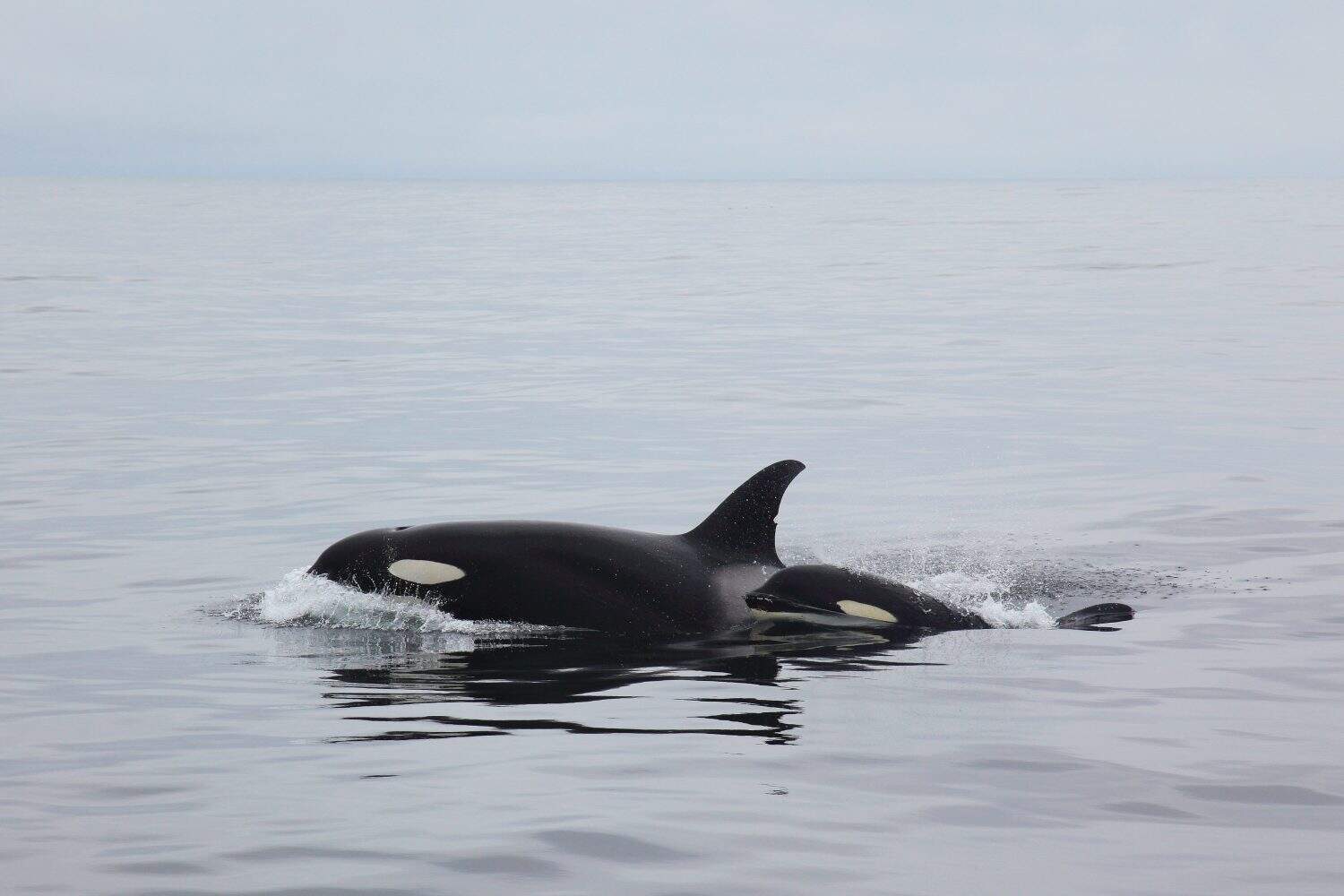
The J Pod of Southern Resident Killer Whales has struggled to keep baby orcas alive recently.
©Tory Kallman/Shutterstock.com
The news of the newest addition to J Pod is a welcome one, not only for the population of Southern Resident Killer Whales, but also because calves born to two veteran mother orcas passed away this year. In early September 2025, J36, or Alki, gave birth to a baby orca. Unfortunately, the little one was never seen alive by researchers. Therefore, it is unclear if the baby was born stillborn or if it lived for a short time before it passed.
The first time that researchers saw the baby was when J36 was carrying her calf on her nose, umbilical cord still attached. J36 carried the calf for at least three days. It is not known for how long J36 carried the calf. This is not the first calf that J36 has lost. The 26-year-old orca was pregnant in 2015, 2019, 2021, and 2022. None of the offspring survived. In December 2024, J35, or Tahlequah, gave birth to a female orca. The little orca was named J61, indicating she was part of the J Pod and was the 61st whale born into the pod.
Nearly from the beginning, J61 appeared to be struggling in Puget Sound. It is unclear whether rough waters or a lack of Chinook salmon were causing J61 to be lethargic, but she was seen being gently pushed around by J35. Unfortunately, despite J35’s best efforts, 61 passed away on or around January 1, 2025.
J35 carried her deceased calf around on her rostrum to mourn her passing. The calf was carried for 11 days before J35 was finally willing to let her go in the open ocean. During her lifetime, J35 has given birth to other baby orcas. All of J35’s offspring include:
| Name | Sex | Birth Year |
| J47 (Notch) | Male | 2010 |
| Unknown J number (Tali) | Female | 2018 (deceased) |
| J57 (Phoenix) | Male | 2020 |
| J61 | Female | 2024 (deceased) |
Just like with J61, J35 carried Tali around after she passed away. J35 appeared to be so caught up in grief that she was not eating and was exhausting herself carrying Tali around, refusing to let her go. The rest of the pod began to pitch in, helping J35 carry Tali, until J35 was willing to say goodbye 17 days after the baby orca died.
It was due to J35 that an international spotlight was shone on orcas, their emotions, and how they cope with grief. The hope for the latest member of J Pod is that it will be strong enough to survive its first year of life and contribute to increasing the population of the Southern Resident Killer Whale before they are forced into extinction.