Quick Take
- Empires that once sailed past this island saw nothing worth claiming, yet humpback whales have disagreed for centuries, and researchers finally understand why. Explore the island's history →
- Scientists knew humpback whales returned to this remote island chain for decades, but pinpointing exactly *where* they gathered and *why* they did so required a technique no one had applied here before. Discover the mapping method →
- The same findings that could protect humpback whales also carry serious economic stakes for the communities living near their breeding grounds. See conservation and tourism stakes →
Just like us, humpback whales have their preferences. They are incredibly intelligent creatures, with brains that can weigh up to 20 pounds. They play with other species, organize hunting groups, and can remember locations that are thousands of miles away. Certain locations, it seems, are so important to humpback whales that they will return to them again and again.
One popular destination for humpback whale watching sits near the Ogasawara Islands, an isolated archipelago approximately 1,000 kilometers (about 620 miles) south of Tokyo. While scientists have long known about this humpback nursery, only recently have they discovered exactly where around Chichijima—the archipelago’s biggest island—the whales are giving birth. Using sighting survey data and innovative modeling techniques, a team of Japanese scientists has figured out why humpback whales choose this one specific stretch of ocean to birth and raise their young. Let’s learn more about this area, what it means to humpback whales, and how scientists uncovered its importance through innovative new techniques.
Chichijima
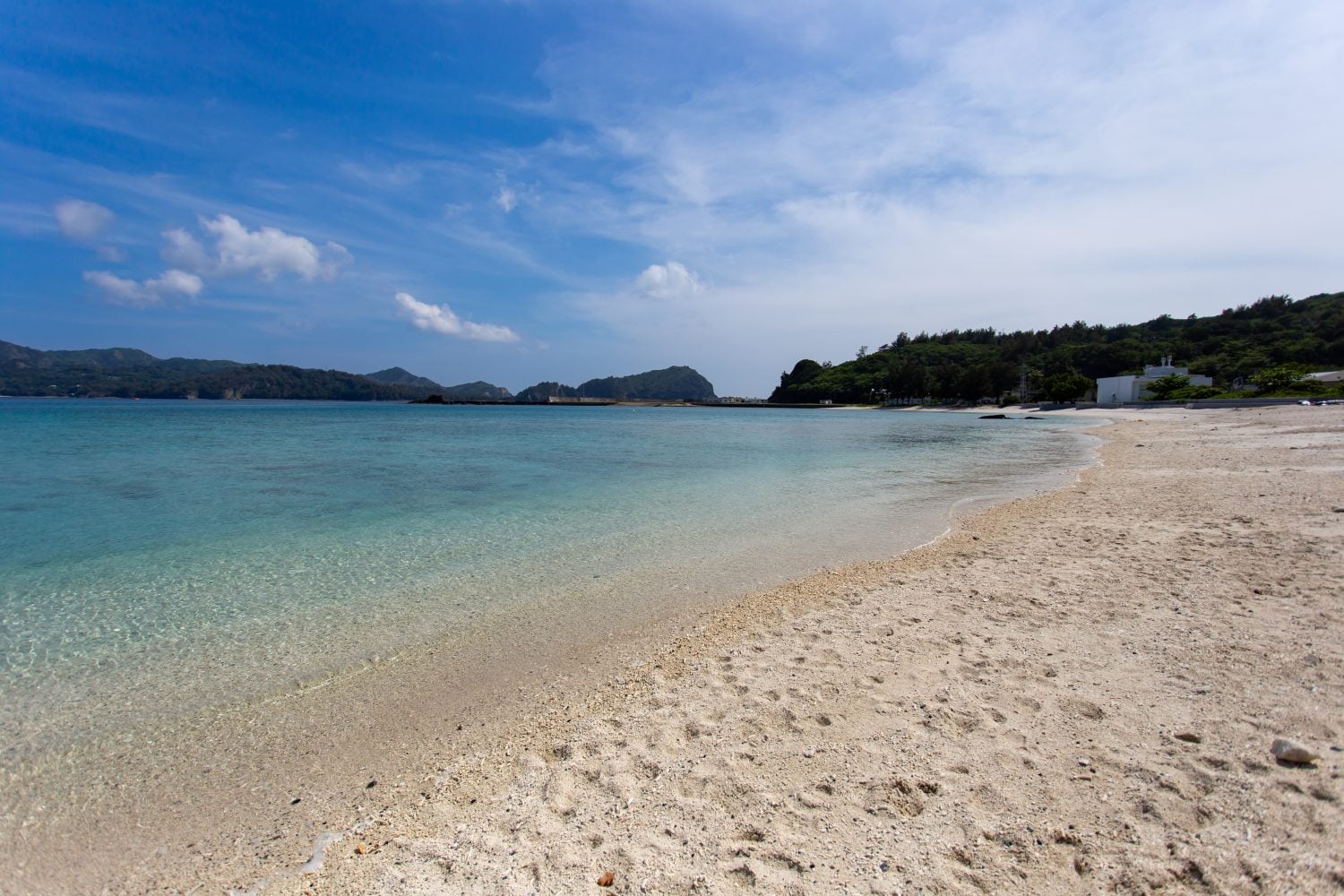
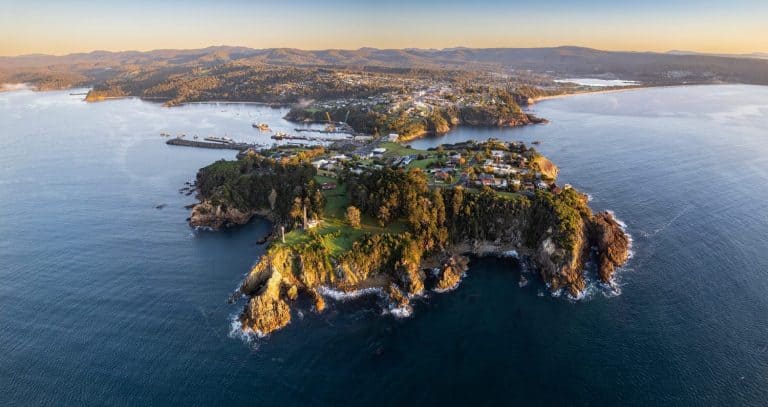
The island of Chichijima is the main island of the Ogasawara archipelago.
©Murasame1021/Shutterstock.com
The Ogasawara Islands, also known as the Bonin Islands, sit far out in an isolated part of the Pacific Ocean. While the largest island, Chichijima, sits about 150 miles north of Iwo Jima, it is pretty out of the way. Archaeological digs have uncovered some tools and carved stones on the Bonin Islands, including on Chichijima itself, though the islands appear to have been uninhabited for a long period before modern settlement. Even major seafaring powers, like the Dutch and Spanish empires, largely ignored them. It was not until 1828 that a passing British captain claimed the islands for king and country, almost as an afterthought. Little did these sailors realize, however, just how important the islands were to humpback whales.
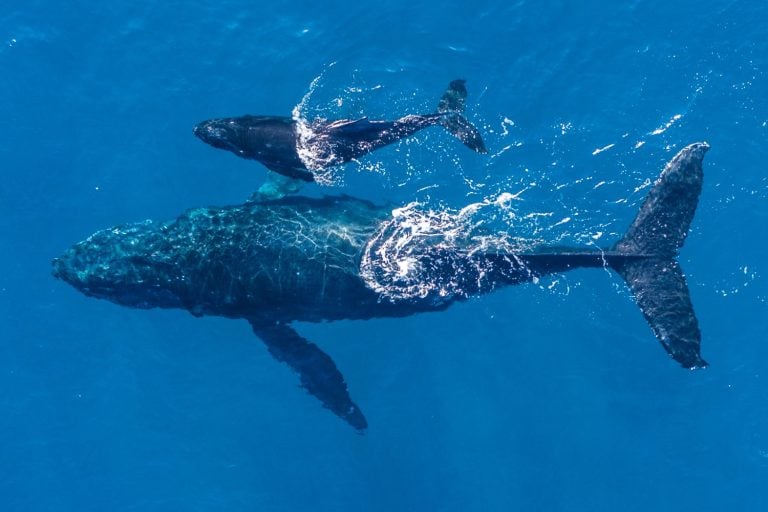
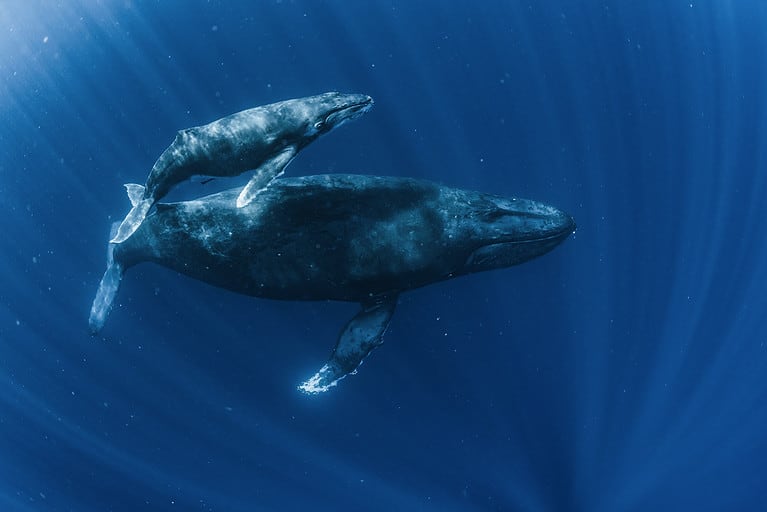
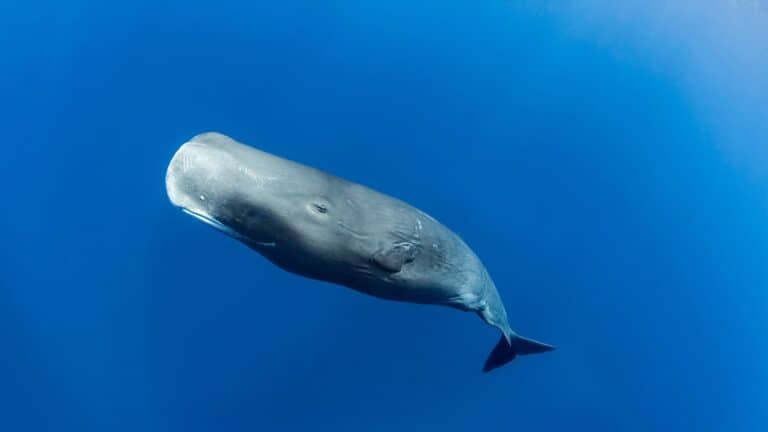
Humpback whales are among the most majestic inhabitants of the ocean. Ranging from 45 to 55 feet long, they have long pectoral fins and a distinctive body shape, along with the ‘hump’ they form when diving. Incredibly smart and equipped with serious stamina, humpback whales are known to travel thousands of miles during their yearly migrations, with some animals covering up to 5,000 miles one way between feeding and breeding grounds. They also tend to hang out near the surface of the water, which makes them a favorite subject for whale watchers.
A Popular Spot
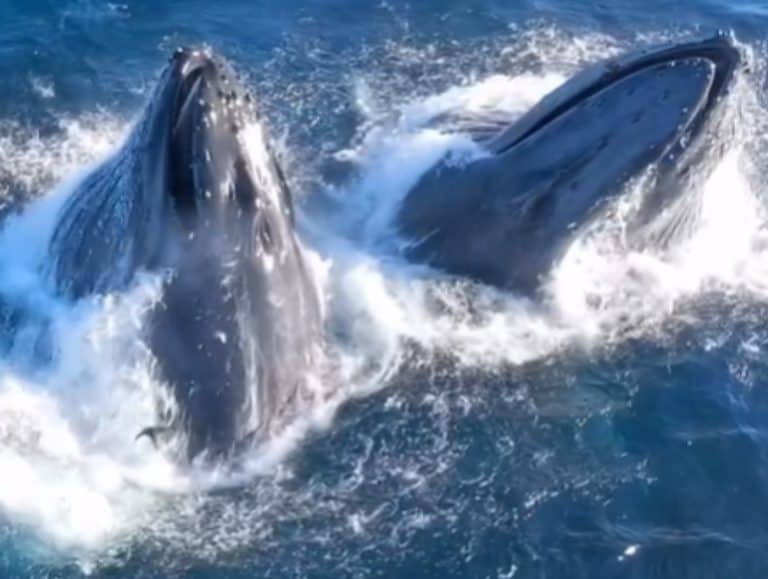
One of the more popular spots for watching humpback whales breach the water surface and come crashing back down in spectacular fashion is the Bonin Islands. Although the islands are over 600 miles south of Tokyo, ferries regularly transport people between islands like Chichijima and the mainland. Scientists knew this area was an important breeding ground for humpback whales between December and May, but they weren’t exactly sure where in the area the whales were doing the main rearing of young. At least, until now.
New Insights
The lack of detailed information about humpback whale breeding grounds inspired a team of researchers to search for them thoroughly. A team of researchers from Kyoto University, Tokyo University of Marine Science and Technology, and the Ogasawara Whale Watching Association joined forces to figure it out. And they did, modeling whale distribution in the area using sighting survey data.
Published in the latest issue of Mammal Study, their findings detail how the team managed to pinpoint the exact locations humpback whales use for breeding. To do this, the research team first collected ship data compiled by the Ogasawara Whale Watching Association in 2013 and between 2015 and 2018. This provided them with data regarding 160 groups of whales containing a total of 234 individuals. From there, the research team combined the raw data with distribution models detailing water depth, distance from the coastline, and seabed slope. This helped them predict the humpback whales’ preferred habitats.
In turn, the team produced the first-ever visualization of humpback whale habitats around Chichijima. It also produced some telling insights: humpback whales preferred coastline areas with shallow water and gently sloping terrain, the majority of which can be found on the west coast of the island. In contrast with the often aggressive and violent courtship behavior exhibited by humpback whales, these shallow waters are warm and placid, making them ideal for the rearing of young.
Further Research
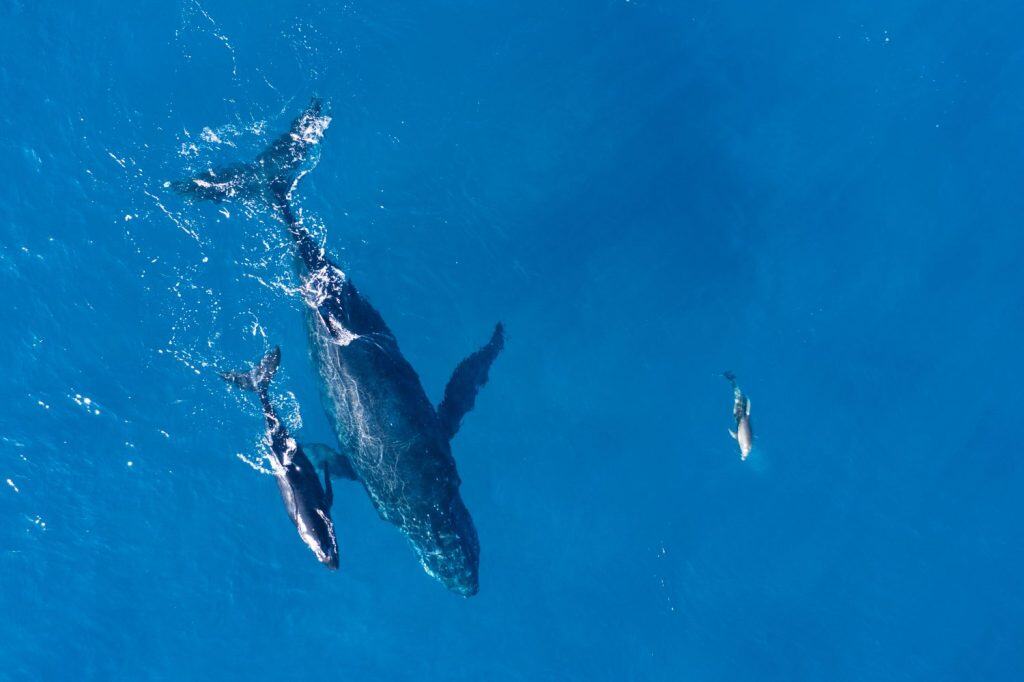
The team plans to further study the habitat preferences shown by different humpback whale pods.
©Justin Berken/Shutterstock.com
Thanks to the first-ever visualization map produced by the Japanese research team, our understanding of humpback whale behavior has progressed that much further. While the team’s findings helped pinpoint one key breeding area, humpback whale pod composition also appears to dictate marine habitat preference. The team hopes to develop additional distribution models covering both pod behavior and the broader Bonin Islands area.
As the study’s first author, Koki Tsuiji, explained in a statement to Eureka Alert, the team’s insights have both biological and commercial applications. He said, “Whale watching focused on humpback whales is a thriving activity in the Ogasawara waters, so this species holds significant economic value not only as a component of marine biodiversity but also as a local tourism resource. We aim to scientifically and visually identify suitable habitats in hopes of contributing to the effective conservation of this species.”