
For more than four decades, the Holtsville Ecology Site in Brookhaven, New York, was a local favorite. It was the kind of place families stopped on sunny afternoons to feed goats, wave to buffalo, and wander through the small zoo. But behind the fences, life for many of the animals was far from idyllic. After years of mounting concerns, neglect allegations, and heartbreaking losses, the town has finally decided to close the facility, a move animal advocates say is long overdue.
By March 2026, the publicly funded site will shut its gates for good. Around a hundred animals, from bald eagles and bobcats to barnyard regulars, will be relocated to new homes where they can get the care they deserve.
For many, the decision feels like more than the end of an era. It’s a long-needed step toward rethinking how we treat animals in captivity, and what compassion really looks like in practice.
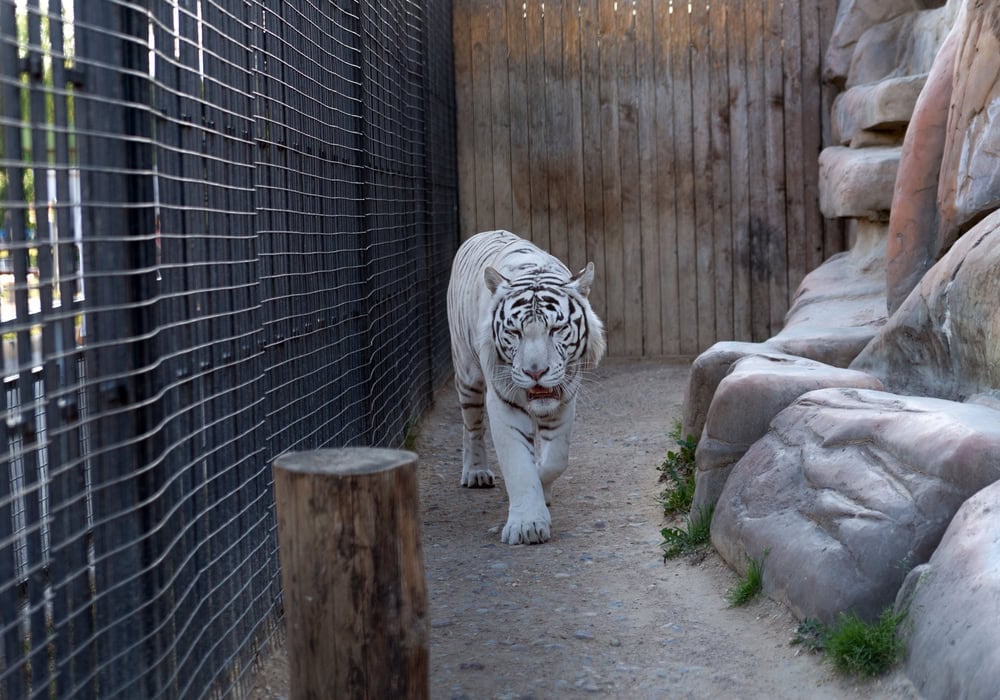
After years of neglect allegations, a Long Island zoo is shutting down, and advocates are stepping in. Image: Habrus Liudmila, Shutterstock
©Habrus Liudmila/Shutterstock.com
How a Duck Named Nessy Sparked a Movement
The turning point came in early 2024, when a duck named Nessy began showing troubling neurological symptoms. “On January 31, 2024, a Pekin duck residing at the Holtsville Ecology Site began exhibiting alarming neurological symptoms,” says John Di Leonardo, President and Director of Humane Long Island.
He goes on to explain that she was found upside down in her enclosure and was suffering from lameness. When a part-time staff member realized help wasn’t coming, they took Nessy to the Evelyn Alexander Wildlife Rescue Center in Hampton Bays. There, veterinarians discovered multiple infections, broken bones, parasites, and even lead poisoning.
“Proper treatment would have consisted of multiple rounds of medication to eliminate lead from her system, weeks of antibiotics for her infections, and long-term pain management — care that Nessy does not receive at the Holtsville Ecology Site,” Di Leonardo tells us.
The rescue center informed Holtsville staff of the findings, but they did not follow veterinary advice. That decision, Di Leonardo says, was the start of a deeper investigation that exposed years of suffering.
With Ringling Bros. and Barnum & Bailey Circus going animal-free and SeaWorld banning its sordid orca breeding program, it’s never been clearer that the tide has turned against exploiting animals for our entertainment.
John Di Leonardo, President and Director of Humane Long Island
What They Discovered Behind the Holtsville Gates
Nessy’s suffering turned out to be just the tip of the iceberg. As word spread, more stories (and more former employees) began to surface. Determined to uncover the truth, Humane Long Island started digging deeper into how the animals were being treated and cared for.
“We documented staph infections, bone infections, broken bones, lead poisoning, skin infections, obesity, respiratory distress, and stereotypic behaviors including swaying and pacing,” Di Leonardo says. “Former employees reported animal escapes, bites, drownings, and deaths due to exposure and severe medical neglect.”
One of the most painful cases was Honey, a bear the group had tried to relocate to a sanctuary. Despite repeated requests for an evaluation by a large-animal vet, Honey died only weeks later. “The timing of her death, the mystery of its circumstances … is troublesome and what forced Humane Long Island to make these conversations public,” Di Leonardo explains.
At the start of the campaign, there were roughly 130 animals living at the Holtsville site. Ongoing deaths, euthanasia, and a history of irresponsible breeding have made it difficult to determine the exact number today. However, estimates place it at just over 100.
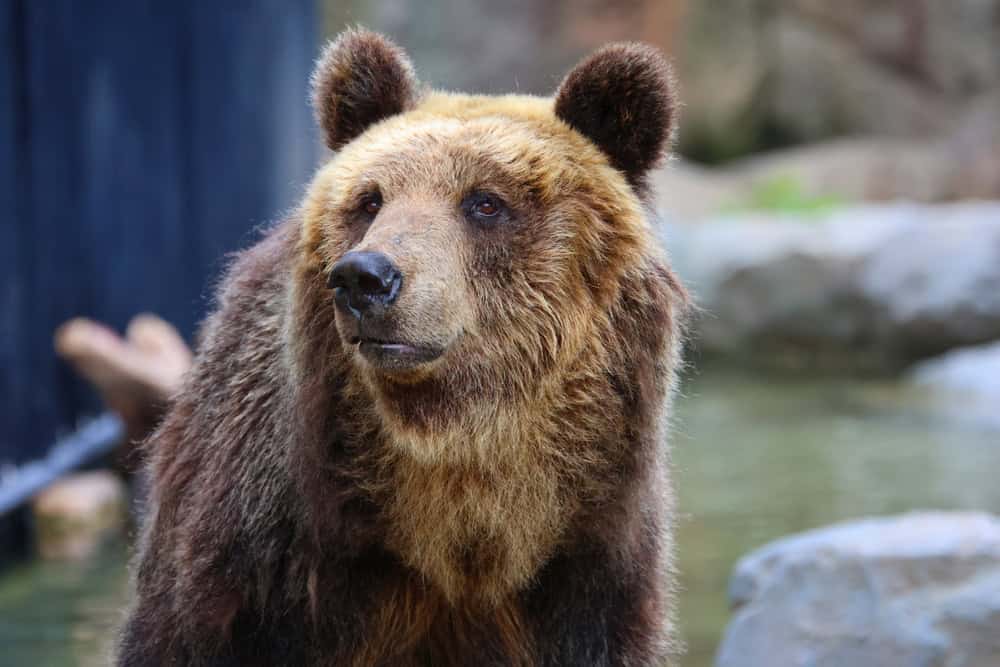
Bears like Honey deserve more than concrete walls. Advocates are working to ensure every remaining animal at Holtsville finds a safe, natural home. Image: Musashi2001, Shutterstock
©Musashi2001/Shutterstock.com
So, Where Do the Animals Go From Here?
With the facility closing, the next big question is what happens to the animals. According to town officials, they’ll be relocated to local nature centers and Cornell Cooperative Extensions.
Humane Long Island, however, has offered another option: permanent sanctuary placement. “Humane Long Island has offered to place all of the animals, at no cost to the Town, at reputable sanctuaries where they can get specialized care and live more natural lives, prioritizing placement at facilities accredited by the Global Federation of Animal Sanctuaries (GFAS) and the Big Cat Sanctuary Alliance,” he says. “We are urging the Town to pursue our recommendations.”
Inside the Relocation Process
As the town prepares to shut down the facility, relocating more than a hundred animals is no small task. Humane Long Island is helping guide the process to ensure every placement meets high standards of safety, care, and compassion.
As you might imagine, rehoming zoo animals takes care and experience. “General requirements include predator-proof and climate-proof housing, adequate space, access to species-specific veterinary care, same-species companionship if a flock or herd animal, and an agreement not to sell, trade, breed, consume, or otherwise exploit any of the animals in their care,” Di Leonardo explains. “We vet every placement with home checks and ensure they are nonprofits in good standing with adequate funding.”
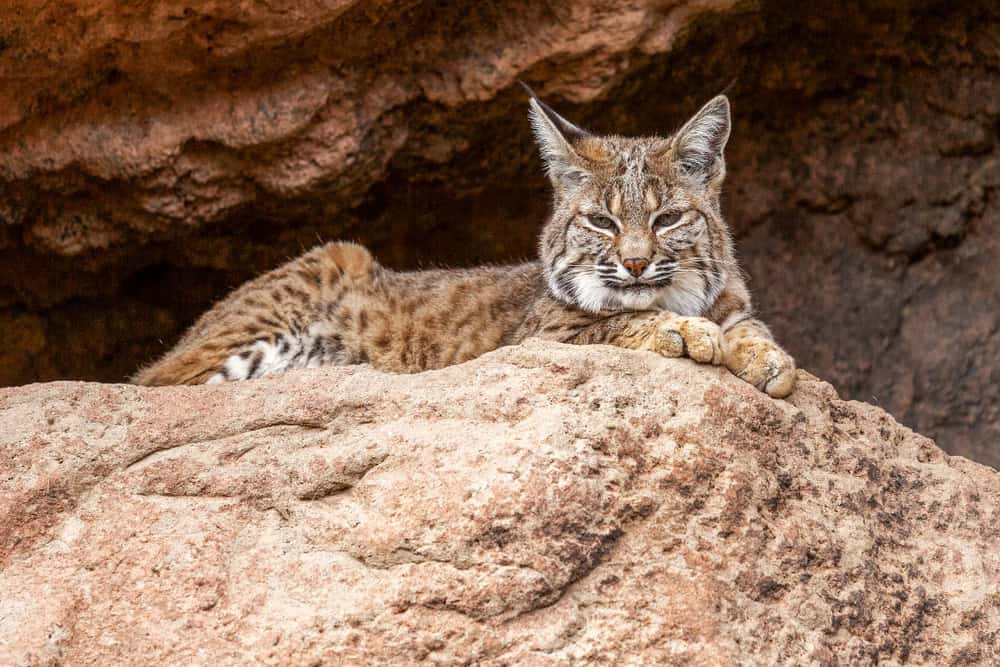
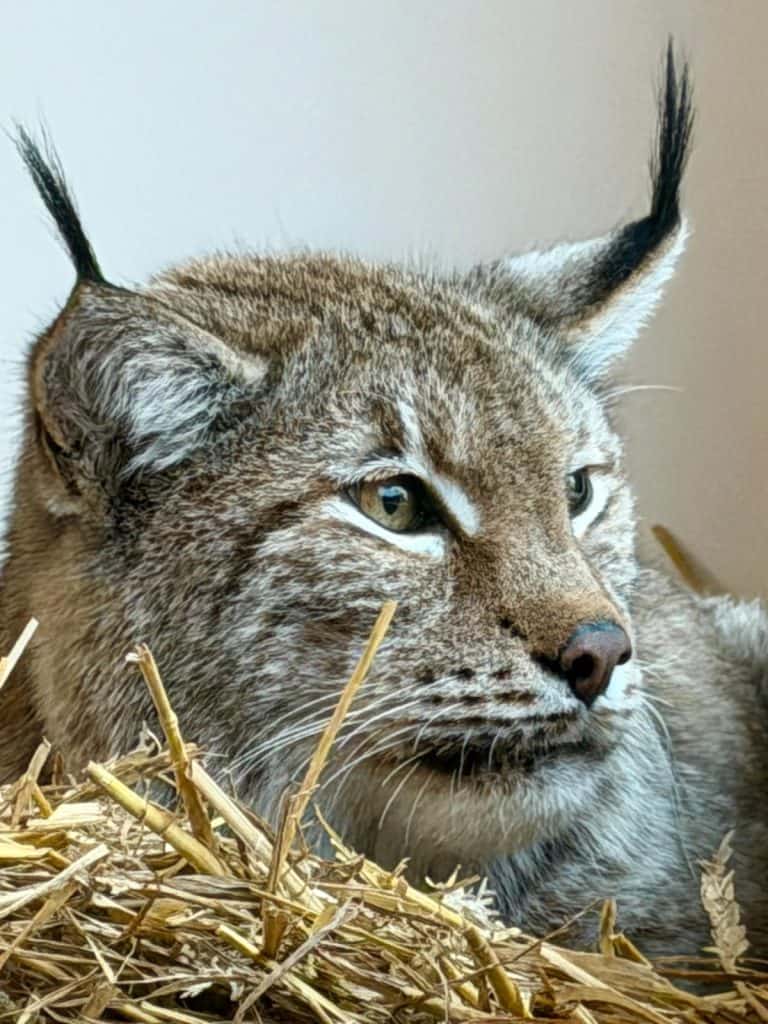
“We prioritize placement with facilities with accreditations from the Global Federation of Animal Sanctuaries and Big Cat Sanctuary Alliance,” explains Di Leonardo. “The latter has committed to placing Leo the Lynx and Surabi the Bobcat if the Town agrees to do right by them.” Image: Monica Lara, Shutterstock
©Monica Lara/Shutterstock.com
Rethinking What’s ‘Normal’ for Animals in Captivity
Closures like Holtsville’s are part of a slow but steady cultural shift. “There are many zoos still operating in the United States,” Di Leonardo shares. “However, with Ringling Bros. and Barnum & Bailey Circus going animal-free and SeaWorld banning its sordid orca breeding program, it’s never been clearer that the tide has turned against exploiting animals for our entertainment.”
He’s seen it firsthand. In fact, in the past year, Humane Long Island has collaborated with authorities to close several problematic facilities, including Double D Bar Ranch in Manorville, Sloth Encounters in Hauppauge, an unlicensed exhibitor in Bellmore, and a rogue rehabilitator in Huntington. “In 2019, we were the first organization to stop the expansion of SeaQuest, which has now filed for bankruptcy after cruelty investigations and licensing issues in various states,” Di Leonardo adds.
When Zoos Close, and Why
While the closure of a zoo often makes headlines, it’s not as rare as it once was. Across the U.S., small, privately owned, or municipally funded facilities have been shutting down in growing numbers, often after concerns about neglect, financial strain, or changing public values. Many of these operations simply lack the resources or expertise to provide the kind of veterinary care, enrichment, and space animals truly need.
According to Di Leonardo, advocacy campaigns play a big role in prompting these closures. As more people question the ethics of captivity, local governments and private owners are feeling the pressure to either raise their standards or shut their doors. It’s a reflection of a broader shift toward transparency, accountability, and the understanding that wild animals belong in sanctuaries or their natural habitats — not behind bars for our entertainment.
Who’s Supposed to Be Watching?
Most people assume zoos are closely monitored, but oversight is patchy at best. This begs the question, “Who’s supposed to be watching and looking out for the animals?”
“USDA APHIS and the New York Department of Environmental Conservation license animal exhibitors in New York; however, their standards are woefully inadequate and underenforced,” Di Leonardo explains. “The federal Animal Welfare Act exempts farmed animals, fishes, reptiles, and amphibians … and even the worst violations simply result in a bad report card, rarely carrying any civil or criminal penalties.”
“Exhibitors can be cited for hundreds of violations before having their licenses canceled,” he adds. “And even when they do get their licenses canceled, they often continue to exhibit without repercussions.”
For real accountability, Di Leonardo emphasizes that the only meaningful accreditations for animal sanctuaries in the United States come from the Global Federation of Animal Sanctuaries (GFAS) and the Big Cat Sanctuary Alliance.
A Public Zoo With Private Secrets
You might expect a town-run facility to be more open and accountable than a private zoo. Sadly, that hasn’t been the case here. When it comes to Holtsville, access to information has proven surprisingly difficult.
“Hypothetically, municipal facilities like Holtsville should be more transparent and accountable … however, we are still waiting on FOIA requests from the Town dating back a year, so this is not always true in practice,” Di Leonardo says.
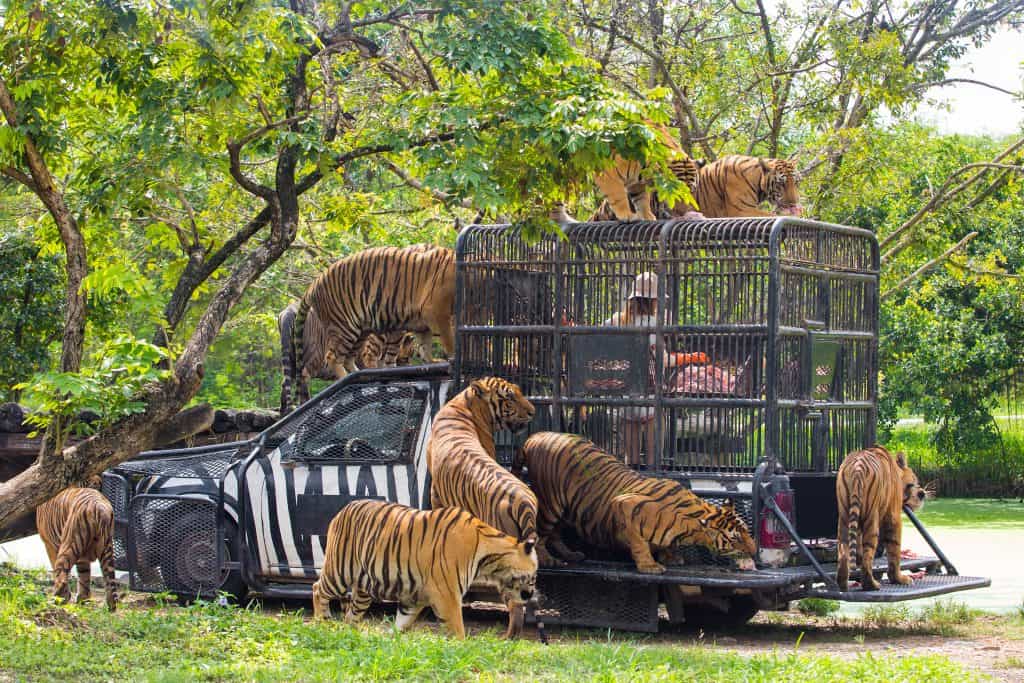
Di Leonardo has noticed a trend that complicates things further. “We are seeing more roadside zoos calling themselves sanctuaries and even filing for nonprofit arms to funnel money to their for-profit operations in an effort to humane-wash their facilities,” he says.
©Sukpaiboonwat/Shutterstock.com
The Stress of Moving Animals
Moving animals safely is its own challenge, especially when the town has declined outside help. “The Town of Brookhaven has so far refused our offer to assist with free placement of the animals, so I cannot speak to how they are doing this,” Di Leonardo explains. “However, if the Town does take us up on our offer, we will examine each animal before they go out and transport them using best practices for their species. We’ve done this with more than 10,000 animals over the years and specialize in it. We do not use any receiving facilities, any layovers, etc. We do not ‘ship’ animals. We transport animals ourselves or contract with sanctuary professionals who pick them up themselves.”
A Messy End and a Chance to Do Better
Not everyone connected to the facility supports the closure. “Disgruntled employees … are spreading misinformation about the Town’s plans in a last-ditch effort to save their jobs,” Di Leonardo says. “Other employees of the Town of Brookhaven Highway Department have been documented sexually harassing and intimidating their former colleagues who have spoken out against the mistreatment of animals at the Ecology Site.”
Meanwhile, the wildlife rescue team that helped expose the neglect has faced backlash. Staff at the Evelyn Alexander Wildlife Rescue Center, the East End’s only wildlife hospital, have faced criticism for speaking out after treating Nessy, the duck that launched the investigation.
The Road Ahead
Humane Long Island’s work isn’t finished. “Our role right now is to see this campaign through by supporting our whistleblowers and combatting this misinformation ahead of the Town of Brookhaven vote on Thursday,” Di Leonardo says.
His closing words are both challenge and plea:
“Our offer to place all of the animals, at no cost to the Town, also remains firm. The Town failed these animals for decades. They must do right by them now.”