
Quick Take
- Rooks are a member of the crow family.
- They are highly intelligent and can solve puzzles.
- A French theme park has trained rooks to pick up litter for a food reward.
A French theme park has taken a novel approach to clearing litter. Rooks are performing a task that human visitors should be able to do themselves: picking up litter. One of the birds captured on camera in this Instagram post is removing a piece of silver paper discarded by one of the visitors. Here’s how the process works.
How Do Rooks Typically Behave?
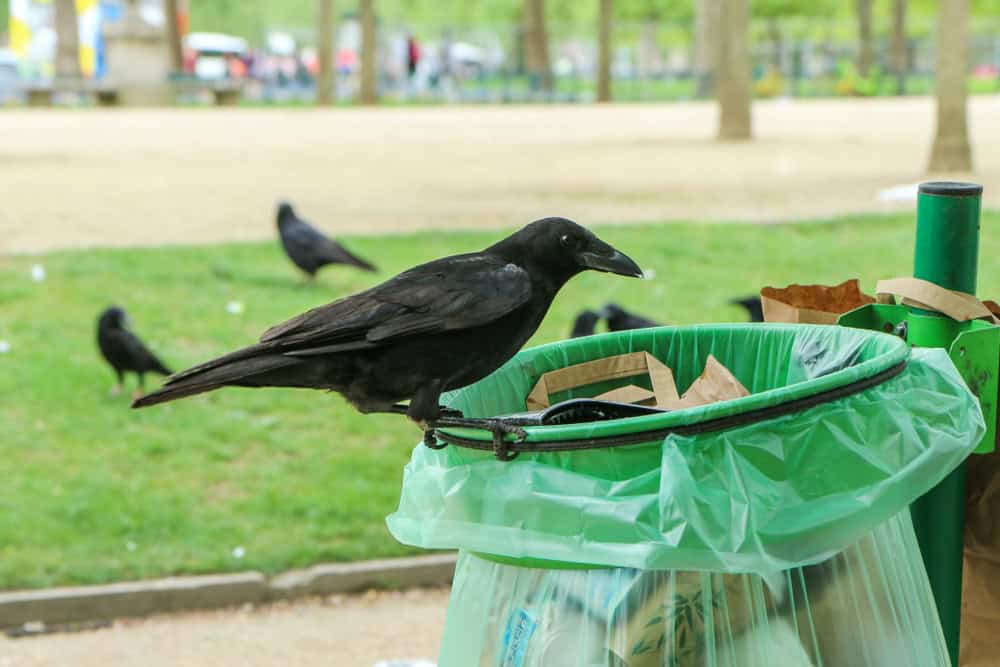
Rooks are members of the corvid family and are related to crows. This is a very smart bird family! They are highly sociable and like to live in groups. Rooks have all-black plumage and are slightly smaller than crows. Their diet consists mainly of worms, beetles, and other invertebrates, but as opportunistic omnivores, they also eat a variety of other foods. They will also happily eat grain and occasionally carrion or even prey on small mammals and birds. Rooks living in urban areas are scavengers and can often be seen poking around in trash cans.
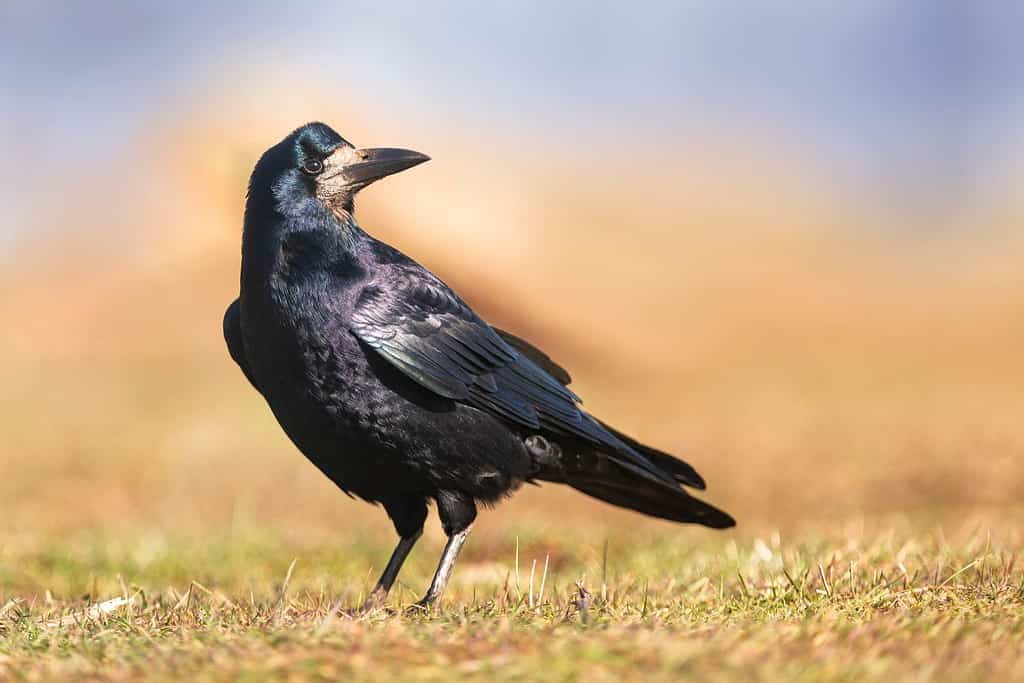
Rooks are highly intelligent birds.
©godi photo/Shutterstock.com
In laboratory-based studies, rooks have demonstrated their intelligence. They can solve puzzles and even use tools. In fact, their ability to use tools rivals that of chimpanzees. Some even bent a piece of wire into a hook so that they could retrieve a tasty worm from the bottom of a bucket. Compared to that, picking up a bit of litter is child’s play!
Feathered Litter Pickers
Six rooks at the Puy du Fou theme park in the west of France were trained to collect small pieces of litter and cigarette ends. The intelligent birds learned that if they deposit the litter into a special box, they get some bird food as a reward. So, of course, they want to do it again and again. The program began in 2018, but there are no recent reports confirming whether it is still ongoing.
The aim is not just to clear litter, as visitors are generally good at disposing of it properly. These birds are helping to teach the public that nature can play a role in showing us how to care for the environment.