
Quick Take
- Vultures can projectile vomit up to 10 feet to escape predators.
- Vultures have stomach acid with a pH between zero and one.
- Predators can be injured by vulture vomit, but not killed by it.
- Vultures will rid their stomachs of their contents to not only startle predators but also to lighten their load when taking off and fleeing.
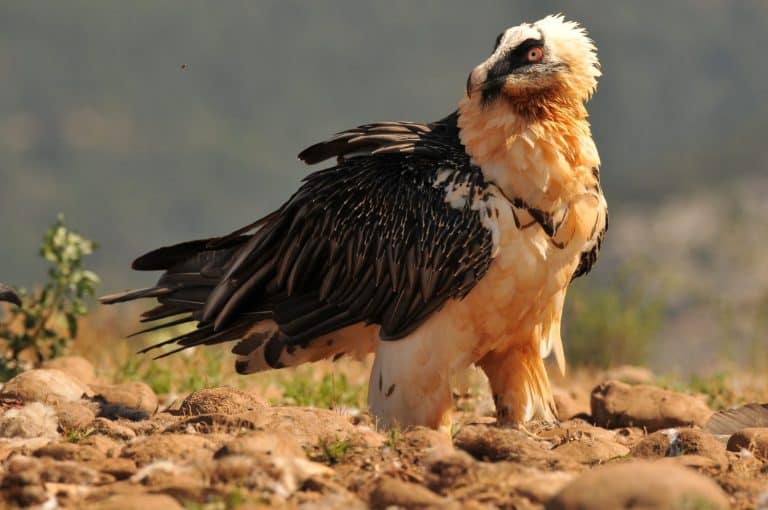
Vultures are often vilified simply because of how they look. They are seen as unclean and unnecessary creatures, which has led to mass poisoning in the past. However, most vultures help clean up the landscape and make habitats healthier by ridding them of decaying carcasses. Doing this can leave vultures vulnerable to predators, something that many are unaware of.
Vultures are unlike any other birds when it comes to defending themselves. Instead of fighting back, vultures use a last-resort tactic, which is vomiting as a survival strategy. It may seem like an odd way of deterring predators, but it is effective. Consequently, predators learn to keep their distance from the birds to avoid injury.
Why Vultures Projectile Vomit to Stay Safe
It may seem odd to think of vultures as having predators. Given that the vast majority are only interested in carrion, they pose little to no threat to other animals. Vultures, however, are prey to some animals. This is why they need a safety mechanism to protect themselves in the event of an attack.
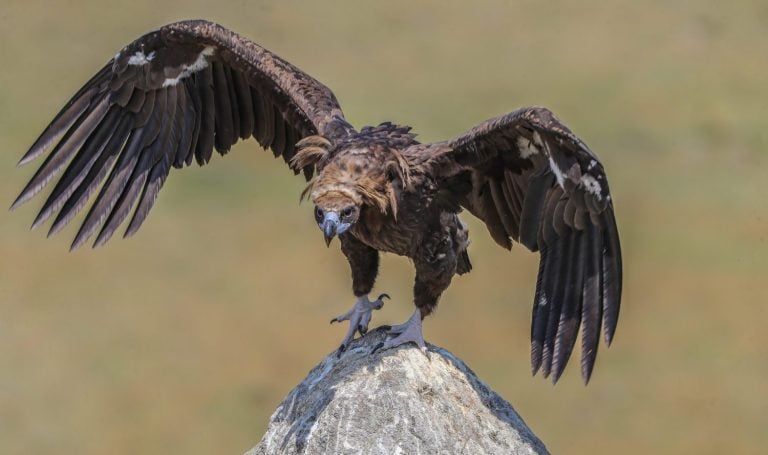
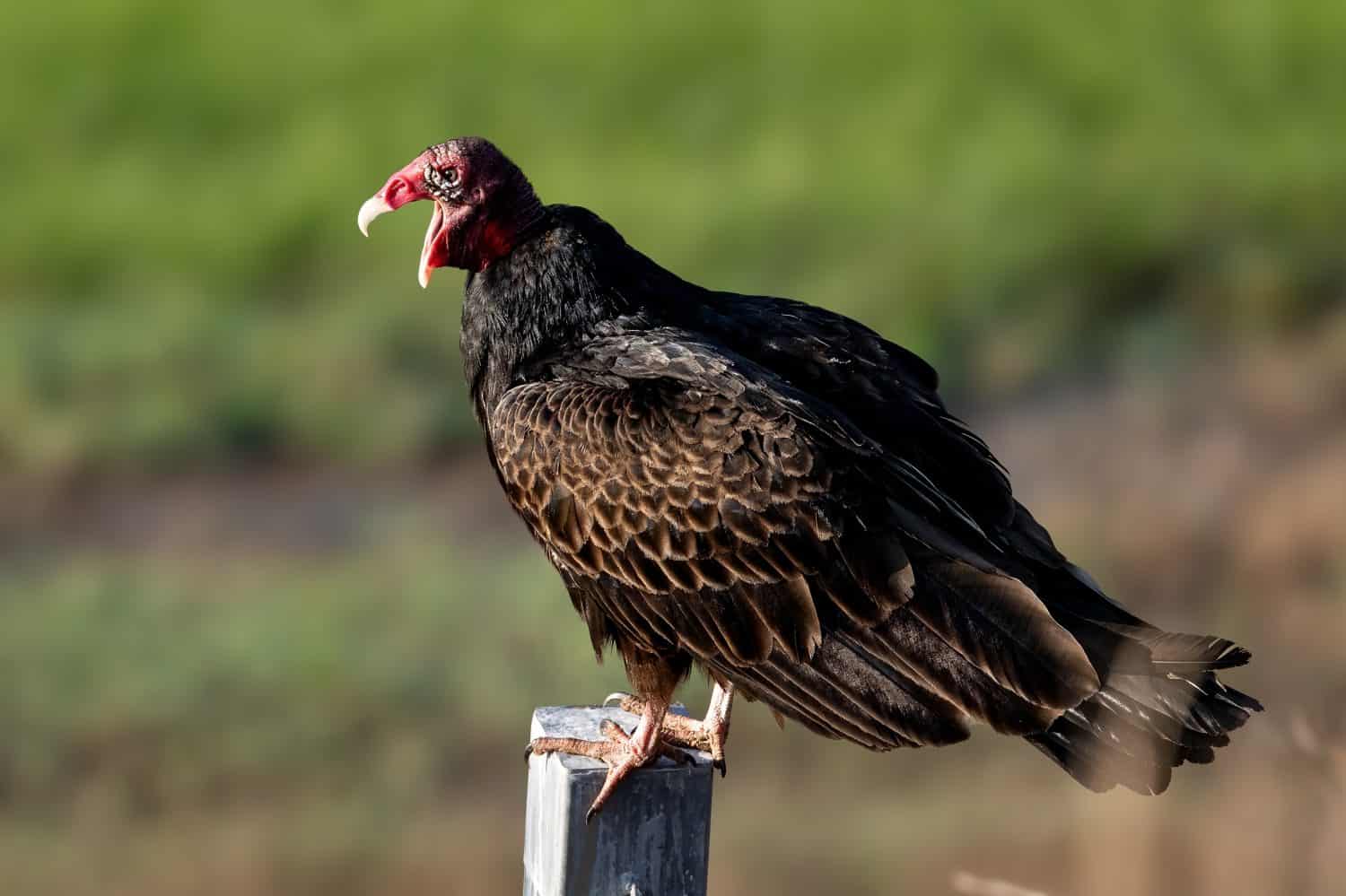
Vultures will projectile vomit to get away from predators.
©Dave Montreuil/Shutterstock.com
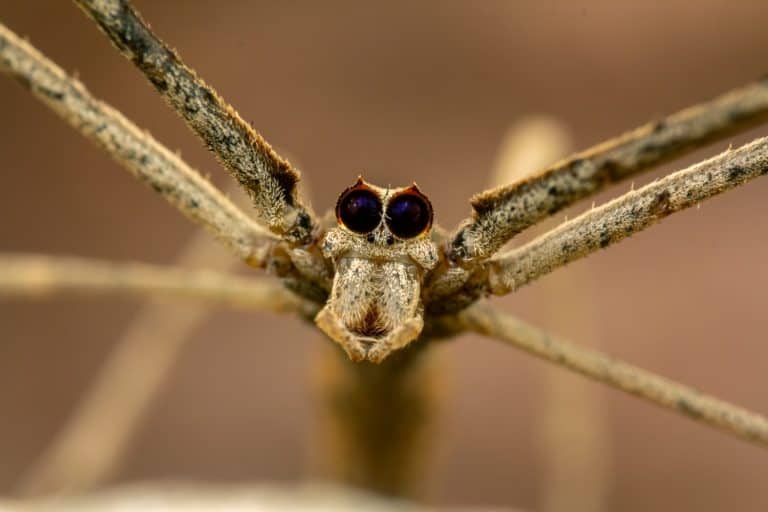
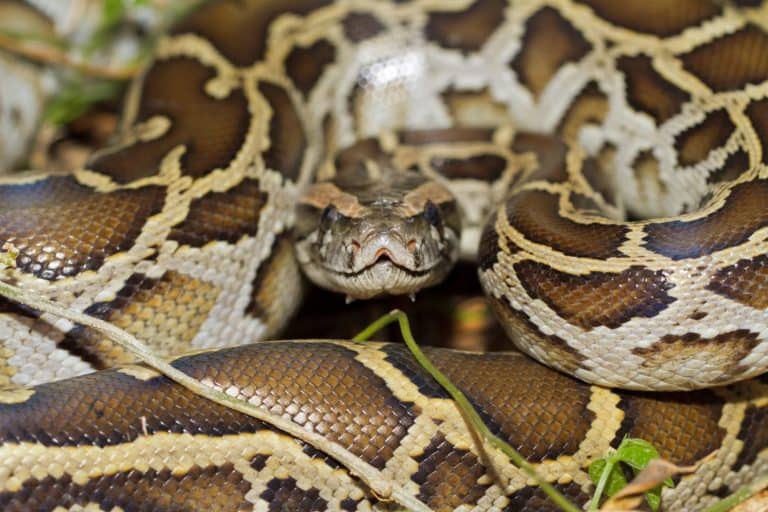
The predators that vultures face include:
- Hawks
- Snakes
- Hyenas
- Jackals
- Eagles
To defend themselves, vultures have a unique safety mechanism. Instead of fighting back, vultures will projectile vomit. The goal of this is multifaceted. This is because not only does the expulsion of the stomach contents make the vultures lighter for easier and faster take-off to get away, but the vomit is caustic.
As the vomit is ejected toward a predator, it is liquified. The liquid is the vultures’ stomach acid. If the acid comes into contact with skin or eyes, it will cause irritation. Therefore, not only does the vulture get away by being lighter on its feet, but it also stuns and brings short-term harm to a predator, allowing it to escape from threats, perceived or real.
How Far Can Vultures Projectile Vomit?
\When vultures feel threatened, they do not have to wait until a predator is nearly on top of them to use their defensive tactics. Because of how far vultures can projectile vomit, they can keep a safe distance while protecting themselves. This gives the vultures the best chances of survival.
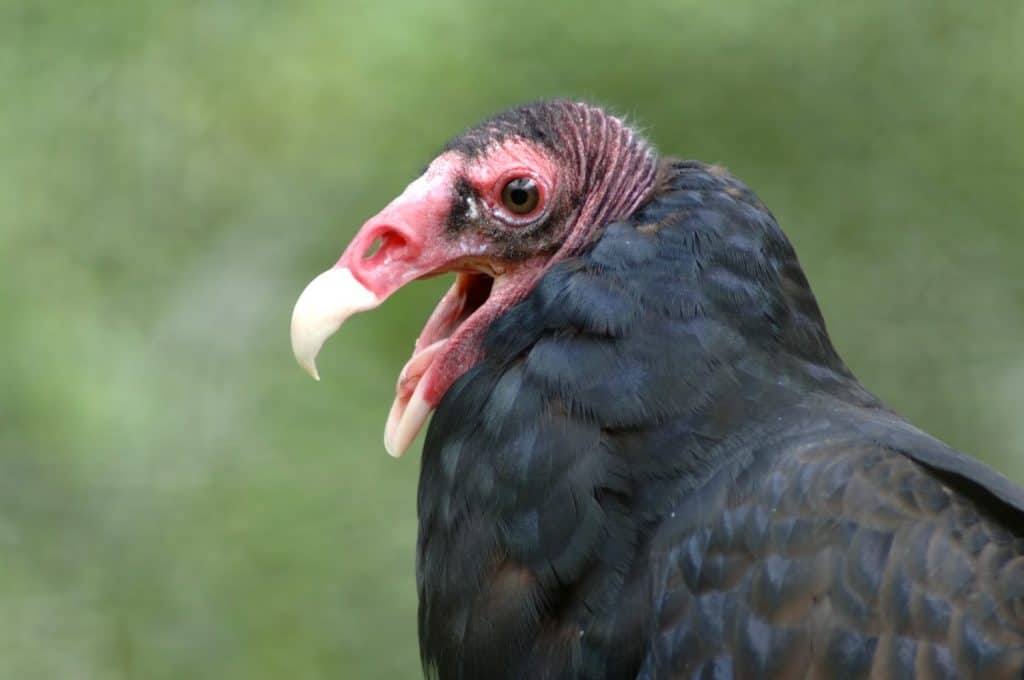
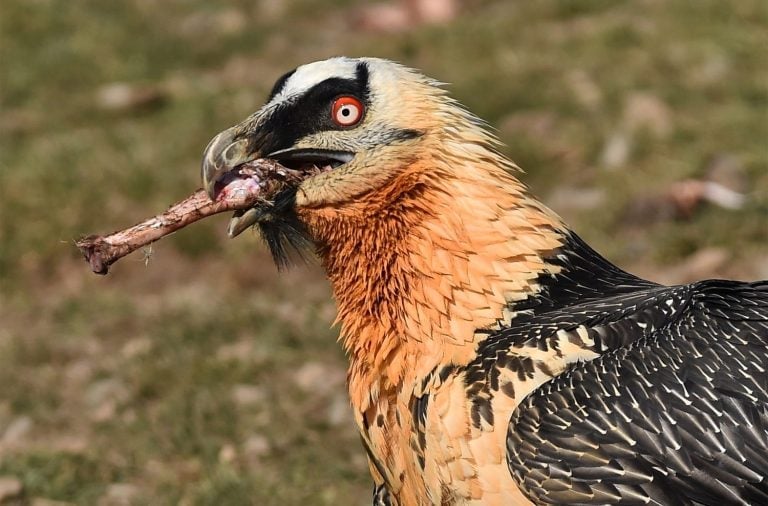
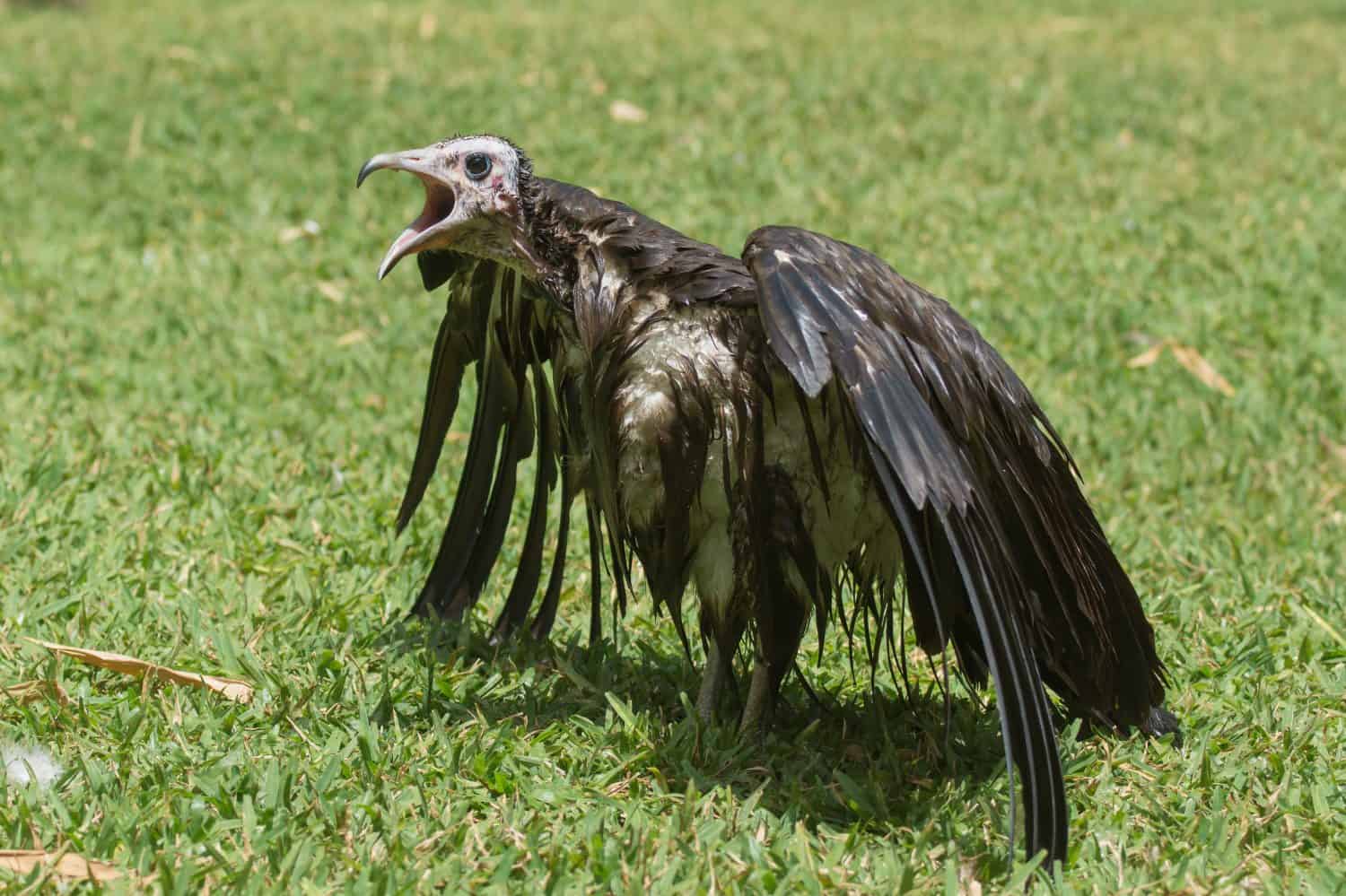
Vultures can projectile vomit up to 10 feet.
©Tony Campbell/Shutterstock.com
It is not uncommon for vultures to be able to projectile vomit up to 10 feet. Once the stomach contents are released, the birds become lighter, making their escape easier. Just how far they fly depends on how invested they are in the carrion and how many predators there are.
The escape flight is made possible by their would-be predators being not only stunned by the vomit but also by skin or eye irritation. If the vomit lands on skin or in the eyes, it will burn. Consequently, predators need to address any pain they’re experiencing before they can think about pursuing vultures again, leaving the scavengers safe to continue serving as Mother Nature’s cleanup crew.
What’s in the Acidic Vomit?
As vultures projectile vomit, they rid their stomachs of whatever is being digested. In general, this is both the last meal they consumed and stomach acid.
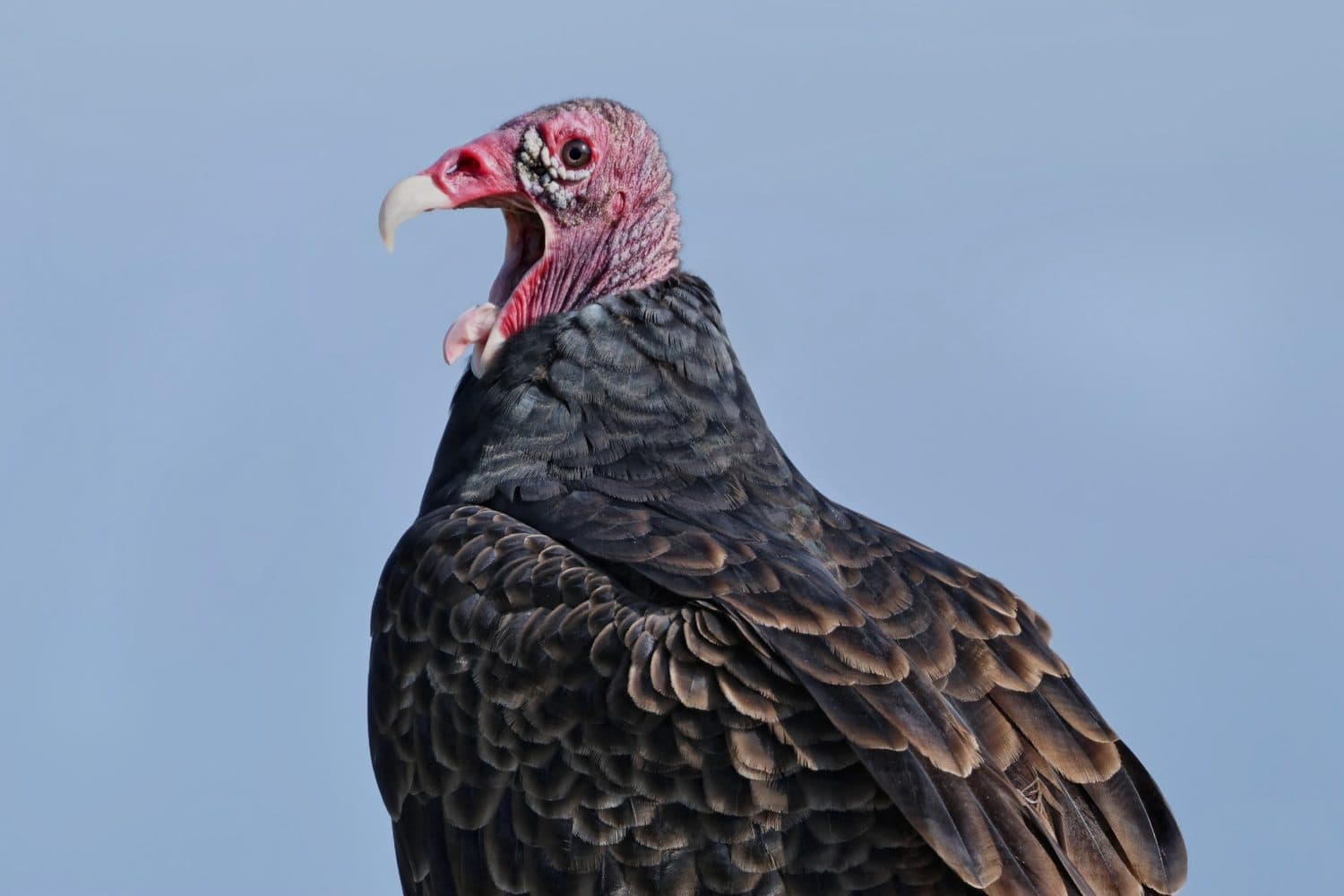
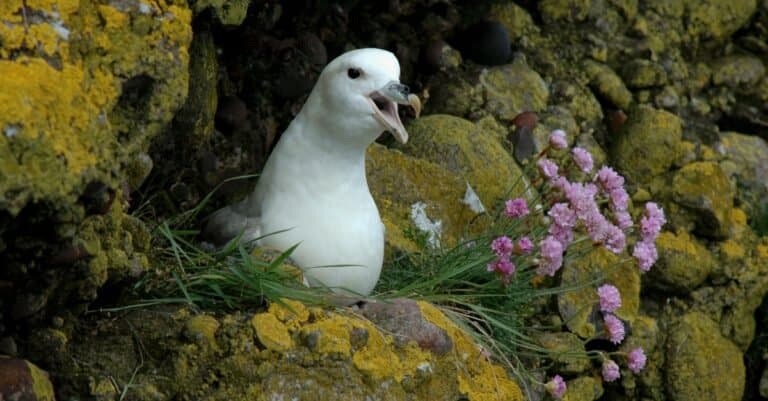
Vultures will vomit up whatever is in their stomach, which can be the last meal, stomach acid, and enzymes.
©Jean Blom/Shutterstock.com
The vultures eat a diet of scavenged food. If a predator comes upon the vultures and they need to get out of the area in a hurry, their vomit will consist of whatever they were last eating. Because the carrion likely already had a stench before it was consumed, that odor will be present with whatever is regurgitated.
However, as the scavenged food is broken down, enzymes are at work in the stomach. This means that not only will a liquid with a strong odor be shot toward danger, but it will also become more foul-smelling thanks to the enzymes. Therefore, not only will predators be surprised that the vultures are vomiting at them, but the sulfur smell of the stomach remnants will keep them at bay long enough for the vultures to escape danger.
How Acidic Is Vulture Stomach Acid?
The human body produces stomach acid with a pH between 1.5 and 3.5. This pH level allows the body to break down a variety of foods, maintain healthy gut bacteria, and activate protein-digesting enzymes. While this is acidic, the vulture’s stomach acid is considered “extremely acidic,” a necessity given their carrion diet.

Vulture stomach acid has a pH of zero to one. Human stomach acid has a pH of 1.5 to 3.5.
©Danny Ye/Shutterstock.com
Vultures have stomach acid with a pH between zero and one. This is on par with battery acid. The reason it is so caustic is the amount of disease and bacteria they come into contact with while scavenging for food. The high acidity in their stomachs helps vultures neutralize bacteria and viruses they encounter when consuming decaying meat.
If the stomach acid were not as acidic as it is, vultures would consistently fall victim to food poisoning. Instead, because of the acid stored in their stomachs, vultures are able to consume carrion as they please without becoming ill.
Can Vulture Vomit Kill Another Animal?
Given the acidity of the vulture’s stomach, it raises the question of whether it can kill a potential predator that pursues it. While it is recommended that the vomit be removed as soon as possible, the fact of the matter is that the vomit will not kill another animal.
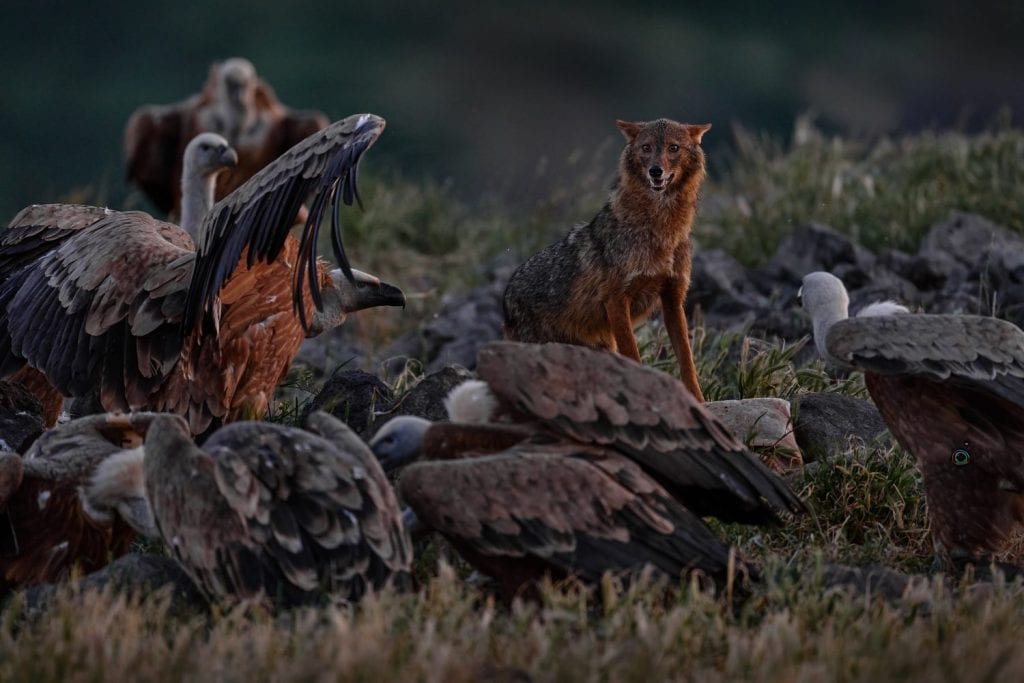
Vultures can cause injury with their acidic vomit, but cannot kill another animal with it.
©Ondrej Prosicky/Shutterstock.com
If acidic vomit comes into contact with another animal’s skin or eyes, it is very likely to cause skin irritation. This relates to the stomach acid that is released when food is regurgitated. The longer the contents of the stomach remain on an animal, the greater the chances of the skin turning red. If there are open wounds, infection can occur with prolonged exposure to the vulture vomit.
The vulture is not looking to harm another animal by projectile vomiting. Instead, it simply wants to startle the would-be predator, deter it with the foul smell, and get away. In most instances, this is enough to keep animals from coming any closer to vultures, giving the carrion-eating birds an escape exit to live another day.