
Kobuk Valley National Park sits in the vast remoteness of northwestern Alaska, about 25 miles north of the Arctic Circle. The park protects more than 1.7 million acres of tundra, braided rivers, portions of the Baird and Waring mountain ranges, and the remarkable Great Kobuk Sand Dunes, which are a remnant of the last Ice Age. Kobuk Valley is extremely remote; there are no roads or even maintained trails, so visitors arrive by air and must be self-sufficient for backcountry hiking, boating, camping, and dog sledding. For this reason, annual visitation is understandably low compared with most national parks, with visitation only in the mid-teens of thousands per year (for context, a less remote Alaskan park, Chugach State Park, receives 1.5 million visitors per year). But while its accessibility for humans is difficult, the same is not necessarily true for the myriad animal species that inhabit this incredible landscape. Read on for a list of some of the common species you may encounter up there if you’re brave and rugged enough to make the trip.
Caribou
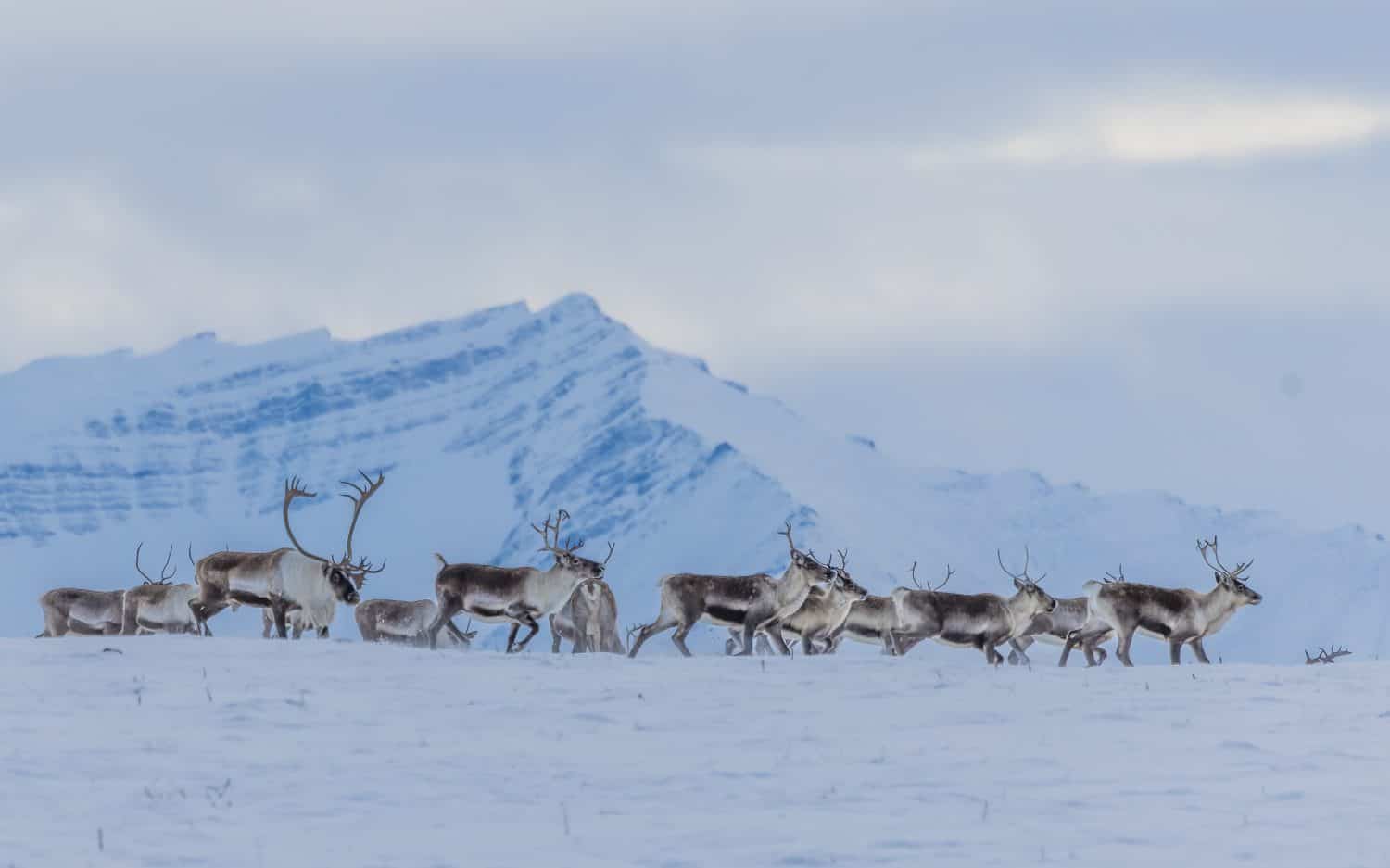
The western Arctic caribou have been trekking through the Kobuk for thousands of years.
©Mark Lindberg/Shutterstock.com
The caribou are the wildlife spectacle of the Kobuk Valley. The Western Arctic Caribou Herd passes through the park twice a year on its 400–600-mile seasonal migration to and from their southern winter and northern summer ranges. Hundreds of thousands of these animals flow through these river valleys and sand dunes, though the herd’s size has declined a bit in recent years. Interestingly, insects are a huge driver of this migration. The abundance of mosquitoes, warbler flies, nostril flies, etc., sends the caribou looking for cooler, windier places, often open tundra with fewer insects. Because the migration is so large and concentrated, caribou are among the easiest large mammals to encounter in season, especially along river crossings and the sand dunes during migration. One of the best-known locations to spot them is Onion Portage along the Kobuk River, where caribou have been crossing for over 8,000 years. Interesting fact: when crossing the Kobuk—or any river—caribou are aided by two remarkable bodily features: their oar-like hooves, which help them to float and paddle; and their hollow hair, which traps air and not only provides insulation, but makes them buoyant!
Brown Bear
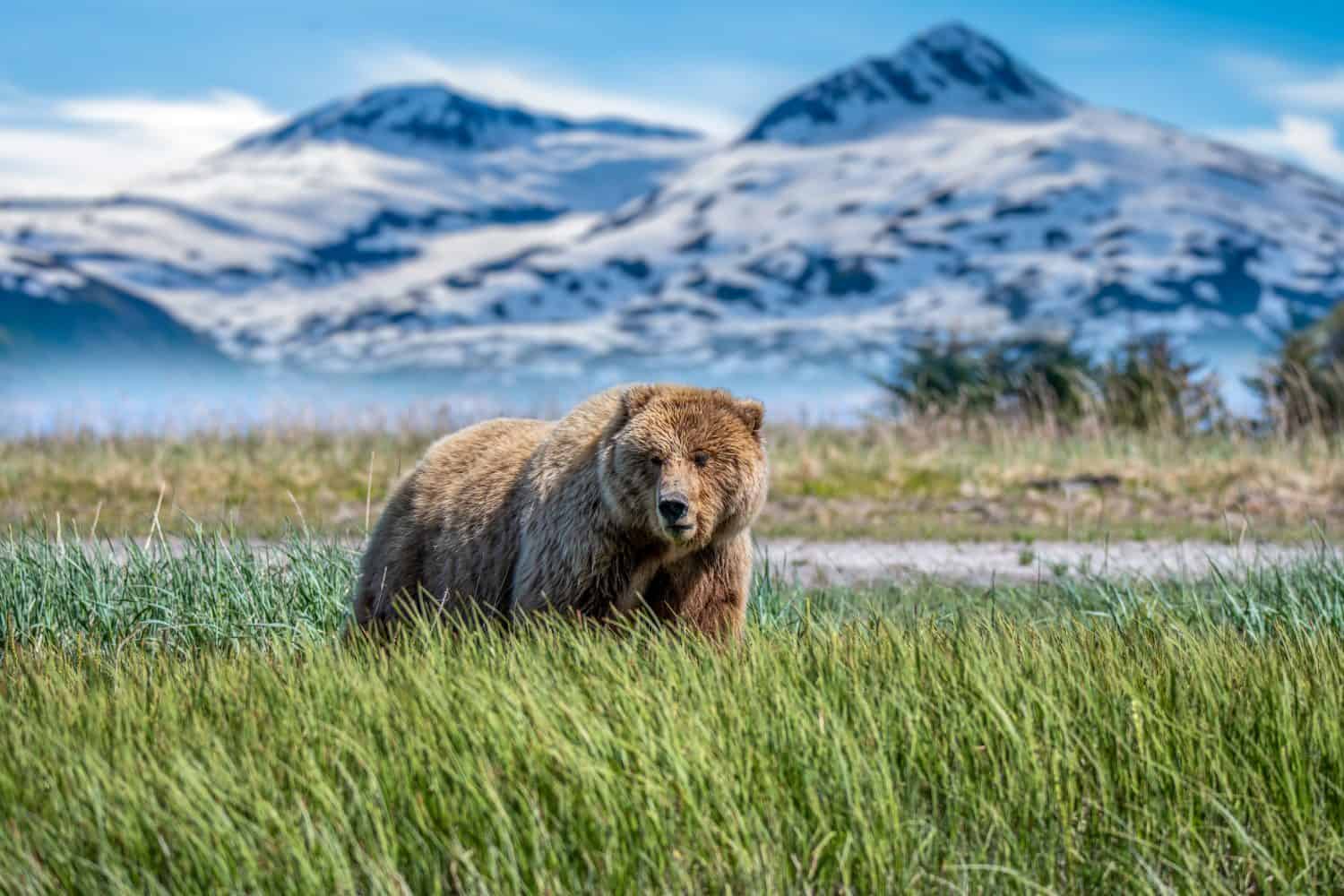
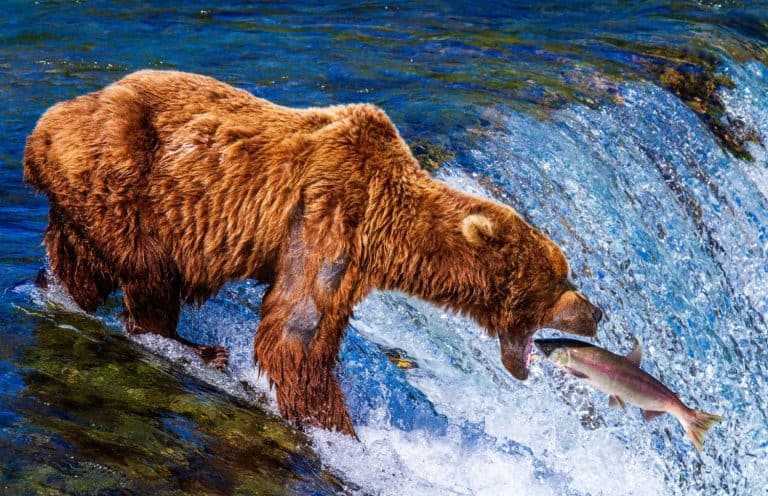
If you hang out near sections of the river where there are lots of fish, you just might see a grizzly.
©Fotopro_929/Shutterstock.com
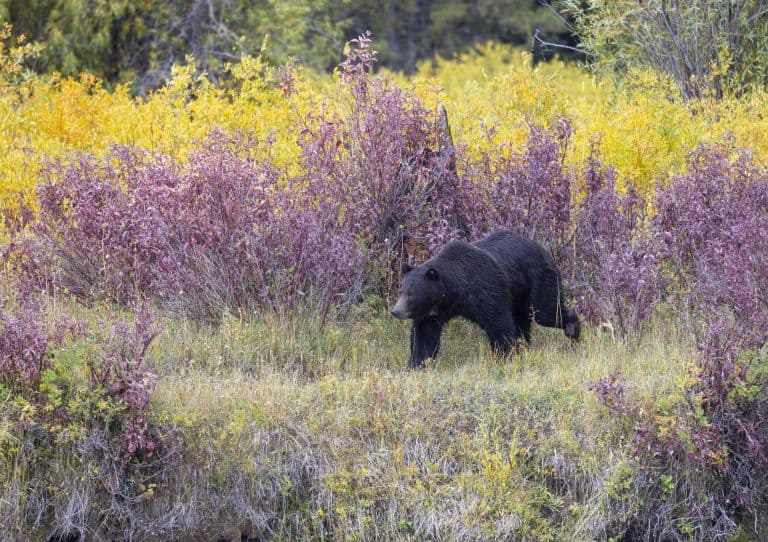
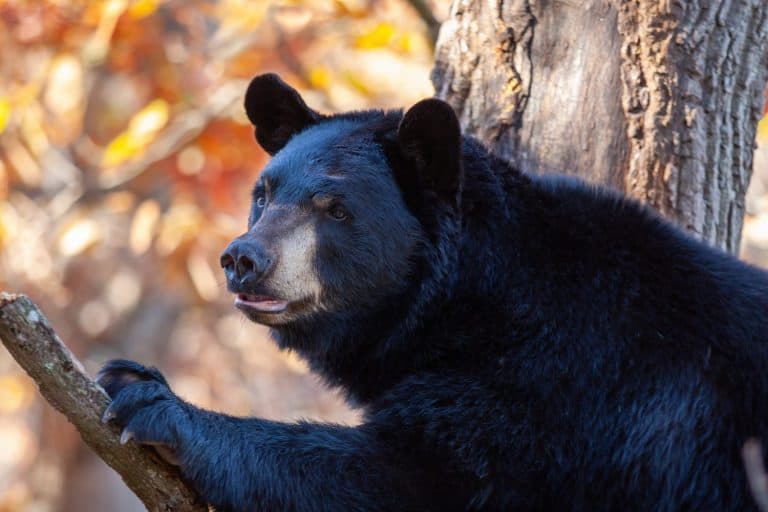
Brown bears (often called grizzlies in Alaska) live throughout the Kobuk Valley where food and terrain permit. They use river corridors and tundra areas, especially where fish or other food is available. Brown bears are omnivores, eating vegetation (grasses, berries), insects, and fish or ungulate meat (caribou or moose calves) when they can get their paws on it. They’re often found along river corridors, floodplains, and open tundra/lowland meadows where there’s food. Because they’re large and conspicuous, sightings are possible, though not guaranteed. Remote travel (which, yes, seems redundant in a place like Kobuk Valley) and patience increase your chances, especially near spawning fish rivers or along known feeding zones during summer. The bears at Kobuk use the same terrain as humans, so—and it should go without saying—ALWAYS use caution and follow the park’s bear-safety rules (i.e., food storage, noise, etc).
Moose
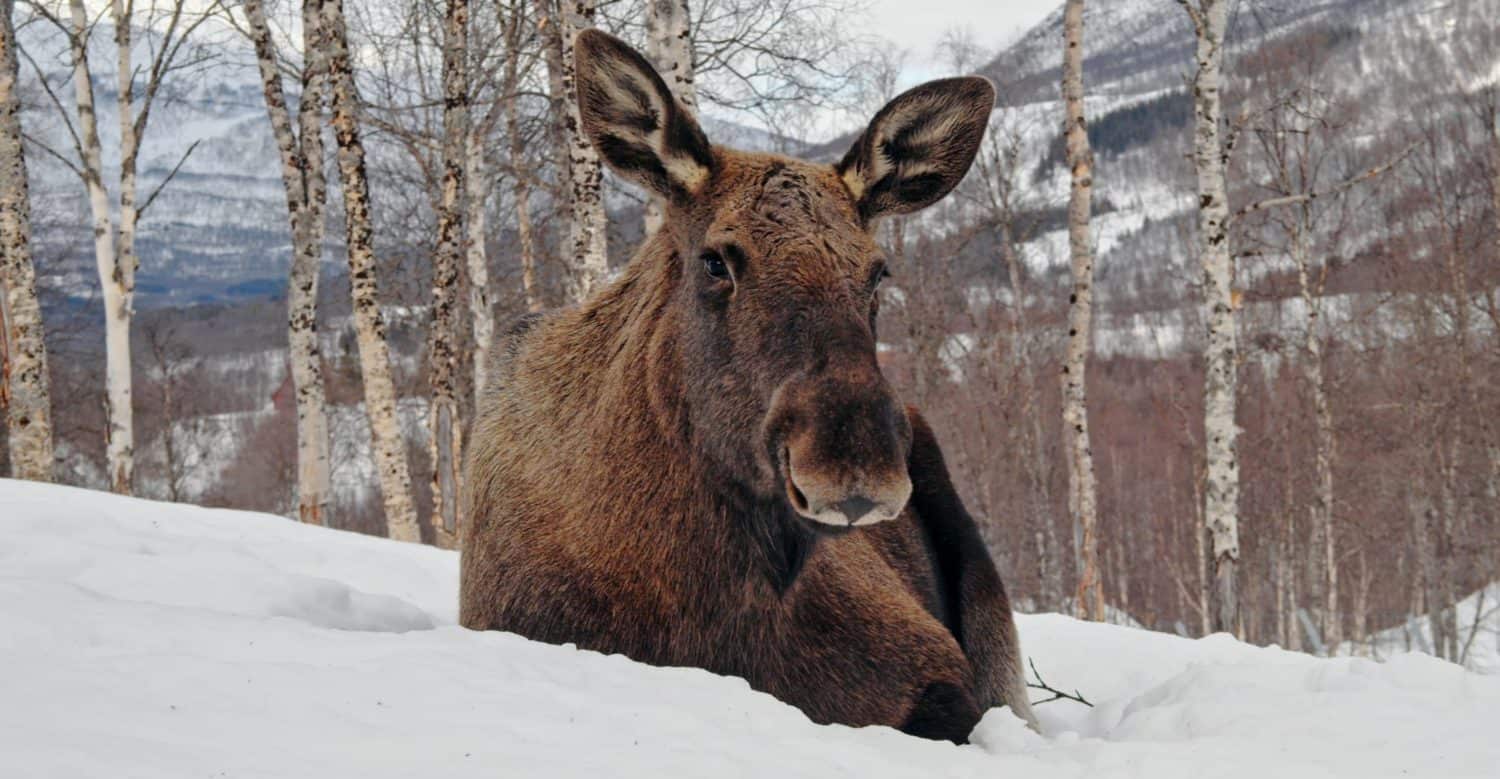
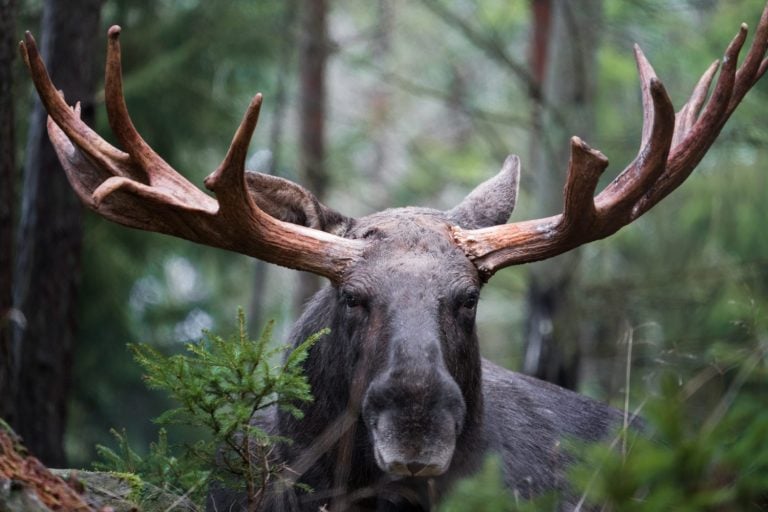
You might very well see a moose at Kobuk, but if you do, don’t get as close as this photographer did!
©Wirestock Creators/Shutterstock.com
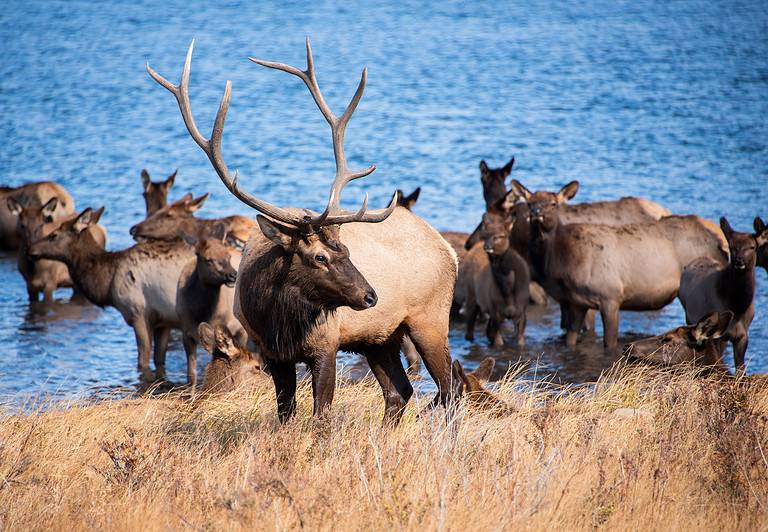
The largest member of the deer family, the moose, is plentiful in the Kobuk Valley. Moose browse on willows and aquatic vegetation in marshes, riverbanks, and wetland edges, especially in summer when willows leaf out and aquatic plants are plentiful. In winter, they rely more on woody browse and willow stems, and may use riparian corridors to ease travel through deep snow. That being the case, you’ll want to look for them in the swampy lowland tundra, willow thickets, and near rivers in the park, especially in summer and early fall when vegetation is lush. Though not nearly as prominent as caribou, moose are one of the expected mammal sightings for visitors. However, they prefer cover and browse areas rather than open tundra, so sightings may require patience and quiet. If you do see one, give them a wide space—especially cows with calves—as moose have a tendency to be unpredictable.
Gray Wolf
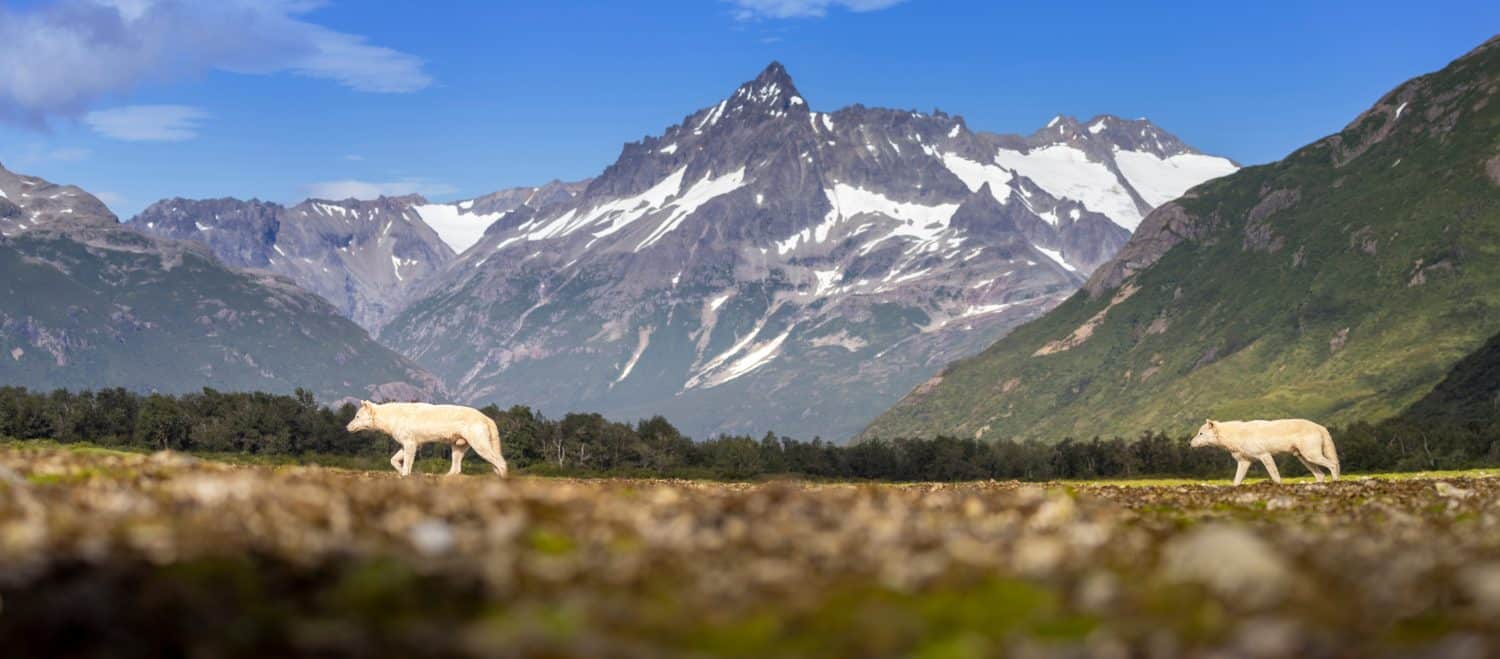
You’re more likely to see wolf tracks or scat than the actual elusive animal, but you never know…
©BlueBarronPhoto/Shutterstock.com
The Gray wolf is a wide-ranging predator in the Kobuk Valley, helping maintain ecological balance by preying on caribou, moose, and other mammals. Wolves are present across the park but are typically more difficult to see than caribou or moose because they cover such a large area and are wary of humans, keeping their distance or staying hidden. While some visitors may glimpse wolves, many more will hear or detect signs such as tracks or scat as opposed to seeing the animals themselves. Chances may improve around caribou migration corridors in the spring and fall when wolves follow prey movements, or in undisturbed upland and tundra zones away from river traffic. It’s pretty unlikely, but if you do happen to run into one of these predators, it’s important to maintain a respectful distance and avoid interfering with packs or active hunts.
Muskox
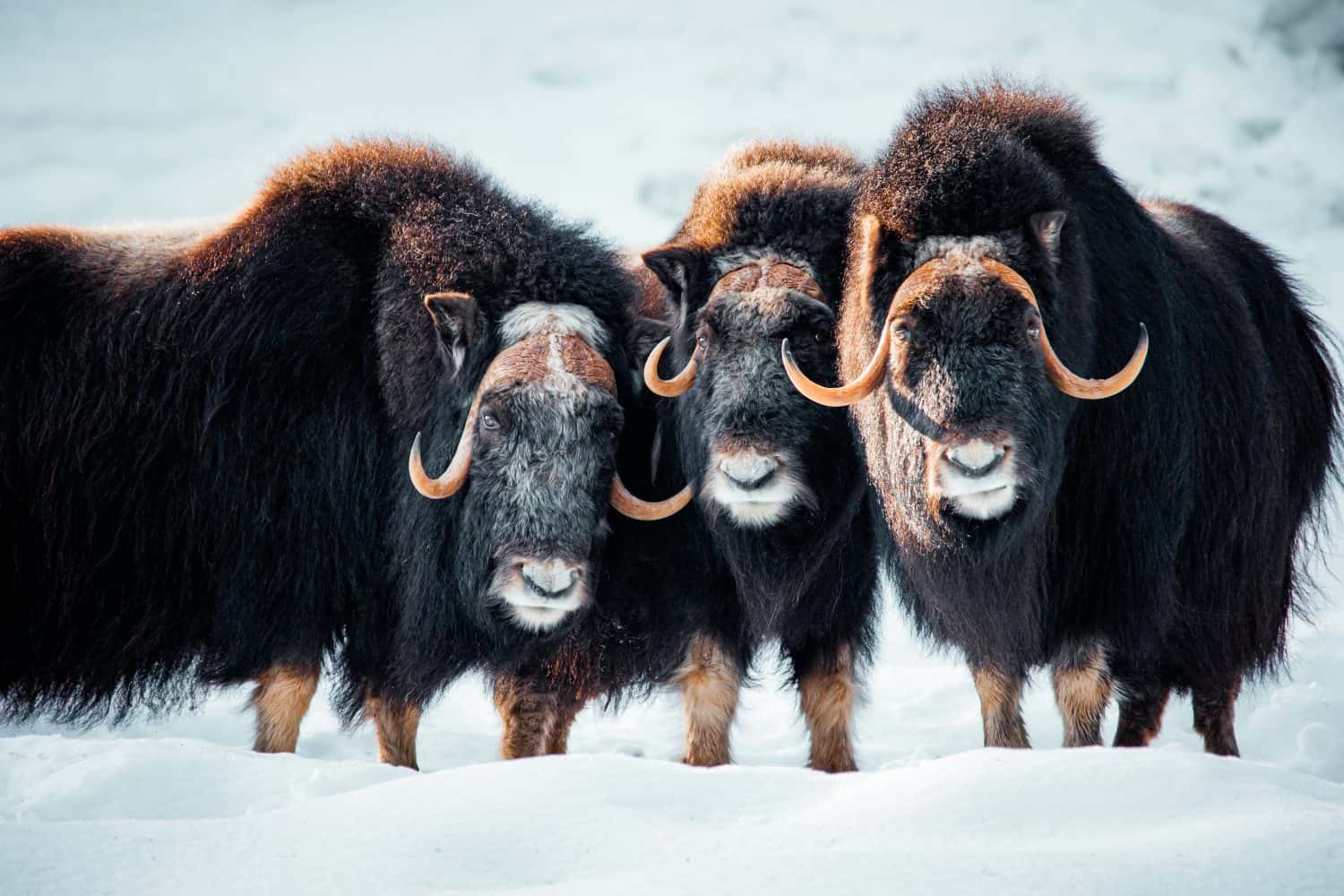
The muskox’s undercoat is among the warmest fibers in all of nature.
©Frida-Lannerstrom/Shutterstock.com
Large, shaggy mammals that’ve adapted to extreme cold, the Muskox is a relic of glacial times found in parts of northwestern Alaska, including areas within the Western Arctic Parklands that encompass the Kobuk Valley. Their soft undercoat (qiviut) is among the warmest natural fibers and is historically harvested by Indigenous peoples of the region. Muskox prefer tundra and upland habitats where they graze on grasses and forbs. In winter, they favor windswept areas or shallow snow zones where they can paw down through snow cover, deep snow, or hard crust, which is a challenge for them. Given the remoteness of their chosen habitat, sightings are less common than more abundant species, but not as uncommon as, say, the gray wolf. If you do happen to catch these animals, you may be lucky enough to witness some truly unique behaviors. For example, during the rut (from around August to October), bulls defend harems of 5-15 females in addition to several of their young through head-butting battles. Or you might see a group of muskox (they are a social animal) under threat, forming a defensive circle with calves in the middle and adults facing outward, horns at the ready, like a battle formation out of Game of Thrones.
Dall’s Sheep
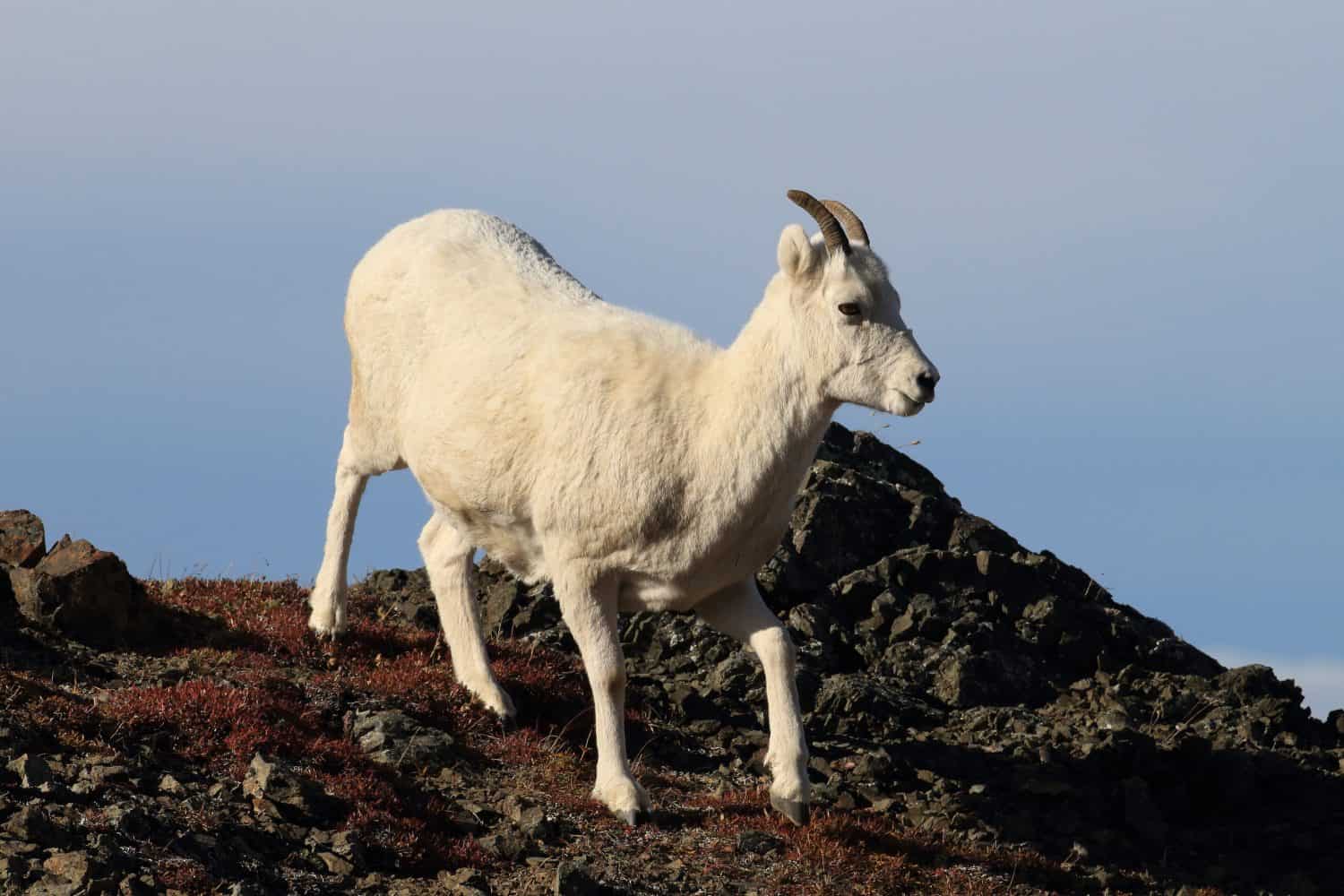
Dall’s sheep love the upland and ridges and cliffs, so if you want to see one, you’re going to need either binoculars or climbing gear.
©Frank Fichtmueller/Shutterstock.com
Dall’s sheep live in alpine and rocky upland areas (mountain tops and steep slopes) in the Brooks Range and surrounding upland ridges, favoring steep, rugged terrain where they can escape predators by using cliffs, ledges, and precipitous slopes. Because they occupy upland and often remote terrain, sightings are less common than more accessible species. They can be spotted from aerial surveys or ridge-top vantage points overlooking alpine slopes, such as in the Baird or DeLong mountains. Spring and early summer may be good times when snow melts from wind-swept slopes and the sheep are more active up on the high ridges; also late summer, before deep snowfall, when they may descend slightly or use more moderate slopes. Because they are sensitive to disturbance, being quiet and using vantage points helps.
Wolverine
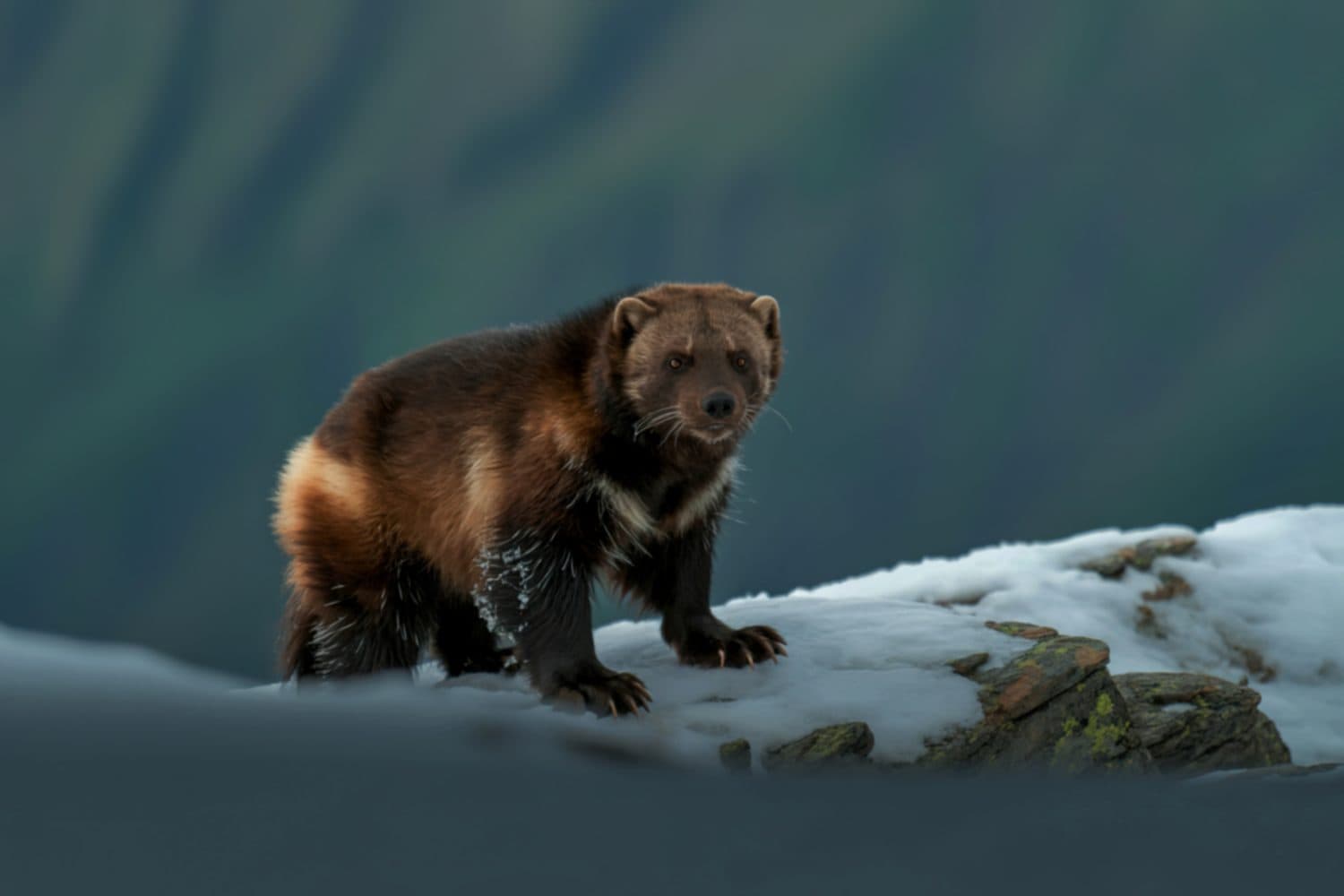
Wolverines are secretive and tend to stay away from areas heavily trafficked by humans.
©adelinaburca/Shutterstock.com
Rare and elusive, Wolverines are solitary, wide-ranging carnivores present in the Kobuk Valley. They cover large territories across mountains and tundra, feeding opportunistically on small mammals, carrion, and sometimes ungulate calves or carcasses. Sadly, wolverines are secretive and occur at low densities, so most visitors will not see one. But if you really want to try, check out the upland tundra, ridges, or steep slopes away from heavy human traffic, particularly in early summer when snow has receded but before vegetation is dense. Using vantage views across ridgelines may also increase your chances.
Arctic Fox
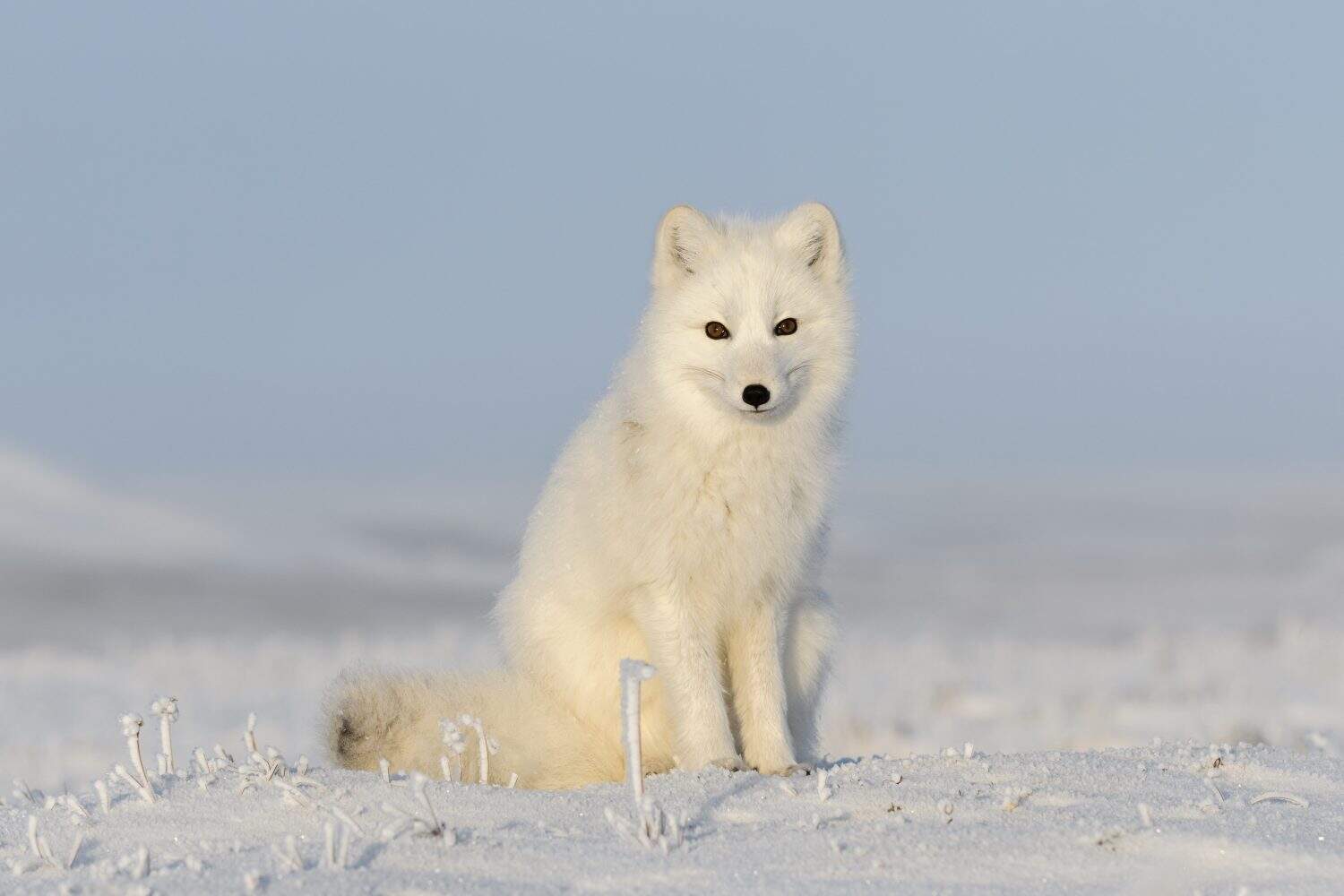
The arctic fox’s coat changes from gray/brown to white in the winter to blend in with the snow.
©Alexey Seafarer/Shutterstock.com
Arctic foxes occupy open tundra habitats and feed mainly on small mammals (like lemmings and voles), birds, eggs, and carrion. Because they are relatively small and stealthy, it’s more likely you’ll notice them through a furtive movement out of the corner of your eye than a full-on sighting. Your best odds will occur during summer dawns and dusks in open tundra, ridge-tops, and near river margins where small mammals and birds are abundant, especially when rodent densities are high. Also, though winter sightings are less likely, keep in mind they may look different depending on the season; their coats change from brown/gray in the summer to white in the winter to camouflage them in the snow (making winter sightings all the more difficult).
Arctic Ground Squirrel
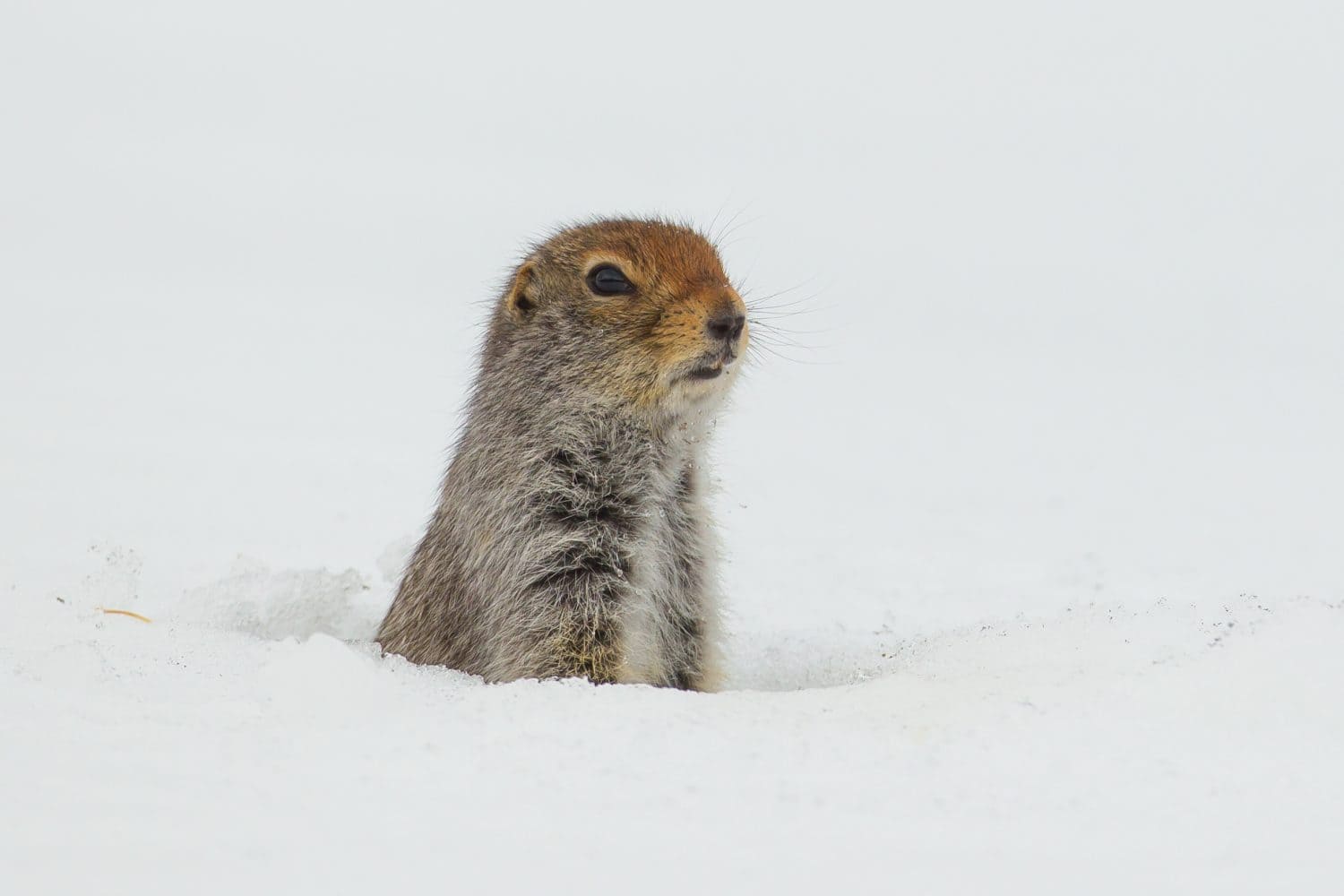
The arctic squirrel is a “supercooler” able to drop its body temperature to below freezing.
©Jukka Jantunen/Shutterstock.com
Arctic ground squirrels are common in tundra and upland clearings and are one of the most likely small mammals you’ll encounter in summer. Between June and August, they are active in burrow colonies in well-drained tundra slopes and open meadows—listening for predators and darting in and out of burrows. Later in the summer, they will fatten up, and by late August/September, they may begin hibernation, making sightings less likely. One fascinating tidbit about their hibernation is that they are “supercoolers,” which means their body temperature actually drops below freezing, yet they don’t form ice crystals in their tissues (a quirk of their blood chemistry and cell membranes, which contain special adaptations that inhibit ice nucleation), which would normally be lethal. Every few weeks, they spontaneously warm themselves back up to normal body temperature for a short time, possibly to restore neural function or repair cellular damage, then cool down again
The park’s mammal list also includes many other small mammals: voles, lemmings, snowshoe hare, marmots, and others. These are locally common but often small and easy to miss unless you’re looking closely.
Beaver
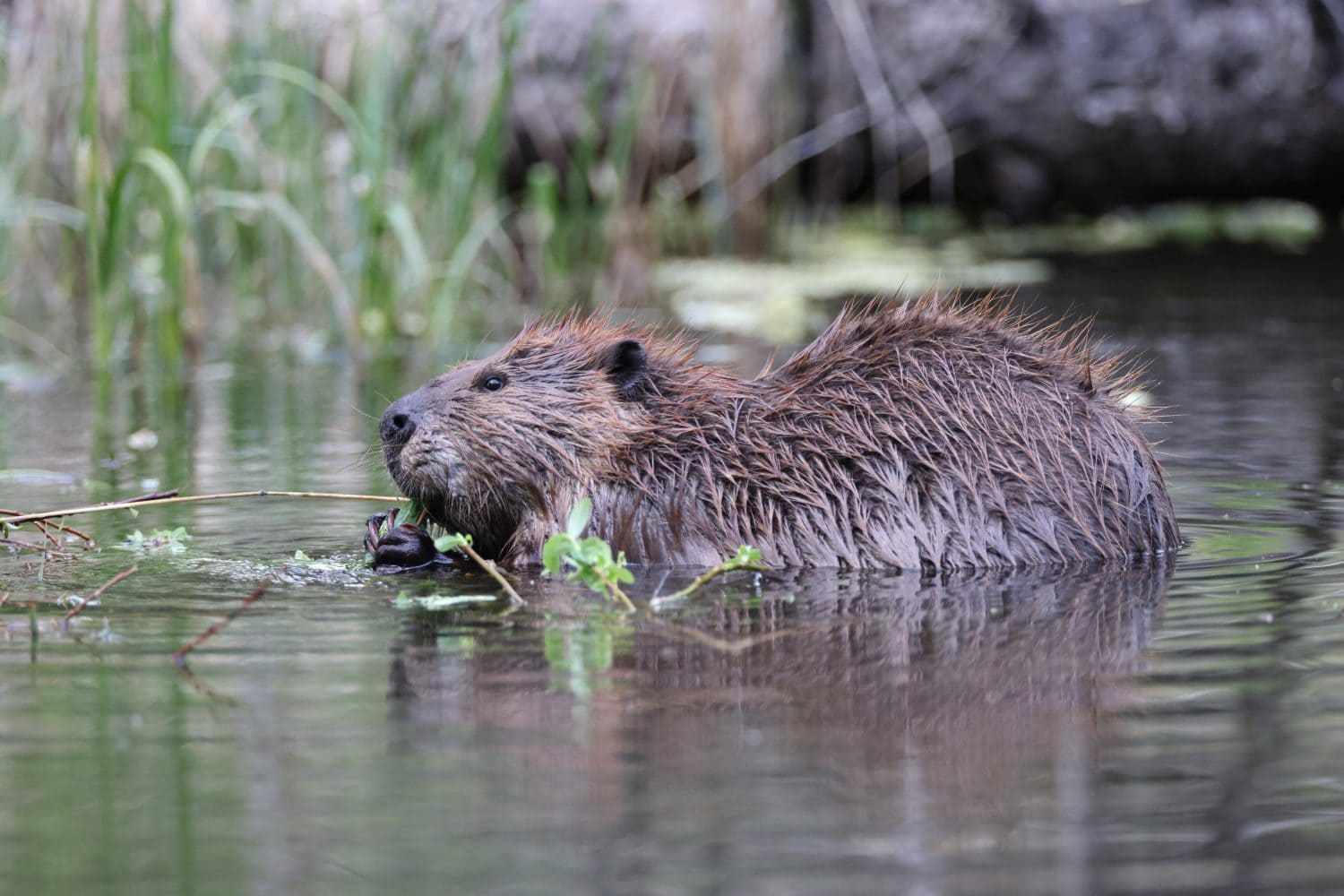
The clever beaver hides food underwater so they can access it after everything is frozen over.
©Frank Fichtmueller/Shutterstock.com
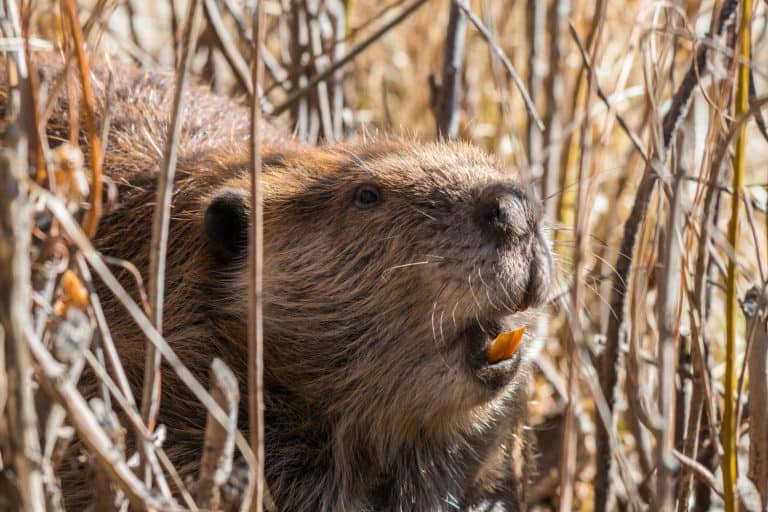
North America’s largest rodent, beavers live in the river and stream systems of the park (particularly the slow-moving channels of the Kobuk River, tributaries, and backwaters). They require woody vegetation both as food (they eat bark, twigs, leaves, aquatic plants, roots, and buds) as well as for building lodges and dams. Beaver activity also benefits many other species by creating wetlands that support birds, fish, and other mammals. To see one of these “busy” creatures, check out the slow-moving river backwaters, sloughs, ponds, and near willows or alders along streams, probably around dawn or dusk, since beavers are more active when light is low. And while you’re unlikely to see this without SCUBA gear, one remarkable beaver fact is that in autumn they collect food and stash it underwater so that when water freezes, they still have access to it—the clever little beaver!
River Otter
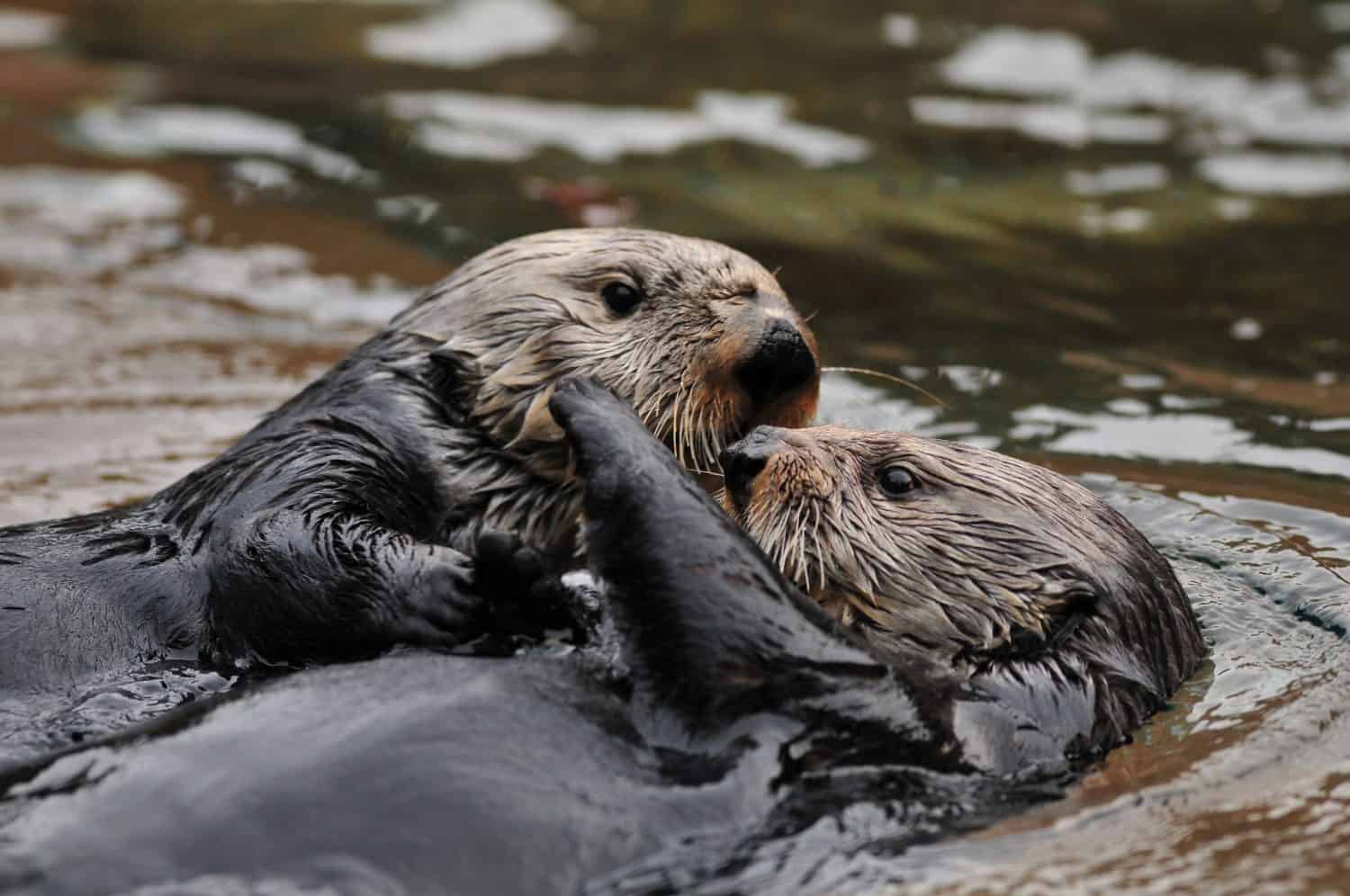
Otters are playful, enjoying sliding down muddy or snowy banks.
©neelsky/Shutterstock.com
Like the beaver, river otters are part of Kobuk’s aquatic mammal community, inhabiting the rivers, lakes, and wetlands. Look for them along the Kobuk River’s slower channels, side sloughs, and backwaters where fish are accessible. Early summer, when water is open, or transitional seasons are your best bet; winter sightings are far less likely given the frozen conditions. Otters are often shy and hide out in dense vegetation or bank cover, so spotting one might be tricky, but there are signs you can look out for for clues to otter proximity. For example, otters like to slide down muddy or snowy banks into the water. This method of transportation is efficient but also fun, as the otters seem to enjoy it and will sometimes do it repeatedly. If you see any of these slide tracks, you’ll know that an otter’s been there and may still be close by.
Snowshoe Hare
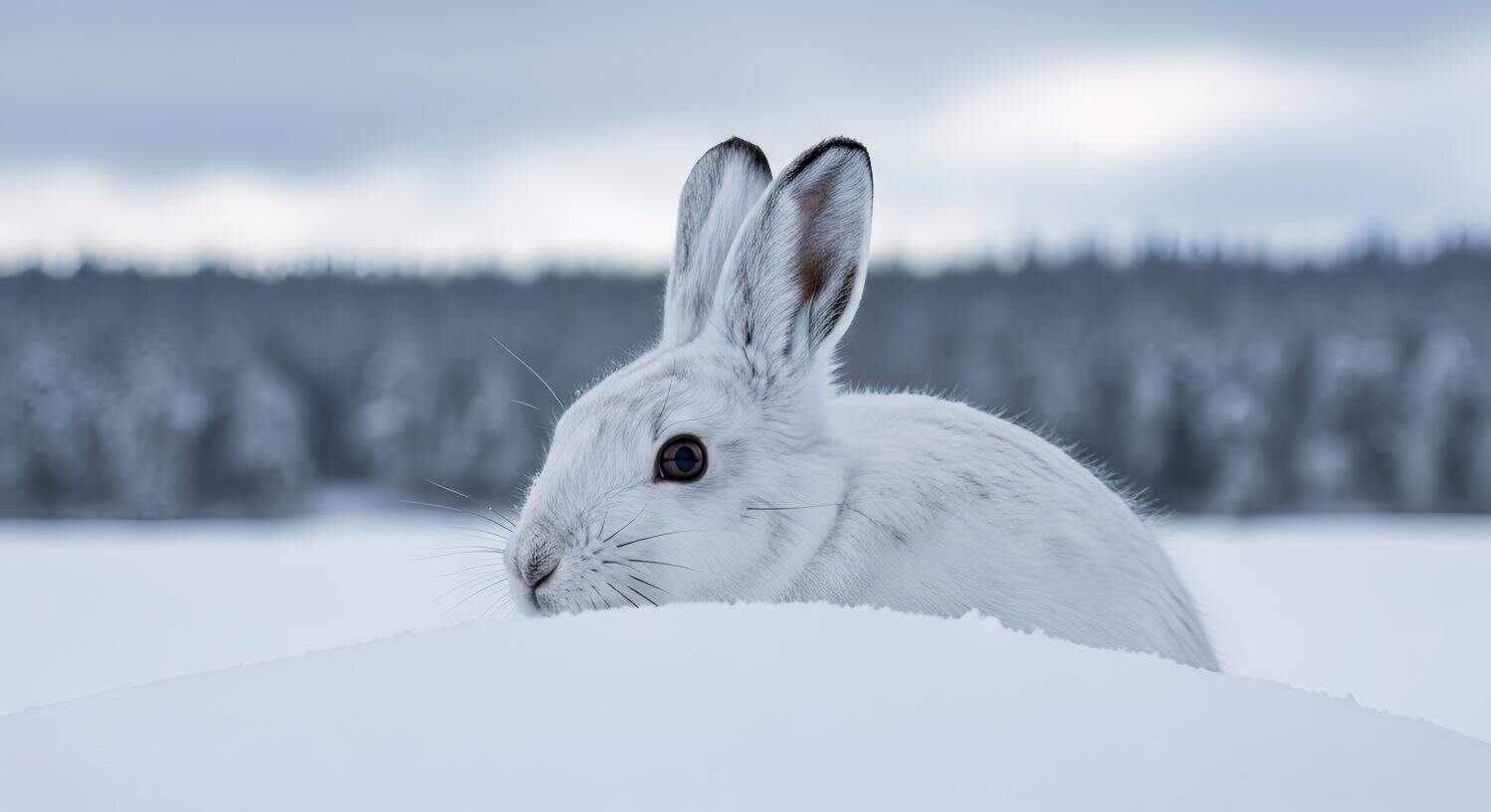
Like the arctic fox, the showshoe hare’s coat turns white in the winter.
©Yin Artt/Shutterstock.com
Snowshoe hares occupy shrubby and forest-edge habitats. Like the fox, they’ve evolved to change color seasonally; from brown/gray in the summer to nearly white in the winter, making them difficult to spot in the snow. This camouflage is a bummer for humans trying to spot one, but it’s great for the hare itself, being that they are major prey animals, hunted by lynx, foxes, wolves, wolverines, and raptors. The snowshoe hare lives up to its… mm, let’s just say reproductive reputation, with females raising up to three litters a year, though in the Arctic this may be constricted by shorter summers.
Birds
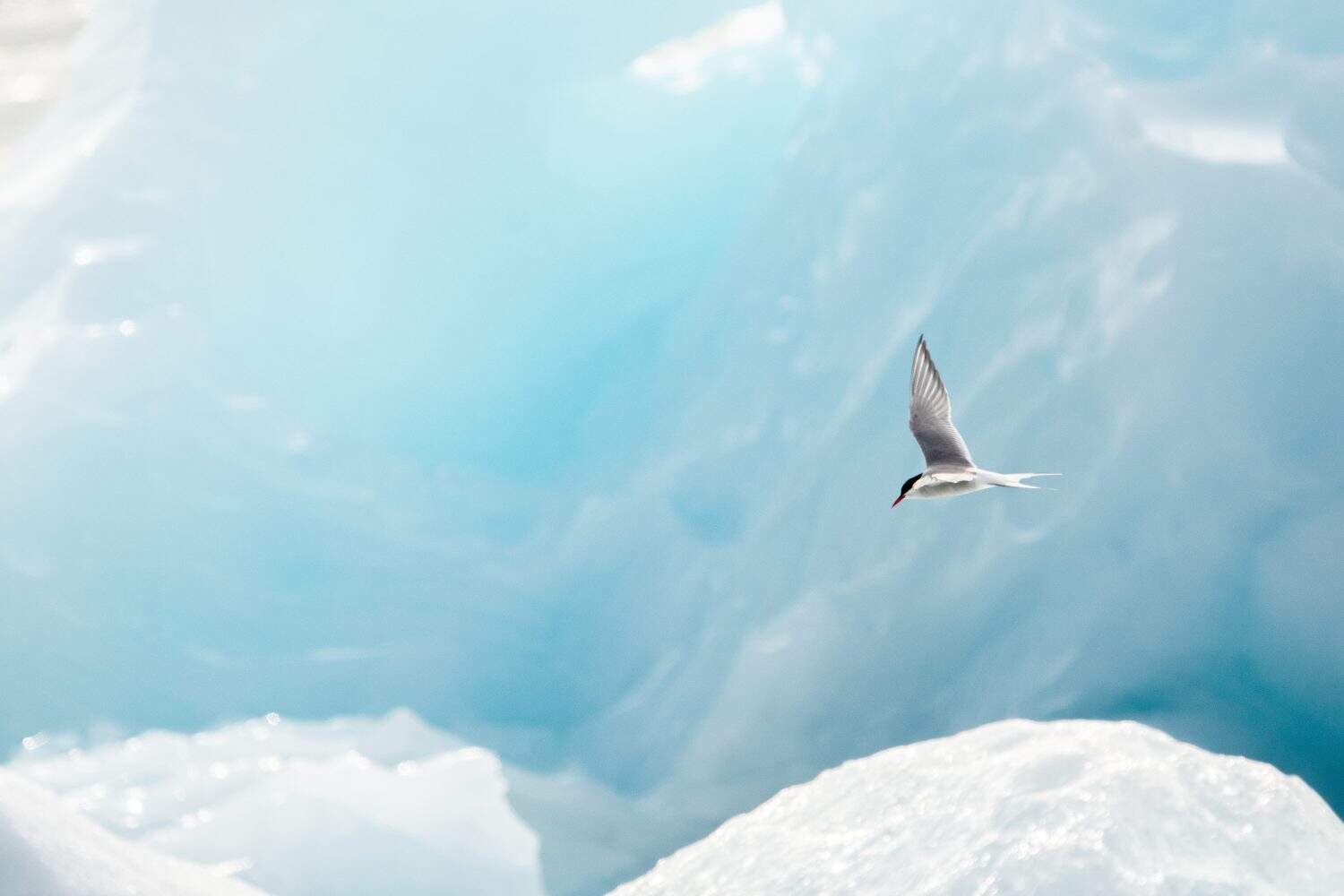
Kobuk is home to hundreds of species of birds.
©nordiclensescapes/Shutterstock.com
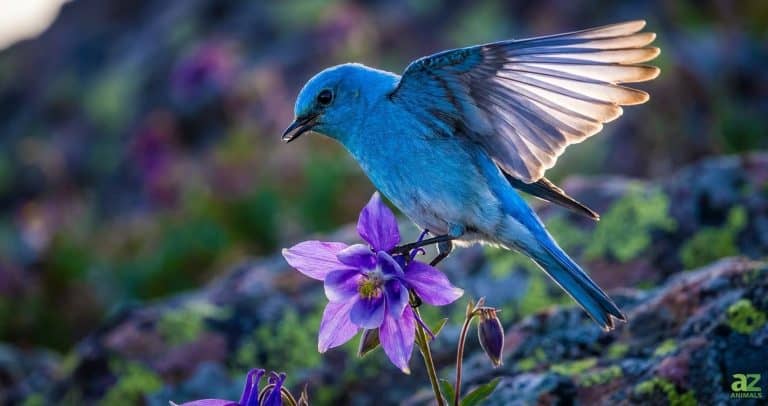
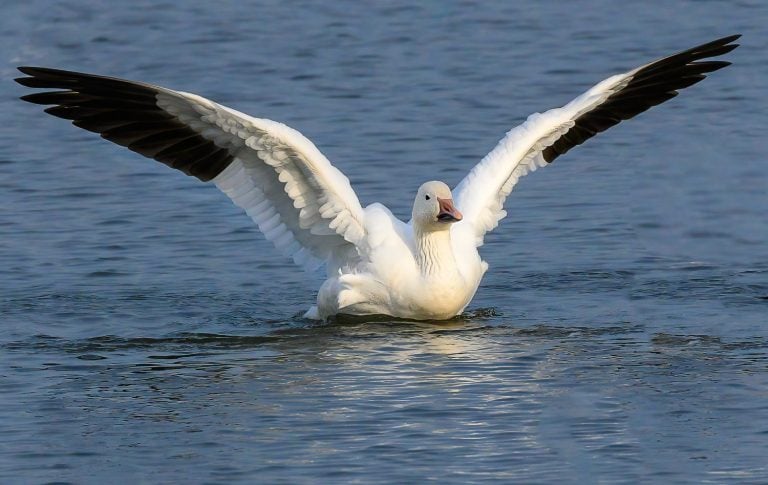
Kobuk Valley is a premier place for migratory birds. Each summer, millions of birds arrive to nest on sheltered lakes, rivers, and tundra. These include: waterfowl (ducks, geese, swans), loons, cranes, arctic terns (which have one of the longest migrations of any bird), and numerous shorebirds. The park hosts hundreds of bird species across seasons, making for spectacular birding, especially during the Arctic breeding season from late May to early June; a brief window when the tundra thaws, insects hatch, and daylight is nearly continuous. Binoculars and a bird list from the park visitor contact are highly recommended.
Fish
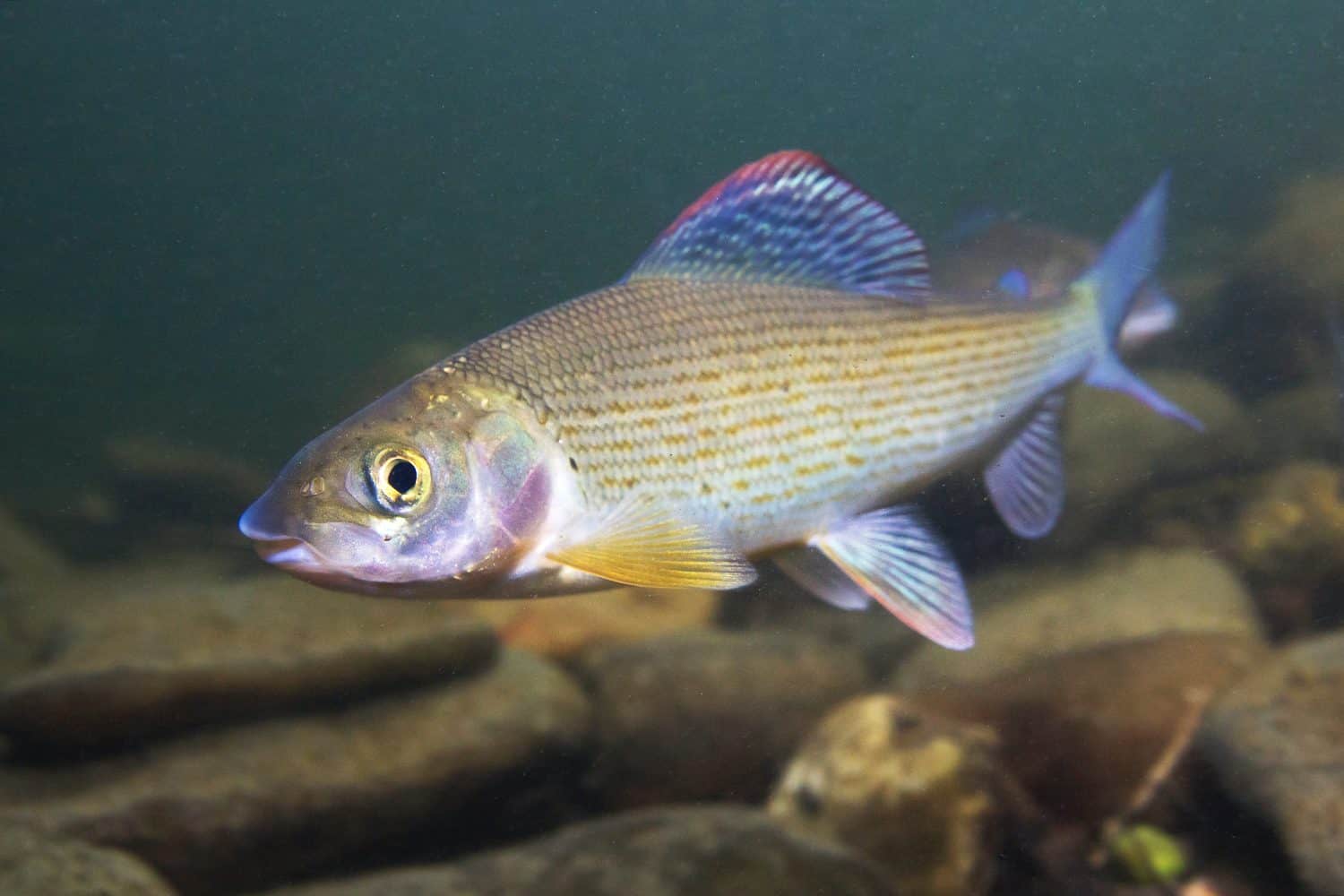
The arctic grayling is a classic northern sport fish.
©Rostislav Stefanek/Shutterstock.com
Several freshwater fishes use the Kobuk River corridors for spawning and feeding. Anglers and wildlife watchers who spend time on or near the river have a good chance of hearing and seeing fish activity, as well as predators responding to it. Some of the park’s more notable fish are: sheefish, the largest whitefish species in North America, able to grow over 40 inches long and weigh more than 50 pounds!; arctic grayling, a classic northern sportfish, easily recognized by their tall, sail-like dorsal fins and iridescent coloration; northern pike, apex predators of Kobuk Valley’s river and lake systems, long, torpedo-shaped fish known for their ambush hunting; and we wouldn’t want to leave out—if for no other reason than their names are so fun to say—the slimy sculpin and the longnose sucker.
Wood Frog
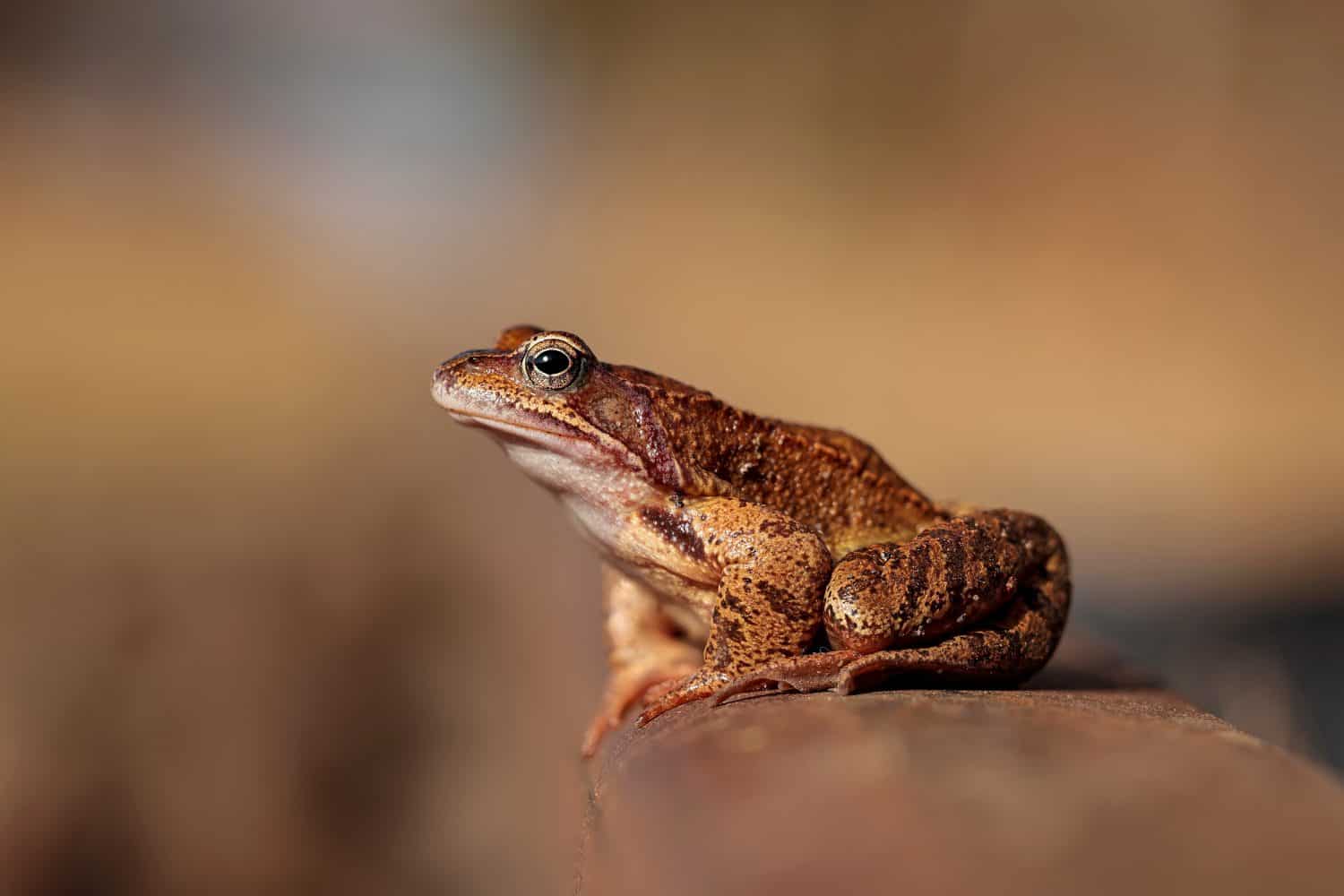
The wood frog is the only amphibian in the Kobuk Valley National Park.
©Marek Mierzejewski/Shutterstock.com
Lastly, we have to mention Kobuk Valley’s single amphibian species: the wood frog. The wood frog has adapted remarkably to the cold: in winter, they can freeze solid (even their body fluids freeze!), then thaw and resume activity in spring. They are most likely encountered during the brief summer thaw between June and August near insulating peat, meadows, or shallow wetlands where they breed in ephemeral ponds formed by snowmelt. Because of their small size and cryptic behavior, however, sightings are relatively uncommon.
A Frozen Wonderland
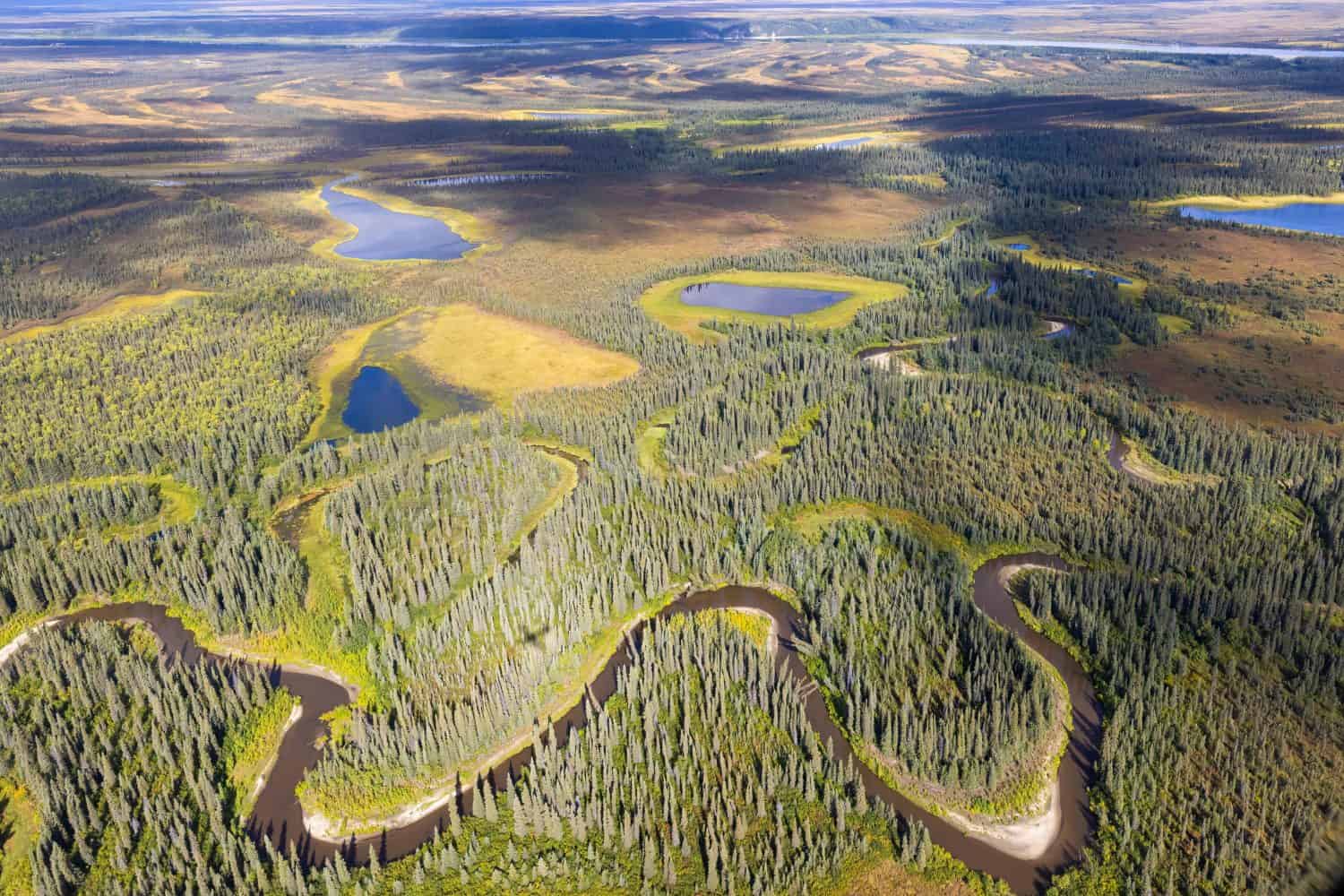
Kobuk Valley National Park is one of the country’s wildest areas.
©BlueBarronPhoto/Shutterstock.com
Kobuk Valley National Park remains one of America’s wildest and least disturbed landscapes. It is a place where the rhythms of migration, predation, and survival continue much as they have for millennia. Whether you glimpse the sweeping flow of caribou across the dunes, a distant brown bear foraging along the river, or simply hear the chatter of ground squirrels on the tundra, each encounter is a reminder of how intact this Arctic ecosystem still is. For those willing to make the journey, Kobuk Valley offers not just wildlife sightings but a rare look at nature on its own terms—vast, untrammeled, and profoundly alive.