
Quick Take
- Watch out for grizzly bears and moose while recreating near Alaska waterways.
- Polar bears and sea lions aggressively defend their food sources.
- Most Alaska waterway animals do not seek conflict, but respecting their space and recognizing warning signs are critical.
Dramatic landscapes and rich biodiversity characterize Alaska’s unique environment. Alaska is the only U.S. state with territory north of the Arctic Circle. Its extraordinary position results in a climate you’ll not find anywhere else in the United States. The days are very long in summer, but be prepared for hours of darkness in winter.
A cursory internet search will show you that Alaska is one of the coldest places in the United States. In January 2012, January recorded some of the lowest temperatures were recorded at -5.4 degrees Fahrenheit, with an average low of -20.2 degrees Fahrenheit. Yet despite the interesting weather patterns, Alaska is home to a wide range of biodiversity. It is a state that has an abundance of animal and plant species.
Let’s look at some of the animals found in Alaska’s lakes and rivers, to which you should always give a wide berth. The simple reason is that they’re dangerous. So, utmost caution should be your guide whenever you encounter any of these animals.
Facts on Alaska’s Animals
Before we look at the Alaska’s river and lake animals, it’s essential to give an overview of the animals in Alaska. The state has over 112 mammal species, 530 bird species, 1,100 vertebrate species, and more. The moose is popular for being the state animal, while the willow ptarmigan is the state bird.
Animal species like grizzly bears, caribou, moose, whales, and sea otters have adapted to the harsh climate and continue to thrive. Alaska is also home to endangered species like the northern sea otter, polar bear, spectacled eider, short-tailed albatross, and wood bison. Indeed, any animal lover would find so much to explore and love about the animal species in Alaska. We should also recognize the vast aquatic animals comprising mammals, amphibians, and fish. Examples are salmon, trout, pike, otters, sharks, and moose.
Dangerous River and Lake Animals in Alaska
Let’s take a deep dive into the dangerous water animals you need to use caution if you encounter them:
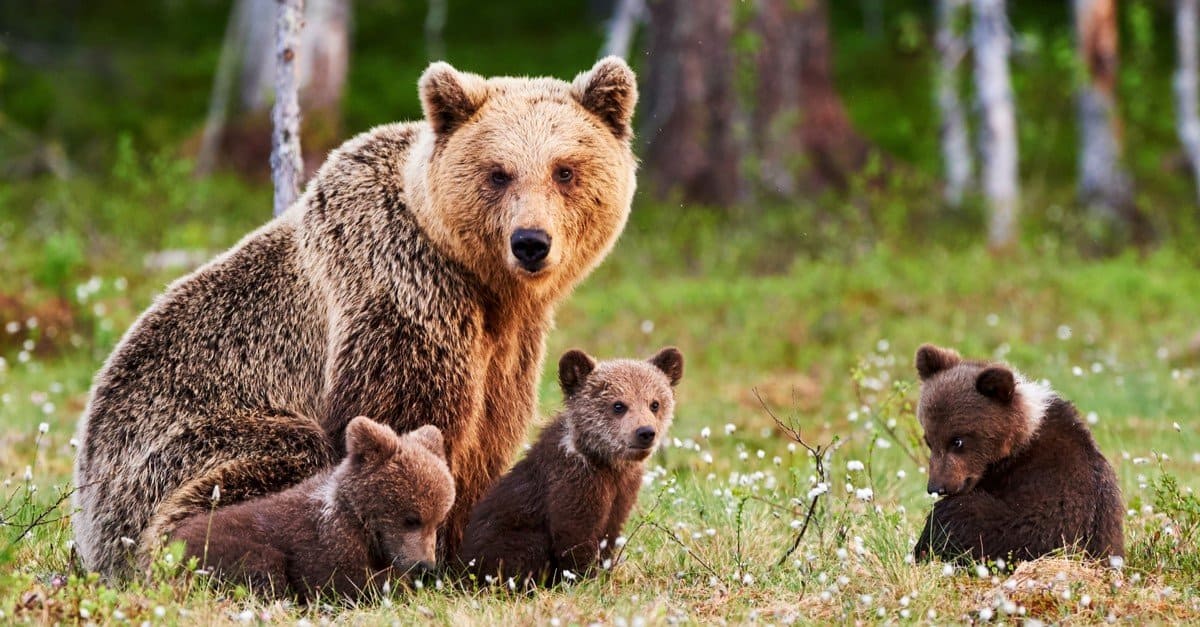
1. Grizzly or Brown Bears
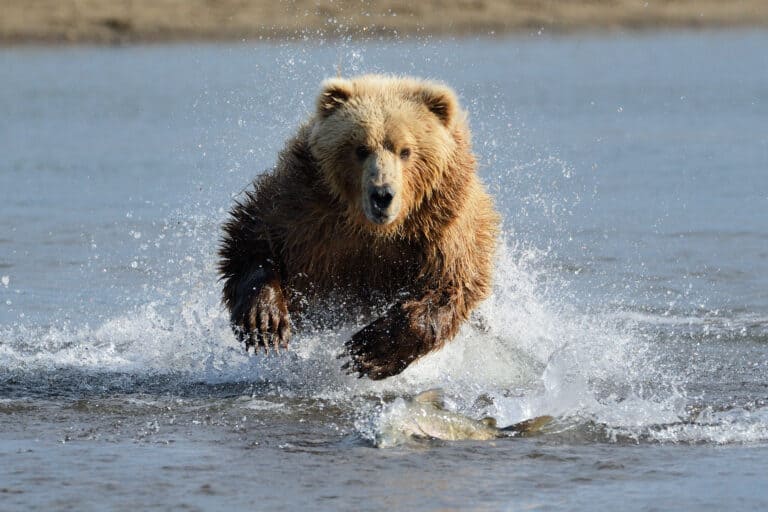
It is common to find large populations of grizzly bears near waterways because fish is a food source. During salmon runs, the number of grizzlies around the lakes and rivers is especially high.
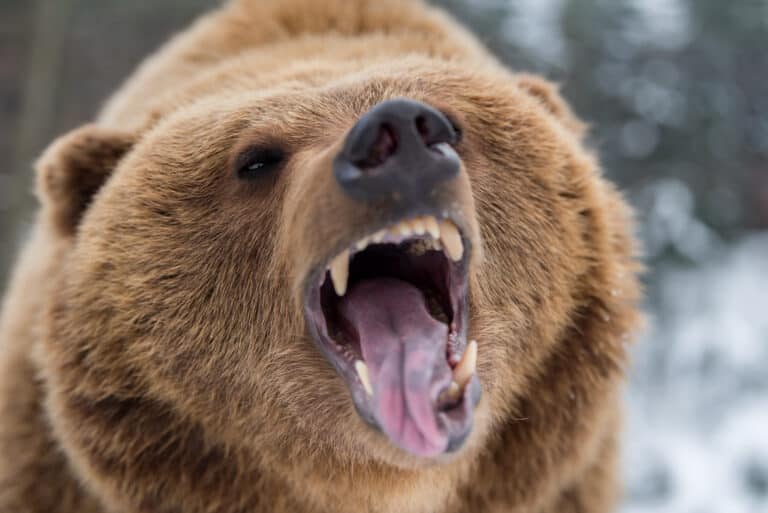
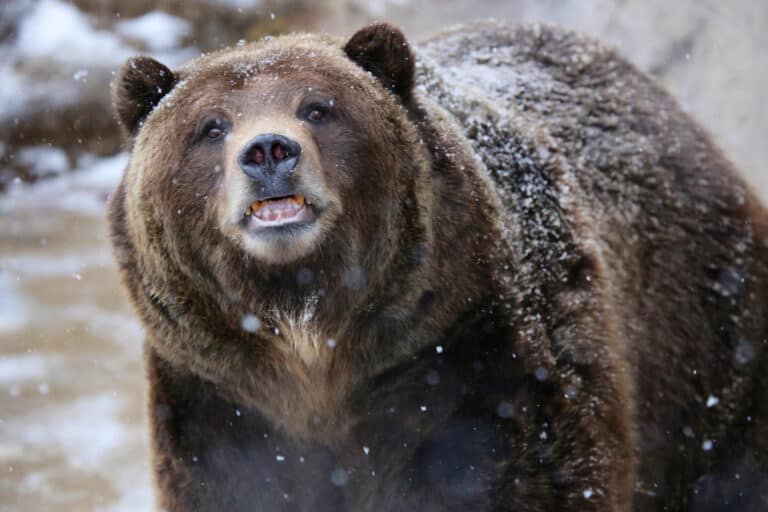
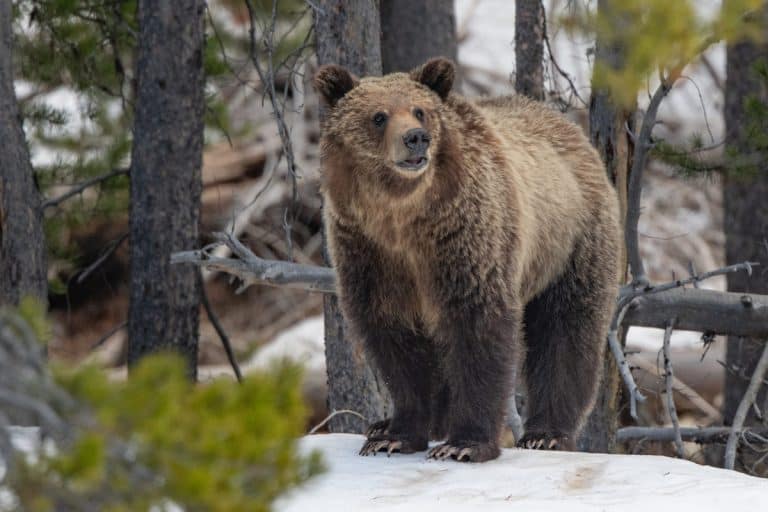
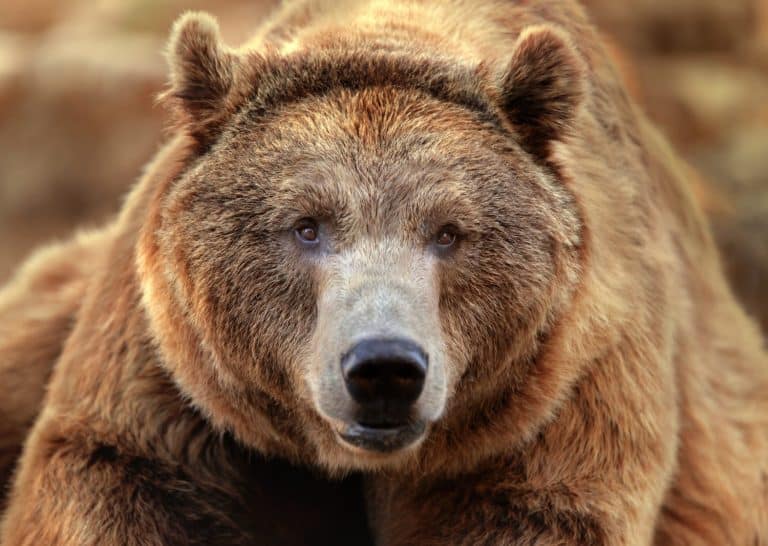
A grizzly bear is not hard to identify; the first thing you’ll notice is that it’s not the cuddly bears you’ll find as toys in children’s rooms. This creature has a fierce, dominating look. Imagine a 300- to 650-pound, powerfully built bear with 4-inch-long claws. When it opens its mouth, you see large canines that can deliver a powerful bite. The name comes from the grizzled blonde hair running along its shoulders and back.
Grizzly bears are omnivorous, existing on various foods like small animals, fish, and rodents. To balance their diet, they’ll also consume berries. The animals are also scavengers targeting even large animal carcasses like moose. An important point to note is that grizzly bears are, by nature, solitary animals. But, they can become very aggressive if they feel threatened in any way, are protecting their cubs, or defending a food source. Potential food sources also bring out their aggression.
Since the 1900s, Alaska has been leading with fatal bear attacks. With a grizzly population of about 30,000, there are bound to be some deadly attacks annually. Shrinking natural habitats, changes in the climate, and human development are some of the reasons for the increase in such incidents. So, what should you do if you come across a grizzly bear? If the bear hasn’t noticed your presence, slowly back away. Attempting to run should be the last thing on your mind because it’ll trigger the bear’s instinct to chase.
If you’ve watched the movie The Revenant (starring Leonardo DiCaprio), you understand the creature’s power. One of the most gripping scenes occurs when the grizzly bear mauls DiCaprio. It shows the character playing dead, hoping that the bear will lose interest. Well, it did not work out too well for him, but eventually, the bear moved on, but not without leaving serious injuries. Ironically, that is what you should do, but after trying the following.
- Speak calmly and stand your ground while slowly waving your arms. Curiosity may make the bear come a little closer, but it may move away if it doesn’t sense any threat.
- Talking in a low tone may help identify that you’re human.
- Stay calm and learn the signs of imminent aggression. These include yawning, salivating, woofing, and jaw snapping; their ears will lie flat.
- Avoid making any sudden movements.
- Forget climbing trees because you can’t do it better than a grizzly.
- When they attack, lie flat on your stomach with your hands clasping your neck. Make it harder for the bear to turn you around by spreading your legs.
- If the bear keeps attacking, fight as much as possible. If you have bear spray, gain an attack advantage by using it.
Preventive measures to avoid attacks include traveling in groups. Also, make as much noise as possible so the animals know of your presence. But most importantly, stay away from their feeding or mating grounds.
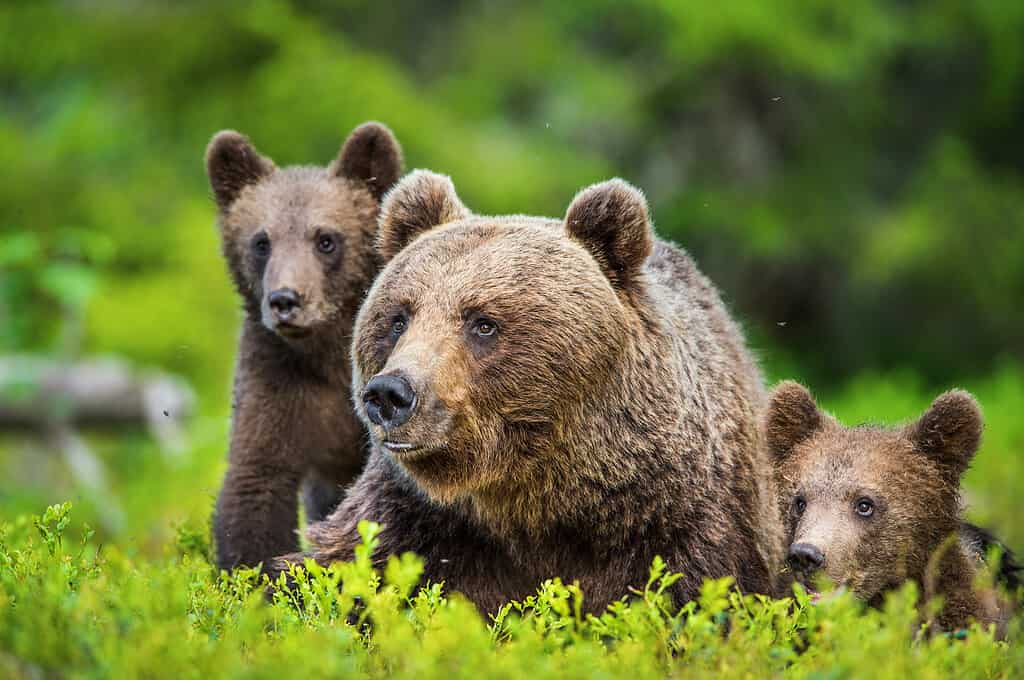
By nature, grizzly bears are solitary animals, although they become very aggressive when threatened.
©iStock.com/USO
2. Black Bears
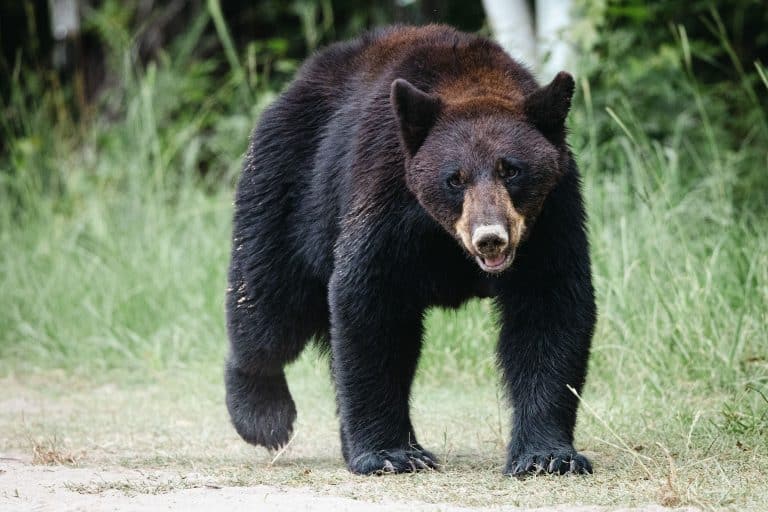
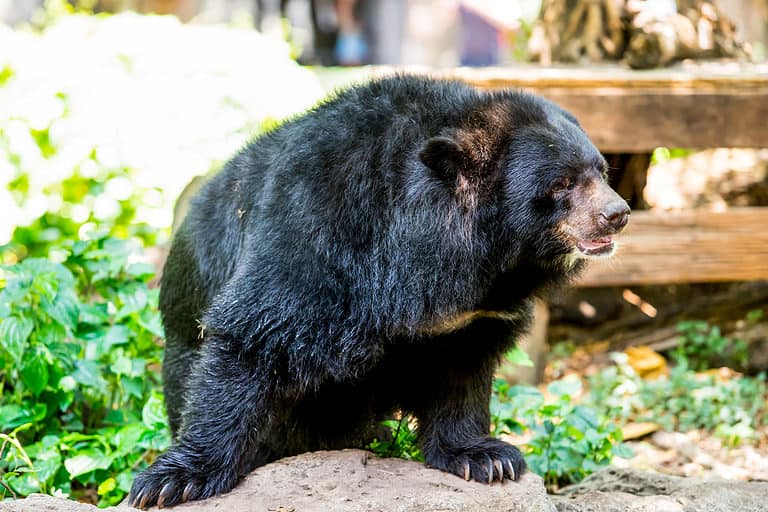
Black bears are pretty common in Alaska. Interestingly, despite the black in the name, they come in various colors. These include cinnamon, brown, and blonde. Black bears are typically smaller than grizzlies, tipping the scale at about 300 pounds. Their natural habitat is forested areas, giving them plenty of food varieties like nuts, insects, small mammals, and berries. But they’re also common around Alaskan lakes and rivers because fish and other aquatic animals add to their diet. Being opportunistic feeders, they’ll indulge in carcasses. If you compare them to the grizzlies, black bears are less aggressive. But that doesn’t mean that if they detect what they perceive as a threat, they won’t attack. Follow the same tips as you would with a grizzly if you encounter a black bear.
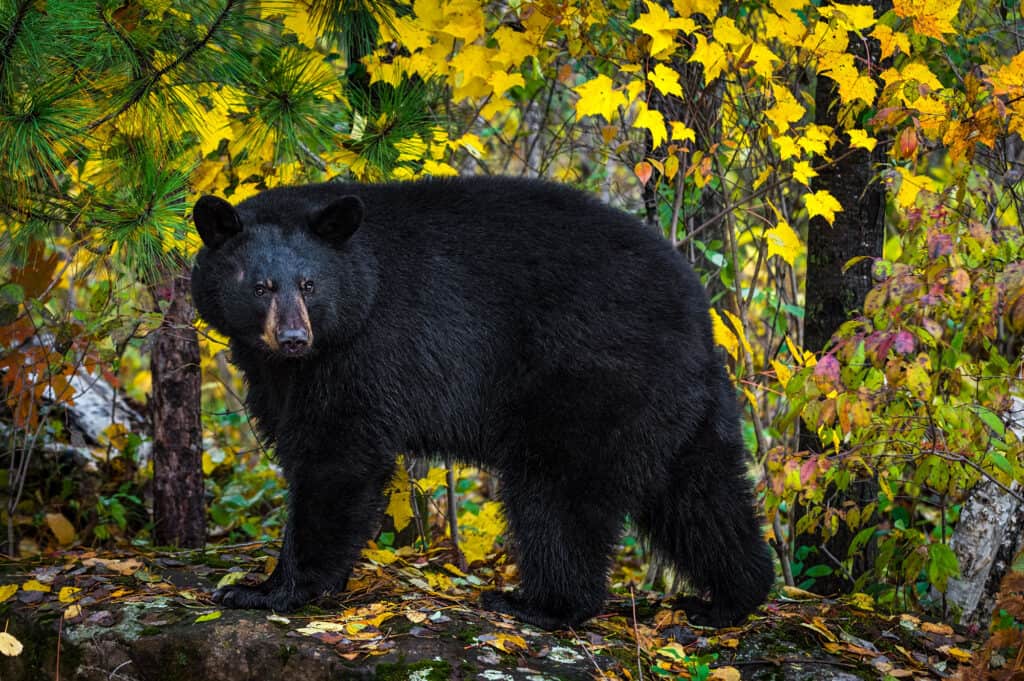
Black bears are typically smaller than grizzlies, coming in at about 300 pounds.
©Holly Kuchera/Shutterstock.com
3. Polar Bears
Unfortunately, there has been a decline in the population of polar bears in Alaska due to the destruction of their natural habitat. It has been illegal to hunt polar bears since the passage of the Marine Mammal Protection Act of 1972. This act allows only Alaska Natives to legally hunt polar bears. Waterways are the preferred polar bear habitat because of the high seal population, which is a critical food source. Waterways are also essential travel paths and provide dens for females to give birth. Furthermore, in warmer months, the water helps regulate their temperatures; this is critical because polar bears adapt to cold environments and quickly overheat during hotter temperatures.
Polar bears are the perfect example of a wolf in sheep’s clothing. They look cute, but their temperament couldn’t be less cute. If you were to rate dangerous animals in Alaska, it would take the top position. Standing at the height of a full adult height and weighing almost 1,700 pounds, this awe-inspiring creature is enormous, bigger than the grizzly bear. The teeth and scooped claws make it a formidable opponent. Like grizzly and black bears, polar bears will attack if they feel threatened or see you as a potential food source. Their sense of smell is noteworthy; they’ll detect prey from a very long distance. Apply the same precautions and attack avoidance measures as you would with grizzlies and black bears.
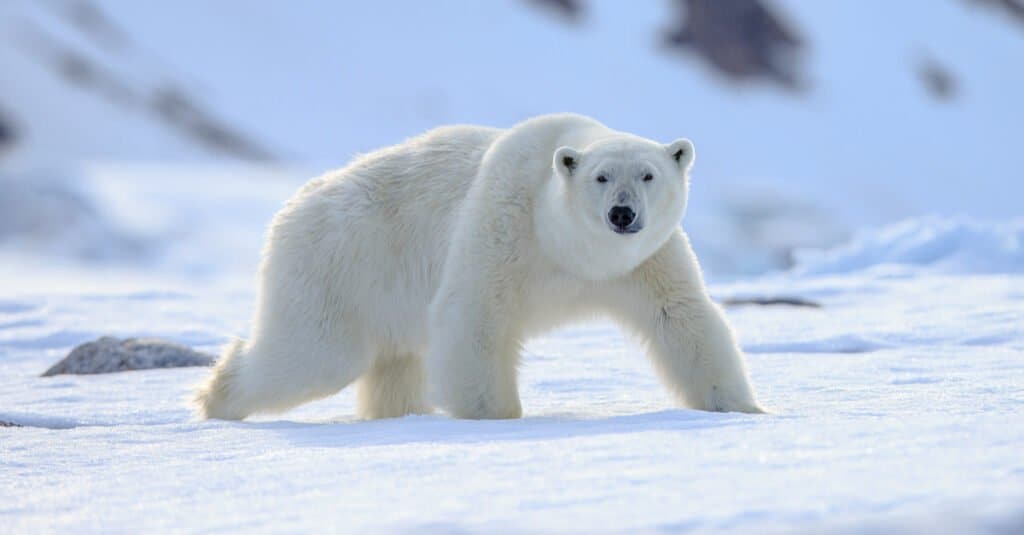
The polar bear population has seen a significant decline over the years, in part due to the destruction of their natural habitat.
©Vaclav Sebek/Shutterstock.com
4. Moose
The moose holds the distinction of being Alaska’s state animal. One of their preferred habitats is around lakes and rivers. The aquatic vegetation, such as pondweed, water lilies, and willow bushes, is a significant source of nutrition. Furthermore, the rivers and lakes provide water, which is critical for the large animals’ need for constant hydration. Finally, the waterways are a necessary means of survival. Moose are strong swimmers and will easily outdistance predators like wolves or bears.
Like in the case of the grizzlies, their aggression is apparent if they feel threatened; this is evident when there are young ones around. Moose would rather avoid confrontation due to their mild-mannered nature. But they have very sharp antlers and hooves that can cause much damage, if not death. In size, moose can weigh as much as 1,400 pounds. During mating season, falling in late September and October, they’re very territorial and will attack. Late spring and summer are also dangerous because of the presence of young calves.
So, what should you do if you stumble upon a moose?
- Give it plenty of space, ensuring you’re not coming between a cow and her calf.
- Avoid sudden movements or any loud noises.
- If a moose charges toward you, look for a solid object like a tree to hide behind. Woe unto you if you’re alone because outrunning a moose is impossible.
- Leash your pet always, as moose can perceive it as a threat.
- If the moose knocks you down, curl into a fetal position and protect your head using your hands. Unfortunately, you’ll have to bear the brunt of the attack until it moves away. Trying to run away will trigger further aggression.
Indicators of imminent aggression include raised hump hairs and laid-back ears. Licking of the lips is also a warning that you’re too near. Don’t let the sign of one slowly walking towards you fool you into thinking the act is friendliness. It’s just checking you out while at the same time giving you a warning to back away.
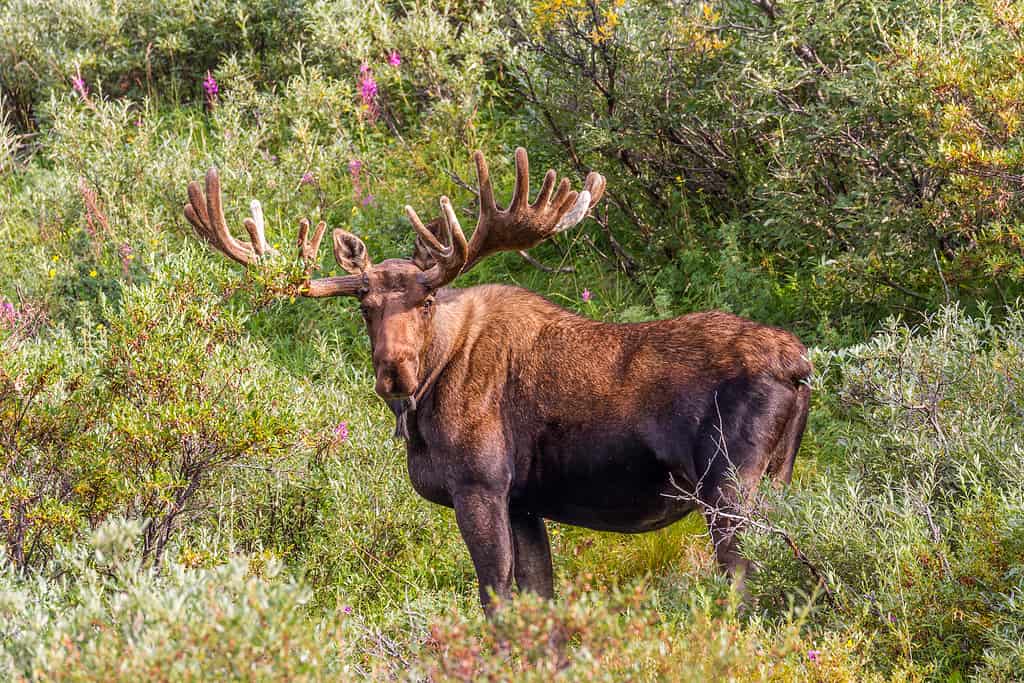
Moose are great swimmers and can easily distance themselves from predators such as bears.
©JacobLoyacano/Shutterstock.com
5. Walrus
A walrus is easy to identify. It can reach lengths of 12 feet. Add that protruding canine, and what you have is a terrifying creature. Their natural habitat is hard-to-reach areas of the Arctic Circle. So it is rare to cross paths with walruses. But they don’t react well to what they perceive as aggression or a threat to their person. Their tusks are their defense tools and can cause some severe injuries.
Walruses have a natural curiosity, so it’s not uncommon for them to approach humans. But, practice extreme caution because you can never be sure what will make them feel like you’re a source of danger. Like with all animals we have mentioned or will mention, give them a wide berth and always respect them.
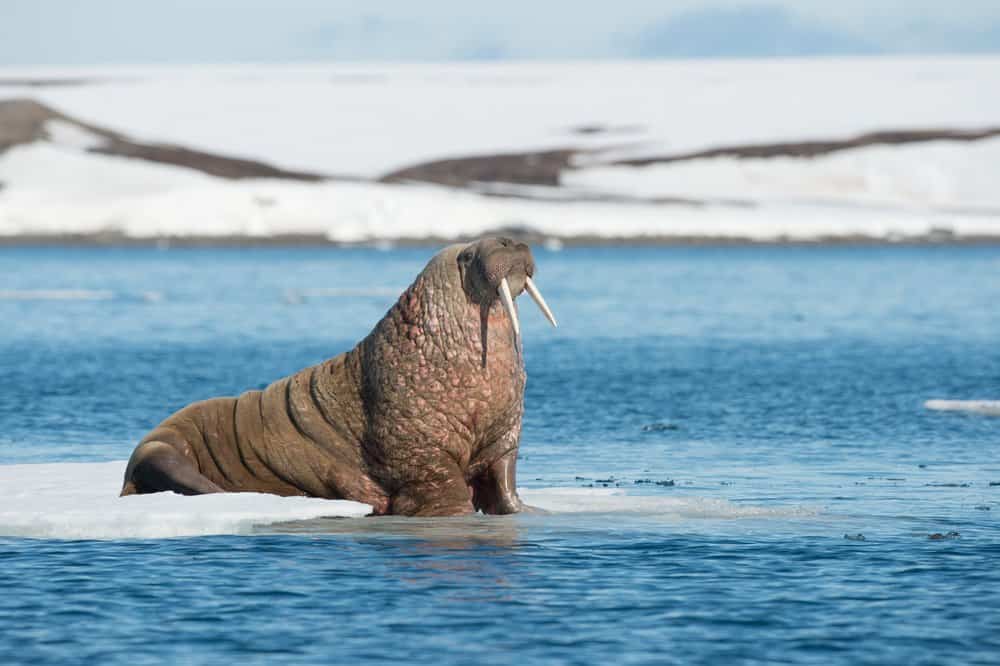
Walruses have a natural curiosity as such, it’s not uncommon for them to approach humans.
©Inge Jansen/Shutterstock.com
6. Arctic Terns
Because of breeding, Arctic terns are common in Alaska during the summer months. This beautiful bird can be aggressive towards anyone or anything disturbing its nest. Don’t let its small size fool you because it can do some pretty severe damage. Its method of attack includes dive-bombing the intruder using its sharp beak. Forget about the shame of such a tiny bird attacking you; their pecks and scratches can result in severe injuries.
Please pay attention to any signs showing the nesting areas of the birds. Give them a wide berth, and wear protective clothing if you venture into the area. A hat and an umbrella can be a significant deterrent. Typically, they’ll aim for the highest point of your head when in attack mode.
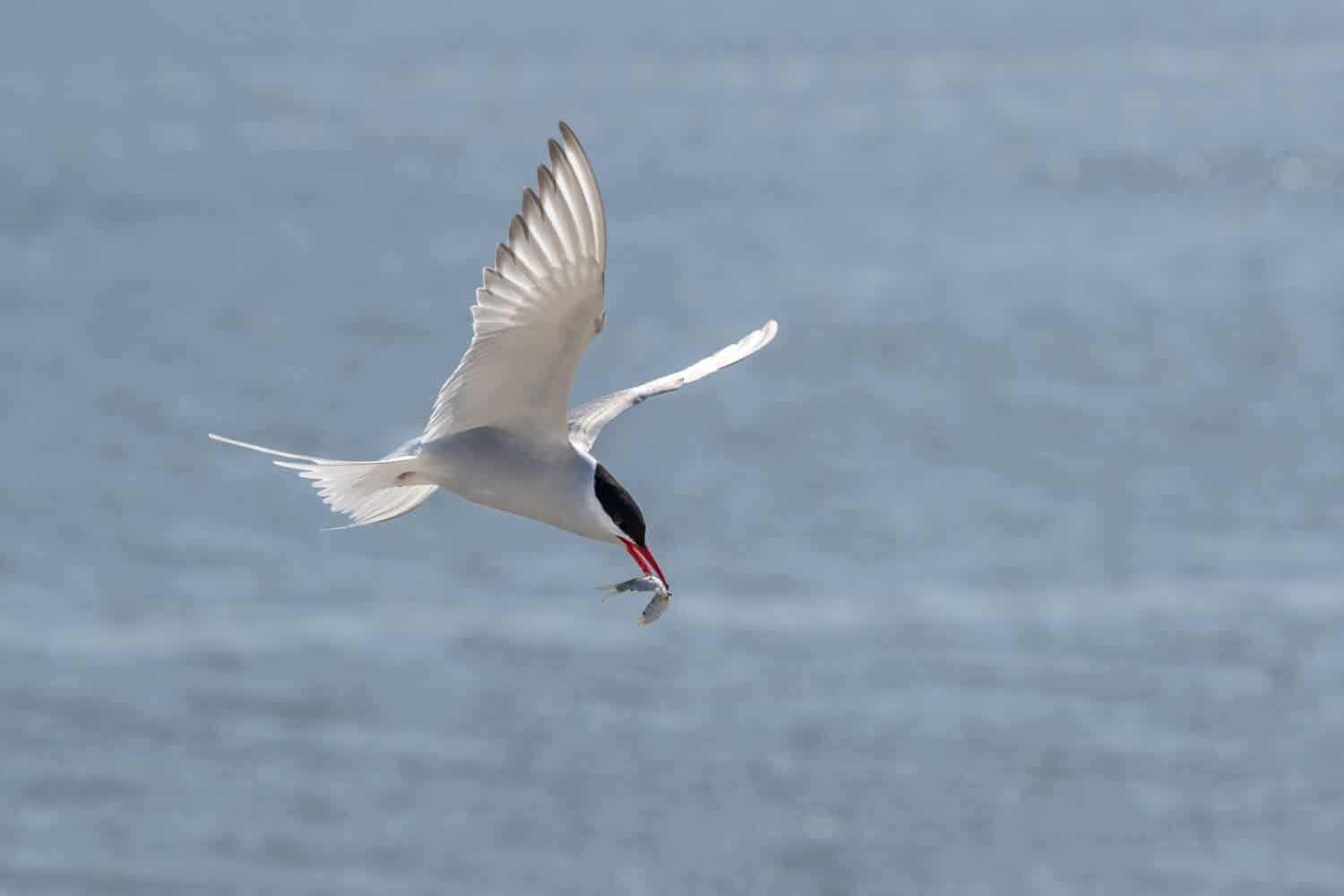
Arctic terns’ method of attack is dive bombing an intruder using their beak.
©Maren Winter/Shutterstock.com
7. The Northern Pike
The northern pike is a predatory fish species living in rivers and lakes throughout Alaska. They have torpedo-shaped bodies, sharp teeth, and voracious appetites. Adult fish weigh up to 50 pounds and are over four feet long. Aggressive hunting behavior is displayed by hiding and attacking amphibious mammals and fish. They have incredible speed and force, which catches unsuspecting prey by surprise. Humans who get too close can also become victims. Avoid areas with northern pike as much as possible, especially if swimming.
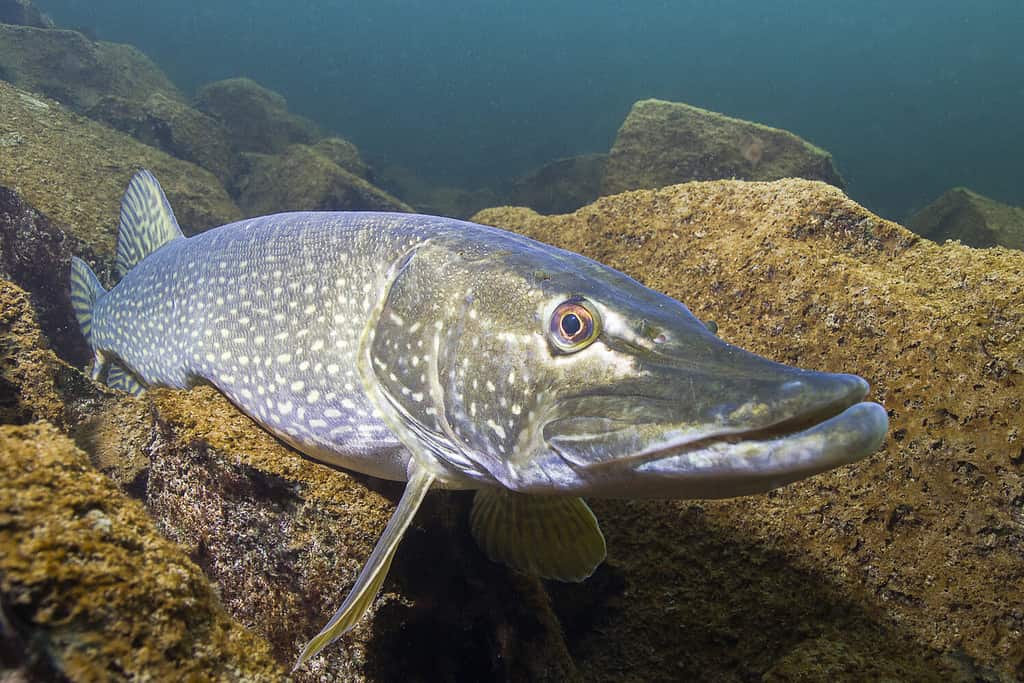
Adult northern pikes weigh up to 50 pounds and measure over four feet long.
©Rostislav Stefanek/Shutterstock.com
8. Killer Whales
You’ll find killer whales or orcas in the coastal waters of Alaska. There have been reports of human attacks, but not too many. Practice extreme caution at all times in areas they inhabit.
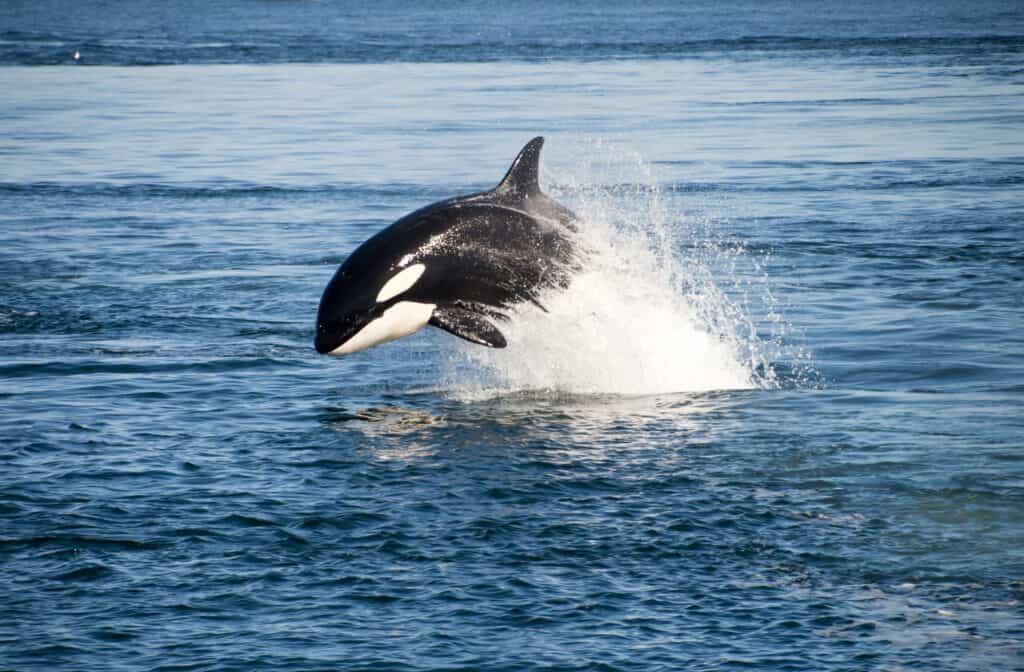
Killer whales can be found in the coastal waters of Alaska.
©qingqing/Shutterstock.com
9. Steller Sea Lions
Steller sea lions can be enormous, at about 2500 pounds for an adult. They live on the Alaska coastline and aren’t naturally aggressive. But they’ll protect their territories if they feel the need to.
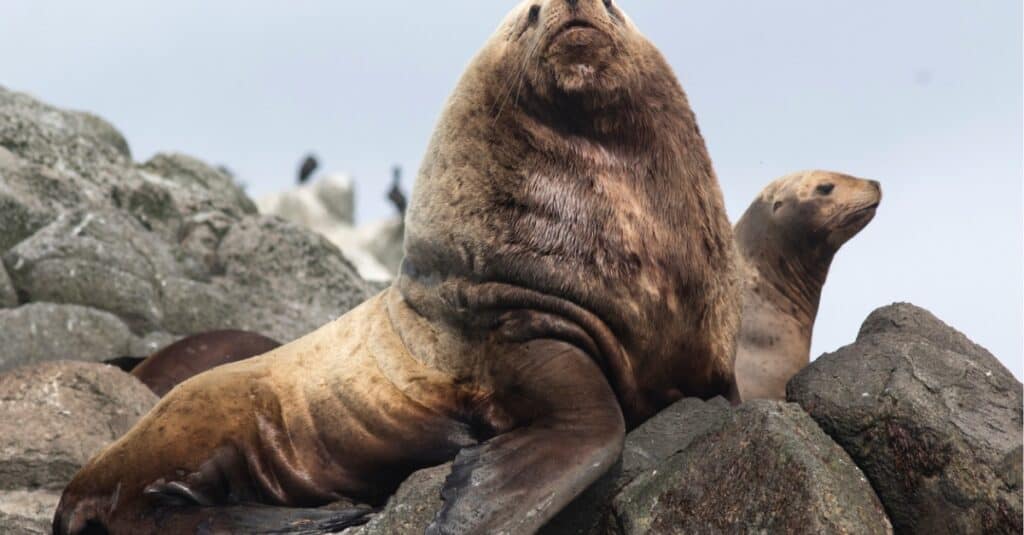
Adult Sea lions can weigh up to 2500 pounds and can be found along the Alaskan coastline.
©iStock.com/pilipenkoD
10. Lake and Bull Trout
Lake and bull trout are predatory fish with teeth that typically grow up to 3 feet long.
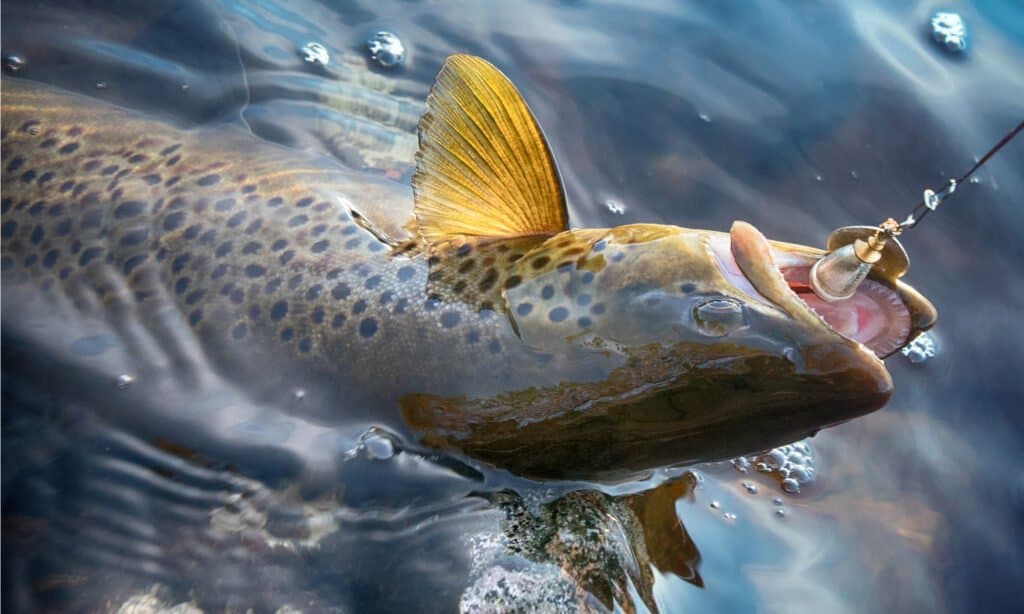
Bull trout are predatory fish that can attack and cause severe damage.
©Maximillian cabinet/Shutterstock.com
11. Freshwater Jellyfish
Freshwater jellyfish are present in Alaska lakes and can cause painful stings. While the Alaskan species are non-life-threatening, the stings result in redness, itching, and pain at the sting site.
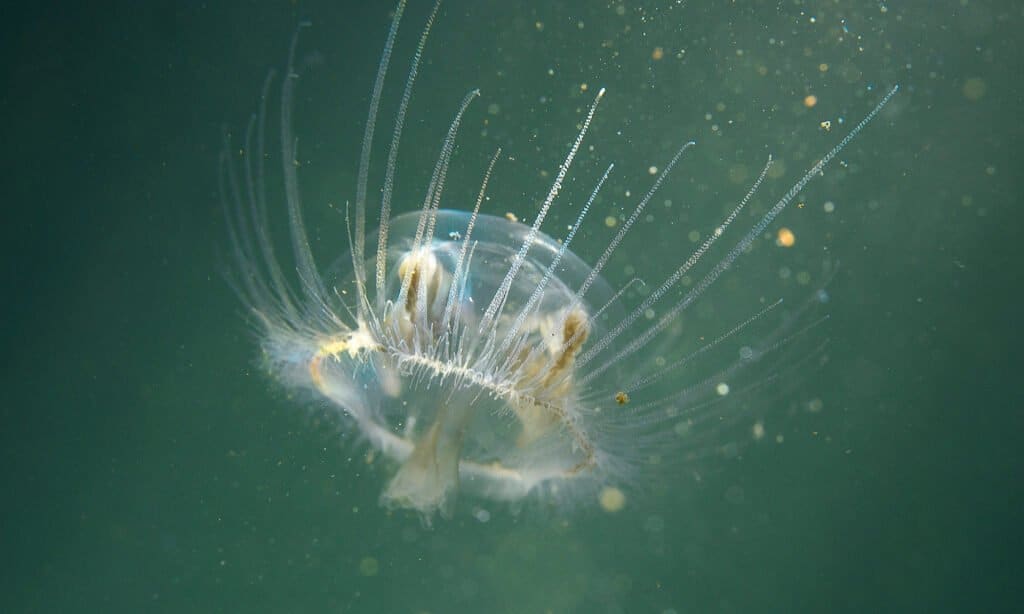
The stings from an Alaskan freshwater jellyfish species are usually non-life-threatening.
©Rostislav Stefanek/Shutterstock.com
12. Leeches
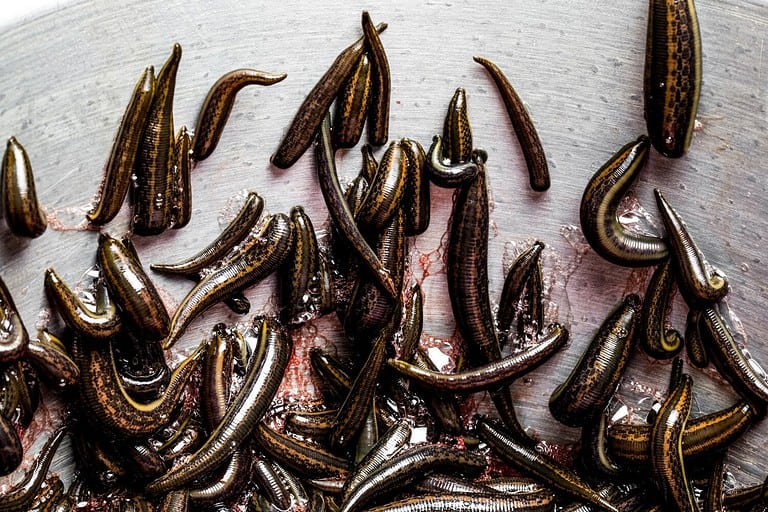
Blood-sucking leeches will cause infections and skin irritation if they attach themselves to you.
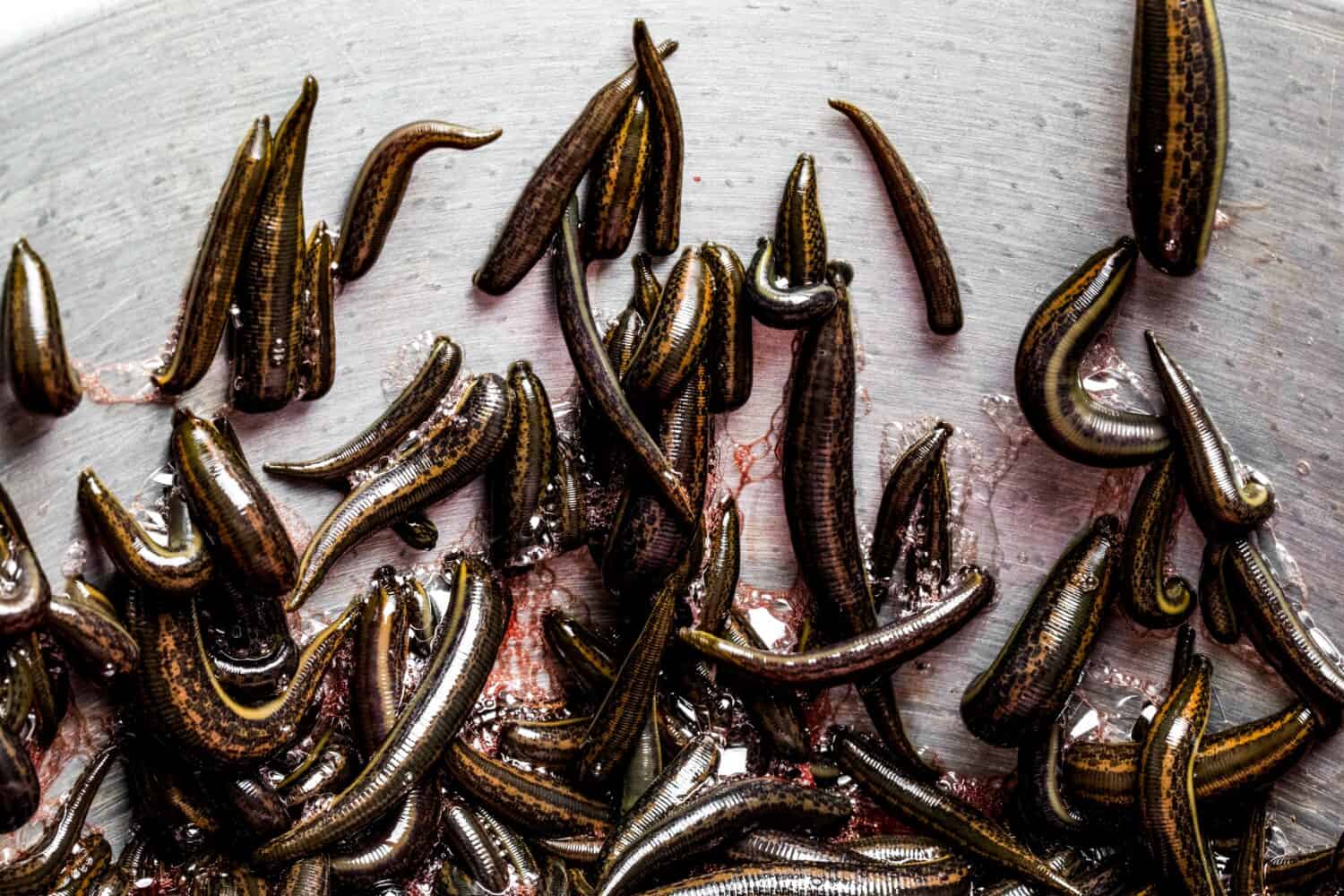
If they attach themselves to you, leeches can cause infections and skin irritation.
©279photo Studio/Shutterstock.com
13. Beavers
Beavers will attack if you get too close to their lodges or dams.
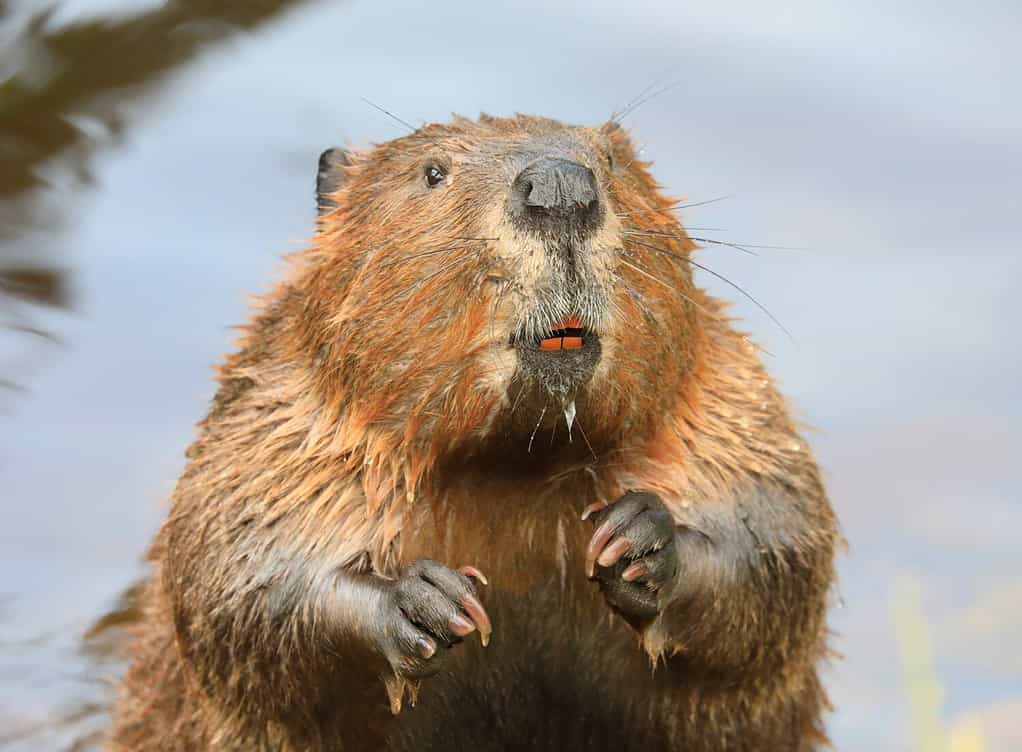
Beavers may seem harmless, but they will attack if you get too close to them or their dams.
©Vlad G/Shutterstock.com
Alaska Waterway Creatures to Know
Animals, like human beings, are territorial creatures that like to protect their environment and themselves. What you’ll notice with most of the waterway animals we’ve shared above is that they don’t go out of their way to attack humans. Respect all animals and give them their space by maintaining a safe distance. In conclusion, always have it at the back of your mind that a wild animal is just that. They don’t have the socialization or training to respond to you as your family pet will.