
Minnesota is a land of cities, suburbs, and farms, but it also has some of the wildest and most unspoiled natural areas you’ll find in the lower 48. On a foggy northern morning, you might glimpse a moose grazing in a marsh or spot a sturgeon’s tail breaking the water’s surface. Across forests, lakes, prairies, and sky, visitors encounter towering mammals, powerful fish, and birds that rule the northern woods. If you’re wondering about the biggest creatures that call this state home, here’s a top ten countdown of Minnesota’s most massive animals.
10. Coyote (Canis latrans)
Coyote
©Harry Collins Photography/Shutterstock.com
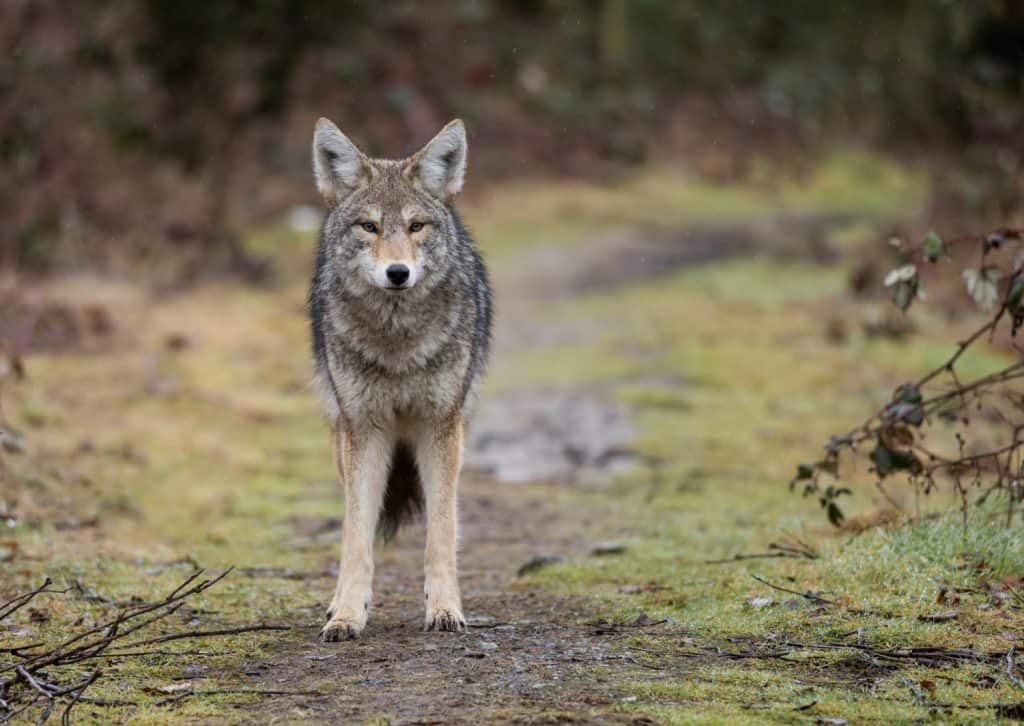
Coyotes are highly adaptable mammals known for their intelligence and flexibility. Weighing between 20 and 50 pounds, they have expanded across prairies, forests, marshes, and even urban edges. Their diet is varied; they hunt small mammals such as rabbits and rodents, consume fruits and berries, and scavenge when needed.
These animals are most active at night but are often seen at dawn and dusk as they adjust to areas with human activity. Their yips and howls frequently echo through farmland and woodland, especially during cold seasons. Coyotes thrive anywhere with adequate cover and play an important role in controlling rodent populations. Although they are elusive, coyotes have become a regular part of Minnesota’s ecosystem. Spotting their tracks or listening for their calls can be a rewarding experience.
9. Common Snapping Turtle (Chelydra serpentina)

Common Snapping Turtle
©Chuck Homler / FocusOnWildlife.Me / CC BY-SA 4.0 – Original / License
The common snapping turtle, Minnesota’s largest turtle, can weigh up to 50 pounds and has a rugged shell that can reach up to 20 inches long. Most individuals, however, are somewhat smaller. These turtles favor slow rivers, lakes, and marshes with muddy bottoms. In early summer, females often cross land to lay eggs in sandy soil, which may bring them across roads.
Snapping turtles generally remain underwater, surfacing occasionally to breathe or bask, and are known for their powerful jaws. They are skilled swimmers and eat a mix of fish, invertebrates, and occasionally birds. Watching one bask on a log or glimpsing a slow swirl of movement in pond shallows can be an interesting wildlife sighting during the Minnesota summer.
8. Lake Sturgeon (Acipenser fulvescens)
Lake Sturgeon
©Fabien Monteil/Shutterstock.com
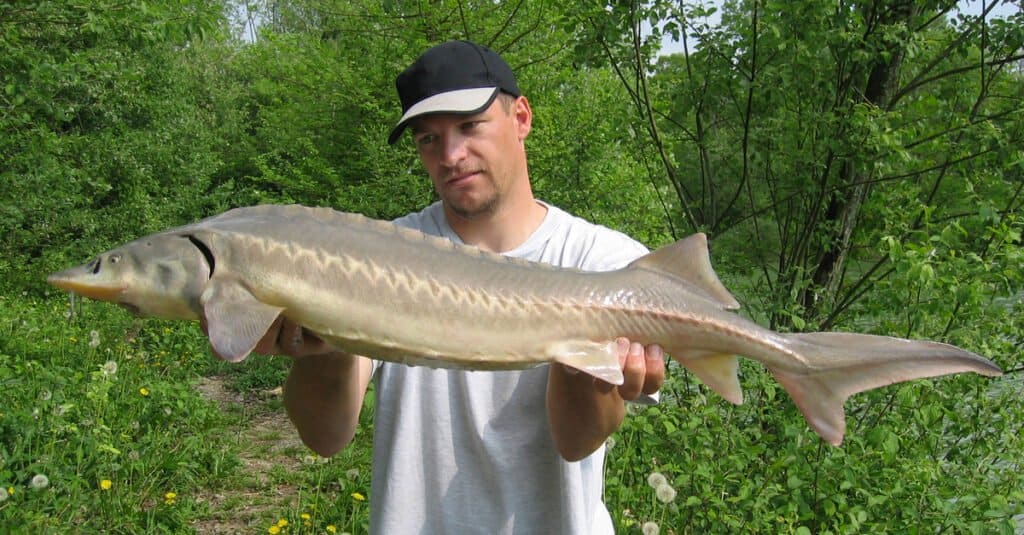
The lake sturgeon is Minnesota’s largest and longest-lived freshwater fish, with adults often growing to six feet and weighing more than 100 pounds. Some exceptional individuals have approached 200 pounds. They have distinctive snouts and bony plates and live in large lakes and slow rivers, including the Rainy, St. Croix, and Mississippi, as well as Mille Lacs and Lake of the Woods.
Most of the year, sturgeon remain at the bottom of deep waters, eating snails, clams, and insect larvae. In spring, they move into shallows to spawn, sometimes thrashing at the surface, which can attract observers hoping to see these impressive animals. Thanks to habitat protections and better management, lake sturgeon are making a comeback in many Minnesota waterways.
7. Timber Wolf (Canis lupus)
Timber Wolf
©Nick N A/Shutterstock.com
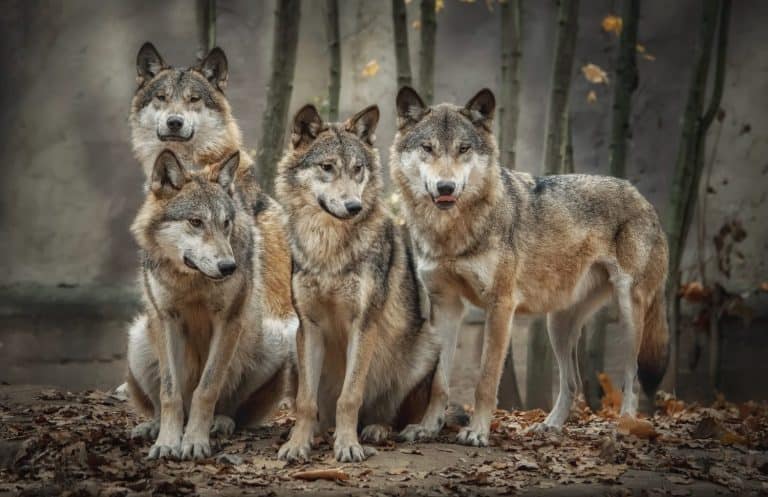
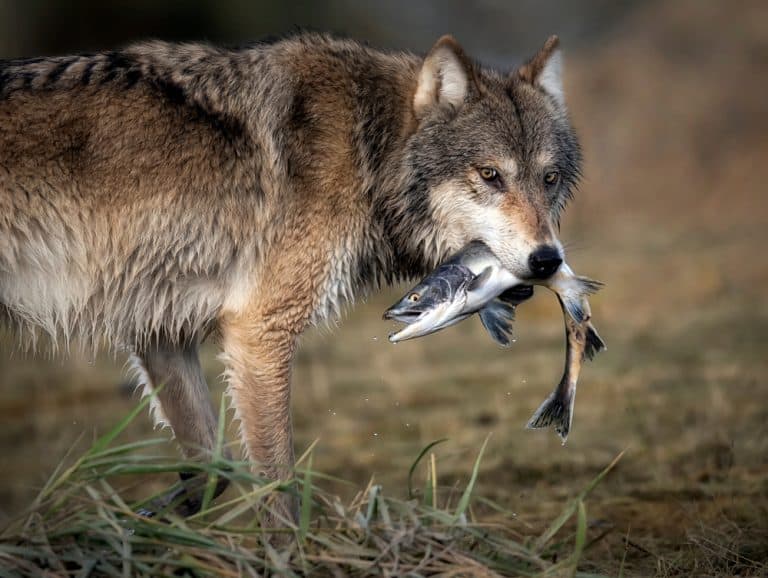
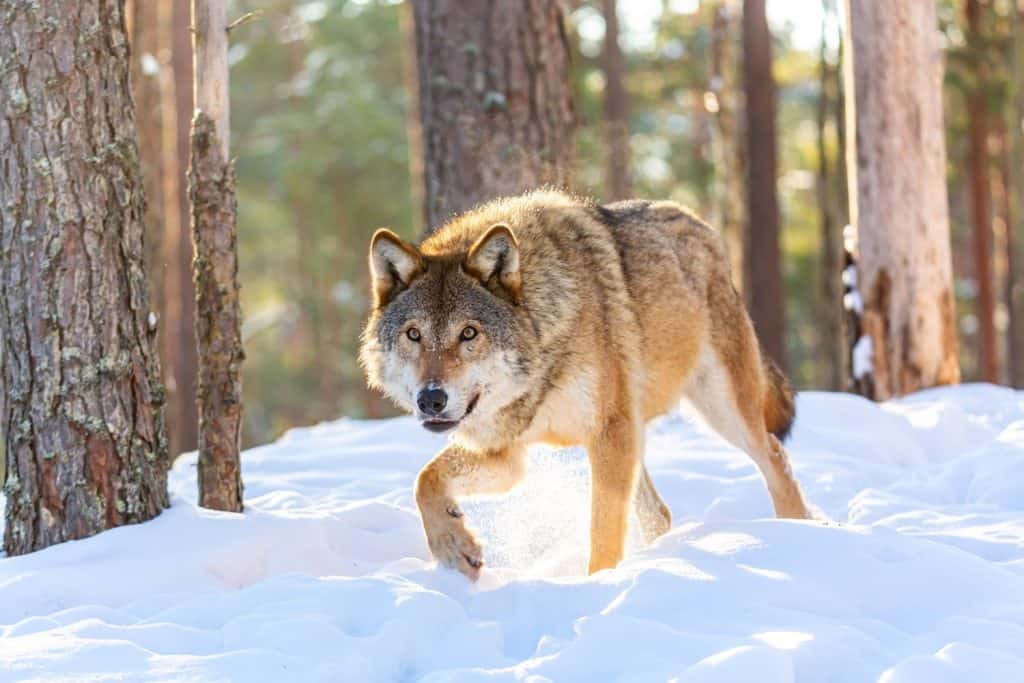
The timber wolf, or gray wolf, is the state’s largest wild canine and has made a steady return after being reduced to near-extinction in much of the United States. Now, Minnesota supports the largest wolf population south of Alaska. These animals mainly live in dense forests in the northeast, including the Superior National Forest and the Boundary Waters region.
Adult timber wolves most often weigh between 60 and 100 pounds, but larger individuals are possible. They hunt in packs, targeting deer, moose, beavers, and smaller mammals, which helps balance animal populations. Wolves avoid people and are mainly active at night, but visitors sometimes find tracks or hear their howls in winter. Seeing a wolf is a rare treat, often depending on snow and quiet conditions for tracking.
6. White-tailed Deer (Odocoileus virginianus)
White-tailed Deer
©Amy Lutz/Shutterstock.com
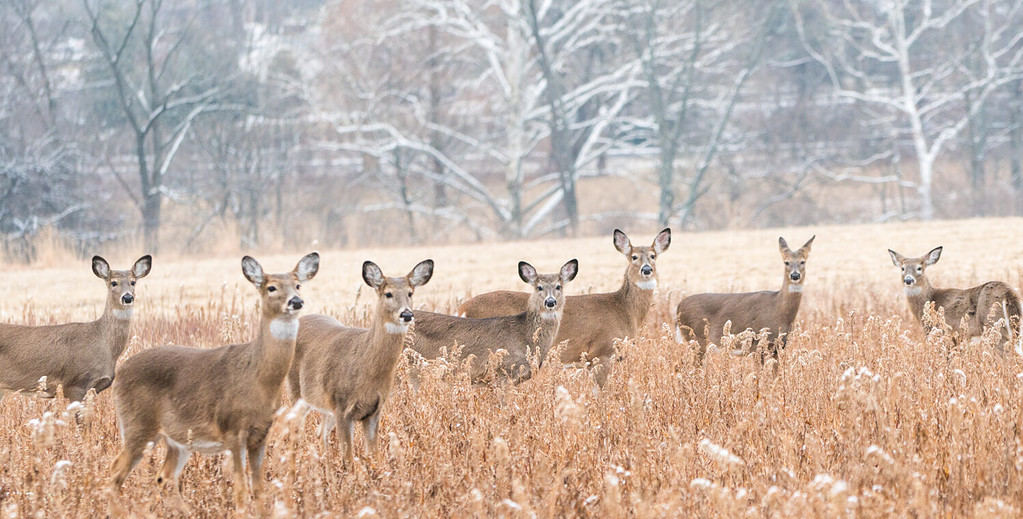
The white-tailed deer is among Minnesota’s most widespread mammals. Big males can weigh more than 200 pounds, with rare bucks reaching 300 pounds or more. These deer live throughout the state, from open fields and forests to wooded river valleys. They are commonly seen grazing at field edges or alongside roads at dawn and dusk. Their movement increases in autumn during the breeding season, known as the rut. Rutting bucks will often lock antlers with one another to establish dominance and earn the right to mate with females.
Fawns are born in late spring and often lie hidden in tall grass while their mothers feed. Snowy winters make deer activity easier to observe, as tracks cross forests and meadows. Deer play a vital role as prey for larger predators and have major ecological and economic importance in Minnesota.
5. Wild Boar (Feral Swine)
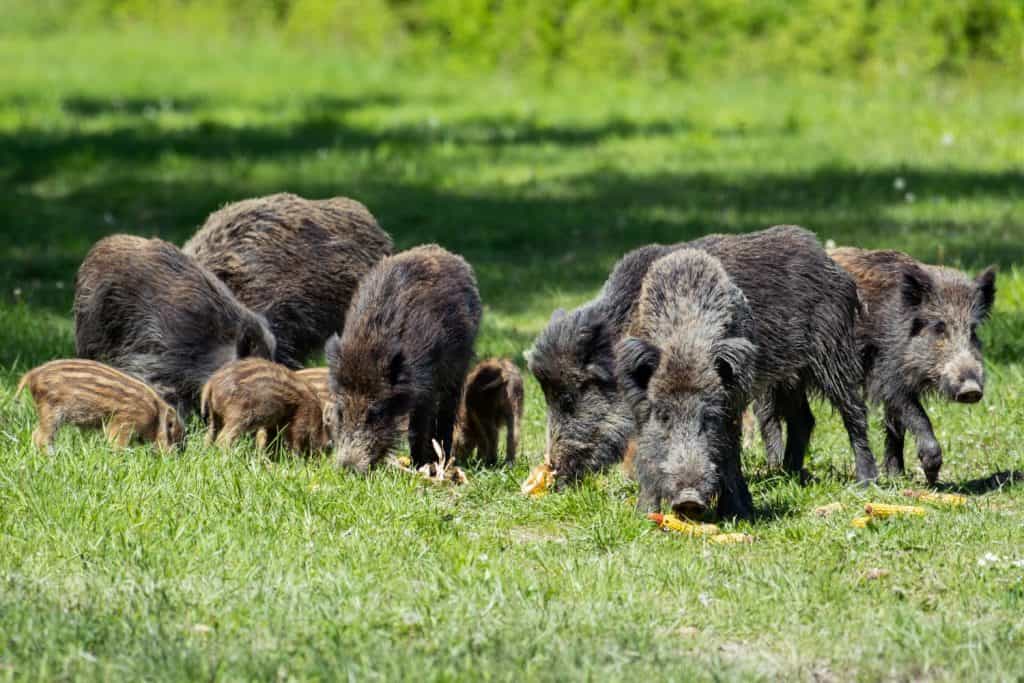
Wild Boar
©ZoranOrcik/Shutterstock.com
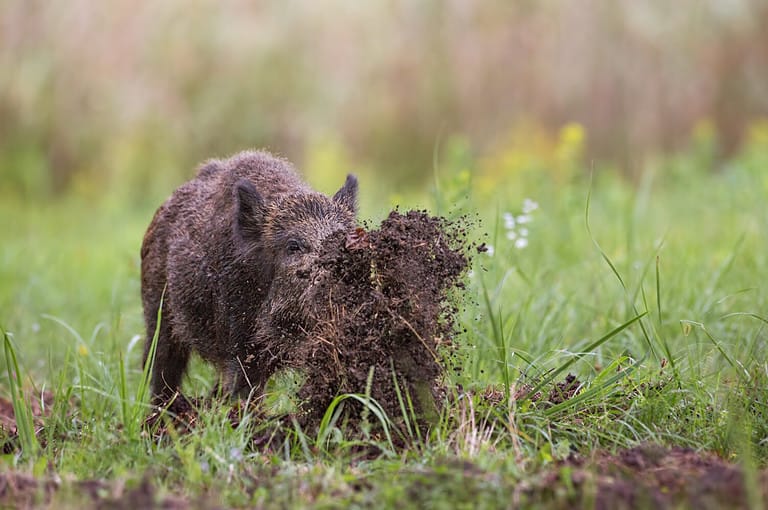
Feral swine, also known as wild boars, are occasionally found in scattered areas of Minnesota as a result of escapes from captivity or illegal releases. They are not native but are an invasive species that multiplies rapidly and has a big environmental impact. They can reach impressive sizes between 200 and 400 pounds. Sporting coarse coats, long tusks, and a strong appetite, these animals dig through fields and woods, which damages habitats and crops.
Wild boar mostly search for food at night, rooting for anything edible. They also like to wallow in mud and wade in shallow water, which can pollute these areas for other species. Because they can rapidly alter habitats and carry diseases harmful to native species and livestock, Minnesota wildlife officials respond quickly to any reports of feral swine.
4. American Black Bear (Ursus americanus)
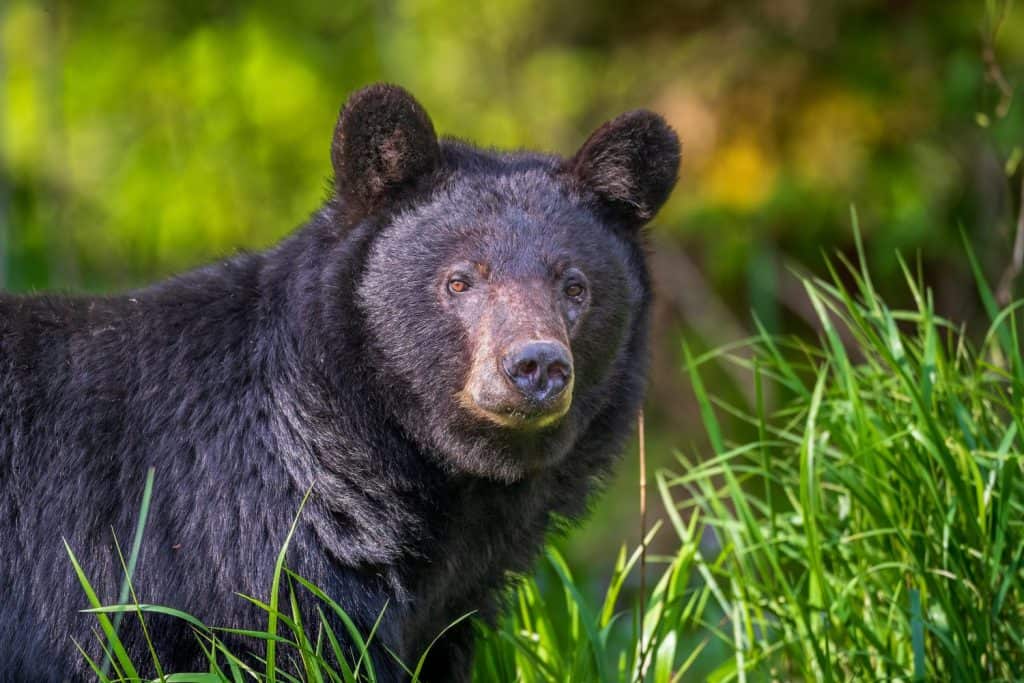
American Black Bear
©Ben McMurtray/Shutterstock.com
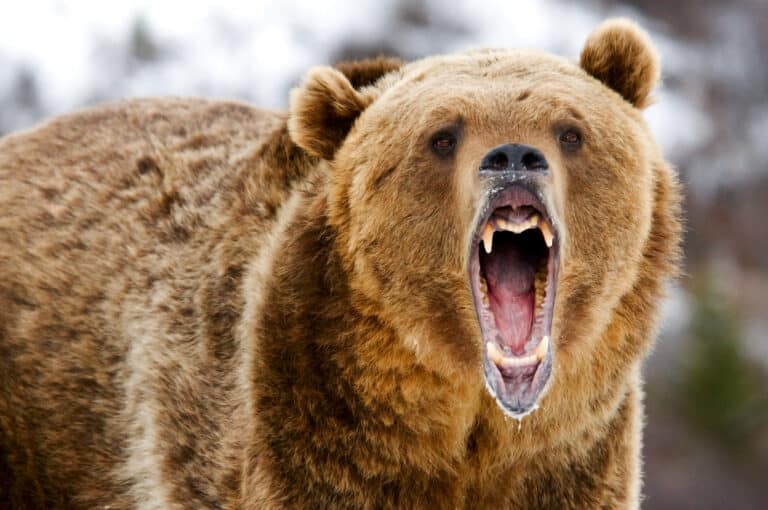
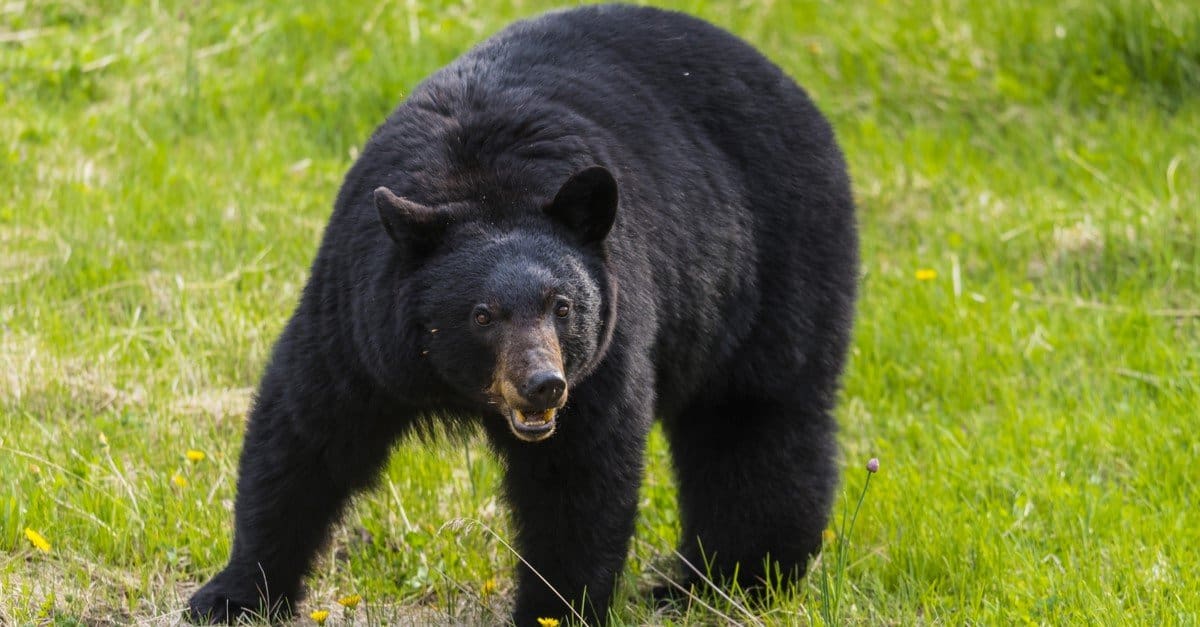
The largest carnivore in the state is the American black bear. Adult bears usually weigh between 150 and 400 pounds, with especially large individuals sometimes surpassing 600 pounds. Black bears prefer northern forests, swamps, and berry thickets, living in remote places like Itasca State Park and the Boundary Waters. They eat a varied diet of berries, nuts, insects, and carrion, using a strong sense of smell to locate food.
Black bears are typically active from spring through fall and spend much of their time alone, although mothers with cubs may be seen in late spring or summer. The best chances to see a black bear are early or late in the day, especially when natural food sources are plentiful.
3. Elk (Cervus canadensis)
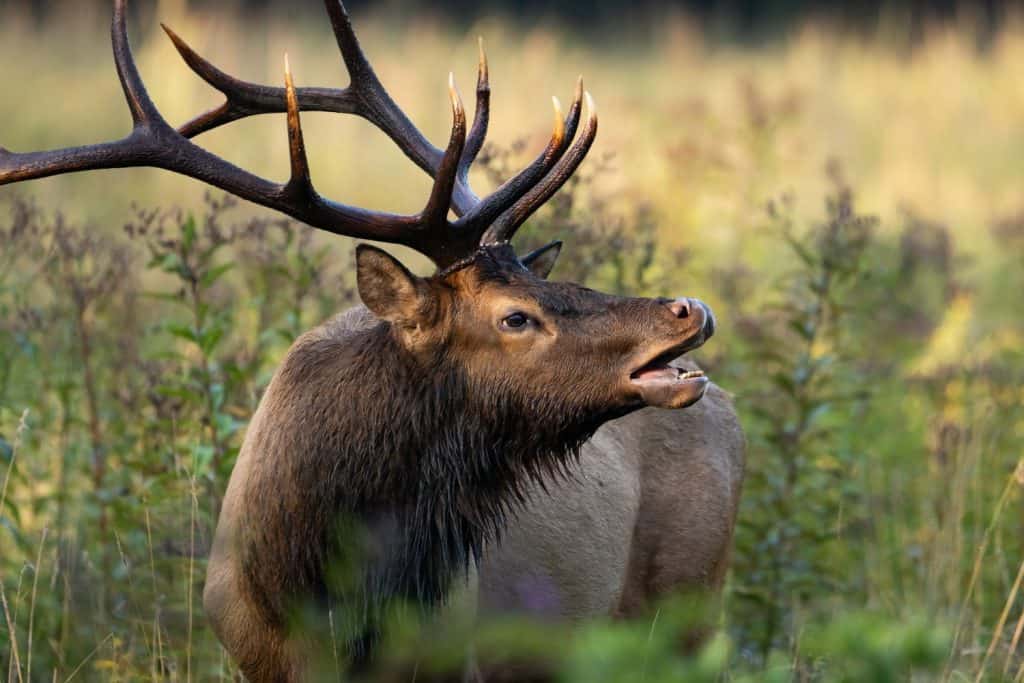
Elk
©Cavan-Images/Shutterstock.com
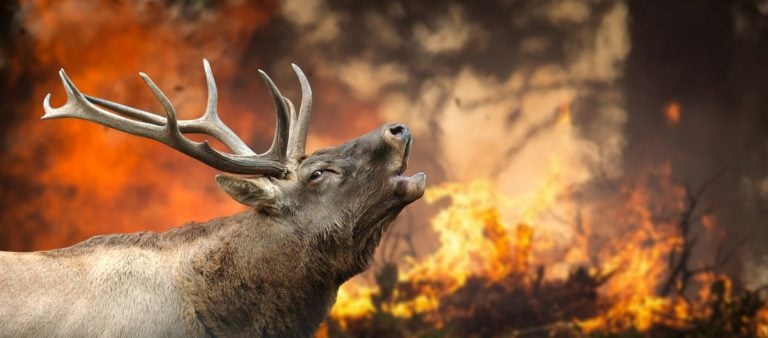
Once much more prevalent, elk are now found only in managed herds in northwestern Minnesota. Mature males can weigh 700 to 900 pounds, and their antlers easily span four feet. Elk often inhabit prairies and grasslands close to forest edges. The Caribou and Grygla ranges are the best places for viewing. In fall, the breeding season brings males together with groups of females, while their distinctive calls and antler displays can be seen in open areas. Elk remain cautious and retreat quickly, making patience and quiet observation helpful for spotting these animals.
2. Moose (Alces alces)
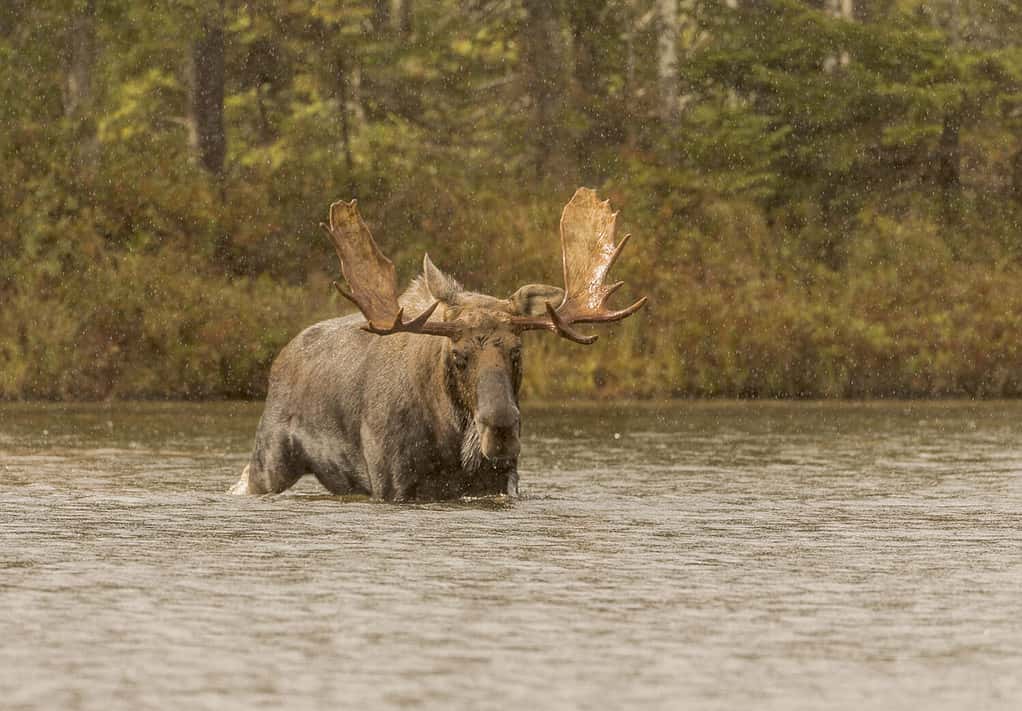
Moose
©Richard Seeley/Shutterstock.com
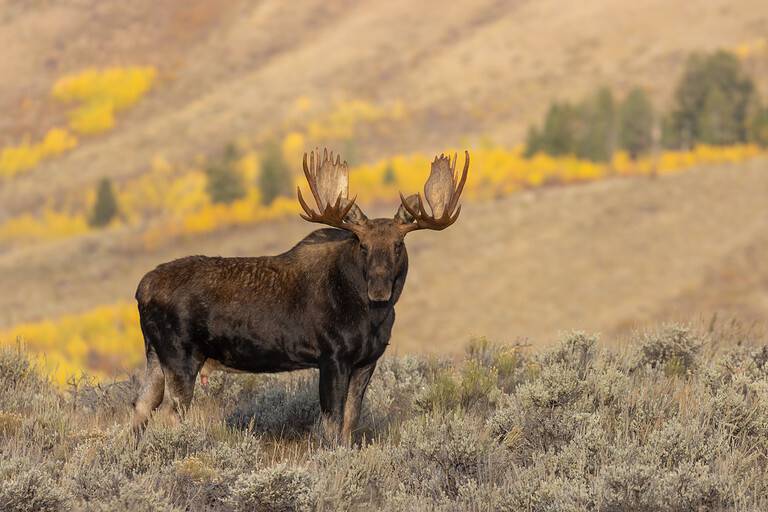
One of Minnesota’s biggest land animals, moose weigh between 900 and 1,200 pounds, and stand over six feet tall at the shoulder. They inhabit cold, swampy forests in the northeast, especially around the Gunflint Trail and Superior National Forest. Moose primarily eat willows, birch shoots, and aquatic plants, and are often seen feeding at the water’s edge. They are solitary, except in the fall when bulls compete for mates. Early morning and dusk are the best times to look for moose, with sightings more likely in spring and autumn. While populations declined in recent decades, some areas now show signs of stability.
1. American Bison (Bison bison)
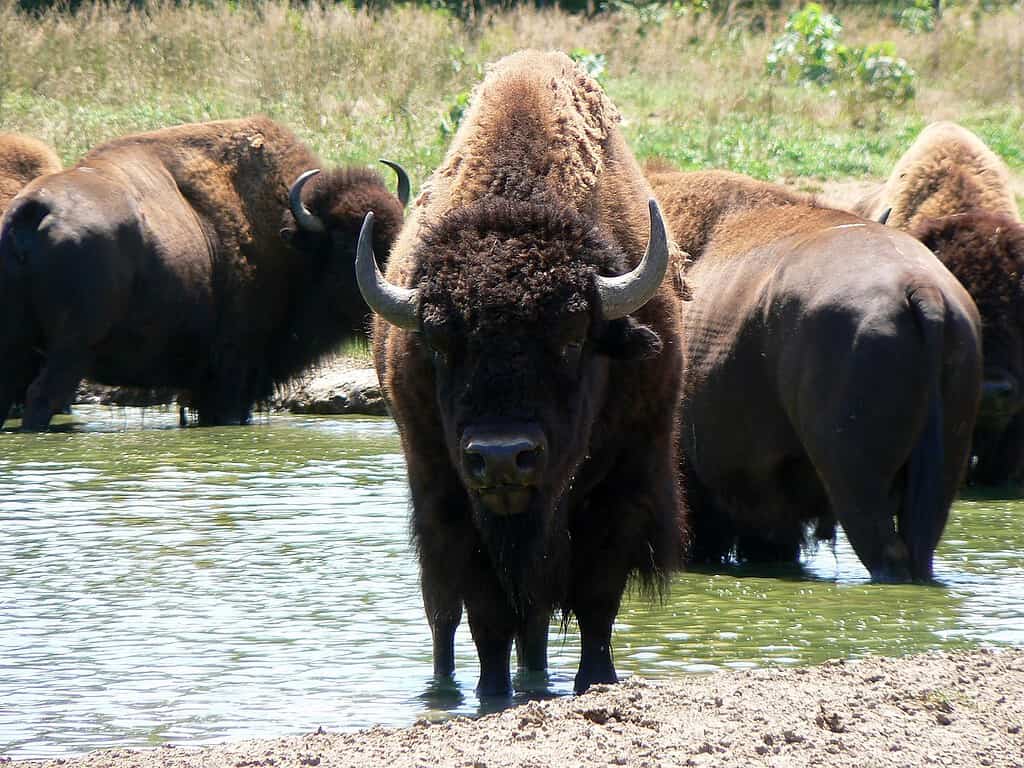
American Bison (Bison bison)
©User: MONGO / Public domain, via Wikimedia Commons – Original / License
Once common across the prairies, American bison now survive in protected areas. Bulls may weigh over 2,000 pounds, and their size and strength are unmatched in Minnesota. While bison once roamed freely, today herds are managed at Minneopa and Blue Mounds State Parks. These animals shape their environment by grazing and wallowing, activities that help maintain prairie biodiversity. Visitors can watch herds graze or move through grasslands, offering a glimpse into the region’s ecological past.
Wild Encounters in Minnesota’s Great Outdoors
Minnesota’s giants shape the landscapes and the stories of this northern state. Watching wild creatures, whether soaring overhead or swimming below, reminds us of the power and mystery in nature’s design. The chance to spot such impressive animals is one more reason to visit Minnesota’s wild places.