
Quick Take
- Hollow hair helps insulate large-bodied species against sub-Arctic temperatures.
- Large cold-weather mammals partially rely on hair structure to achieve buoyancy while swimming.
- Some arctic wildlife can cross frigid waters in one of Earth’s most inhospitable conditions thanks to hollow hairs.
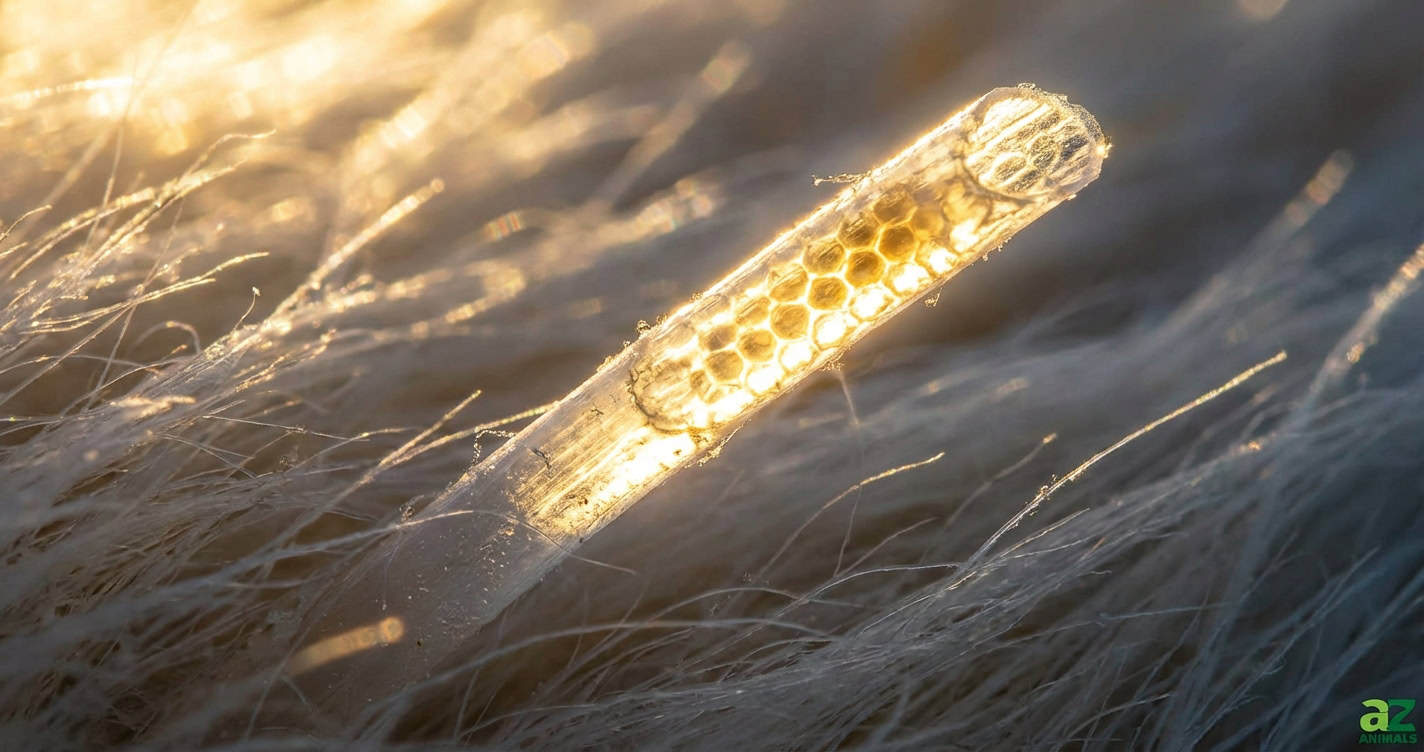
Did you ever wonder how an animal as large as a polar bear or reindeer floats? The answer is hollow hair, a remarkable evolutionary adaptation in many cold-climate species. It provides insulation and contributes to buoyancy, which helps animals like polar bears and reindeer cross frigid waters. These hairs are tiny miracles in themselves, allowing animals to swim in sub-zero water while also insulating them from tundra temperatures. The magic of these dual-purpose coats lies in how Arctic wildlife survives its nearly inhospitable conditions.
What Is the Science Behind Hollow Hairs?
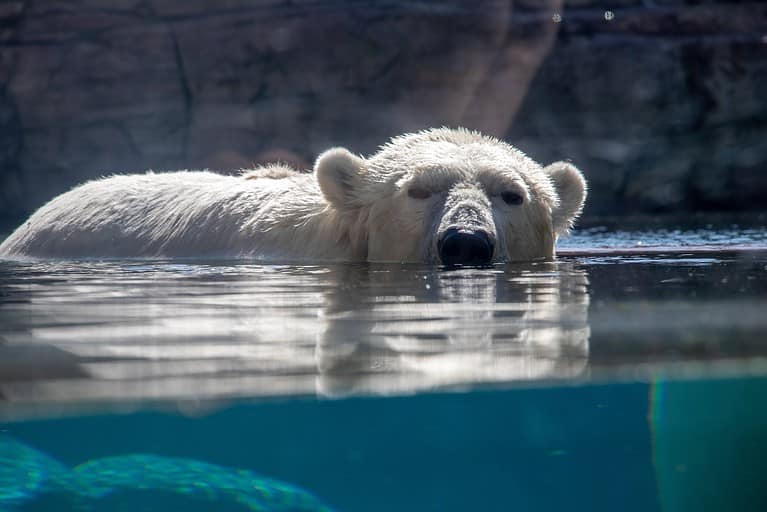
If you’ve ever watched a polar bear effortlessly swim between ice floes or a moose tread water, you’ve witnessed the benefits of hollow hairs. Each hair is needle-like and has a hollow core that can trap air. Together, these create buoyancy and help prevent waterlogging. This allows the animal to float on the water, acting as a natural life vest. The thick coats of Arctic animals contain thousands of these tiny hairs, each functioning as a built-in air pocket. This means an animal’s coat is less dense than other body parts, preventing it from sinking.
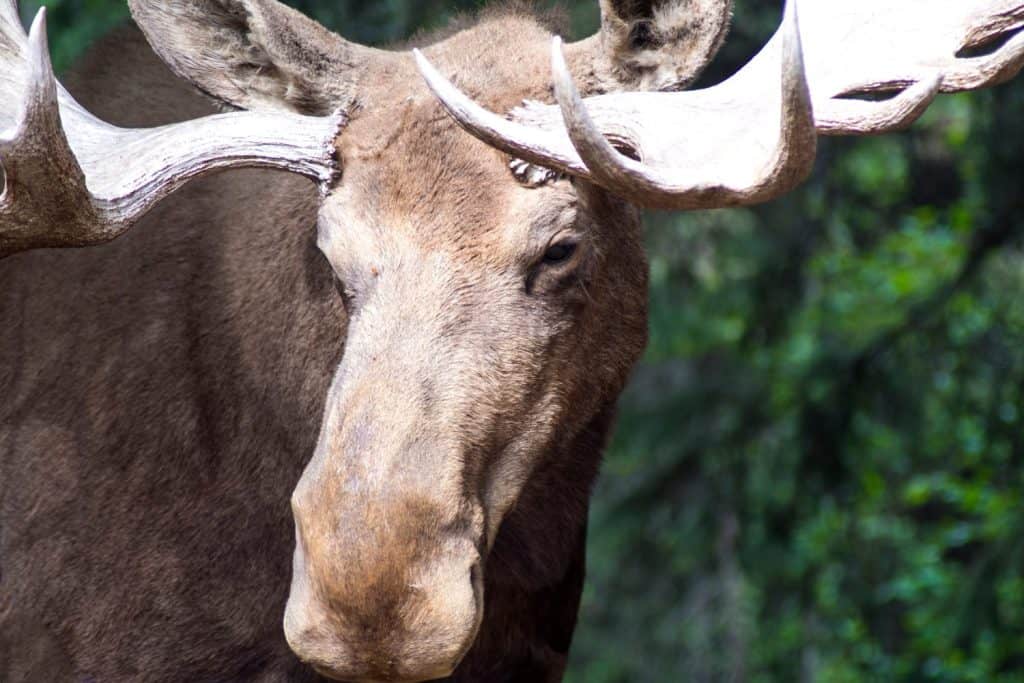
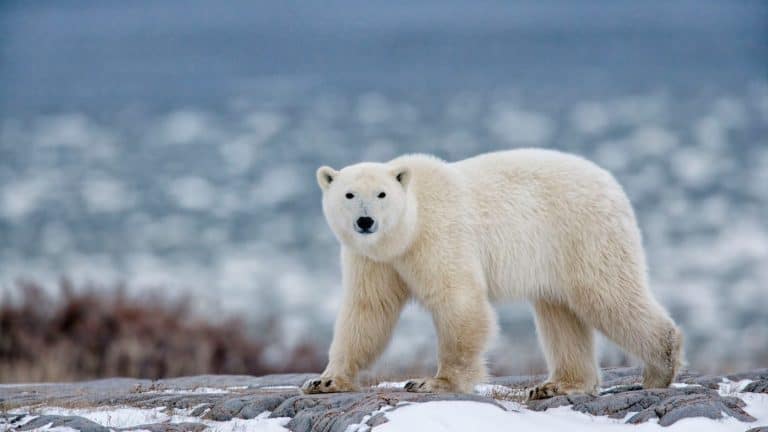
Arctic mammals have hollow hairs that play a key role in thermoregulation.
©Douglas E. Fechter/Shutterstock.com
Until recently, little was known about the hollow hairs of large Arctic mammals. That is, until a study by Weber State University was published in 2023. The study describes what these hollow hairs looked like under a microscope. Experts determined these hairs also play a key role in thermoregulation. Thermoregulation is the animal’s ability to maintain its body temperature in Arctic conditions. It was discovered that not only do these hollow hairs keep the animal afloat, but they also retain body heat.
And that’s not all that was revealed beneath a microscope. These same animals—elk, polar bears, reindeer, and moose—had varying coats from season to season. In winter, these animals grow thicker, denser coats to better insulate themselves. In the summer, they shed to a lighter coat, which helps them better thermoregulate on hotter days.
What Makes Hollow Hairs the Best Survival Tool for Arctic Animals?
Without hollow hairs, native Arctic species would have an extremely difficult time surviving winter. In 2024, another study analyzed the hairs of Rocky Mountain elk, mule deer, and pronghorn antelope. Not surprisingly, their coats shared the same hollow design as polar bears, reindeer, and moose. Using a scanning electron microscope, scientists found that each hair contained a central air-filled cavity, contributing to insulation and buoyancy.
This research proved that hollow hairs are not unique to Arctic animals. Rather, several animals that need to survive harsh winters have this unique evolutionary adaptation. Mule deer are perhaps the most evident of this. They live across western North America, from the Great Plains to Alaska, and even into Mexico. Nevertheless, the hairs on their coats strongly resemble those of Arctic animals.
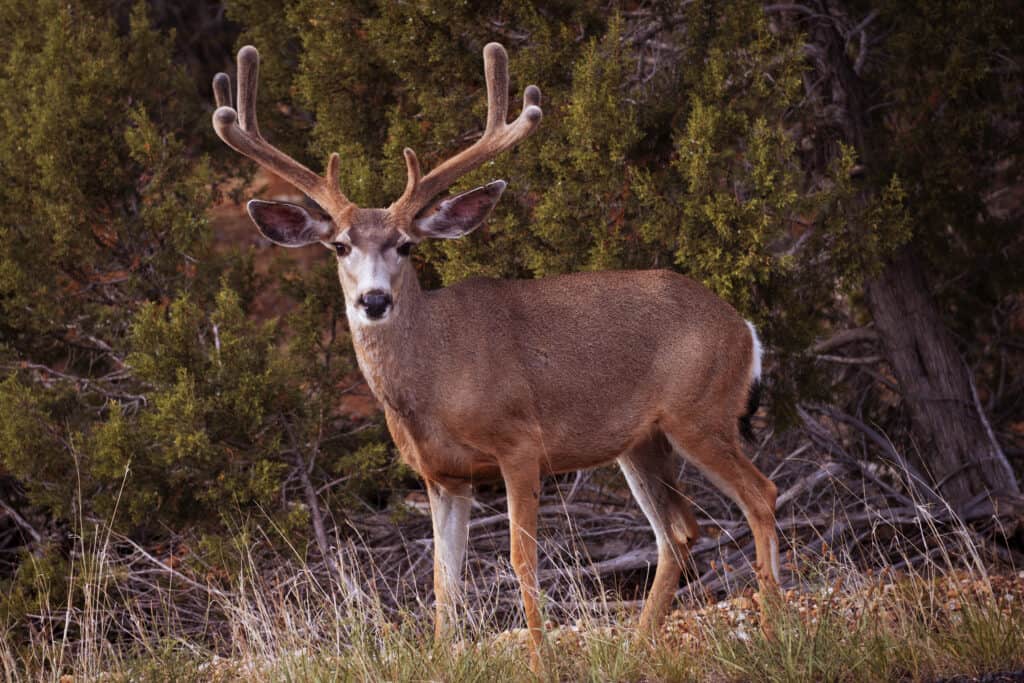
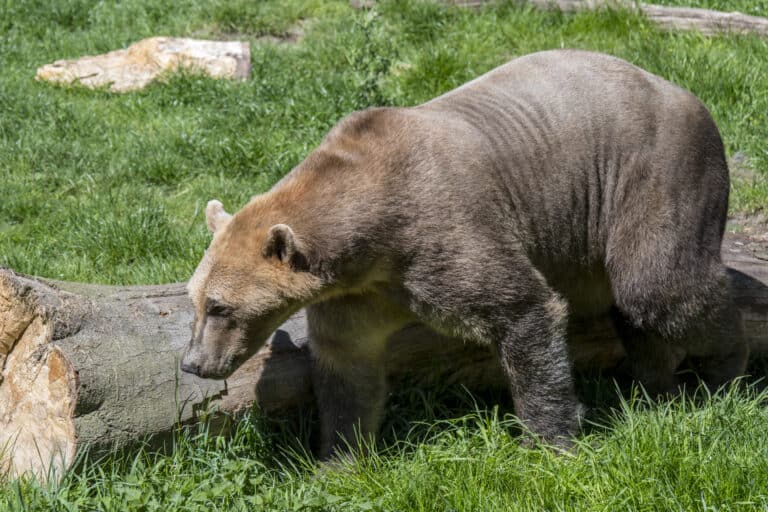
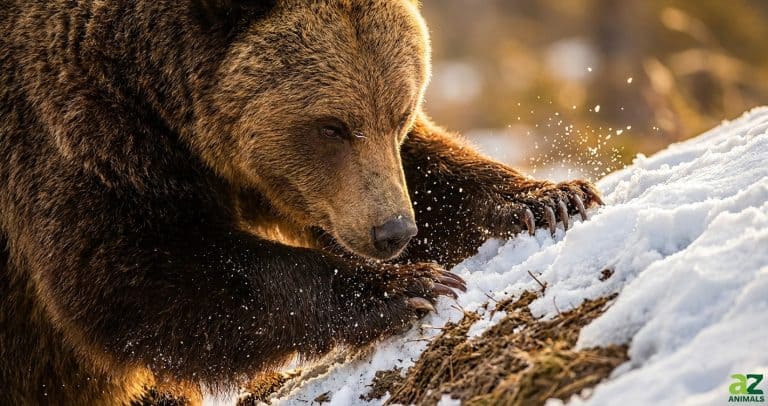
The size and thickness of Arctic animals’ hair change with the season.
©iStock.com/Tiago_Fernandez
Additionally, the size and thickness of these hairs changed with the season. That same study proved that mule deer hairs changed from 13 to 26 micrometers between summer and winter. Knowing this makes the evolutionary adaptation even more fascinating. Not only do hollow hairs change in outward appearance, but they also change at the molecular level.
The Hollow Hairs of Polar Bears Have Unique Qualities
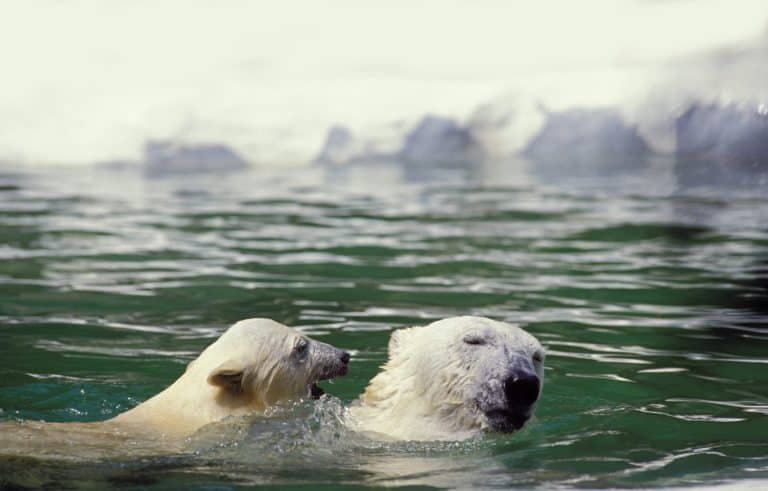
Of all the hollow-haired coats in the Arctic, the polar bear’s is the most unique. The longest documented swim of a polar bear was 426 miles across the Beaufort Sea. The average temperature of this body of water in the winter is 28.8 degrees Fahrenheit. Therefore, a polar bear must remain well-insulated, or it would experience hypothermia within minutes.
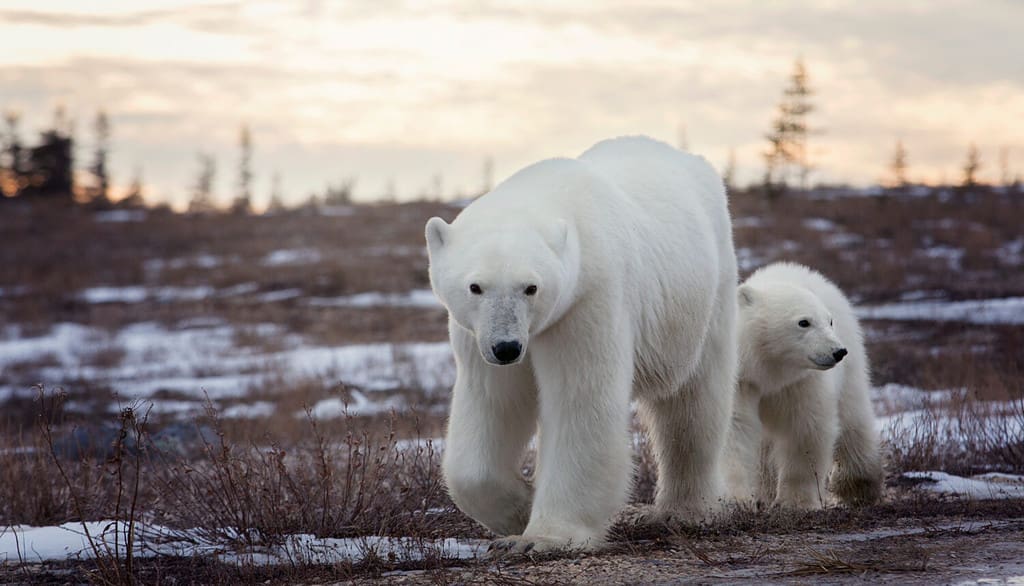
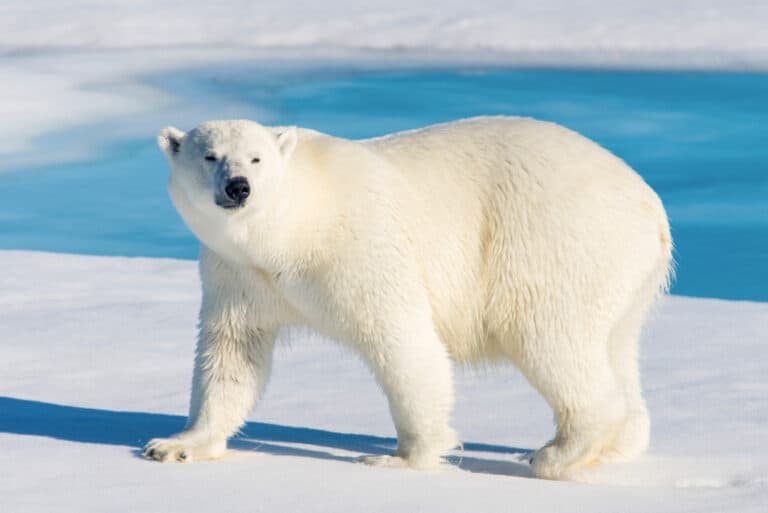
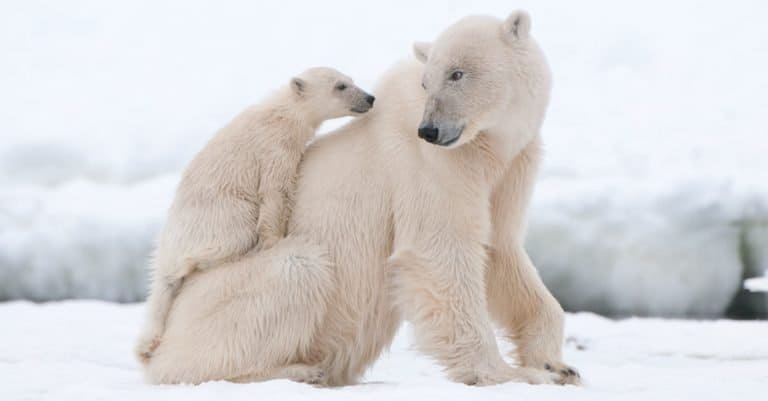
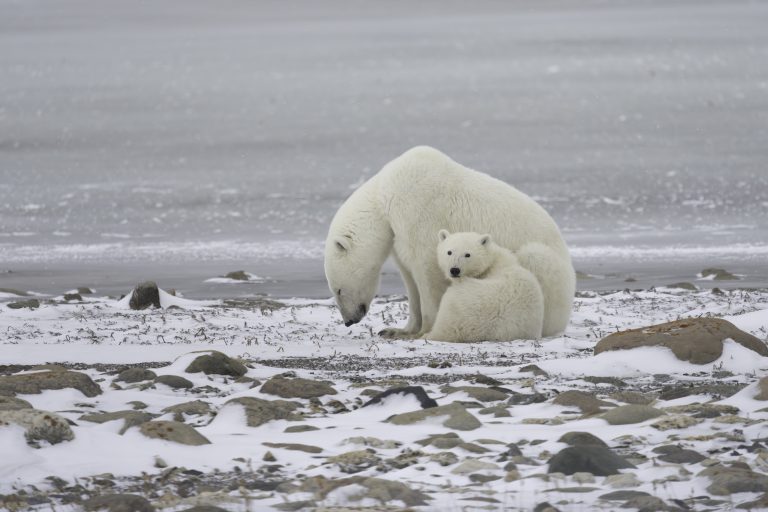
Polar bears are well-insulated by their fur.
©critterbiz/Shutterstock.com
We’ve already established that hollow hairs help polar bears remain afloat. So, it’s clear how polar bears are able to cross such extreme distances. These hollow hairs also change in winter, which helps explain how polar bears retain body heat. Simultaneously, these hairs wick moisture away, protecting the soft hair layer beneath.
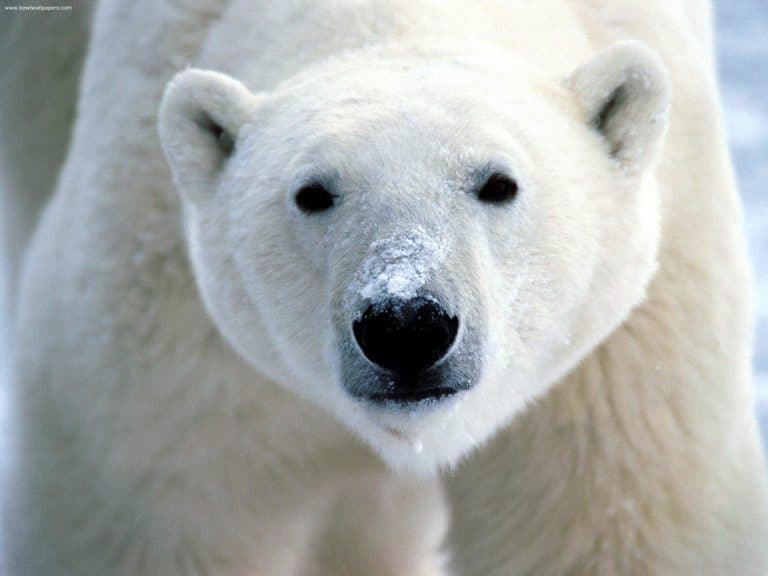
However, polar bears have an additional tool in their arsenal: translucent hollow hairs. While they appear white, these microscopic tubes are actually clear. Scattering sunlight alters the appearance of a polar bear’s fur, helping them camouflage. If examined under a microscope, though, these hairs tell a different story. The combination of their hollow, translucent hairs and black skin beneath the fur helps polar bears retain body heat, as the black skin absorbs solar radiation while the fur provides insulation. Even when the temperature drops below freezing, their black skin beneath the translucent fur helps absorb and retain heat. This, combined with all the other surprising qualities of hollow hairs, is how Arctic animals like the polar bear survive the tundra.