
Quick Take
- One animal on this list can overheat in subzero temperatures, and it's probably the one you'd least expect. See how polar bears overheat →
- A frog on this list freezes solid every winter, heart and all, and hops away in spring like nothing happened. Discover the freeze-and-thaw frog →
- One fish on this list has no red blood cells, which is something scientists once thought impossible for vertebrates. Explore the bloodless icefish →
- The toughest creature here is not a bear or a penguin. It is microscopic, and it has survived conditions far beyond anything Earth's coldest regions can throw at it. Meet the microscopic survivor →
Some parts of Earth are so cold that survival seems impossible for any form of life. These frozen environments can drop to temperatures far below zero, all while enduring brutal winds, dense snow, and solid ice. Despite these extreme conditions, certain animals have evolved incredible adaptations that allow them to survive, and even thrive, where most living things would swiftly freeze to death.
Nature has found remarkable ways to endure the brutal cold, from ultra-thick insulation to dense fur. Some produce a type of natural antifreeze inside their bodies, while others seem to press pause on their physiology for periods of time. Scientists continue studying these species to better understand how life has adapted to the harshest climates on the planet. Here are 10 animals with some of the most impressive cold-weather survival strategies.
Polar Bear
©Jane Rix/Shutterstock.com
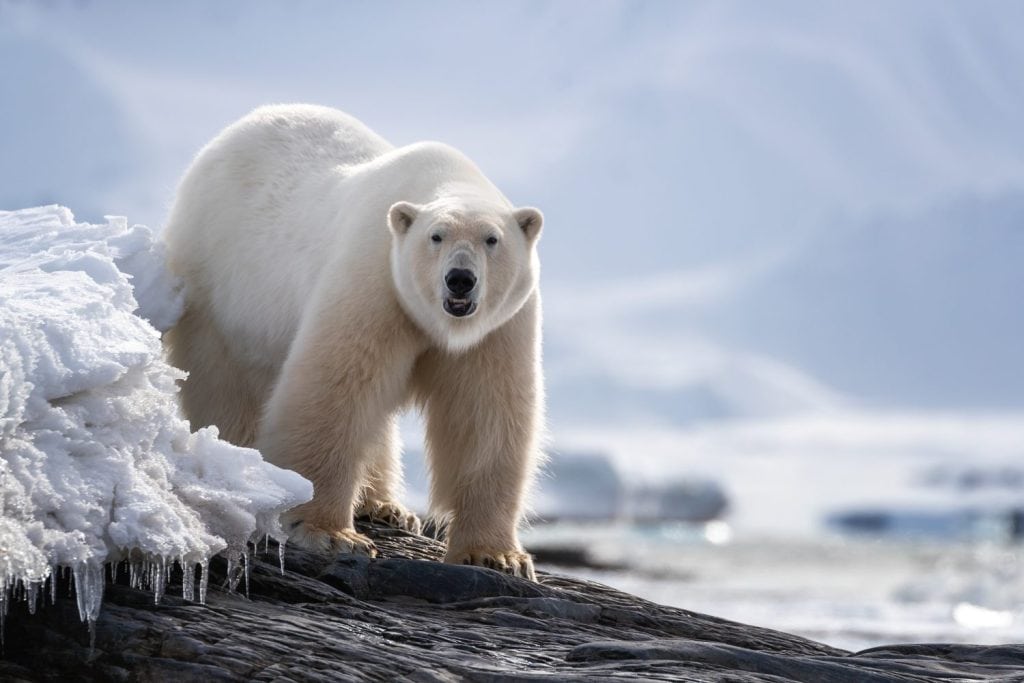
Polar bears are perfectly designed for life in the Arctic. Thick blubber, dense fur, and black skin help these massive mammals trap and absorb heat efficiently. Their enormous paws act like snowshoes on land, distributing their weight, while helping them swim through icy water effortlessly. Incredibly, polar bear insulation is so effective that they can actually overheat from excessive exertion, even in subzero temperatures.
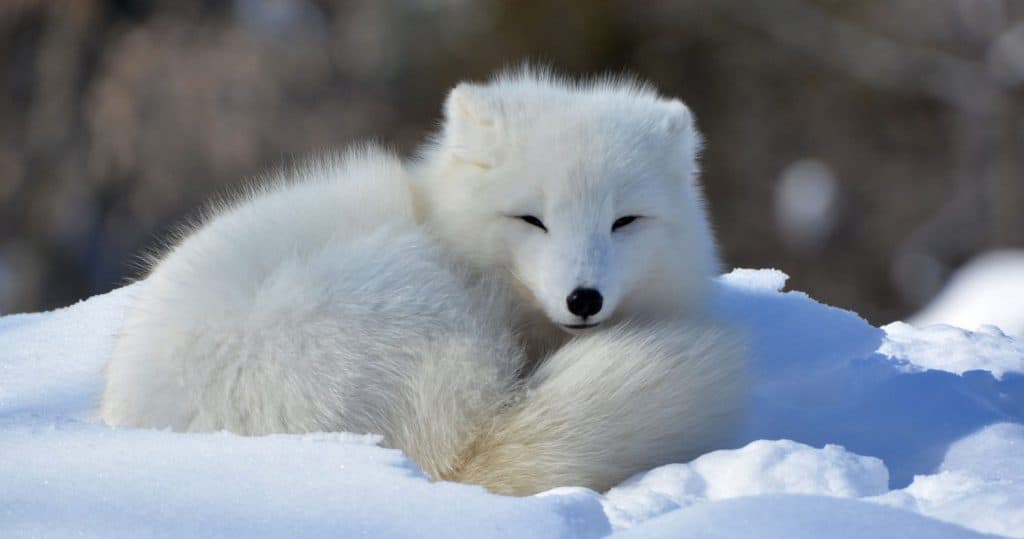
Arctic Fox
©meunierd/Shutterstock.com
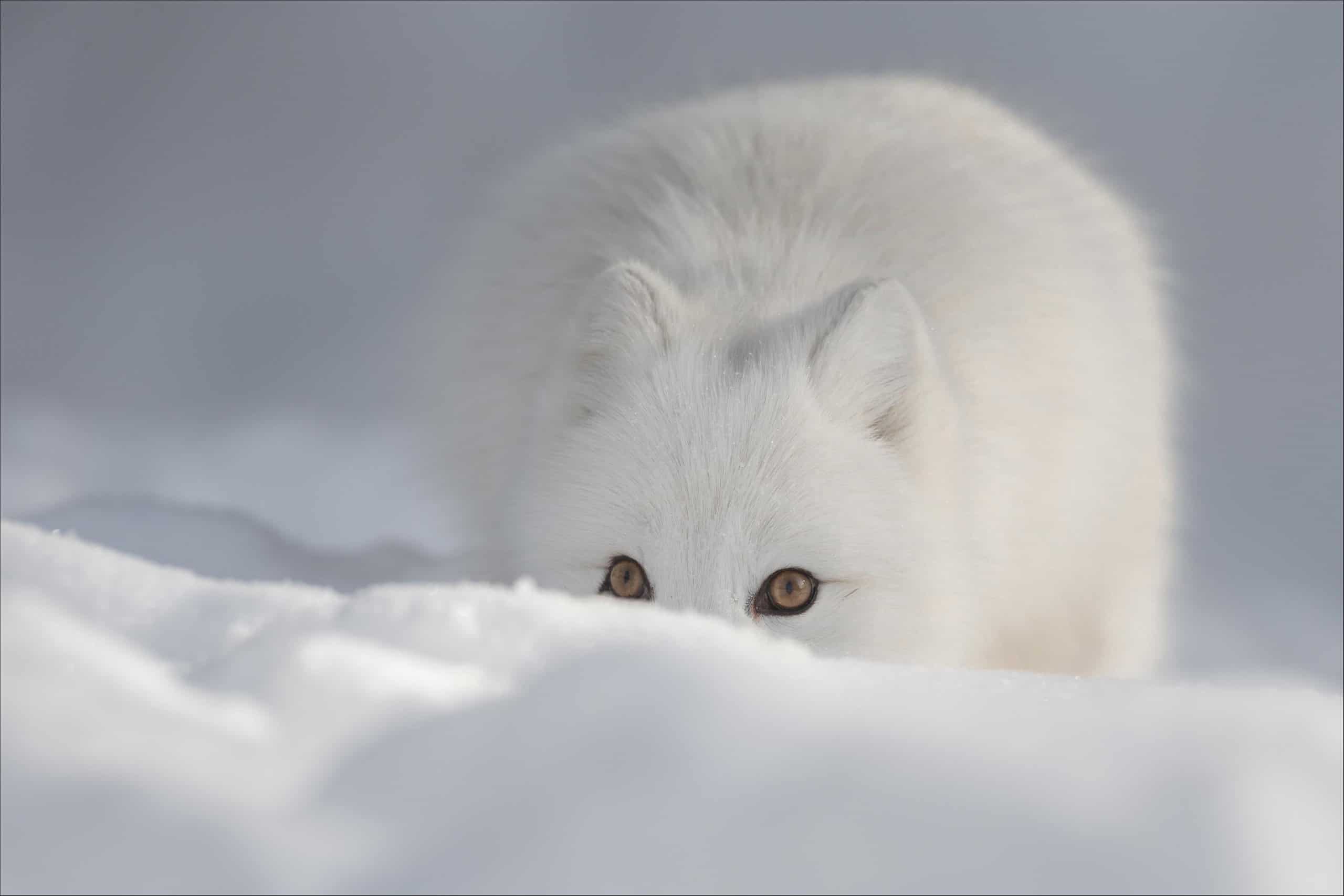
The Arctic fox is one of the best mammalian survivors of extreme cold. It can tolerate temperatures below −50°F due to its dense layer of fur and compact body that minimizes heat loss. During winter, its lush white coat provides perfect camouflage against a snowy backdrop. This adorable fox also uses its fluffy tail like a blanket while sleeping.
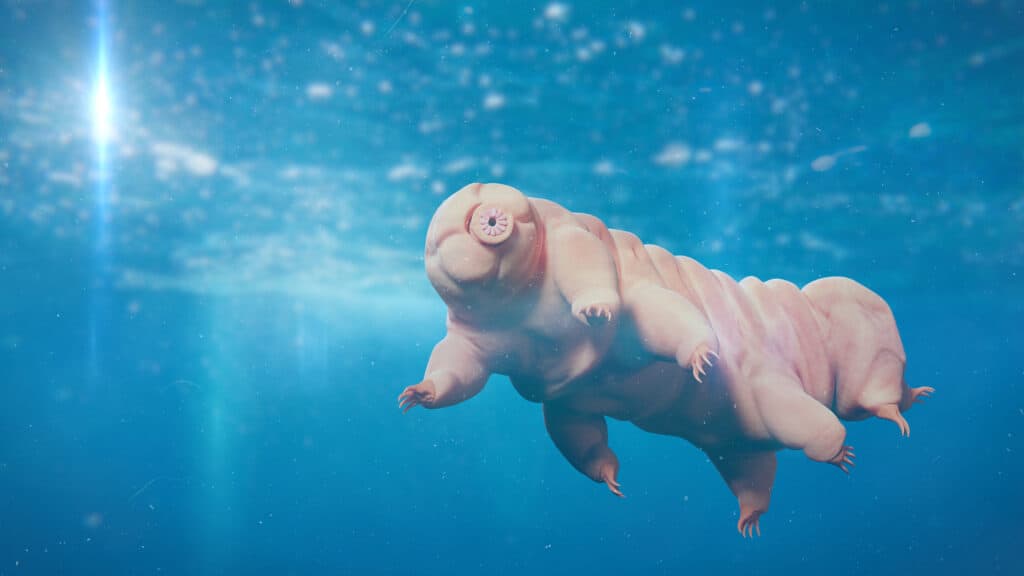
Tardigrade
©iStock.com/dottedhippo
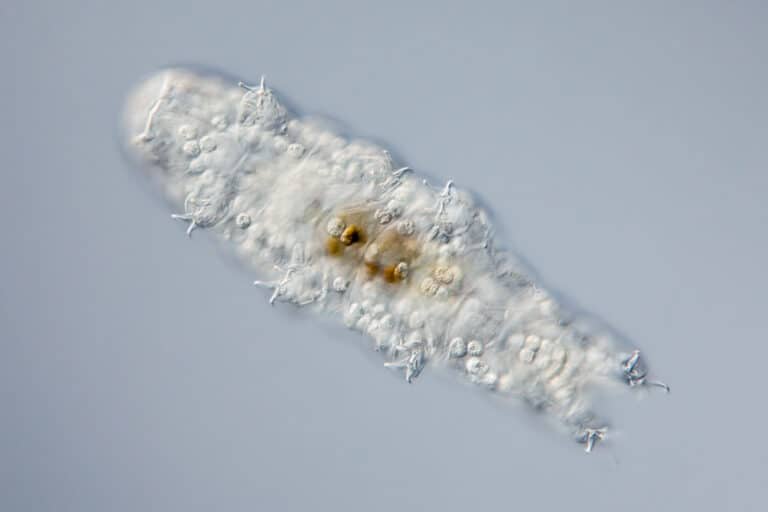
Tardigrades are known as extremophiles for their ability to thrive in extreme environments. Often called water bears, these microscopic creatures can enter a suspended state called cryptobiosis, where the majority of biological activity completely stops. Through this process, it’s almost as if they press pause on life. In this condition, tardigrades have survived temperatures close to absolute zero in laboratory experiments. Astonishingly, scientists have even sent them to outer space, and some still managed to survive!
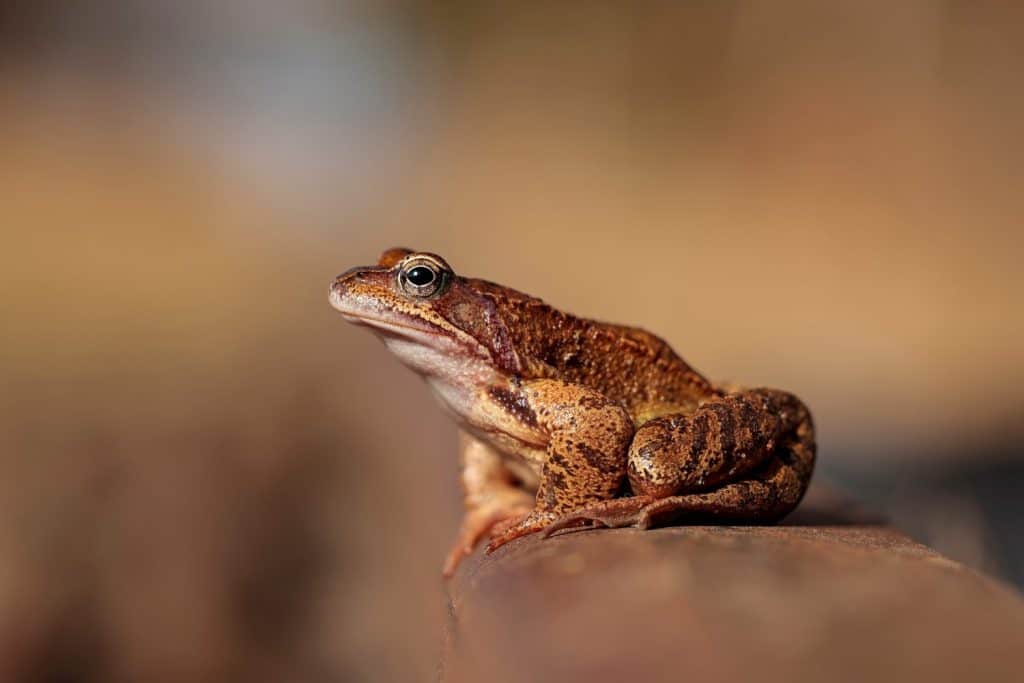
Wood Frog
©Marek Mierzejewski/Shutterstock.com
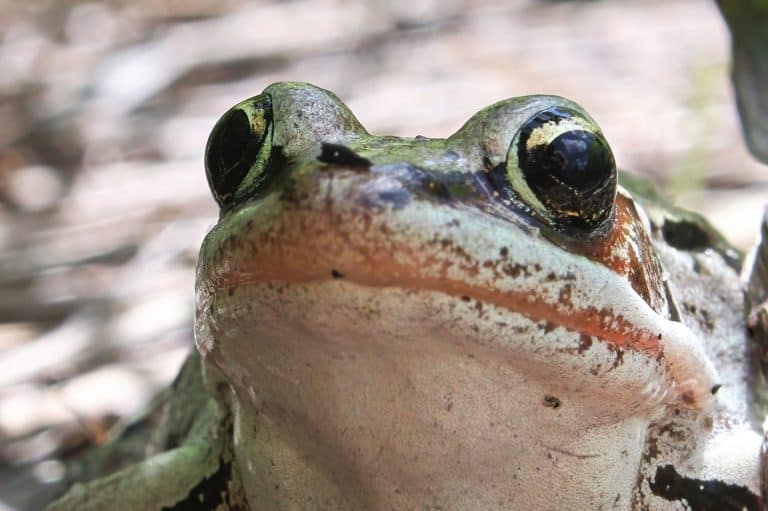
The wood frog has one of the most unbelievable cold-weather adaptations in the entire animal kingdom. During winter, much of its body freezes completely, including parts of its heart and circulatory system. It can accomplish such a unique state due to special chemicals in its body that act like natural antifreeze and protect its organs from damage. Once spring arrives, the frog thaws and hops away normally despite technically being frozen alive for months.
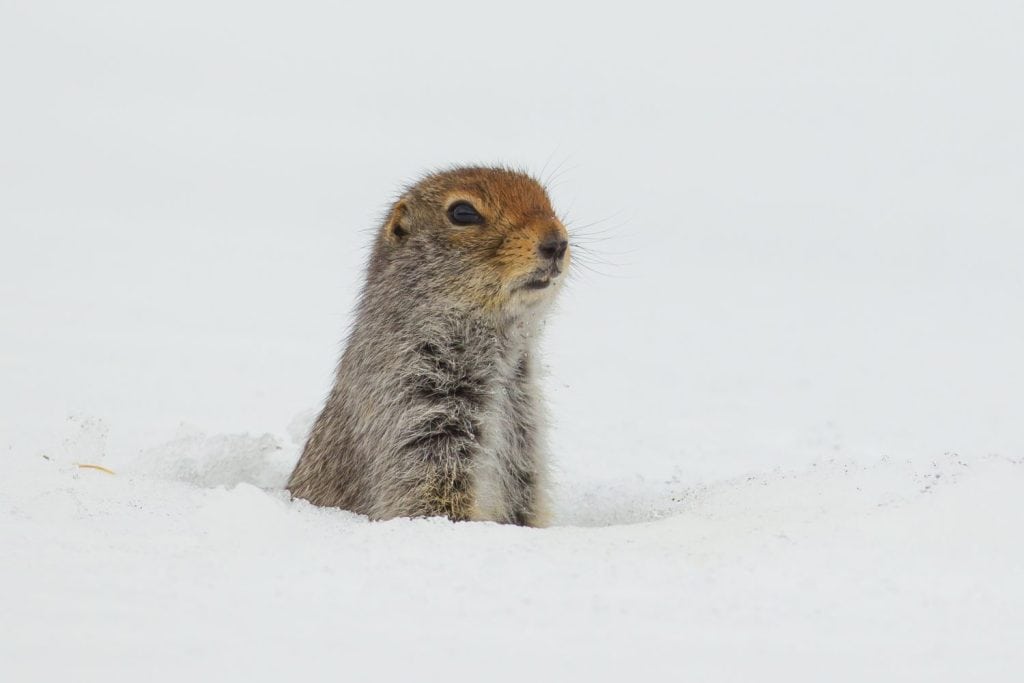
Arctic Ground Squirrel
©Jukka Jantunen/Shutterstock.com
The Arctic ground squirrel survives brutal northern winters by hibernating. But this isn’t the usual form of hibernation; it’s an extreme form, during which its body temperature can actually drop below the freezing point of water. This is almost unheard of for mammals! While in this state, the squirrel’s heart rate and metabolism slow dramatically to conserve energy. Scientists consider it one of the most cold-tolerant mammals ever discovered.
Emperor Penguin
©Joey_Danuphol/Shutterstock.com
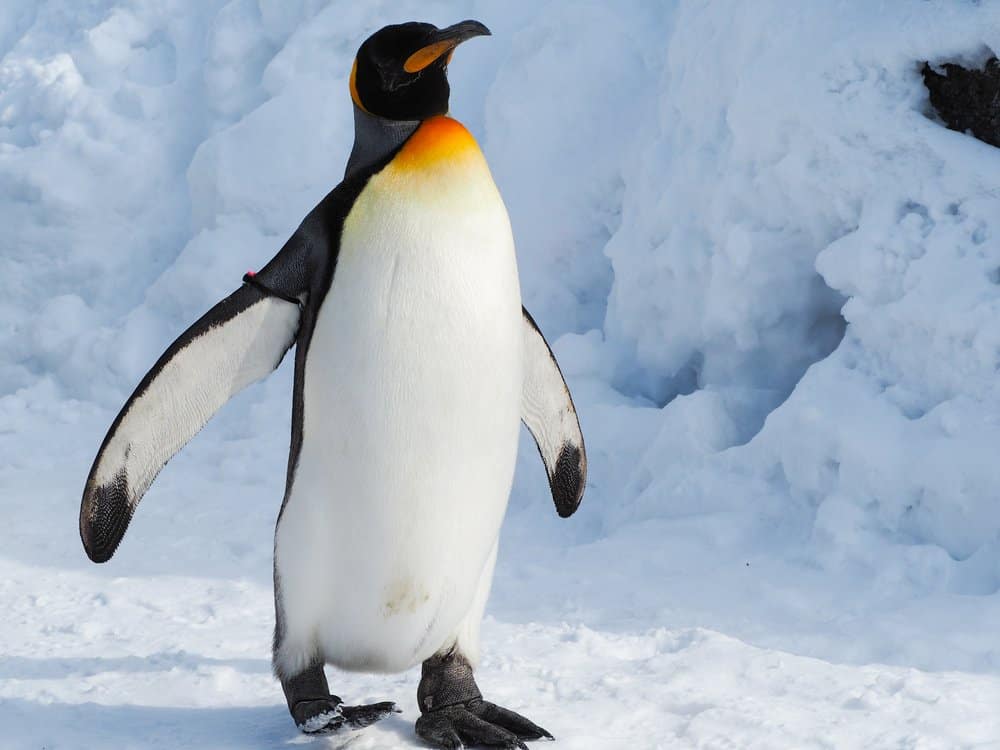
Emperor penguins endure some of the harshest southern weather on the planet in Antarctica. They survive temperatures colder than −75°F on top of facing strong winds and months of darkness. To stay warm, the penguins turn to their friends and family for warmth, huddling together in tightly packed groups. They constantly rotate positions to take turns along the colder outer edges. Males even balance eggs on their feet for weeks to protect them from the freezing ice below, all without eating.
Weddell Seal
©Nancy Pauwels/Shutterstock.com
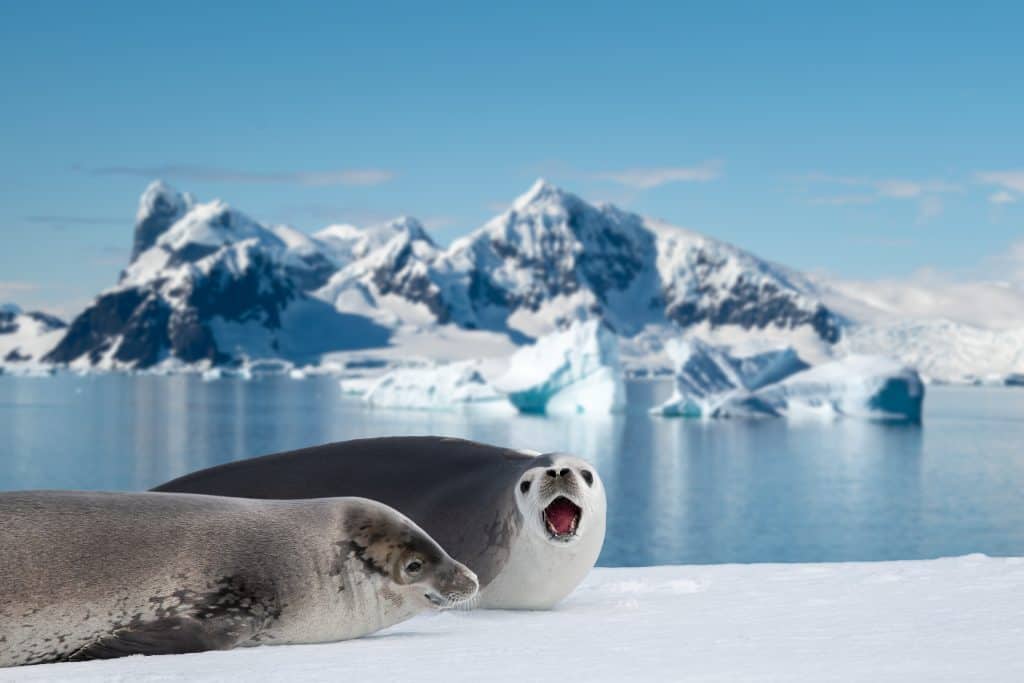
Weddell seals share their habitat with emperor penguins, spending their lives in the frozen waters surrounding Antarctica. They can dive beneath thick sea ice, holding their breath for more than an hour. This enables them adequate time to hunt fish and squid in near-freezing water. These seals keep breathing holes open in the ice by gnawing at them with their teeth. Their extremely thick layers of blubber insulate them from water temperatures that would quickly kill most mammals.
Antarctic Midge
©"Belgica antarctica" by Julien Renoult is licensed under BY 4.0. – Original / License
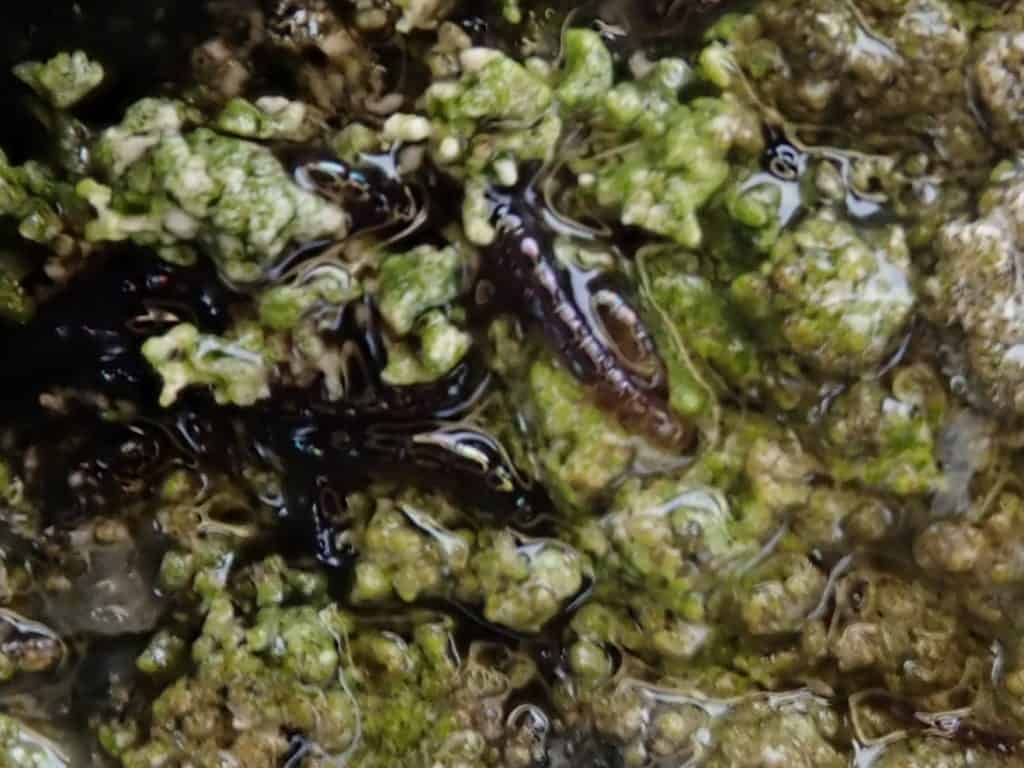
The Antarctic midge is the only insect native to Antarctica, making it one of the toughest bugs on Earth. This tiny and flightless insect survives temperatures that would instantly kill most other bugs. During winter, it can freeze solid and lose a large percentage of the water inside its body without dying. When temperatures warm up, the insect simply thaws out and continues its life as if it didn’t just cheat death in the most miraculous way!
Musk Ox
©Frida-Lannerstrom/Shutterstock.com
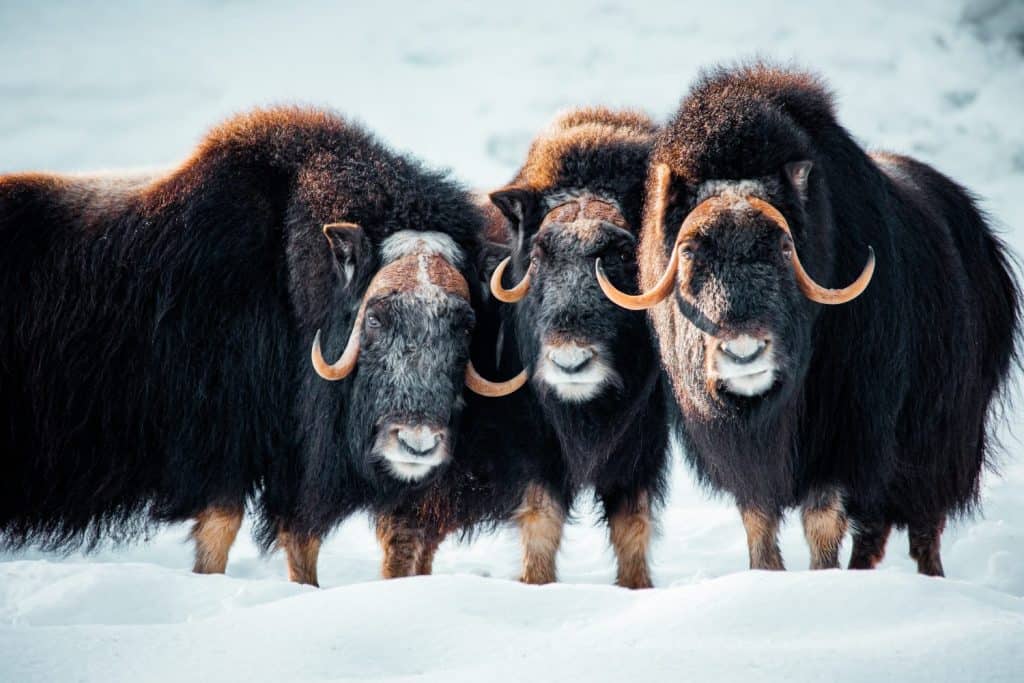
Musk oxen roam the Arctic tundra where winter temperatures can become ridiculously cold. They are protected by an incredibly warm undercoat called qiviut, which is considered one of the finest insulating fibers in the world. Their long outer fur further blocks brutal wind and snow from touching their skin. Musk oxen form defensive circles to shield vulnerable members of the herd from danger and bitter cold.
Ice Fish
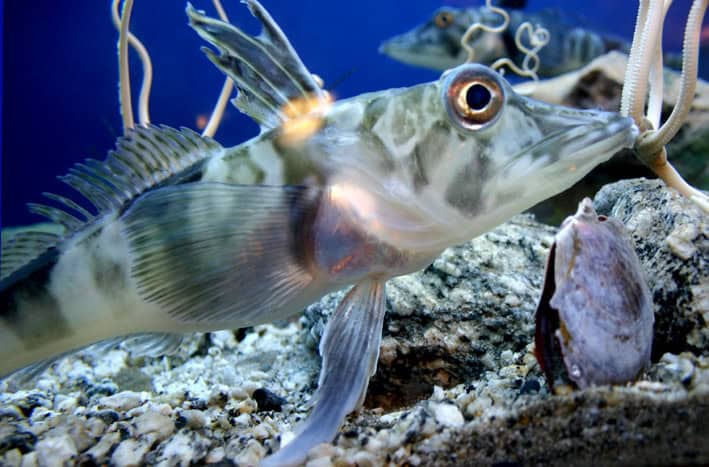
©Copyrighted Free Use – Original
Icefish live in the icy waters around Antarctica, hence their suitable name. Most fish could never survive these frigid waters. Their blood contains special antifreeze proteins that keep ice crystals from forming inside their bodies. Some species even lack red blood cells (white-blooded icefish), which is highly unusual for vertebrates. Their odd adaptations allow them to easily swim through water that drops to temperatures below the normal freezing point of blood.