
Quick Take
- Surviving 6 months of isolation requires a specific den architecture to prevent heat loss.
- The 30-degree incline requirement creates a structural hazard that threatens cubs.
- Research shows selection is a counterintuitive biological reflex rather than instinctive intelligence.
- Scientists identified a multi-site scouting event required before a final den is secured.
Finding a suitable winter den can determine whether a bear survives months of cold, deep snow, and food scarcity. For pregnant females and mothers with cubs, the choice matters even more, since the den must protect newborns that arrive during the coldest part of the year.
Researchers once believed bears simply occupied any available cavity that offered shelter. Field studies across western North America now show a much more deliberate process. Bears evaluate slope, soil stability, snow accumulation, concealment, and nearby human activity before settling into dormancy. These decisions reflect generations of learned behavior shaped by survival pressures. From desert mountains to Arctic tundra, bears interpret subtle environmental cues that help them survive winter conditions that would overwhelm most mammals.
Black Bears and Den Site Security
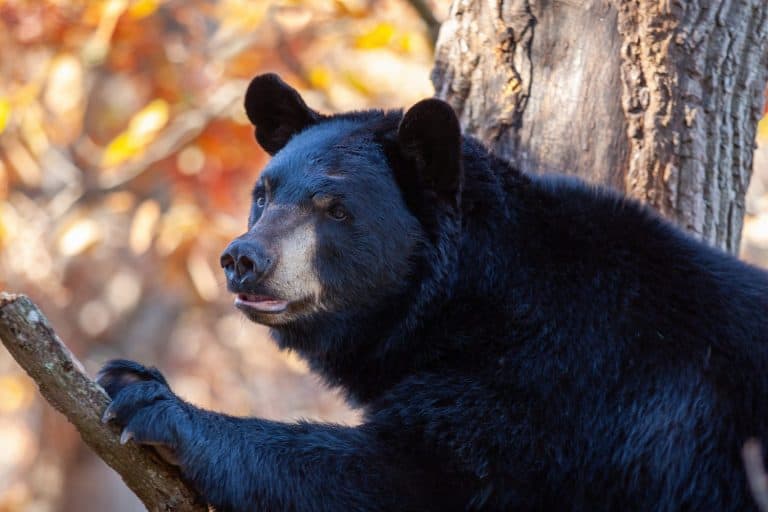
In the Sierra Nevada and Great Basin, scientists tracked GPS-collared black bears to more than one hundred winter dens and examined each location in person. The strongest pattern that emerged was the emphasis on protection. Dens were placed in areas that limited visibility and access, reducing the chance of disturbance by people or predators. Many sites sat in rough terrain where thick vegetation, uneven rock, and fallen timber concealed the entrance. This concealment also limited wind exposure, which helped stabilize temperatures inside the den.
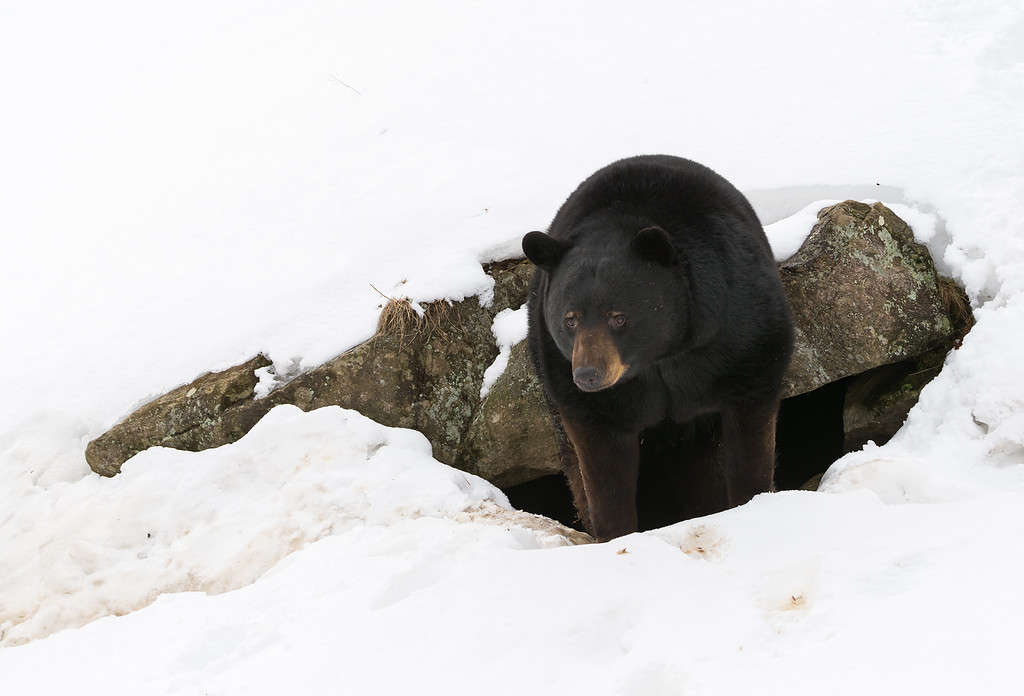
A black bear emerges from its den after a long, cold winter.
©Suzan Johnson/iStock via Getty Images
Canopy cover played a role as well. Forested slopes allowed snow to accumulate gradually, forming an insulating layer that reduced heat loss. These findings indicate that black bears prioritize security and insulation over convenience when choosing where to spend the winter.
Terrain Shape and Soil Conditions
Across mountain regions of the western United States and Canada, bears consistently favored dens on inclined ground rather than flat valley floors. Slopes offered several advantages. Sandy or loamy soils on hillsides drain water more effectively, lowering the risk of flooding during midwinter thaws. Mid to upper slopes also provide sufficient depth for excavated dens without the instability of cliff faces.
In Rocky Mountain and Yellowstone National Parks, researchers recorded den locations on slopes averaging between thirty and sixty degrees. This angle allowed enough structural support for the den roof while encouraging snow buildup over the entrance. In the Canadian Rockies, slope measurements cluster tightly around the mid-thirty-degree range, reinforcing the importance of terrain angle in den selection.
Concealment and Limited Visibility
Reduced visibility is a defining trait of bear dens across diverse habitats. When biologists compared den locations with randomly selected points nearby, the den sites consistently had lower horizontal sightlines. Natural features such as shrubs, rock ledges, downed logs, and uneven ground helped obscure entrances. These conditions limit the likelihood that hikers, snowmobilers, or predators will notice a den opening.
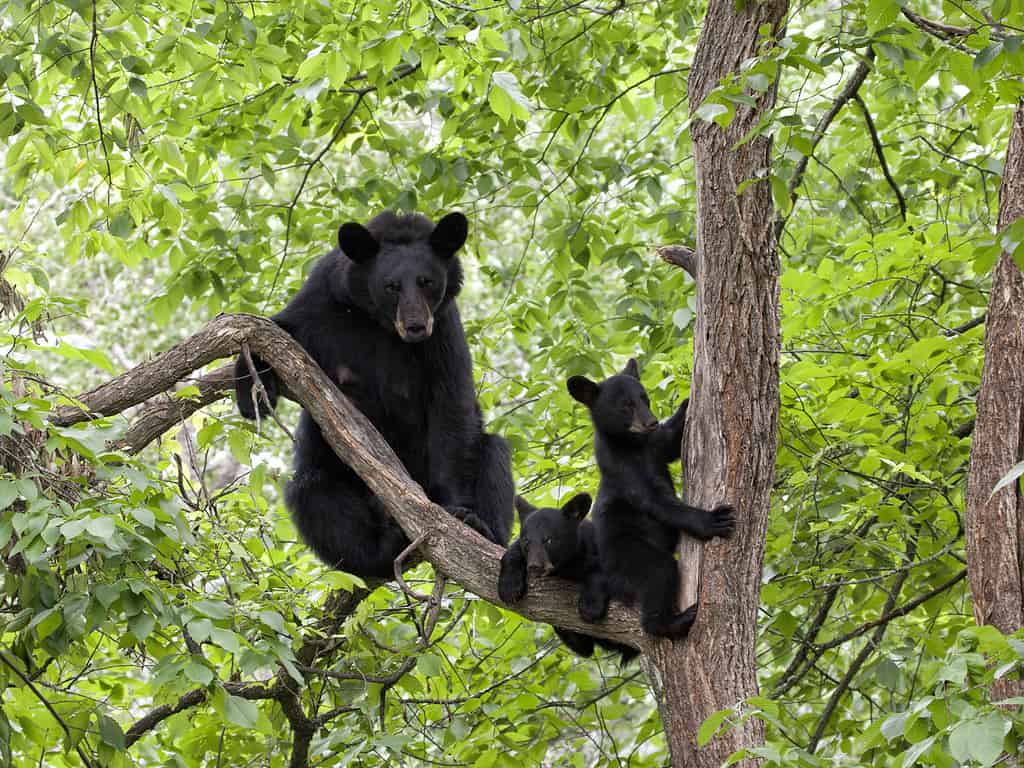
Black bears are good climbers and sometimes make their dens high off the ground in a hollow tree.
©dssimages/iStock via Getty Images
In forested regions, some black bears selected hollow trees several feet above ground level. Elevated dens combined vertical separation with heavy snow cover, lowering the chance of disruption. These strategies reflect an instinctive preference for darkness and enclosure, traits that align with bears’ broader resting and foraging behaviors.
Human Presence and Changing Landscapes
Expanding development has altered how bears interact with their environment, including where they den. In Colorado’s Rocky Mountain National Park, historical den records emphasized elevation and vegetation. More recent data show stronger links to slope steepness and distance from roads and trails. Some bears now den closer to infrastructure than earlier generations did. This shift does not mean bears are comfortable around people; instead, it reflects a compromise when the best denning terrain happens to be near human activity. In Nevada, female black bears were more likely than males to select steeper slopes located somewhat nearer to roads. Researchers believe this reflects the need for secure, thermally stable dens in landscapes increasingly shaped by human activity.
Grizzly Bears and Snow Dependence
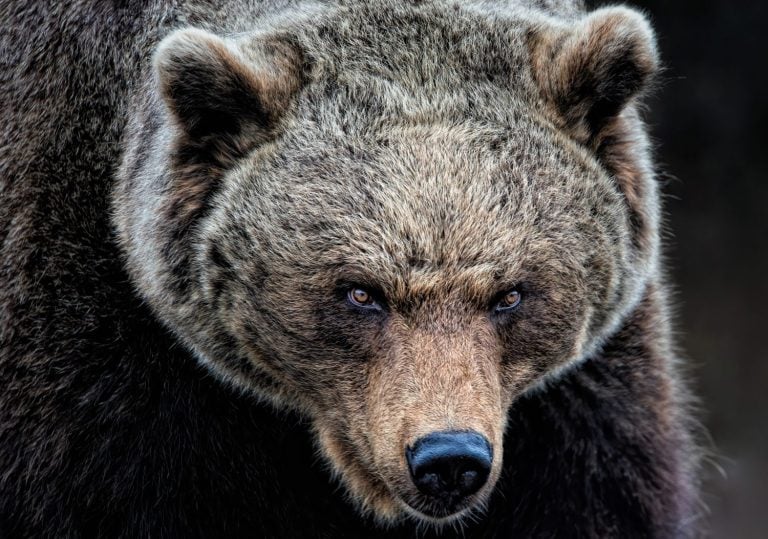
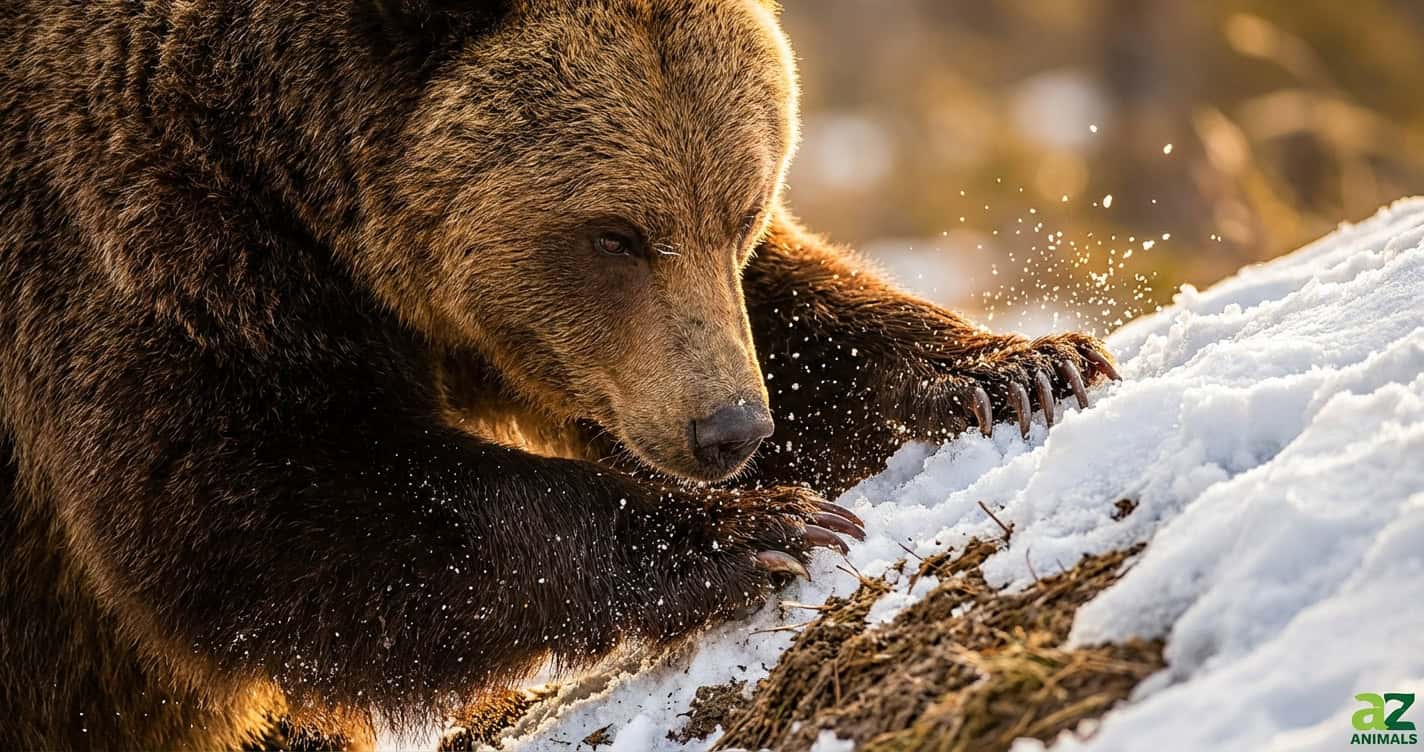
Grizzly bears rely heavily on snow conditions when selecting winter dens. Wildlife agencies report that grizzlies often dig into steep slopes where drifting snow naturally buries the entrance. These dens may remain sealed for several months, so structural strength is essential. A roof collapse or early exposure can be fatal. In northern Alaska, researchers found many grizzly dens on small, elevated patches of dry soil surrounded by wetter tundra. These raised areas offered the only diggable ground available. The pattern highlights how even slight changes in terrain can influence den availability. Snow depth, soil stability, and insulation all interact to shape den success for this species.
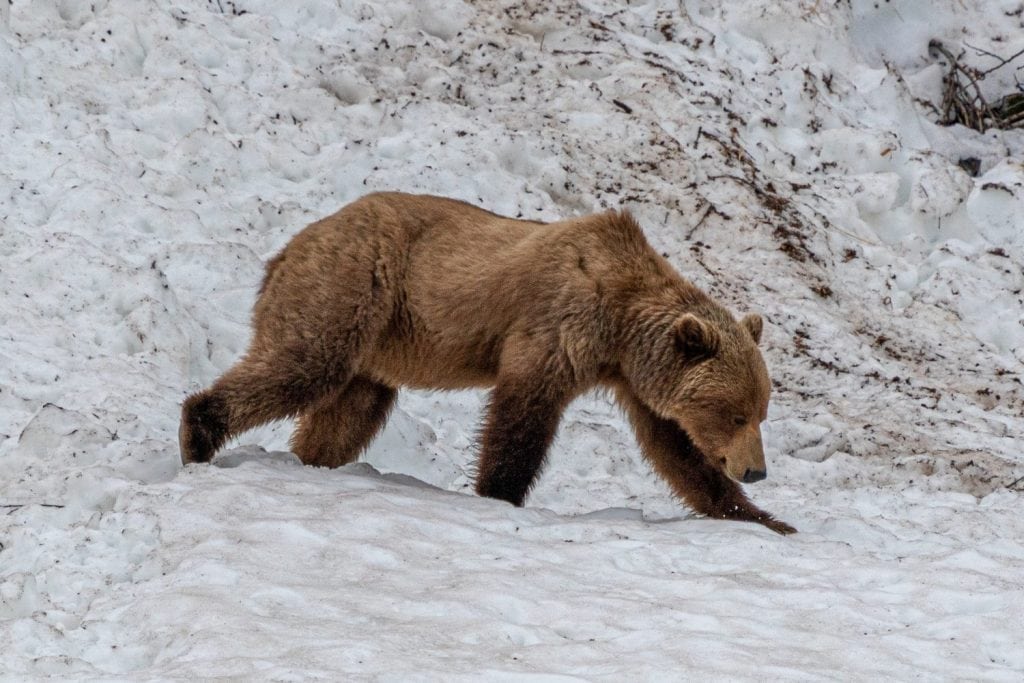
Snow conditions help grizzlies make decisions about where to den for the winter.
©Alice121/Shutterstock.com
Wind Direction and Snow Accumulation
Slope orientation plays a major role in snow retention, especially for grizzly bears living in open or Arctic regions. Studies in northern oil-field zones revealed that many dens occurred on south- or southwest-facing slopes positioned downwind of prevailing winter winds. These locations collected drifting snow stripped from exposed ridges. The resulting snow cover buried den entrances under thick layers that reduced sound transmission and stabilized internal temperatures. Shrubs and uneven terrain enhanced this effect by trapping additional snow. Evidence suggests that grizzlies recognize these wind-snow interactions and may return to similar denning zones across years, even if exact den sites change.
Polar Bear Maternity Dens
Polar bears differ from land-based bears in habitat and diet, yet pregnant females rely on dens for survival during reproduction. Historically, many maternity dens formed in snowdrifts on sea ice. As Arctic ice thins, a growing number of dens now occur on land along coastal plains. Suitable sites include riverbanks, coastal bluffs, and low hills that promote large, stable drifts.
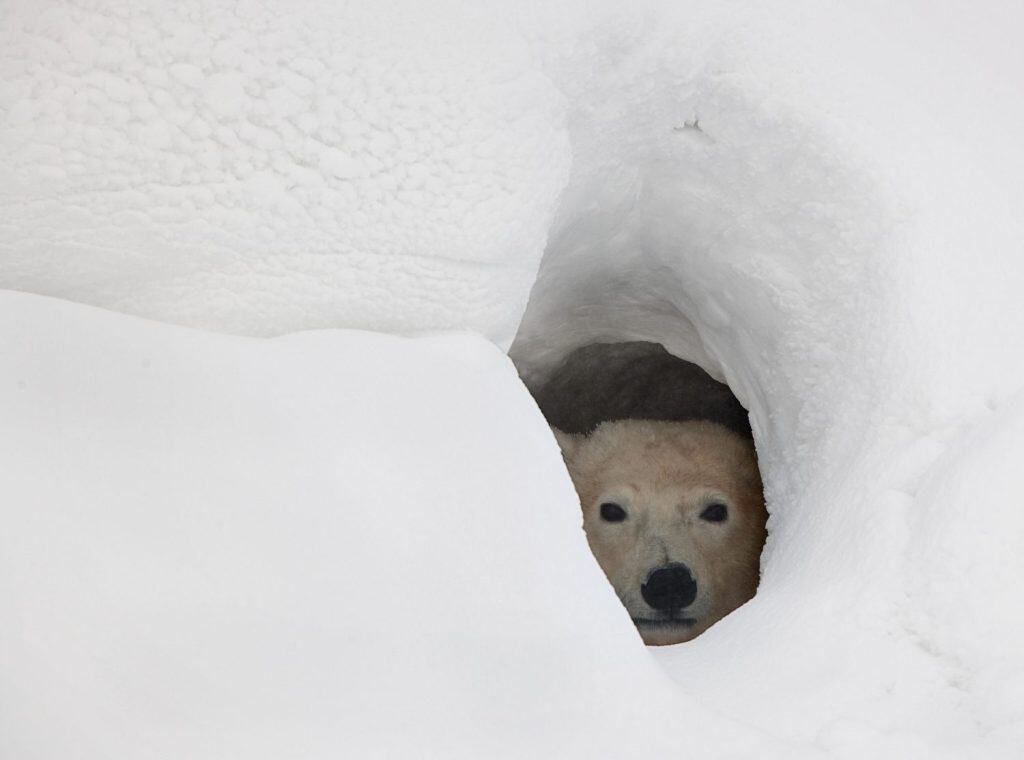
Polar bears make dens in snowdrifts.
©Sergey Uryadnikov/Shutterstock.com
Females enter dens in late autumn, give birth during winter, and emerge in early spring. During this time, the snow structure must remain intact despite strong winds and extreme cold. Den failure can threaten cub survival, making site choice especially critical for this species.
Seasonal Timing and Den Entry
Selecting when to enter and leave a den is as important as choosing its location. In Nevada’s Great Basin, female black bears typically entered dens earlier than males and remained inside longer. This pattern protected nursing cubs from late storms and reduced encounters with people. Males showed greater responsiveness to warm spells and left dens sooner when temperatures rose for several days. Polar bears followed a different rhythm. Pregnant females denned for months, while other individuals stayed active on sea ice throughout winter, hunting seals. These variations demonstrate how denning behavior adjusts to reproductive needs, climate conditions, and food availability.
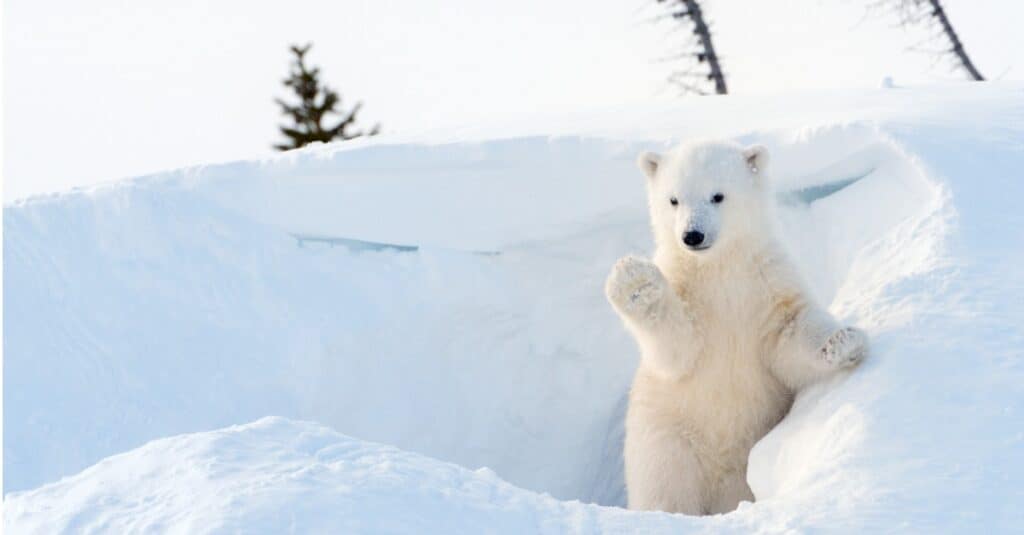
Pregnant females remain in dens for months, allowing their cubs to grow and gain strength to survive the harsh Arctic weather.
©iStock.com/AndreAnita
Implications for Land Management
Understanding bear den selection has direct implications for land use planning. Agencies in Alaska and the contiguous United States already restrict certain industrial activities near known dens during winter. Mapping steep slopes that collect snow, especially those favored by females with cubs, allows planners to identify sensitive areas before development begins. This approach reduces the risk of disturbing dormant bears and lowers conflict potential. For people doing outdoor recreation, research highlights that winter landscapes that appear empty may conceal animals beneath snow cover. Respecting seasonal closures and minimizing off-trail travel helps reduce accidental den disturbance.
Reading the Winter Landscape
Bears interpret subtle signals in terrain, snow, and vegetation when choosing winter dens. Across deserts, mountains, forests, and Arctic coasts, they favor hidden slopes where snow provides insulation and silence. These preferences reflect survival strategies refined over thousands of years. As scientific tools improve, researchers continue to uncover how bears adapt their denning behavior to shifting climates and human pressure. This growing understanding offers guidance for protecting critical winter habitat while allowing people and wildlife to coexist. By recognizing how bears use the land during their most vulnerable season, communities can make decisions that support long-term conservation.