
Quick Take
- Polar bears are showing rapid DNA changes in response to warming climates, a rare adaptation that may help survival but does not guarantee it.
- New DNA may broaden the polar bear’s diet to include plants, helping survival when hunting seals is limited.
- Experts warn that the changes offer hope, but no guarantee, and conservation remains urgent.
Species either adapt or die. This is the basis for extinction, and why many animals eventually succumb to various factors that threaten their existence. In some rare cases, however, a species responds to obstacles by learning to thrive despite the challenges. Centuries of evolutionary adaptation have taught us that this is not only possible but is also a clear indicator of changing conditions on planet Earth.
In a twist that no scientist saw coming, the most recent addition to this list of highly adaptable animals is the polar bear. This animal faces a significant threat from climate change, which is actually altering its genetic anatomy. While this fascinating discovery changes what we thought we knew about Earth’s wildlife, it also issues a severe warning.
How Is Climate Change Changing Polar Bear DNA?
Despite countless photos circulating of emaciated polar bears, they still manage to survive in the Arctic. Their survival instincts are unparalleled, and many attribute this to their determination. Bears are fierce predators and mothers, stopping at nothing to protect future generations. If a polar bear must starve to feed her cubs, more often than not, she makes that choice. There’s willpower in an animal that does everything in its power to ensure its species continues to survive.
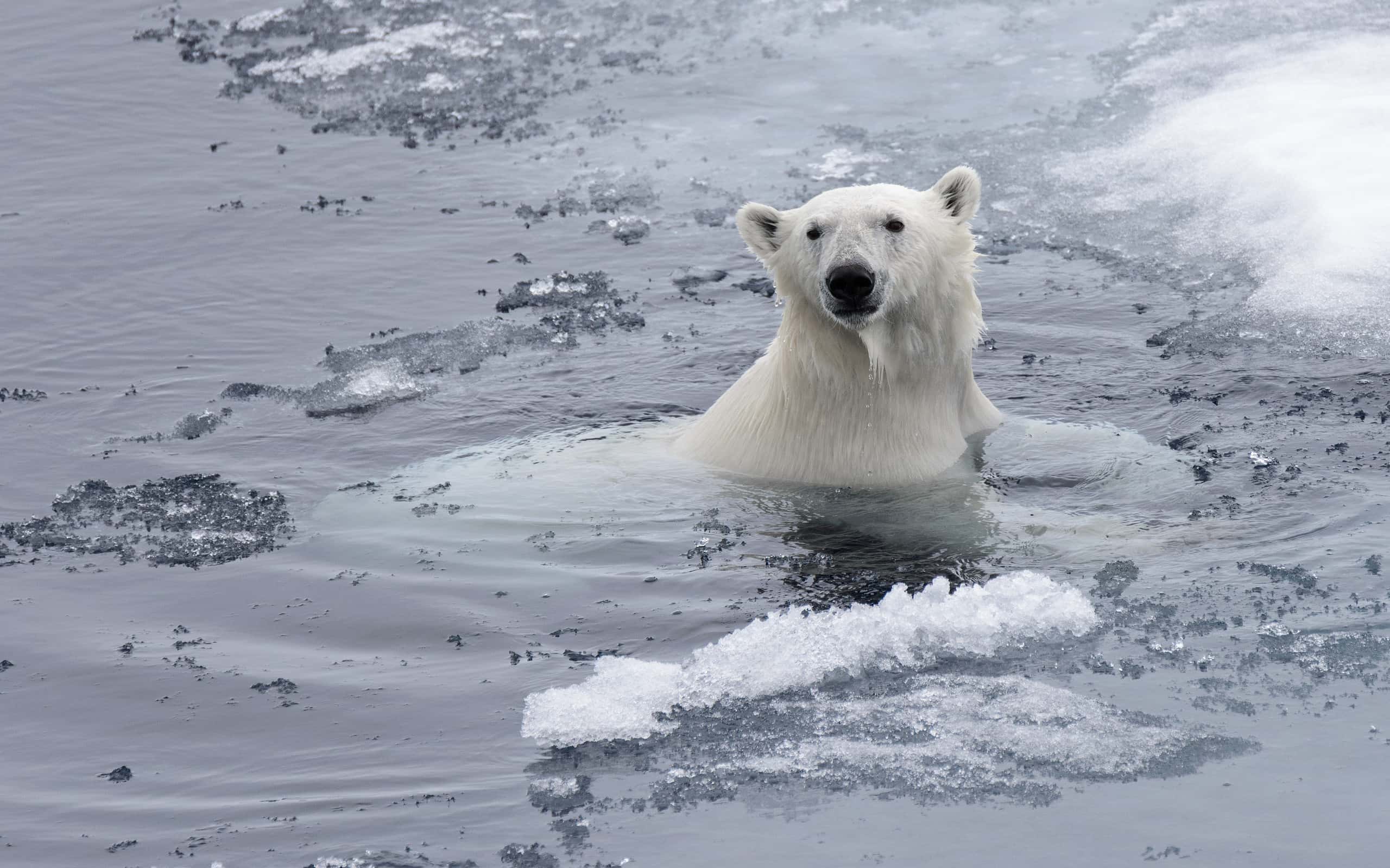
Polar bears are undergoing a unique evolutionary adaptation driven by extreme climate change.
©Bjorn H Stuedal/Shutterstock.com
But upon closer inspection, scientists discovered that this sheer force of will may not be the only thing keeping polar bears alive. Survival is a powerful instinct, capable of altering anatomy on a cellular level. Periods of extreme stress, the threat of starvation, and the need to reproduce all spur these changes. This feral mutation has enabled several species to survive conditions that would otherwise kill them.
One example of this is the octopus, which changes its RNA (Ribonucleic Acid), which in turn affects its DNA. This happens in real time as the octopus responds to stress, giving it the best chance at survival. Tardigrades are another animal that changes its DNA, producing natural radiation shields. And now, polar bears are responding to warming temperatures, which prompt all three of their stress responses.
How Does a Polar Bear’s New DNA Help?
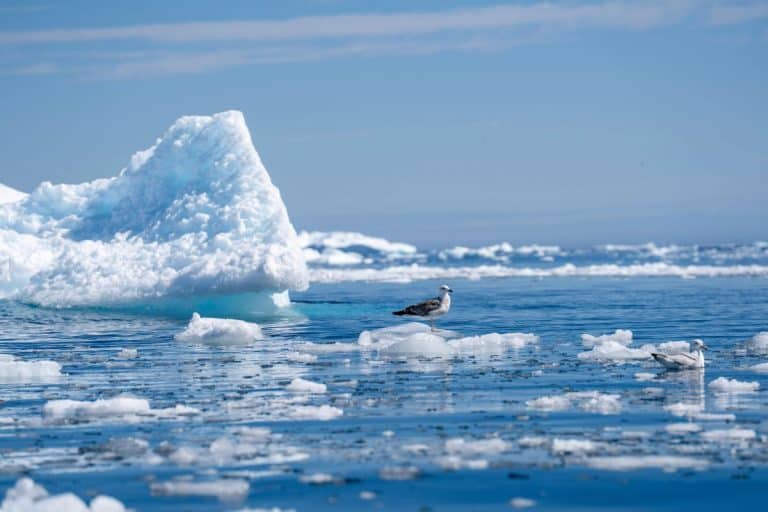
Although DNA shifting is a polar bear’s radical and extreme response to a changing environment, this response actually benefits them. This extremely rare DNA change protects the species more than it harms them. In this case, experts believe this new DNA may affect a polar bear’s diet. If this is accurate, then polar bears could theoretically begin consuming plants in lieu of meat. This menu change is a stress response to melting ice caps, which reduce a polar bear’s ability to hunt. Without hunting, they can’t catch seals, whales, and other marine life, which prevents them from building up fat stores.

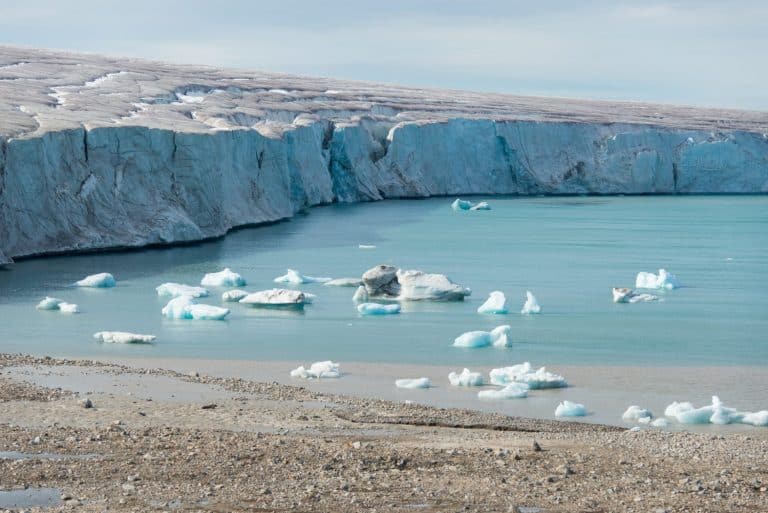
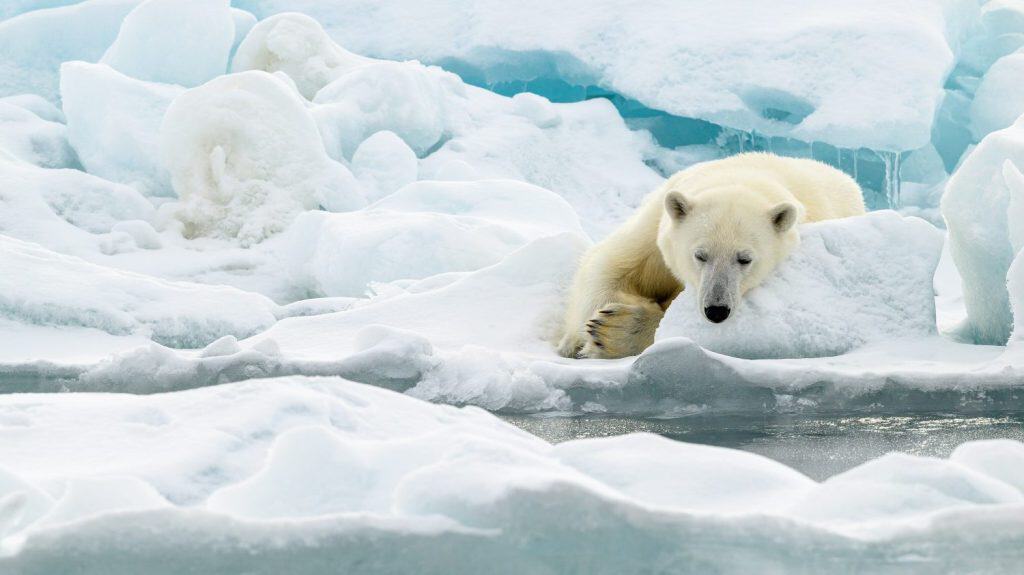
Melting ice caps make it increasingly difficult for polar bears to hunt, which quickly diminishes their food source.
©Mario_Hoppmann/iStock via Getty Images
The dietary switch to an omnivorous diet ensures they survive the winter. However, it also helps them adapt to an ever-changing climate. As temperatures climb, polar bears need fewer fat reserves, which equates to fewer fatty meals (such as seals), allowing them to consume lower calorie plants. Unfortunately, as we’ve already seen in other bear species, shorter, warmer winters also mean shorter hibernation. In Greenland, where this magnificent discovery was made, these physiological changes could mean a significantly different lifestyle for its native polar bears.
While polar bears are not the first animals to alter their DNA, they are the first ones known to change it in the face of climate change. The University of East Anglia sent a team from the U.K. to study the genetics of Greenland polar bears. The researchers analyzed the DNA of 17 adult polar bears from different regions of Greenland and found genetic differences that may be linked to adaptation to warmer climates. With the recent loss of Greenland’s ice shelves, these polar bears have already responded to the change at the biological level.
Why a Polar Bear’s “Jumping Genes” Are a Warning
The change in DNA sequence may indicate that polar bears are trying to survive. Sadly, according to experts, it doesn’t mean they will. Molecular biologist Alice Godden told The Guardian that no one should be complacent. She explains that the shift offers hope but does not mean polar bears are any less at risk of extinction. Experts say that if anything, this is the time to ramp up efforts to combat emissions, not slow down.
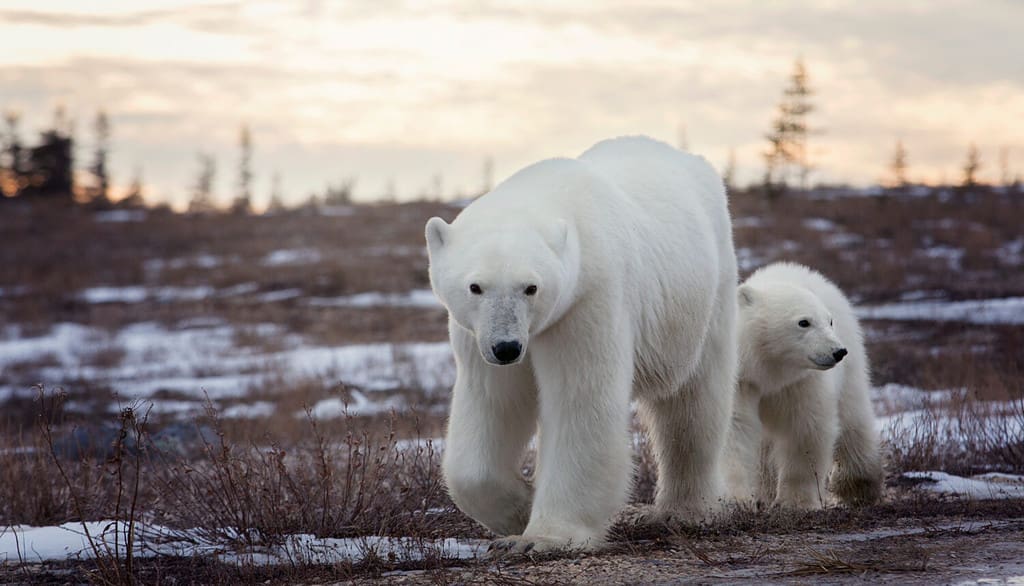
There’s no way to know if these “jumping genes” will ensure polar bears’ survival.
©critterbiz/Shutterstock.com
Research is ongoing, but current findings indicate that these “jumping genes” are responsible for rearranging a polar bear’s DNA. Their impermanence allows them to move around, altering the animal’s physiology. As this happens, polar bears will carry this new DNA into the mating season. When they reproduce, their cubs then inherit this new DNA, and the cycle continues. In a perfect world, this alone would ensure their survival. However, in the animal kingdom, where climate change affects every living thing, it’s a wild card.
Polar Bears Are Still Running Out of Time
This is no ordinary evolutionary adaptation, and it should not be treated like one. While polar bears are just now adapting to intensifying climates, these evolutions take years. Time is not on their side, which is why many experts are cautioning against excessive optimism. This amazing gene shifting doesn’t prove that animals will adapt and survive; instead, it shows that polar bears have a chance but no guarantee of survival.
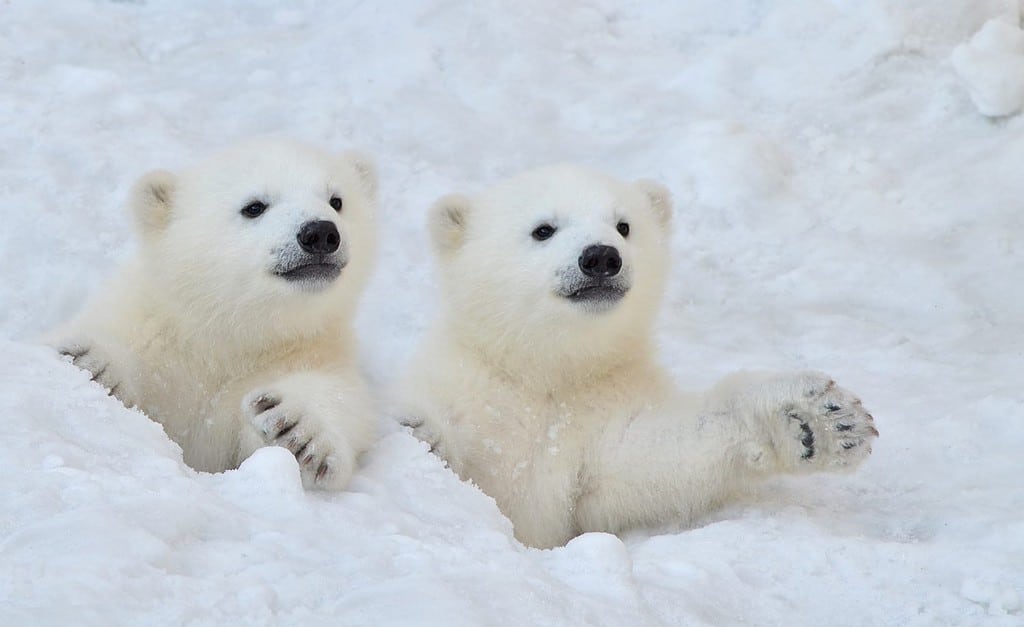
Like many other Arctic species, polar bears are running out of time to adapt to rising temperatures.
©evaurban/Shutterstock.com
Anatomical changes in DNA are also a significant red flag for other species. There’s no way to know whether other animals, especially in the Arctic, will undergo the same dramatic changes. Polar bears can rely on plants for sustenance, but how does this apply to marine life? Even more, how will smaller mammals, such as Arctic foxes and wolves, adapt to climate change? Carnivores face harsher consequences from rising temperatures, primarily in the tundra, where snow and ice are essential to hunting.
Future Conservation for Arctic Wildlife
This new DNA discovery is being called a “genetic blueprint” for future polar bears. It offers some comfort to conservationists, who are optimistic that the species can overcome challenges. As of the most recent studies, many polar bear species are slated to become extinct by 2100. This number is based on current levels of greenhouse gas emissions, assuming no significant reduction. Given the newest DNA data, this number may change in the future. Nothing is confirmed, but it does serve as a bright light amid the tragedy of climate change.
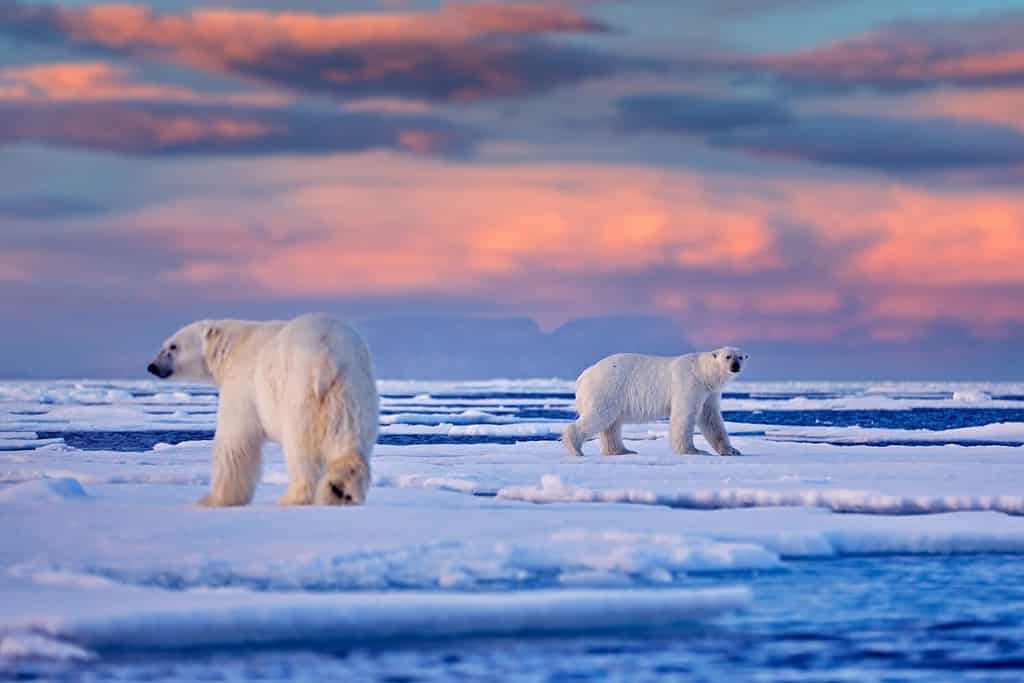
The discovery sets the stage for a new timeline in which polar bears are forced to change their lifestyles.
©Ondrej Prosicky/Shutterstock.com
As for the Arctic’s other wildlife, their futures remain to be seen. DNA shifts may occur in other mammals, though, as of now, it is crucial to remember that this change is occurring in one place in the world. Greenland has undergone a severe change in its landscape, losing 266 billion tons of ice per year in recent years. The environmental conditions there are extreme, which is why we’re seeing such equally extreme responses from its wildlife.
If nothing else, it makes one thing clear: Conservation efforts in the Arctic must be ongoing. It’s vital, now more than ever, that we protect Arctic wildlife outside Greenland, knowing that not every animal has these extreme biological adaptations. And, even if they do, it doesn’t mean they have enough time to use them.