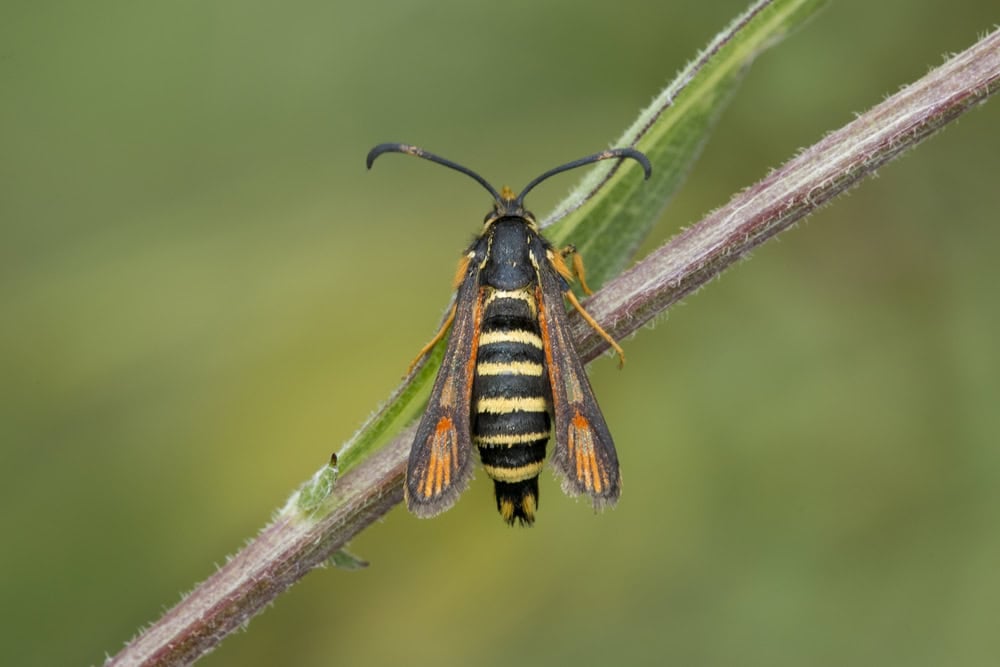

A moth that looks suspiciously like a wasp is making headlines in the UK for all the right reasons. The six-belted clearwing has been spotted at a nature reserve, making it the first such reserve to record over 10,000 species. In a country where the wildlife is facing unprecedented challenges, this is excellent news!
About the Wicken Fen National Nature Reserve
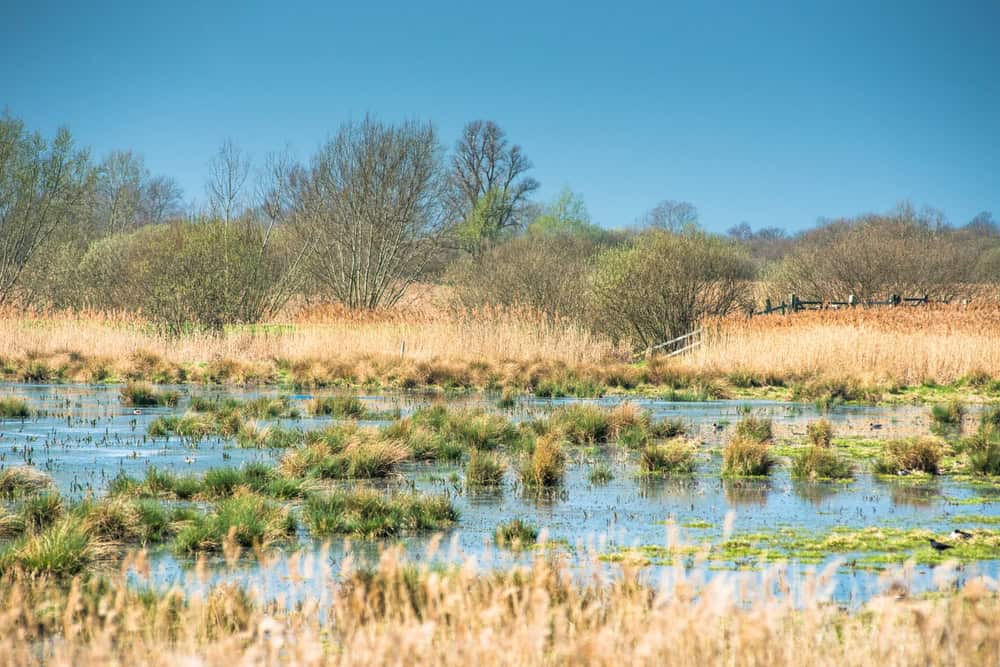
Wicken Fen National Nature Reserve has 10,000 species.
©Robert Harding Video/Shutterstock.com
The Wicken Fen National Nature Reserve is located in Cambridgeshire, England. It is one of Europe’s most important wetlands. It is owned by the National Trust and was first opened in 1899. Over the years, it has expanded and now covers over 2000 acres. The Fens area was formed when sea levels rose at the end of the last Ice Age, about 12,000 years ago. As drainage of the area was halted by the ice, the remains of dead plants built up in the waterlogged ground and formed peat. Today, it is an area rich in biological diversity.
New Discoveries
According to an article in Good News Network, 13 new species were discovered during the 20th century at the reserve. Records date back 200 years, but reports have surged over the last 25 years. The National Trust has maintained a central biodiversity checklist since 1999. During that time, the reserve has more than tripled in size, and the area’s biodiversity has flourished. The reserve is home to water scorpions, water voles, and glow-worms, among many other species.
The species that tipped them into the record books is the six-belted clearwing moth (Bembecia ichneumoniformis). They are a small moth with a wingspan of under an inch. The body is black, and the males have six yellow bands, but the females have only five. Both have orange scales on the tips and along the central bar of the forewings, as well as mostly yellow legs. The caterpillars feed on Bird’s-foot-trefoil (Lotus corniculatus) and Kidney Vetch (Anthyllis vulneraria). Thanks to a new joint venture with The Nature Recovery Project, it is hoped that the reserve will continue to attract rare species like this.