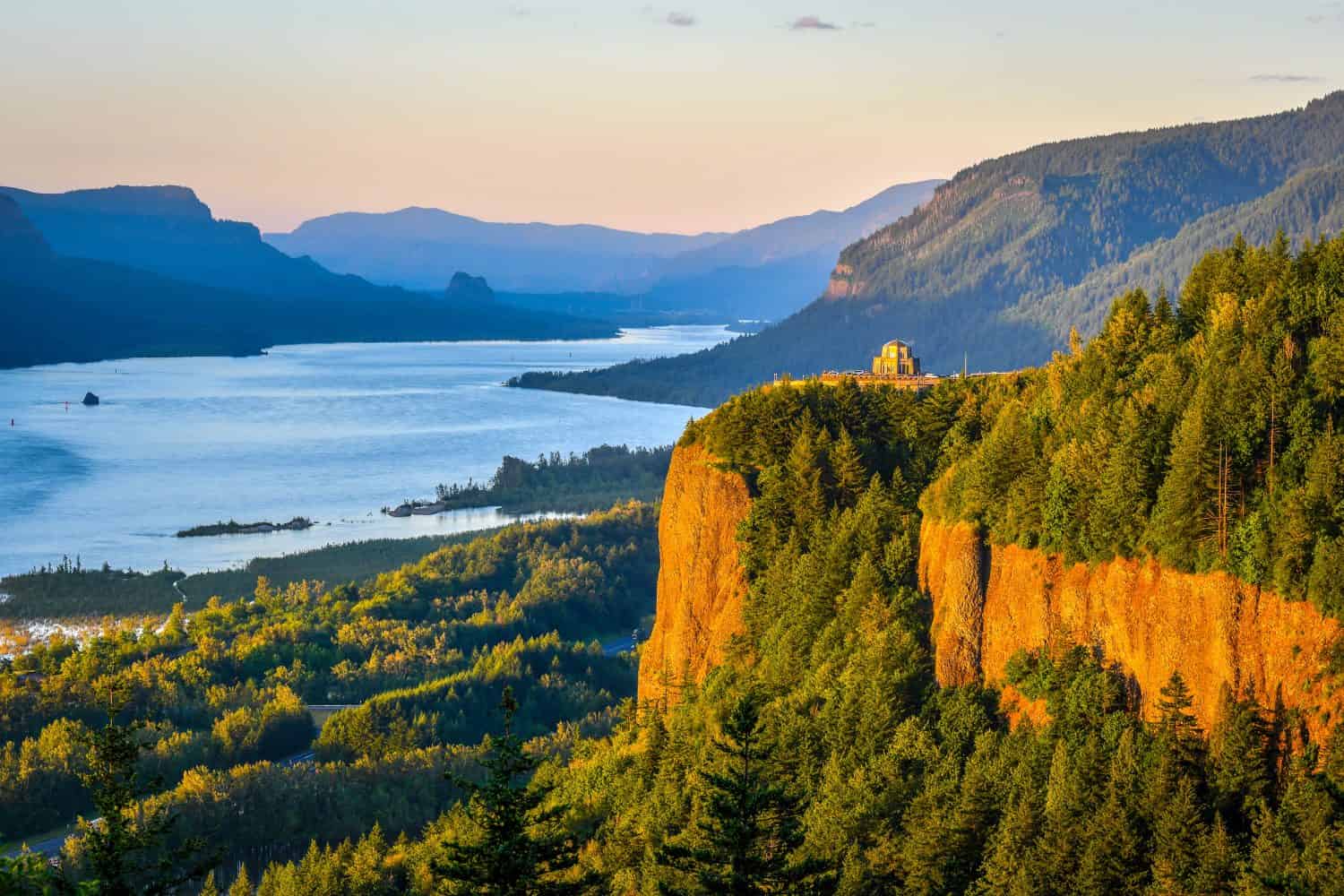

There’s no waterway in the Pacific Northwest quite as majestic or lengthy as the Columbia River. It runs 1,243 miles, forming in the Rocky Mountains of British Columbia before flowing southwest. Then it turns south into the state of Washington, balancing along the border with Oregon before unloading in the cool waters of the Pacific Ocean. Not only is it the largest river in the Pacific Northwest and the fourth-largest river in the United States, but it also has a drainage basin approximately the size of France. The Columbia River and its tributaries have been a foundational force in human activity in the region for hundreds, if not thousands, of years. That’s for good reason. The Columbia River is teeming with life of all shapes and sizes.
European explorers may have documented their discovery of the Columbia River in the late 18th century, but the river has been a part of indigenous life for millennia. It is called ‘Wimahl’ or ‘Wimal’ in the Upper Chinook language, and ‘Nch’i-Wàna’ in the Sahaptin language. European settlers slowly made inroads into the river’s farther inland regions, and the land alongside it became more developed in scattered regions. It took the arrival of railroads in the late 19th century to bridge the gaps.
Now, the Columbia River is a powerhouse of both the public and private sectors. Besides locks for shipping channels, there are 14 hydroelectric dams on the main part of the river, and even more on its tributaries. These power stations account for about 30-40% of the total U.S. hydroelectric generation. Despite this development, the Columbia River is still teeming with life. There are several notable species that live in, around, or alongside the river. Let’s discover more about them.
White Sturgeon
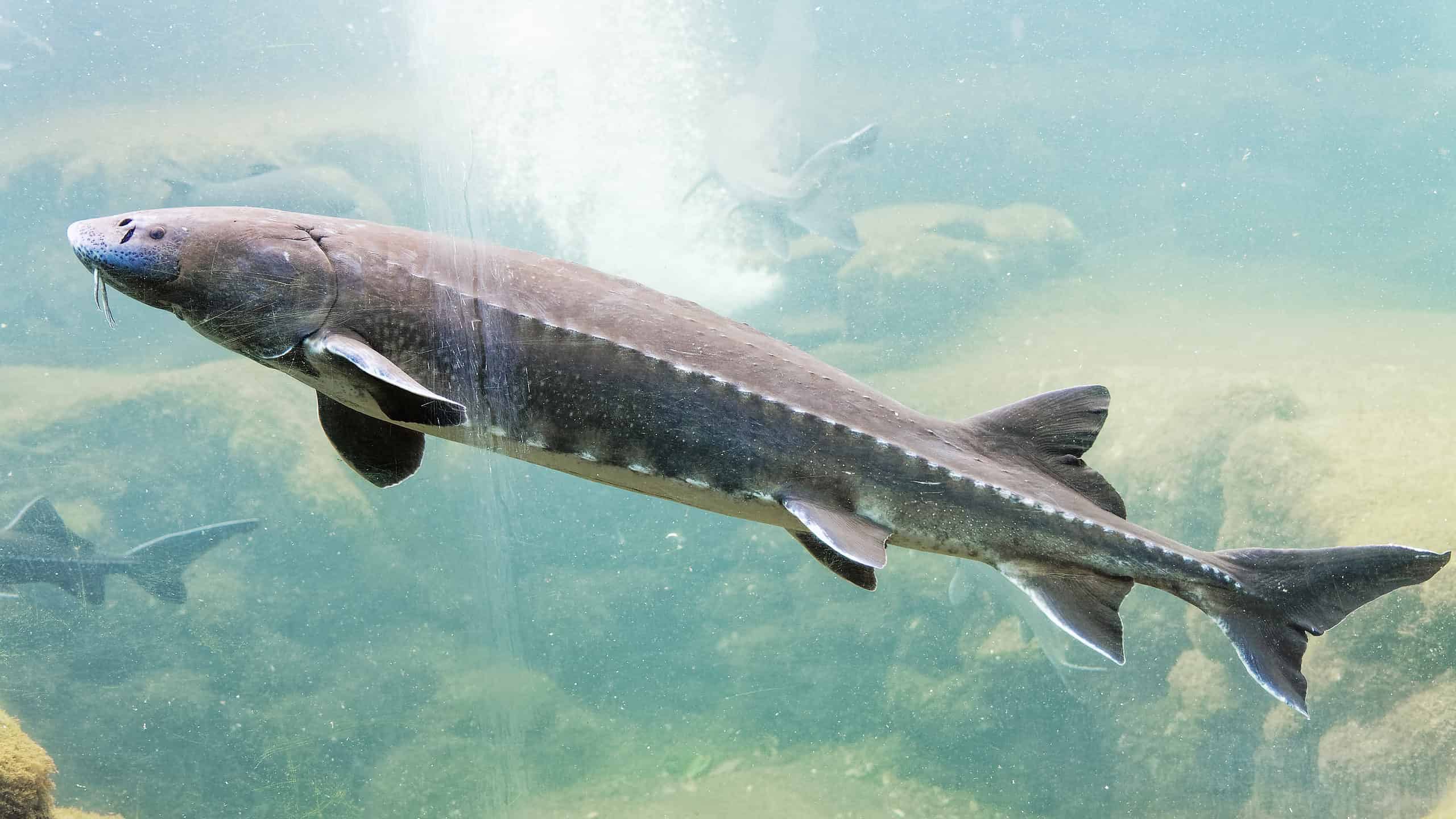
They may look like catfish, but white sturgeon can grow to over 10 feet long.
©Thesupermat, CC BY-SA 4.0 <https://creativecommons.org/licenses/by-sa/4.0>, via Wikimedia Commons - Original / License
No matter what measurement system you use, you’ll find that white sturgeons are the largest freshwater fish in North America. They can grow to over 10 feet long and weigh up to 1,000 pounds. What’s more, they can live for over 100 years. They are anadromous, which means they move between freshwater and brackish water. But they spend most of their time in the main part of the Columbia River. There, they use sensory appendages called barbels to detect small fish, crayfish, clams, and other creatures to eat.
Historically, sturgeon lived throughout the Columbia River’s winding bends, from its mouth near Astoria, Oregon, to Kettle Falls. These days, however, sturgeon are hampered by the various dams along the river. This has reduced their spawning grounds and blocked a considerable amount of migration. Luckily, they can still be found in the Columbia River. They are typically found in the highest concentration below the Bonneville Dam.
There, a fishery is in place to control how many sturgeon people can catch. Native Americans used them as a main food source in the 1800s. Overfishing in the early 1900s for caviar, however, nearly drove white sturgeon to extinction. Even with restrictions in place, sturgeon fishing remains a popular pastime in the area. The only problem is that selling wild white sturgeon and their eggs remains illegal in California, even if it’s legal to buy farm-raised white sturgeon caviar. As such, poaching remains an issue. Though fishing for sturgeon in the Columbia River is mostly restricted to catch and release, it remains one of the most requested features of tourist and fishing guiding services along the river.
Northern Pikeminnow
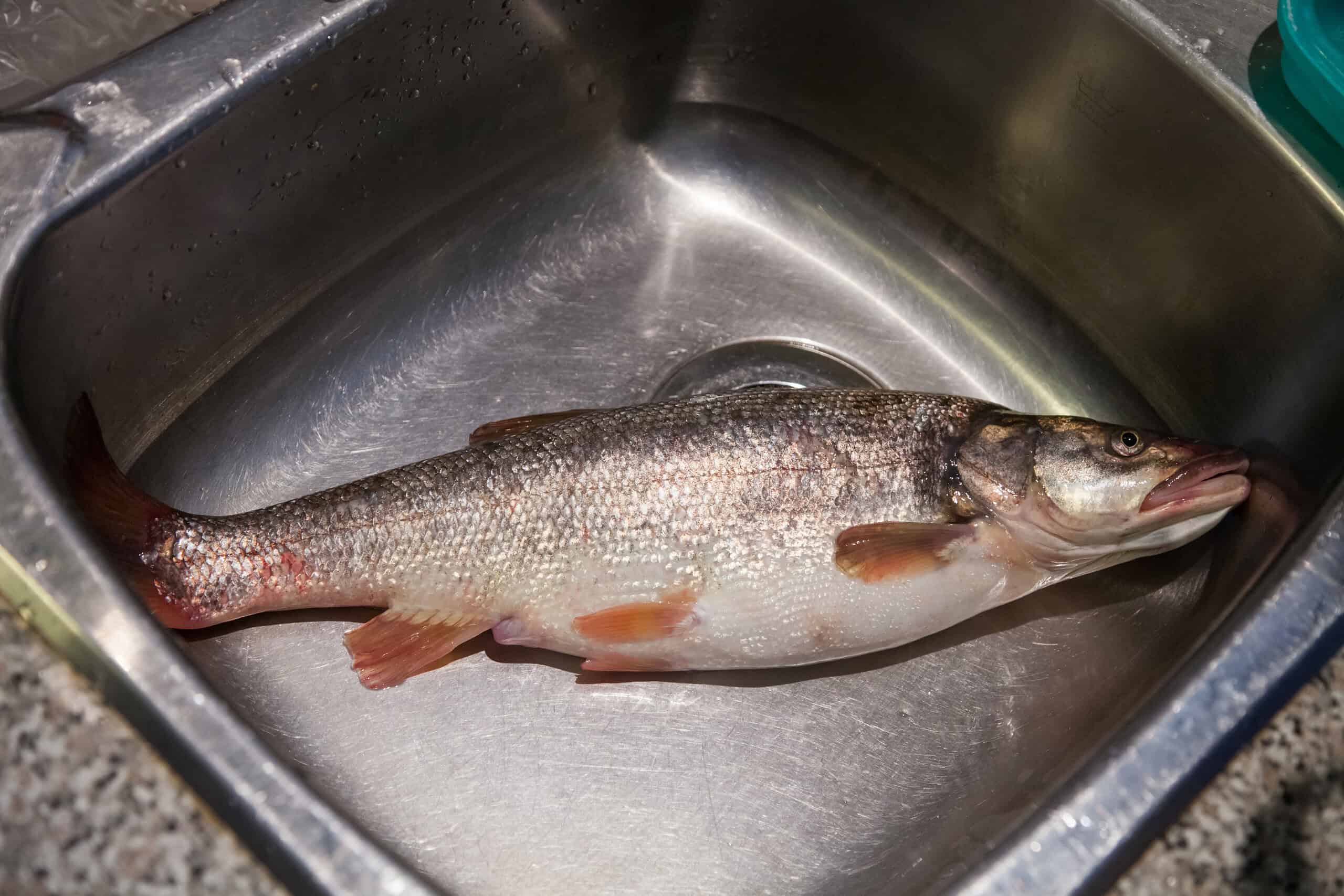
Northern Pikeminnows are one of the most effective predators in the Columbia River.
©Feng Yu/Shutterstock.com
One of the most common predatory fish in the Columbia River is the Northern Pikeminnow. They were originally known by a different name, which was changed because it was analogous to a slur for Native Americans. Northern Pikeminnows can grow to a considerable size but are small relative to other fish in the river, like white sturgeon. Females can lay up to 30,000 eggs annually. They are arguably one of the most feared predators in the Columbia River because they consume a wide variety of fish. Plus, the development of the Columbia River hydropower system caused their populations to flourish in nearby reservoirs. They are devastating to the fish populations in the area, especially salmon. Estimates suggest that Northern Pikeminnows consume up to 650,000 salmon and trout per year, considerably reducing their numbers.
While they aren’t a prized fish by anglers or culinary tastes, their effect on other fish populations in the Columbia River makes them a target. In recent years, the Washington and Oregon state fishery agencies have put a bounty on Northern Pikeminnows to incentivize reducing their numbers. This is supposed to help protect already vulnerable wild salmon populations in the area. Despite claims that Northern Pikeminnows can grow up to three feet long and weigh over 10 pounds, the all-tackle world record for a caught Northern Pikeminnow is seven pounds and 14 ounces.
Pacific Lamprey
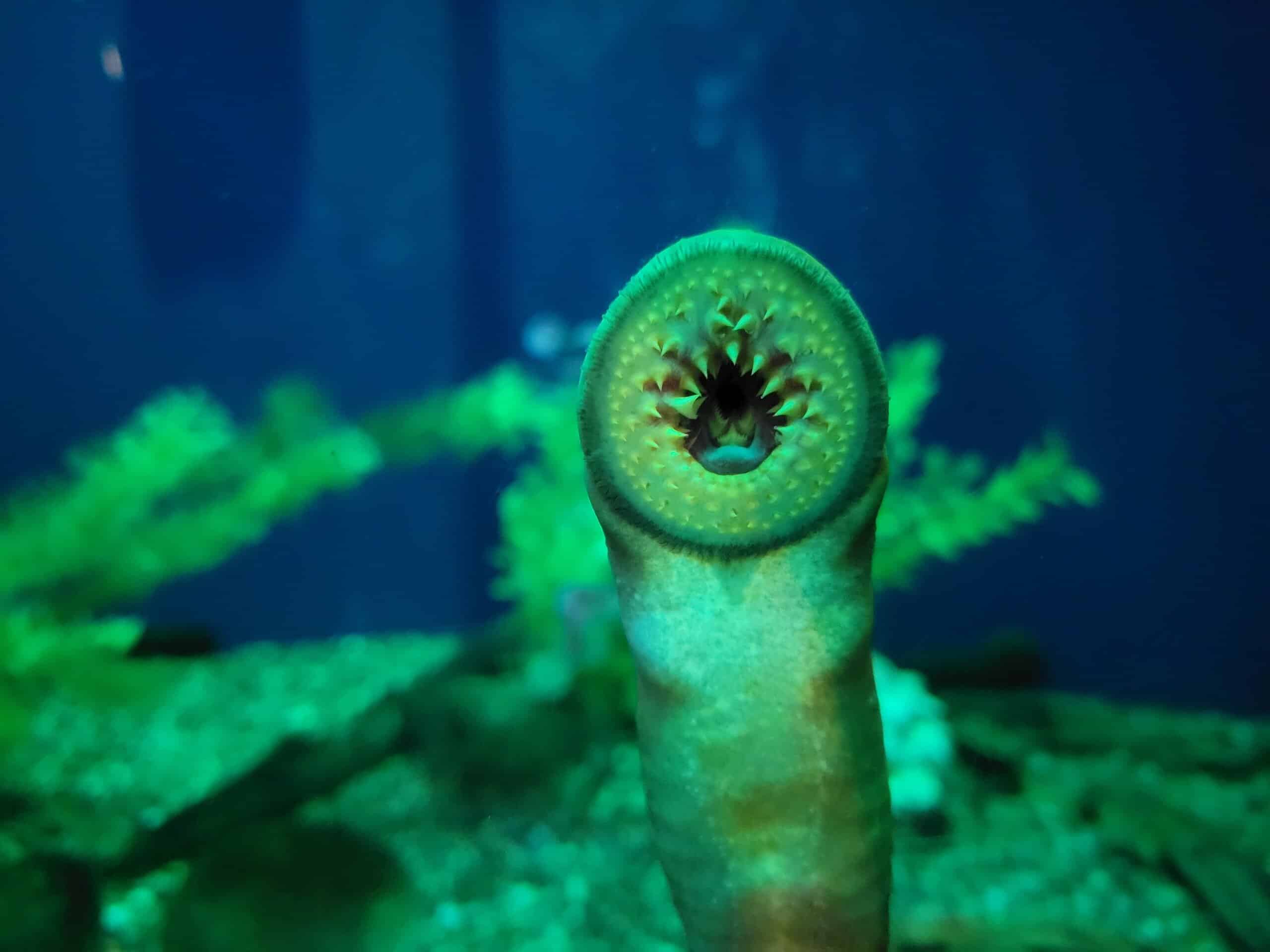
Pacific Lampreys are parasites, but they also help maintain the Columbia River and feed its indigenous communities.
©Avdey/Shutterstock.com
There is no fish quite as terrifying-looking as the Pacific Lamprey. A parasitic, jawless fish, Pacific Lampreys look like fish with their heads cut off, leaving only a circular, anemone-like sucker organ containing three sharp teeth. Like white sturgeon, Pacific Lampreys are anadromous. While they live all over the Pacific Rim, they have lifecycles similar to salmon. Adult Pacific Lampreys migrate from the ocean to rivers like the Columbia River, where they spawn. Pacific Lamprey offspring, however, spend years in the river’s sediment. Maturity brings shocking changes. They develop a sucker-like suction cup mouth area, which they use to attach and parasitically feed on fish. Despite their unnerving appearance, Pacific Lampreys are an integral part of the Columbia River ecosystem for both wildlife and people.
In life, they may be vampires, but in death, Pacific Lampreys function as important nutrient recyclers. Their bodies enrich the river systems by feeding the riparian vegetation on their bottoms. Pacific Lampreys also serve as a staple food for indigenous tribes in the Columbia River Basin. Due to their high caloric content, lampreys are traditionally fed to babies. They are also used in communal feasts. The increase in dams along the Columbia River has blocked Pacific Lamprey migration routes, severely impacting populations. Luckily, some programs are in place to help bring back their numbers.
Western Pond Turtle
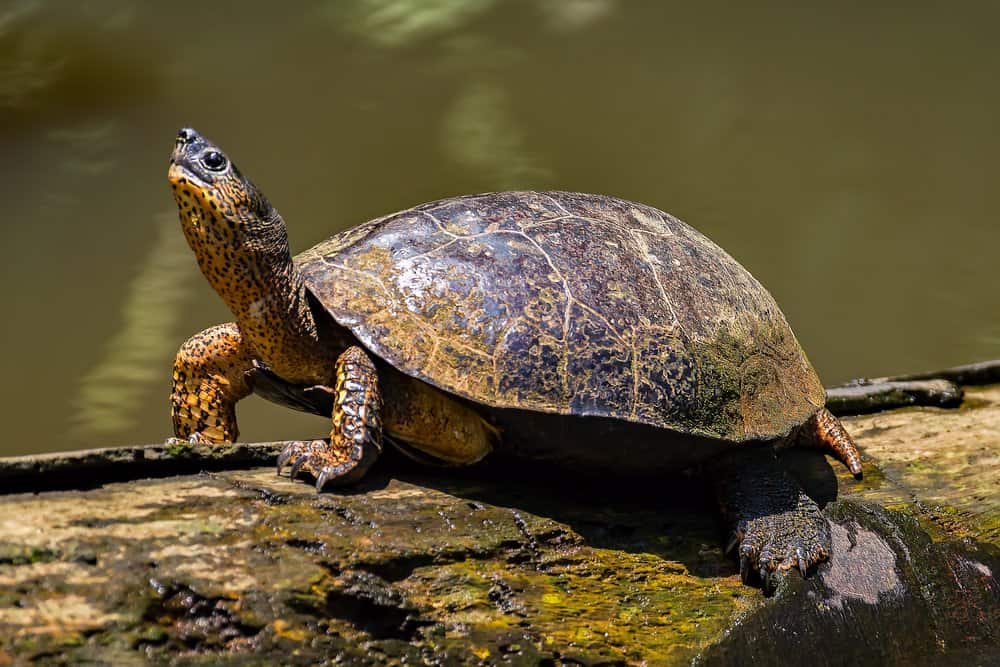
Western Pond Turtles, once common along the Pacific Coast, have become a threatened species due to predation and habitat destruction/modification.
©UlyssePixel/Shutterstock.com
One of the rarest but most symbolic members of the Columbia River basin is the Western Pond Turtle. It is omnivorous, feeding on everything from fish to crayfish and insects. Once found all the way from Baja California up to Canada, Western Pond Turtles now face dwindling numbers due to predation, as well as habitat destruction and modification. They were once found regularly along the length of the Columbia River. They thrive in areas with ample water sources, preferring streams, lakes, and wetlands. Western Pond Turtles can still be seen in the lower regions of the river where temperatures are higher on average. However, the Washington Wildlife Commission considers Western Pond Turtles to be a state-listed threatened species.
Walleye
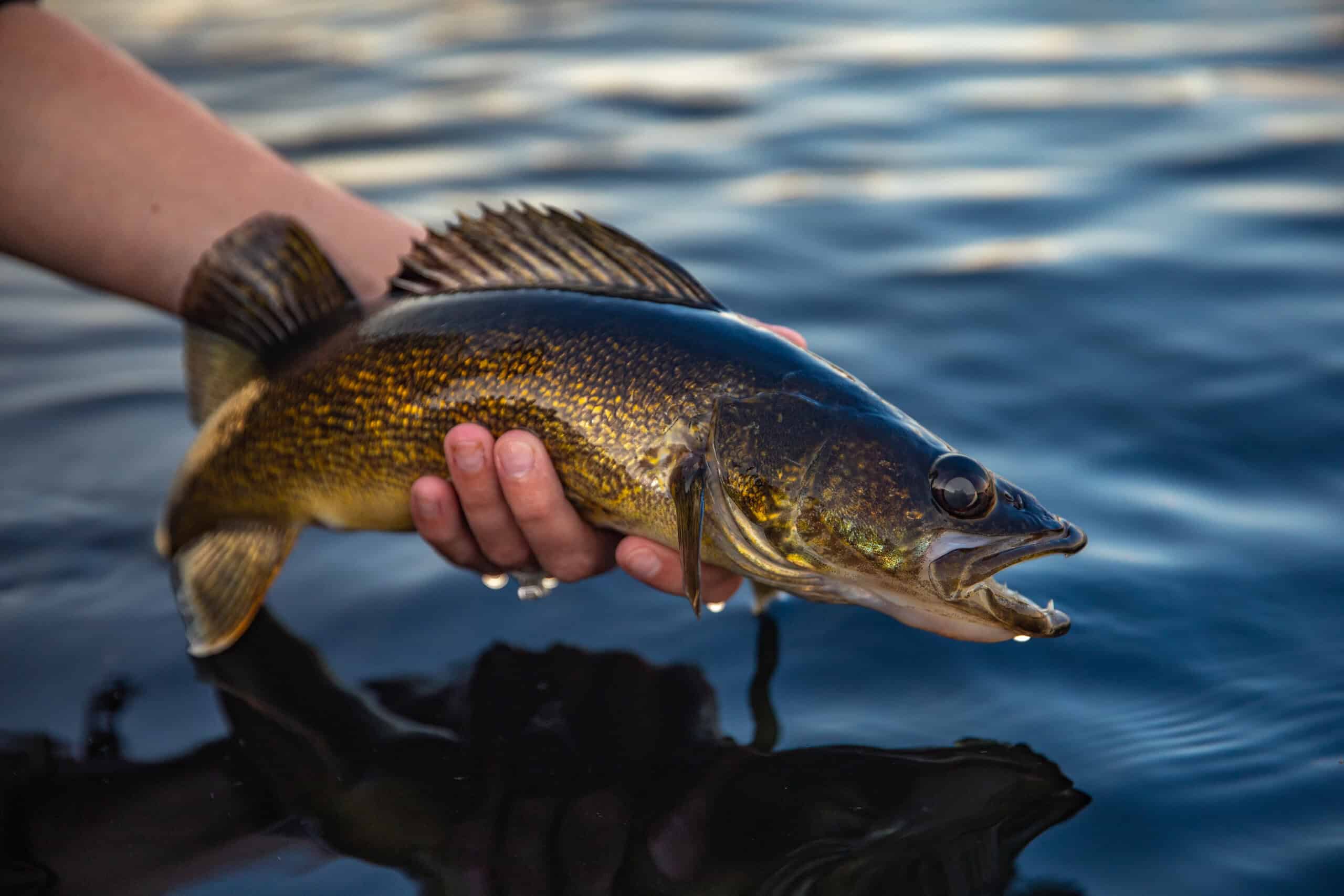
Walleyes may not be native to the Columbia River, but they thrive in its cool, deep waters.
©Harlan Schwartz/Shutterstock.com
As freshwater fish and members of the perch family, walleyes are native to parts of Canada, the Great Lakes, and the upper Mississippi River Basin. In the last century, however, people have introduced walleyes to the Columbia River. They took to it like a fish to water because the Columbia River features their preferred environment of cool and deep waterways. Though they are mostly active at night, spending their days under logs or tree roots, they remain a staple for fishermen. That’s because they don’t put up much fight when hooked by a fishing line, and they have a great taste when fried.
North American River Otter
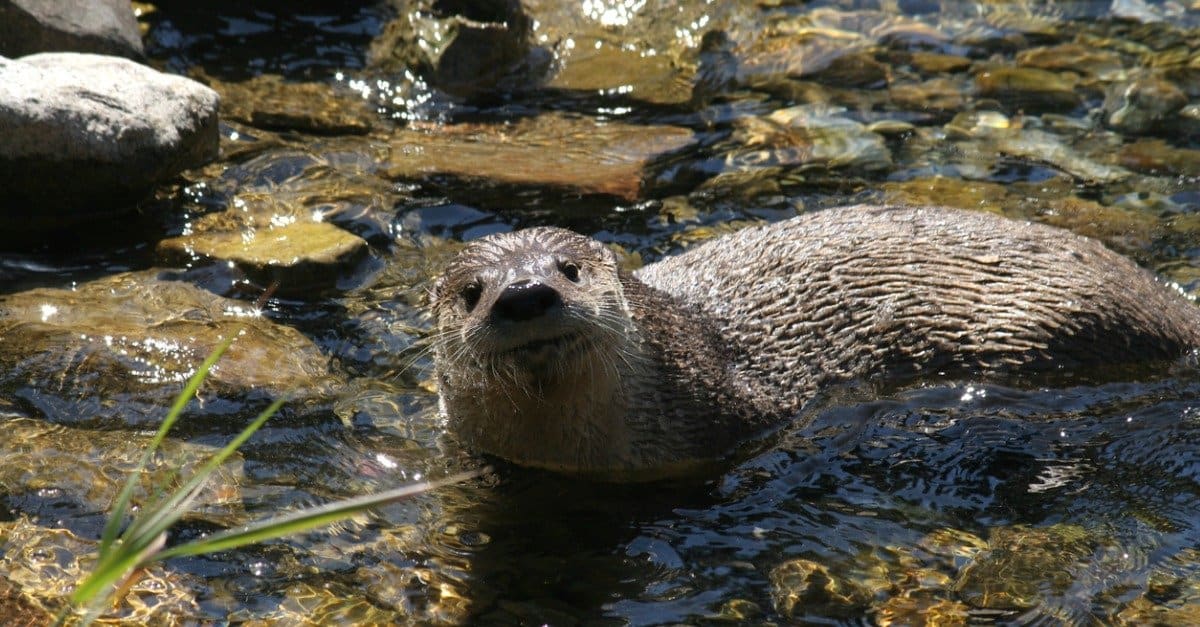
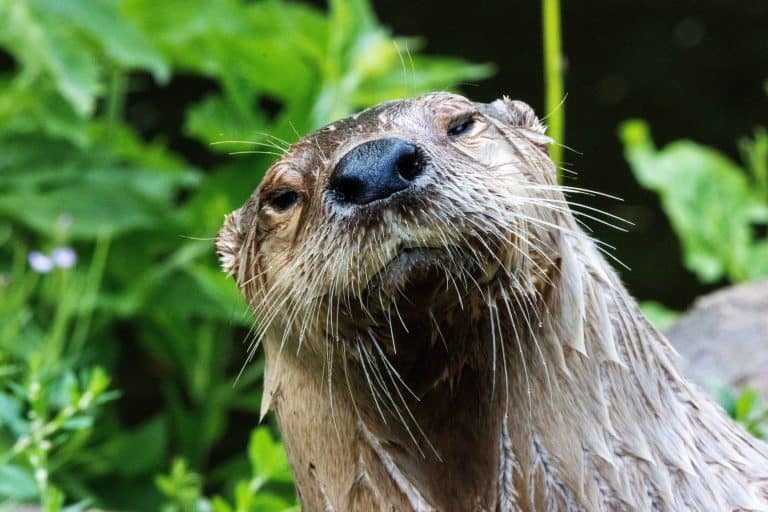
River Otters avoid polluted areas, so scientists consider their presence an indicator of good river health.
©iStock.com/MarcQuebec
No list of freshwater creatures in North America would be complete without mentioning the North American River Otter. A member of the weasel family, river otters often build burrows along the water’s edge. From there, they venture out in the waterways and adeptly catch fish. Though decades of unregulated fur trade reduced the number of North American River Otters, recent conservation efforts have successfully brought their populations back up. These resourceful rodents are typically found in the lower Columbia River region. Scientists consider their presence a barometer of water health because North American River Otters avoid both polluted and developed areas.
Chinook Salmon
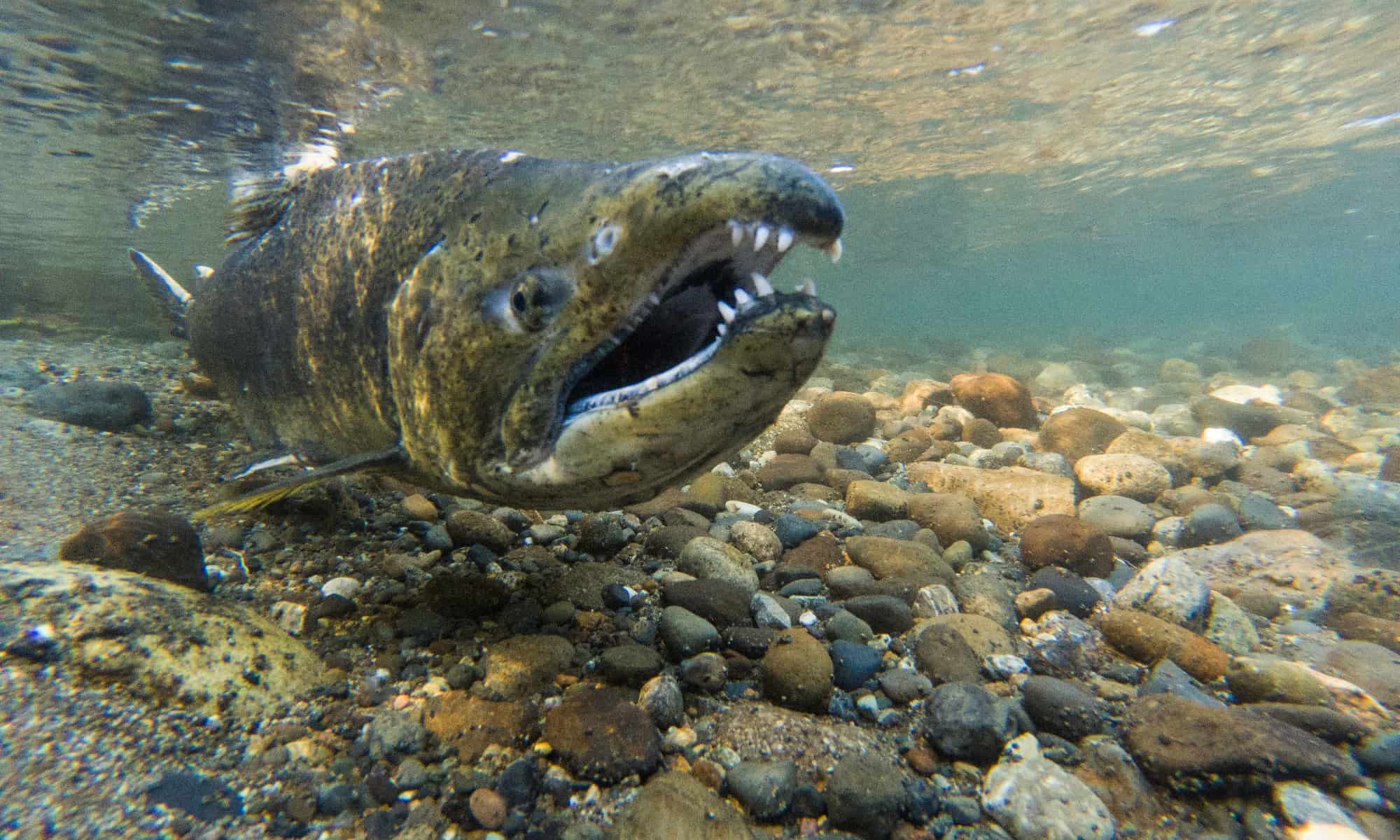
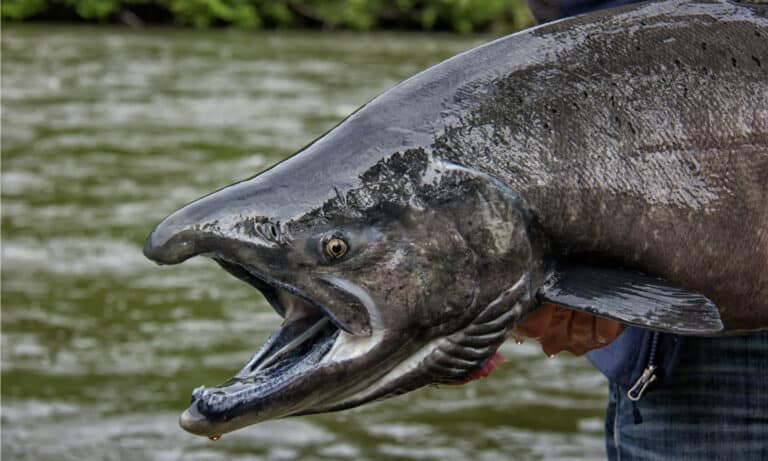
These salmon are the biggest of the Pacific Salmon species.
©Kevin Cass/Shutterstock.com
Chinook Salmon are perhaps the most enduring and defining species of the Columbia River and the Pacific Rim in general. Native to the western part of North America, ranging from the Ventura River in California up to the Kotzebue Sound in Alaska, the chinook salmon is a staple food of the region, even as their numbers dwindle. Also known as King Salmon, Chinook salmon have blue-green coloring on the back and top of their head and silver coloring on their sides and bellies.
They are known as King Salmon because they are the largest species of Pacific Salmon. While they typically range from 24 to 36 inches in length, they are known to be bigger. The current sport-caught world record for salmon is from a specimen caught in the Kenai River in Alaska. This salmon weighed nearly 100 pounds. Chinook Salmon meat can be white or pink, depending on their diet.
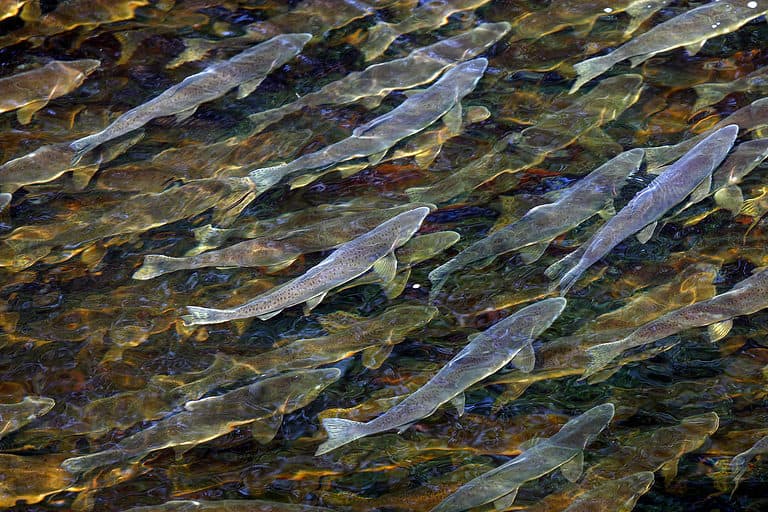
Like other fish in the Columbia River, Chinook salmon are anadromous. That means they travel hundreds of miles to the Pacific Ocean, only to return to spawn in the same river basin where they hatched. They once existed in populations with millions of individuals and fed both bears and indigenous tribes. In recent years, however, Chinook salmon numbers have steeply declined. Due to overfishing, climate change, and habitat destruction, Chinook salmon populations have shrunk up to 40% in areas where they once flourished. While they don’t have as big of population as they once did, Chinook salmon remain one of the most potent symbols of the Columbia River’s biodiversity.
Mountain Whitefish
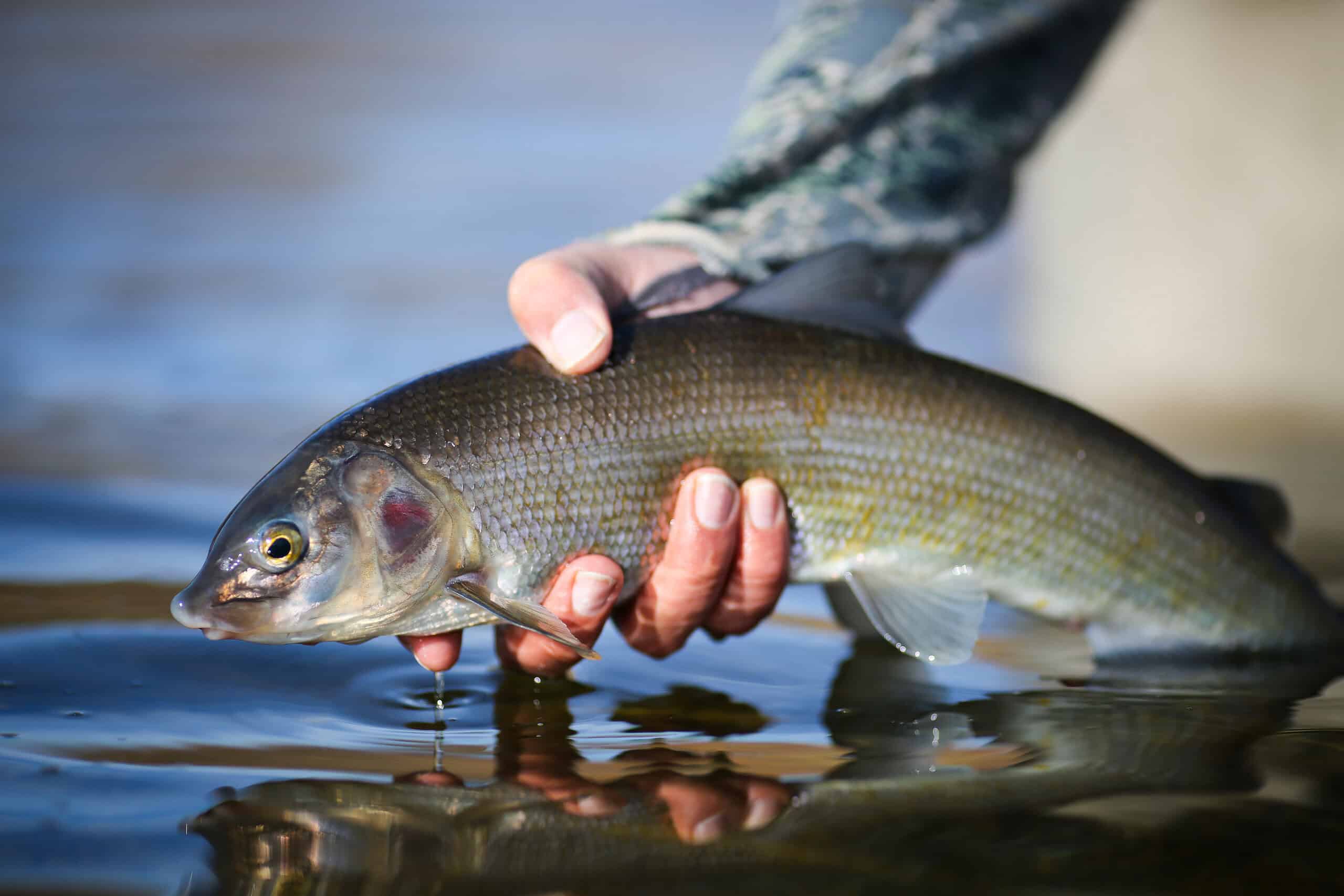
The presence of mountain whitefish signals healthy upper river tributaries.
©Cannon Colegrove/Shutterstock.com
While the presence of North American River Otters signals healthy water in the Lower Columbia River basin, mountain whitefish signal good, clean streams in the upper regions of the Columbia River. As members of the salmonid family, mountain whitefish have silver and olive-green colorings, forked tails, and short heads with small mouths. They prefer the lower depths of streams and rivers where they typically feed on snails, amphipods, and crayfish. Despite having relatively secure population numbers, mountain whitefish are misunderstood. Many fishermen and anglers consider them a ‘trash fish’, and therefore, a competition for more attractive game fish. In some areas, this has resulted in declining mountain whitefish populations due to actions by both fishing agencies and fishermen.
Western Rattlesnake
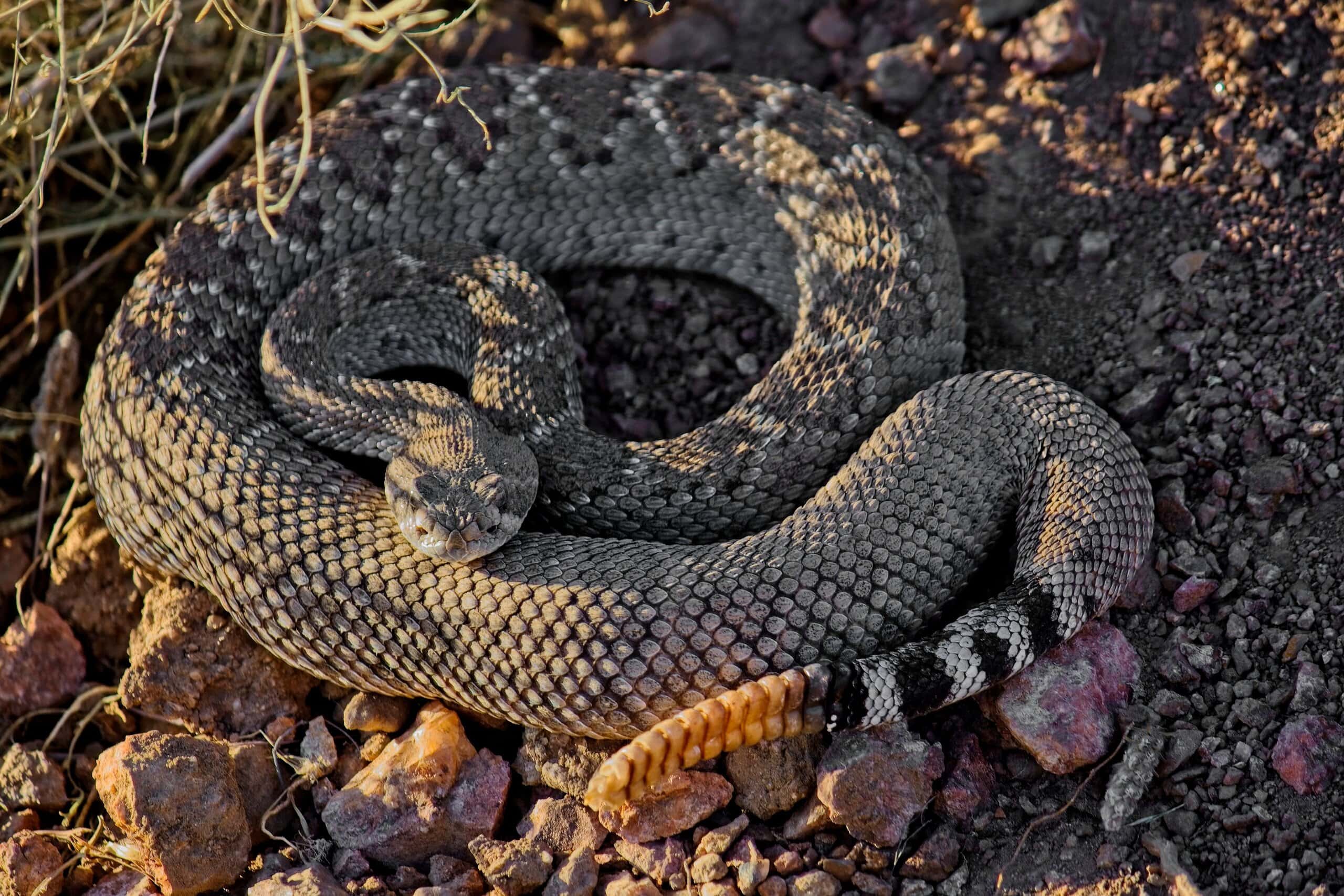
The western rattlesnake is one of the few types of rattlesnake found in the Pacific Northwest.
©Wirestock Creators/Shutterstock.com
The Columbia River may seem too far north to be home to any rattlesnakes, but the western rattlesnake enjoys relatively abundant populations in the area. They are characterized by a range of scale colors, including dark brown, olive-brown, and even yellow. Along with its presence in and around the Columbia River basin, western rattlesnakes are one of the few rattlesnake species left in Canada. They eat rabbits, small reptiles, and amphibians, making the water’s edge a perfect place to hunt. Typically shy, western rattlesnakes will defend their ground and can be incredibly dangerous. While their numbers have declined due to habitat loss in some areas, the state of Washington considers the western rattlesnake population to be “secure.”
Bald Eagle
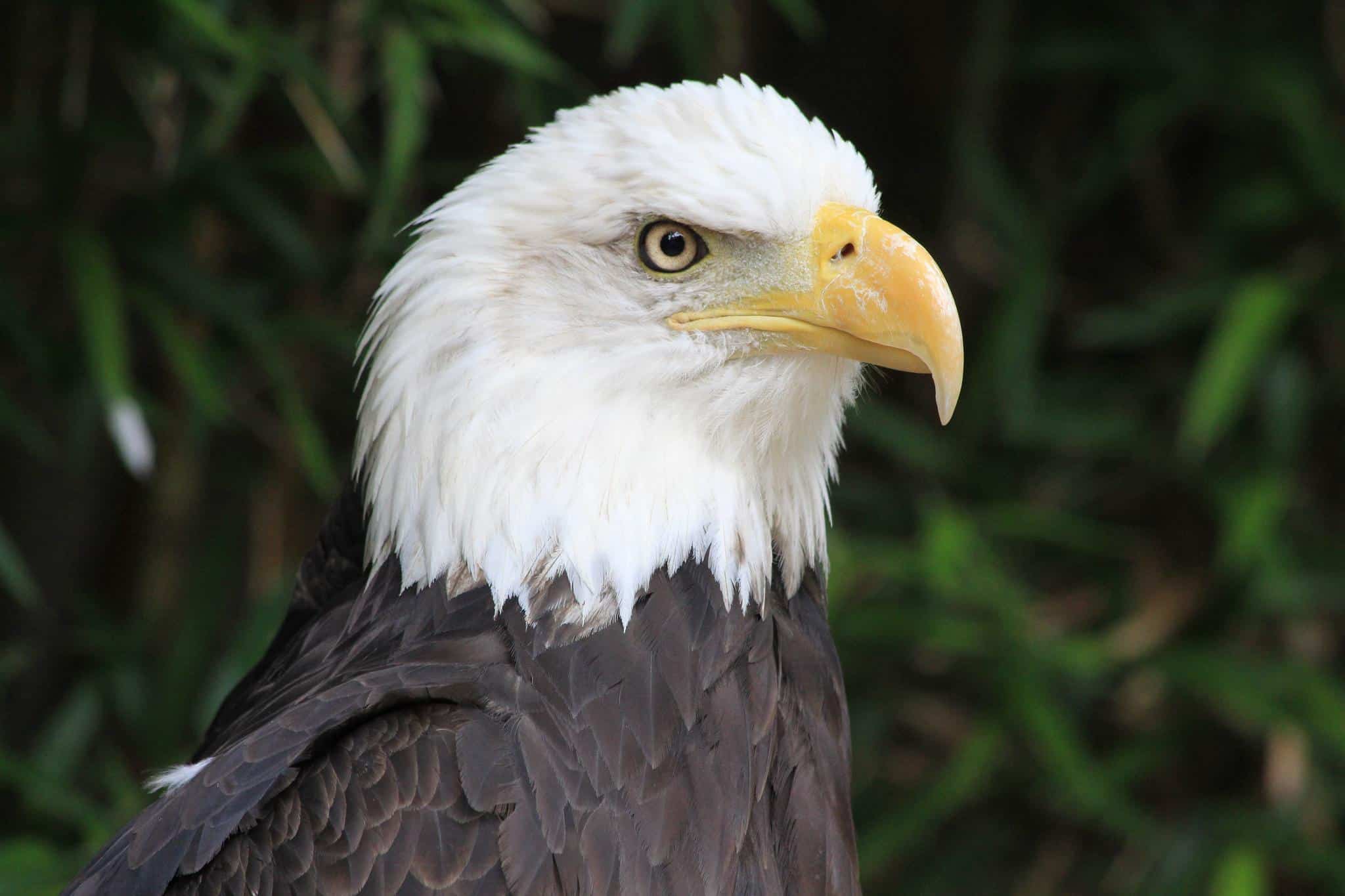
Bald Eagles like to hang out along the Columbia River in the wintertime to catch fish.
©Anthony / Flickr - Original
Here’s to the great Bald Eagle, that noble bird of prey. Not only is it the most recognizable symbol of the United States, but it is also a seasonal resident of the Columbia River basin. Bald eagles are social and shrewd birds of prey that love the Columbia River because of its abundant populations of fish. While they will eat rodents and crabs, bald eagles prefer fish over any other type of food. They typically migrate south in the winter and land around the different bends of the Columbia River and in its offshoot reservoirs. Truth be told, the Columbia River is one of the best places to spot them in the United States.
Steelhead Trout
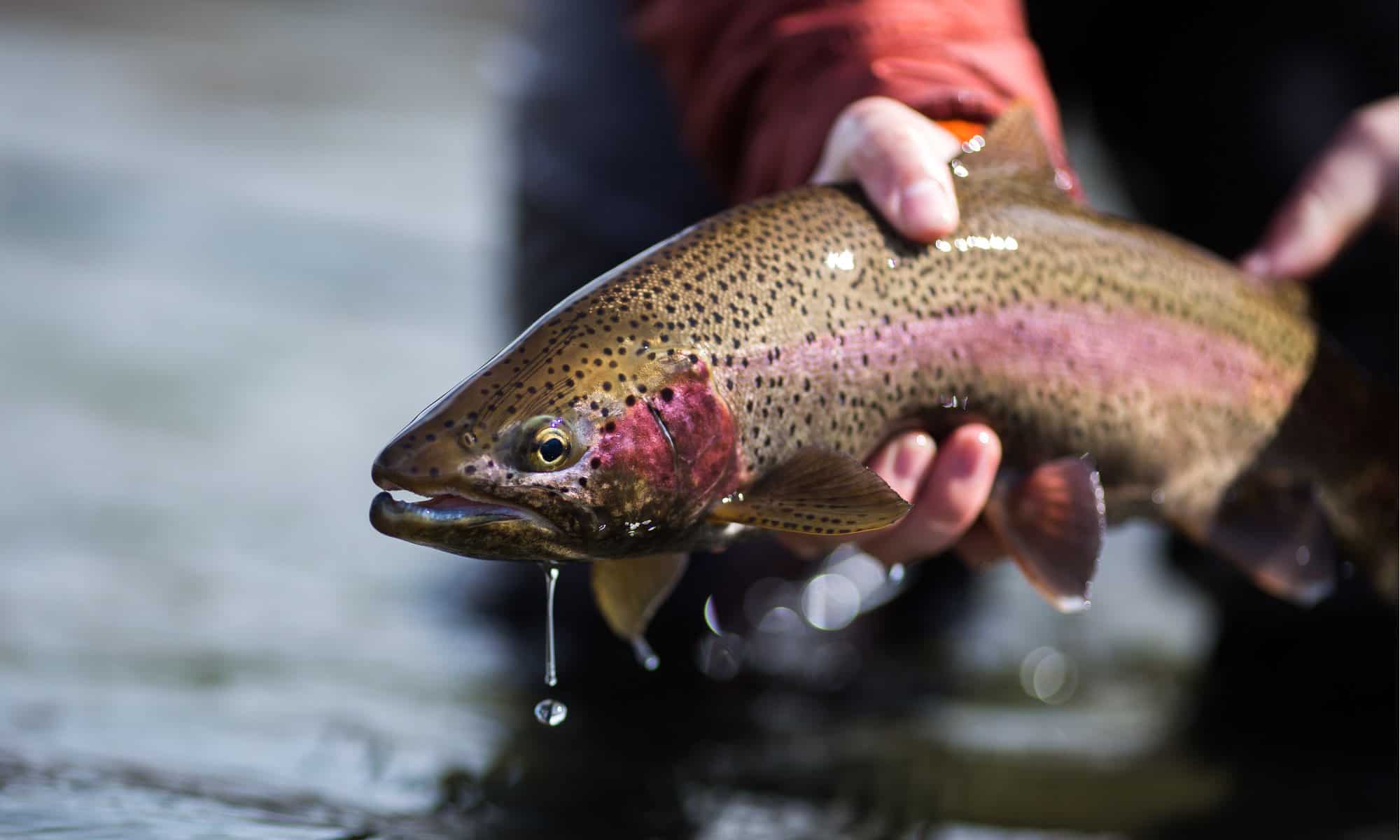
Unlike other migrating fish, steelhead trout can go back and forth between freshwater and the ocean several times during their lives.
©Cannon Colegrove/Shutterstock.com
Steelhead Trout are strong, sturdy, and built for endurance. Like other fish on this list, steelhead trout are born in the Pacific Northwest’s freshwater streams before heading to the ocean, where they spend several years. Once they reach maturity, they return to the freshwater sources from which they hatched to spawn. While salmon are pretty strong, steelhead trout are even stronger. They are known to leap waterfalls and dams while heading upriver. Unlike other migrating fish, steelhead trout can make repeat journeys from stream to ocean, using seasonal changes to their advantage. Though their numbers have declined in the region due to climate change and habitat loss, steelhead trout remain a prized game fish for anglers in the Columbia River basin.
American Beaver
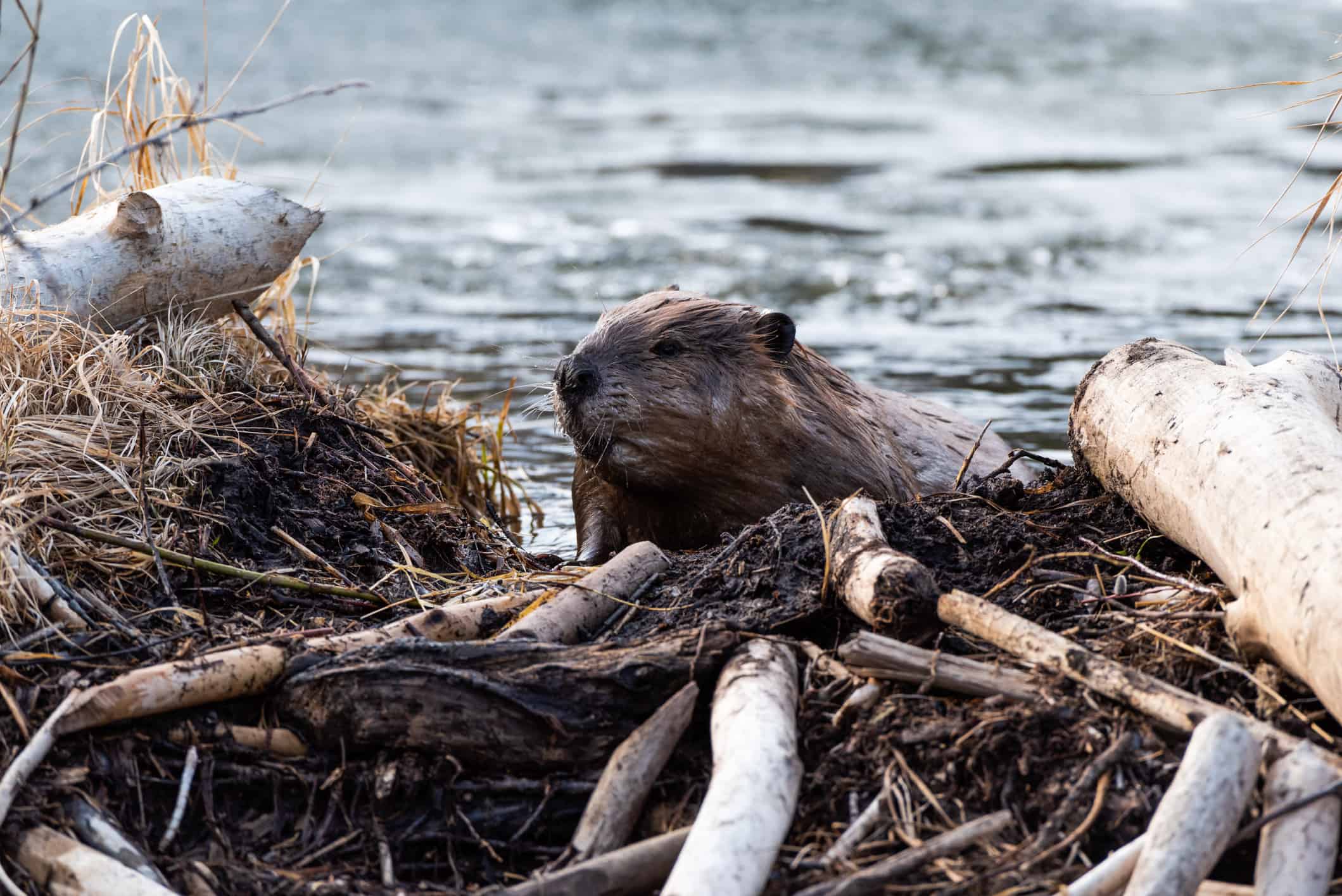
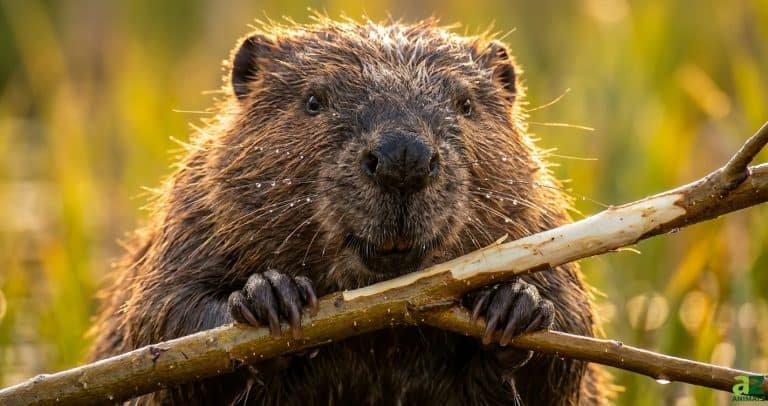
Beavers are integral to the function and vitality of rivers like the Columbia River.
©Dan Pepper/iStock via Getty Images
Perhaps even more than salmon, American Beavers are integral to the health and vitality of freshwater sources like the Columbia River. These members of the rodent family have long, stout bodies, wide, flat tails, and sharp front teeth capable of sawing through wood like a knife through butter. Wherever they are, they get to building powerful dams and adaptable water lodges. This compulsive engineering keeps water ecosystems healthy. Their construction projects keep water clean, and their dams regulate the flow of water, allowing for shoreline vegetation growth. They may be hard to spot on the Columbia River, but it’s easy to see their handiwork.