
Quick Take
- The European Eurasian Beaver population faced extinction in the early 20th century due to demand for fur and scent gland secretions.
- Conservation efforts in recent decades have helped restore Eurasian Beavers to healthier numbers.
- A new initiative by the UK’s National Trust introduced several Eurasian beavers back into the wild.
- The project’s ‘Stage 0’ strategy seeks to combine human-led hydrological techniques with animal maintenance.
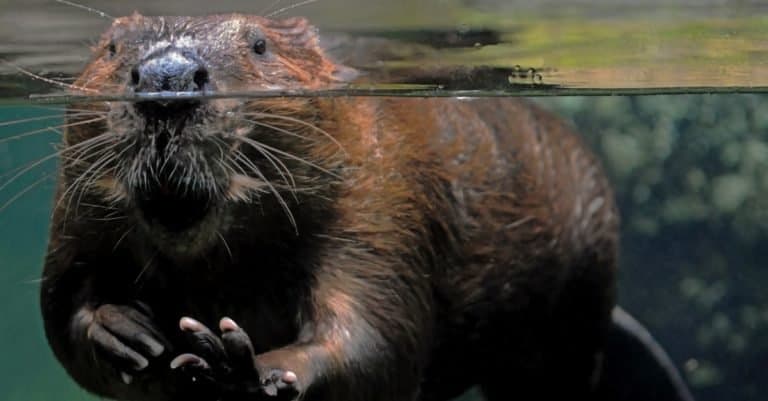
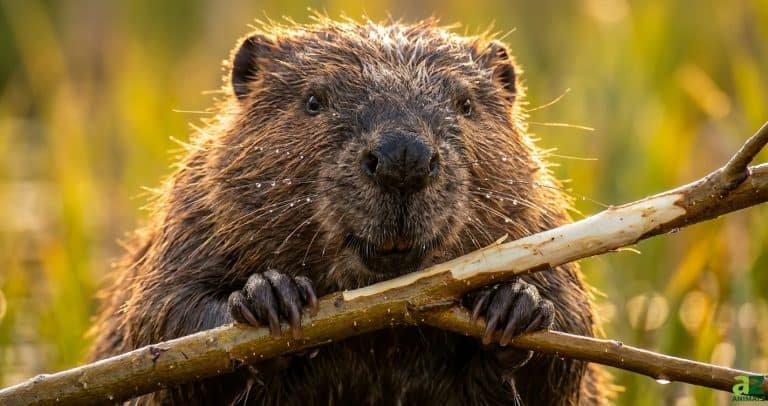
Beavers were once a common sight in Northern European countries like Poland, France, and the United Kingdom. However, demand for the creature’s fur and scent gland secretions caused Eurasian beavers to almost become extinct. By the early 20th century, their estimated population had dwindled to 1,200 individuals. Worse, in many European countries, beavers became functionally extinct. That’s why organizations like the UK’s National Trust have stepped in to restore beaver populations to historic highs.
Initiatives like this have helped make beavers an increasingly common sight around Europe, and this process shows no sign of slowing. The National Trust has just released both a family and a pair of Eurasian beavers at two sites, as part of a wider release across the Holnicote Estate on Exmoor in Somerset, United Kingdom. It signals a wider appreciation for native creatures like Eurasian beavers. It also contributes to one of the most ambitious and innovative wetland restoration efforts undertaken in the British Isles. Let’s learn more about this rewilding project and what it means for the previously threatened Eurasian beaver.
Ecosystem Encouragement
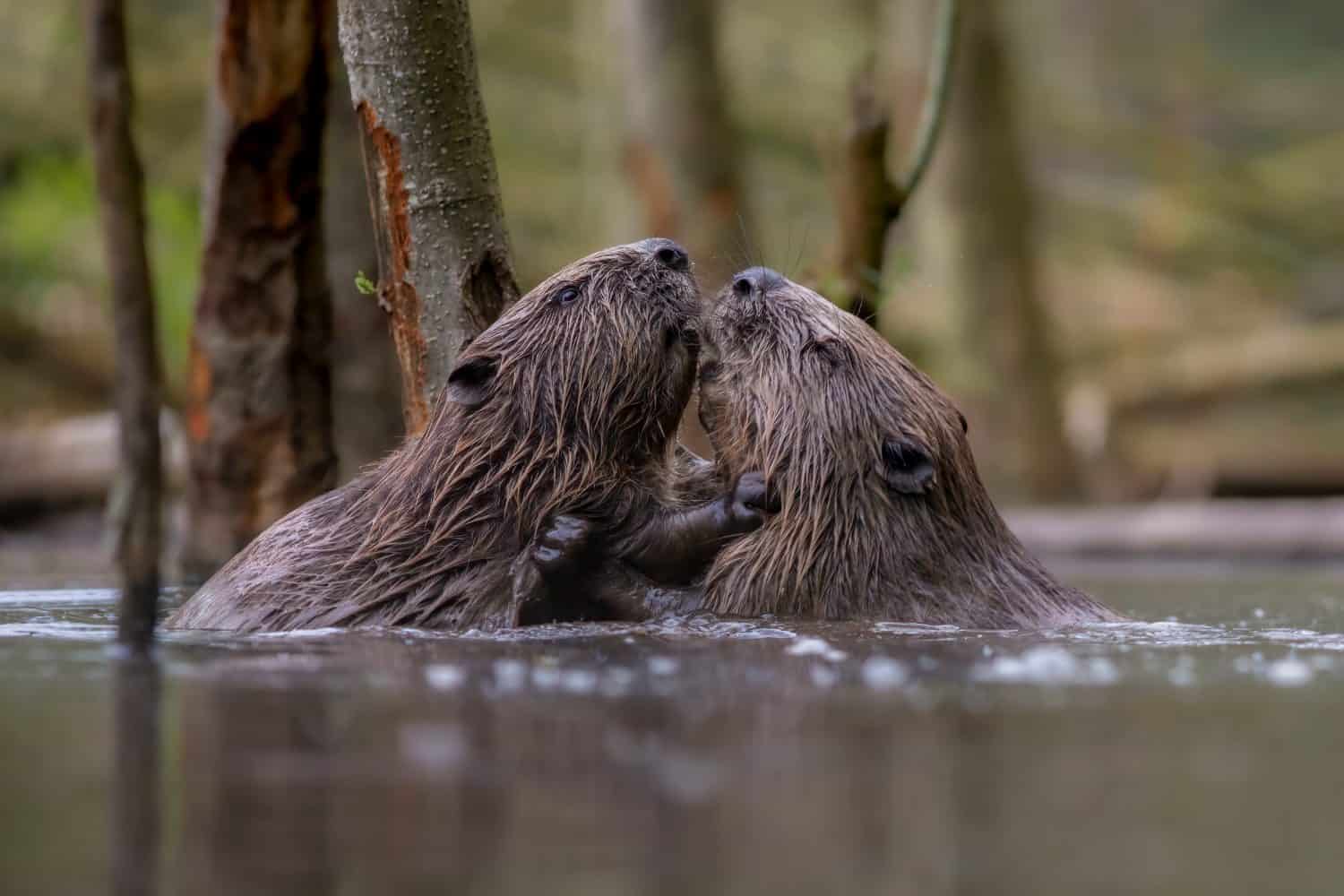
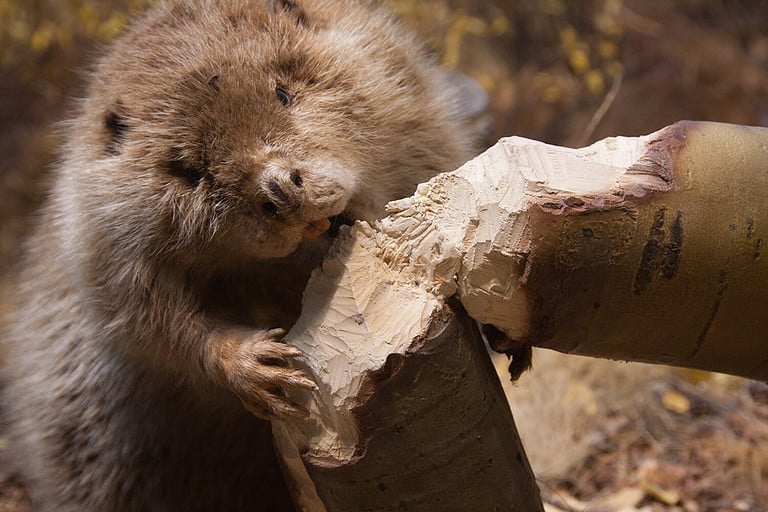
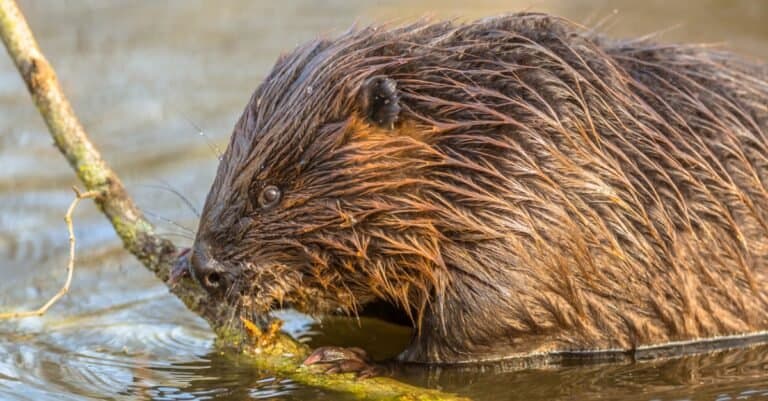
Beaver engineering improves water quality, reduces erosion, and encourages biodiversity.
©Michal14/Shutterstock.com
During the period when Eurasian beavers almost went extinct, people didn’t have much knowledge regarding the delicate balancing act of ecosystems. As such, even scientists failed to appreciate just how important animals like beavers are to wetland habitats. They are nature’s civil engineers, earning organic degrees in hydrological management every day of the year. That’s because beavers build dams, which slow the flow of water and thereby reduce erosion and buffer the effects of floods and droughts.
Eurasian beavers also keep water clean. The wetland systems they create function as natural filters, reducing water cloudiness by a considerable percentage. In turn, the engineered environment boosts biodiversity. The complex of ponds and marshes produced by beaver damming tactics encourages the presence of frogs, dragonflies, kingfishers, and several fish species.
Long-Awaited Return
The project started with the quiet release of beavers into enclosed areas on the Holnicote Estate in 2020. However, a major policy shift concerning species reintroductions in England came into force in early 2025. A wild release first took place on the National Trust’s Purbeck Estate in Dorset in March 2025. Now, the National Trust turns its attention to Somerset. Following the release of a family and a pair of beavers, other animals will be released in subsequent actions. They will be able to establish their own territories, engineer wetlands, build dams, and, in turn, condition the diversity and health of habitats for the benefit of all.
The manager of the National Trust Project, Ben Eardley, believes the reintroduction of several Eurasian beavers will prove to be an effective conservation effort at scale. He said, “This is incredibly exciting and is the latest step in our ambitions to restore a huge swathe of Somerset countryside and moorland to help bring back nature… Over the last few years, we’ve seen how their dams and wetlands transform the landscape, create habitat, and help buffer both floods and drought.”
Indeed, the National Trust has ambitious plans for this area in Somerset. It plans to transform the 2,700-hectare Holnicote Estate by developing a climate-resilient landscape that helps wildlife, water quality, and carbon emissions. The introduction of beavers will only accelerate this process.
Floodplain Innovation
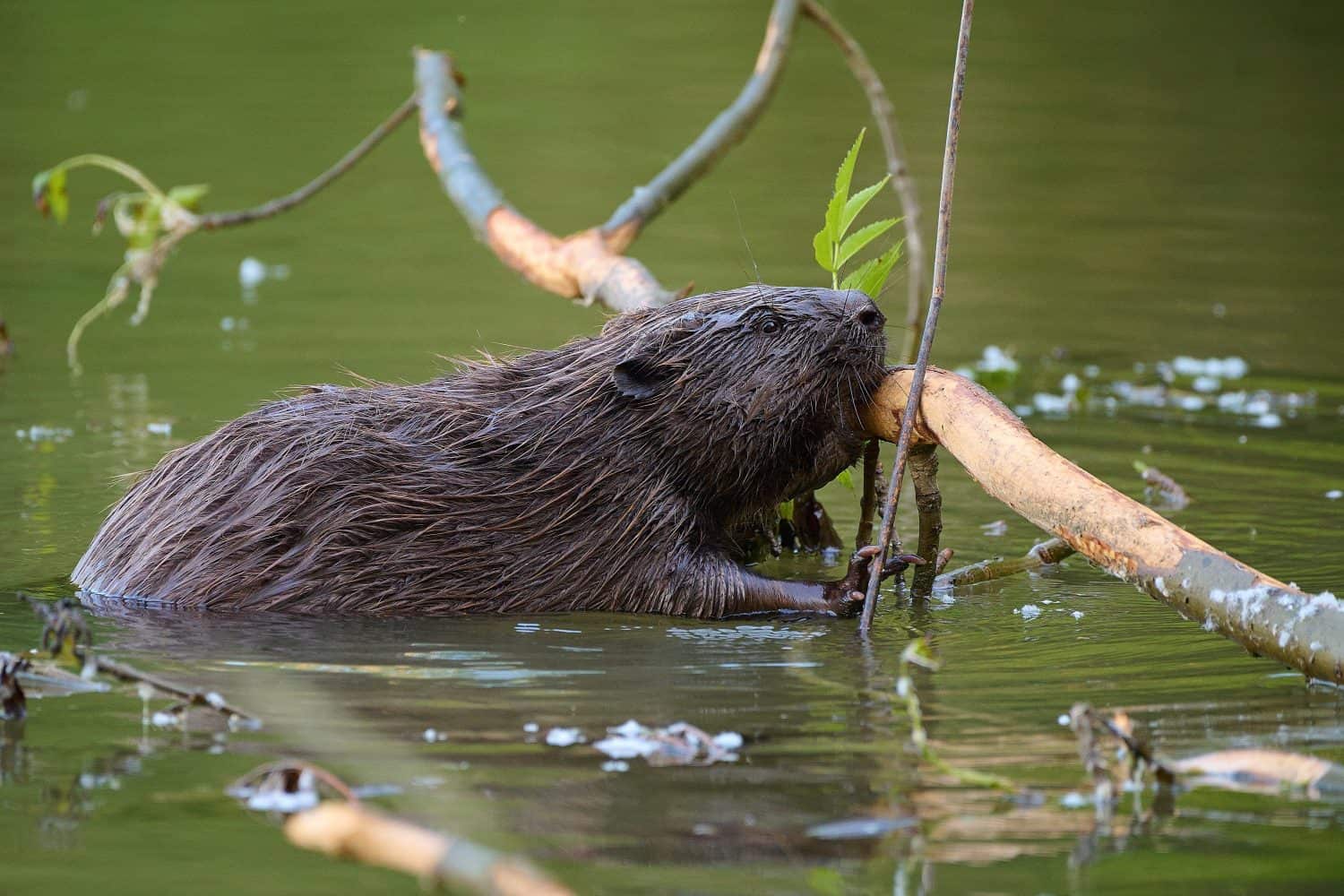
The National Trust’s ‘Stage 0’ approach pairs human restoration with animal maintenance.
©Tomas Palsovic/Shutterstock.com
What sets this most recent Eurasian beaver introduction apart is the National Trust’s innovative ‘Stage 0’ floodplain reconnection on the River Aller. Inspired by a river restoration technique first tested in Oregon state, the ‘Stage 0’ approach involves moving more than 4,000 tons of dirt to infill the straightened river channel. This will reconnect the watercourse with its floodplain. Furthermore, the laying of deadwood, planting of wetland plugs, wildflower seeds, and native trees will provide an ecological kickstart for the beavers to capitalize on.
In the past, conservation efforts relied heavily on human engineering to see growth. This project, however, puts all the conditions in place so beavers can take the lead. It marks a decidedly evolved, 21st-century approach: humans provide certain structures or parameters for nature to build upon. The National Trust believes synergy between “human-led hydrological restoration and animal-led maintenance is a landmark moment for UK conservation.”
Project manager Ben Eardle said, “At ‘Stage 0’ we hope the beavers will develop further complexity on the site, maintaining and enhancing the thriving wetland habitat. It’ll be incredible to see what changes they can make to a habitat that is already providing multiple benefits for people and nature.”
Future Forays
Places like the United Kingdom sit at the tense intersection between the natural environment and increasingly dense human settlements. The National Trust’s beaver reintroduction at the Holnicote Estate functions as a living laboratory. Not only is it restoring a long-threatened species to its natural habitat, but it also signals a shift from fragmented, compartmentalized conservation to scalable, sustainable recovery.
Plus, with climate change, the natural resilience provided by beavers to historic wetland might become an increasingly effective way to respect nature while synthesizing form and function.