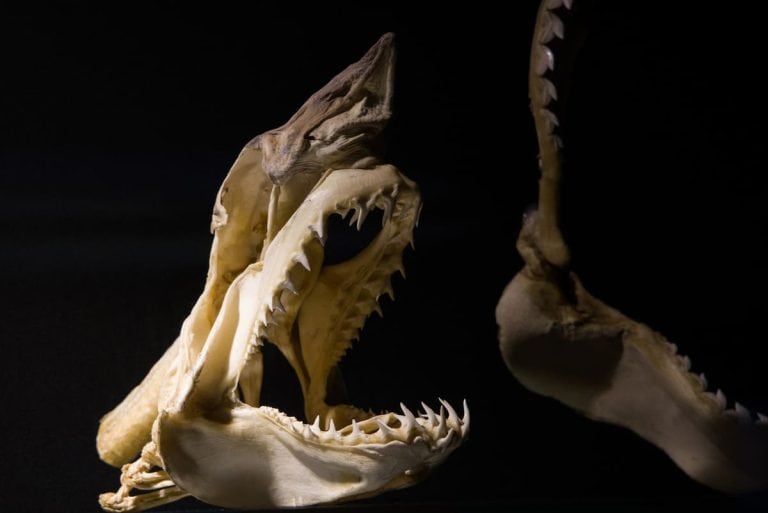

As the world’s need for new technology increases, so do practices that are harmful to the environment. Deep-sea mining is used to find metal-rich deposits, such as copper, nickel, cobalt, and gold. These are used in various electronics and batteries. There’s been an increased interest by countries, such as Norway, in mining their own continental shelves. If this practice becomes commercialized, it could lead to disastrous consequences for local marine life. According to a study by the University of Hawaii at Manoa, at least 30 species of sharks and rays face detrimental impacts from deep-sea mining. It threatens not only local marine life but also rare species such as the elusive ghost shark.
Dangers of Deep-Sea Mining to Marine Life
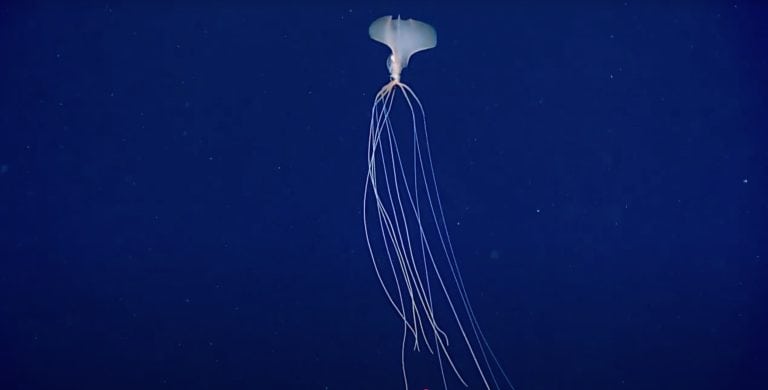
According to the study, deep-sea mining, specifically in the Clarion-Clipperton Zone, could threaten a multitude of marine life. All of these species are susceptible to discharge plumes, which form when mining activities disturb the sediment. The resulting cloud plumes contain fine particles that can become lodged in the gills and filters of deep-sea marine life. These plumes may also contain toxic metals, which can poison the fish and invertebrates that live along the ocean floor. As these plumes are kicked up, they often remain suspended for long periods. The longer an animal is exposed to toxic plumes, the more likely they are to die from exposure. As the plume settles, it can also suffocate corals and floor-dwelling anemones.
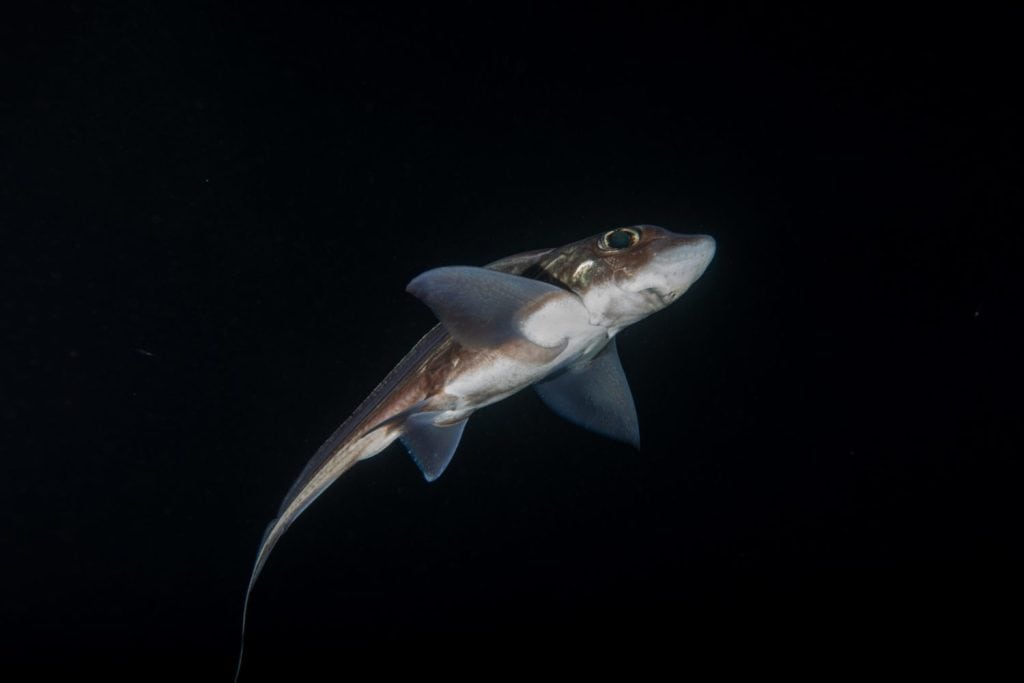
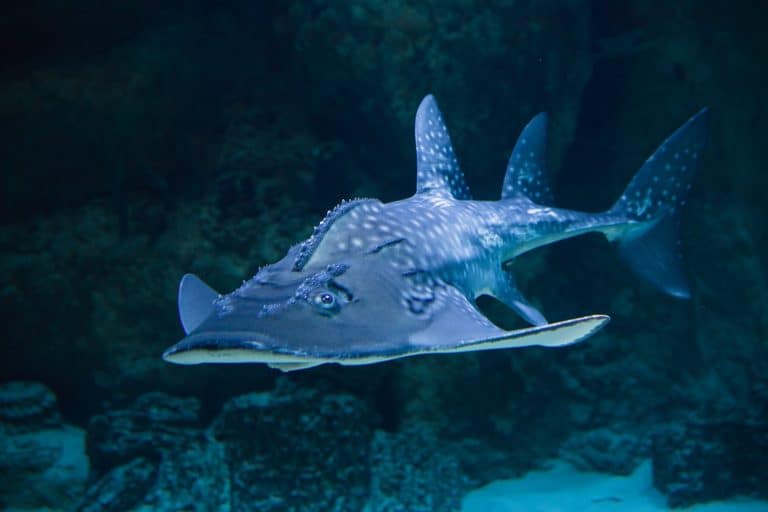
The ghost shark is rarely photographed because it lives at depths beyond a diver’s reach.
©Heine Jensen/Shutterstock.com
Toxic waste isn’t the only threat to marine life. Deep-sea mining also produces light pollution, which can threaten a slew of species in the Clarion-Clipperton Zone. Light pollution can alter the reproduction, mating, and rest cycles of this marine life. After months of prolonged light exposure, we could see significant risks to the natural cycles of many deep-sea animals. This has devastating effects on the food chain. In turn, the survival of marine life that typically lives without light exposure could see long-term damage.
Affected Regions in the Clarion-Clipperton Zone
Oceanographers at the University of Hawai’i at Mānoa studied the Clarion-Clipperton Zone (CCZ), a region in the Pacific Ocean. This Pacific zone is known for its deep trenches, where deep-sea mining operations have been proposed. The Pacific Ocean is known for its diverse marine life, many drawn by its naturally warm waters and depth. However, these are the same things that have led curious minds to question what can be found beneath its seabed.
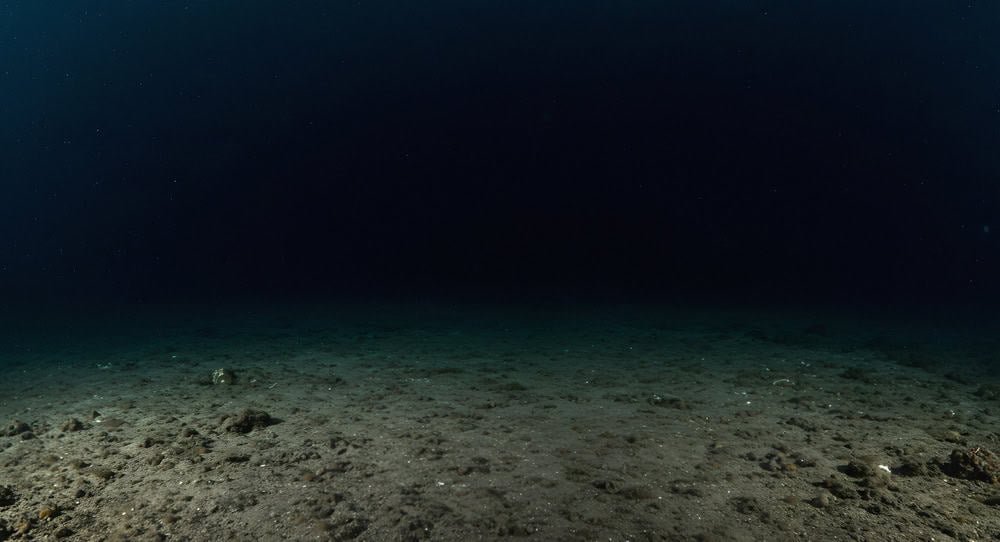
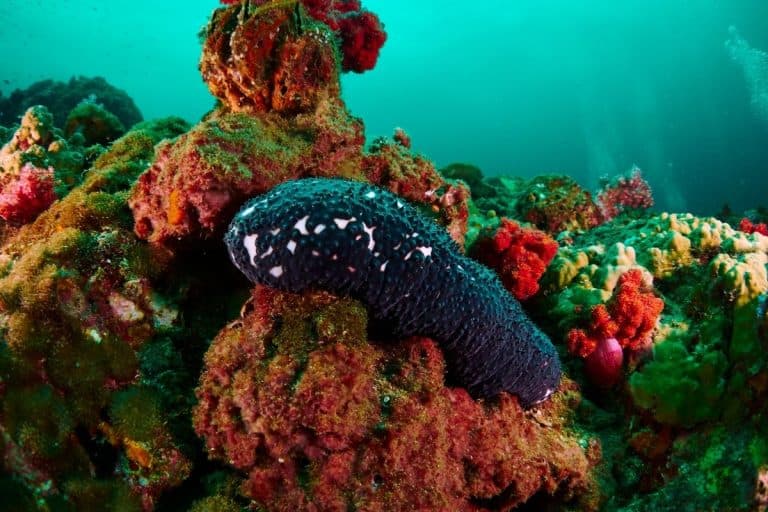
Ocean seabeds may not look like much, but they are rich in minerals necessary to sustain deep-sea life.
©Yetugraphic/Shutterstock.com
The International Seabed Authority (ISA) estimates 16 areas may be rich in manganese, copper, nickel, and cobalt. In contrast, they’ve set aside only nine areas of particular environmental interest (APEIs) to be conserved during the proposed deep-sea mining operations. One area of particular interest lies just south of Hawaii, a haven for exotic and tropical marine life. This region serves as a breeding ground and shelter for sharks and rays, which would be negatively affected, as would xenophyophores—organisms that are highly sensitive to changes in the ocean environment. The corals and marine plant life in this region would also be negatively affected. According to recent studies, some areas show little or no recovery even after more than 40 years.
More Research Is Needed
The only basis experts have regarding damage done by deep-sea mining is from 1978. A dredging pilot test was conducted in this region, resulting in significant environmental impacts. It was determined that the CCZ is home to a high concentration of marine life, in contrast to the other zones surrounding it. There is also evidence that deep-sea mining can alter underwater sound frequencies, disturbing the natural habitats of species such as nematodes.
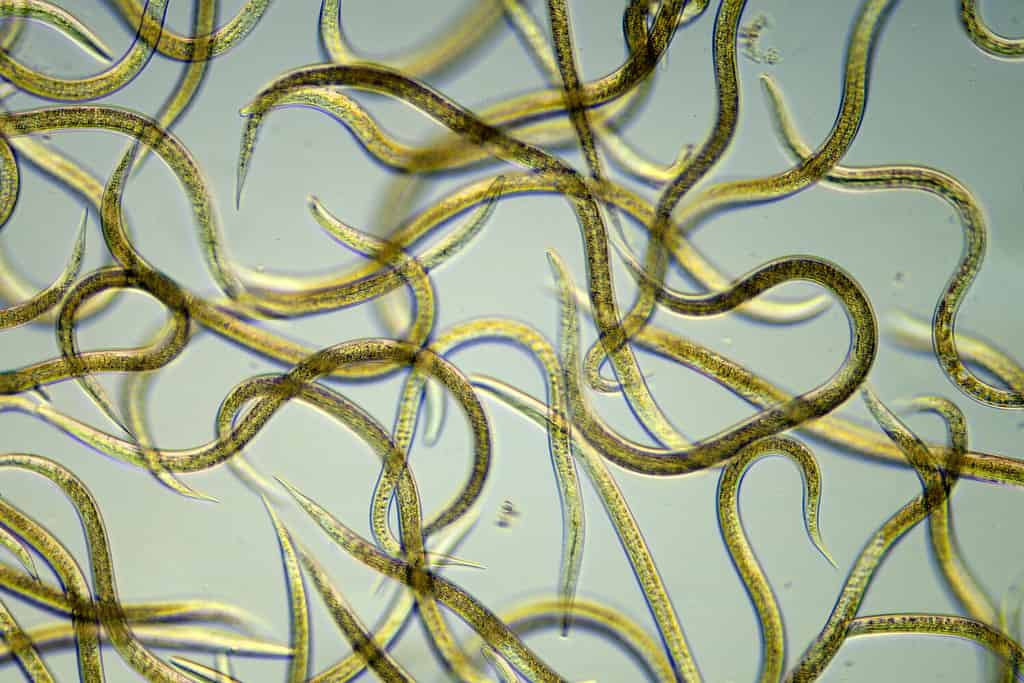
Nematodes are parasitic and also serve a crucial role in the ocean’s food chain.
©D. Kucharski K. Kucharska/Shutterstock.com
“Deep-sea mining is a new potential threat to this group of animals which are both vital in the ocean ecosystem and to human culture and identity. By identifying and calling attention to this threat and recommending potential conservation pathways, I hope we will be better positioned to support healthy shark, ray, and chimaera populations into the future.”
Aaron Judah, lead author of the study and oceanography graduate student in the UH Mānoa School of Ocean and Earth Science and Technology (SOEST), quoted by ScienceDaily
It was revealed during this dredging test run that uprooted sediment would take decades to settle. Additionally, this would destroy the habitats of species that live in these sediment layers. Such changes could drastically alter the food chain, causing a domino effect that might eventually impact large animals such as sharks and rays. Without sufficient prey, these already threatened species would face additional challenges beyond those posed by climate change. Oceanographers are now calling on the ISA to conduct more research and put harsher restrictions in place to protect marine life. Very little is still known about the ramifications of deep-sea mining on local flora and fauna, but early indications are not favorable for Hawaii’s marine life.