
Quick Take
- Scientists have studied this moth since 1818, yet they have been fundamentally wrong about it the entire time. See the full history →
- A pepper plant turned out to be one of the most important clues in untangling what scientists thought was a single species. See the pepper plant clue →
- A built-in bias in how researchers identify moth species was quietly causing them to miss crucial distinctions, and fixing it changed everything. Discover the female-organ fix →
- The names given to these newly discovered species deliberately break a tradition that has shaped science for centuries. Explore the naming tradition →
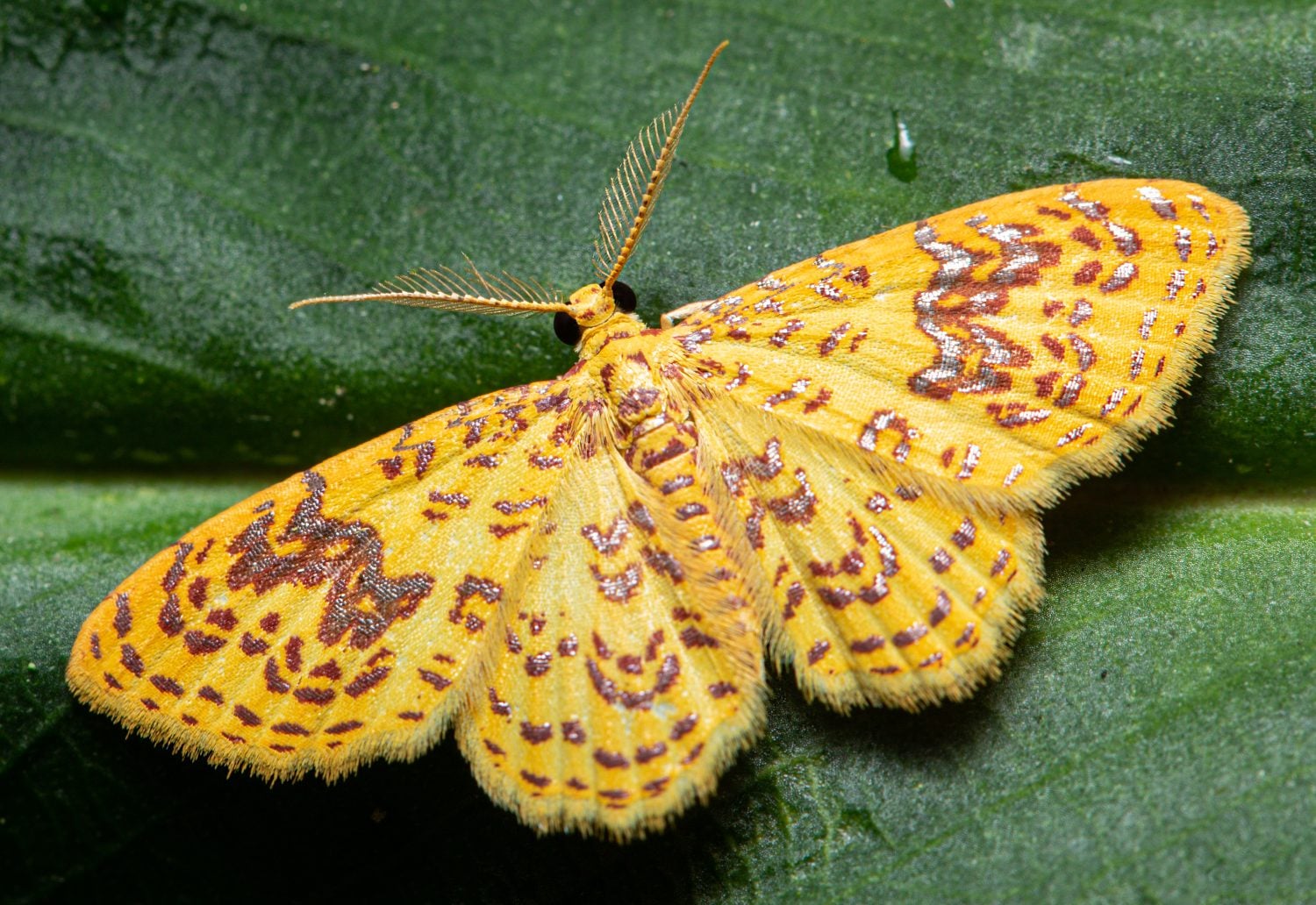
The notion of species may underpin almost every aspect of biology, yet scientists can’t agree on a single definition. Time and again, a neat definition is undermined by messy, ground-truth contradictions. A new study illustrates this paradox perfectly: a moth first described as singular species in 1818 is actually a complex of eight species, all residing in Brazil.
Depending on which scientist you talk to about the definition of a species, you’ll likely get different answers. The species classification is tidy, but it often fails to capture the fluid, shifting, nuanced currents of evolutionary biology. This recent reappraisal concerns a previously held notion regarding Eois russearia, a small but distinct-looking moth with yellow wings featuring reddish bands. Let’s explore this fascinating case of the species paradox and how the newly discovered variants were named in deliberate opposition to colonialist taxonomic traditions.
Moth History
In the early 1800s, entomologist Jacob Hübner described the Eois genus of moths. He named what he could see and classify without complex technology. As such, it made sense to group small, nearly identical brown moths under a general description. The consensus was that the Eois group was a small group within the subfamily Larentiinae. Throughout most of the 19th century, and well into the 20th century, scientists considered these moths to be more diverse in regions with mild weather or high altitudes.
As time progressed and tools grew more advanced, however, scientists started realizing that visually similar moths behaved quite differently. This seemed to put the Eois genus in the realm of cryptic diversity, a biological phenomenon in which different species are classified together due to uncannily similar appearance. A new study regarding the genus illustrates this phenomenon clearly, as researchers discovered a complex of different species previously assumed to be one.
Getting Warmer
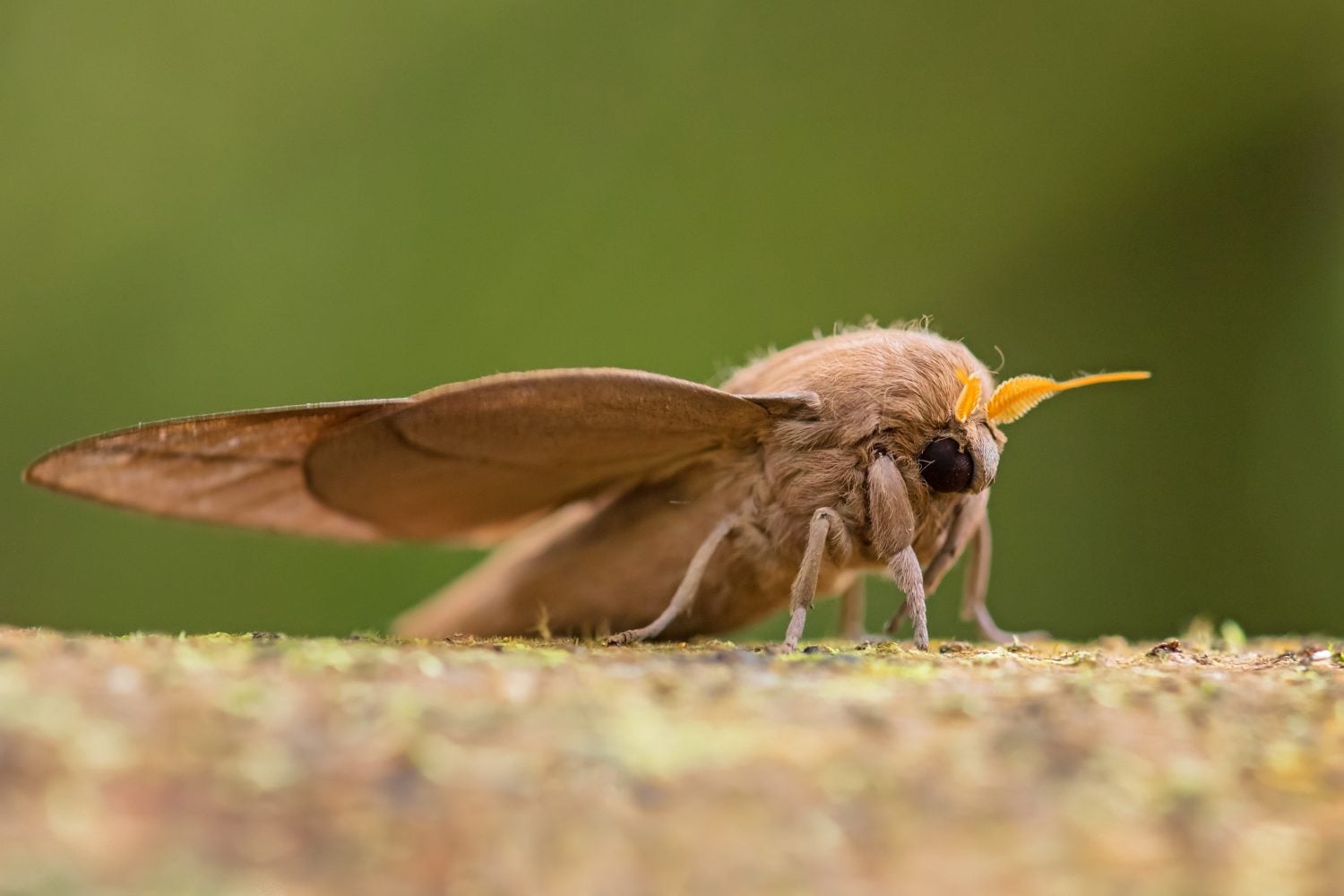
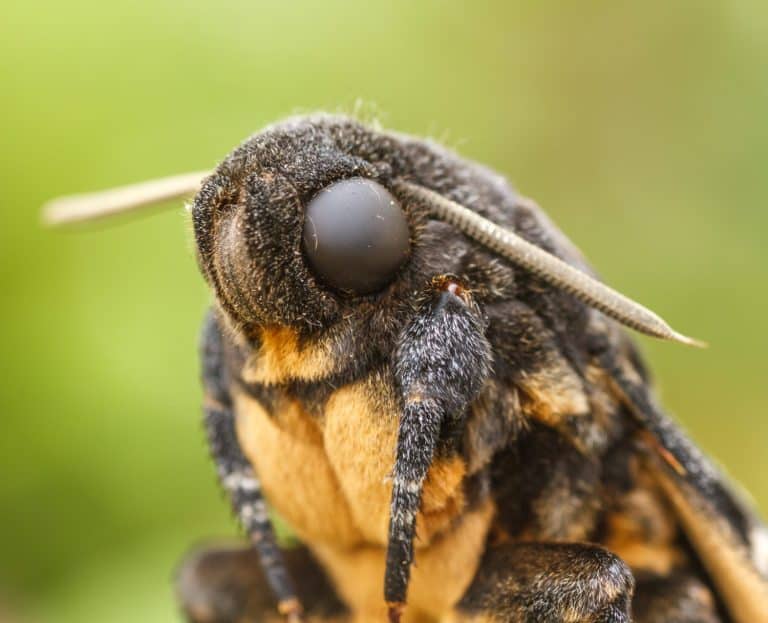
Before the discovery, researchers realized that the Eois genus of moths was likely underestimated.
©David Havel/Shutterstock.com
The latest discovery was born from a 2021 study by the same research group, which found that the number of species in the genus was likely underestimated and could be over 150% higher than previously assumed. In the new study, published in Scientific Reports, researchers from the State University of Campinas (UNICAMP) and the University of São Paulo detailed their findings on how one kind of creature is actually a constellation of different species. As explained in an article by Science Daily, the team used a mixture of techniques, including integrated molecular analysis, morphological data, and good ol’ detective work to make the discoveries.
The process of separating these species from one another taxonomically was difficult, to put it mildly. Most of them look practically identical. Making matters more complicated, three species were found in a forest reserve, two others were found in a transition zone, and two more were found in Pantanal, the world’s largest wetland zone. The identification of each subtly different species required some serious biological detective work.
A botanist on the research team identified a pepper plant used by some of the moths. This led them to observations regarding how the larvae of various moth species interact with the plant in distinct ways. Perhaps the most novel aspect of the team’s research, however, involved the classification of reproductive organs.
Mars and Venus
Historically, scientists have often identified moths through the analysis of male genitalia. A bias, to be sure, as the team discovered that key differences between male and female moth organs could tell them a lot about identity. For one, the male genitalia are more rigid, while the female genitalia are more membranous and often too brittle to survive dissection. Plus, male moth organs are quite similar across different species, but female organs differ.
As Simeão de Souza Moraes, a researcher at UNICAMP and the study’s coordinator, explained, the differences helped lead to the discovery. In a statement to Eureka Alert, he said, “When analyzing the female sexual organ of moths, the difference is very big. Even without molecular tools, it would be possible to differentiate the species with considerable precision by combining the morphology of the female genitalia with records of the caterpillars’ host plants.”
Unexpected Diversity
The Eois genus was once thought to be more diverse in mid-latitude regions. The researchers behind the latest study found a new pattern regarding its biodiversity, one that involves the use of different plants by moth larvae.
As Moraes explained in a statement to Eureka Alert, the way the moths used certain plants really showed how selective pressures shaped the subtle but unmistakable differences between species. He said, “Our results demonstrate that lowland regions also harbor significant species diversity, likely due to highly specialized interactions between larvae and their host plants that create different selective pressures even over short geographical distances.”
Reclaim the Name
Instead of submitting to colonial traditions, the researchers named many of the newly discovered moth species in honor of Afro-Brazilian culture.
©CCinar/Shutterstock.com
The researchers behind the study upset previously held notions about the Eois genus of moths. It seemed fitting then for them to push back against the power of colonial traditions in the scientific naming of species. Instead of relying on terms from European and Mediterranean cultures, the researchers chose to honor Afro-Brazilian culture. Researchers named seven of the newly identified species in honor of the Orixás, the deities venerated in Afro-Brazilian traditions such as Candomblé. One of the moth species was named in honor of a co-author of the study, who tragically passed away before it was published.
As the study’s coordinator, Simeão de Souza Moraes, explained, their method purposefully opposed tradition. In a statement to Eureka Alert, he said, “The process of choosing names has an anti-colonial and anti-imperialist nature by naming the new species using references from Afro-Brazilian culture, which runs counter to a very common practice in the nomenclature process of using names for organisms of the Neotropical fauna that reference the culture of the Global North, such as Greek and Roman gods.”