
Quick Take
- Artificial lighting is responsible for a 33% decline in the U.K.’s moth population.
- Specific 450-nanometer wavelengths create a permanent lock on nocturnal navigation systems.
- New energy-efficient upgrades are equally as damaging as the technology they replace.
- Ecologists used scouting cameras to identify the specific phase where moths lose their mobility.
Light pollution at night, also known as ALAN, is increasing at an alarming rate. Recent studies show a roughly 10% annual growth, although some claim light pollution doubles every eight years. A NASA study published in December 2025 found that light pollution can originate from sources as distant as satellites, underscoring that it is now a concern both on Earth and in space. And here on earth, artificial lighting is doing far more damage than anyone realizes.
A research team at the University of Exeter recently found that ALAN can be just as detrimental to insects as to nocturnal animals. The University’s research shows that moths, in particular, are negatively affected by artificial lighting. These findings are cause for concern and foretell a dire future for Europe’s pollinators.
How Does Artificial Light Affect Moths at Night?
It’s a proven fact that artificial light interferes with the natural rhythms of many animals. Along oceans, ALAN confuses the reproductive and sleeping cycles of many marine animals. In urban environments, it can disrupt the circadian rhythms of nocturnal mammals. Most recently, it has been discovered that artificial light, including LEDs and amber lighting, has detrimental effects on moths.
©iStock.com/phototrip
The 2026 University of Exeter study used a range of lighting sources on its moth test subjects. Results showed that LEDs were equally as harmful as standard amber lighting, which was previously thought to be safer for insects. Even lighting at 10 lux, which is the average brightness for most streetlights, interfered with the moths’ natural rhythms. Underneath all of these lights, the moths stopped moving by up to 85%. Moreover, the same thing happened across the board, including 843 moths across 23 different species. Each one displayed signs of paralysis, as the light essentially “trapped” the insect stuck in its path.
What Is Sub-Lethal Paralysis?
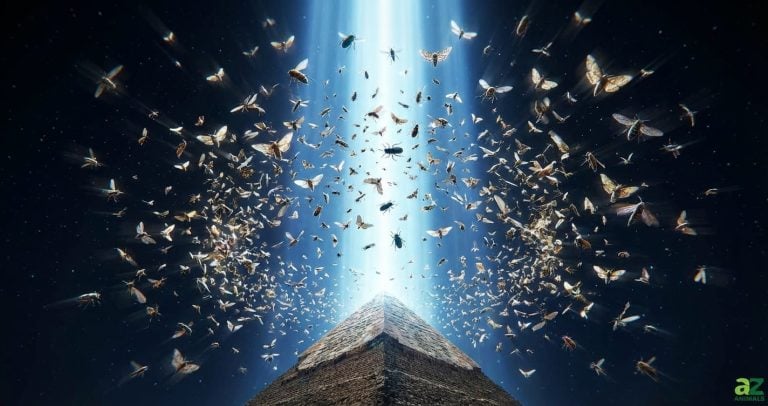
When moths fly at dusk and dawn, they typically keep their backs to the light. At dusk, this means the sun, and at night, this means the moon. However, when something like a white LED lamp is in their way, they’re forced to continually keep their backs to the light source. If this streetlamp, solar light, or porch lamp happens to be underneath them, they’re forced to flip over. When this happens, they lose airflow under their wings and plummet to the ground.
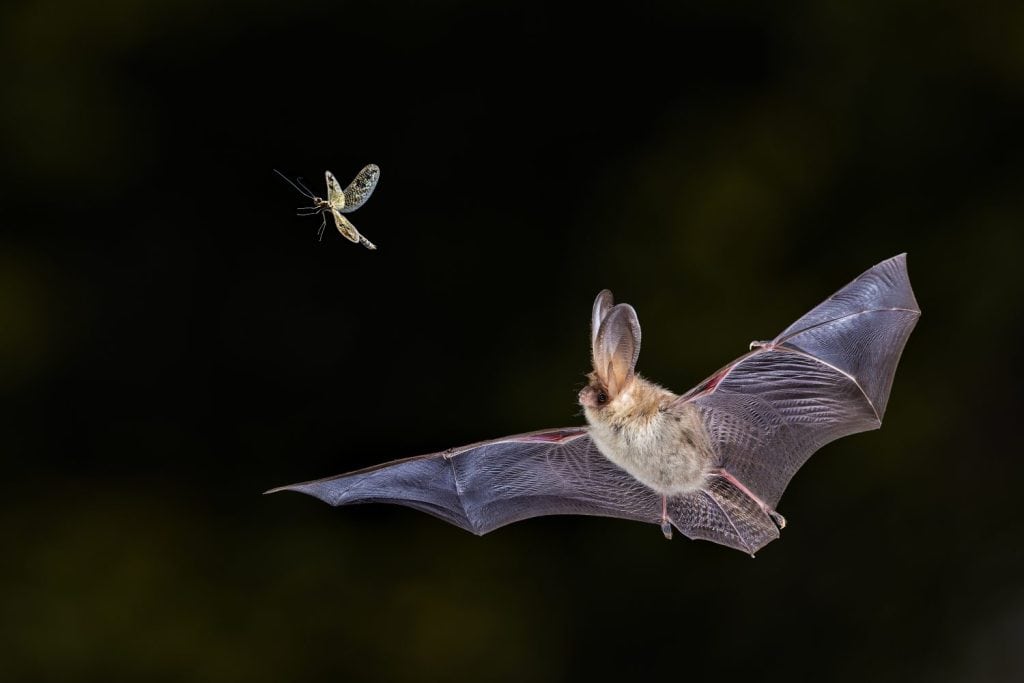
If a moth manages to avoid being stalled by a light, they can still be stunned by it. Test results by the University of Exeter prove this is a common reaction to artificial lighting. If a moth is stunned, it can easily become exhausted. When this happens, they’re unable to fly away from the light source. It leaves them open to predation by birds and bats but also prevents them from completing their flight path. The more often this happens, the more their natural rhythms are interrupted. This can disrupt everything from reproduction to migration, altering the species’ survival.
©Rudmer Zwerver/Shutterstock.com
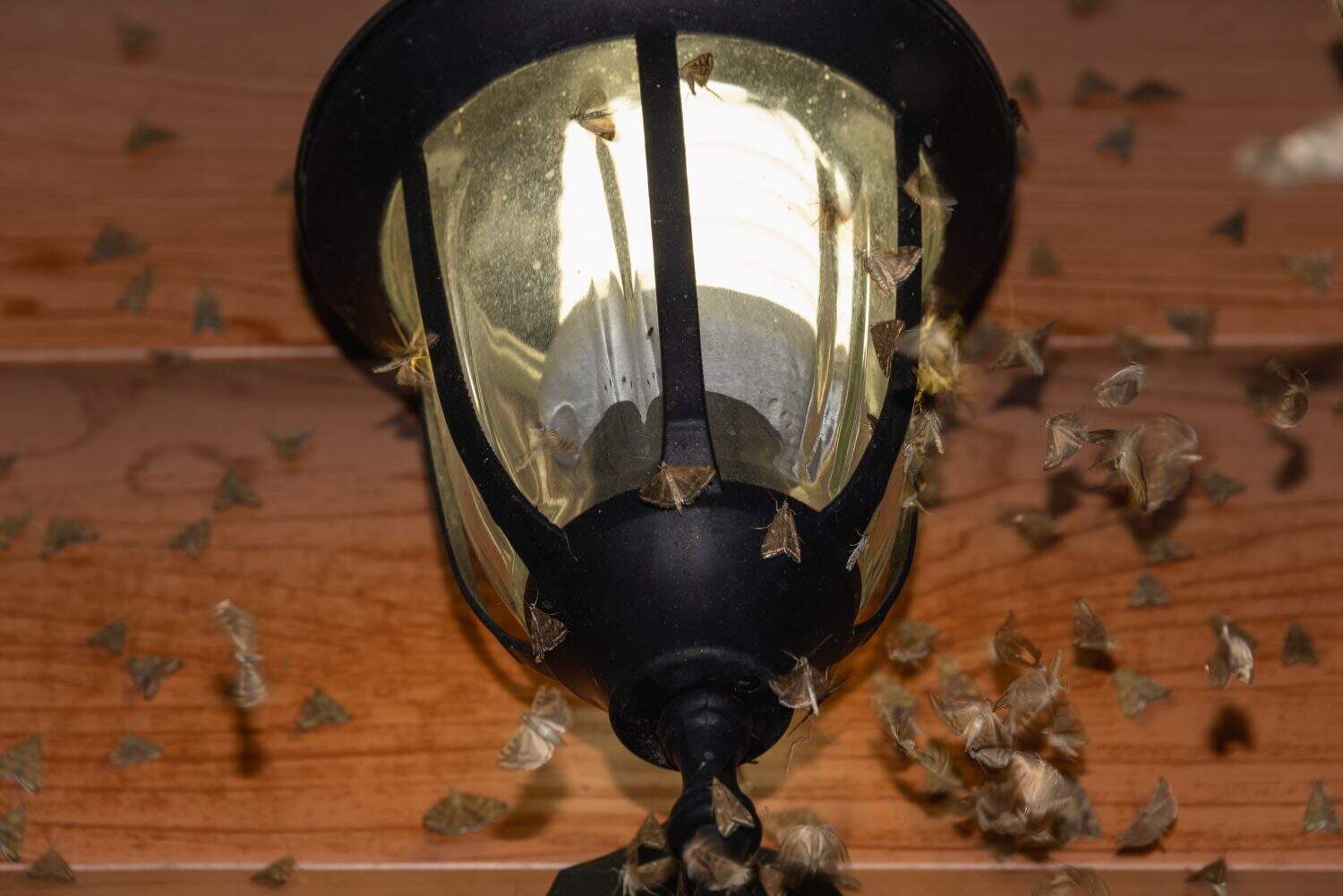
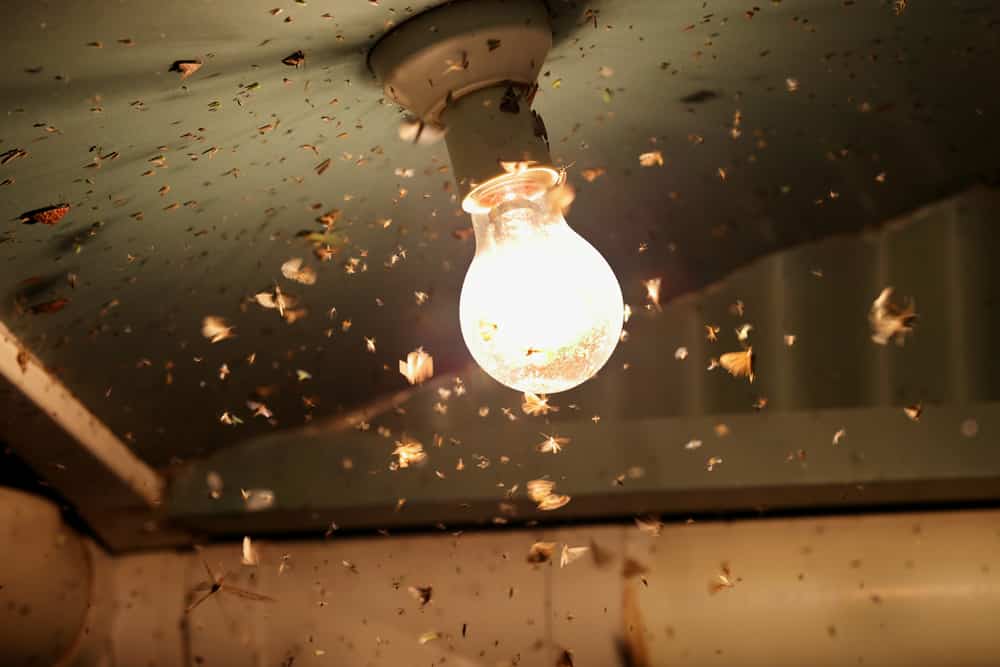
In the off chance a moth isn’t stunned or stalled, it might fly in an endless loop. This is a common sight to see at night, and many people have come home to find moths repeatedly bumping into their porch lights. This occurs because the moth struggles to maintain equilibrium as it flies past the light source. As they attempt to fly around, above, or below the light, they become confused and fly in circles instead of flying away. Over time, moths that become confused by artificial light die off, causing significant population declines throughout Europe.
The World Is Waiting for the U.K. to Catch Up
While the UK has made progress with several designated International Dark Sky Reserves and Parks, some campaigners argue that more comprehensive national policies are still needed. However, that is slowly changing as these ideas have been proposed:
- Improvements to urban planning: Using smarter light sources and eliminating unnecessary lighting are significant steps toward reducing light pollution.
- Push for stricter policies: Increased pressure on the U.K. to introduce better light policies is moving the conversation forward. A London-based dark sky designation has also been suggested.
- General outreach and public education: Educating locals on the effects of artificial lighting starts with turning off porch lights, reducing how much light shines through windows, and being aware of its effect on animals and insects.
Although these plans are still in their early phases, many are campaigning for change. As with any other conservation initiative, help begins at home.
How U.K. Residents Can Help
As cities like London light up, artificial lighting becomes more problematic for insects. By 2024, the moth population had declined by 33% since the 1960s. And now, it’s even starting to affect caterpillars before they reach metamorphosis. According to a study by Butterfly Conservation, the UK Centre for Ecology & Hydrology, and Newcastle University, the number of moth caterpillars found in the grass beneath artificial lighting declined by roughly 43%.
©Ken Griffiths/Shutterstock.com
Additionally, the number of moth caterpillars previously found in hedgerows near artificial lighting declined by an astounding 52%. These numbers were compared between lit and unlit areas over 400 hours of study. The results are undeniable: Artificial lighting is a growing cause of declining moth populations.
Even dim artificial lighting, known as skyglow, affects moths. To counteract this, Butterfly Conservation has encouraged the creation of moon meadows. Rather than planting flowers that bloom during the day, these gardens are green spaces featuring night-blooming plants. They’re created without artificial lighting, using only the moon (if possible). As nocturnal flowers bloom, they attract moths to the garden and, hopefully, away from artificial light sources. This creates a safe place for them to land and prevents confusion by flying near light-polluted areas.