All animals respond to scents differently. Where some enjoy wild herbs and spices, others find them repulsive. Even the smells that people find pleasurable may be too strong for many animals, given their enhanced sense of smell.
Chickens are among the animals that find some scents too harsh to be around. In fact, there are some smells that chickens hate. However, the fact that chickens find some smells intolerable can work to chicken farmers’ advantage, by keeping chickens within their designated environments using natural scent barriers.
Lavender

Lavender is a plant that is too strong for most chickens to be around.
©Juan Carlos Munoz/Shutterstock.com
Lavender is both potent as a plant and when pressed into an oil for chickens. The feathered friends will avoid lavender because of the strong smell and bitter taste. Because of this, where the lavender is planted and where the diluted oil is sprayed, chickens will not cross the scent barrier. This can be a natural way to keep chickens within property boundaries or ensure they lay their eggs in egg boxes rather than other places in the coop.
While lavender is not a favorite scent of chickens, there are some benefits to having lavender in their environment. From respiratory health, calmed mood, better sleep, and even as a deterrent to insects, lavender can play an important role in the lives of chickens.
Different Types Of Mint
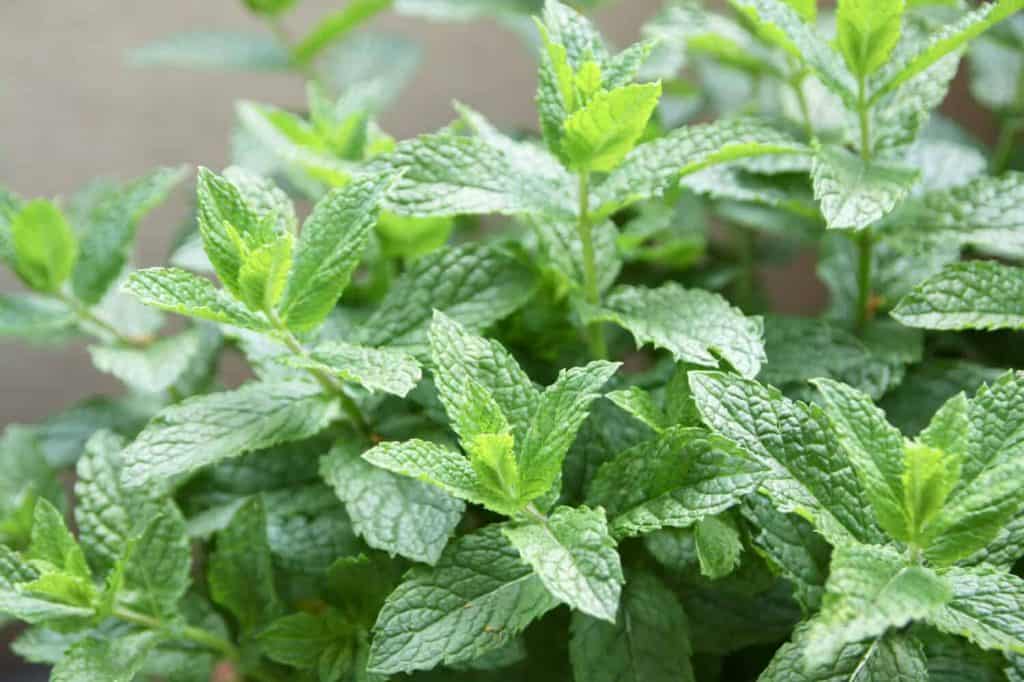
Mint, including spearmint, is a natural repellent to chickens.
©Mikulas P/Shutterstock.com
Not only do chickens generally not like the smell of any mint, but there are no benefits to the herbs being in their environment. This is because mint can make chickens ill. This has to do with the “menthol content” of mint. It can cause chickens to become dizzy, have problems breathing, and experience coordination issues. Additionally, unlike other herbs, mint does not repel insects or rodents from the chickens’ environment. Therefore, considering that chickens do not enjoy mint, its potential detrimental health problems, and its lack of effectiveness as a deterrent to mites, lice, rats, and the like, mint should not be included in a habitat for chickens.
Cinnamon
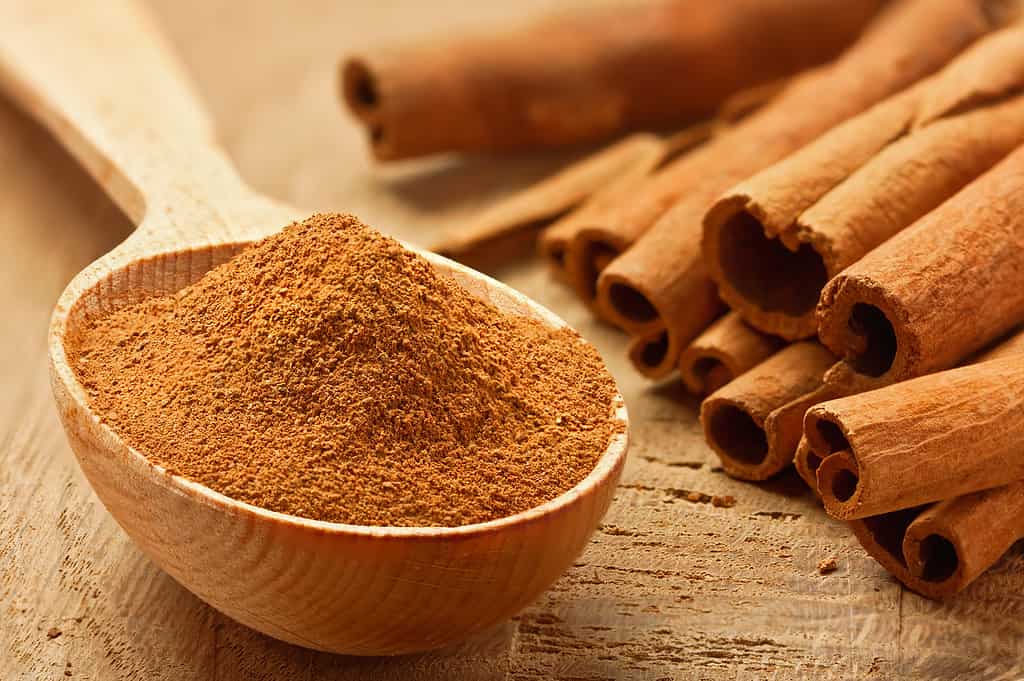
Cinnamon may be overwhelming for chickens, but it does have antimicrobial properties beneficial to chickens.
©Derkien/ via Getty Images
When it comes to cinnamon, it all depends on the chicken as to whether the odor is a repellent or not. Some chickens enjoy the smell, while others find the scent overwhelming. Chickens may not all feel the same about the smells of cinnamon, but cinnamon can be beneficial to chickens in moderation. This is because cinnamon has antimicrobial properties that kill bacteria, including E. coli and Salmonella.
However, cinnamon needs to be given to chickens in moderation. If chickens consume too much, it can lead to respiratory and digestive issues. Therefore, it is recommended to give no more than one teaspoon to chickens in one gallon of water weekly to treat mucus or 1/4 teaspoon in feed twice daily for those who have thrush. Otherwise, cinnamon should not be a part of chickens’ normal diet so as to keep them as healthy as possible.
Spicy Peppers
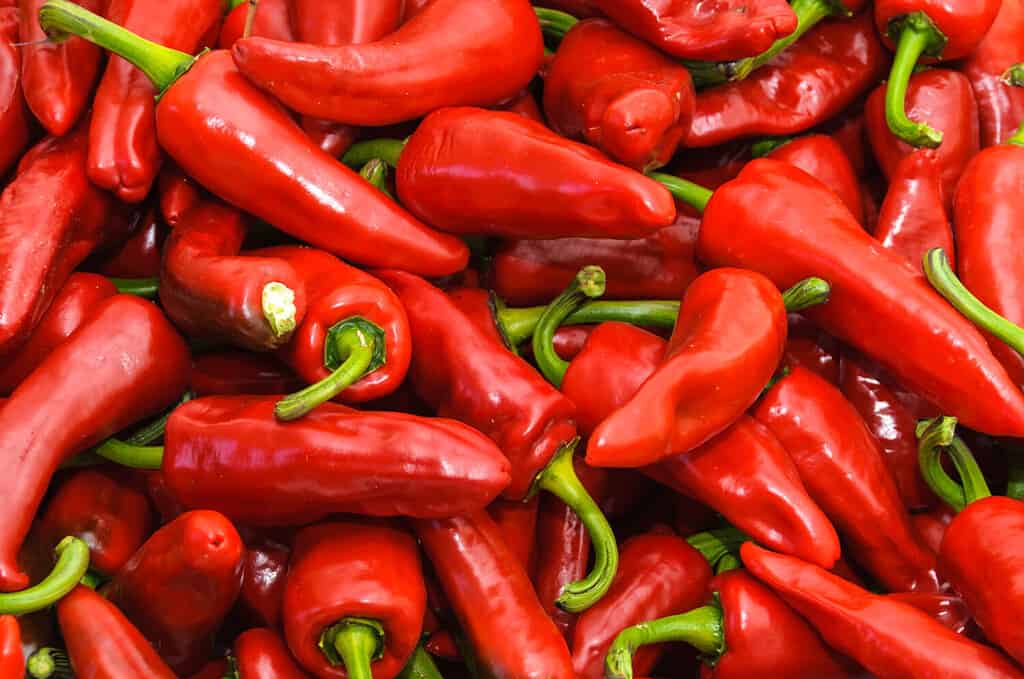
Spicy peppers contain capsaicin, which chickens do not taste. But the strong smell from spicy peppers keeps chickens far away from them.
©Thomas Dutour/Shutterstock.com
The reason that some people enjoy spicy peppers and others would prefer to stay far away has to do with the capsaicin in the peppers. Capsaicin causes the burn in the peppers, which people can easily detect. But when it comes to chickens, capsaicin is not something they can taste.
Although chickens cannot taste the spice in the pepper, they can sense the strong smell of some spicy peppers, such as that of cayenne and others. When the scent is detected, chickens will stay away. This is why some people use diluted pepper water to spray in a chicken’s environment to naturally keep them out of certain areas and contained in others. If this is something of interest, it is recommended to wear gloves when spraying the pepper water, as well as not to spray on a windy day to avoid getting any of the spray in the eyes.
Catnip
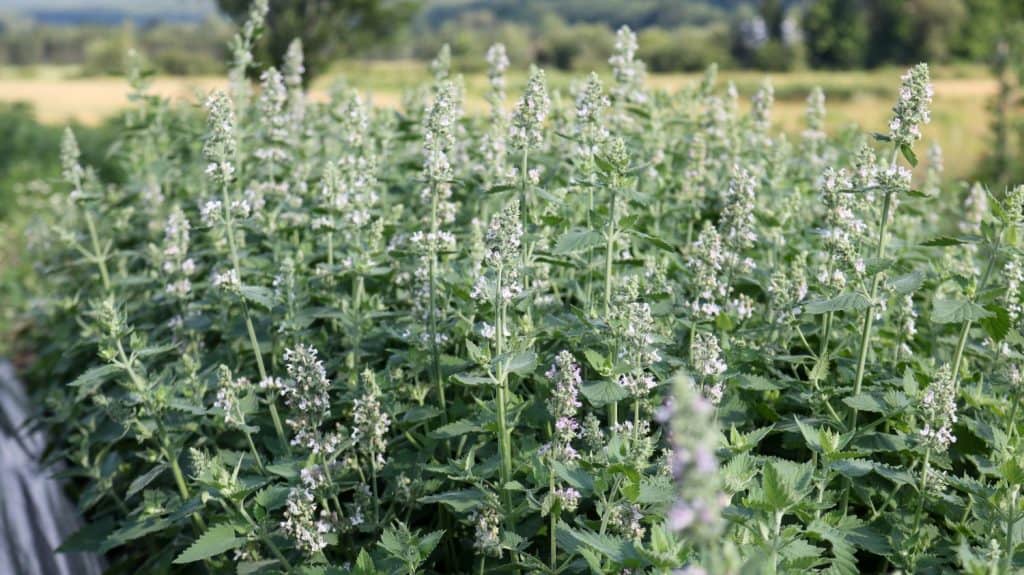
Catnip is a member of the mint family, which has strong smells that repel chickens.
©Andy Chamberlin/Shutterstock.com
Catnip is a member of the mint family. Therefore, for many chickens, catnip is a scent that repulses them. However, there are a few that find the scent intoxicating. For those chickens, it is important that they only ingest the herb in small amounts, as it can change their behavior.
Just as cats change personality when they ingest catnip, chickens do as well. Chickens have been known to act more aggressively, playfully, or even more actively after eating the herb. Some will even change their appetites to make them substantially more voracious or not eat at all.
Because catnip contains nepetalactone, which is known to repel insects, spraying some catnip water around a chicken coop may not be a bad idea. However, before doing so, it is recommended to try it in small areas to see how the chickens react to ensure there is no ill response to catnip being in their environment.
Marigolds

Marigolds have a scent that is overwhelming to chickens, causing them to stay away from the flowers in their environments.
©iStock.com/Valeriy Lushchikov
What is interesting about marigolds is that while chickens may find their smell to be overwhelming, there are some health benefits to having marigolds in a chicken’s habitat. Marigolds have strong smells and overwhelming tastes to chickens. This is why most will stay away from the flower. However, placing marigolds around the area where chickens live can provide some health benefits. The most significant benefit is keeping insects and other pests at bay naturally. For those looking to have a natural barrier to a chicken’s environment, planting marigolds around the perimeter is a great way to keep chickens where they need to be. Not only will most not eat the petals, but it will also add a pop of color to the habitat.
Garlic
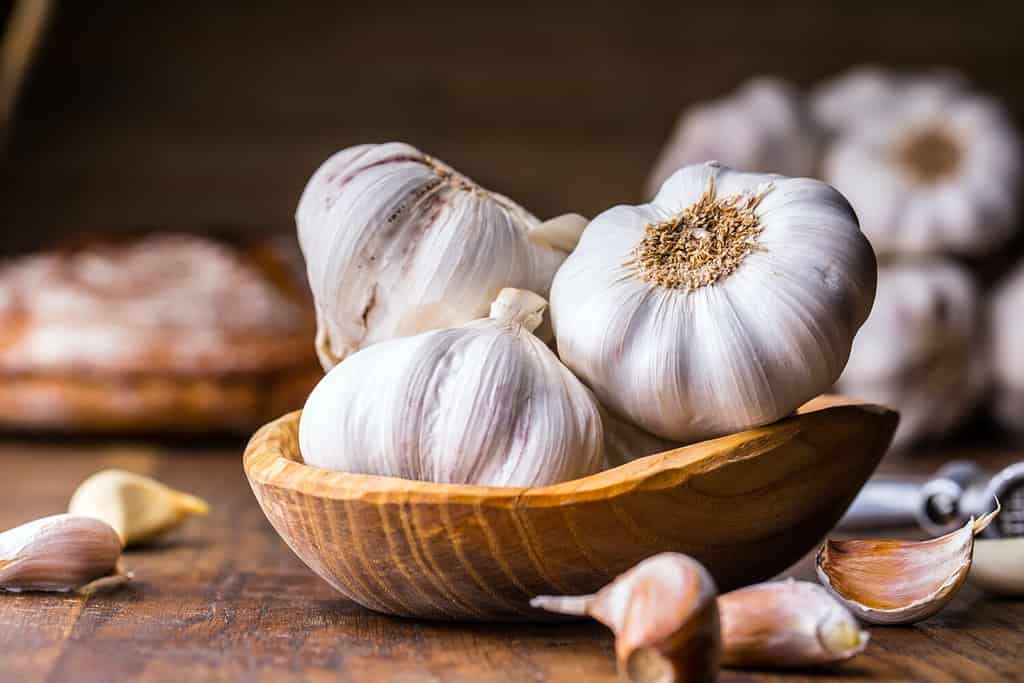
Garlic has too strong a scent for chickens, but it does have antimicrobial and antibacterial properties that can be beneficial for chickens.
©Marian Weyo/Shutterstock.com
Chickens are smart enough to stay away from pungent odors. In many cases, when smells are strong, they can also be toxic. This is why garlic, a member of the onion family, is a bulb that chickens stay away from, given how strong it can be as it grows.
While chickens do not like the taste or smell of garlic, garlic does have antifungal and antibacterial properties that will keep bacteria and fungus from growing around coops and even on chickens. This is why some chicken farmers recommend making a solution of water and garlic to spray around the area where chickens live to not only keep them within their living perimeters but to keep them healthy as well.
Citrus
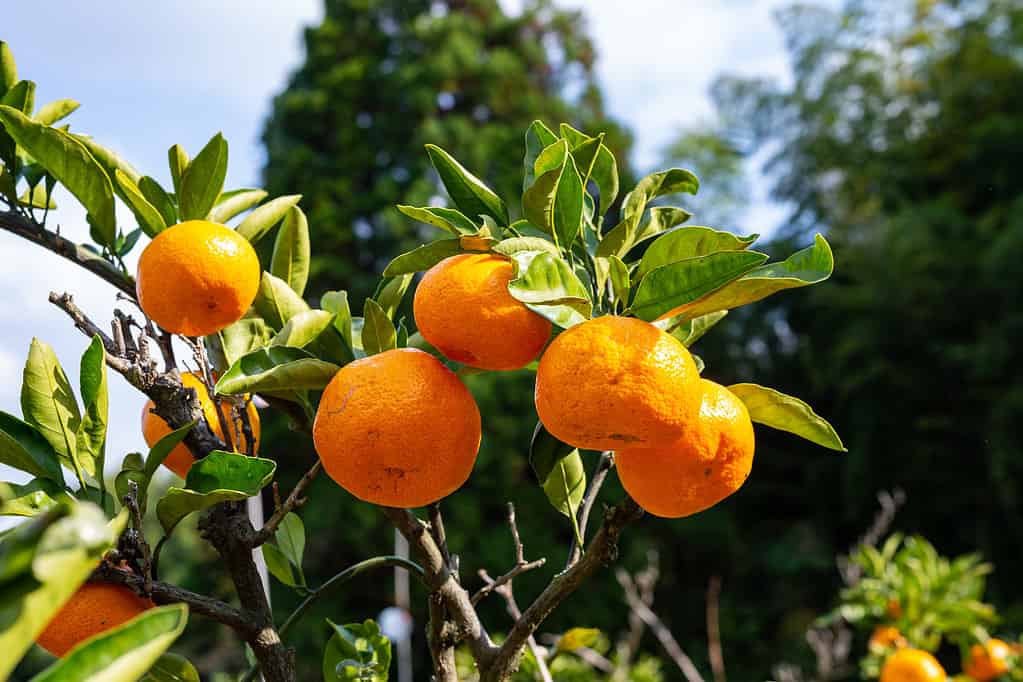
Citrus has too concentrated a smell to be welcoming to chickens.
©Matthieu Tuffet/iStock via Getty Images
Citrus fruit is something that people welcome eating, given its sweet and sometimes sour properties. For chickens, all citrus fruit is avoided, given that citrus contains limonene. The smell of citrus fruits is so concentrated that chickens will avoid any citrus scent at all costs.
While some chicken farmers say that citrus, such as grapefruit and oranges, can be given to chickens in small quantities to boost their immune system, others recommend against it. This is because citrus fruit can cause digestive upset, pose a choking hazard, and be unhealthy for chickens due to the high sugar and acid content.
Diluted citrus fruit juice can prove to be a great barrier in a chicken’s environment. Because chickens can smell citrus from a far distance, they are apt to stay away from areas where the mixture has been sprayed. This will not only keep chickens contained but make for a nice-smelling habitat as well.
Vinegar
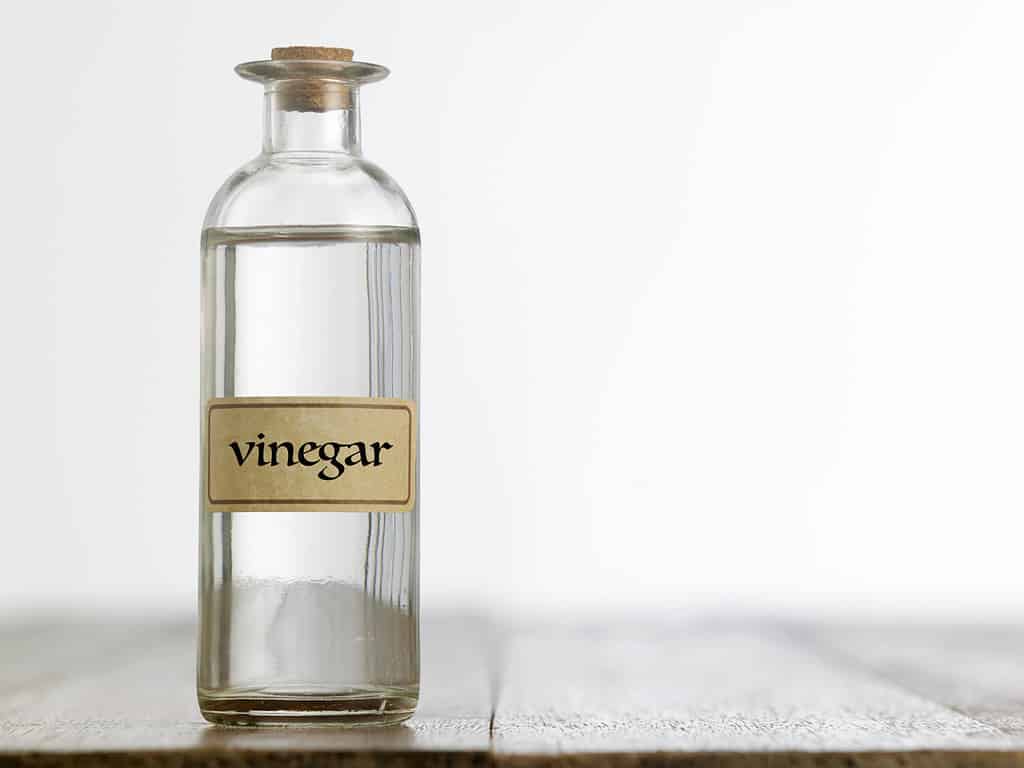
Vinegar has a smell that not only chickens avoid, but many people do as well because of its potency.
©focal point/Shutterstock.com
It is not surprising that vinegar is a smell that deters chickens. This is because it is a smell that many people would like to avoid as well, given that vinegar can irritate the nose and throat. For chickens, the smell is so potent that they instinctively put vinegar in the category of a toxic substance and will not go near it. For chickens who have mites, some chicken farmers recommend a solution of vinegar and water. This is non-toxic for chickens and can be sprayed both on them or in their coops to prevent and stop a mite infection from occurring.
Pine Chips

Pine chips are a popular choice for some chicken farmers, but groups of chickens do not enjoy the scent in their environment.
©larisa Stefanjuk/Shutterstock.com
Pine chips can be a potent smell for some chickens. Others do not seem to mind it at all. Those who have a stronger aversion to pine chips, according to some chicken farmers, seem to be those who have not been exposed to the smell their entire lives. However, pine chips are not the best option for chickens, according to some, due to the abietic acid that can cause respiratory problems.
Pine chips have become a popular option for those who own chickens due to their absorbent property. The chips are also affordable and provide good insulation for the chickens.
The downside to using pine chips has to do with the abietic acid the chips contain. When inhaled for long periods, lung problems can develop. Additionally, pine chips can contain pathogens harmful to chickens, as well as dust associated with the pine chips.
Therefore, pine chips can be a good option for some, but others may believe the risks outweigh the benefits. Given that many chickens may not be receptive to the smell, other options may be better, including cedar or aspen chips. But like with all smells, each chicken has their preferences as to what they like and what they do not, so choose fragrances as appropriate for the flock to both enhance their health and keep natural barriers in their environment.