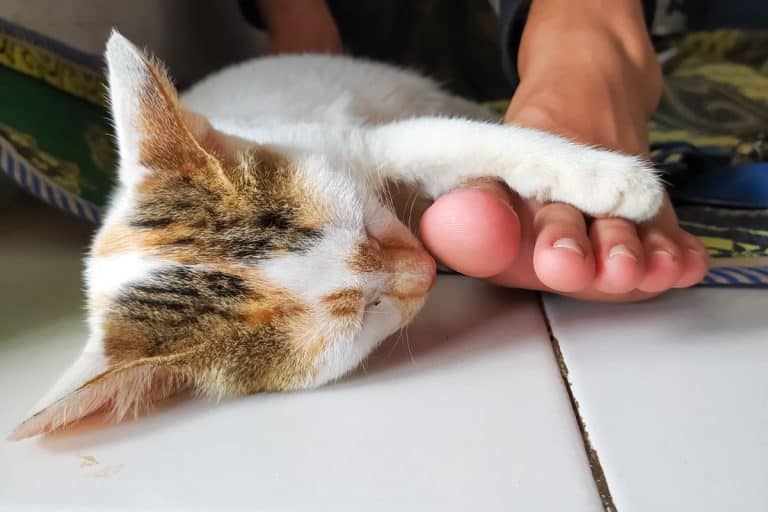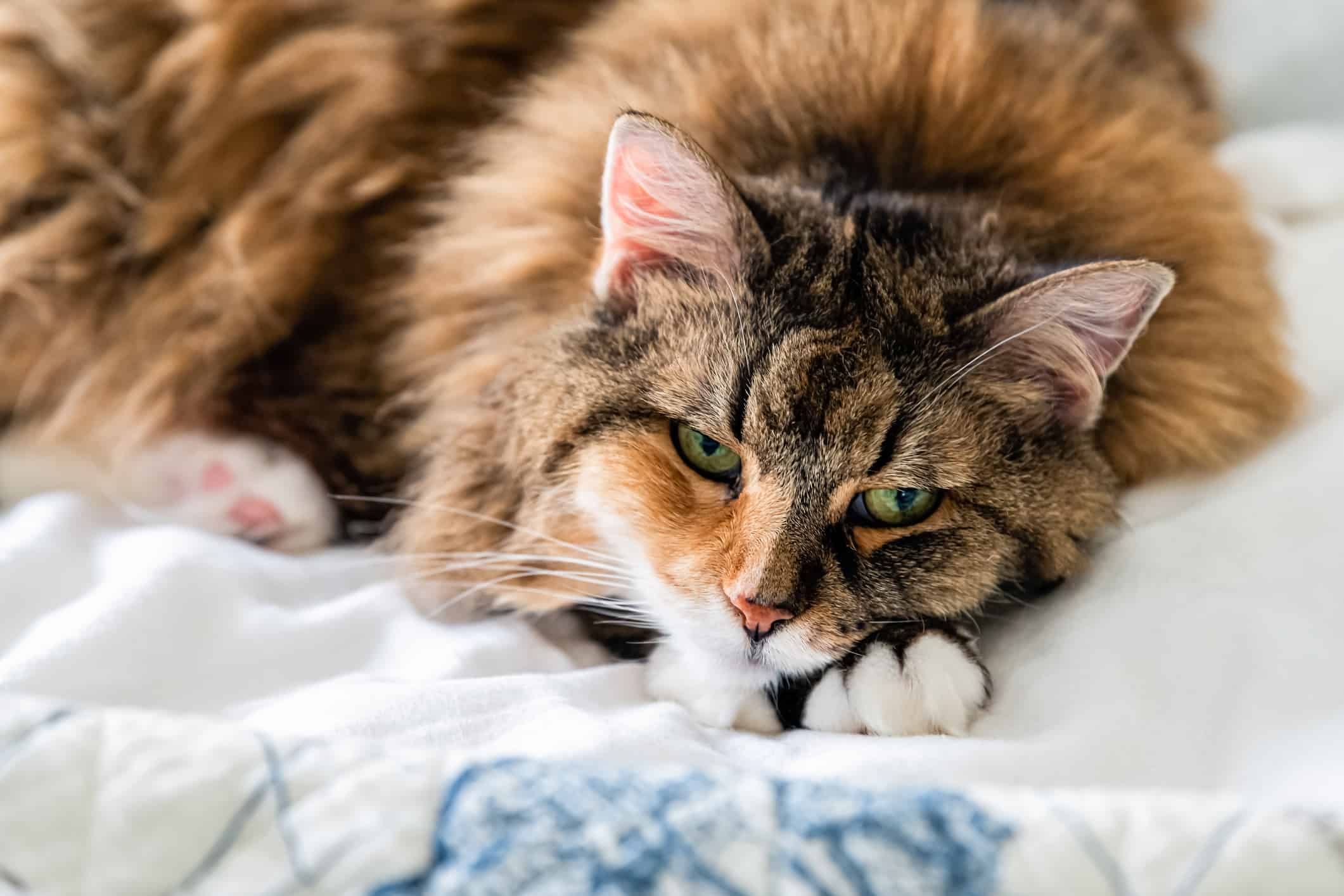

When doctors first prescribed fluoxetine (Prozac) for my cat, I was floored. I had known there was something underlying going on. After all, my cat had been pulling out her fur and was left with bald patches across her stomach and legs. But while I anticipated a more environmental cause, I hadn’t considered how cats might deal with anxiety or depression. Behavioral issues such as fear, anxiety, and stress are increasingly recognized as common in cats, and some experts believe that signs of emotional distress—including what some may describe as depression—are more prevalent than previously assumed.
From an evolutionary standpoint, cats have learned to mask any signs of pain or distress to avoid becoming potential prey or displaying weakness. And yes, that means emotional pain too. Cats may not experience clinical depression like humans. According to Dr. Wailani Sung, it’s also hard to know how cats experience the mental state of sadness at all. But, as a pet owner, you want to make sure your cat is healthy, happy, and fulfilled. Recognizing the signs of feline depression, even if they’re subtle, helps you identify them in your own cat and, hopefully, address the issue. While this isn’t an exhaustive list of symptoms, here are 5 signs your cat is depressed.
Why Do Cats Get Depressed?
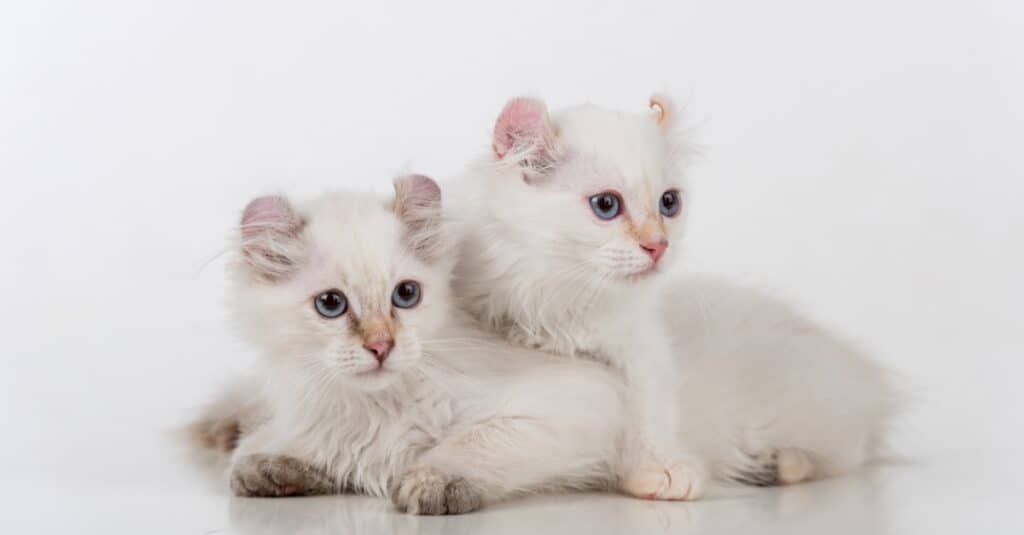
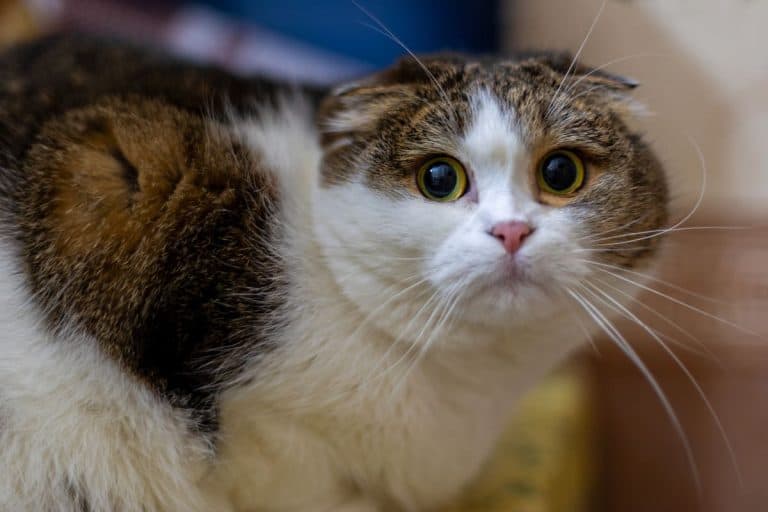
Since cats can be social creatures, losing an animal companion or a human family member may cause significant stress.
©photosounds/Shutterstock.com
There are several reasons why feline depression occurs. The reasons your cat is depressed may differ from those affecting another cat, but identifying the contributing factors can help you address the problem before considering medication or other interventions.
As routine-oriented animals, cats can become depressed if their routine (or home space) changes. Maybe you’ve been doing construction on the house, had a baby, or (in my cat’s case) moved from one home to another. In other cases, feline depression may arise from separation anxiety, the death of a loved one (both other pets or humans), pain, or illnesses like arthritis, or a lack of mental stimulation.
1. Sudden Changes in Behavior
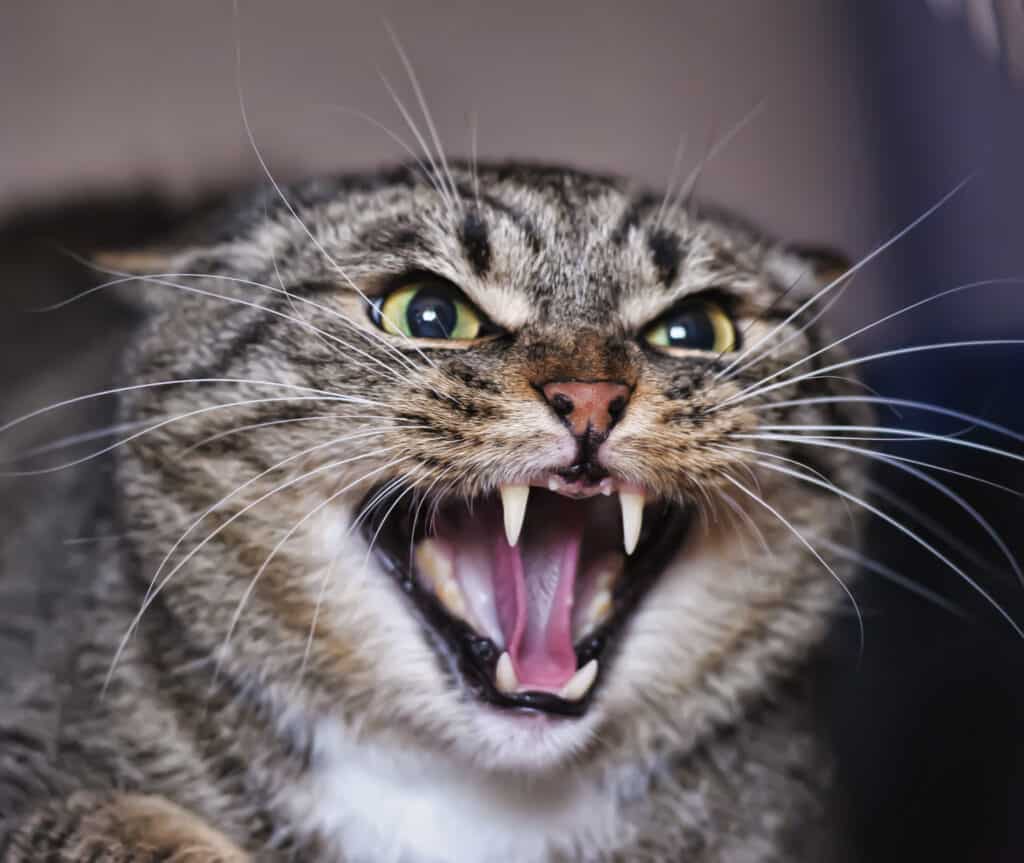
If your normally happy cat is suddenly hissing or growling at you, it could be a sign of depression.
©Anna Krivitskaya/Shutterstock.com
Feline depression may manifest in behavioral changes, which might be hard to spot at first. Perhaps your normally friendly, sociable cat is suddenly hissing when you try to pet it. Maybe you’re used to your cat greeting you at the door when you get home from work, or cuddling with you at night, but that same cat seems to be hiding more frequently. These are signs that your cat’s happiness is waning.
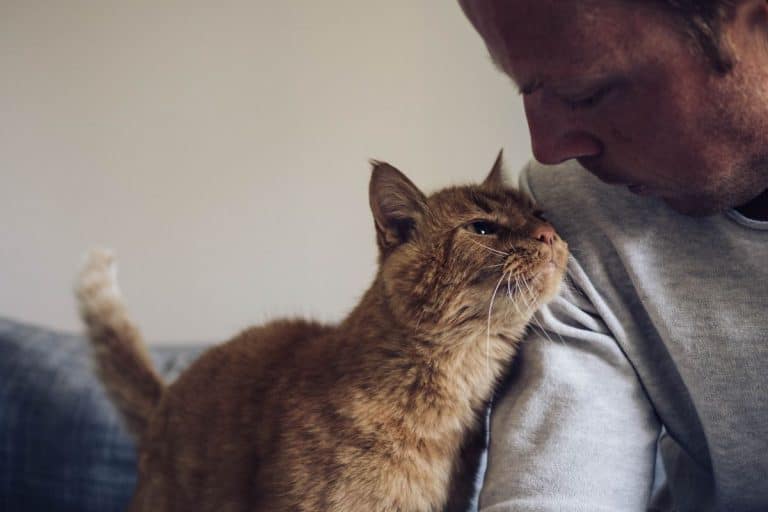
Additional behavior changes associated with feline depression can include reactivity (i.e., biting or chasing you) or even becoming clingier. If your cat was not previously a cuddler but is now frequently seeking your lap, it may be time to visit the vet.
2. Issues with Grooming
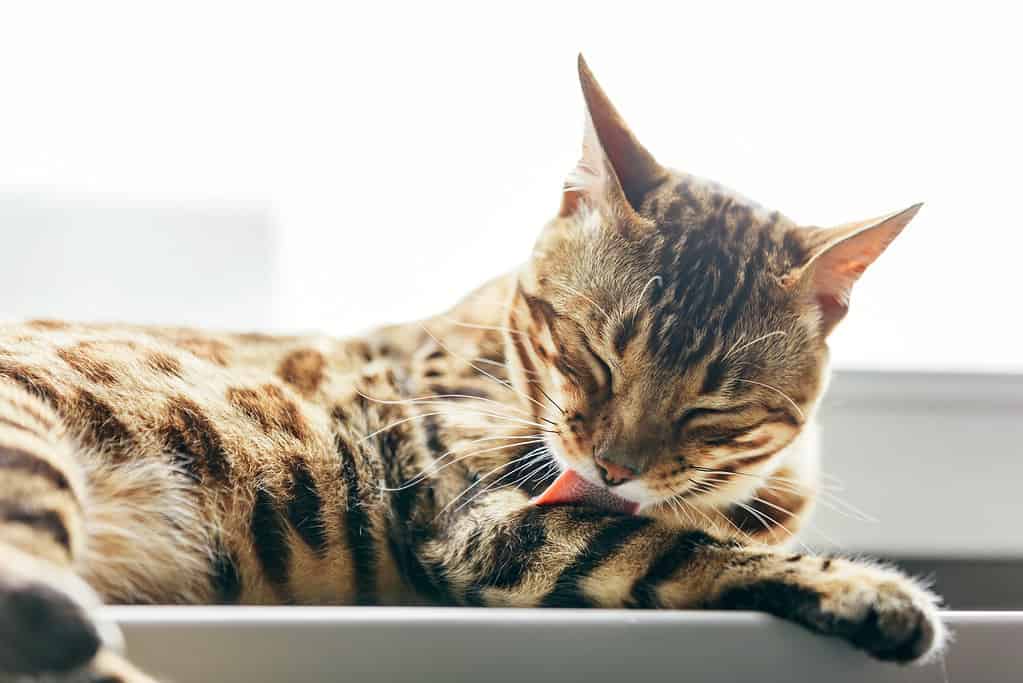
If your cat is having grooming issues, some doctors want to rule out medical problems like allergies first before considering depression or anxiety.
©NiseriN/iStock via Getty Images
Cats are naturally clean creatures. They spend a few hours each day grooming themselves, or up to 50% of the time they’re awake. Grooming is essential for a variety of reasons. Even if your cat doesn’t go outside, their ingrained instincts push them to groom away any potential parasites, dirt, or dead skin and hair. Cats also instinctively groom to reduce their scent, which keeps prey from smelling them and getting away.
Since grooming is such an important part of your cat’s day, it’s worrisome when your cat changes its grooming behavior. Some depressed cats may stop grooming themselves altogether. In that case, you might notice your cat develop greasy, oily, or matted fur, especially in long-haired cats. However, some cats may react the other way: by grooming too much. Normally, grooming in cats releases endorphins. Overly stressed or depressed cats may over-groom themselves to feel better. But this can lead to patches of irritated skin or missing fur, a condition known as psychogenic alopecia.
3. Lethargy and Poor Energy
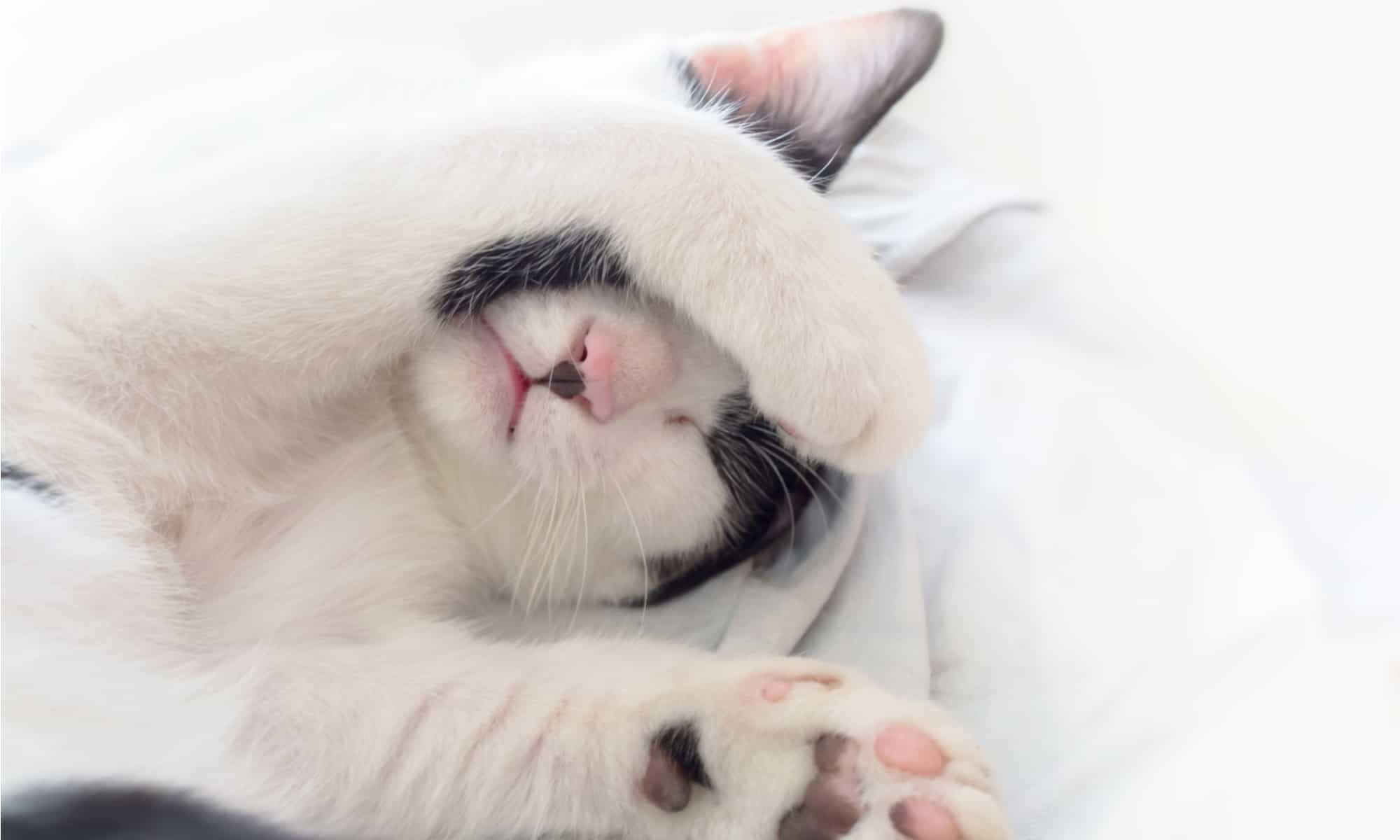
According to research, cats can sleep up to 20 hours every day.
©Gumpanat/Shutterstock.com
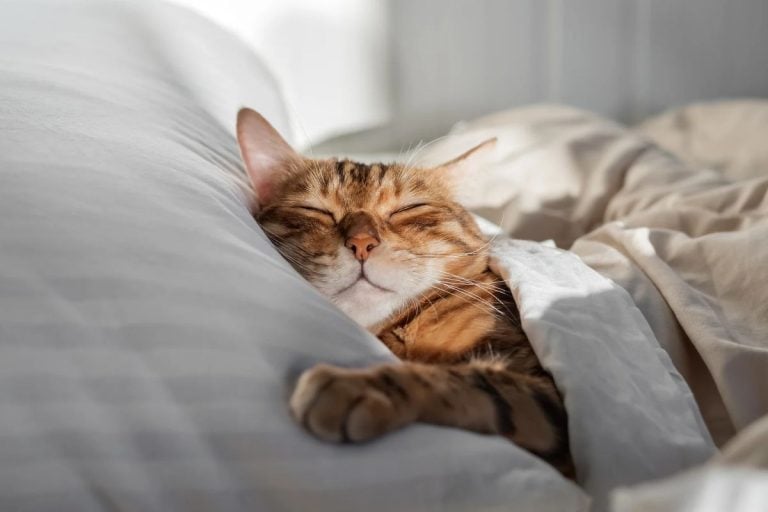
“Taking a catnap” is a common phrase for a reason. Most cats sleep anywhere from 12 to 20 hours each day, meaning they’re only awake between 4-12 hours. This can vary by age and overall health, but the point is that it’s not unusual for cats to be asleep.
But lethargy is a different story. Lethargic cats lack energy. Outside of sleeping more, lethargic cats may avoid interaction, seem drowsy or “out of it,” or show less interest in their daily life. Much like humans, some cats with depression become less interested in activities or situations they would have sought out previously: playtime, favorite toys, and a scratching post they’ve always gone back to. Lethargy is not normal in cats. So if your cat seems off, it’s time to head to the vet for a consultation.
4. Appetite Loss
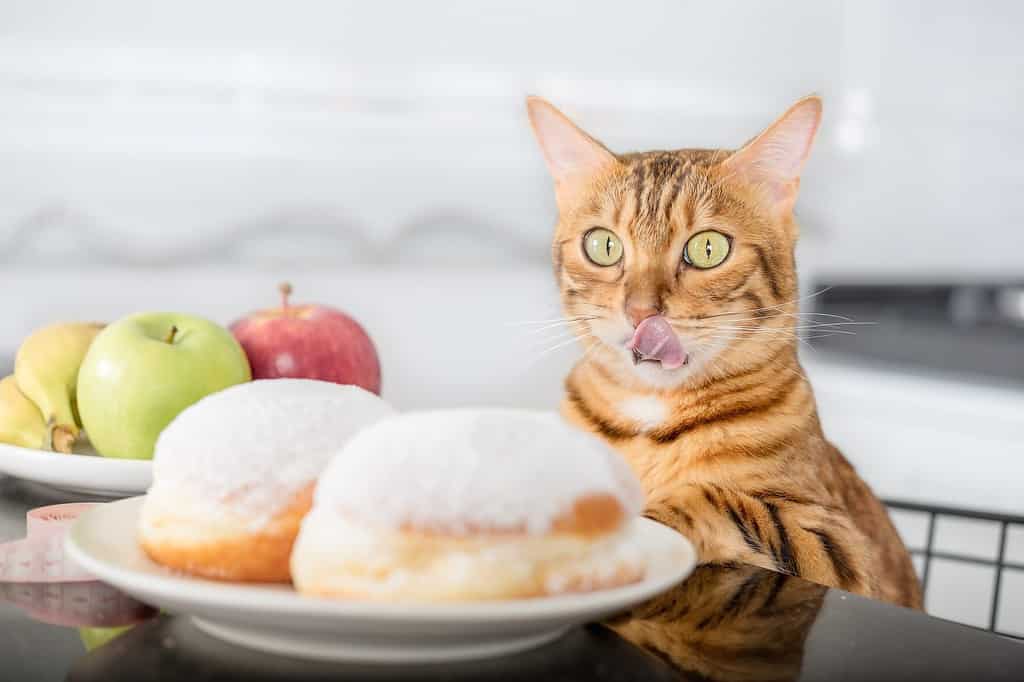
Cats should eat around 25-35 calories per pound they weigh, according to PetMD.
©Svetlana Rey/Shutterstock.com
Many pet parents feed their cats two or three meals a day, while others allow “free-feeding” where food is available at all times. Most likely, your cat loves to eat (especially wet food!) and comes running when their bowl is filled. But when a cat is no longer eating or is actively losing weight, there is a problem. No animal will willingly starve itself. However, stress can reduce appetite and make it difficult for your feline friend to eat.
At the same time, it’s important to note that a lack of appetite can also signify serious health issues, from severe dental pain or dental disease to something more devastating, like cancer. Regardless of the cause, you should be taking your cat for care if they show any signs of a lack of appetite.
5. More Vocalizations
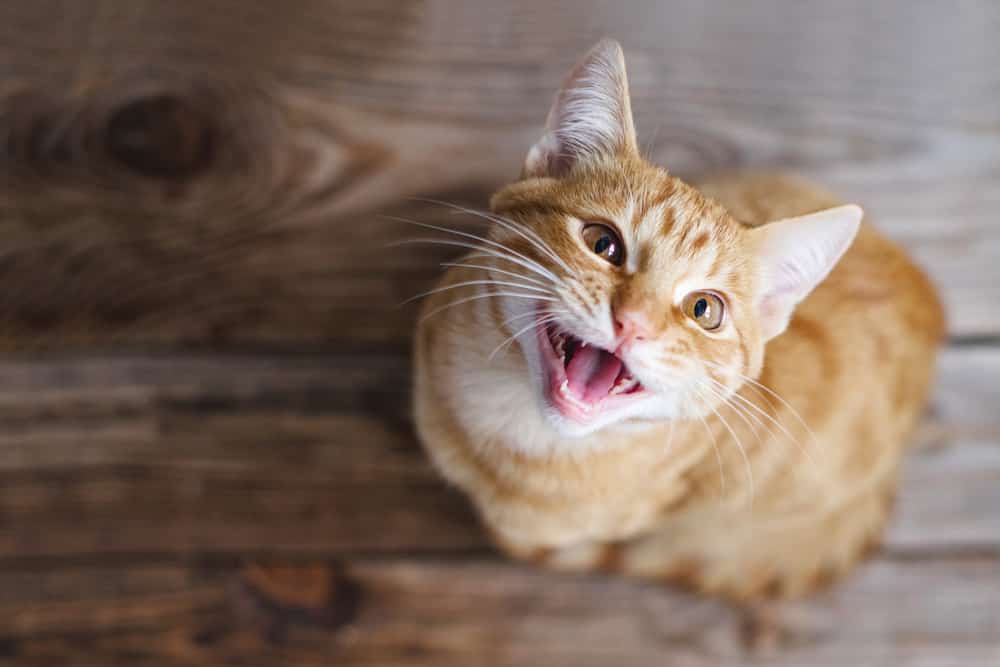
Cat vocalizations are varied, including hissing, meowing, chirping, or growling (among others), with each vocalization communicating something different.
©savitskaya iryna/Shutterstock.com
Not every cat is chatty. Some are silent, offering up only the occasional purr. Other cats, however, are near-constantly “talking” with their owners: meowing at different pitches or volumes, chirping at birds out the window, or seeking attention by yowling loudly from the other room.
Feline depression may appear as altered vocalizations. Some cats may stop chattering or meowing, and others may no longer purr. Other cats go the opposite direction: crying, yowling, or making noises that signify distress or confusion. While some cats yowl while their owners are still in the room, others may cry out in the dark at night, when owners are working or otherwise distracted, or in other instances when the cat feels alone. Although your cat may vocalize for other reasons, such as wanting to be fed, your feline friend may need emotional support if they cannot be comforted.
How Can You Help Your Depressed Cat?
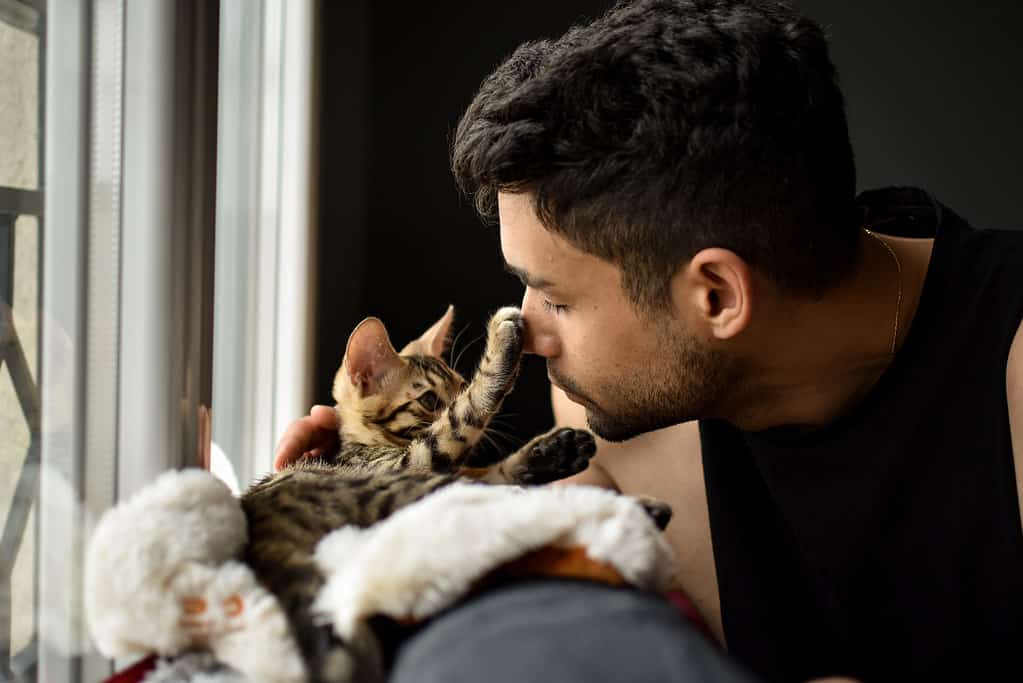
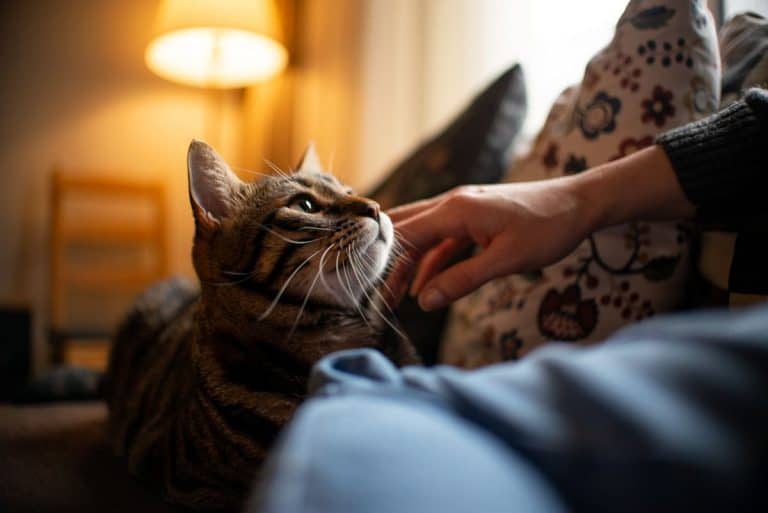
About 29% of U.S. households own cats, and cat parents want their cat to be happy!
©Raphael Angeli/iStock via Getty Images
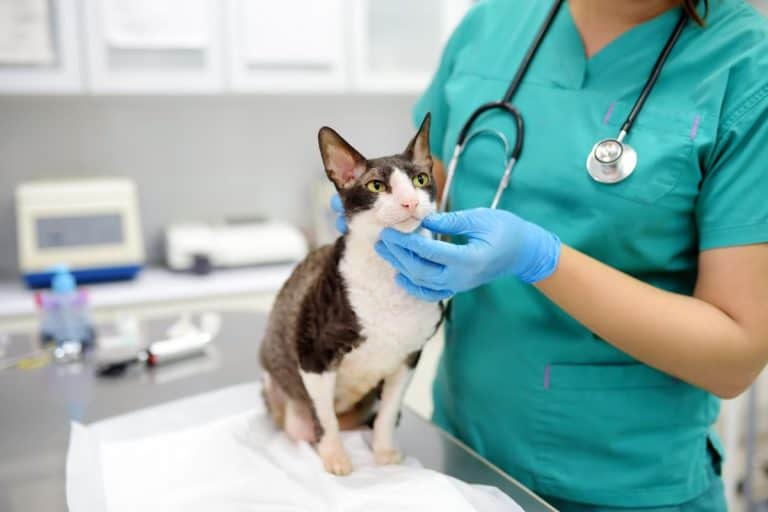
If your cat is depressed, don’t worry. There are ways to lift their mood! The first step is usually taking your cat for a visit to the veterinarian, especially if they’ve displayed any dramatic changes in mood or behavior. To start, vets will usually rule out medical issues to determine whether your cat’s issues are a result of something physical or if they are actually mental.
Once your vet determines that your cat has feline depression, there are a few ways to proceed: providing more enrichment like cat trees or play periods, using pheromone diffusers like Feliway, or even prescribing anti-anxiety or antidepressant medication. Your vet will help you decide which option is right for your pet or if your cat needs multiple interventions.