
Quick Take
- Termites are unable to digest plants, yet they feed colonies of millions. The workaround involves something you'd never expect to find underground. See how fungi help →
- The termite 'farm' runs on a cycle that has been quietly optimized over millions of years, and the harvest method is stranger than any agriculture humans have ever invented. Uncover the fungal harvest →
- These insects maintain near-perfect climate control across a structure taller than a basketball hoop, and they do so with no moving parts and no power source. Discover the ventilation system →
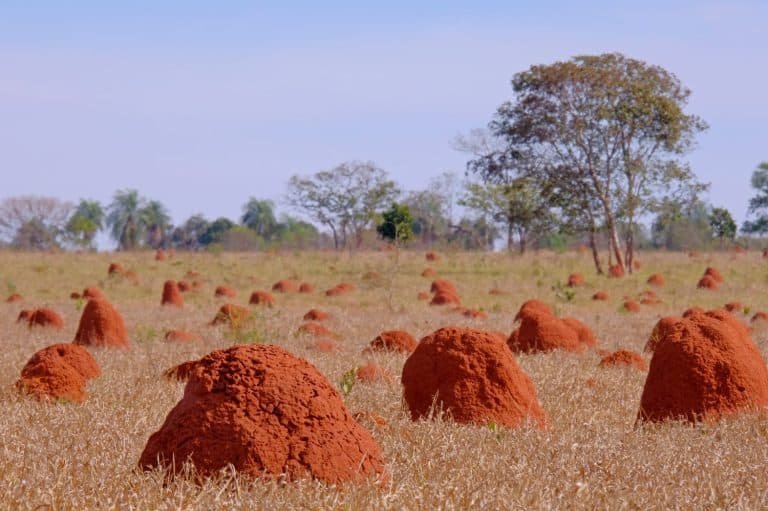
Termite farms are a familiar sight on the African savannah. Big, clay-colored, and bulky, these mounds rise from flat land to unreal proportions. Termite mounds can reach 10 feet or more in height, with the tallest recorded mound exceeding 28 feet. These are impressive constructions for such tiny termites, but what happens inside the mounds is even more remarkable: an evolutionary partnership.
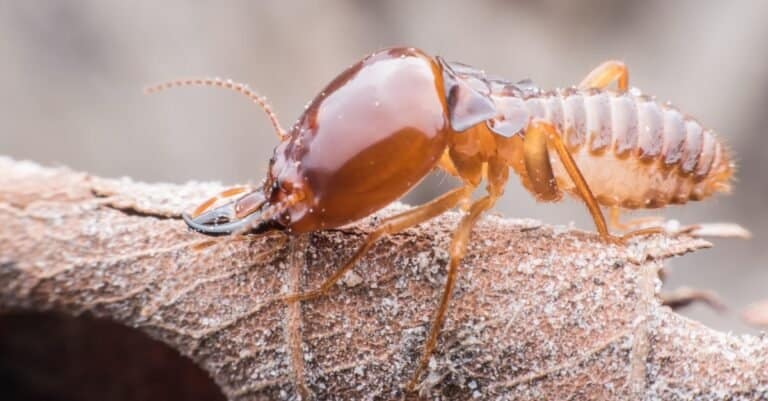
The name African fungus-farming termite (Macrotermes bellicosus) should clue you in on the activities happening inside these structures. These termites cultivate underground, compost-like gardens of fungi to keep their massive colonies fed and thriving in otherwise harsh conditions. Meet the fungus-farming termite and discover how these insects overcome their limitations through a primitive form of agriculture.
Mound Modification
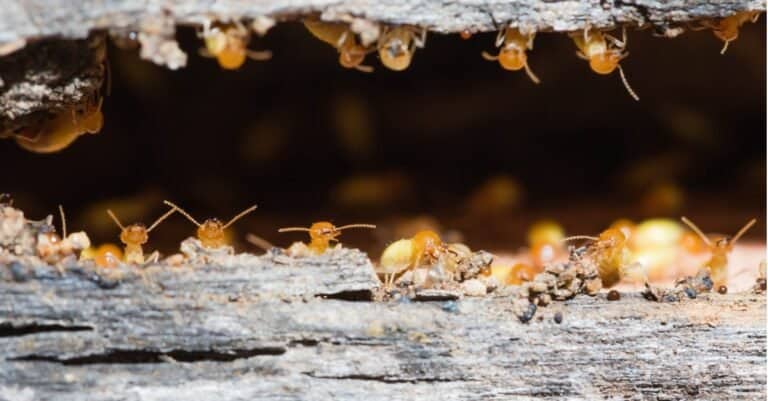
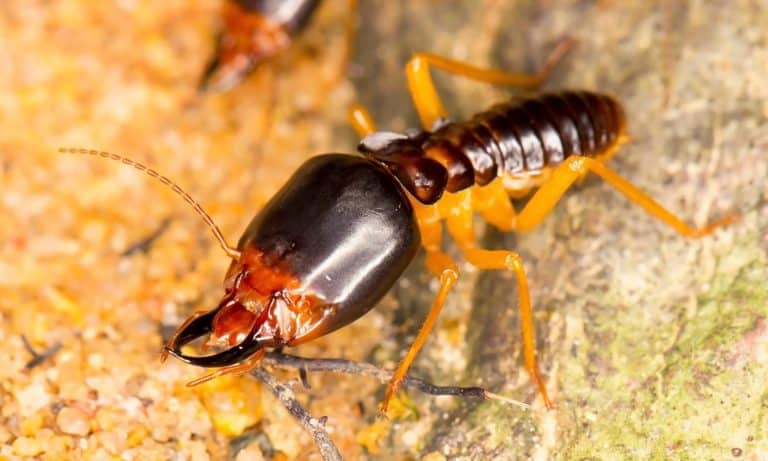
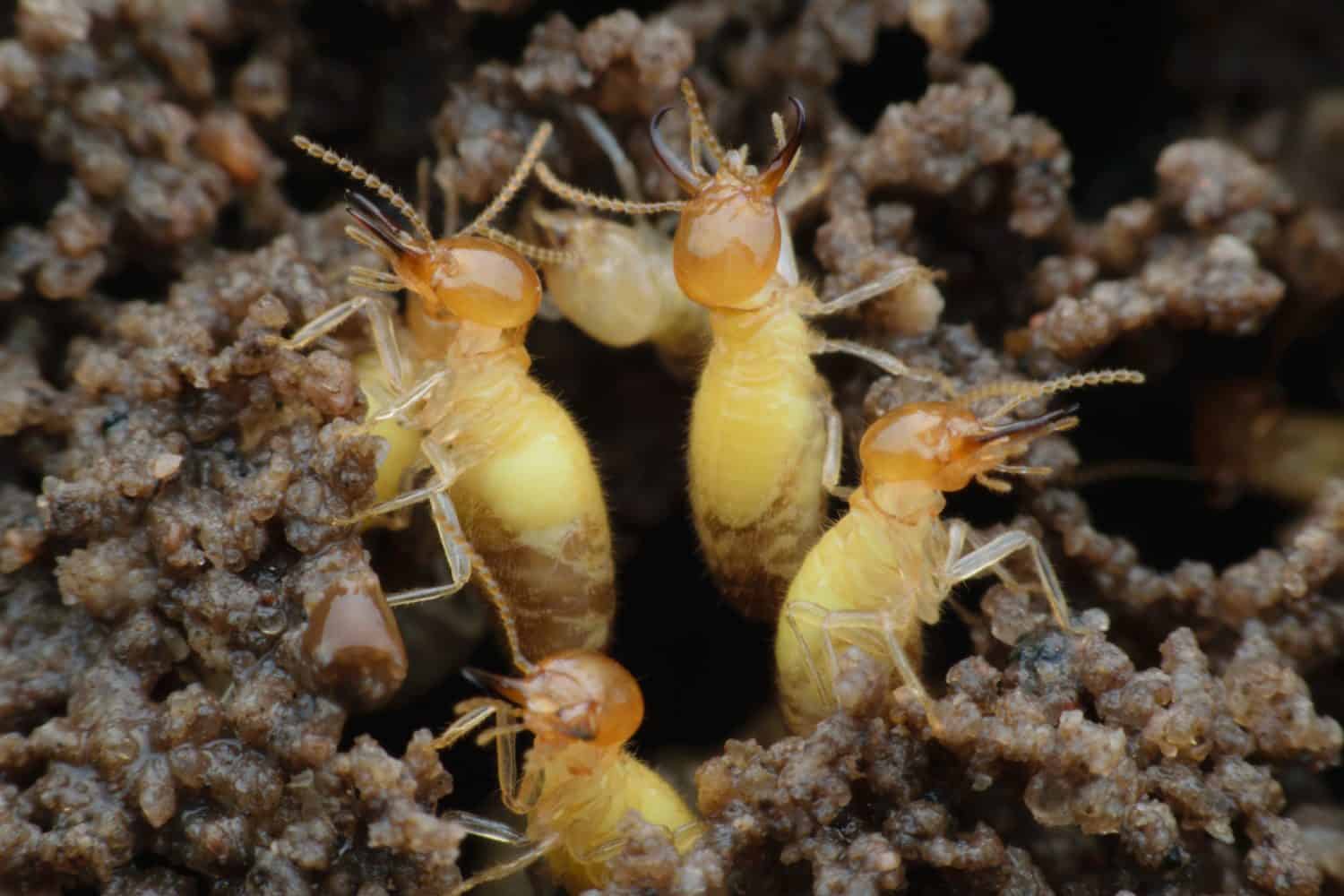
Like other mass-collaborative insects, African fungus-farming termite colonies have clear divisions of labor. Queens can grow up to 4.2 inches, while both major and minor workers average 0.14 inches in length. Soldiers are slightly larger. Only the workers construct the colony mounds. They use their strong mandibles to chew clay and wood, mix the material with their saliva, and produce a type of organic cement.
However, termites have a limited ability to break down plant polymers like cellulose on their own, relying on a combination of their own enzymes and gut microbes to aid digestion. To enhance this capacity and keep the colony fed, fungus-growing termites form a symbiotic relationship with fungi from the genus Termitomyces. Termite workers find different types of organic material and bring it back to their mounds. There, they chew it until it breaks down and forms a type of fecal pellet known as a comb.
Next, they plant spores from Termitomyces fungi directly into these pellets. The fungi slowly break down the organic substrate into sugars and proteins, which are formed into structures called spherules. Once sufficiently broken down, the plant matter is transformed into a form that the termites can eat. With an eye toward the future, termite workers continually feed this mushroom farm with more pellets at the top and eat the broken-down material at the bottom.
Geo-Engineering
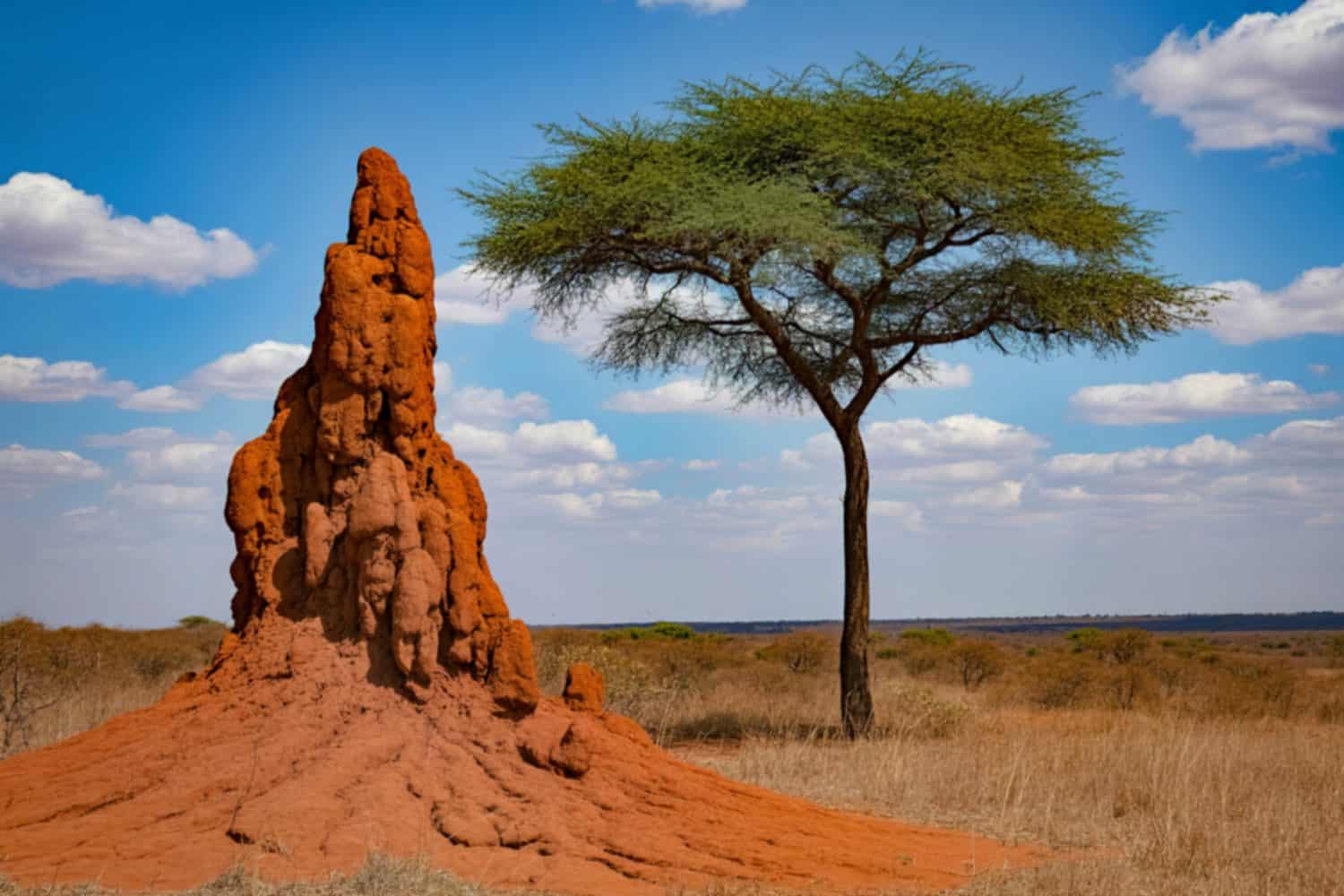
African termite mounds can reach up to 20 feet in height and contain intricate channels, vents, and chambers.
©grigoconstan/Shutterstock.com
It would be a mistake to think of these massive termite mounds as hollow and simple inside. They are actually some of the most intricate feats of engineering in the animal kingdom. With millions of termites and extensive fungal gardens inside, these mounds generate significant amounts of heat and carbon dioxide. Termites, however, require consistent temperatures in their mounds, so they apply their engineering instincts once again and construct incredible mazes of flues and micro-vents. These channels divert airflow into a massive main chimney, which expels excess carbon dioxide and stabilizes pressure.
The work and planning involved in this complex convection and ventilation network cannot be overstated. The sun heats the mound’s outer walls during the day, expanding the air inside and causing it to rise. This pressure differential draws carbon dioxide from lower levels into the main chimney. The various channels and conduits continually bring fresh air in and expel carbon dioxide. As night falls, the mound’s thick, insulated walls help retain warm air around the central brood and fungal gardens.
When worker termites are not tending to their fungal gardens or feeding, they are busy maintaining the ventilation system. This involves frequently modulating the opening and closing of surface vents using damp soil. Although it is hard work, this intricate process ensures that the termite colony remains well fed and thrives in ideal climate conditions year-round.